Pastured poultry equipment is revolutionizing the way we approach poultry farming, moving away from intensive confinement operations towards systems that prioritize animal welfare, environmental sustainability, and product quality. Globally, there's a growing demand for ethically sourced food, and consumers are increasingly willing to pay a premium for products raised in humane and ecologically sound conditions. This shift has created a significant need for specialized equipment that facilitates efficient and scalable pastured poultry production. Understanding this equipment, its applications, and future trends is crucial for farmers, agricultural businesses, and policymakers alike, as it represents a vital component of a more resilient and sustainable food system.
The demand for pastured poultry is driven by increasing awareness of the negative impacts of conventional poultry farming—including environmental pollution, antibiotic resistance, and animal suffering. Simultaneously, the global population continues to grow, putting immense pressure on food production systems. Pastured poultry offers a viable solution by providing a higher quality product while reducing environmental impact and improving animal health. The market for pastured poultry products is expanding rapidly, creating opportunities for farmers who invest in the appropriate pastured poultry equipment.
Investment in suitable pastured poultry equipment is no longer simply a preference but becoming a necessity for farms aiming to meet growing consumer expectations and regulatory standards. This equipment empowers producers to efficiently manage flocks, protect birds from predators, and optimize pasture utilization, ultimately leading to a more profitable and sustainable operation.
Introduction to Pastured Poultry Equipment
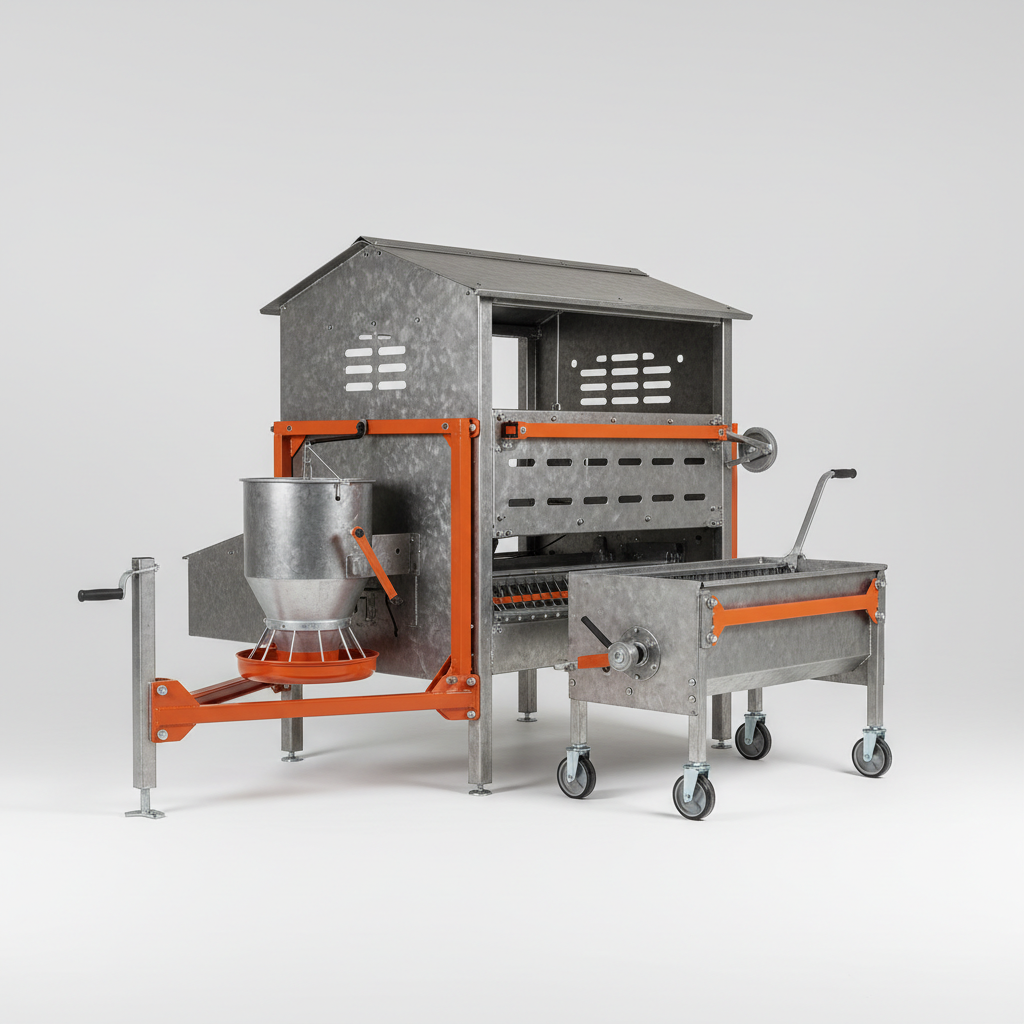
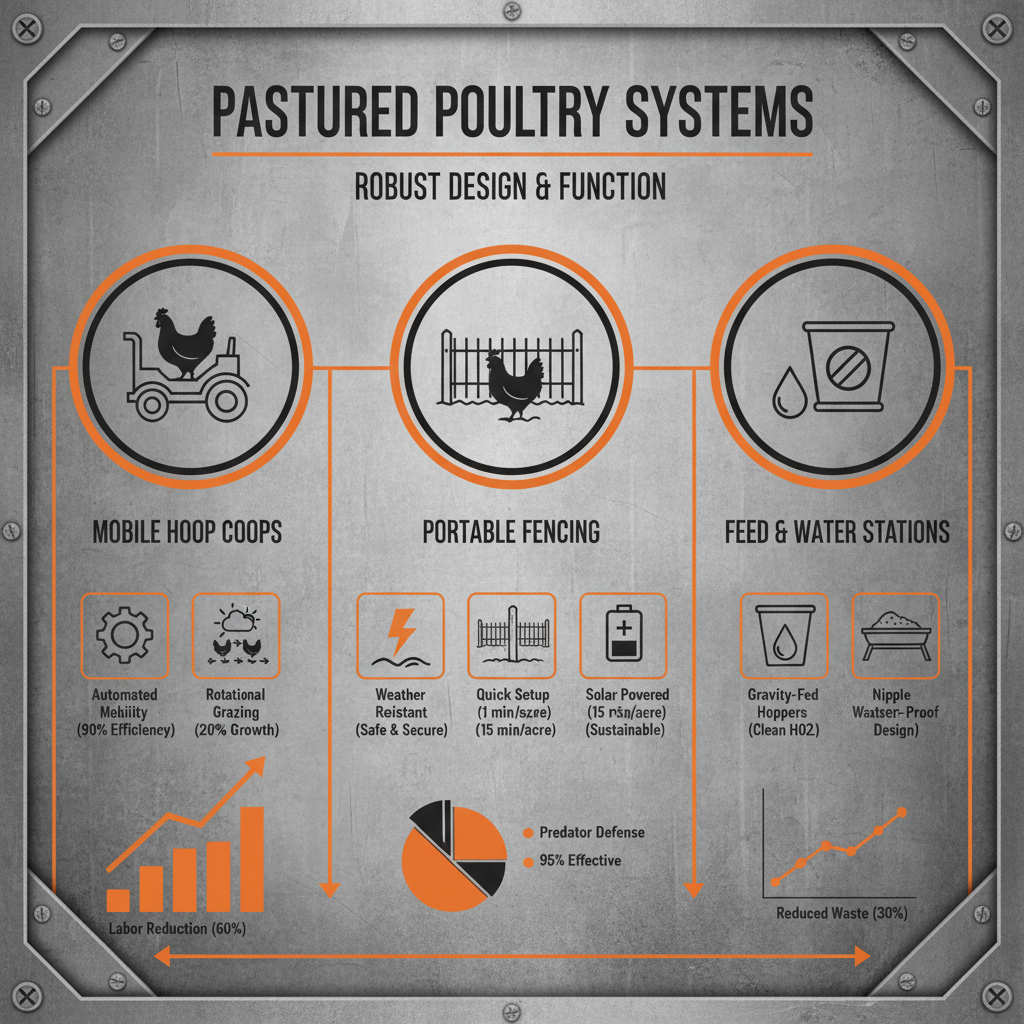
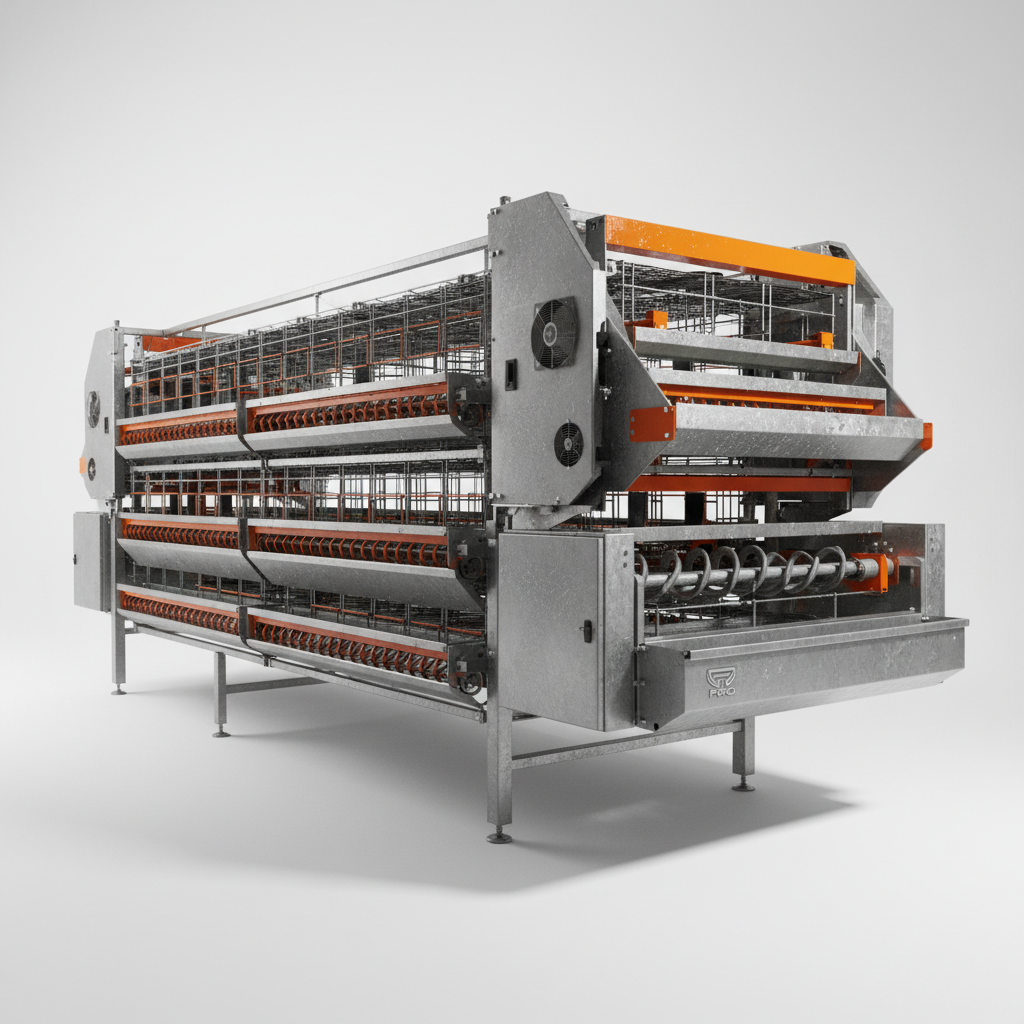
Pastured poultry equipment encompasses a wide range of tools and infrastructure designed to support poultry raised on pasture. This includes mobile coops, electric fencing, netting, watering systems, feeders, processing equipment, and even specialized pasture management tools. The core principle is to provide birds with access to fresh pasture while protecting them from predators and enabling efficient management of the flock. pastured poultry equipment is constantly evolving to meet the needs of a growing industry.
The effective deployment of this equipment allows producers to maximize forage intake by their birds, reducing feed costs and improving the nutritional profile of the poultry products. This system also inherently improves animal welfare, as birds are able to express natural behaviors like foraging, dust bathing, and socializing in a more natural environment.
Defining Pastured Poultry Equipment
Pastured poultry equipment, at its simplest, is the collection of tools and structures used to raise chickens, turkeys, ducks, or other fowl on pasture. Unlike conventional poultry housing, which typically confines birds indoors, pastured poultry systems utilize mobile coops and fencing to allow birds to roam freely on grasslands, consuming forages, insects, and seeds, supplementing their diet with feed as necessary. This equipment facilitates a system that mimics the natural behavior of poultry, offering substantial benefits for both animal welfare and environmental sustainability.
The modern iteration of this equipment isn't simply about letting birds roam; it’s about implementing managed grazing systems. This requires precise control of access to pasture, predator protection, and efficient movement of the flock to prevent overgrazing and maintain pasture health. The equipment is a crucial enabler of this precision.
This approach directly addresses growing concerns around industrial agriculture’s impact on the environment and the wellbeing of animals, offering a pathway towards a more regenerative and ethical food production system. It’s a key component in the broader movement towards agroecology and sustainable farming practices.
Key Factors in Pastured Poultry Equipment
Several key factors determine the effectiveness and suitability of pastured poultry equipment. Durability is paramount, as the equipment needs to withstand weather conditions, constant movement, and the wear and tear of daily use. Equipment constructed from robust materials like galvanized steel and UV-resistant plastics will offer a longer lifespan and reduced maintenance costs.
Scalability is another critical consideration. A system that works well for a small flock may not be efficient or practical for a larger operation. Choosing equipment that can be easily expanded or adapted to accommodate growth is essential for long-term success. This may involve investing in modular systems or equipment that can be easily replicated.
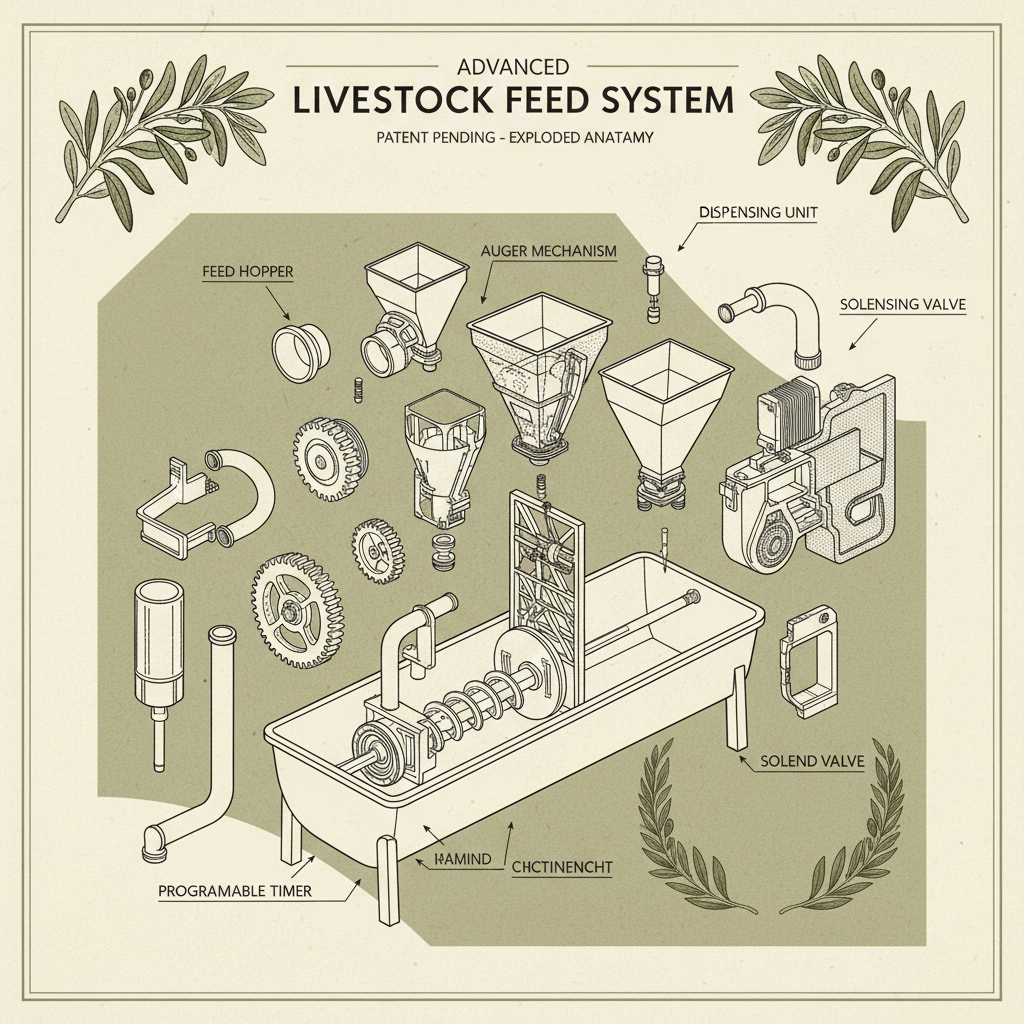
Ease of Use directly impacts labor costs and efficiency. Equipment that is simple to assemble, move, and maintain will save time and reduce the physical strain on farmers. Automated features, such as self-filling waterers and automatic coop movers, can further streamline operations. Finally, Cost Efficiency is vital. The initial investment in pastured poultry equipment needs to be balanced against the potential for increased revenue through higher-quality products and reduced feed costs.
Global Applications of Pastured Poultry Equipment
Pastured poultry equipment is finding applications worldwide, driven by the growing demand for sustainable food production. In the United States and Europe, the “pastured poultry” label is becoming increasingly common, signifying higher welfare standards and enhanced product quality. pastured poultry equipment is vital for farms pursuing these certifications.
In developing countries, pastured poultry systems offer a low-cost, sustainable way to improve food security and nutrition. Small-scale farmers can utilize locally sourced materials to build basic coops and fencing, reducing reliance on expensive imported inputs. These systems can also empower women and marginalized communities by providing opportunities for economic independence.
In post-disaster relief operations, mobile poultry coops can provide a rapid source of protein and income for affected communities. The equipment is relatively easy to transport and deploy, offering a practical solution for rebuilding livelihoods in challenging environments. The flexibility and adaptability of pastured poultry equipment make it ideal for diverse agricultural landscapes and socioeconomic contexts.
Pastured Poultry Equipment Method Comparisons
Advantages and Long-Term Value
The advantages of investing in pastured poultry equipment extend far beyond simply raising birds on pasture. The most tangible benefit is cost reduction. By allowing birds to forage, farmers can significantly lower their feed costs, representing a substantial saving in operational expenses. The improved health of pastured birds also reduces the need for medications and veterinary care.
Beyond the economic benefits, there’s significant environmental sustainability. Pastured poultry systems improve soil health, reduce reliance on synthetic fertilizers, and sequester carbon in the soil. This creates a more resilient and regenerative agricultural system. Furthermore, the ethical treatment of animals fostered by pastured systems enhances the brand reputation and builds consumer trust.
Future Trends and Innovations
The future of pastured poultry equipment is likely to be shaped by advancements in technology and a growing emphasis on automation and precision farming. We are seeing increasing interest in robotic coop movers and automated pasture management systems that can reduce labor requirements and optimize grazing patterns.
Smart monitoring technologies, such as GPS tracking and sensors, are also emerging, allowing farmers to remotely monitor flock health, pasture conditions, and predator activity. Additionally, there's a growing focus on sustainable materials for equipment construction, such as recycled plastics and bio-based polymers, further reducing the environmental footprint of pastured poultry production.
Challenges and Solutions
Despite the numerous benefits, pastured poultry systems also face challenges. Predator control remains a significant concern, requiring robust fencing and vigilant monitoring. Maintaining pasture health requires careful management to prevent overgrazing and ensure adequate forage regeneration. Weather variability can also pose a challenge, particularly in regions with harsh winters or extreme heat.
Innovative solutions are emerging to address these challenges. Guardian animals, such as livestock guardian dogs and llamas, can effectively deter predators. Rotational grazing systems and pasture renovation techniques can improve pasture health. And climate-controlled coops and shade structures can protect birds from extreme weather conditions. pastured poultry equipment providers are continuously innovating to address these issues.
Collaboration between researchers, farmers, and equipment manufacturers is crucial for developing and implementing effective solutions to overcome these challenges and unlock the full potential of pastured poultry systems.
Table Summarizing Pastured Poultry Equipment Considerations
| Equipment Category |
Initial Investment (Scale 1-10) |
Maintenance Level (Scale 1-10) |
Impact on Labor (Scale 1-10) |
| Mobile Coops |
6 |
4 |
3 |
| Electric Fencing |
3 |
5 |
2 |
| Automated Watering Systems |
7 |
3 |
1 |
| Netting (Predator Protection) |
2 |
7 |
4 |
| Pasture Management Tools |
4 |
6 |
5 |
| Processing Equipment |
8 |
4 |
6 |
FAQS
The lifespan of a mobile poultry coop depends heavily on the materials used in its construction and the level of maintenance it receives. Coops constructed with galvanized steel frames and durable plastic sheeting can last 5-10 years with proper care, including regular cleaning, repairs to fencing, and protection from harsh weather. Wooden coops may have a shorter lifespan (3-7 years) unless they are treated to resist rot and insect damage.
A general guideline is to provide at least 0.5 to 1 square foot of pasture space per chicken. However, this number varies depending on the climate, pasture quality, and stocking density. Rotating chickens to fresh pasture regularly is crucial. Overstocking can lead to pasture degradation and increased parasite loads. Effective pasture management strategies are essential for maintaining a healthy and productive system.
Common predator threats include foxes, coyotes, raccoons, hawks, owls, and dogs. A multi-layered approach to predator control is recommended. This includes using secure fencing (both above and below ground), netting to protect against aerial predators, guardian animals like livestock guardian dogs, and diligent monitoring of the flock.
The initial investment in pastured poultry equipment can be higher than for conventional systems. However, ongoing costs can be lower due to reduced feed expenses and veterinary bills. Additionally, pastured poultry products often command a premium price in the market, potentially offsetting the higher initial investment.
Electric poultry netting is a popular and effective option, as it is relatively easy to install and move. Woven wire fencing with a buried apron can also provide good protection against digging predators. Combining different fencing types can offer the best protection, depending on the specific predator threats in your area.
The frequency of coop movement depends on pasture size, stocking density, and forage growth rate. Generally, moving the coop every 3-7 days is recommended. This allows the pasture to recover and prevents overgrazing and parasite buildup. Observing the pasture condition and adjusting the rotation schedule accordingly is essential for maintaining a healthy and productive system.
Conclusion
Investing in quality pastured poultry equipment is a critical step towards building a sustainable, ethical, and profitable poultry operation. From reducing feed costs and improving animal welfare to enhancing environmental sustainability and meeting growing consumer demand, the benefits are numerous and far-reaching. As we move towards a more conscious and responsible food system, pastured poultry will continue to play an increasingly important role.
Looking ahead, ongoing innovation in equipment design and pasture management techniques will be essential for maximizing the efficiency and effectiveness of pastured poultry systems. By embracing these advancements and sharing knowledge, we can create a more resilient and regenerative agricultural landscape for future generations. Visit our website at www.cxlivestock.com to learn more about our range of pastured poultry equipment and how we can help you build a thriving operation.