Feeding equipment for poultry is a cornerstone of modern agricultural efficiency, impacting global food security and economic stability. From small-scale family farms to large industrial operations, the tools used to deliver nourishment to chickens, turkeys, ducks, and geese directly affect productivity, bird health, and ultimately, the affordability of poultry products. The increasing global population demands a greater and more sustainable poultry supply, making advancements in feeding equipment for poultry not just desirable, but essential.
The importance of optimized feeding extends beyond mere output. Efficient feeding systems minimize feed waste, reducing environmental impact and lowering operational costs. Properly designed equipment also contributes to improved bird welfare, reducing stress and promoting healthy growth. As concerns around food safety and animal welfare continue to rise, the role of sophisticated feeding equipment for poultry is becoming increasingly critical for producers aiming to meet consumer demands and regulatory standards.
Understanding the nuances of feeding equipment for poultry is paramount for anyone involved in the industry – from farmers and farm managers to equipment manufacturers and policymakers. This knowledge allows for informed decision-making, leading to increased profitability, sustainable practices, and a more reliable food supply for a growing world.
The Importance of Feeding Equipment for Poultry
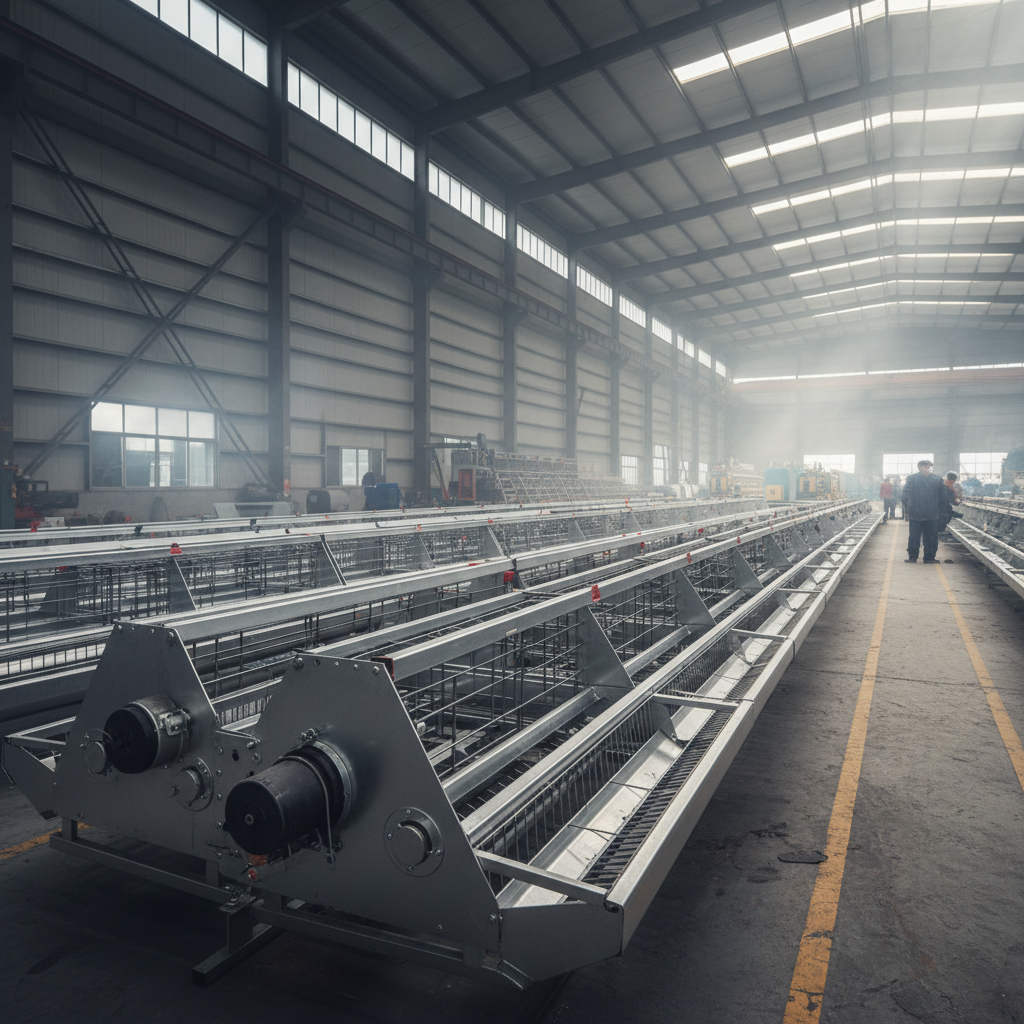
Modern poultry farming relies heavily on specialized feeding equipment to ensure optimal growth rates, feed conversion ratios, and overall flock health. From simple trough feeders to highly automated systems, the selection of appropriate equipment is crucial. This impacts not only the efficiency of the operation, but also the quality of the end product.
Investing in quality feeding equipment for poultry directly translates to increased profitability. Reduced feed waste, minimized labor costs, and improved bird performance all contribute to a stronger bottom line. Furthermore, the right equipment can help prevent disease outbreaks and ensure compliance with animal welfare standards, safeguarding both the flock and the farm's reputation.
Defining Poultry Feeding Equipment
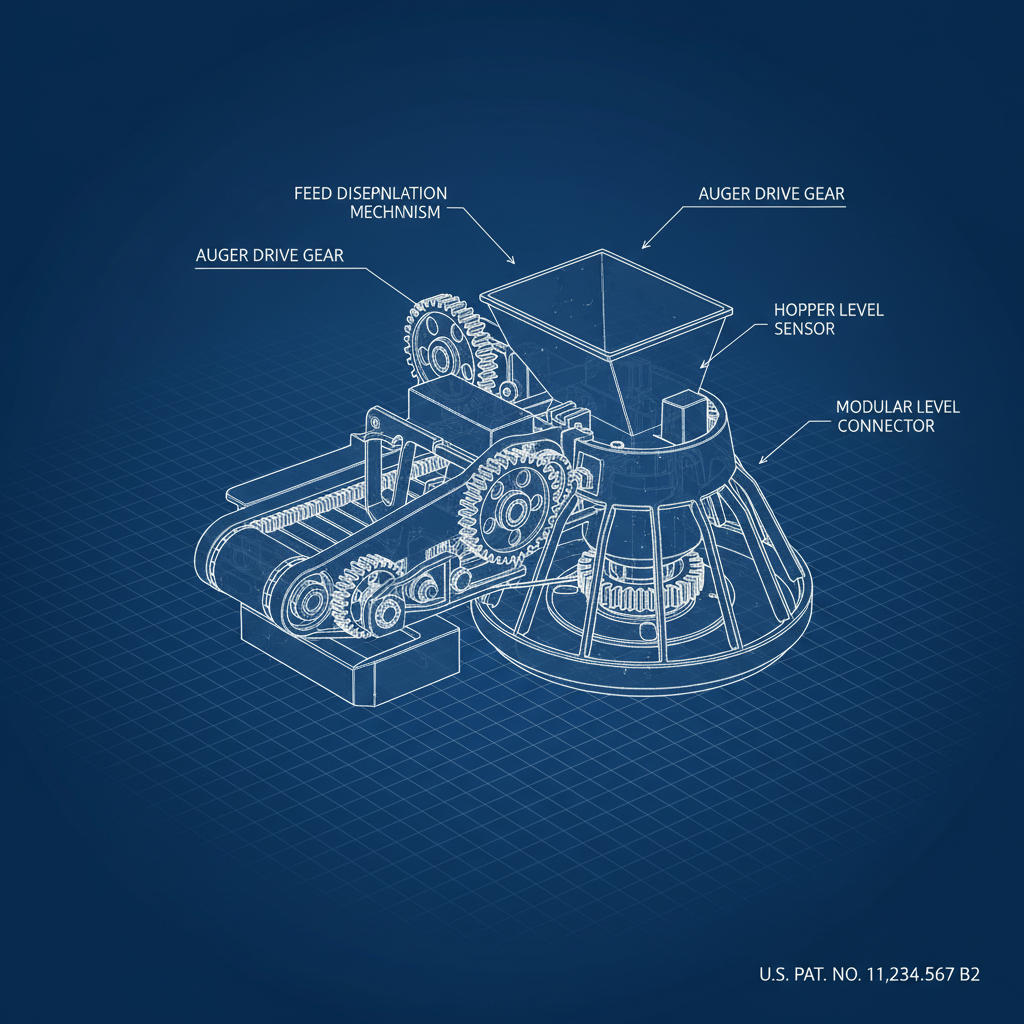
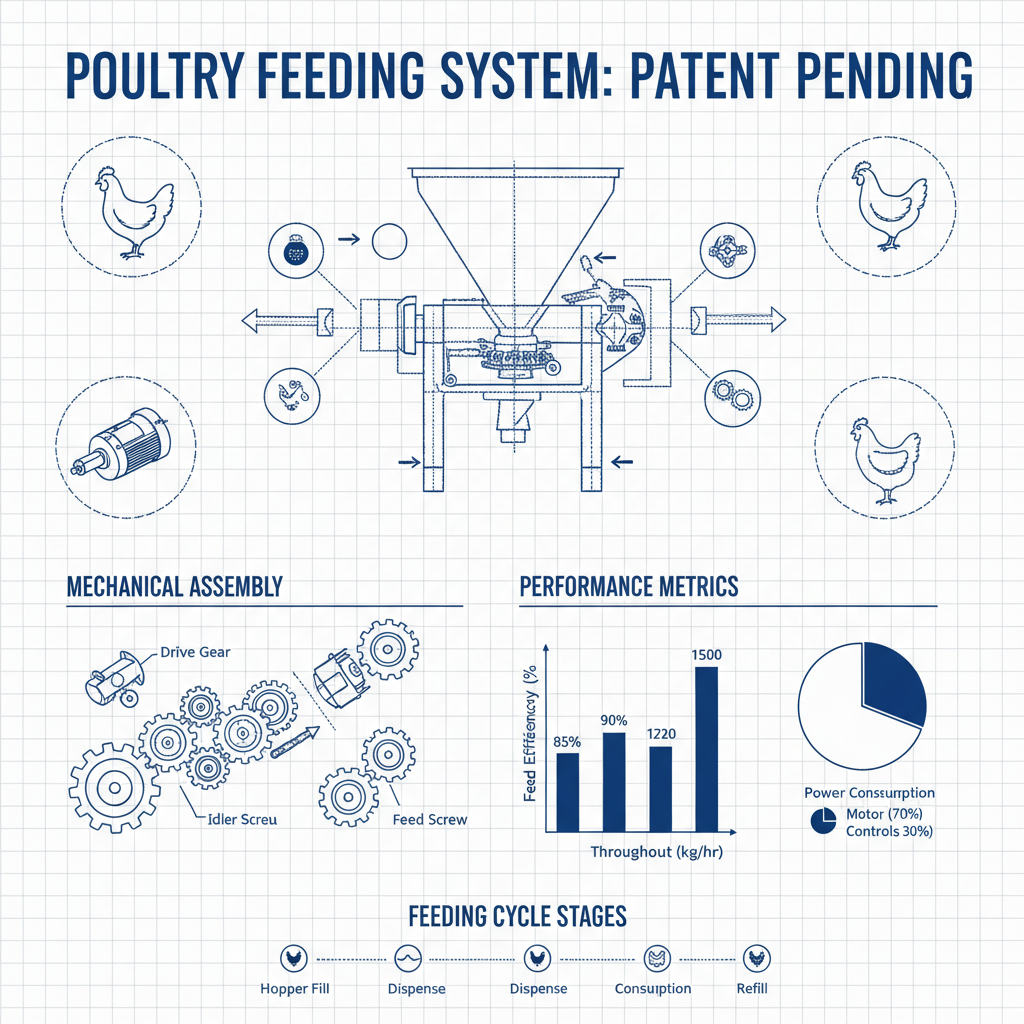
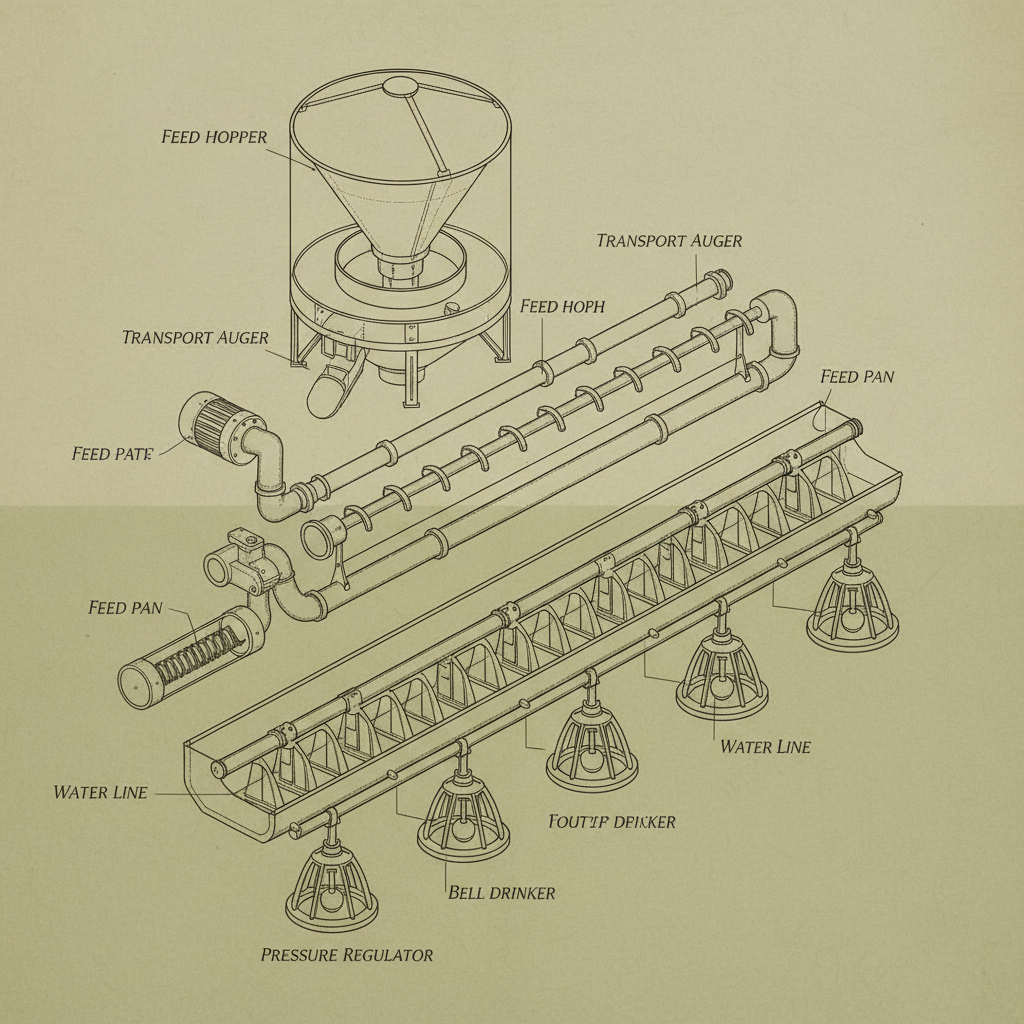
Poultry feeding equipment encompasses all the tools and systems used to deliver feed to birds. This includes a broad range of items, from basic feeders like troughs and pans to sophisticated automated systems that precisely distribute feed based on bird age, weight, and environmental conditions. The overarching goal is to provide birds with consistent access to a nutritionally balanced diet.
The evolution of feeding equipment for poultry mirrors the advancements in poultry farming itself. Early methods relied on manual feeding, which was labor-intensive and prone to inconsistencies. Today, automated systems utilize sensors, computers, and specialized machinery to optimize feed delivery, minimizing waste and maximizing efficiency.
This technology connects directly to the modern food industry and addresses humanitarian needs by ensuring a stable and affordable supply of protein. As the global population grows, efficient poultry production, enabled by advanced feeding equipment, becomes even more critical for global food security.
Key Factors in Poultry Feeding Equipment
When selecting feeding equipment for poultry, several key factors must be considered. Durability is paramount; equipment must withstand the corrosive nature of feed and the rigors of daily use. A robust design minimizes downtime for repairs and replacements, reducing operational costs.
Scalability is also vital. Farms grow and evolve, and the chosen equipment should be able to accommodate increasing flock sizes without requiring a complete overhaul. Modular systems that can be easily expanded are particularly valuable. Cost Efficiency isn’t simply the purchase price, but encompasses lifespan costs, including maintenance, energy consumption, and feed waste reduction.
Hygiene is crucial for preventing disease outbreaks. Equipment should be designed to minimize feed buildup and facilitate thorough cleaning and sanitation. Bird Accessibility is also important - feeders must be appropriately sized and positioned to allow all birds access to feed, preventing competition and ensuring equitable nutrition. Finally, Automation Level should align with labor availability and farm management preferences.
Global Applications and Use Cases
Feeding equipment for poultry is utilized globally across a spectrum of production systems, ranging from smallholder farms in developing countries to large-scale integrated operations in industrialized nations. In regions with limited resources, simpler, manually operated feeders remain prevalent, while in developed countries, fully automated systems are the norm.
In the United States and Europe, precision feeding systems are widely adopted, allowing farmers to customize feed formulations and delivery schedules based on individual bird needs. In Latin America, there’s a growing trend towards semi-automated systems that balance cost-effectiveness with improved efficiency. In Asia, particularly in countries like China and India, both large-scale and small-scale operations are rapidly adopting more advanced equipment to meet increasing demand for poultry products.
Organizations focused on international development often utilize robust and reliable feeding equipment for poultry in agricultural aid programs. In post-disaster relief operations, providing access to efficient feeding systems can help communities rebuild their livelihoods. Similarly, in remote industrial zones, the availability of suitable feeding equipment is essential for establishing sustainable poultry farms.
Poultry Feeding Method Efficiency
Advantages and Long-Term Value
The benefits of investing in high-quality feeding equipment for poultry extend far beyond immediate cost savings. The increased efficiency translates directly into higher yields and reduced feed waste, maximizing profitability. Furthermore, improved bird health reduces mortality rates and the need for costly veterinary interventions.
From a sustainability perspective, optimized feeding equipment minimizes environmental impact. Reducing feed waste conserves resources and lowers greenhouse gas emissions. Long-term reliability translates into a lower total cost of ownership, offering a significant economic advantage. The ethical consideration of bird welfare is also enhanced by providing consistent and accessible nutrition, fostering a more humane and responsible farming practice.
Future Trends and Innovations
The future of feeding equipment for poultry is being shaped by several key trends. Precision feeding, powered by sensor technology and data analytics, will become increasingly commonplace, allowing for individualized feed management based on real-time bird needs. Automation will continue to advance, with robotic systems taking on more tasks, from feed delivery to monitoring bird behavior.
Sustainability will drive the development of equipment made from recycled materials and designed for energy efficiency. Smart sensors will also play a larger role in waste reduction, for example, by detecting and alerting farmers to malfunctions or spills. The integration of digital platforms for remote monitoring and control will further enhance efficiency and improve decision-making.
Challenges and Solutions
Despite the advancements in feeding equipment for poultry, several challenges remain. The initial investment cost can be prohibitive for small-scale farmers. Maintaining and repairing complex automated systems requires specialized technical expertise. Ensuring compatibility with existing farm infrastructure can also be a hurdle.
To address these challenges, manufacturers are developing more affordable and user-friendly equipment. Training programs are becoming increasingly available to equip farmers with the skills needed to operate and maintain advanced systems. Modular designs that can be easily integrated into existing setups are also gaining popularity.
Financing options, such as microloans and government subsidies, can help alleviate the financial burden for small-scale farmers. Furthermore, the development of remote diagnostic tools and virtual support services can provide timely assistance and reduce downtime.
Summary of Common Feeding Equipment Challenges and Solutions
| Challenge |
Impact on Poultry Farming |
Potential Solution |
Implementation Cost (Scale 1-10) |
| High Initial Investment |
Limits access for small farmers |
Government subsidies, microloans |
6 |
| Maintenance Complexity |
Downtime, reduced efficiency |
Training programs, remote diagnostics |
5 |
| Infrastructure Compatibility |
Installation challenges, added costs |
Modular designs, customized solutions |
4 |
| Feed Waste |
Increased costs, environmental impact |
Precision feeding systems, improved feeder design |
7 |
| Sanitation Issues |
Disease outbreaks, reduced bird health |
Hygienic feeder materials, automated cleaning systems |
6 |
| Lack of Skilled Labor |
Inefficient operation, poor maintenance |
User-friendly interfaces, simplified systems |
5 |
FAQS
The lifespan of modern poultry feeding equipment varies depending on the type, quality of materials, and maintenance practices. Generally, well-maintained pan feeders can last 5-7 years, chain feeders 7-10 years, and automated systems with proper care can function effectively for over a decade. Regular cleaning, lubrication, and prompt repair of damaged components are crucial for maximizing lifespan. Choosing equipment made from durable, corrosion-resistant materials is also a key factor.
Automation significantly reduces labor costs in poultry farming. Automated feeding systems eliminate the need for manual feed distribution, freeing up labor for other essential tasks like flock monitoring and health management. While there’s an initial investment in the system, the long-term savings in labor expenses, coupled with increased efficiency and reduced feed waste, typically result in a substantial return on investment. The degree of labor reduction depends on the level of automation, with fully automated systems offering the most significant savings.
Bird age is a crucial factor in feeder selection. Chicks require shallow feeders with easily accessible feed to encourage intake. As birds grow, the feeder height and capacity need to be adjusted to prevent feed waste and ensure all birds have access. Broilers, for example, benefit from different feeder types than layers. Adjustable feeders that can be raised or lowered are highly versatile. Consider the feeder's design to minimize spillage and contamination for all age groups.
Minimizing feed waste requires a multifaceted approach. Ensure feeders are properly adjusted to the correct height and flow rate for the birds’ age and size. Regularly clean feeders to prevent buildup and spillage. Consider using feeders with anti-waste features, such as adjustable lips or trays. Implement a proper feed management program that minimizes overfilling. For automated systems, calibrate sensors and timers to ensure accurate feed delivery.
Chain feeders require regular maintenance to ensure optimal performance. This includes lubricating the chain drive mechanism to reduce friction and wear. Regularly inspect the chain for broken links or damage and replace them promptly. Clean the feed troughs thoroughly to prevent buildup and contamination. Check the motor and gearbox for proper operation. Implement a preventative maintenance schedule to address potential issues before they escalate. Proper maintenance extends the lifespan and efficiency of the chain feeder.
Yes, there’s a growing trend towards environmentally friendly poultry feeding equipment. Manufacturers are using recycled materials in their construction and designing systems for energy efficiency. Precision feeding systems minimize feed waste, reducing the environmental impact associated with feed production and disposal. Exploring options powered by renewable energy sources can further enhance sustainability. Choosing durable equipment reduces the need for frequent replacements, minimizing resource consumption.
Conclusion
Investing in the right feeding equipment for poultry is a critical decision that impacts profitability, sustainability, and animal welfare. From the fundamental principles of durability and scalability to the emerging trends of automation and precision feeding, understanding these factors is essential for success in modern poultry farming. Optimized feeding systems translate to increased yields, reduced costs, and a more responsible approach to food production.
Looking ahead, continued innovation in this field will be driven by the need for greater efficiency, sustainability, and animal welfare. Embracing these advancements will not only benefit poultry farmers but also contribute to a more secure and sustainable food supply for a growing global population. To explore the latest feeding solutions and discuss your specific needs, visit our website: https://www.cxlivestock.com.