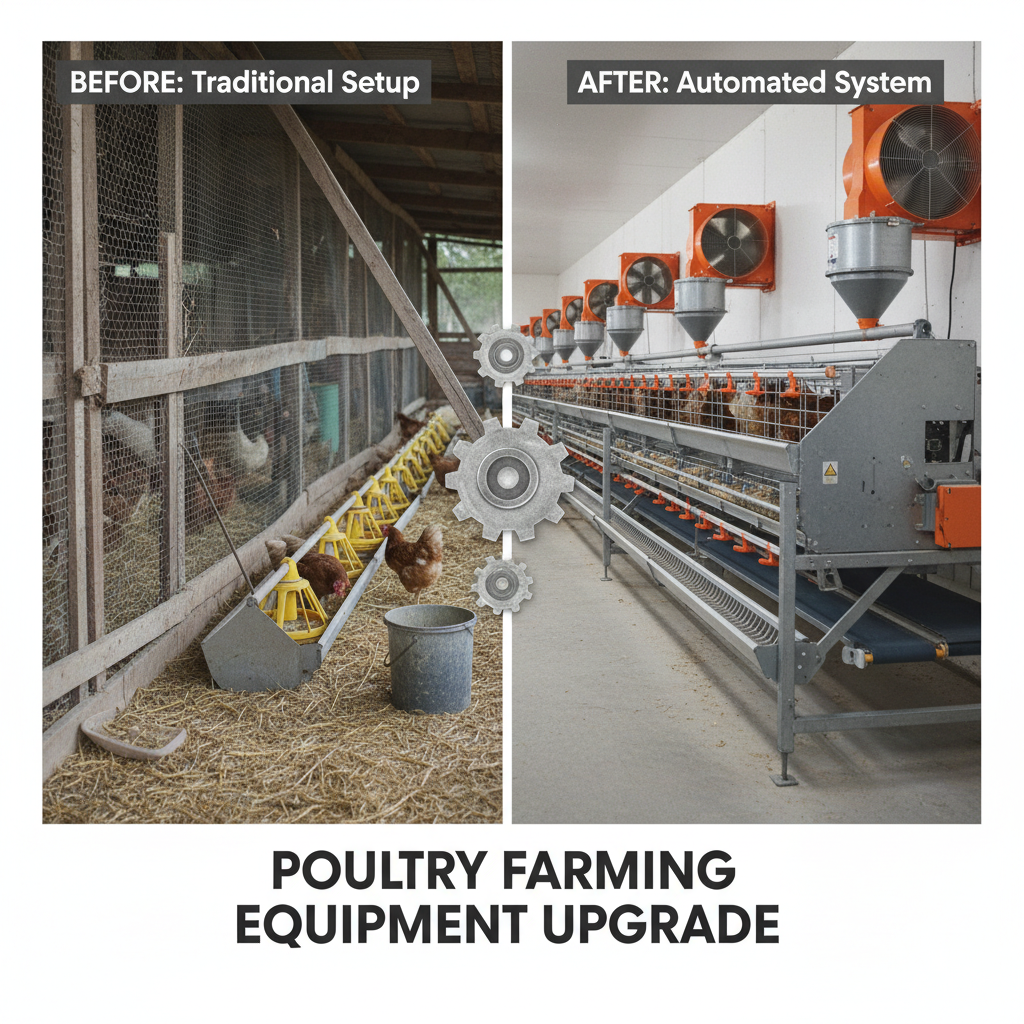
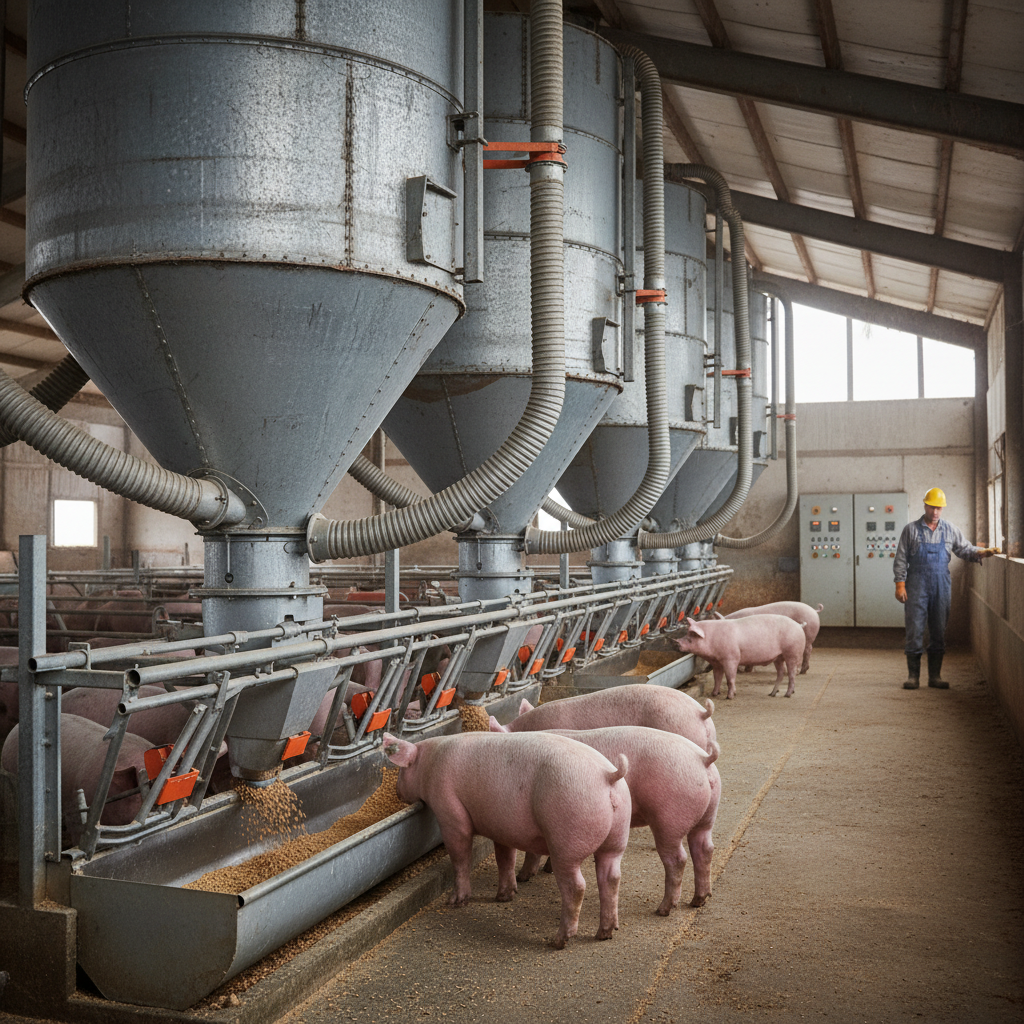
Poultry pen houses represent a critical component of modern agriculture, providing secure and controlled environments for raising birds. They are essential for maximizing production efficiency, safeguarding against disease, and ensuring animal welfare. Globally, the demand for poultry products is steadily increasing, driven by population growth and changing dietary habits. This increased demand necessitates robust and adaptable housing solutions like the poultry pen house to meet production targets and maintain quality standards. Understanding the nuances of poultry pen house design and implementation is therefore vital for producers, researchers, and policymakers alike.
The significance of the poultry pen house extends beyond simply housing birds. It's an integrated system affecting biosecurity, temperature control, ventilation, and waste management. Consequently, the quality of a poultry pen house directly impacts the health of the flock, feed conversion rates, and ultimately, profitability. As the industry evolves, incorporating sustainable practices and innovative technologies within these structures becomes increasingly important. Furthermore, the ability to rapidly deploy and scale poultry pen house solutions is crucial in addressing regional food security challenges and responding to fluctuating market demands.
Investing in well-designed and maintained poultry pen houses is not merely an operational expense, but a strategic investment in the future of poultry farming. It is a foundational element for creating a resilient and sustainable poultry industry capable of meeting the growing global demand for protein in an ethical and environmentally responsible manner. By focusing on the core principles of construction, environmental control, and animal welfare, the poultry pen house can serve as a cornerstone of efficient and profitable poultry production.
Introduction: Global or Industry Context
The global poultry industry is a multi-billion-dollar sector, playing a crucial role in food security worldwide. According to the UN Food and Agriculture Organization (FAO), poultry meat accounts for over 30% of global meat consumption. This rising demand necessitates efficient and scalable production systems, where the poultry pen house serves as a fundamental element. The quality and design of these structures are directly linked to disease prevention, environmental control, and ultimately, the overall productivity of poultry farms.
Currently, the industry faces challenges such as increasing input costs, the spread of avian diseases like avian influenza, and growing consumer demand for ethically raised poultry. These pressures require innovative approaches to poultry housing that prioritize biosecurity, animal welfare, and operational efficiency. The poultry pen house, therefore, must evolve to meet these demands, incorporating advanced technologies and sustainable practices.
Furthermore, regional variations in climate, land availability, and economic conditions influence the types of poultry pen house designs employed. From large-scale, automated broiler houses in developed nations to smaller, more adaptable structures in developing regions, the core function remains the same: to provide a safe, comfortable, and productive environment for poultry. Understanding these global trends is paramount for optimizing poultry pen house design and achieving sustainable production.
Definition & Meaning
A poultry pen house is a specifically designed structure engineered to provide shelter, protection, and a controlled environment for raising poultry – including chickens, turkeys, ducks, and geese. It’s more than just a building; it's a complete system encompassing ventilation, temperature regulation, lighting, waste management, and biosecurity features. These houses range from simple, open-sided structures to highly sophisticated, climate-controlled facilities.
In the context of modern industrial poultry farming, the poultry pen house is integral to maximizing production efficiency. It allows for high-density housing, optimized feeding strategies, and streamlined waste removal, contributing to lower production costs and increased output. The design of a poultry pen house directly impacts bird health, growth rates, and the quality of poultry products.
Beyond commercial agriculture, the principles of poultry pen house design are also applied in backyard farming, small-scale homesteads, and even in educational settings. The fundamental goal remains consistent: to create a safe, comfortable, and productive environment for the birds, ensuring their well-being and supporting sustainable poultry production. The adaptability of the poultry pen house concept underscores its enduring relevance across diverse applications.
Key Factors or Core Components
Several key factors define the effectiveness of a poultry pen house. Durability is paramount, requiring materials resistant to weathering, corrosion, and the corrosive effects of poultry waste. A long-lasting structure reduces long-term costs and minimizes the need for frequent repairs or replacements. Ventilation is also critical, ensuring adequate airflow to remove ammonia, dust, and excess moisture, creating a healthier environment for the birds and reducing the risk of respiratory diseases.
Temperature Control is another essential component. Poultry have specific temperature requirements, and maintaining optimal conditions is crucial for growth, feed efficiency, and overall health. This can be achieved through insulation, heating systems, cooling systems, and proper ventilation. Biosecurity measures are also essential, including controlled access, pest control, and disinfection protocols to prevent the introduction and spread of diseases.
Finally, Scalability and Cost Efficiency are vital considerations. The poultry pen house should be designed to accommodate future expansion and be constructed using cost-effective materials and methods without compromising quality or functionality. Efficient designs minimize labor costs and maximize space utilization, contributing to overall profitability. Each of these components interacts to create a robust and productive poultry production system.
Global Applications & Use Cases
Poultry pen houses are deployed globally across a diverse range of environments and production systems. In large-scale commercial operations in regions like the United States, Brazil, and China, automated, climate-controlled houses are the norm, facilitating high-density production and maximizing output. These facilities often incorporate advanced technologies such as computerized ventilation and feeding systems.
In developing countries, particularly in Africa and Southeast Asia, poultry pen houses often take the form of smaller, more adaptable structures utilizing locally sourced materials. These designs prioritize affordability and ease of construction, enabling smallholder farmers to establish sustainable poultry enterprises. They are instrumental in increasing local protein supplies and improving food security.
Furthermore, poultry pen house principles are increasingly being applied in specialized applications, such as organic and free-range poultry farming, where animal welfare is a key priority. These structures often feature open-sided designs and access to outdoor ranges, providing birds with more natural living conditions. In post-disaster relief operations, rapidly deployable poultry pen houses can provide a vital source of protein and livelihood support for affected communities.
Poultry Pen House Method Comparison
Advantages & Long-Term Value
The advantages of investing in a well-designed poultry pen house are multifaceted. From a cost perspective, efficient structures reduce feed waste, minimize energy consumption, and lower labor requirements, leading to significant savings over the lifespan of the operation. The enhanced biosecurity offered by a controlled environment reduces the risk of disease outbreaks, minimizing economic losses and veterinary expenses.
Beyond financial benefits, poultry pen houses contribute to the sustainability of poultry production. Properly designed structures can minimize environmental impact through efficient waste management systems and reduced energy consumption. Furthermore, providing a comfortable and safe environment for birds aligns with growing consumer demand for ethically raised poultry. This enhances brand reputation and builds trust with consumers.
The long-term value of a poultry pen house lies in its ability to adapt to changing industry demands and regulations. A durable and scalable structure can be modified and upgraded to incorporate new technologies and address emerging challenges, ensuring the continued profitability and sustainability of the poultry operation. It fosters innovation and provides a reliable foundation for long-term success.
Future Trends & Innovations
The future of poultry pen house design is poised for significant innovation. We're seeing a growing trend towards integrating smart technologies, such as automated environmental control systems and remote monitoring sensors, to optimize bird welfare and production efficiency. The use of data analytics and artificial intelligence will enable predictive maintenance, early disease detection, and personalized feeding strategies.
Sustainable building materials and renewable energy sources are also gaining prominence. Exploring alternatives to traditional concrete and steel, such as timber framing and recycled plastics, will reduce the environmental footprint of poultry houses. Integrating solar panels and wind turbines can provide on-site power generation, reducing reliance on fossil fuels and lowering energy costs.
Challenges & Solutions
Despite the advancements in poultry pen house technology, several challenges remain. One significant issue is the cost of implementing advanced systems, particularly for small-scale farmers in developing countries. Finding affordable and accessible solutions is crucial for widespread adoption of best practices. Another challenge is managing waste effectively and minimizing environmental pollution.
Innovative solutions include developing low-cost sensor technologies, promoting the use of composting and anaerobic digestion for waste management, and exploring alternative bedding materials. Collaboration between researchers, industry stakeholders, and policymakers is essential to overcome these challenges and ensure the sustainable development of the poultry industry.
Furthermore, addressing the risk of biosecurity breaches requires ongoing investment in training, strict hygiene protocols, and robust disease surveillance systems. By proactively addressing these challenges, we can create a more resilient and sustainable poultry production system.
Core Analysis of Theme Seven
| Construction Material |
Initial Cost (USD) |
Maintenance Level |
Lifespan (Years) |
| Concrete Block |
15,000 |
Medium |
50 |
| Steel Framing |
20,000 |
High |
30 |
| Timber Framing |
12,000 |
Medium |
25 |
| Prefabricated Panels |
18,000 |
Low |
20 |
| Recycled Plastic |
14,000 |
Low |
20 |
| Shipping Container Conversion |
16,000 |
Medium |
35 |
FAQS
Purpose-built poultry pen houses are designed specifically to address the unique needs of poultry, offering superior ventilation, temperature control, biosecurity, and waste management. Converting existing structures often necessitates costly modifications and may not adequately address these critical factors. A dedicated poultry pen house maximizes bird health, productivity, and reduces the risk of disease outbreaks, leading to long-term cost savings and improved efficiency.
Biosecurity is absolutely critical in poultry pen house design. Implementing measures like controlled access, perimeter fencing, disinfection protocols, and dedicated footwear/clothing policies is essential to prevent the introduction and spread of diseases. Proper ventilation and waste management also play a role in minimizing pathogen levels. A robust biosecurity plan safeguards the health of the flock and prevents significant economic losses.
Effective ventilation removes ammonia, dust, and excess moisture, maintaining optimal air quality for poultry. Considerations include airflow rate, fan capacity, inlet placement, and seasonal adjustments. Both natural ventilation (open-sided houses) and mechanical ventilation (fans and inlets) have their advantages, depending on climate and flock density. Proper ventilation prevents respiratory diseases and improves bird comfort and productivity.
The lifespan of a poultry pen house varies depending on the construction materials and maintenance practices. Concrete block structures can last for 50 years or more with proper upkeep. Steel-framed structures typically have a lifespan of 30 years, while timber-framed and prefabricated structures may last 20-25 years. Regular inspections, repairs, and preventative maintenance are crucial for maximizing the lifespan of any poultry pen house.
Several strategies can minimize the environmental impact. Utilize sustainable building materials, implement efficient waste management systems (composting, anaerobic digestion), and integrate renewable energy sources (solar, wind). Proper insulation reduces energy consumption for heating and cooling. Careful site selection and landscaping can minimize runoff and protect water resources. Reducing water usage and minimizing pesticide application also contribute to sustainability.
The cost is influenced by several factors: the size and type of structure, construction materials, labor costs, equipment (ventilation, heating, feeding systems), site preparation, and local building codes. Automation and advanced technologies will increase upfront costs but can provide long-term savings. Obtaining multiple quotes and carefully planning the project can help manage costs effectively. The location also impacts costs related to transportation and materials.
Conclusion
In conclusion, the poultry pen house is an essential component of modern poultry production, impacting everything from bird health and productivity to environmental sustainability and food security. Understanding the core principles of design, construction, and management is crucial for optimizing performance and achieving long-term success. By prioritizing durability, ventilation, biosecurity, and efficient resource utilization, producers can create a robust and reliable system that meets the growing global demand for poultry products.
Looking ahead, the future of poultry pen house design will be shaped by advancements in smart technologies, sustainable materials, and innovative waste management practices. Embracing these innovations and collaborating across the industry will be essential for addressing the challenges and opportunities facing poultry producers worldwide. To learn more about optimizing your poultry operations, visit our website at cxlivestock.com.