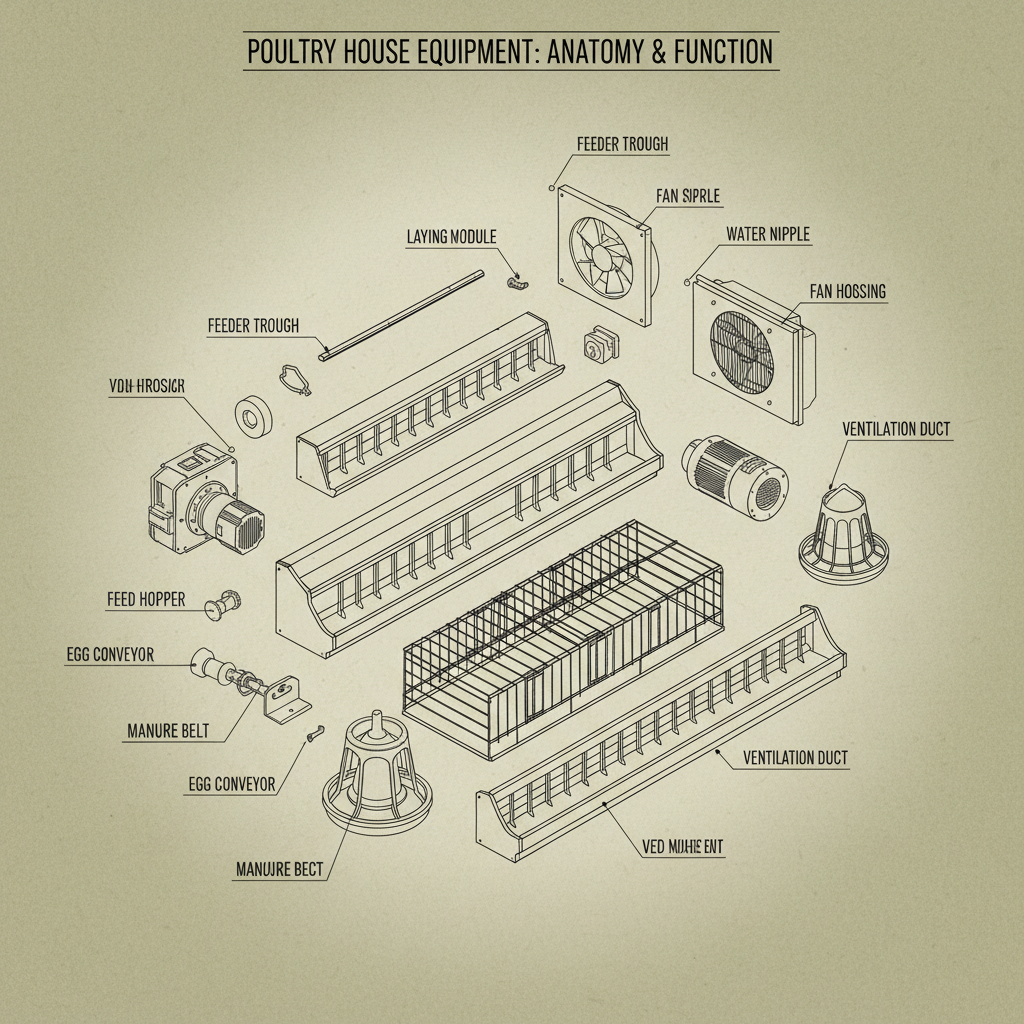
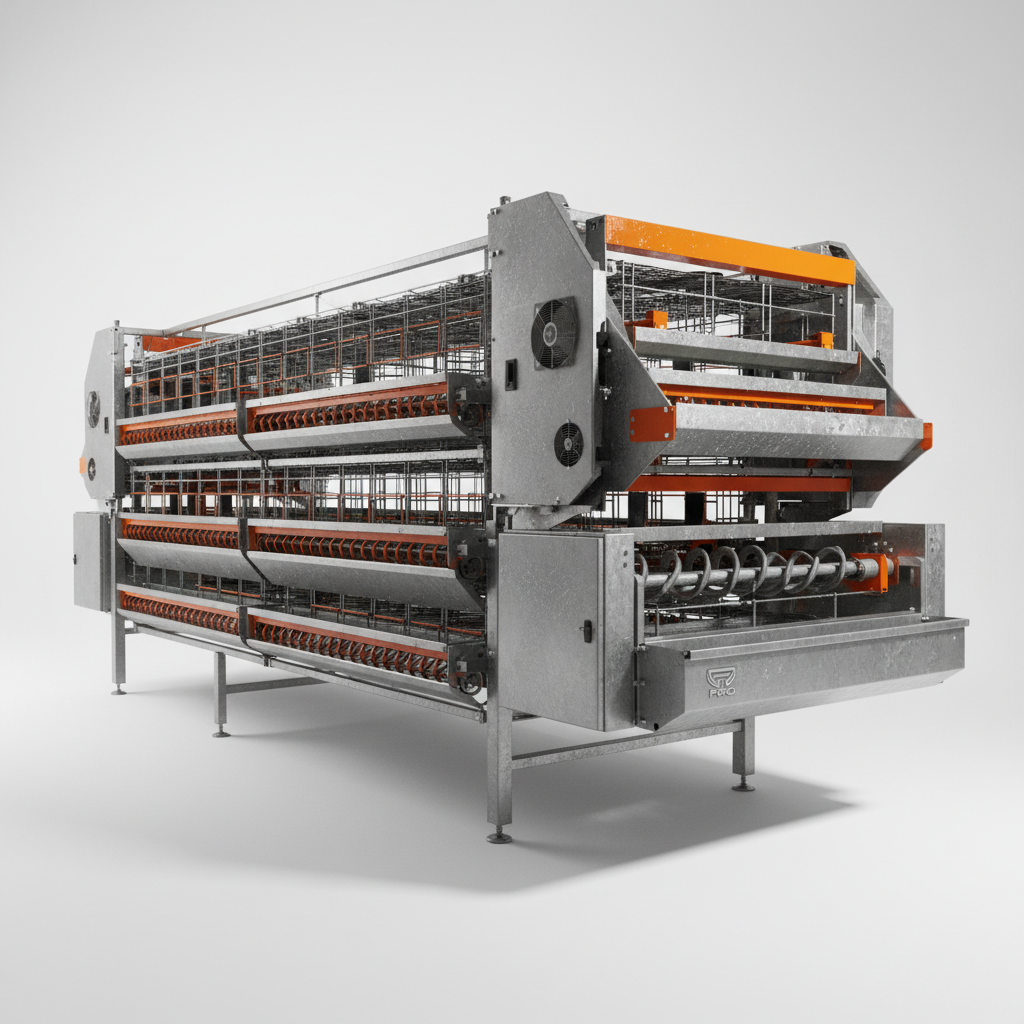
Poultry raising equipment encompasses a broad range of technologies designed to optimize the production of chicken, turkeys, ducks, and geese. From basic feeders and waterers to sophisticated climate control systems and automated egg collection, these tools are critical for ensuring efficient, hygienic, and profitable poultry farming. The increasing global demand for poultry products drives continuous innovation in this sector, making effective poultry raising equipment essential for both small-scale farmers and large commercial operations.
The global poultry industry is experiencing substantial growth, driven by rising incomes, changing dietary preferences, and the increasing affordability of poultry meat compared to other protein sources. According to the UN, global poultry meat consumption is projected to reach over 150 million tonnes by 2030. This growth necessitates improvements in all areas of production, including advancements in poultry raising equipment to meet demand while maintaining quality and sustainability.
Investing in proper poultry raising equipment isn’t just about increasing output; it's about safeguarding animal welfare, reducing disease outbreaks, and minimizing environmental impact. Modern solutions address key challenges like biosecurity, ventilation, temperature control, and waste management, contributing to a more sustainable and responsible poultry industry.
Introduction to Poultry Raising Equipment
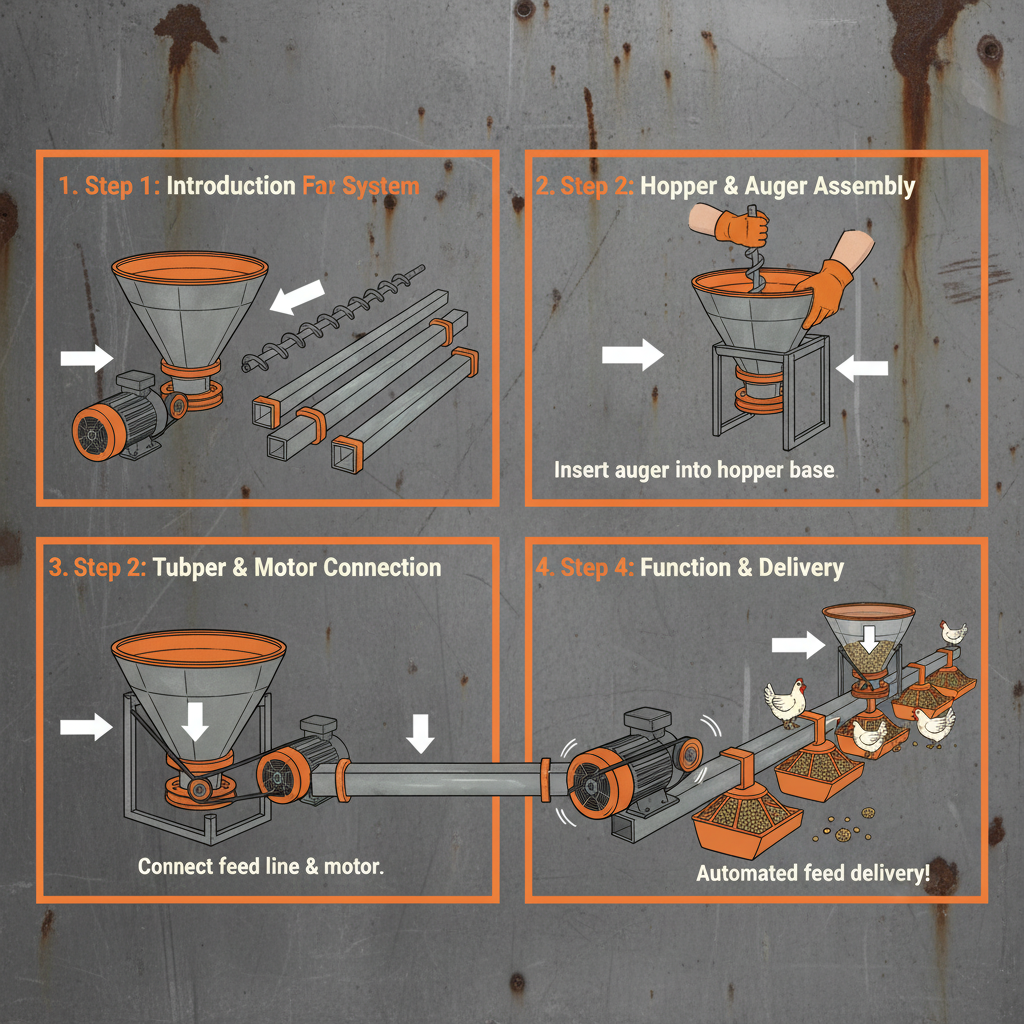
Modern poultry raising equipment is far more than just feed troughs and roosting bars. It now includes sophisticated systems for environmental control, such as automated ventilation, heating, and cooling, which are vital for maximizing bird health and productivity. These technologies contribute significantly to reducing mortality rates and improving feed conversion ratios.
The implementation of advanced poultry raising equipment necessitates careful planning and consideration of factors like farm size, bird type, climate, and budget. Selecting the right tools not only enhances operational efficiency but also ensures compliance with increasingly stringent animal welfare standards and food safety regulations.
Defining Poultry Raising Equipment
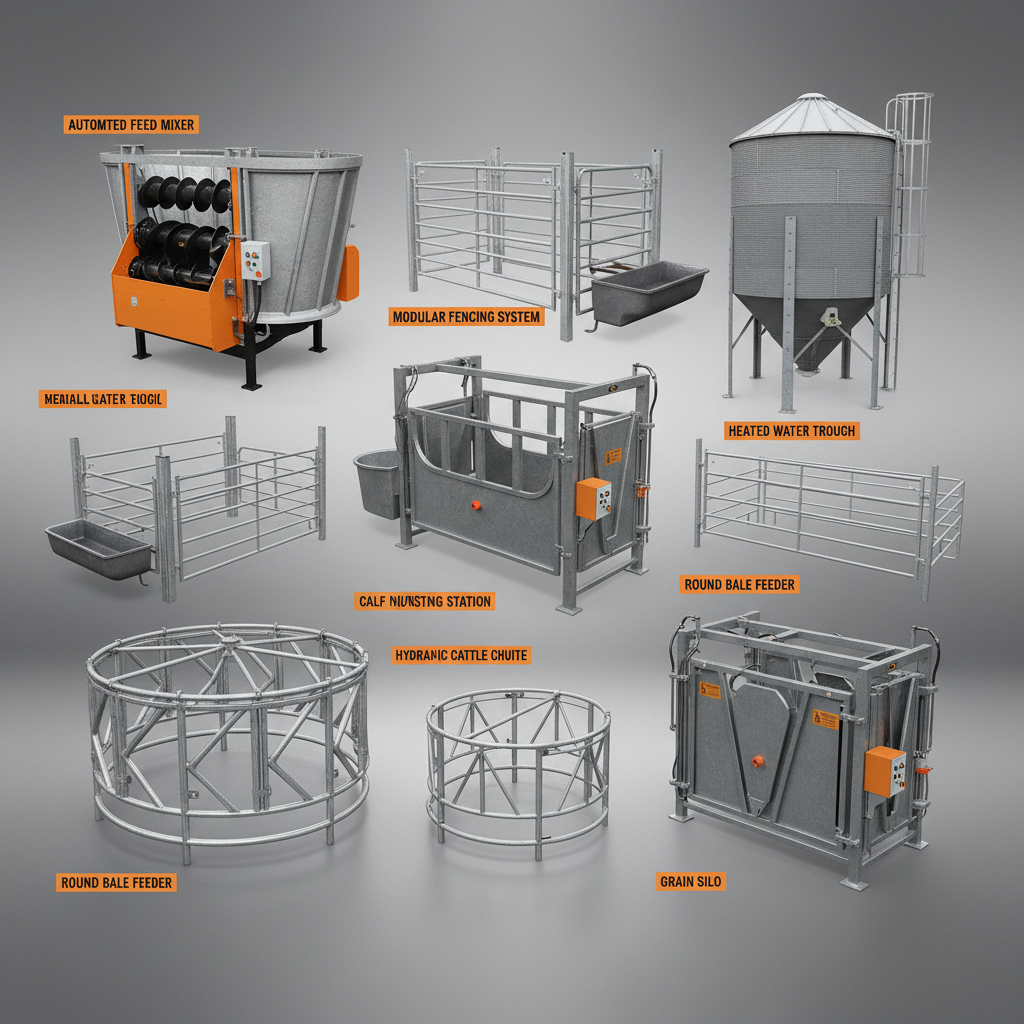
Poultry raising equipment refers to the diverse collection of tools, machinery, and systems used in the rearing of domestic fowl for meat and egg production. This includes everything from basic necessities like feeders, drinkers, and nesting boxes to more complex systems like automated ventilation, climate control, lighting, and waste management solutions.
In the context of modern agriculture, poultry raising equipment plays a crucial role in achieving efficient, sustainable, and high-quality poultry production. It’s directly linked to meeting the growing global demand for affordable protein, supporting rural economies, and ensuring food security.
Furthermore, advances in poultry raising equipment contribute to improved animal welfare, reduced environmental impact, and enhanced biosecurity measures, making it an essential component of responsible poultry farming practices.
Key Factors in Selecting Poultry Equipment
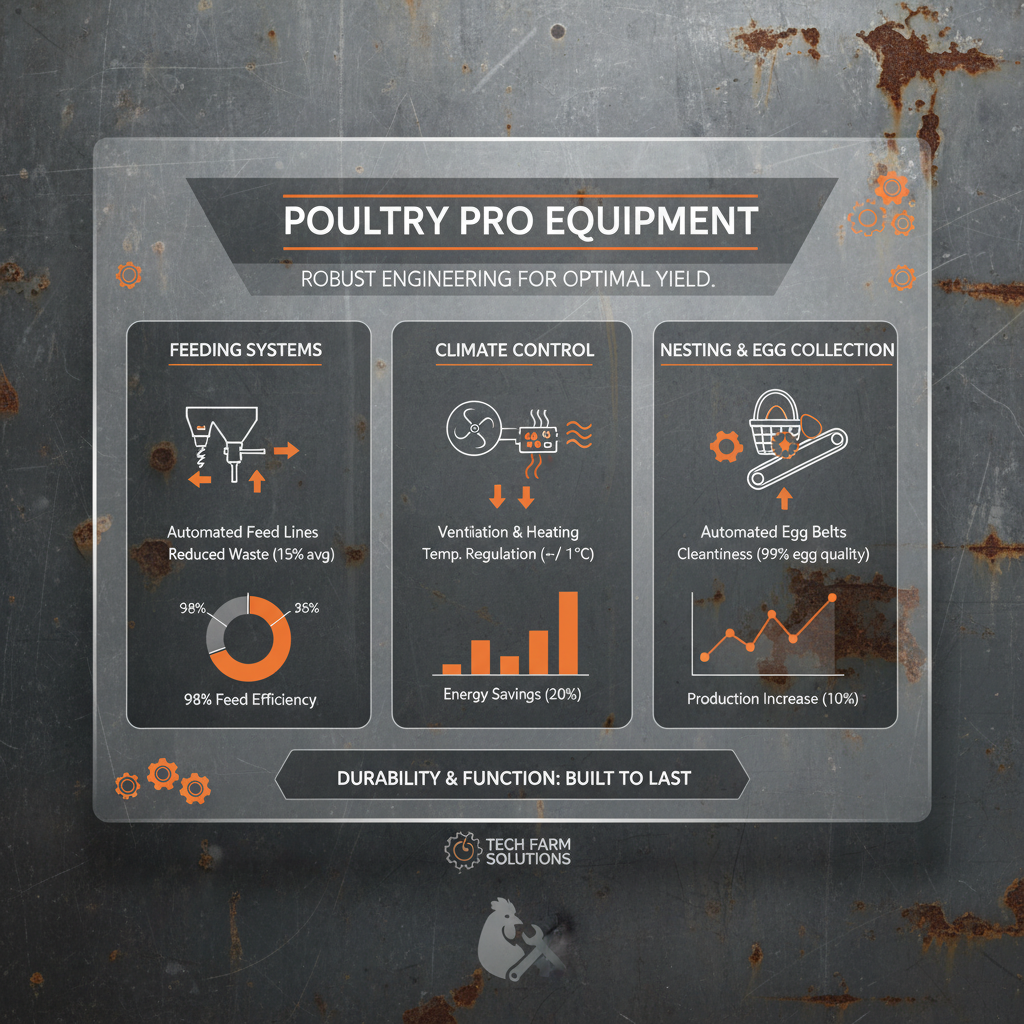
Durability is paramount when investing in poultry raising equipment. The harsh environment within a poultry house – including exposure to moisture, corrosive materials, and frequent cleaning – demands robust construction from materials like galvanized steel, high-density polyethylene (HDPE), or stainless steel. This ensures a long service life and minimizes replacement costs.
Scalability refers to the equipment’s ability to adapt to changing flock sizes and production goals. Modular systems that can be easily expanded or reconfigured are highly valuable, particularly for growing operations. Choosing equipment that can accommodate future growth prevents costly disruptions and replacements.
Cost Efficiency encompasses not only the initial purchase price but also ongoing operating and maintenance costs. Energy-efficient ventilation systems, automated feeders that minimize feed waste, and durable components that reduce repair frequency all contribute to long-term cost savings.
Global Applications of Poultry Raising Equipment
Poultry raising equipment is utilized worldwide, with applications varying based on regional farming practices and economic conditions. In industrialized nations like the United States and Brazil, large-scale, highly automated systems are prevalent, maximizing efficiency and minimizing labor costs.
In developing countries, simpler, more affordable poultry raising equipment is often employed, focusing on basic needs like shelter, feeding, and watering. However, even in these regions, there's a growing demand for improved equipment to enhance productivity and meet rising consumer expectations for quality.
For instance, in post-disaster relief operations, rapidly deployable poultry housing provides a crucial source of protein for affected populations. In remote industrial zones, self-contained poultry farming units offer a sustainable food supply for workers.
Poultry Raising Equipment Method Ratings
Advantages and Long-Term Value
Investing in quality poultry raising equipment delivers substantial cost savings over the long term. Reduced mortality rates, improved feed conversion ratios, and decreased labor requirements all contribute to increased profitability. Furthermore, efficient equipment minimizes waste, reducing environmental impact and lowering disposal costs.
Beyond the financial benefits, utilizing modern poultry raising equipment enhances animal welfare, leading to healthier, more productive birds. Improved biosecurity measures protect flocks from disease outbreaks, safeguarding livelihoods and ensuring a reliable food supply. This commitment to ethical and sustainable practices builds trust with consumers and strengthens the industry's reputation.
Future Trends and Innovations
The future of poultry raising equipment is likely to be shaped by several key trends, including the increasing adoption of automation, the integration of smart technologies, and a growing emphasis on sustainability. Automated systems for feeding, watering, egg collection, and climate control will become more commonplace, reducing labor costs and improving efficiency.
The use of sensors, data analytics, and artificial intelligence (AI) will enable farmers to monitor bird health and environmental conditions in real-time, allowing for proactive intervention and optimized resource management. The integration of renewable energy sources, such as solar power, will further reduce the environmental footprint of poultry farming operations.
Challenges and Solutions
One significant challenge facing the poultry industry is the high initial investment cost associated with advanced poultry raising equipment. This can be a barrier to entry for small-scale farmers and those in developing countries. Solutions include government subsidies, microfinance programs, and the development of more affordable, yet effective, equipment options.
Another challenge is the need for skilled labor to operate and maintain complex automated systems. Investing in training programs and providing ongoing technical support are crucial for ensuring that farmers can fully utilize the benefits of these technologies.
Finally, ensuring the long-term sustainability of poultry raising equipment requires a focus on durability, recyclability, and responsible sourcing of materials. Designing equipment for easy repair and component replacement can also extend its lifespan and reduce waste.
A Summary of Common Poultry Equipment Issues & Potential Improvements
| Equipment Type |
Common Issues |
Impact on Production |
Potential Improvements |
| Automated Feeders |
Uneven feed distribution, mechanical failures |
Reduced weight gain, increased feed waste |
Improved sensor technology, more robust motors |
| Ventilation Systems |
Inadequate airflow, energy inefficiency |
Poor air quality, increased disease risk |
Smart controls, energy-efficient fans |
| Drinking Systems |
Leaks, contamination, uneven water access |
Dehydration, disease spread |
Self-cleaning nipples, improved filtration |
| Nesting Boxes |
Egg breakage, contamination, low occupancy |
Reduced egg yield, increased losses |
Soft flooring, improved design for privacy |
| Climate Control |
Temperature fluctuations, humidity imbalances |
Stress on birds, reduced productivity |
Precise sensors and automated adjustments |
| Waste Management |
Odor issues, pathogen buildup, environmental concerns |
Disease outbreaks, regulatory non-compliance |
Automated removal systems, composting technologies |
FAQS
The lifespan of poultry raising equipment varies depending on the type, quality, and maintenance. Generally, feeders and drinkers made of durable materials like galvanized steel can last 10-15 years with proper care. More complex systems like ventilation and climate control may have a lifespan of 8-12 years, while automated systems might require replacement of components every 5-7 years. Regular cleaning, lubrication, and prompt repairs are crucial for maximizing longevity.
Determining the appropriate size requires careful consideration of your flock size, bird type, and growth stage. Feeders and drinkers should be sized to provide adequate access for all birds without overcrowding. Ventilation and heating systems should be calculated based on the building's volume and climate conditions. Consulting with an experienced poultry equipment supplier or agricultural engineer is highly recommended.
Biosecurity is paramount in preventing disease outbreaks. Look for equipment that is easy to clean and disinfect, with smooth surfaces and minimal crevices where pathogens can accumulate. Sealed feeders and drinkers help prevent contamination from wild birds and rodents. Consider equipment with built-in sanitation systems and regular disinfection protocols.
Automation significantly reduces labor costs by streamlining tasks such as feeding, watering, egg collection, and climate control. Automated systems can operate 24/7 with minimal human intervention, freeing up labor for other farm duties. While the initial investment may be higher, the long-term savings in labor costs often outweigh the upfront expense.
Energy-efficient poultry equipment reduces electricity consumption, lowering greenhouse gas emissions and minimizing the farm's carbon footprint. Using LED lighting, energy-efficient fans, and smart climate control systems can significantly reduce energy bills. Furthermore, minimizing feed waste through automated feeders reduces the environmental impact associated with feed production.
Regular maintenance is crucial for extending the lifespan and ensuring the optimal performance of poultry raising equipment. This includes daily cleaning of feeders and drinkers, weekly inspection of ventilation systems, annual lubrication of moving parts, and prompt repair of any damage. Following the manufacturer's recommended maintenance schedule is essential.
Conclusion
In conclusion, poultry raising equipment represents a vital component of modern poultry production, driving efficiency, sustainability, and animal welfare. From the foundational elements of feeding and watering to the sophisticated integration of automation and data analytics, advancements in this field continue to reshape the industry. Investing in quality equipment isn’t simply about increasing output; it’s about ensuring the long-term viability and responsible growth of poultry farming.
Looking ahead, the continued development of innovative, sustainable, and affordable poultry raising equipment will be crucial for meeting the growing global demand for poultry products while minimizing environmental impact and maximizing animal well-being. For reliable and cutting-edge solutions, visit our website: poultry raising equipment.