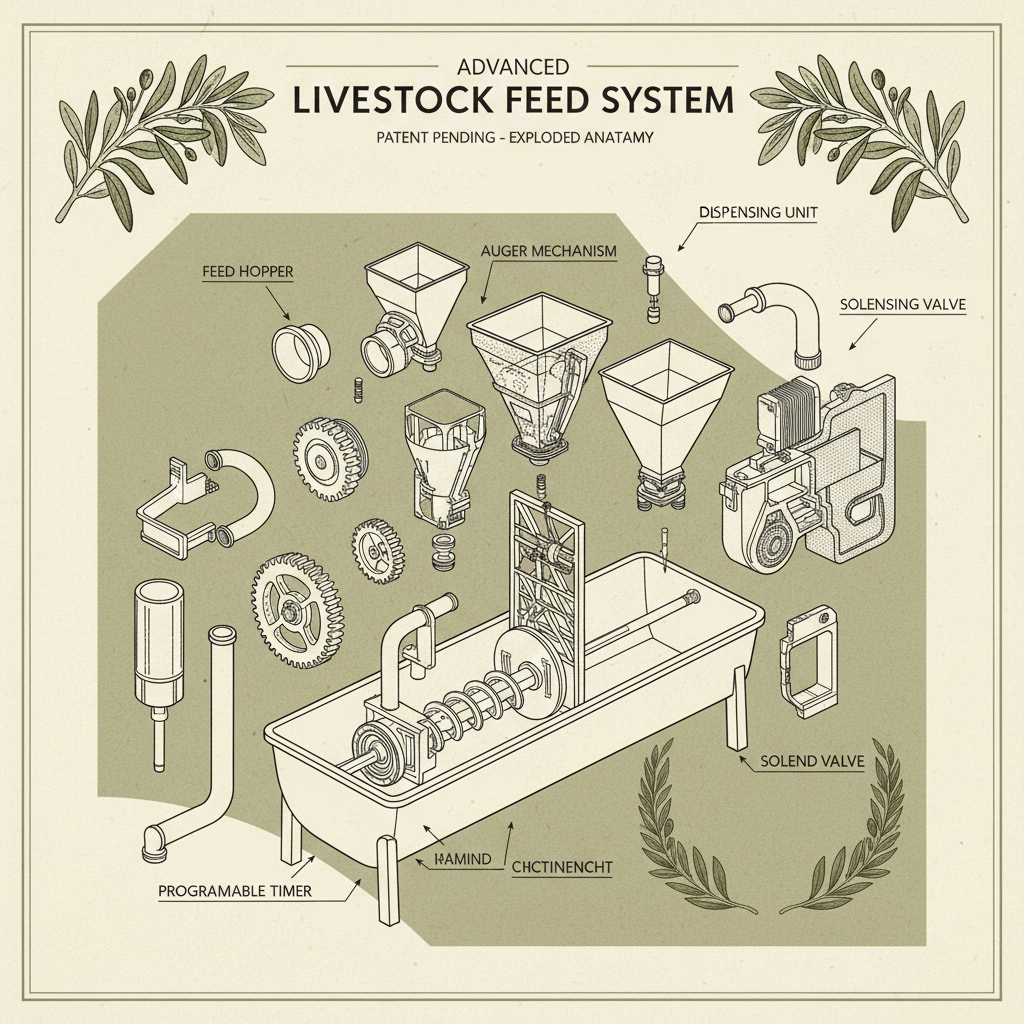
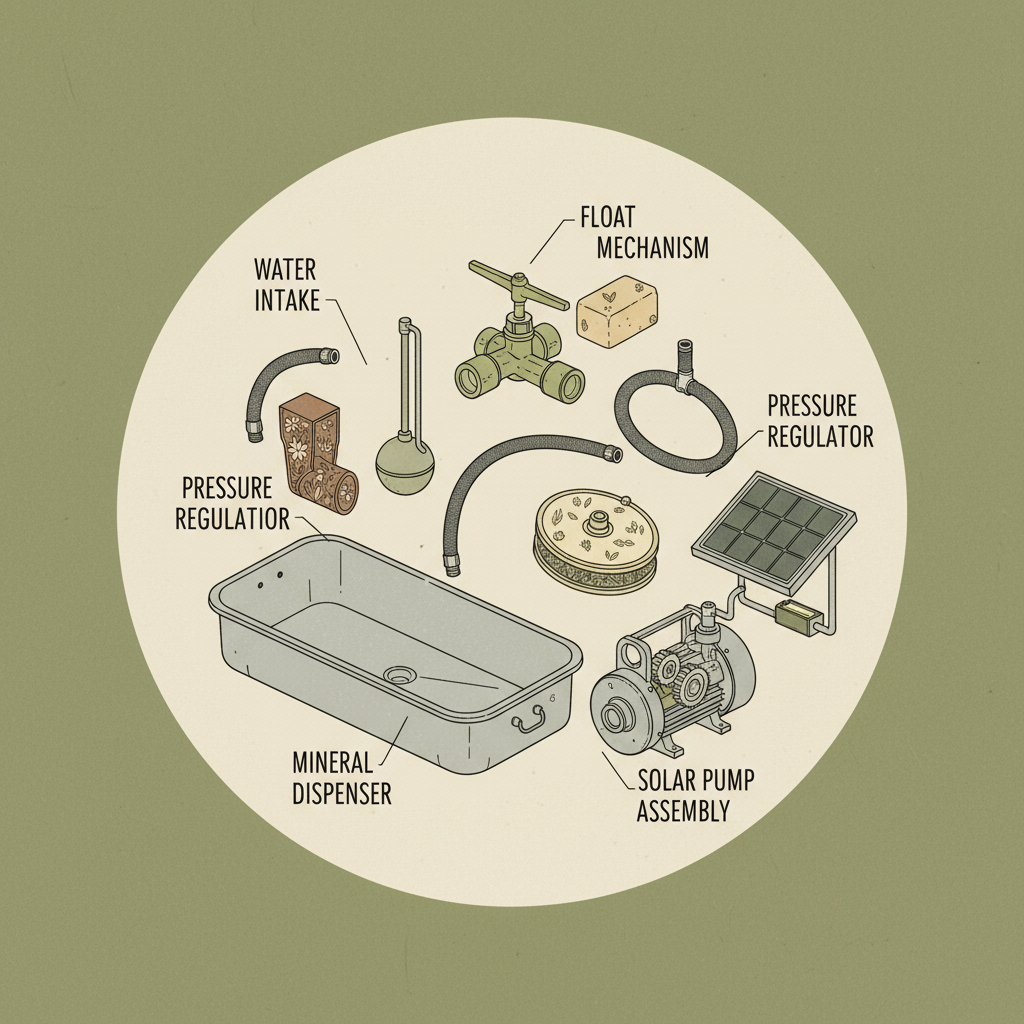
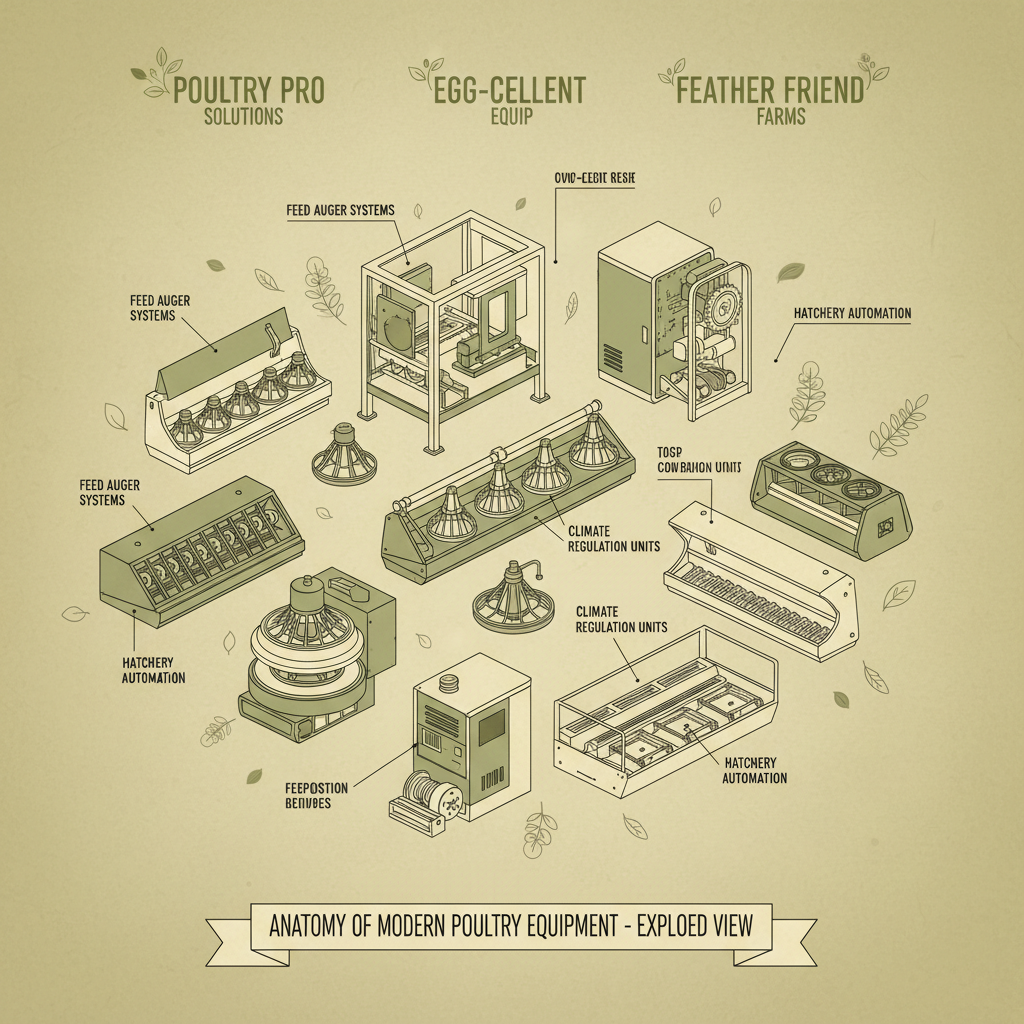
Look, I've been running around construction sites for fifteen years, and honestly, things have changed a lot. It used to be, if you needed something, you grabbed the same stuff your dad used. Now? Every year there's something “new and improved.” Lately, it's all about pre-fabricated stuff. Modules, panels, complete sections built off-site. Seems like everyone’s trying to build a Lego set instead of actually, you know, building. It’s faster, yeah, but sometimes…well, we’ll get to that.
You see a lot of marketing fluff about "integrated solutions" and "seamless workflows." What it usually means is someone figured out a way to charge more for the same basic components. And don't even get me started on smart equipment. Sensors everywhere, sending data to the cloud. Half the time the Wi-Fi is spotty and you're better off just looking at the damn thing with your own eyes.
Anyway, I think the biggest shift is how seriously people are taking material science. It’s not just steel and concrete anymore.
The Current Landscape of livestock equipment for sale
To be honest, it feels like everything is modular these days. People want it quick, they want it easy. And that’s fine, I guess. But have you noticed the quality sometimes suffers? Especially with the cheaper stuff coming out of overseas. It looks good in the catalog, but when you get it on-site… it’s flimsy. Seriously flimsy. It doesn’t hold up to real-world conditions.
There's a big push for standardization, too. Everyone wants to use the same connectors, the same dimensions. Makes sense from a logistics point of view, but it can limit your options. Sometimes you need something different, something custom. And that's where it gets tricky.
Common Pitfalls in Design of livestock equipment for sale
Strangely, a lot of designers I meet have never actually used the stuff they design. They sit in their offices, drawing pretty pictures, without thinking about how a guy in boots is going to assemble it in the pouring rain. A big one I see is over-engineering. They add features nobody needs, making the whole thing complicated and expensive. Simple is usually better.
Another thing? Ignoring maintenance. They design something that looks great, but then it's a nightmare to repair. You need access points, readily available parts, and clear instructions. I encountered this at a factory in Ningbo last time; a perfectly good pump system, but the impeller was buried so deep inside you needed a contortionist to get to it.
And don’t even get me started on poorly thought-out interfaces. Buttons that are too small, screens that are hard to read in sunlight, connectors that fall apart the moment you look at them. It drives me crazy.
Material Deep Dive: What We're Actually Using
Okay, let’s talk materials. Galvanized steel is still the workhorse, of course. You can smell it a mile away – that metallic tang. It’s tough, it’s reliable, but it rusts. Always rusts. We're seeing more stainless steel, obviously, but it’s expensive and can be a pain to weld.
There's a lot of composite stuff now too – fiberglass, carbon fiber, plastics. They’re lightweight, corrosion-resistant, but… they don’t always feel as solid. You need to be careful about UV exposure, too. Some of those plastics degrade quickly in the sun. And the smell! Some of those plastics...ugh.
Then you have engineered wood products. Glulam, plywood, OSB. They’re strong, renewable, but you have to protect them from moisture. If they get wet, they swell and warp. We’re also seeing more use of recycled materials, which is good, but the quality can be inconsistent.
Real-World Testing and Performance
Forget the lab tests. Those are fine for baseline data, but they don’t tell you how something will actually perform. We need to see it in the field, under real conditions. That means subjecting it to vibration, extreme temperatures, humidity, dust, and, let's be real, outright abuse.
I like to take new equipment to a particularly rough job site – one where they’re driving heavy machinery and the guys aren’t exactly gentle. If it survives a week there, it's probably good to go. We also do a lot of load testing, but not with neatly stacked weights. We put actual materials on top of it, simulating real-world scenarios.
livestock equipment for sale Performance Ratings (1-10)
How Users Actually Utilize livestock equipment for sale
This is where things get interesting. You think they’ll use it the way you intended? Forget about it. People are resourceful. They’ll find a way to repurpose it, modify it, or even completely ignore the instructions and do their own thing. I've seen guys use scaffolding as a makeshift table, a concrete mixer as a storage bin... you name it.
The younger guys are more likely to follow the instructions, but even they’ll adapt it to their workflow. It's all about efficiency. If there’s a faster way to do something, they’ll find it. And honestly, I admire that.
The Pros, Cons, and Customization Options
Look, everything’s a trade-off. Modular systems? Quick to assemble, but often less durable. Stainless steel? Expensive, but corrosion-resistant. Composites? Lightweight, but can be brittle. You gotta weigh the pros and cons based on the specific application.
Customization is key. I had a customer last year, a small manufacturer of custom trailers, who needed a specific type of bracket for attaching lights. They couldn’t find anything off-the-shelf that fit their requirements. So, we designed a custom bracket for them. It added a bit to the cost, but it saved them a ton of time and hassle. Anyway, I think flexibility is really important.
A Customer Story and Lessons Learned
Last month, that small boss in Shenzhen who makes smart home devices insisted on changing the interface to on a batch of control panels, even though we had already tooled for USB-A. He was convinced everyone was switching to . The result? He had to eat a bunch of inventory because his customers were still using USB-A cables! Lesson learned: don't chase trends without doing your homework.
Another time, a contractor wanted to use a lightweight composite panel for a temporary wall, thinking it would save him time. It looked great initially, but a strong wind came along and blew the whole thing over. Cost him a fortune in repairs. You've got to match the material to the application.
It's always something. But that’s why I enjoy this job. It’s never boring.
Summary of Key Material Performance Characteristics
| Material |
Strength/Durability (1-5) |
Cost (1-5) |
Weather Resistance (1-5) |
| Galvanized Steel |
4 |
3 |
3 |
| Stainless Steel |
5 |
5 |
5 |
| Fiberglass |
3 |
3 |
4 |
| Composite Panels |
3 |
4 |
3 |
| Engineered Wood |
2 |
2 |
2 |
| Aluminum |
3 |
4 |
4 |
FAQS
Honestly, it’s skimping on quality to save a few bucks upfront. It always comes back to bite you. A cheap component failing can shut down the whole operation and cost you way more in the long run. I’ve seen it happen countless times. You need to consider the total cost of ownership, not just the initial price. Sometimes spending a little more for a durable, reliable piece of equipment is the smartest move. Plus, who wants to be constantly fixing things?
Critically important. If it’s a pain to maintain, people won’t do it. And then it breaks down. Simple as that. You need easy access to all the key components, readily available spare parts, and clear instructions. We always try to design our equipment with maintenance in mind. Things like quick-release fasteners, modular components, and standardized parts. It saves everyone a lot of headaches.
More automation, definitely. We're seeing a lot of interest in remote monitoring and control systems. Also, a push for more sustainable materials and manufacturing processes. And, I suspect, a greater focus on customization. People want equipment that’s tailored to their specific needs, not just off-the-shelf solutions. But don't get me wrong, there will always be a need for the basics, just built better.
That's a tough one. "Eco-friendly" is a loaded term. It depends on what you mean. Using recycled materials is a good start, but it's not a silver bullet. The manufacturing process itself has a significant environmental impact. So does transportation. The best we can do is try to minimize our footprint at every stage. And design things that last, reducing the need for frequent replacements.
It varies a lot depending on the manufacturer. But common customizations include changing dimensions, adding specific features, altering materials, and incorporating different interfaces. We had one customer who wanted to add a specific type of sensor to a control panel, so we redesigned the enclosure to accommodate it. It wasn’t a huge change, but it made a big difference for him.
Finding suppliers who are actually willing to stand behind their products. A lot of companies will sell you something and then disappear when you have a problem. It's about building relationships with vendors you trust. And doing your due diligence. Checking references, visiting their facilities, and making sure they have a solid quality control system in place. It takes time, but it's worth it.
Conclusion
Ultimately, we've covered a lot – from the latest trends and potential design pitfalls to the materials we use and how people actually use the equipment. It all boils down to understanding that good livestock equipment for sale isn’t just about fancy features or clever marketing. It’s about durability, reliability, ease of maintenance, and a solid understanding of how the thing will perform in the real world.
And at the end of the day, whether this thing works or not, the worker will know the moment he tightens the screw. That's the bottom line. So, if you’re looking for quality livestock equipment for sale, visit our website at cxlivestock.com. We're here to help.