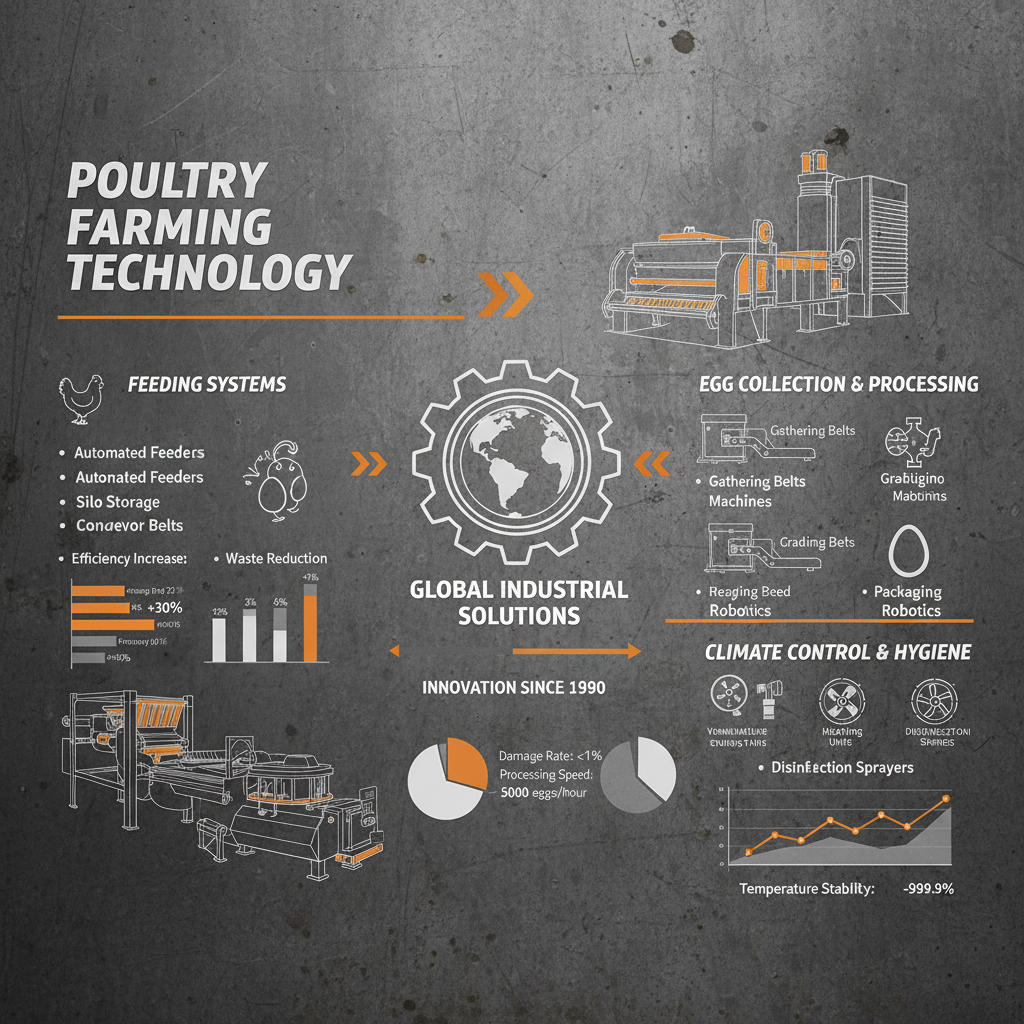
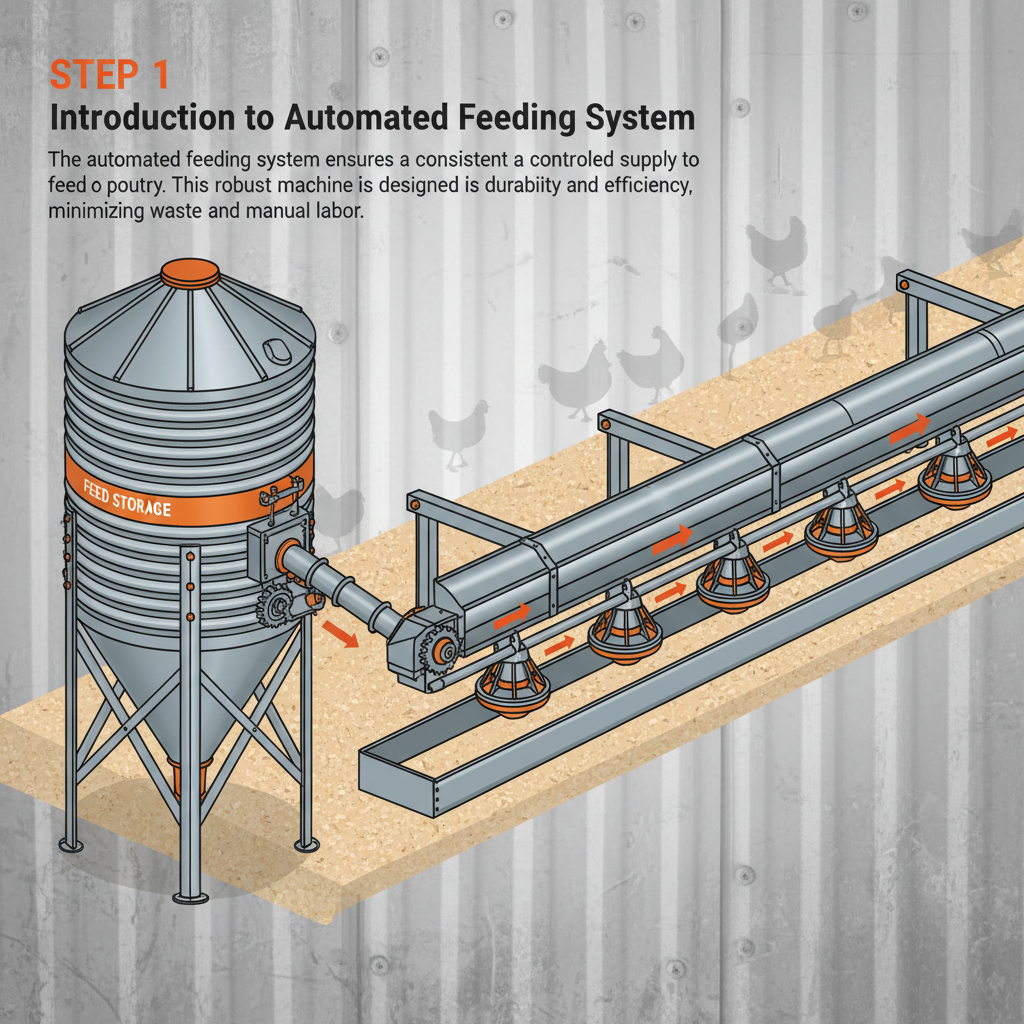
Poultry farming machinery and equipment represents a cornerstone of modern agricultural practices, crucial for meeting the escalating global demand for poultry products. From automated feeding systems to climate-controlled housing, these technologies dramatically increase efficiency, improve bird welfare, and ultimately contribute to a more sustainable food supply. Understanding the advancements in this field is vital for farmers, investors, and policymakers alike, driving innovation and ensuring food security for a growing population.
The global poultry industry is experiencing substantial growth, fueled by rising incomes and changing dietary preferences, particularly in developing economies. This growth necessitates continuous improvements in poultry farming machinery and equipment to optimize production processes. Furthermore, the increasing focus on biosecurity, disease prevention, and animal welfare necessitates specialized equipment for hygiene, monitoring, and environmental control. Addressing these needs requires a deep understanding of current technologies and emerging trends.
Investing in modern poultry farming machinery and equipment isn’t simply about increasing output; it’s about enhancing profitability, reducing environmental impact, and ensuring a consistent, high-quality product. The effective application of these technologies empowers producers to navigate market challenges and secure a sustainable future for their operations. This is why exploring the nuances of available solutions is more important than ever.
Introduction to Poultry Farming Machinery and Equipment
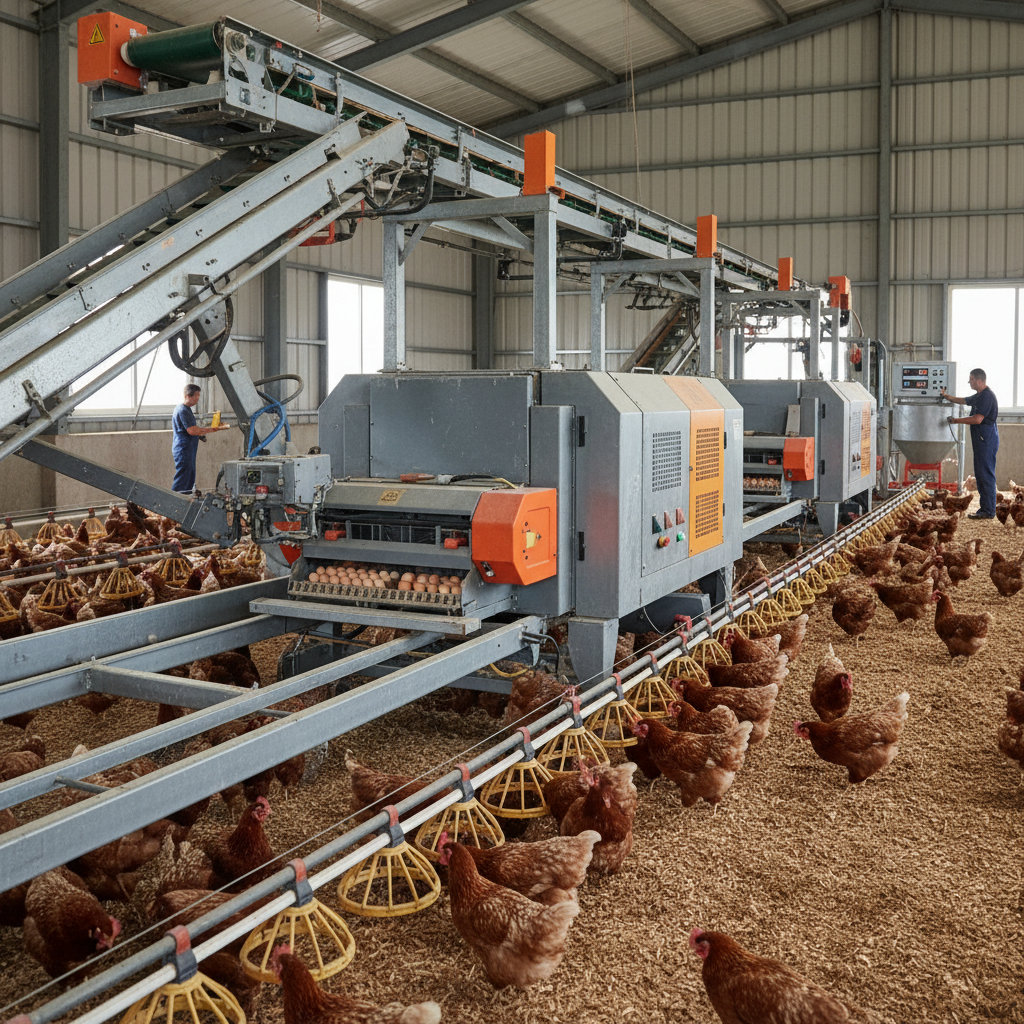
Modern poultry farming relies heavily on specialized machinery and equipment to efficiently manage all aspects of the production cycle, from chick placement to processing. This includes automated systems for feeding, watering, ventilation, temperature control, egg collection, and waste management. Investing in the right equipment can significantly improve productivity, reduce labor costs, and enhance animal welfare, ultimately contributing to a more profitable and sustainable operation.
The evolution of poultry farming machinery and equipment has been driven by the need to meet growing demands and address evolving industry challenges. Innovations such as precision feeding, environmental monitoring, and automated disinfection systems are transforming the way poultry is raised, resulting in higher yields and reduced risk of disease outbreaks. Selecting the right equipment involves considering factors such as flock size, production type, and budget.
Defining Poultry Farming Machinery and Equipment
Poultry farming machinery and equipment encompasses a broad range of tools and systems designed to facilitate the raising of chickens, turkeys, ducks, and other fowl for meat and egg production. This category includes items ranging from basic feeders and drinkers to sophisticated climate control systems, automated egg collectors, and processing equipment. The goal of utilizing these tools is to optimize production efficiency, maintain bird health, and ensure a safe and consistent food supply.
The connection to modern industry is undeniable. Advancements in materials science, engineering, and automation have fueled continuous improvements in poultry equipment. This not only benefits commercial producers but also supports smaller-scale farmers and contributes to rural economic development. Understanding the interplay between technology and best practices is key to maximizing productivity and sustainability.
Furthermore, in regions facing food insecurity, access to appropriate poultry farming machinery and equipment can be transformative. Providing affordable and reliable tools allows communities to establish local poultry businesses, creating economic opportunities and improving nutritional outcomes. This demonstrates a clear connection to humanitarian needs and underscores the importance of investing in agricultural technology.
Core Components of Modern Poultry Systems
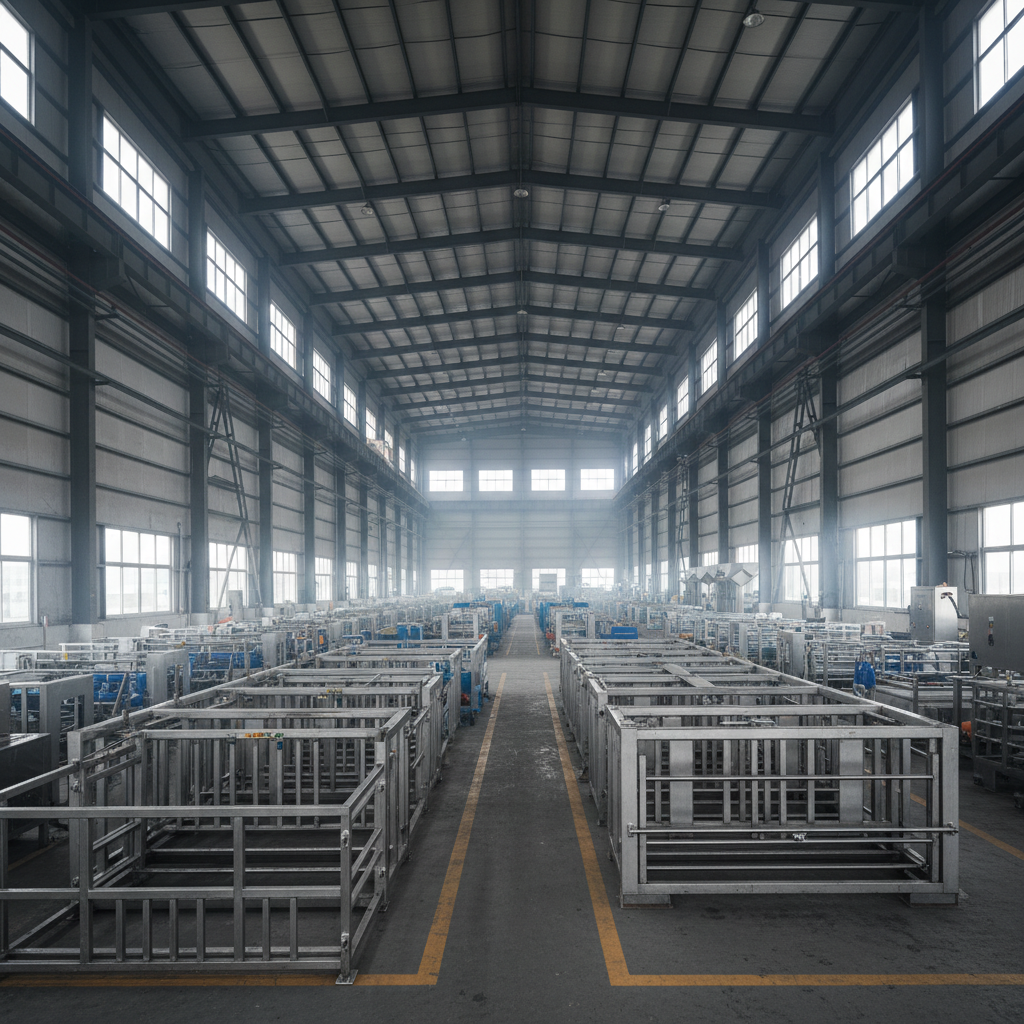
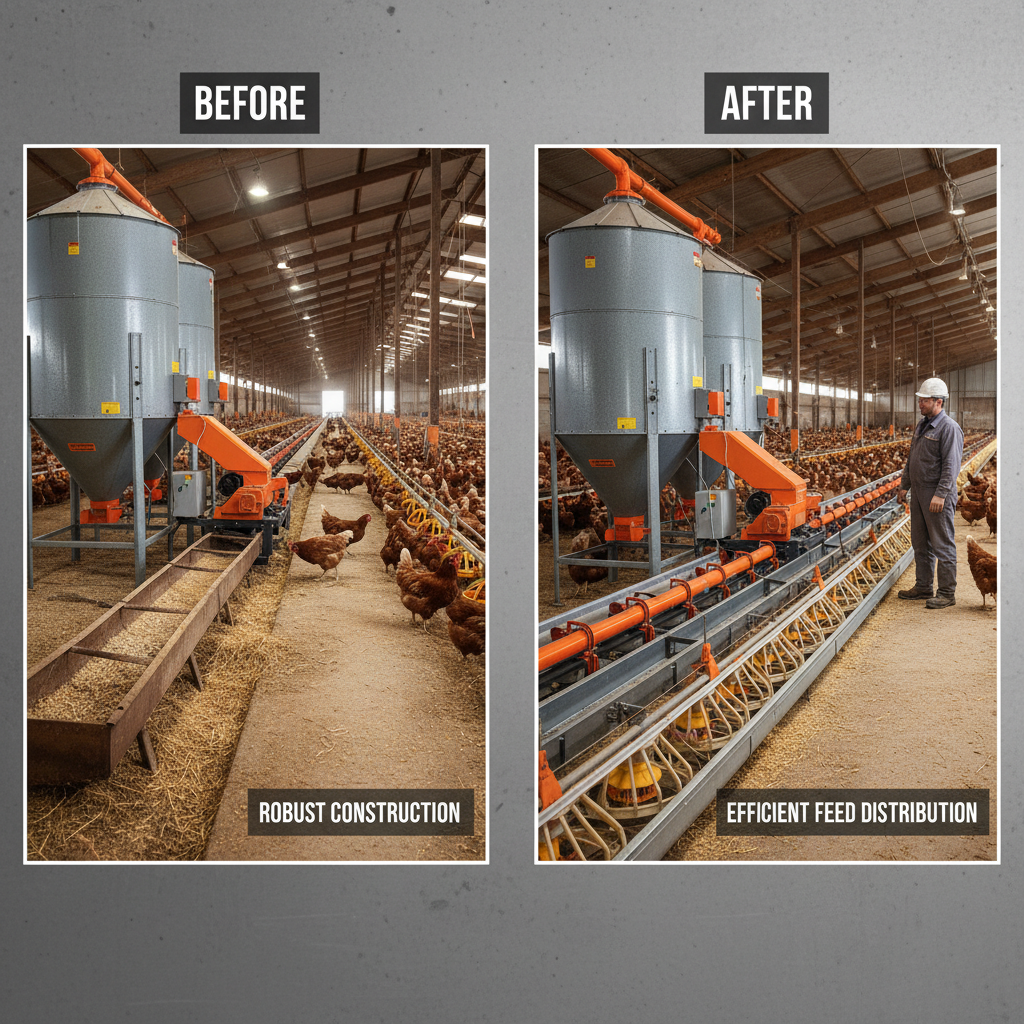
Durability is a paramount consideration when selecting poultry farming machinery and equipment. Systems are often exposed to harsh conditions – moisture, corrosive materials, and heavy usage – making robust construction essential. Equipment constructed from high-quality materials, such as stainless steel and corrosion-resistant polymers, will ensure long-term reliability and minimize downtime.
Scalability is another critical factor. Poultry operations can range from small backyard flocks to large-scale commercial facilities. Equipment should be adaptable to changing production volumes and allow for future expansion without requiring significant capital investment. Modular systems, in particular, offer flexibility and can be easily adjusted to meet evolving needs.
Cost efficiency isn’t solely about the initial purchase price. It encompasses the total cost of ownership, including energy consumption, maintenance, labor requirements, and lifespan. Investing in energy-efficient equipment and implementing preventative maintenance programs can significantly reduce operational costs over time. Careful analysis of these factors is crucial for maximizing return on investment.
Global Applications of Poultry Technology
Poultry farming machinery and equipment are utilized across the globe, with varying levels of sophistication depending on regional economic conditions and agricultural practices. In developed countries, fully automated systems are common, integrating advanced sensors, data analytics, and robotic technologies. These systems optimize production processes and enhance bird welfare.
In developing regions, simpler, more affordable equipment is often employed, focusing on improving basic hygiene, feeding efficiency, and disease prevention. Organizations like the Food and Agriculture Organization (FAO) and various NGOs actively promote the adoption of appropriate technologies to support sustainable poultry production in these areas.
For example, in post-disaster relief operations, rapid deployment poultry housing can provide a vital source of protein and income for affected communities. Similarly, in remote industrial zones, automated feeding and watering systems can overcome labor shortages and ensure consistent production levels. The adaptability of poultry farming machinery and equipment makes it invaluable in diverse settings.
Poultry Farming Machinery and Equipment Performance Comparison
Advantages and Long-Term Value
The tangible benefits of investing in poultry farming machinery and equipment are significant. Reduced labor costs, increased production efficiency, and improved feed conversion ratios all contribute to higher profitability. Furthermore, automated systems minimize human error and ensure consistent product quality.
From a sustainability perspective, modern equipment can reduce water consumption, minimize waste generation, and optimize energy usage. This aligns with growing consumer demand for environmentally responsible food production practices. Investing in these technologies demonstrates a commitment to long-term ecological stewardship.
Future Trends in Poultry Farming Technology
The future of poultry farming will be heavily influenced by advancements in digital technology, automation, and data analytics. Precision farming techniques, utilizing sensors and data monitoring, will enable farmers to optimize environmental conditions, detect early signs of disease, and personalize feeding strategies.
Automation will continue to play a crucial role, with the development of robotic systems for egg handling, cleaning, and even bird health monitoring. The integration of artificial intelligence (AI) will further enhance decision-making processes and improve overall farm management. These technologies promise to drive significant gains in efficiency and sustainability.
Challenges and Innovative Solutions
One of the main challenges facing the poultry industry is the increasing cost of equipment and the need for ongoing maintenance. Innovative financing models, such as leasing and shared ownership programs, can help make advanced technologies more accessible to smaller-scale farmers.
Another challenge is the integration of new technologies with existing infrastructure. Retrofitting existing facilities can be costly and complex. Manufacturers are responding by developing modular and adaptable systems that can be easily integrated into a variety of settings. Furthermore, robust training programs are essential to ensure that farmers can effectively operate and maintain these technologies.
Finally, biosecurity remains a critical concern. Advanced disinfection systems and automated monitoring tools are essential for preventing disease outbreaks. Investing in comprehensive biosecurity measures is a proactive approach to protecting poultry flocks and ensuring a stable food supply.
Summary of Challenges and Innovative Solutions in Poultry Farming Machinery and Equipment
| Challenge |
Impact on Production |
Proposed Solution |
Implementation Cost (Scale 1-10) |
| High Equipment Costs |
Limits access for small farmers |
Leasing programs & shared ownership |
4 |
| Integration with Existing Infrastructure |
Disrupts operations & increases costs |
Modular & adaptable system design |
6 |
| Skill Gap in Technology Operation |
Reduces equipment efficiency & increases errors |
Comprehensive training programs |
5 |
| Biosecurity Risks |
Potential for disease outbreaks |
Advanced disinfection & monitoring systems |
7 |
| Maintenance & Downtime |
Reduced productivity & increased costs |
Preventative maintenance programs & remote diagnostics |
3 |
| Energy Consumption |
High operational costs & environmental impact |
Energy-efficient equipment & renewable energy sources |
8 |
FAQS
The payback period for automated poultry feeding systems generally ranges from 2 to 5 years, depending on factors like flock size, feed costs, labor rates, and the specific system purchased. Automated systems reduce feed waste, improve feed conversion ratios, and minimize labor requirements, leading to significant cost savings that offset the initial investment.
Ventilation is critically important for maintaining optimal poultry health. Proper ventilation removes harmful gases like ammonia and carbon dioxide, regulates temperature and humidity, and provides fresh air. Insufficient ventilation can lead to respiratory problems, reduced growth rates, and increased mortality rates. Investing in a quality ventilation system is essential for a healthy and productive flock.
When selecting poultry farming equipment, prioritize features that facilitate biosecurity. This includes equipment that is easy to clean and disinfect, materials that resist bacterial growth, and systems that minimize contact between flocks. Consider features like sealed feeders, automatic disinfection systems, and footbaths. Regular cleaning and disinfection protocols are also essential.
Determining the appropriate poultry house size depends on the breed of bird, the production system (e.g., free-range, broiler, layer), and local regulations. Generally, allow sufficient space per bird to ensure adequate ventilation, movement, and access to feed and water. Consult with an agricultural extension agent or poultry specialist to determine the optimal space requirements for your specific situation.
Climate control systems – including heating, cooling, and ventilation – offer numerous benefits. They maintain optimal temperature and humidity levels, reducing stress on birds and improving their growth rates and feed efficiency. Climate control also minimizes the risk of disease outbreaks and ensures consistent egg production. Properly managed climate control systems significantly improve overall farm productivity.
Yes, many governments and agricultural organizations offer incentives and grants to support the adoption of modern poultry farming equipment. These programs often target investments in energy-efficient technologies, biosecurity measures, and sustainable production practices. Research available programs in your region and check eligibility requirements. CXLivestock can assist in identifying relevant funding opportunities.
Conclusion
In conclusion, poultry farming machinery and equipment represents a vital investment for modern poultry producers. From improving efficiency and reducing costs to enhancing animal welfare and ensuring food security, the benefits are undeniable. Understanding the core components, global applications, and future trends in this field is essential for success in today's competitive market. Embracing technological advancements is no longer a luxury, but a necessity for sustainable and profitable poultry production.
Looking ahead, continued innovation in automation, data analytics, and biosecurity will be critical for addressing the challenges facing the poultry industry. By proactively adopting new technologies and investing in employee training, producers can position themselves for long-term success. Visit our website at www.cxlivestock.com to explore our comprehensive range of poultry farming machinery and equipment and discover how we can help you optimize your operations.