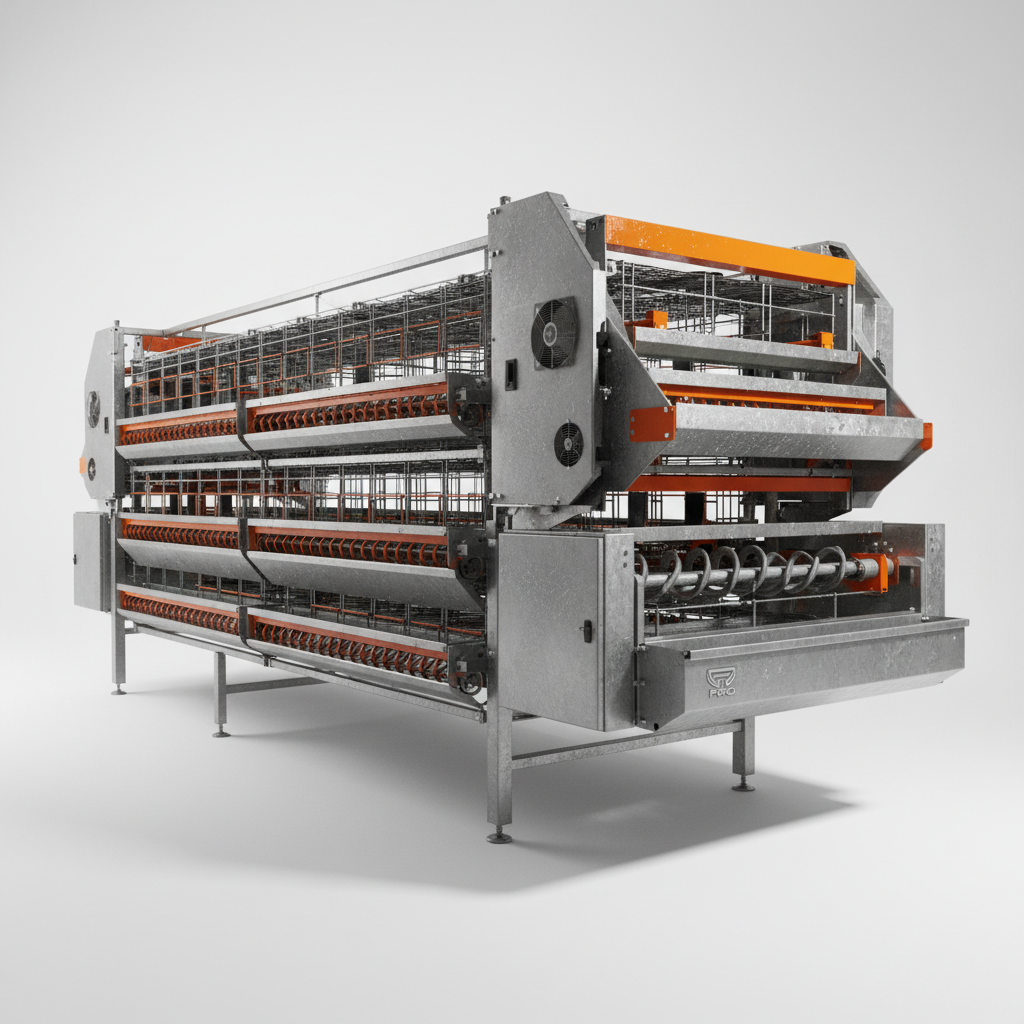
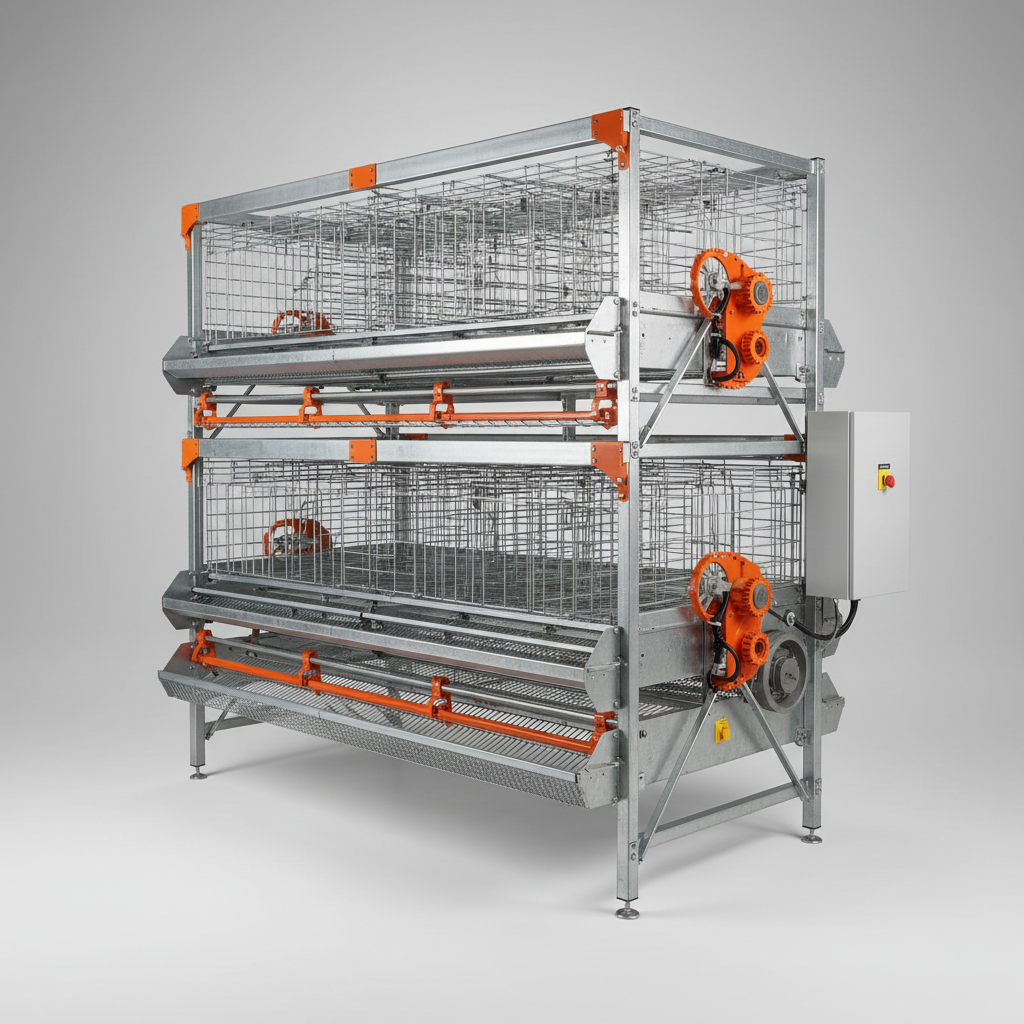
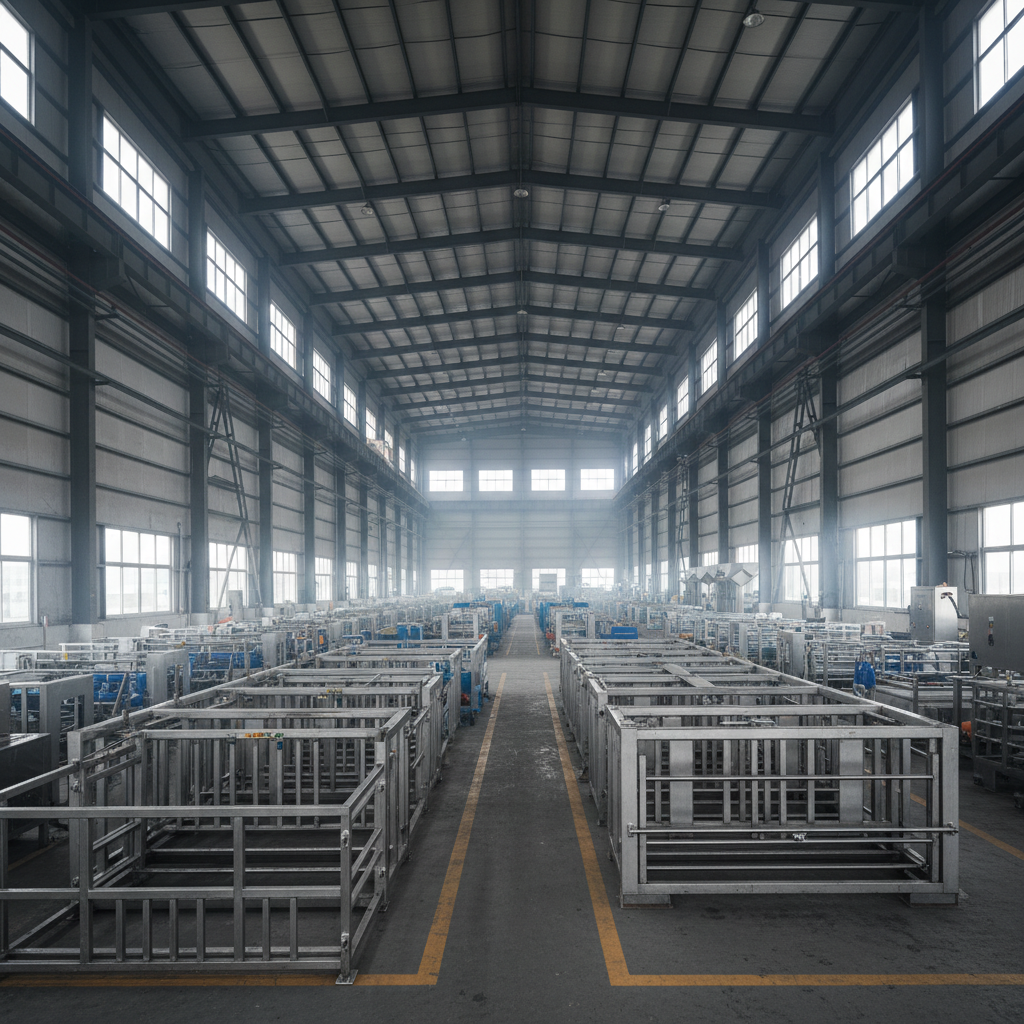
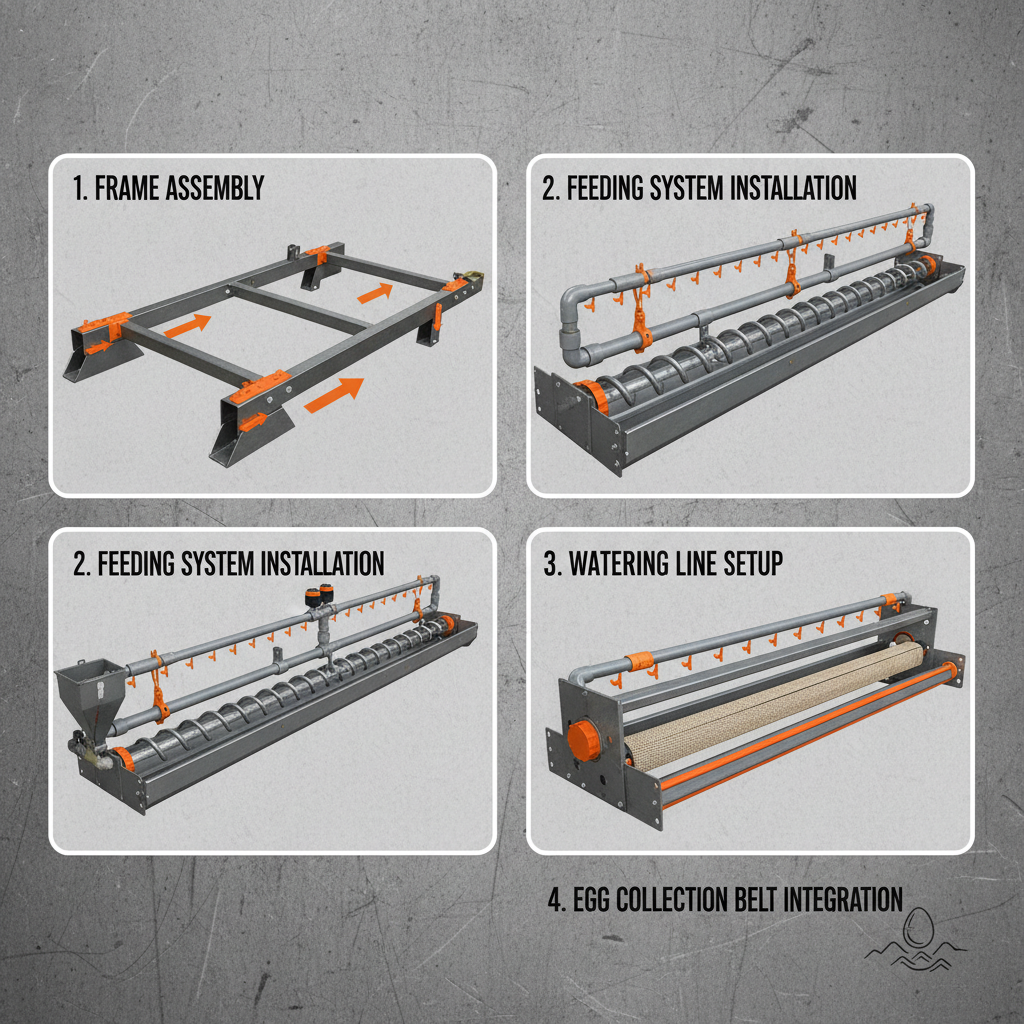
Layer poultry equipment plays a pivotal role in modern egg production, enabling efficient, scalable, and hygienic operations. Globally, demand for eggs is consistently rising, driven by population growth and increasing protein consumption, particularly in developing nations. Effective layer poultry equipment is therefore crucial for meeting this demand sustainably and economically, impacting food security and agricultural livelihoods worldwide.
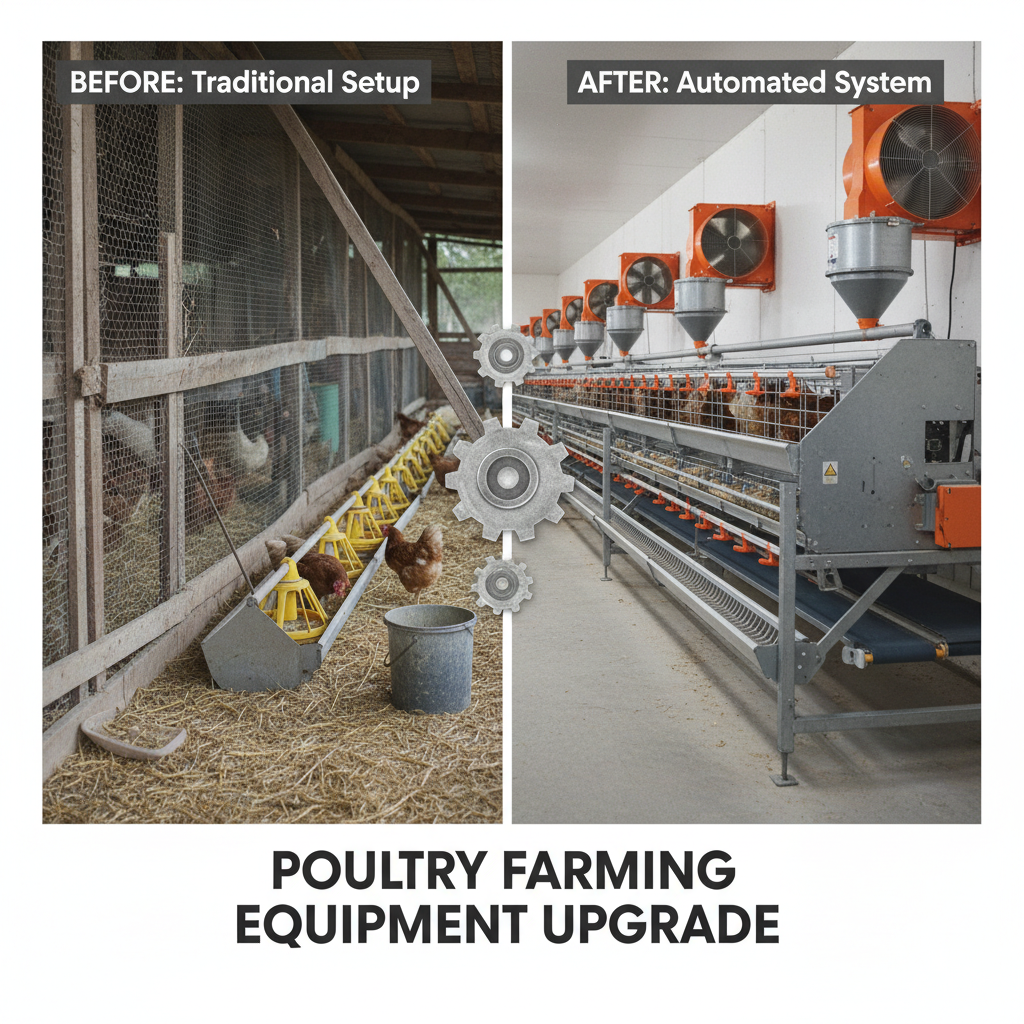
The industry is undergoing significant transformation with a focus on automation, biosecurity, and animal welfare. Investing in advanced layer poultry equipment minimizes labor costs, reduces disease outbreaks, and enhances egg quality, ultimately boosting profitability for poultry farmers. This equipment isn't just about increasing production; it’s about improving the overall sustainability of the poultry industry.
Understanding the nuances of layer poultry equipment – from cage systems and feeding mechanisms to climate control and egg handling – is essential for anyone involved in commercial egg production, agricultural engineering, or related fields. Choosing the right equipment can significantly impact a farm’s success and its contribution to a secure food supply.
Introduction to Layer Poultry Equipment
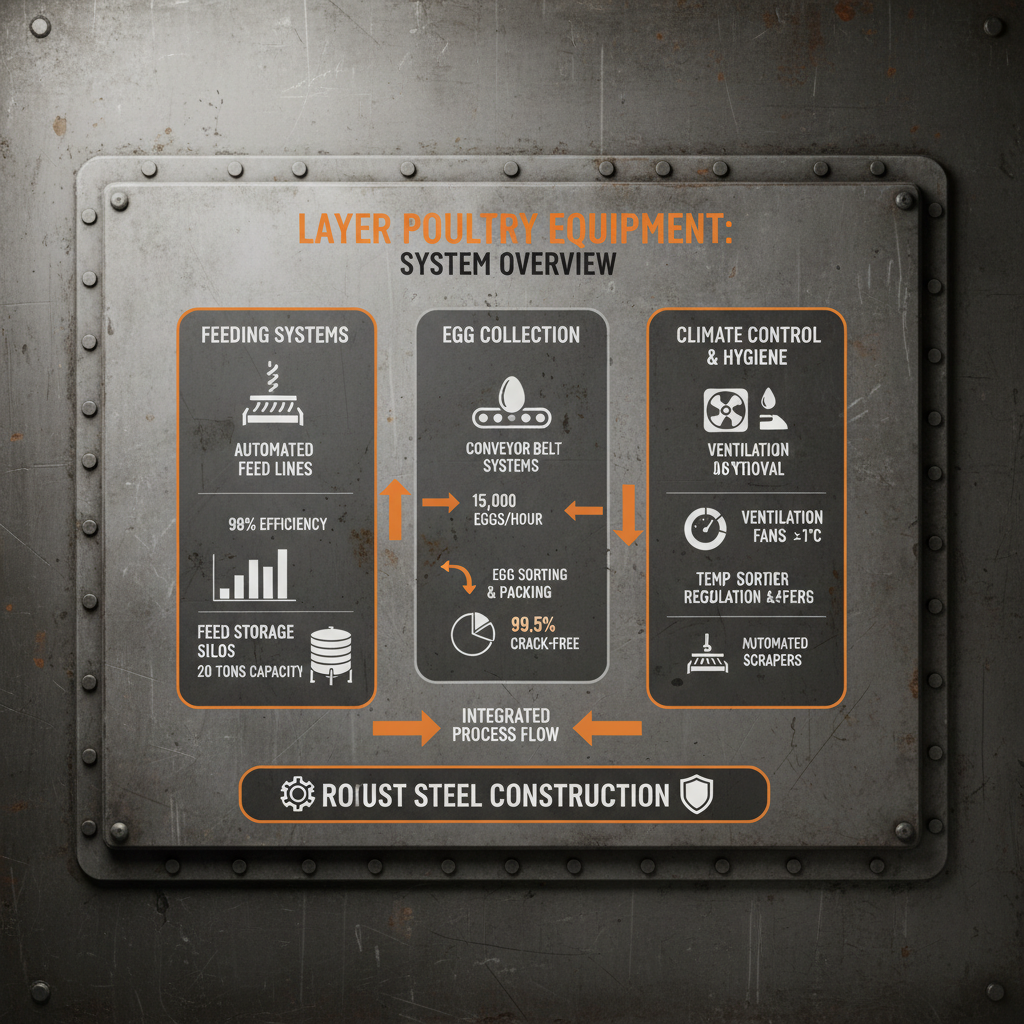
Modern layer poultry equipment encompasses a broad range of systems designed to optimize egg production while ensuring the health and welfare of the birds. This includes everything from housing and feeding systems to egg collection and waste management technologies. The selection of appropriate equipment is paramount for efficiency and profitability.
Effective layer poultry equipment isn’t a one-size-fits-all solution. Factors like farm size, climate, budget, and desired production level all influence the best choice of equipment. Understanding these variables and their interplay is crucial for making informed decisions and maximizing return on investment.
Defining Layer Poultry Equipment
Layer poultry equipment refers to the specialized machinery, structures, and systems used in raising hens specifically for egg production. This goes beyond simple cages and feeders; it incorporates advanced technologies for climate control, automated feeding and watering, efficient egg collection, and effective waste management.
This equipment plays a vital role in modern agriculture, enabling large-scale egg production to meet growing global demand. It's intrinsically linked to food security, providing an affordable and accessible source of protein for populations worldwide.
The evolution of layer poultry equipment mirrors advancements in animal science and engineering. From rudimentary setups to highly automated systems, the ongoing pursuit of efficiency, biosecurity, and animal welfare continues to drive innovation in this critical industry.
Key Factors of Effective Layer Poultry Equipment
Durability: Layer poultry equipment is subject to constant use and exposure to harsh environments. High-quality materials and robust construction are essential for minimizing maintenance, reducing downtime, and ensuring a long service life. Durable equipment translates to lower long-term costs.
Scalability: A farm’s needs evolve over time. Effective layer poultry equipment should be scalable, allowing for easy expansion or modification to accommodate increasing flock sizes or changing production goals. Modular systems offer the greatest flexibility in this regard.
Cost Efficiency: While initial investment is a factor, long-term cost efficiency is paramount. This includes minimizing energy consumption, reducing labor requirements, and maximizing egg production. Equipment that streamlines operations and reduces waste contributes directly to profitability.
Biosecurity: Preventing disease outbreaks is critical. Layer poultry equipment should be designed to facilitate thorough cleaning and disinfection, minimizing the risk of pathogen transmission. Features like smooth, non-porous surfaces and sealed systems are essential.
Animal Welfare: Increasingly, consumers demand higher standards of animal welfare. Equipment should provide adequate space, ventilation, and access to food and water, promoting the health and well-being of the hens.
Global Applications and Use Cases
Layer poultry equipment is utilized across diverse geographical regions and scales of operation. In industrialized nations like the United States and Europe, fully automated systems are common, maximizing efficiency and minimizing labor costs. layer poultry equipment manufacturers cater to these large-scale operations.
In developing countries, smaller-scale, more affordable systems are often employed, enabling local farmers to increase egg production and improve food security. These systems may be semi-automated, balancing cost-effectiveness with improved efficiency.
Even in remote areas, such as island nations or mountainous regions, layer poultry equipment is essential for providing a reliable source of protein. Portable or modular systems are particularly valuable in these contexts, allowing for easy installation and maintenance.
Layer Poultry Equipment Performance Metrics
Advantages and Long-Term Value
Investing in high-quality layer poultry equipment offers substantial advantages, extending beyond immediate increases in egg production. Reduced labor costs, lower feed wastage, and improved biosecurity all contribute to significant long-term savings. Layer poultry equipment choices directly impact a farm’s bottom line.
Sustainability is another key benefit. Modern systems are designed to minimize environmental impact, reducing water consumption and waste generation. This is increasingly important as consumers demand more responsibly produced food.
Future Trends and Innovations
The future of layer poultry equipment is poised for significant advancements. Automation, driven by artificial intelligence and robotics, will play a crucial role in optimizing production processes and reducing labor requirements. Precision farming techniques, utilizing sensors and data analytics, will enable more targeted management of flocks.
Sustainability will remain a key focus, with innovations in renewable energy integration and waste management technologies. Expect to see more closed-loop systems that minimize environmental impact and maximize resource utilization.
Challenges and Solutions
One of the primary challenges facing the layer poultry equipment industry is the high initial investment cost, particularly for smaller farms. Innovative financing models and government subsidies can help address this barrier.
Another challenge is the need for ongoing maintenance and technical expertise. Manufacturers are responding by offering comprehensive training programs and remote diagnostic services. Predictive maintenance technologies, leveraging data analytics, can also help minimize downtime and extend equipment lifespan.
Balancing cost efficiency with animal welfare remains a constant challenge. The development of more spacious and enriched housing systems, coupled with advanced environmental control technologies, can help address this concern.
Overview of Layer Poultry Equipment Challenges and Mitigation Strategies
| Challenge |
Impact on Production |
Mitigation Strategy |
Implementation Cost (1-10) |
| High Initial Investment |
Limits adoption by small farms |
Leasing options, government subsidies |
6 |
| Maintenance Complexity |
Increased downtime, reduced efficiency |
Training programs, remote diagnostics |
5 |
| Biosecurity Risks |
Disease outbreaks, flock mortality |
Improved cleaning systems, strict protocols |
7 |
| Animal Welfare Concerns |
Consumer backlash, regulatory pressures |
Enriched housing, increased space |
8 |
| Energy Consumption |
High operating costs, environmental impact |
Energy-efficient equipment, renewable energy |
4 |
| Data Management |
Difficulty interpreting data, inefficient decision-making |
Integrated data analytics platforms |
6 |
FAQS
The lifespan of layer poultry equipment varies depending on the type and quality, but generally ranges from 10 to 20 years. Cages and housing structures tend to last longer, around 15-20 years, while automated feeding and watering systems may require replacement every 10-12 years due to wear and tear. Proper maintenance significantly extends the operational life of all components. Investing in durable, corrosion-resistant materials is key to maximizing longevity.
Automation substantially reduces labor requirements in layer poultry farming. Automated feeding, watering, egg collection, and manure removal systems minimize the need for manual labor, freeing up farm workers for other essential tasks like flock health monitoring and data analysis. This translates to significant cost savings, particularly in regions with high labor rates. The initial investment in automation is offset by long-term reductions in personnel expenses.
Essential biosecurity features include smooth, non-porous surfaces that are easy to clean and disinfect, sealed housing structures to prevent pest entry, and effective ventilation systems to control air quality. Automated cleaning and disinfection systems are also highly beneficial. Regularly sanitizing equipment and implementing strict hygiene protocols are crucial for preventing disease outbreaks.
Assess energy efficiency by looking for equipment with energy-saving features like LED lighting, variable-speed fans, and insulated housing. Check the equipment's energy consumption ratings and compare them to similar models. Consider the overall system efficiency, including heating, cooling, and ventilation. Conducting an energy audit of your farm can also help identify areas for improvement.
Recent advancements include enriched colony housing systems that provide hens with more space and opportunities for natural behaviors, such as perching and dust bathing. Smart housing systems utilize sensors and data analytics to optimize environmental conditions and monitor flock health. These advancements aim to improve animal welfare while maintaining production efficiency.
Layer poultry equipment contributes to sustainability by reducing resource consumption, minimizing waste generation, and improving animal welfare. Energy-efficient equipment lowers carbon emissions, while efficient feeding and watering systems reduce water usage. Proper waste management systems help prevent environmental pollution. Choosing equipment that promotes animal health and well-being is also a key aspect of sustainable egg production.
Conclusion
In conclusion, layer poultry equipment is a cornerstone of modern egg production, driving efficiency, sustainability, and food security globally. Selecting the right equipment, considering factors like durability, scalability, and animal welfare, is critical for success. Continued innovation in automation, data analytics, and sustainable technologies will further transform the industry.
As the demand for eggs continues to grow, investing in advanced layer poultry equipment will be essential for meeting this demand responsibly. Proactive adoption of new technologies and a commitment to best practices will ensure a viable and sustainable future for the layer poultry industry. For comprehensive solutions and expert guidance, visit our website: www.cxlivestock.com