0%

Table of Contents

Poultry farm automatic equipment is rapidly transforming the agricultural landscape, offering unprecedented levels of efficiency, productivity, and sustainability. From automated feeding and watering systems to climate control and egg collection, these technologies address critical challenges facing modern poultry farming, including labor shortages, disease prevention, and the increasing demand for high-quality poultry products. The global adoption of these advancements is driven by the need for optimized resource utilization and reduced operational costs, making poultry farm automatic equipment increasingly vital for competitive success.

The poultry industry plays a crucial role in global food security, with production levels continuing to rise to meet the demands of a growing population. However, traditional farming methods often struggle to keep pace with these demands while maintaining animal welfare and environmental responsibility. Poultry farm automatic equipment offers a solution by enabling precise control over key farming parameters, reducing waste, and improving overall flock health. This is especially important in regions experiencing rapid urbanization and shifts in consumer preferences toward ethically sourced and sustainably produced food. Investment in these systems is no longer a luxury but a necessity for ensuring a reliable and sustainable poultry supply chain.

Understanding the benefits and applications of poultry farm automatic equipment is essential for farmers, investors, and policymakers alike. This technology isn’t just about automation; it’s about data-driven decision-making, improved animal welfare, and a more resilient food system. The continuous innovation in this field promises even more sophisticated and integrated solutions in the years to come, further solidifying its importance in the future of poultry farming.
Poultry Farm Automatic Equipment Enhancing Efficiency and Sustainable Production

Introduction to Poultry Farm Automatic Equipment

Poultry Farm Automatic Equipment Enhancing Efficiency and Sustainable Production

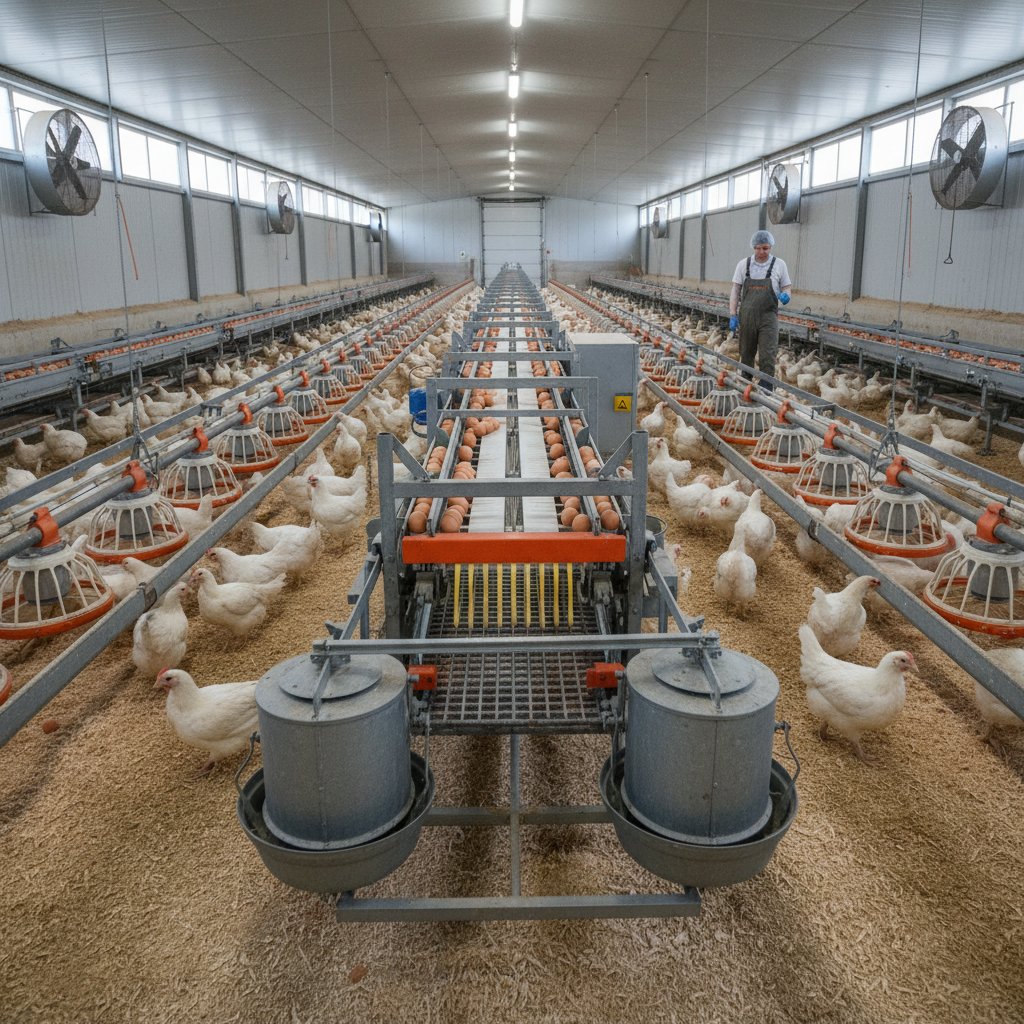
Poultry farm automatic equipment encompasses a wide range of technologies designed to automate and optimize various aspects of poultry production, from feeding and watering to climate control and waste management. This equipment enhances operational efficiency, reduces labor costs, and improves overall flock health and productivity. The incorporation of smart sensors and data analytics further empowers farmers to make informed decisions, leading to more sustainable and profitable operations.

The demand for poultry products is consistently growing, fueled by population expansion and changing dietary habits. Meeting this demand requires innovative solutions that can increase production capacity without compromising animal welfare or environmental sustainability. Poultry farm automatic equipment represents a critical component of this solution, enabling farmers to produce more with less while maintaining high standards of quality and hygiene.

Defining Poultry Farm Automatic Equipment

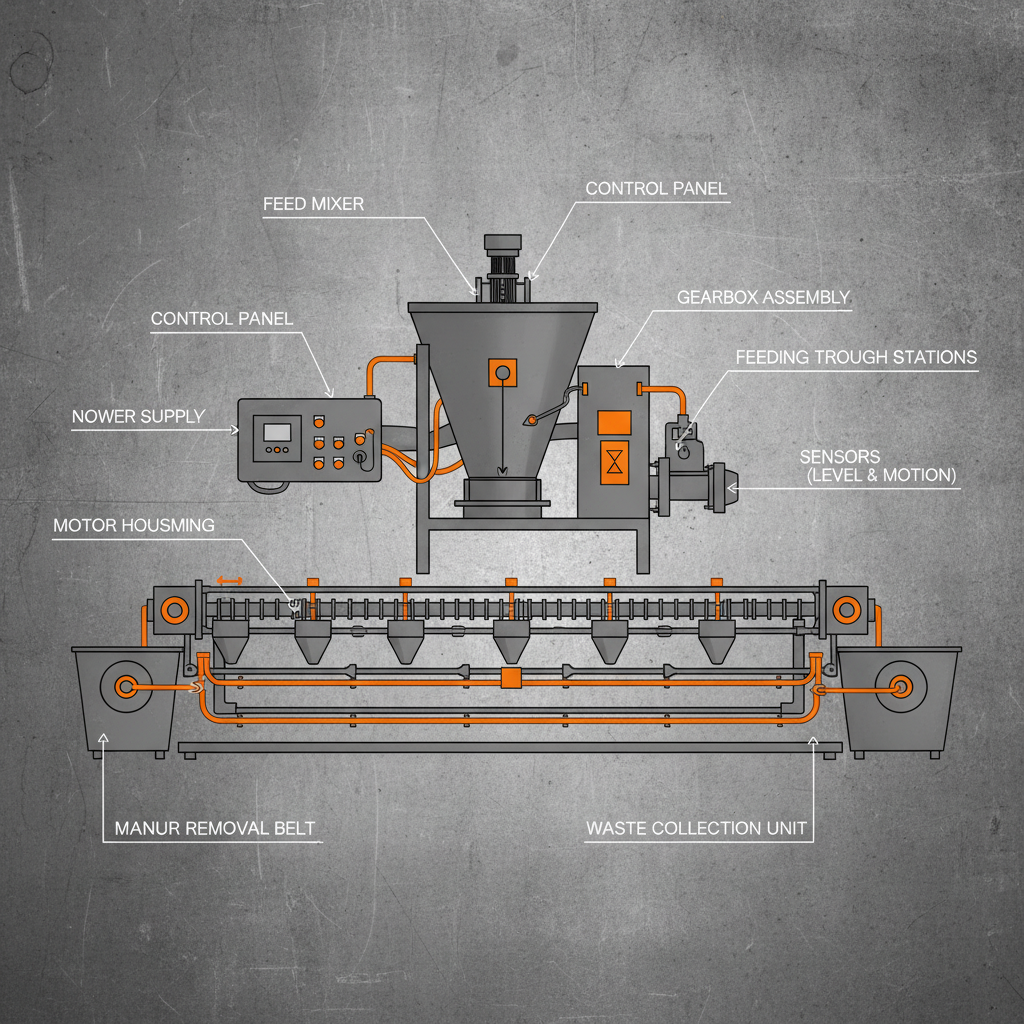
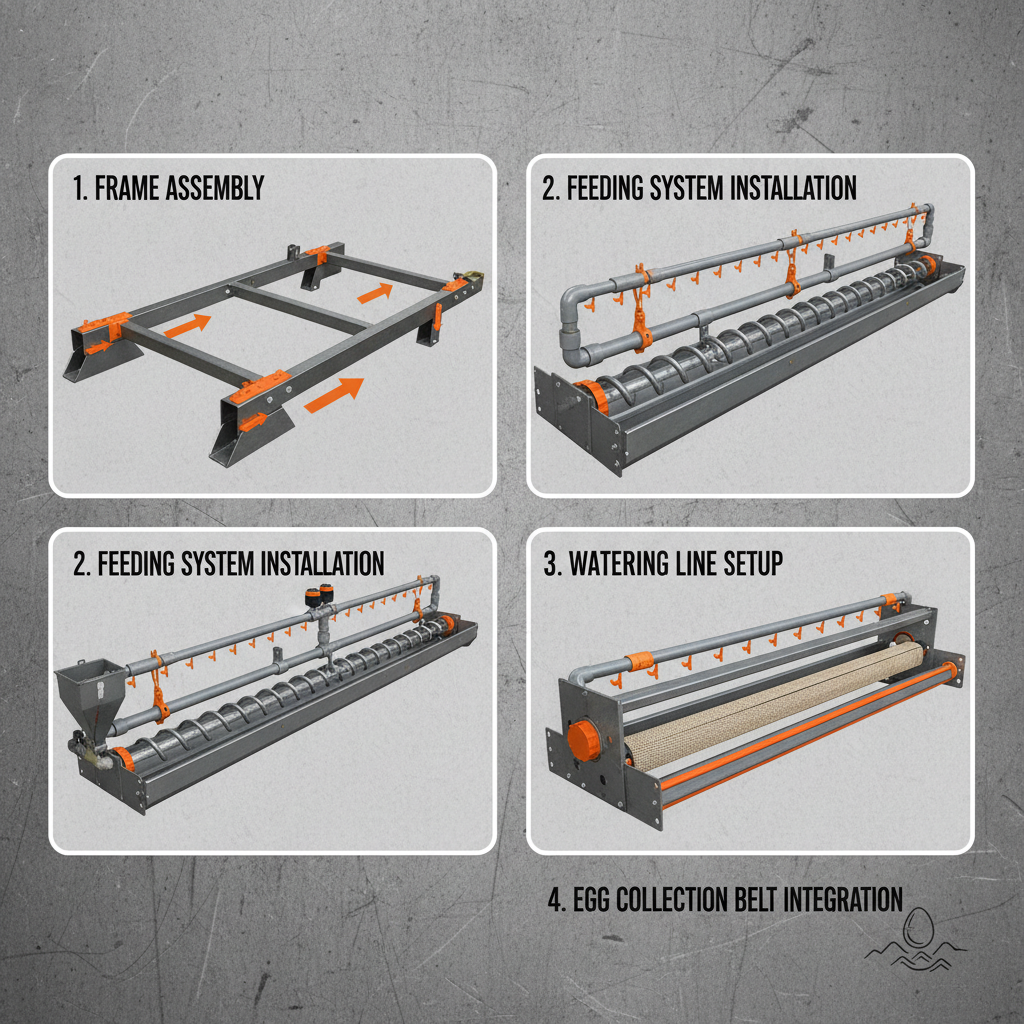
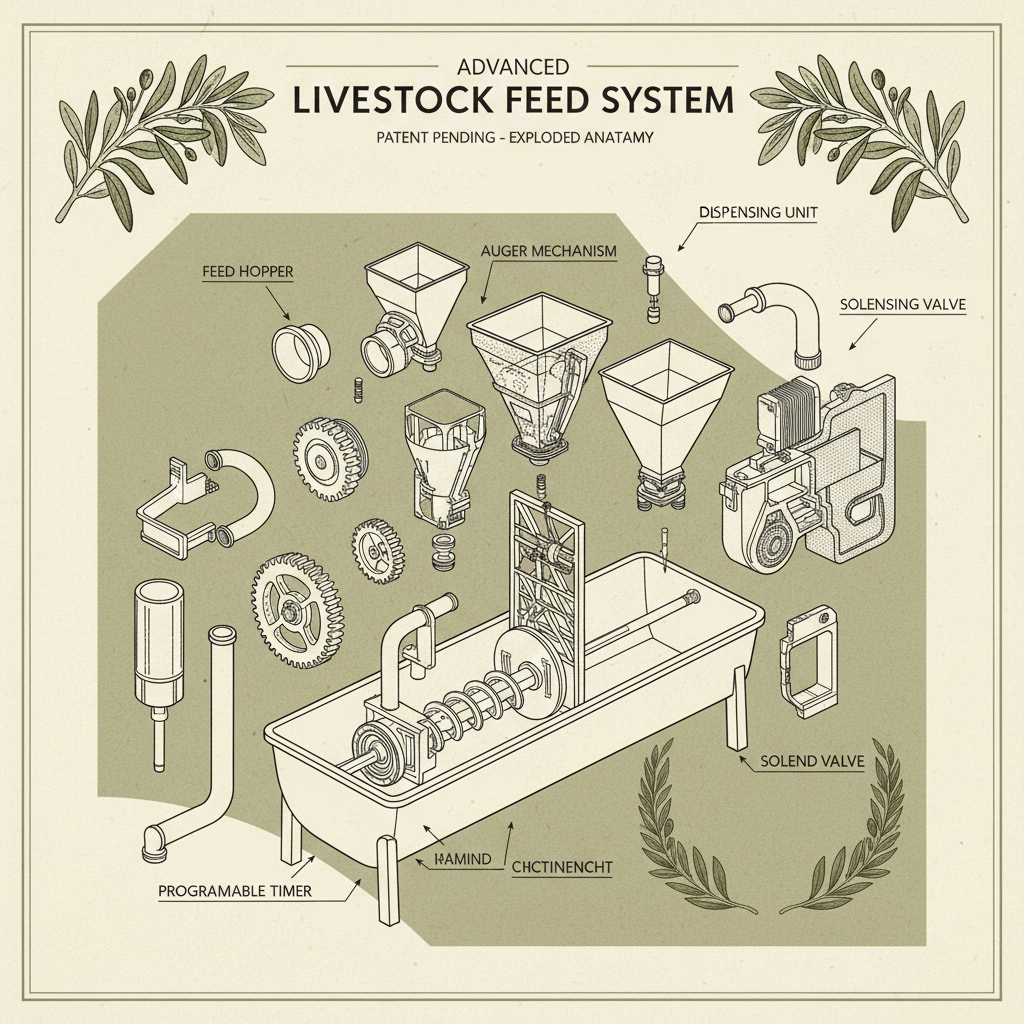
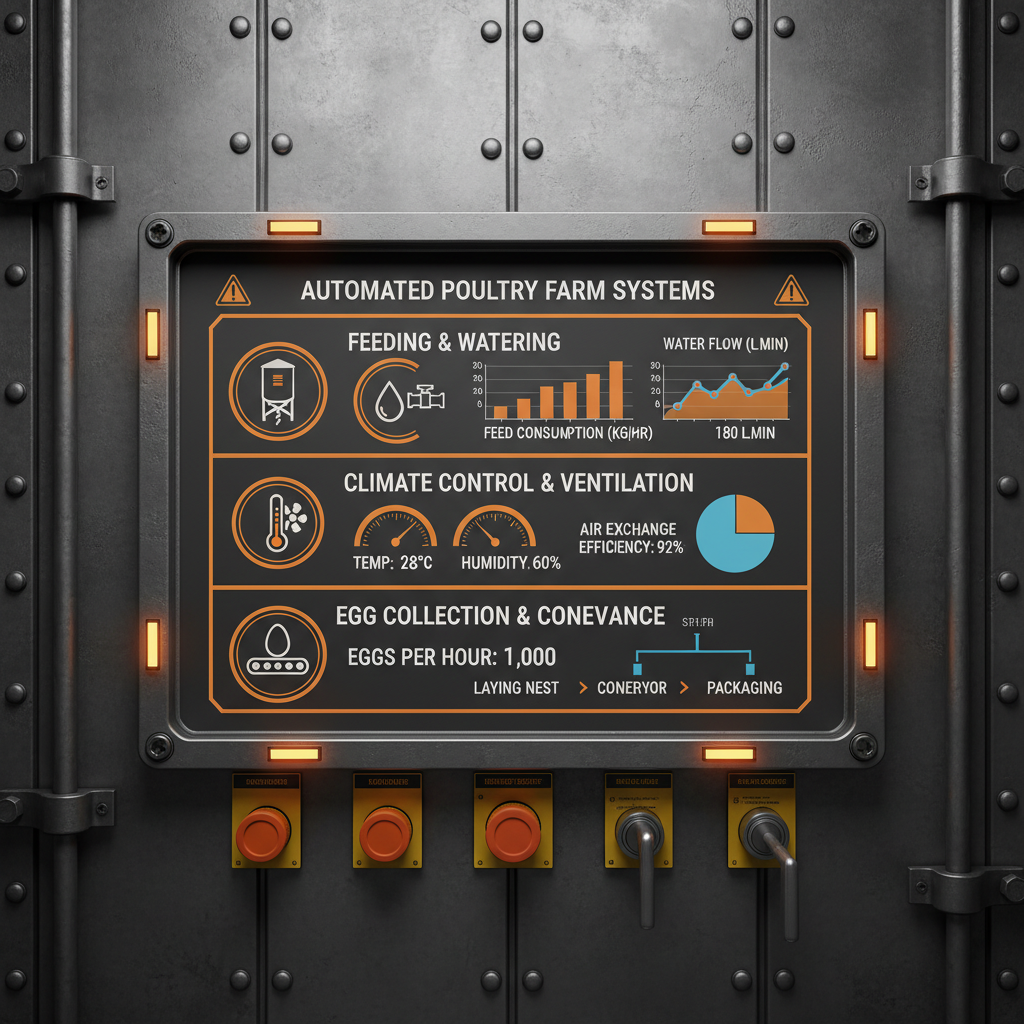
At its core, poultry farm automatic equipment refers to the application of automated systems and technologies within poultry farming operations. This includes automated feeding systems that deliver precise amounts of feed to birds, automated watering systems that ensure consistent access to clean water, climate control systems that maintain optimal temperature and humidity levels, and automated egg collection systems that streamline the harvesting process. These technologies, when integrated effectively, contribute to a more efficient and controlled farming environment.

This concept is deeply connected to the modernization of agriculture and the increasing need for sustainable food production. The traditional, labor-intensive methods of poultry farming are often inefficient and prone to inconsistencies. Automation addresses these limitations by providing a precise and reliable means of managing critical farming parameters, reducing waste, and minimizing the risk of human error.

The evolution of poultry farm automatic equipment reflects a broader trend towards precision agriculture, where technology is used to optimize every aspect of the farming process. This approach not only improves productivity but also enhances animal welfare by creating a more comfortable and stress-free environment for the birds.

Key Factors of Poultry Farm Automatic Equipment

One crucial factor is Reliability. Poultry operations require equipment that functions consistently and predictably, minimizing downtime and ensuring uninterrupted production. Durable materials, robust construction, and readily available spare parts are essential for maximizing uptime and reducing maintenance costs.

Efficiency is another key consideration. Automatic equipment should optimize resource utilization, reducing feed waste, water consumption, and energy costs. Precision feeding and watering systems, for example, can significantly reduce resource waste while ensuring that birds receive the nutrients they need. Effective climate control also minimizes energy consumption.

Data Integration and Control are increasingly important. Modern poultry farm automatic equipment often incorporates sensors and data analytics capabilities, allowing farmers to monitor key performance indicators (KPIs) such as feed consumption, water usage, and flock health. This data can be used to optimize farming practices and improve overall profitability.

Scalability and Adaptability in Poultry Farming

Scalability is a critical factor when investing in poultry farm automatic equipment. Farmers need systems that can be easily expanded or adapted as their operations grow. Modular designs and standardized components allow for flexible configurations, enabling farmers to customize their equipment to meet their specific needs and future expansion plans.

Adaptability is equally important. Poultry farming practices can vary significantly depending on the breed of bird, the production system (e.g., broiler, layer, breeder), and the local climate. Automatic equipment should be adaptable to these different conditions, allowing farmers to optimize their operations for maximum efficiency and productivity.

Equipment Adaptability Ratings


Global Applications and Use Cases

Poultry farm automatic equipment is being implemented globally, across a diverse range of farming operations. In developed countries like the United States and the Netherlands, large-scale commercial farms are leveraging these technologies to maximize efficiency and meet stringent quality standards. In developing countries, automatic equipment is helping smallholder farmers to improve productivity and access new markets.

In regions prone to labor shortages, automation is becoming increasingly essential for maintaining production levels. For example, in some European countries, automated egg collection systems are helping to address the challenges of finding reliable labor for this demanding task. Similarly, in areas with limited water resources, precision watering systems are helping to conserve water and reduce environmental impact.

Even in remote or challenging environments, such as mountainous regions or islands, poultry farm automatic equipment can provide a viable solution for establishing sustainable poultry production systems. The ability to remotely monitor and control farming parameters is particularly valuable in these situations, allowing farmers to manage their operations effectively even from a distance.

Advantages and Long-Term Value

The advantages of implementing poultry farm automatic equipment are multifaceted. Cost savings through reduced labor, feed waste, and energy consumption are significant. Enhanced productivity and improved flock health translate directly into higher yields and increased profitability. Furthermore, the reduction in resource usage contributes to a more sustainable and environmentally responsible farming operation.

The long-term value extends beyond purely economic benefits. Automated systems contribute to improved animal welfare by creating a more controlled and comfortable environment for the birds. This, in turn, can enhance the quality of poultry products and build consumer trust. The data-driven insights provided by modern equipment also empower farmers to make more informed decisions, leading to continuous improvement and innovation.

Future Trends and Innovations

The future of poultry farm automatic equipment is poised for further innovation. Integration with artificial intelligence (AI) and machine learning (ML) will enable even more precise control over farming parameters, predictive maintenance, and early detection of disease outbreaks. The use of drones and robotics for tasks such as flock monitoring and waste management is also expected to become more widespread.

Sustainability will continue to be a major driver of innovation, with a focus on developing energy-efficient equipment and reducing the environmental footprint of poultry production. The adoption of renewable energy sources, such as solar power, will become increasingly common. Furthermore, the development of biodegradable and compostable materials for equipment components will help to reduce waste and promote circular economy principles.

Digital transformation and the Internet of Things (IoT) will play a crucial role in connecting various components of the poultry farm, enabling real-time data sharing and remote management. This interconnectedness will create opportunities for optimizing efficiency, improving animal welfare, and enhancing the overall sustainability of poultry production.

FAQS

What are the initial investment costs associated with poultry farm automatic equipment?

The initial investment costs for poultry farm automatic equipment can vary significantly depending on the scale of your operation and the specific technologies you choose. Factors include the size of your farm, the type of equipment (feeding, watering, climate control, etc.), installation costs, and any necessary infrastructure upgrades. While the upfront investment can be substantial, it’s essential to consider the long-term return on investment through reduced labor costs, increased efficiency, and improved productivity. Explore financing options and government incentives to help offset these costs.

How much maintenance is required for automatic poultry farming systems?

Automatic poultry farming systems require regular maintenance to ensure optimal performance and longevity. This includes routine inspections, cleaning, lubrication of moving parts, and calibration of sensors. The level of maintenance will depend on the specific equipment and its usage. Preventative maintenance programs are highly recommended to identify and address potential issues before they lead to costly breakdowns. Consider training your staff or partnering with a qualified service provider for ongoing maintenance support.

What are the benefits of automated climate control in poultry houses?

Automated climate control is crucial for maintaining optimal conditions for poultry health and productivity. Precise control over temperature, humidity, and ventilation reduces stress on birds, minimizes disease outbreaks, and improves feed conversion rates. Automated systems can adjust settings based on real-time conditions and bird age, ensuring consistent and efficient performance. This results in higher quality poultry products and increased profitability.

Can poultry farm automatic equipment be integrated with existing farming infrastructure?

Integration of poultry farm automatic equipment with existing infrastructure is often possible, but it requires careful planning and assessment. Compatibility issues may arise, and some modifications to your existing facilities may be necessary. It’s essential to work with experienced equipment suppliers and installers to ensure a smooth and efficient integration process. A phased approach to implementation can help minimize disruption and allow for gradual adaptation.

How does automation improve animal welfare in poultry farming?

Automation improves animal welfare by creating a more stable and comfortable environment for poultry. Consistent temperature, humidity, and ventilation reduce stress, while automated feeding and watering systems ensure reliable access to essential resources. Automated waste removal systems maintain hygiene and minimize the risk of disease. Data-driven monitoring allows for early detection of health issues, enabling prompt intervention and improving overall flock wellbeing.

What data analytics capabilities are available with modern poultry farm equipment?

Modern poultry farm automatic equipment often includes sophisticated data analytics capabilities. These systems can collect and analyze data on feed consumption, water usage, bird weight gain, egg production, and environmental conditions. This data can be used to identify trends, optimize farming practices, and predict potential problems. Real-time dashboards and reports provide farmers with valuable insights for informed decision-making and continuous improvement.

Conclusion

In conclusion, poultry farm automatic equipment is no longer a futuristic concept but a present-day necessity for sustainable and efficient poultry production. From enhancing operational efficiency and reducing costs to improving animal welfare and environmental sustainability, the benefits are undeniable. The integration of advanced technologies such as AI, IoT, and data analytics promises to further revolutionize the industry, creating opportunities for greater productivity, resilience, and profitability.

Looking ahead, investing in poultry farm automatic equipment is a strategic decision that will position farmers for success in a rapidly evolving agricultural landscape. By embracing innovation and adopting data-driven practices, the poultry industry can meet the growing global demand for high-quality, sustainably produced poultry products while ensuring a secure and resilient food supply for future generations. Visit our website at www.cxlivestock.com to learn more.


Jason Lee

Jason Lee

Jason Lee is an independent agricultural journalist specializing in livestock farming technology. He frequently covers advancements in equipment and management practices, with a recent focus on the benefits of durable flooring solutions and automated feeding systems. Jason has interviewed numerous farmers and industry experts, including representatives from Chengxin, to provide
Previous Advancements in Poultry Farming Machinery and Equipment for Sustainable Production
Next Optimizing Poultry Farm Drinker Equipment for Enhanced Flock Health and Productivity