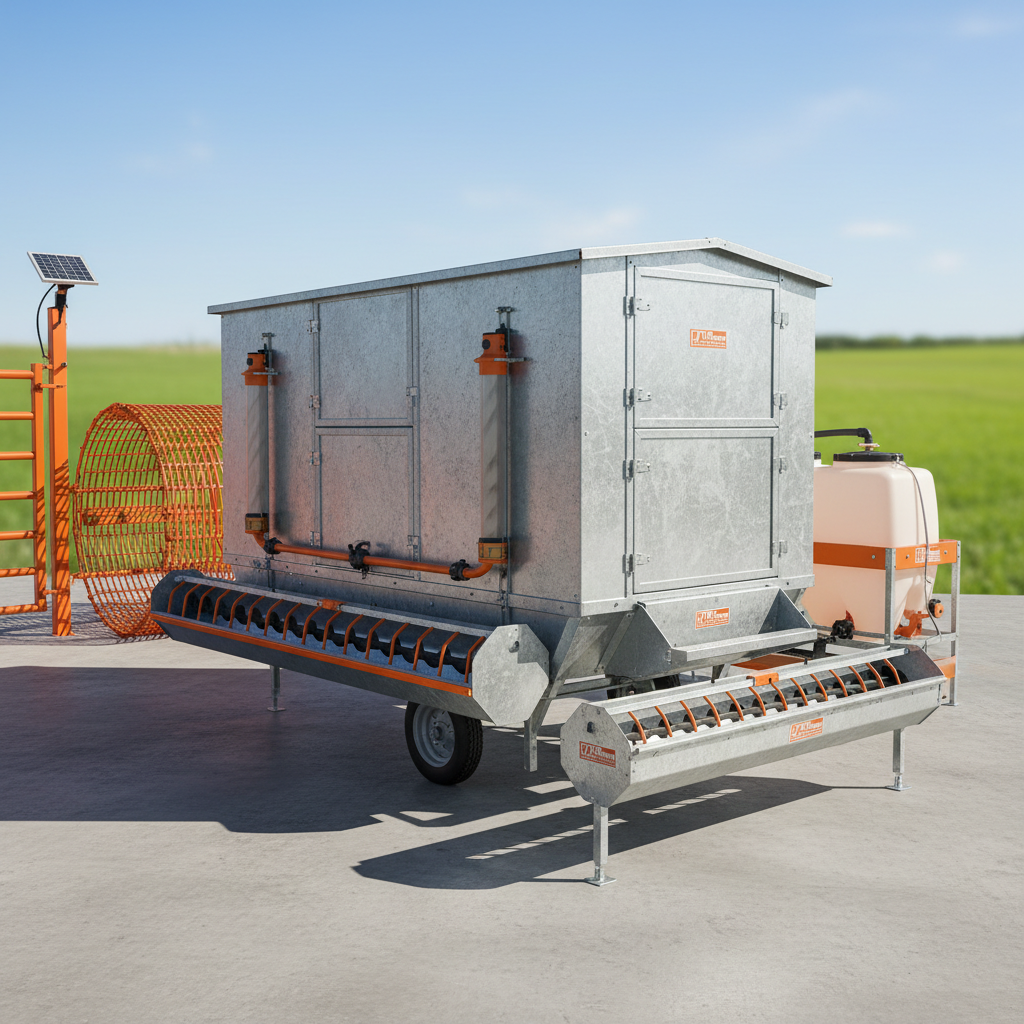
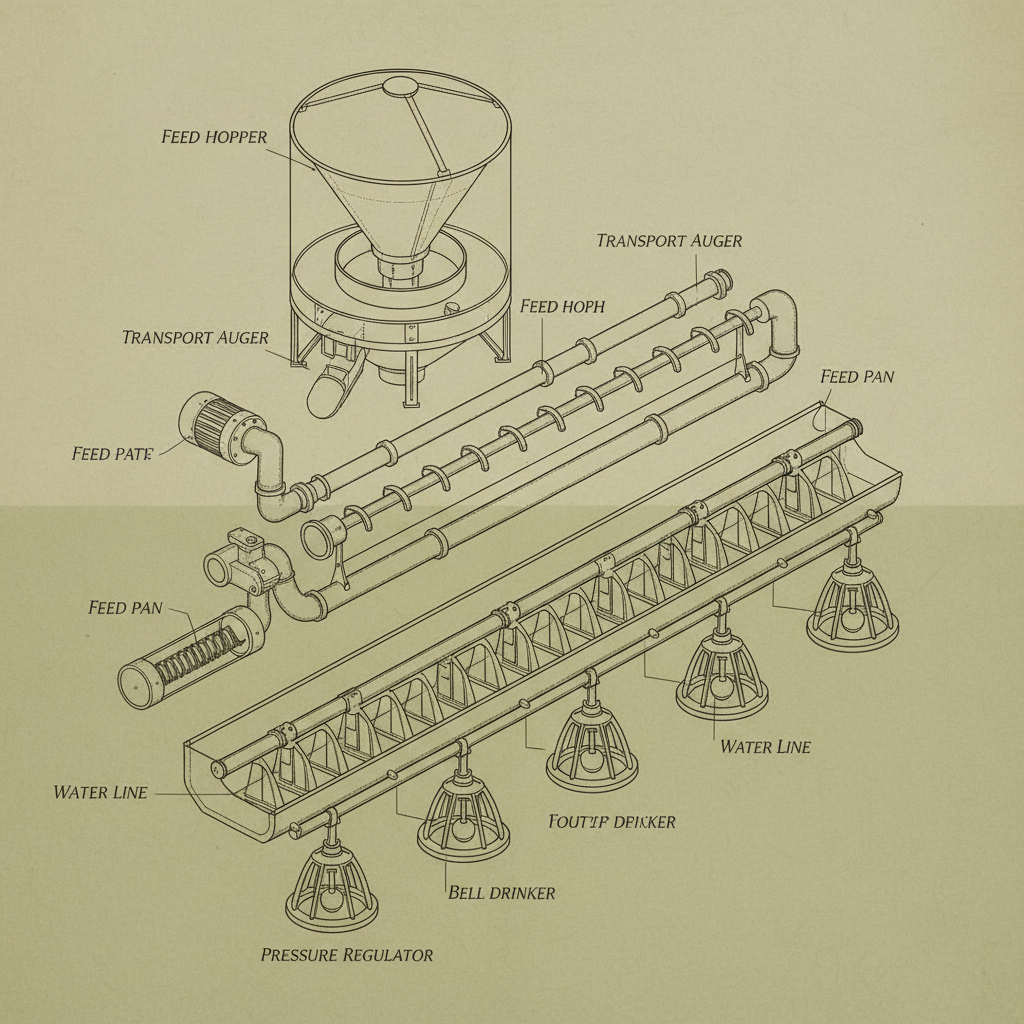
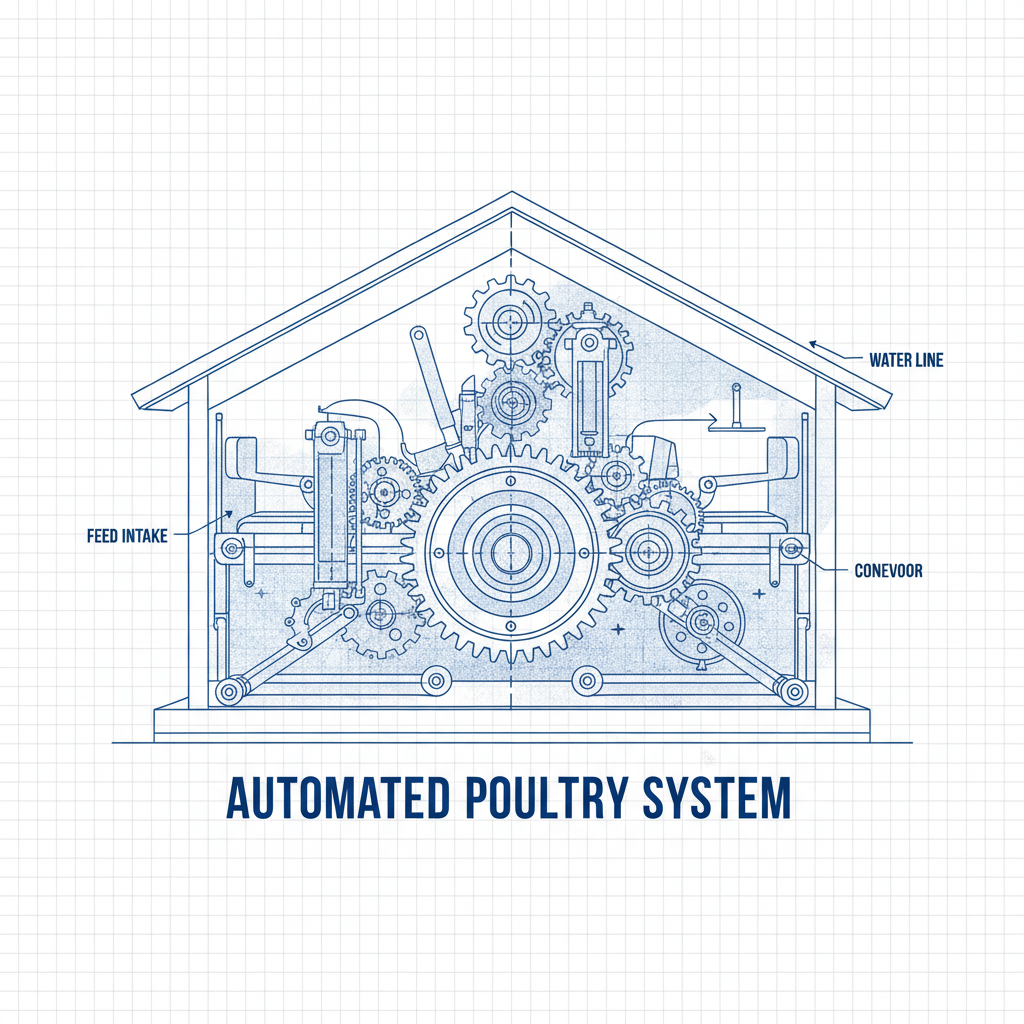
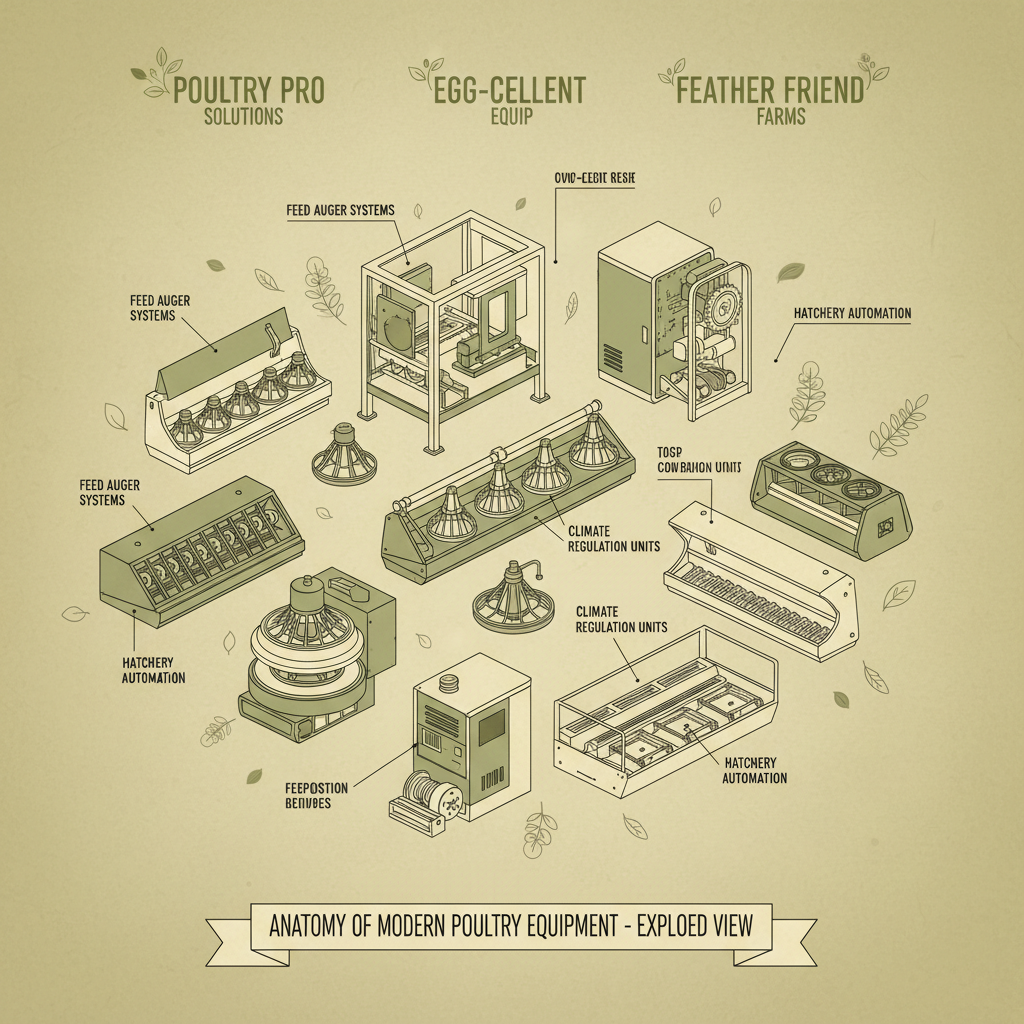
Cattle farming equipment isn't just about fences and feeders anymore. It’s the backbone of a global food supply chain, and frankly, the advancements we've seen in the last decade are game-changers. From precision feeding systems that optimize animal health and growth, to robust handling facilities that minimize stress on livestock – and crucially, keep people safe – this isn't your granddad's cattle operation. I’ve spent years watching these changes unfold on ranches from Texas to Argentina, and the impact is undeniable. It's about doing more with less, improving efficiency, and ensuring a sustainable future for beef production. And it's not a luxury, it's becoming a necessity. cattle farming equipment is evolving rapidly.
What's often overlooked is the sheer scale. We're talking about a multi-billion dollar industry supporting billions of meals worldwide. The United Nations Food and Agriculture Organization (FAO) estimates livestock contributes significantly to global greenhouse gas emissions, driving demand for more sustainable farming practices. And that means investing in the right equipment. The ISO standards around livestock handling facilities are getting tighter, and for good reason – welfare is paramount. I’ve seen firsthand the difference a well-designed loading chute can make, both in terms of animal wellbeing and worker safety. Ignoring these trends isn’t an option; it's a risk to your operation and, frankly, to the planet.
The bottom line? Modern cattle farming demands modern tools. The challenge isn't just buying the equipment; it’s integrating it effectively into your existing workflow and ensuring your team is properly trained. This is where the rubber meets the road, and where a solid understanding of the technology and its practical applications is crucial for success.
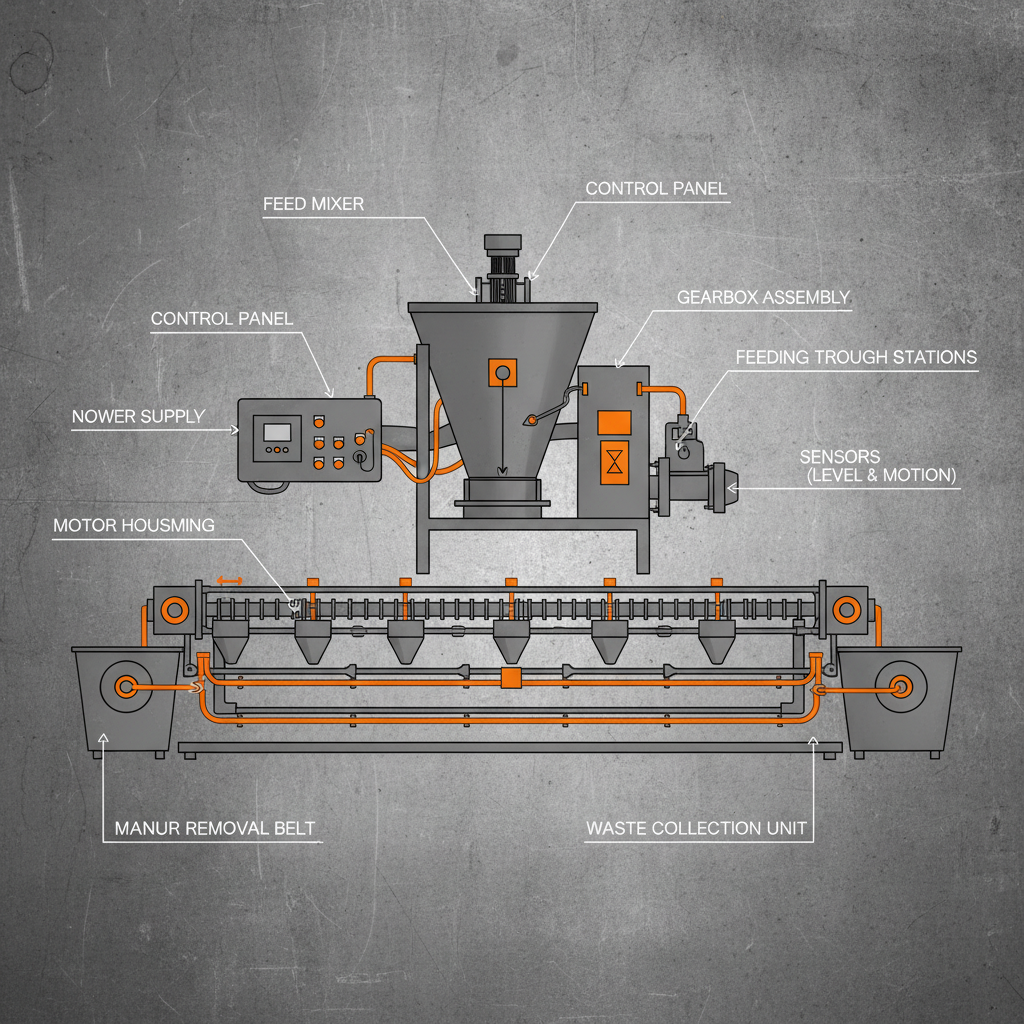
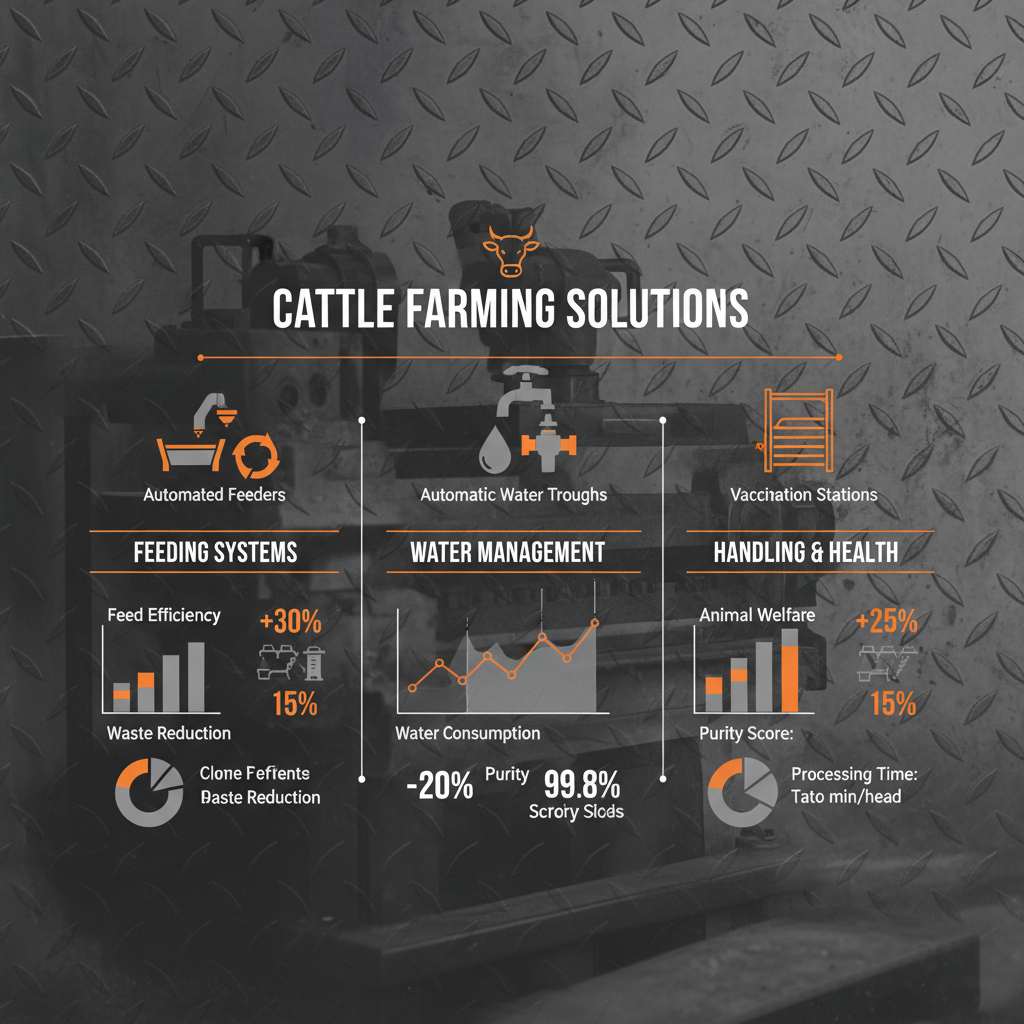
Let’s be clear: efficient cattle farming relies heavily on the quality of its equipment. We’re not just talking about the flashy, high-tech stuff. It starts with the basics: durable fencing to contain livestock, robust gates for safe movement, and reliable water systems. But the integration of technology - automatic feeding systems, electronic identification tags, and data-driven herd management tools - is transforming the industry. cattle farming equipment investment is a direct investment in your profitability.
The increasing demand for beef, coupled with growing concerns about sustainability, means operators need to maximize efficiency and minimize waste. That’s where the right equipment comes in. It’s about optimizing resource utilization, reducing labor costs, and improving animal welfare. And I've seen enough broken-down equipment on muddy fields to know that cheaping out upfront almost always costs more in the long run.
The tangible benefits of investing in quality cattle farming equipment are clear: reduced labor costs, increased efficiency, improved animal welfare, and higher-quality beef production. But the long-term value goes beyond just the bottom line. Sustainable farming practices, driven by the right equipment, contribute to environmental conservation and responsible land management.
From an emotional perspective, knowing you're providing a safe and comfortable environment for your animals is incredibly rewarding. And from a business perspective, building trust with consumers who value ethical and sustainable practices is essential for long-term success.
We’re on the cusp of a new era in cattle farming, driven by advancements in technology and a growing focus on sustainability. Expect to see more widespread adoption of precision livestock farming techniques, utilizing sensors, data analytics, and artificial intelligence to optimize every aspect of the operation. Automation will play a bigger role, from robotic milking systems to automated pasture monitoring.
The integration of renewable energy sources – solar and wind power – to power farm operations is also gaining momentum. And the development of new materials and construction techniques will lead to more durable, efficient, and environmentally friendly equipment. It’s an exciting time to be involved in this industry.
Despite all the advancements, there are still challenges. One of the biggest is the initial cost of investment, particularly for smaller operations. Financing options and government incentives can help alleviate this burden. Another challenge is the need for skilled labor to operate and maintain increasingly complex equipment. Training programs and ongoing support are crucial.
Data security and privacy are also growing concerns, as more farms collect and analyze data on their livestock. Implementing robust cybersecurity measures is essential. And finally, ensuring that new technologies are accessible and affordable for farmers in developing countries remains a significant hurdle.
| Challenge | Impact on Operation | Potential Solution | Implementation Cost (1-10) |
|---|---|---|---|
| High Initial Investment | Limits adoption of advanced equipment | Government grants, leasing options | 6 |
| Lack of Skilled Labor | Improper operation and maintenance | Comprehensive training programs | 7 |
| Data Security Risks | Compromised sensitive farm data | Robust cybersecurity protocols | 8 |
| Limited Accessibility in Developing Regions | Stunted growth in livestock production | Subsidized equipment programs | 9 |
| Equipment Maintenance Downtime | Disrupted workflow and productivity loss | Preventative maintenance schedules | 5 |
| Integration with Existing Systems | Compatibility issues and data silos | Open-source software and API integration | 7 |
Choosing a cattle handling system involves evaluating several factors. Animal welfare is paramount; the system should minimize stress and injury. Consider the size of your herd, the layout of your facility, and the skill level of your staff. Durability and ease of maintenance are also crucial. A well-designed system will improve efficiency, safety, and ultimately, your bottom line.
Regular inspection and maintenance of cattle fencing are vital to prevent escapes and ensure animal safety. Inspect your fences at least twice a year, ideally in the spring and fall. Check for broken posts, loose wires, and damaged gates. Repair any issues immediately. Vegetation control is also important, as overgrown weeds can short out electric fences and create hazards.
EID tags offer numerous benefits for herd management. They allow for accurate tracking of individual animal health records, breeding history, and performance data. This information can be used to make informed decisions about breeding, feeding, and treatment. EID tags also simplify record-keeping and improve traceability, which is increasingly important for food safety and quality assurance.
Ensuring adequate water access is critical for cattle health and productivity. Provide multiple water sources, particularly in larger pastures. Consider using automated waterers to ensure a constant supply of fresh, clean water. Regularly clean and maintain water troughs to prevent the buildup of algae and bacteria. Monitor water levels and repair any leaks promptly.
Rotational grazing systems offer significant advantages for pasture health and livestock production. By dividing your pasture into smaller paddocks and rotating cattle between them, you allow the vegetation to recover and regrow. This improves forage quality, increases carrying capacity, and reduces the risk of overgrazing. Rotational grazing can also improve soil health and reduce the need for fertilizer.
Safety should always be the top priority when operating cattle handling equipment. Ensure all equipment is in good working order and properly maintained. Wear appropriate personal protective equipment, including gloves, boots, and eye protection. Never work alone, and always have a clear escape route in case of an emergency. Train all staff on the safe operation of the equipment.
In conclusion, investing in the right cattle farming equipment isn’t just about acquiring tools; it’s about embracing a commitment to efficiency, sustainability, and animal welfare. From durable fencing and reliable water systems to advanced technologies like EID tagging and precision feeding, the choices you make directly impact your operation’s productivity, profitability, and long-term viability. Understanding the key factors—durability, scalability, and cost-effectiveness—is paramount to making informed decisions.
Looking ahead, the future of cattle farming will be shaped by continued innovation and a growing focus on responsible land management. By staying informed about emerging trends and adopting new technologies, you can position your operation for success in a rapidly changing world. Visit our website at www.cxlivestock.com to explore our range of cattle farming equipment and learn how we can help you optimize your operation.