Livestock farming equipment plays a crucial role in modern agriculture, enabling efficient and sustainable animal husbandry. From feeding systems and housing structures to health monitoring technologies and waste management solutions, this equipment directly impacts productivity, animal welfare, and environmental sustainability. The demand for effective livestock farming equipment is rising globally, driven by increasing populations and the need for enhanced food security.
The global livestock industry is a multi-billion dollar market, and the equipment sector is integral to its continued growth. Innovations in this field are constantly emerging, addressing challenges related to disease control, resource optimization, and labor shortages. Understanding the nuances of livestock farming equipment is paramount for farmers, agricultural engineers, and policymakers alike.
Investing in the right livestock farming equipment isn't just about increasing output; it’s about building a resilient and responsible food system. From smallholder farms to large-scale operations, appropriate tools and technologies can significantly enhance profitability and contribute to a more sustainable future for livestock production. Explore livestock farming equipment solutions today.


Modern livestock farming equipment isn’t simply about automating tasks; it’s a holistic approach to improving animal health, increasing productivity, and minimizing environmental impact. Properly selected and maintained equipment ensures optimal conditions for livestock, leading to better growth rates, higher quality products, and reduced disease outbreaks. Consider exploring livestock farming equipment to find the right tools for your needs.
The investment in robust livestock farming equipment translates into long-term cost savings. Efficient feeding systems reduce waste, automated cleaning systems minimize labor costs, and advanced monitoring technologies allow for proactive health management. These efficiencies contribute to a more profitable and sustainable operation.
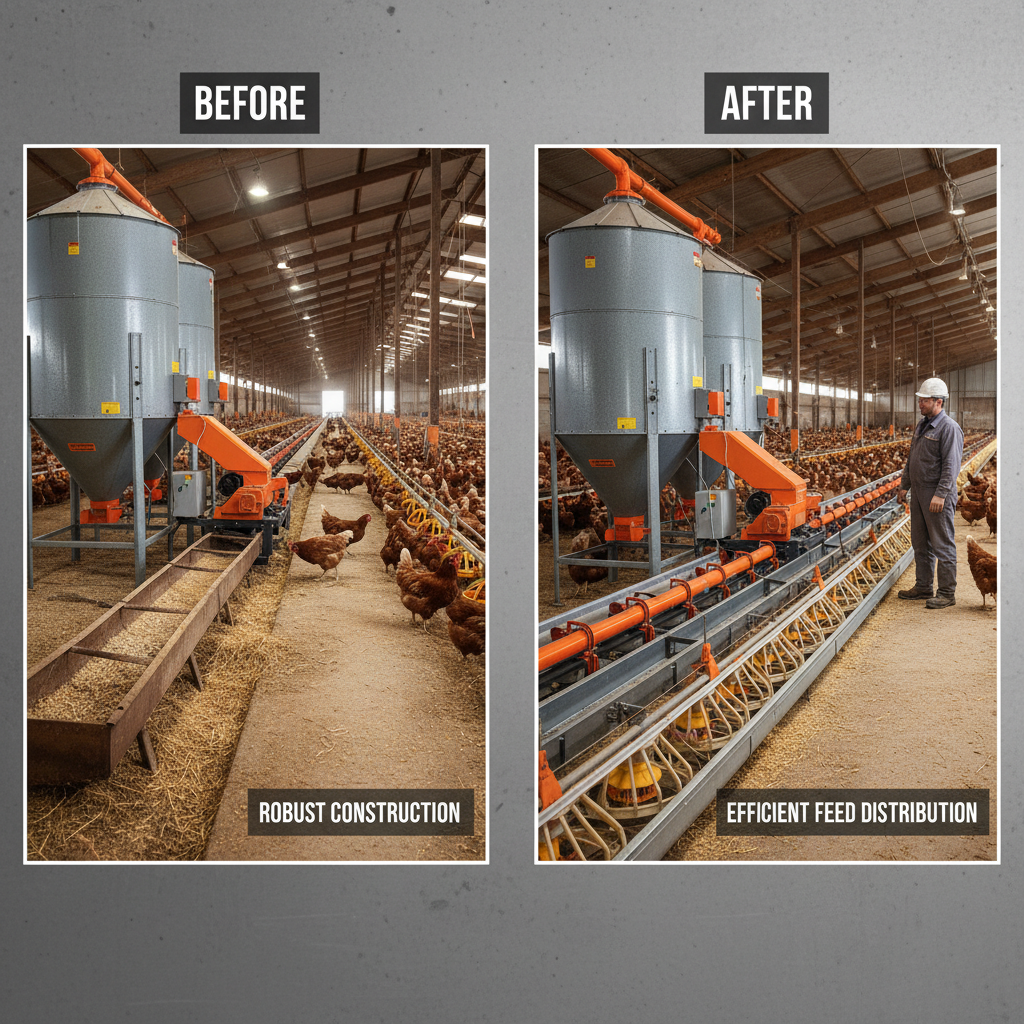
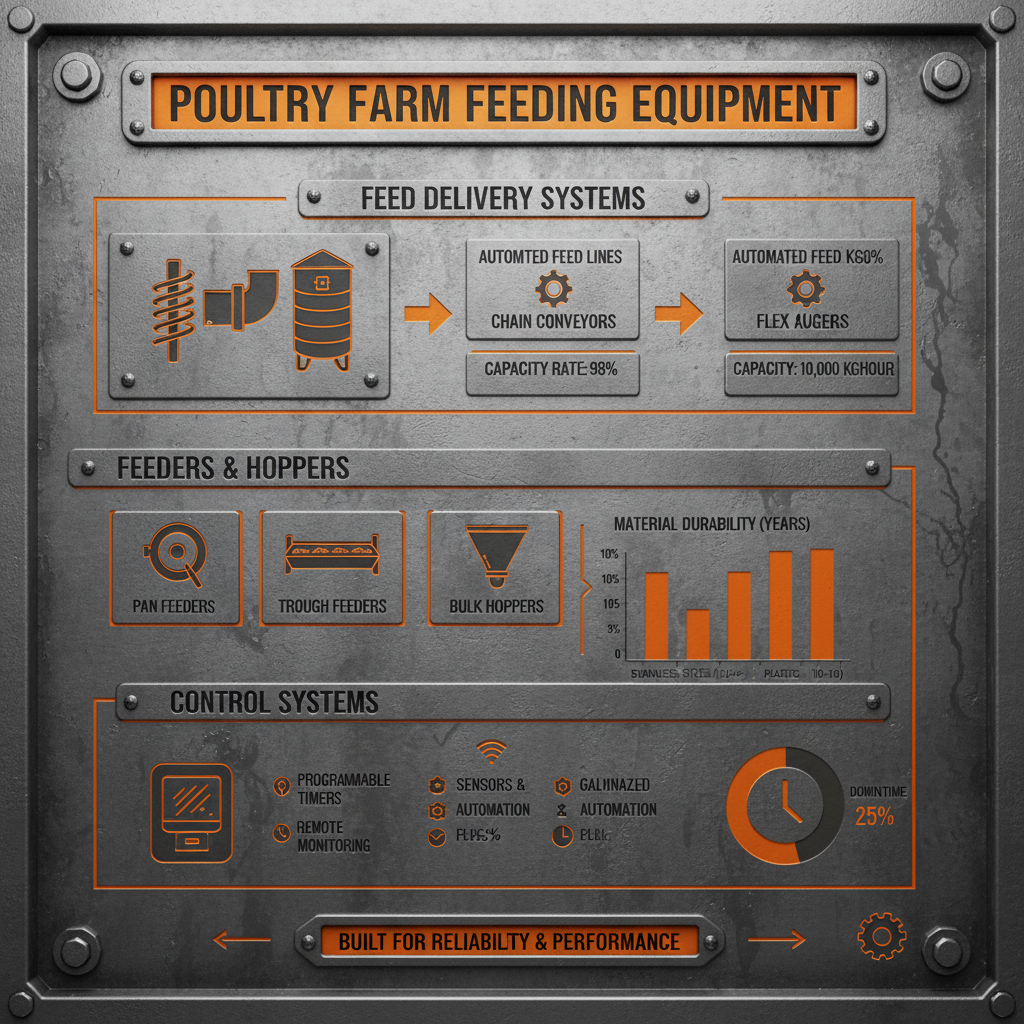
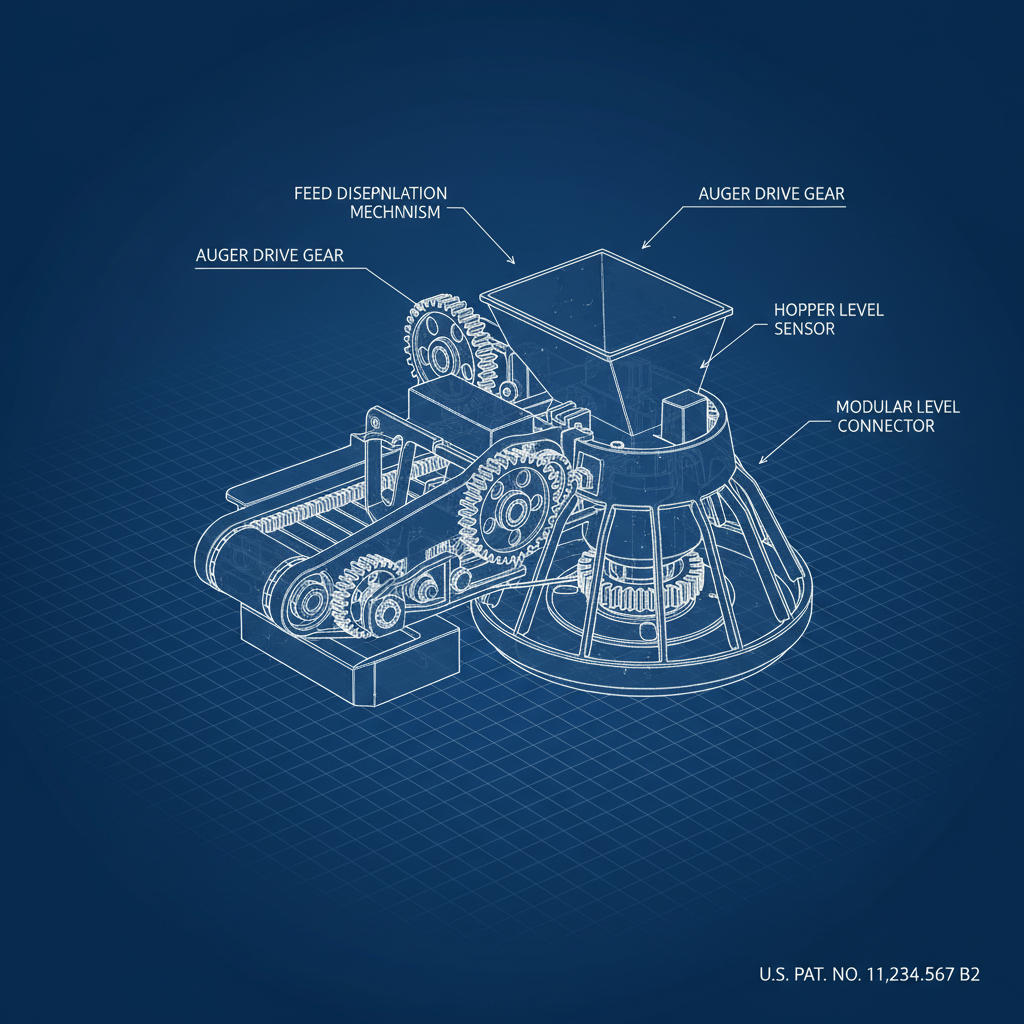
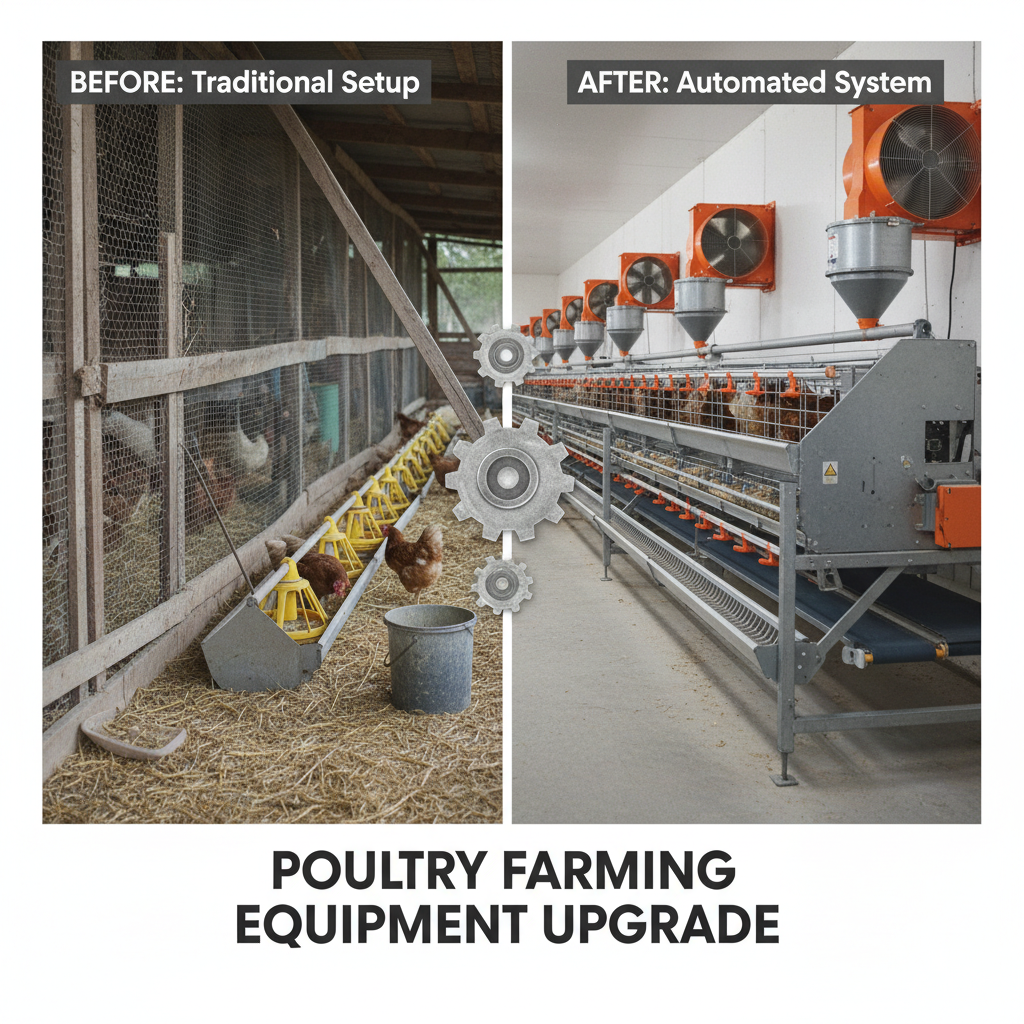
Automated feeding systems offer significant advantages including reduced labor costs, improved feed efficiency, precise ration control, and enhanced animal health. These systems can deliver the right amount of feed at the right time, minimizing waste and maximizing growth rates. They also reduce the risk of human error in feed distribution and help maintain consistent feeding schedules, which are crucial for optimal livestock performance.
Determining the appropriate scale of livestock housing depends on several factors including the type and number of animals, their age and size, the climate, and the farm's management practices. It's vital to provide adequate space per animal to ensure their comfort and welfare, reducing stress and promoting optimal growth. Consider future expansion plans when designing your housing facilities.
Biosecurity equipment, such as footbaths, disinfection systems, and protective clothing, is crucial for preventing the introduction and spread of disease. Effective biosecurity minimizes the risk of costly outbreaks, reducing mortality rates and improving overall herd health. Regular disinfection protocols and restricted access to livestock areas are key components of a robust biosecurity plan.
Investing in livestock health monitoring systems is often well worth the cost. These systems allow for early detection of illness, enabling prompt treatment and preventing the spread of disease. Remote monitoring capabilities save time and labor, and detailed data analysis provides valuable insights into animal health trends. This proactive approach ultimately reduces veterinary expenses and improves overall productivity.
Ensuring the longevity of your livestock farming equipment requires regular maintenance, proper cleaning, and timely repairs. Follow the manufacturer's recommendations for maintenance schedules and use appropriate cleaning agents. Protect equipment from harsh weather conditions and ensure that operators are properly trained in its safe and efficient use. Investing in high-quality equipment from reputable suppliers is also crucial.
Modern waste management systems offer significant environmental benefits, including reduced greenhouse gas emissions, improved water quality, and reduced odor pollution. These systems can convert livestock waste into valuable resources such as biogas and fertilizer, promoting a circular economy. Proper waste management also prevents the contamination of soil and groundwater, protecting the environment and human health.
Livestock farming equipment is no longer simply a collection of tools; it’s a sophisticated ecosystem of technologies driving efficiency, sustainability, and animal welfare. From automated systems to precision monitoring tools, the advancements in this field are transforming the livestock industry. Investing in the right equipment is a critical step towards building a resilient and profitable agricultural operation.
As we look to the future, continued innovation will be key to addressing the challenges of a growing global population and the need for sustainable food production. Embracing new technologies and prioritizing equipment that promotes both animal health and environmental responsibility will be essential for success. Explore our range of livestock farming equipment solutions and discover how we can help you optimize your operation.