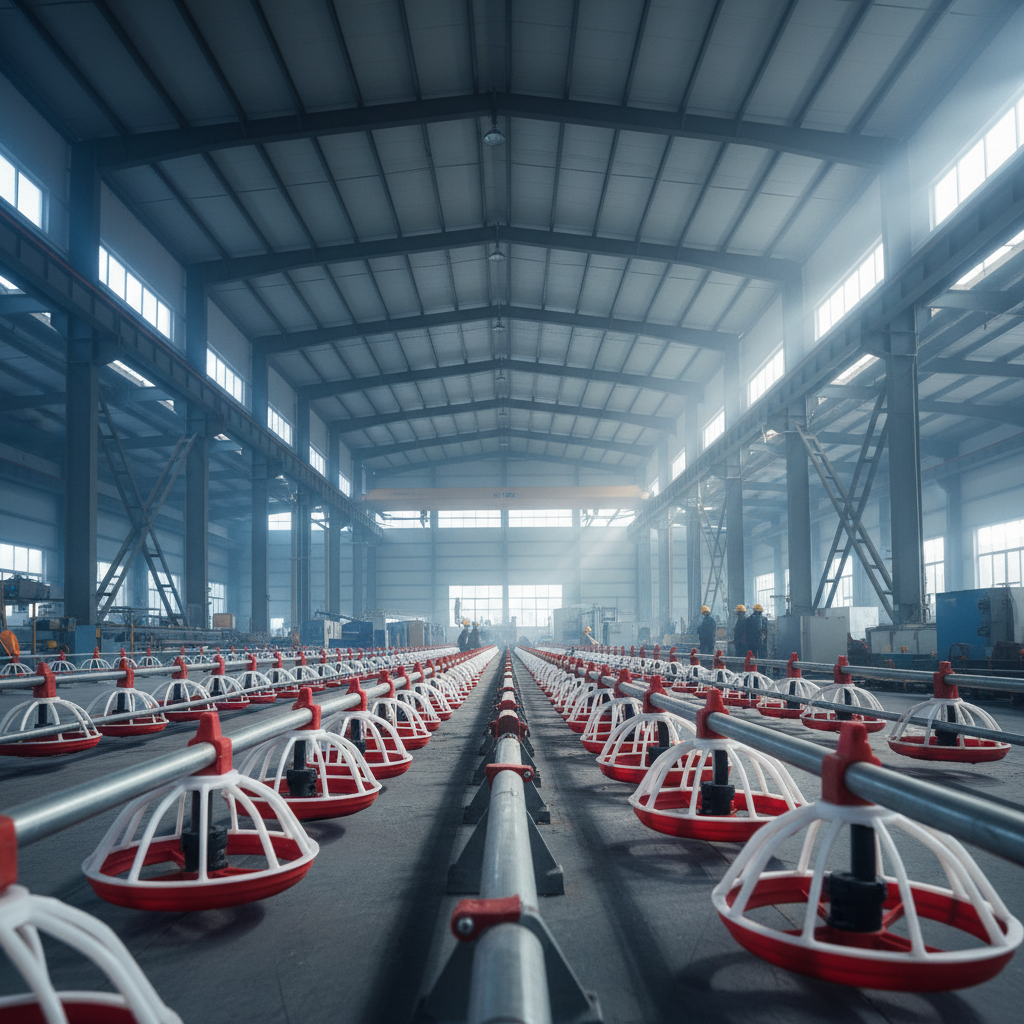
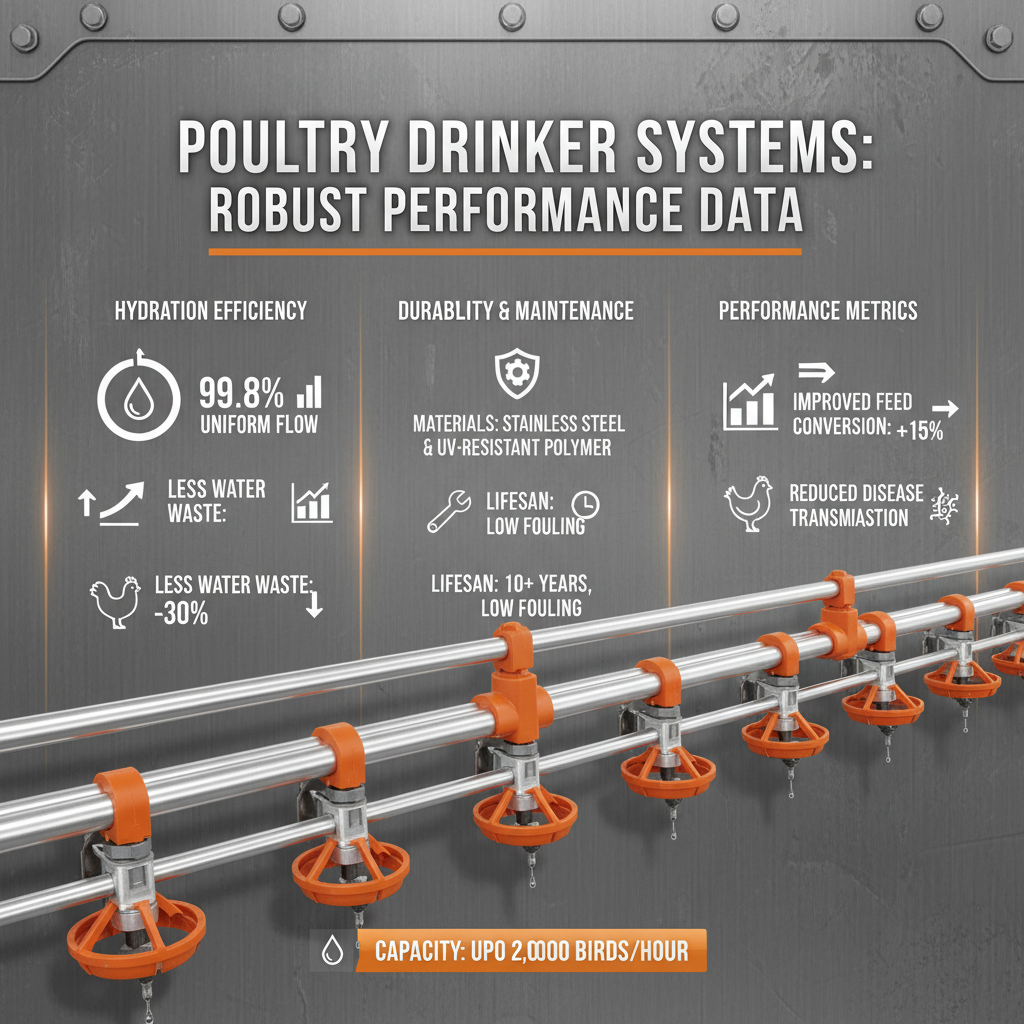
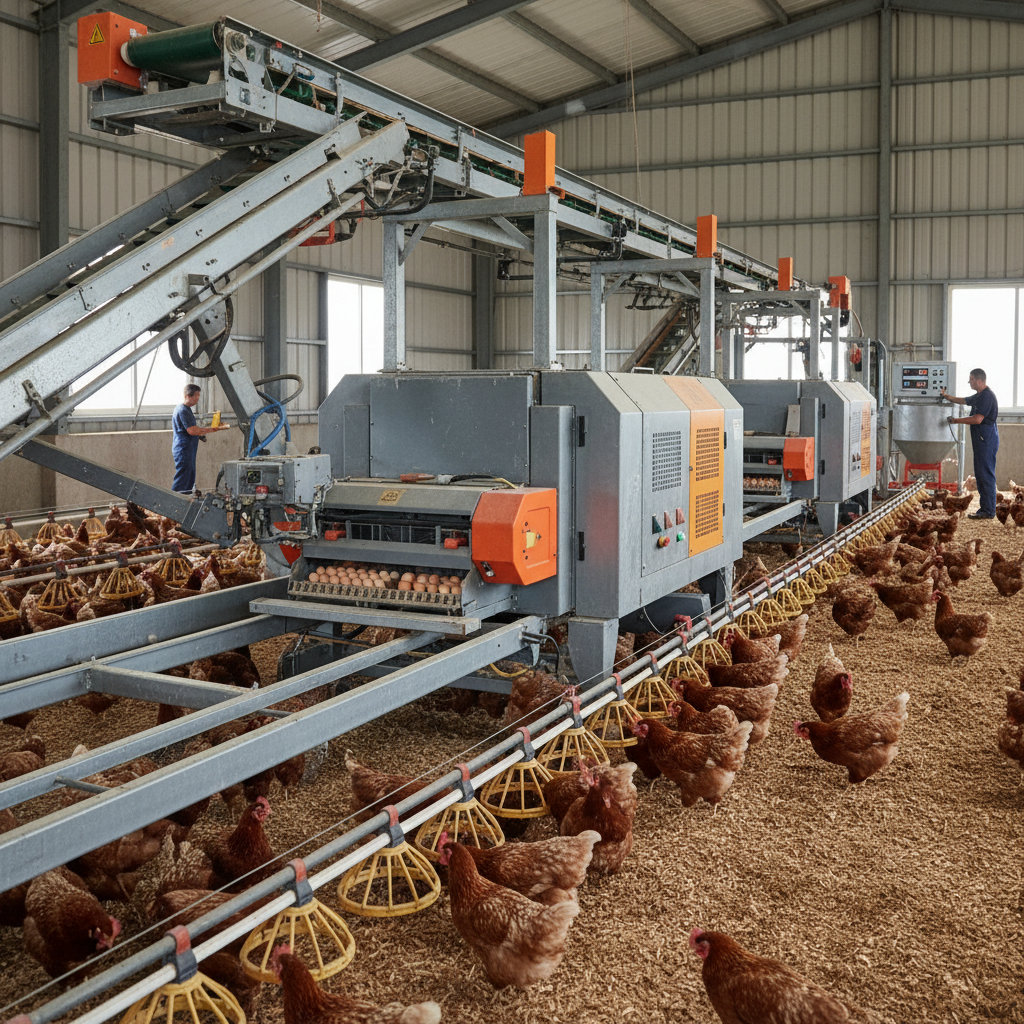
Poultry farm drinker equipment is crucial for the health, well-being, and productivity of commercial poultry operations. Providing consistent access to clean, fresh water is paramount for optimal growth, egg production, and overall flock performance. The evolution of poultry farm drinker equipment from simple troughs to sophisticated automated systems reflects a growing understanding of poultry needs and a drive for efficiency in modern agriculture. Without reliable drinking solutions, farmers face risks of dehydration, disease outbreaks, and reduced output, impacting both economic viability and food security.
Globally, the demand for poultry meat and eggs continues to rise, driven by population growth and changing dietary preferences. This escalating demand necessitates advancements in all aspects of poultry farming, with poultry farm drinker equipment playing a central role. Developing countries, in particular, are focusing on improving poultry production to enhance local food supplies and reduce reliance on imports. Effective water delivery systems are thus vital for sustaining and expanding poultry industries worldwide.
The proper implementation of efficient and sanitary poultry farm drinker equipment directly contributes to minimizing water wastage, reducing labor costs associated with manual refilling, and enhancing biosecurity measures, ultimately leading to a more sustainable and profitable poultry enterprise.
Introduction to Poultry Farm Drinker Equipment
Poultry farm drinker equipment encompasses a diverse range of systems designed to deliver water to chickens, turkeys, ducks, and other poultry species. These systems range from simple open containers to highly sophisticated nipple drinkers and automatic bell drinkers. The choice of equipment depends on factors such as flock size, bird age, housing type, and budget constraints. Modern systems focus on hygiene, water conservation, and minimizing labor requirements.
Understanding the intricacies of these systems is crucial for maximizing poultry health and profitability. Improperly designed or maintained drinking equipment can lead to water contamination, disease spread, and reduced feed intake, impacting overall flock performance. Therefore, selecting and implementing the right poultry farm drinker equipment is a fundamental aspect of successful poultry farming.
Defining Poultry Farm Drinker Equipment
Poultry farm drinker equipment refers to any device or system used to provide potable water to poultry. This extends beyond just the physical container; it includes the entire water delivery system, from the water source to the individual bird. This encompasses features like filtration, pressure regulation, and automated filling mechanisms. The fundamental purpose is to ensure all birds have constant and easy access to clean, safe drinking water.
In the context of modern agricultural practices, it represents a key component in achieving biosecurity and optimizing production. Historically, open troughs were common, but these presented significant contamination risks. Today's advancements in poultry farm drinker equipment prioritize minimizing contamination and maximizing water efficiency.
Its connection to humanitarian needs lies in the support it provides to small-scale poultry farmers in developing countries, enabling them to produce affordable protein sources and improve local food security. Properly designed systems contribute significantly to reducing waterborne diseases and improving overall flock health in these communities.
Key Factors in Drinker Equipment Selection
Selecting the right poultry farm drinker equipment involves considering several key factors. Firstly, Durability is critical; equipment must withstand the harsh conditions of a poultry house environment, including constant exposure to moisture, cleaning agents, and bird activity. Robust materials and construction are essential for long-term reliability.
Secondly, Scalability is a vital consideration, especially for growing operations. The chosen system should be easily adaptable to accommodate increasing flock sizes without significant modifications or replacements. Modular designs offer flexibility and cost-effectiveness in scaling up capacity.
Thirdly, Cost Efficiency, encompassing both initial investment and ongoing maintenance, is a major driver for farmers. Lower initial costs are attractive, but equipment with a shorter lifespan or higher maintenance requirements can prove more expensive in the long run. Finally, Hygiene is paramount. Systems designed to minimize water contamination and facilitate easy cleaning are essential for preventing disease outbreaks and maintaining flock health. Features like nipple drinkers and closed-loop systems are highly effective in this regard.
Global Applications and Use Cases
Poultry farm drinker equipment finds applications across diverse geographical regions and farming systems. In large-scale, intensive broiler operations in countries like the United States and Brazil, automated nipple drinker systems are the standard, providing precise water control and minimizing wastage. These systems often integrate with environmental control systems for optimal performance.
In contrast, smaller-scale, free-range poultry farms in Europe and Asia may utilize bell drinkers or troughs, although increasing numbers are adopting automated systems for improved hygiene and labor efficiency. In developing nations, simpler and more affordable options like buckets and troughs remain common, but there's a growing trend towards adopting more advanced systems with the assistance of agricultural development organizations.
In post-disaster relief operations, portable and easily deployable poultry farm drinker equipment can be crucial for providing essential resources to affected communities, enabling them to re-establish poultry production as a source of protein and income.
Comparison of Drinker Equipment Performance
Advantages and Long-Term Value
The benefits of investing in quality poultry farm drinker equipment are multifaceted. Tangible advantages include reduced water wastage, leading to lower utility bills and conservation of a precious resource. Automated systems minimize labor requirements, freeing up staff for other critical tasks. Improved hygiene reduces the incidence of disease, lowering veterinary costs and mortality rates.
Beyond the economic gains, there's a significant social impact. Providing clean, reliable water contributes to animal welfare, reducing stress and promoting healthy growth. This, in turn, enhances the quality of poultry products, fostering consumer trust. The reliability and efficiency of modern systems also instill confidence in farmers, empowering them to expand their operations and contribute to food security.
Future Trends and Innovations
The future of poultry farm drinker equipment is poised for significant innovation. Integration with smart farm technologies, including sensors and data analytics, will allow for real-time monitoring of water consumption, quality, and system performance. This data-driven approach will enable farmers to optimize water usage, detect leaks, and proactively address potential problems.
Sustainability is also a key driver of innovation, with a focus on developing systems that minimize water wastage, reduce energy consumption, and utilize environmentally friendly materials. Expect to see increased adoption of solar-powered pumping systems and water recycling technologies. The development of antimicrobial coatings for drinker components will further enhance hygiene and reduce the need for chemical disinfectants.
Challenges and Solutions
Despite advancements, challenges remain in optimizing poultry farm drinker equipment performance. Biofilm formation within water lines can harbor bacteria and compromise water quality, requiring regular cleaning and disinfection. Mineral buildup can clog emitters, reducing water flow and impacting bird health.
Solutions include implementing automated flushing systems to remove biofilm, utilizing filtration technologies to prevent mineral buildup, and selecting materials that resist corrosion and scaling. Regular maintenance and inspection are crucial for identifying and addressing potential problems before they escalate. Investing in robust water treatment systems can also significantly improve water quality.
Another challenge is ensuring equitable access to advanced technologies for small-scale farmers in developing countries. Providing affordable financing options, offering training programs, and promoting the development of locally manufactured equipment can help bridge this gap.
Core Aspects of Poultry Farm Drinker Equipment Maintenance
| Maintenance Task |
Frequency |
Required Resources |
Potential Impact of Neglect |
| Flushing Water Lines |
Weekly |
Water, Cleaning Solution |
Biofilm Build-up, Reduced Water Quality |
| Filter Replacement |
Monthly |
New Filters |
Clogged Emitters, Reduced Water Flow |
| Nipple Drinker Inspection |
Daily |
Visual Inspection |
Leaks, Blockages |
| Tank Cleaning |
Quarterly |
Cleaning Agents, Pressure Washer |
Algae Growth, Contamination |
| Pressure Regulator Check |
Semi-Annually |
Pressure Gauge |
Inconsistent Water Flow |
| Line Leak Detection |
Weekly |
Visual Inspection |
Water Wastage, Increased Costs |
FAQS
For a small backyard flock, nipple drinkers or small bell drinkers are often ideal. Nipple drinkers minimize water wastage and contamination, while small bell drinkers are inexpensive and easy to clean. Avoid open troughs as they are prone to contamination from bird droppings and debris. Consider the breed of your birds and their access habits when making a selection. Regularly cleaning any drinker type is essential for maintaining flock health.
Poultry drinkers should be cleaned at least daily, especially in warm weather. Biofilm can build up quickly, harboring harmful bacteria. Thoroughly scrub drinkers with a poultry-safe disinfectant and rinse thoroughly with clean water before refilling. For nipple drinkers, flushing the lines with a disinfectant solution weekly is recommended to prevent clogging and biofilm formation. Regular cleaning is vital for preventing disease outbreaks and maintaining flock health.
Poultry generally prefer cool, clean water. Ideally, water temperature should be between 50-70°F (10-21°C). Water that is too cold can shock the birds, while water that is too warm can encourage bacterial growth. Avoid exposing water tanks to direct sunlight, which can increase water temperature. In hot weather, consider adding ice to the water to keep it cool.
Algae growth can be prevented by keeping drinkers shaded from direct sunlight, using opaque water tanks, and regularly cleaning the drinkers with a poultry-safe disinfectant. Adding a small amount of hydrogen peroxide (3% solution) to the water can also help inhibit algae growth, but use this method cautiously and ensure it doesn’t harm your birds. Consider a water filtration system to remove nutrients that algae feed on.
Nipple drinkers offer several advantages, including reduced water wastage, minimized contamination, and improved hygiene. They deliver water directly to the bird’s beak, preventing spillage and reducing the risk of bacterial growth. Automated nipple drinker systems also save labor and can be easily integrated with other farm technologies. However, they can be more expensive upfront than other options and require regular maintenance to prevent clogging.
A clogged nipple drinker can be caused by mineral buildup or debris. First, try gently pressing the nipple to see if it releases water. If not, carefully disassemble the nipple and flush it with clean water. For stubborn clogs, soak the nipple in a vinegar solution overnight to dissolve mineral deposits. Regularly flushing the water lines with a disinfectant solution can help prevent future clogging. Ensure your water source is filtered to remove sediment.
Conclusion
In conclusion, effective poultry farm drinker equipment is not merely about providing water; it's a cornerstone of modern poultry production, directly impacting flock health, productivity, and profitability. From simple manual systems to sophisticated automated solutions, the right equipment selection and diligent maintenance are crucial for ensuring a sustainable and efficient operation. Investing in quality systems reduces water wastage, minimizes disease risks, and contributes to a more secure food supply.
Looking ahead, the integration of smart technologies and a continued focus on sustainability will drive further innovation in this field. Embracing these advancements will empower poultry farmers to optimize their operations, enhance animal welfare, and meet the growing global demand for poultry products. Visit our website at www.cxlivestock.com to explore our range of poultry farm drinker equipment and find the perfect solution for your needs.