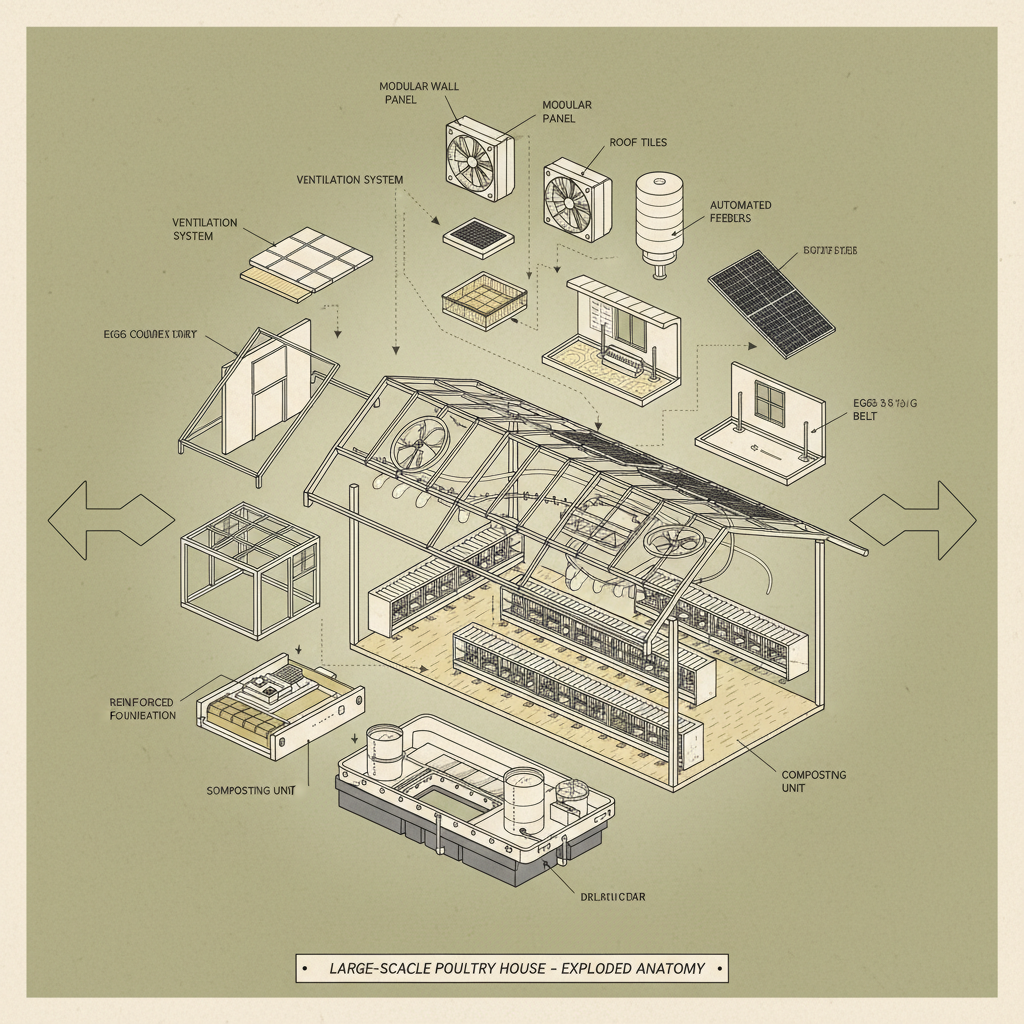
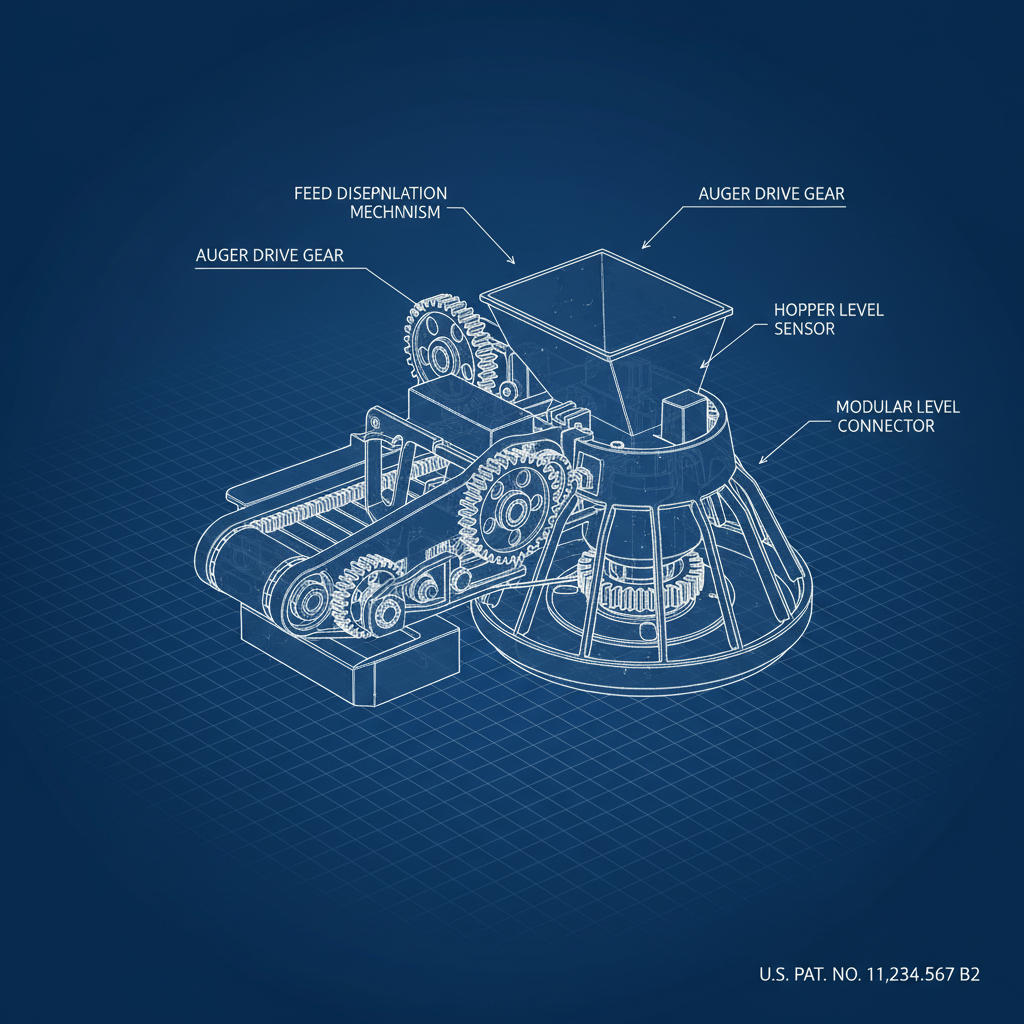
Poultry breeding equipment represents a critical component of modern agricultural practices, playing a vital role in ensuring efficient and sustainable food production. Globally, the demand for poultry products is steadily increasing, driven by population growth and changing dietary habits. This escalating demand necessitates advancements in the technologies used to raise poultry, making innovative poultry breeding equipment essential for meeting these challenges. Effective breeding programs, supported by specialized equipment, directly impact meat and egg yields, bird health, and overall farm profitability.
The importance of well-designed poultry breeding equipment extends beyond simple production increases. It directly contributes to improvements in animal welfare, reducing stress and disease susceptibility within flocks. Modern equipment facilitates precise environmental control, optimized feeding strategies, and efficient waste management, all of which are key to responsible and sustainable poultry farming. Furthermore, the development and adoption of advanced technologies in this field are crucial for maintaining a competitive edge in the global market.
Understanding the intricacies of poultry breeding equipment is therefore paramount for farmers, researchers, and policymakers alike. By investing in and utilizing the latest technologies, the poultry industry can not only meet the growing global demand for protein but also do so in a manner that is both economically viable and environmentally sound. This understanding translates into a more secure and sustainable food supply for the future.
Introduction to Poultry Breeding Equipment
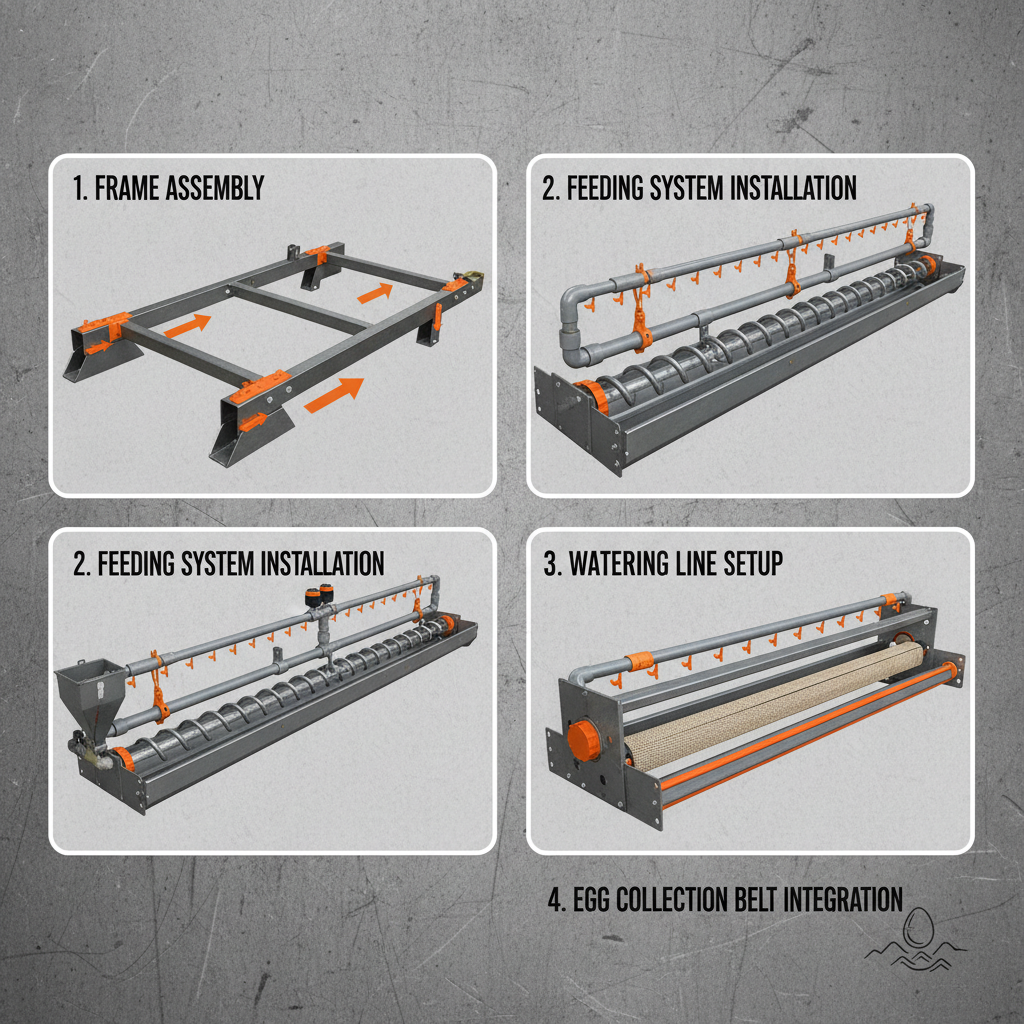
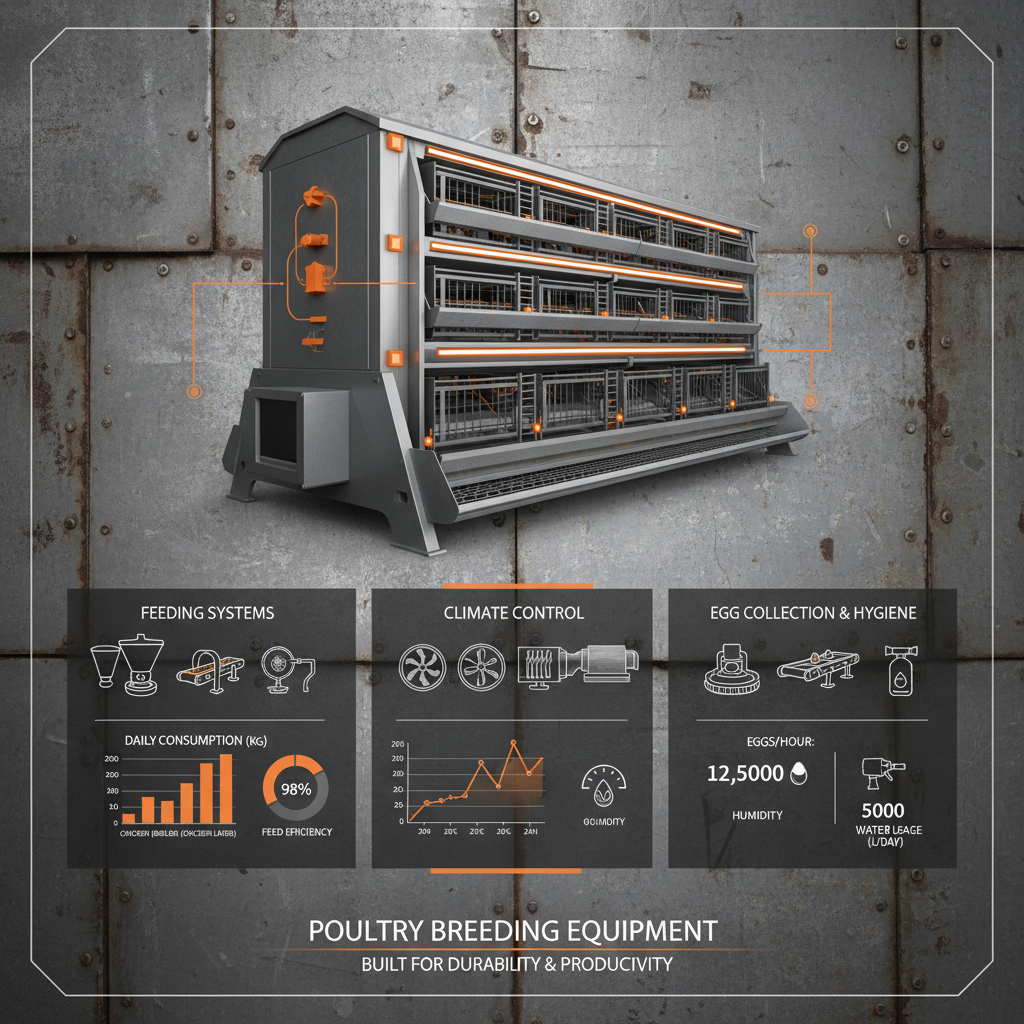
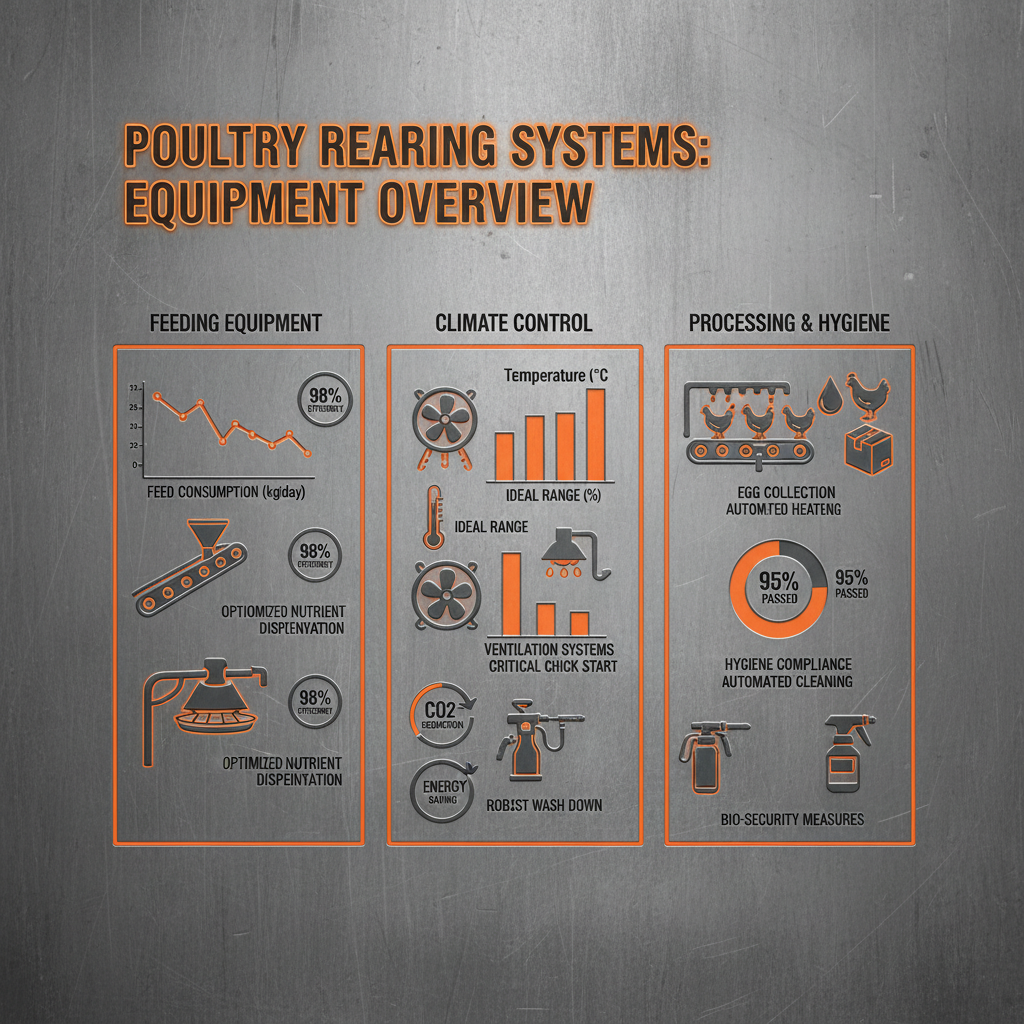
Modern poultry breeding is heavily reliant on specialized equipment to optimize genetics and enhance production efficiency. This includes incubators, hatchers, brooding equipment, feeders, drinkers, and ventilation systems, all designed to create the ideal environment for healthy chick development and maximized growth rates. The selection of appropriate poultry breeding equipment impacts factors like egg fertility, hatchability, chick uniformity, and overall flock performance.
Investing in robust and technologically advanced equipment isn't merely about increasing output; it's also about minimizing losses due to disease, reducing labor costs, and improving the sustainability of poultry operations. The integration of automated systems and data-driven insights allows farmers to make informed decisions, leading to greater profitability and a more resilient supply chain.
Defining Poultry Breeding Equipment
Poultry breeding equipment encompasses all the tools, machinery, and systems used in the process of selectively breeding poultry for desired traits, such as increased egg production, faster growth rates, improved meat quality, and disease resistance. This extends beyond the actual breeding process to include the rearing of chicks and the management of breeding flocks. It's a multifaceted category encompassing both low-tech and highly sophisticated technologies.
This equipment isn’t solely focused on genetic improvement; it’s fundamentally linked to ensuring the health and well-being of the birds throughout their lifespan. From providing clean water and nutritious feed to maintaining optimal temperature and humidity levels, poultry breeding equipment plays a crucial role in creating a favorable environment for breeding success.
Its connection to modern industry and humanitarian needs is profound. As the global population expands, efficient poultry production is vital for food security. Furthermore, advancements in breeding equipment allow for the development of birds that are better adapted to various climates and farming conditions, contributing to the sustainability of poultry farming worldwide.
Key Factors in Poultry Breeding Equipment
When selecting poultry breeding equipment, several key factors must be considered. Durability is paramount, as the equipment is subjected to harsh conditions and constant use. Robust construction and high-quality materials ensure a longer lifespan and reduce the need for frequent replacements.
Scalability is another crucial aspect. Farms need equipment that can adapt to their current size and accommodate future growth. Modular systems that allow for easy expansion are highly desirable. Cost Efficiency isn't just about the initial purchase price; it encompasses long-term operating costs, such as energy consumption and maintenance. Equipment that minimizes these costs provides greater value.
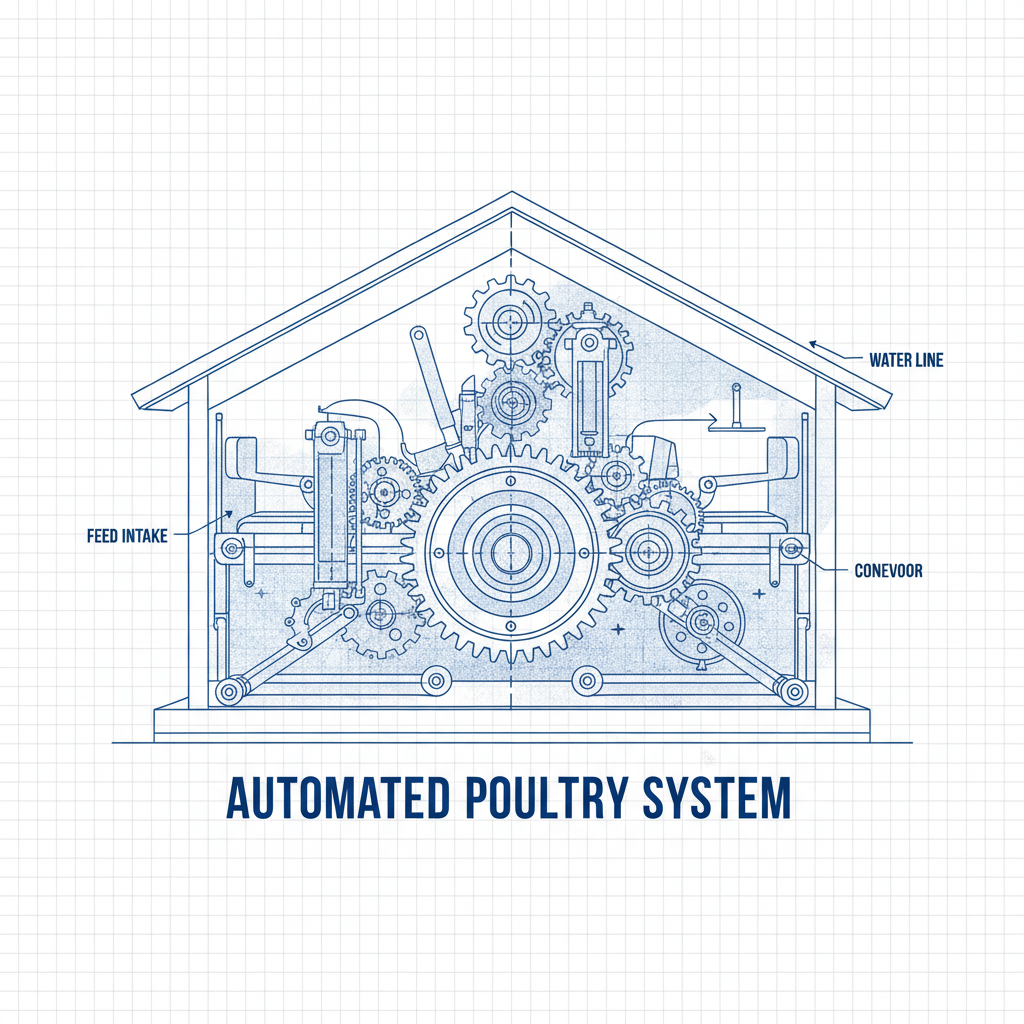
Automation capabilities are increasingly important, streamlining processes, reducing labor requirements, and improving precision. Automated feeding, watering, and climate control systems enhance efficiency and consistency. Biosecurity is a critical factor, with equipment designed for easy cleaning and disinfection, minimizing the risk of disease outbreaks. Finally, Data Collection & Analysis features enable farmers to monitor performance metrics and make data-driven decisions.
Global Applications and Use Cases
Poultry breeding equipment is applied across a wide spectrum of farming environments globally, ranging from large-scale commercial operations in developed countries to smaller, family-run farms in developing regions. In Europe and North America, automated systems and precision breeding technologies are prevalent, focusing on maximizing efficiency and output.
In Asia, particularly in countries like China and India, there's a growing demand for more affordable and adaptable equipment to support the increasing domestic poultry consumption. In Africa, initiatives focus on providing access to basic breeding equipment and training to improve local poultry production and enhance food security.
In post-disaster relief operations, portable and rapidly deployable breeding units are crucial for restoring local poultry populations and providing a sustainable source of protein. Similarly, in remote industrial zones, self-contained breeding facilities can help ensure a consistent supply of poultry products to workers.
Comparison of Poultry Breeding Equipment Methods
Advantages and Long-Term Value
The advantages of investing in quality poultry breeding equipment are numerous. From a cost perspective, improved efficiency and reduced mortality rates translate into higher profits. Sustainability is enhanced through optimized resource utilization, reduced waste, and lower environmental impact. Socially, reliable access to poultry products contributes to improved nutrition and food security.
The long-term value extends beyond tangible economic benefits. Modern equipment fosters a sense of trust and reliability among consumers, assuring them of the quality and safety of the products. It also encourages innovation within the poultry industry, driving continuous improvement and adaptation to evolving challenges. A commitment to advanced equipment demonstrates a dedication to animal welfare, promoting ethical and responsible farming practices.
Future Trends and Innovations
The future of poultry breeding equipment is being shaped by several key trends. Automation and robotics are poised to play an increasingly significant role, automating tasks such as egg handling, chick sorting, and environmental control. The integration of artificial intelligence (AI) and machine learning (ML) will enable predictive maintenance, optimized breeding programs, and real-time monitoring of flock health.
Furthermore, the development of sustainable materials and energy-efficient technologies is gaining momentum, reducing the environmental footprint of poultry farming. Precision livestock farming, leveraging sensors and data analytics, will allow for customized management of individual birds, maximizing their potential. Finally, the application of blockchain technology can enhance traceability and transparency within the supply chain, building consumer confidence.
Challenges and Solutions
Despite the advancements in poultry breeding equipment, several challenges remain. The high initial investment cost can be a barrier for small-scale farmers, particularly in developing countries. Maintaining and repairing complex equipment requires skilled technicians, which may not be readily available in all regions.
To address these challenges, innovative financing models, such as leasing and cooperative ownership, can make equipment more accessible. Investing in training programs for local technicians is crucial for ensuring long-term sustainability. Furthermore, the development of simpler, more robust equipment specifically designed for low-resource settings is essential.
Promoting open-source designs and collaborative innovation can also accelerate the development of affordable and effective poultry breeding solutions. Careful consideration of local context and needs is paramount for ensuring that technologies are appropriate and impactful.
Summary of Common Poultry Breeding Equipment Challenges and Potential Solutions
| Challenge |
Impact on Productivity |
Potential Solution |
Implementation Cost (1-10) |
| High Initial Investment |
Limits adoption by small farmers |
Leasing programs, cooperative ownership |
6 |
| Lack of Skilled Technicians |
Increased downtime, reduced efficiency |
Local training programs, remote diagnostics |
7 |
| Complex Equipment Operation |
Operator errors, inefficient use |
Simplified user interfaces, comprehensive manuals |
4 |
| Limited Access to Spare Parts |
Extended repair times, increased costs |
Localized distribution networks, 3D printing |
8 |
| Energy Consumption |
High operating costs, environmental impact |
Energy-efficient technologies, renewable energy sources |
5 |
| Biosecurity Concerns |
Disease outbreaks, reduced productivity |
Equipment designed for easy cleaning & disinfection |
3 |
FAQS
Manual equipment, like traditional incubators, requires significant human intervention for tasks such as temperature regulation and egg turning. Automated systems, however, utilize sensors, controllers, and robotic mechanisms to perform these tasks with precision and minimal supervision. This translates to increased efficiency, reduced labor costs, and more consistent results, although often at a higher upfront investment. The choice depends on the scale of operation and available resources.
The frequency of servicing depends on the specific equipment and its usage. Generally, incubators and hatchers require regular cleaning, disinfection, and calibration. Motors and other mechanical components should be inspected for wear and tear. It’s recommended to follow the manufacturer's guidelines for maintenance schedules. Proactive maintenance prevents breakdowns, extends the lifespan of the equipment, and ensures optimal performance. At least annual professional servicing is advisable.
When selecting an incubator, consider the capacity needed for your breeding program, the type of eggs being incubated (different species have different requirements), temperature and humidity control accuracy, ventilation, and the presence of automatic turning mechanisms. Energy efficiency, ease of cleaning, and reliability are also critical factors. Opt for an incubator with digital controls and alarms for added precision and safety.
Biosecurity is paramount in poultry breeding. Equipment should be constructed from materials that are easy to clean and disinfect. Regular cleaning and disinfection protocols are essential to prevent the spread of pathogens. Consider equipment with enclosed designs to minimize contamination risks. Implementing footbaths, hand sanitizers, and dedicated clothing for personnel entering breeding areas further enhances biosecurity measures.
Precise climate control—regulating temperature, humidity, and ventilation—is vital for optimal egg incubation, chick development, and breeder bird health. Improper climate control can lead to reduced hatchability, poor chick quality, and increased susceptibility to disease. Modern poultry breeding equipment incorporates sophisticated climate control systems to maintain stable conditions, ensuring consistent and reliable results. Automated systems are particularly valuable.
Yes, many modern poultry breeding equipment systems are adaptable to different climates. Features like adjustable ventilation, heating, and cooling systems allow for precise control of the internal environment regardless of external conditions. Selecting equipment designed with insulation and energy efficiency in mind is crucial for extreme climates. Furthermore, incorporating renewable energy sources can reduce reliance on external power grids and lower operating costs.
Conclusion
In conclusion, poultry breeding equipment plays a pivotal role in the modern poultry industry, impacting everything from production efficiency and animal welfare to food security and sustainability. The advancements in technology have transformed the landscape of poultry breeding, offering innovative solutions to meet the challenges of a growing global population. Investing in robust, efficient, and sustainable equipment is not merely a cost, but a strategic investment in the future of poultry farming.
Looking ahead, continued innovation in automation, AI, and sustainable materials will further enhance the capabilities of poultry breeding equipment. By embracing these advancements and addressing the remaining challenges, the poultry industry can unlock its full potential, ensuring a reliable and affordable supply of protein for generations to come. Visit our website at www.cxlivestock.com to explore our wide range of poultry breeding solutions.