The provision of adequate housing and equipment for poultry is a cornerstone of modern agriculture, impacting food security, economic development, and animal welfare globally. Efficient and well-maintained poultry housing doesn't just provide shelter; it directly influences bird health, productivity, and the quality of poultry products consumed worldwide. Investing in appropriate infrastructure is essential for meeting the growing global demand for poultry while minimizing environmental impact and promoting sustainable practices.
The importance of housing and equipment for poultry extends beyond simply raising birds. It’s about creating optimal environments tailored to their physiological needs, protecting them from predators and harsh weather conditions, and streamlining management processes. Technological advancements continually refine these systems, leading to increased efficiency in resource utilization, enhanced biosecurity measures, and improved overall farm profitability. These advancements are critical in a world facing increasing pressure on food systems.
Understanding the intricacies of housing and equipment for poultry is crucial for stakeholders across the entire value chain, from breeders and producers to processors and consumers. It’s a field marked by continuous innovation and driven by the need to address evolving challenges related to disease control, environmental sustainability, and consumer preferences. Properly designed and maintained facilities directly contribute to the production of safe, affordable, and high-quality poultry products.
The Global Significance of Housing and Equipment for Poultry
Globally, poultry production represents a significant portion of the agricultural sector, providing a vital source of protein for billions of people. According to the UN Food and Agriculture Organization (FAO), poultry is the fastest-growing source of animal protein worldwide. This growth necessitates a corresponding increase in efficient and sustainable housing and equipment to meet demand without compromising animal welfare or environmental sustainability.
The quality of housing and equipment directly correlates with production efficiency, disease prevention, and the overall health of poultry flocks. Regions with limited access to modern housing technologies often experience higher rates of poultry diseases, leading to significant economic losses and food security concerns. Addressing these challenges requires investment in robust, adaptable, and affordable housing solutions tailored to local conditions and resource availability.
Defining Housing and Equipment for Poultry
Housing and equipment for poultry encompasses all the physical structures and systems used to raise chickens, turkeys, ducks, geese, and other fowl. This includes buildings – ranging from simple shelters to highly sophisticated, climate-controlled barns – as well as interior features like flooring, perches, nesting boxes, and ventilation systems.
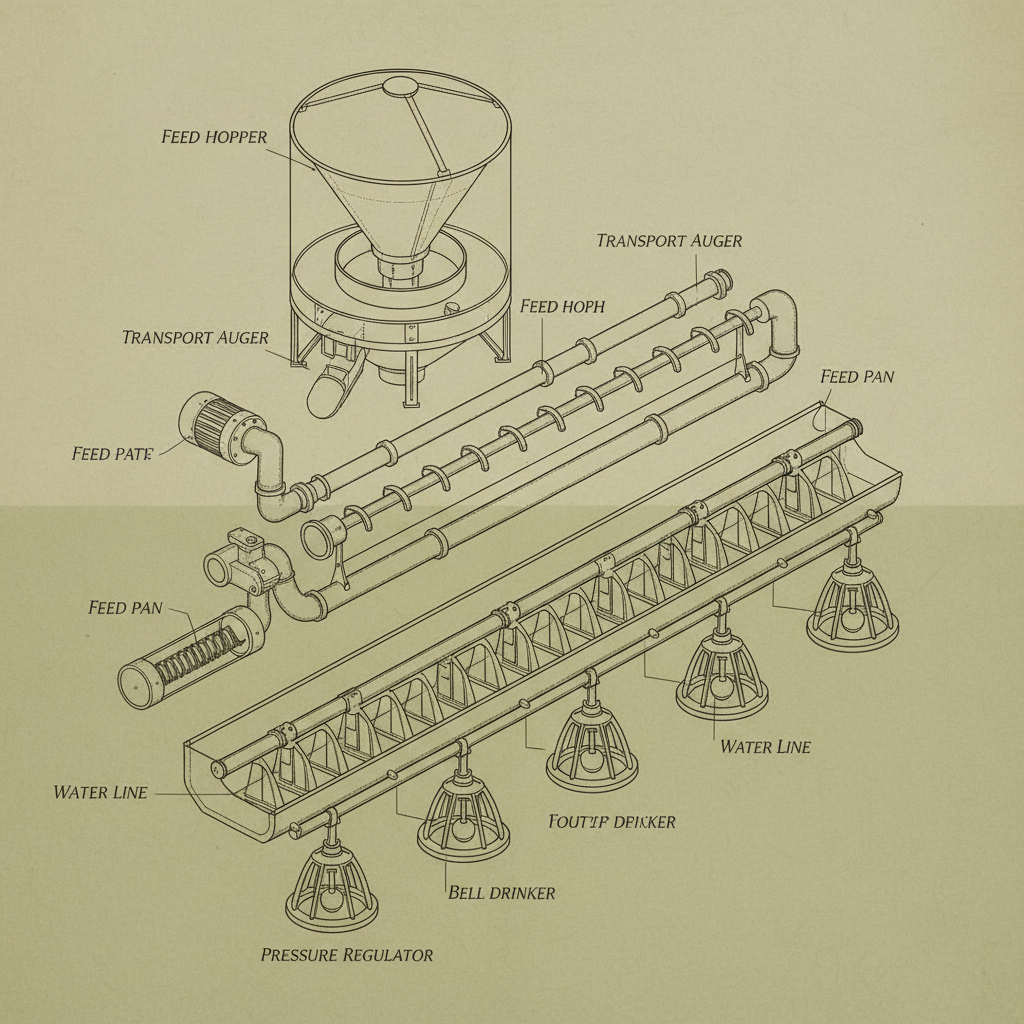
Essential equipment includes feeders, drinkers, lighting systems, heating and cooling equipment, waste management systems, and increasingly, automated monitoring and control technologies. The goal is to create an environment that promotes optimal bird health, comfort, and productivity throughout the various stages of their life cycle, from hatching to market.
This field is evolving beyond basic shelter to incorporate precision agriculture techniques, data-driven decision-making, and a greater emphasis on animal welfare standards. Modern poultry housing systems are designed not just for efficient production but also for minimizing environmental impact and ensuring the responsible use of resources.
Core Components of Effective Poultry Housing
Effective poultry housing isn’t just about the building itself; it’s a holistic system integrating several crucial components. One key aspect is climate control, encompassing ventilation, heating, and cooling systems. Maintaining optimal temperature and humidity levels is vital for bird health and productivity. Proper ventilation removes harmful gases like ammonia and ensures a constant supply of fresh air.
Another critical element is waste management. Efficient removal and treatment of poultry manure are essential for preventing disease outbreaks, minimizing odor, and protecting the environment. Systems range from simple manual cleaning to automated manure removal and composting facilities. Proper biosecurity measures, including controlled access and disinfection protocols, are also fundamental to preventing the spread of disease.
Finally, the design and layout of the housing must facilitate efficient bird management. This includes providing adequate space for movement, access to feeders and drinkers, and easy access for cleaning and maintenance. Well-designed housing promotes bird welfare and reduces labor costs.
Key Factors for Poultry Housing Success
Several key factors influence the success of poultry housing systems. Durability is paramount; structures must withstand harsh weather conditions and the wear and tear of continuous use. Materials should be resistant to corrosion, pests, and disease. Scalability is also essential, allowing for expansion as production needs grow. A modular design can facilitate future upgrades and modifications.
Cost Analysis of Different Poultry Housing Methods
Global Applications and Use Cases
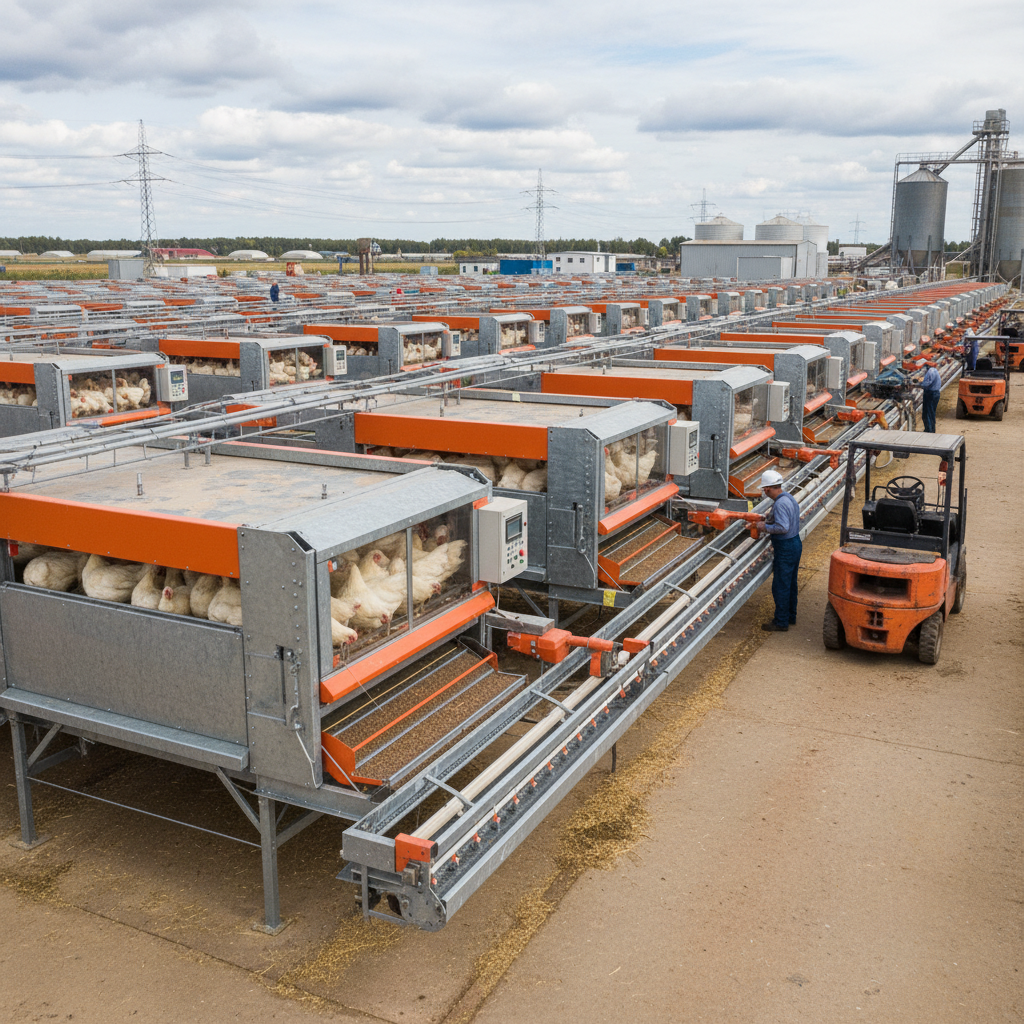
The application of housing and equipment for poultry varies significantly across the globe, depending on factors such as climate, economic conditions, and production systems. In developed countries, highly automated and climate-controlled facilities are common, designed for maximizing efficiency and minimizing labor costs. These often incorporate advanced technologies like automated feeding and drinking systems, environmental monitoring, and data analytics.
In developing countries, housing systems are often simpler and more labor-intensive, utilizing locally available materials and resources. However, there’s a growing trend toward adopting improved housing technologies to enhance productivity and animal welfare. In post-disaster relief operations, rapid-deployment poultry housing can provide a crucial source of protein and livelihood support for affected communities.
NGOs and international organizations frequently employ portable and adaptable poultry housing solutions in regions facing food insecurity. These solutions often prioritize affordability, ease of assembly, and biosecurity to ensure sustainable poultry production and improve the nutritional status of vulnerable populations.
Advantages and Long-Term Value
Investing in quality housing and equipment for poultry yields significant tangible benefits, including reduced mortality rates, improved feed conversion ratios, and increased egg or meat production. Cost efficiency is enhanced through reduced labor requirements, optimized resource utilization, and lower veterinary expenses.
Beyond the economic advantages, responsible poultry housing promotes sustainability by minimizing environmental impact, reducing waste, and conserving water. Furthermore, prioritizing animal welfare builds trust with consumers and enhances the brand reputation of poultry producers. These factors contribute to the long-term viability and resilience of the poultry industry.
Future Trends and Innovations in Poultry Housing
The future of poultry housing is being shaped by several key trends and innovations. Precision poultry farming, leveraging sensors, data analytics, and automation, is gaining traction, allowing for real-time monitoring of bird health, environmental conditions, and production performance. Green energy solutions, such as solar power and biomass heating, are increasingly being integrated to reduce carbon footprints and energy costs.
Automation is revolutionizing many aspects of poultry production, from feeding and egg collection to cleaning and waste management. The development of new materials, such as antimicrobial surfaces and improved insulation, further enhances biosecurity and energy efficiency. Digital transformation and the use of artificial intelligence (AI) will play a significant role in optimizing housing conditions and improving overall farm management.
Challenges and Solutions
Despite advancements, several challenges remain in optimizing housing and equipment for poultry. High initial investment costs can be a barrier for small-scale farmers, particularly in developing countries. Maintaining biosecurity in high-density systems requires diligent management and adherence to strict protocols. Balancing cost efficiency with animal welfare concerns is also a continuous challenge.
Solutions include developing affordable housing technologies tailored to the needs of smallholders, providing access to financing and training, and promoting best practices in biosecurity and animal welfare. The adoption of innovative technologies like smart sensors and data analytics can help optimize resource utilization and improve flock health, while minimizing environmental impact.
Collaboration between researchers, producers, and policymakers is essential to overcome these challenges and ensure a sustainable and resilient poultry industry.
Analysis of Current Poultry Housing Challenges & Proposed Solutions
| Challenge |
Severity (1-10) |
Current Mitigation Strategies |
Proposed Innovative Solutions |
| High Initial Investment Costs |
8 |
Subsidies, micro-loans |
Modular, prefabricated housing kits |
| Biosecurity Breaches |
7 |
Disinfection protocols, restricted access |
Automated disinfection systems, air filtration |
| Waste Management Challenges |
6 |
Composting, lagoon systems |
Anaerobic digestion for biogas production |
| Climate Control Inefficiencies |
5 |
Ventilation fans, insulation |
Smart climate control systems, geothermal heating/cooling |
| Animal Welfare Concerns |
4 |
Increased space allowances, enrichment |
Automated environmental monitoring for comfort levels |
| Labor Shortages |
7 |
Increased wages, automation |
Robotics for cleaning, feeding, and egg collection |
FAQS
Conventional poultry housing often utilizes cages to maximize space and efficiency, though it can raise animal welfare concerns. Cage-free systems offer birds more space to move around and exhibit natural behaviors, but may require larger land areas and increased management attention. The choice depends on market demands, regulatory requirements, and a producer’s commitment to animal welfare. The initial investment for cage-free systems is generally higher, but can be offset by premium pricing for cage-free eggs or meat.
Effective biosecurity is crucial for preventing disease outbreaks. Implement strict access control, requiring visitors to disinfect footwear and clothing. Regularly clean and disinfect all surfaces, equipment, and vehicles. Implement a robust pest control program. Quarantine new birds before introducing them to the flock. Minimize contact with wild birds and other potential disease vectors. Regularly monitor birds for signs of illness and promptly isolate any suspected cases.
Ventilation systems must maintain optimal air quality by removing harmful gases like ammonia and providing fresh oxygen. Consider factors like flock density, climate, and building orientation. Proper ventilation controls temperature and humidity. Negative pressure ventilation is often used to prevent the entry of airborne pathogens. Regular maintenance is crucial to ensure optimal performance.
Automated systems significantly reduce labor costs and ensure consistent feed and water delivery. They can optimize feed conversion ratios and improve bird growth rates. Automated systems minimize feed waste and provide precise control over nutrient intake. Some systems also include data logging capabilities for monitoring consumption patterns and identifying potential issues.
Poultry waste can be a source of pollution if not managed properly. Implement appropriate waste storage and treatment systems to prevent runoff and odor. Composting is an effective way to stabilize manure and reduce its volume. Anaerobic digestion can produce biogas, a renewable energy source. Proper land application of manure requires careful planning and adherence to regulations to avoid nutrient leaching and water contamination.
Several strategies can reduce energy consumption. Improve insulation to minimize heat loss or gain. Use energy-efficient lighting, such as LEDs. Optimize ventilation system operation. Consider renewable energy sources, like solar power. Regularly maintain equipment to ensure optimal performance. Implement energy audits to identify areas for improvement.
Conclusion
In conclusion, effective housing and equipment for poultry are not merely about providing shelter; they are fundamental to sustainable, efficient, and ethical poultry production. From ensuring bird health and welfare to minimizing environmental impact and maximizing profitability, the choices made in housing design and equipment selection have far-reaching consequences for the entire poultry industry. The integration of innovative technologies and a commitment to best practices are essential for meeting the growing global demand for poultry products responsibly.
Looking ahead, continued investment in research and development, coupled with collaboration between producers, researchers, and policymakers, will be crucial for addressing emerging challenges and unlocking the full potential of poultry housing and equipment. By embracing innovation and prioritizing sustainability, we can ensure a secure and resilient future for the poultry industry and contribute to global food security. Visit our website at cxlivestock.com to learn more about our solutions.