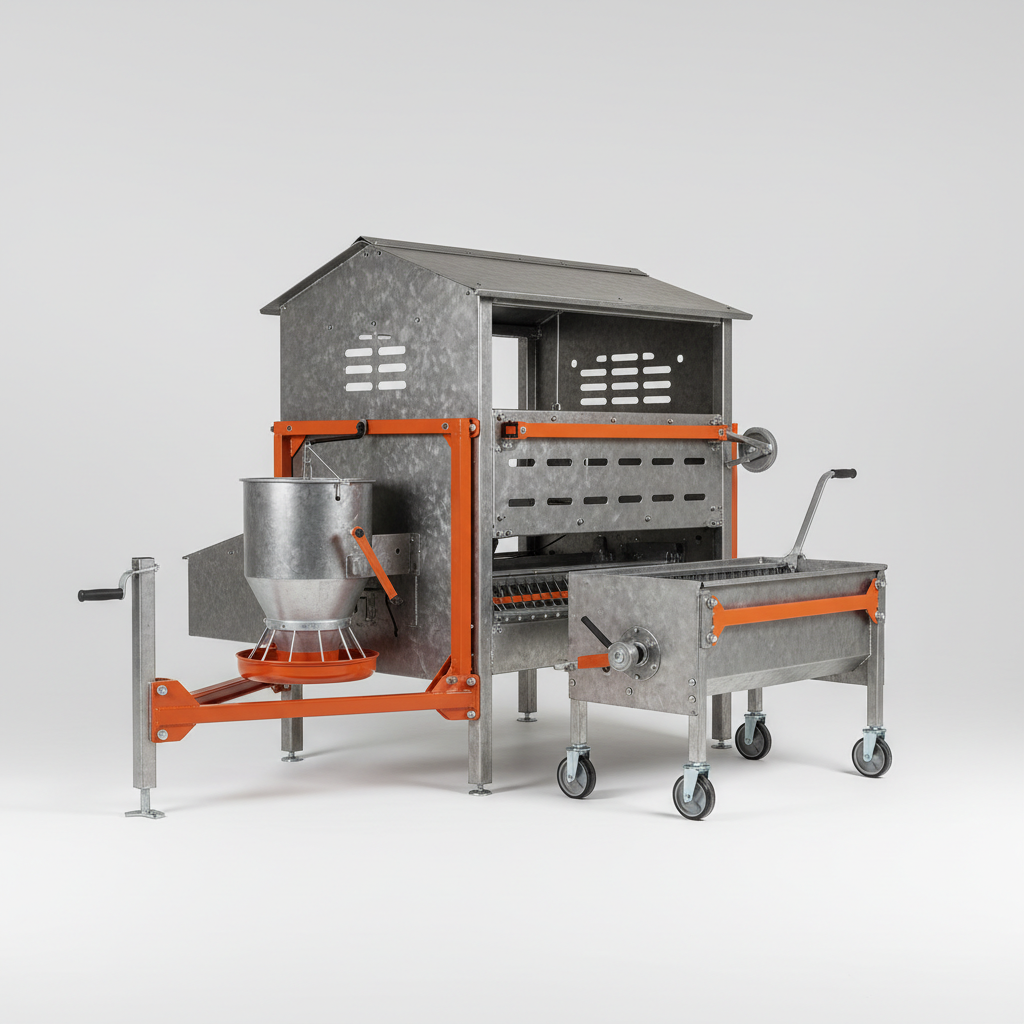
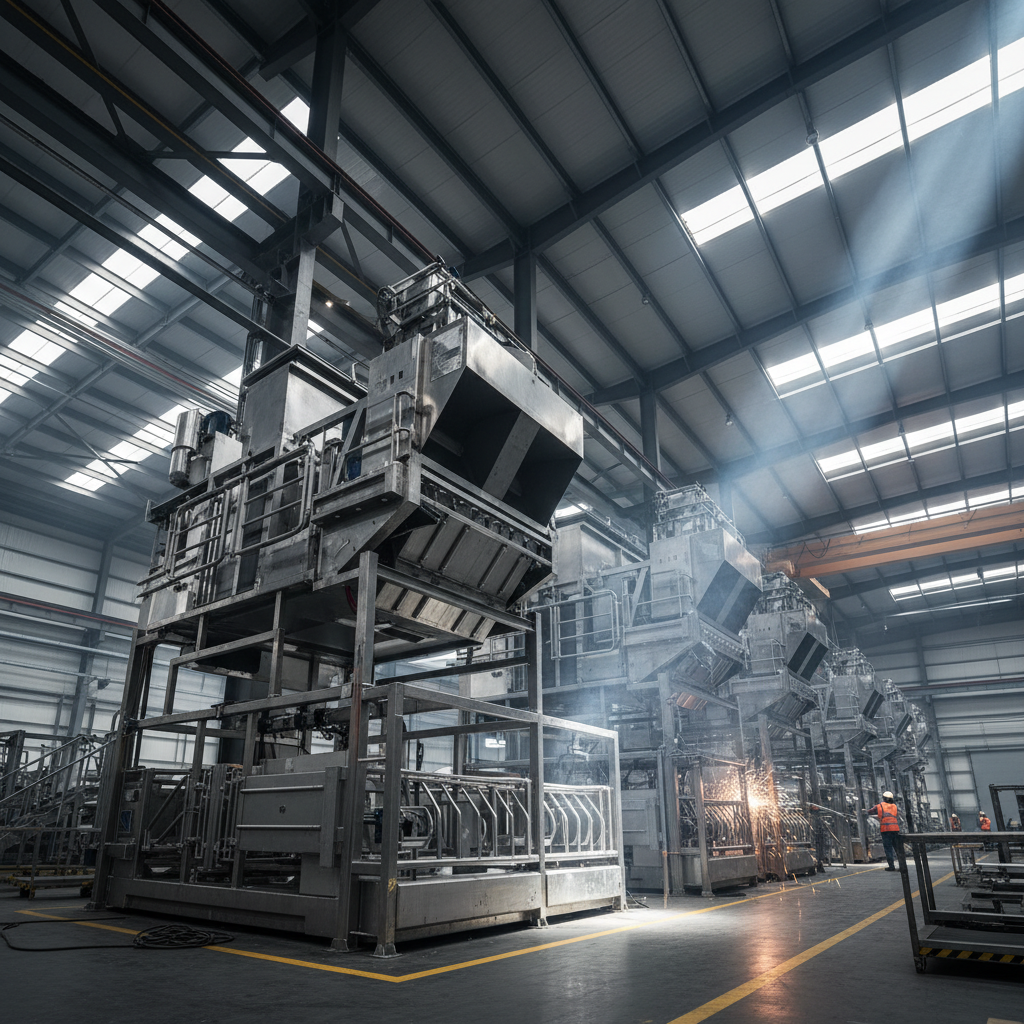
Poultry housing and equipment represent a critical component of modern agricultural practices, directly impacting food security and economic stability globally. The efficient and safe rearing of poultry relies heavily on well-designed and maintained housing systems, coupled with appropriate equipment for feeding, watering, ventilation, and waste management. From small-scale family farms to large-scale industrial operations, the quality of poultry housing and equipment influences bird health, productivity, and ultimately, the availability of affordable protein sources for a growing world population.
The demand for poultry products continues to rise worldwide, driven by factors like population growth, changing dietary preferences, and increasing disposable incomes. This escalating demand places immense pressure on poultry producers to optimize their operations and enhance efficiency. Investing in superior poultry housing and equipment is no longer simply a matter of improving conditions for the birds; it’s a fundamental necessity for remaining competitive in a challenging global market. Furthermore, advancements in these areas are crucial for mitigating disease outbreaks and ensuring sustainable poultry production.
Effective poultry housing and equipment also play a key role in addressing animal welfare concerns, a topic gaining increasing attention from consumers and regulatory bodies. Modern systems prioritize providing birds with sufficient space, appropriate environmental controls, and access to essential resources. This proactive approach not only improves bird well-being but also strengthens the long-term viability of the poultry industry.
Introduction to poultry housing and equipment
The term 'poultry housing and equipment' encompasses all the physical structures and mechanical systems used to raise poultry—chickens, turkeys, ducks, geese, and others—for meat or egg production. This includes buildings designed to provide shelter, protection from predators, and climate control, alongside equipment that supports feeding, watering, ventilation, waste removal, and egg collection. The selection and implementation of appropriate poultry housing and equipment are pivotal for maximizing production efficiency and maintaining bird health.
Modern poultry farming is a highly industrialized sector, and effective housing systems are essential for meeting the demands of a growing global population. Investments in optimized poultry housing and equipment directly translate to increased yields, reduced mortality rates, and improved product quality. The advancement of technology continues to shape the industry, with a growing emphasis on automation, biosecurity, and sustainable practices. poultry housing and equipment is evolving rapidly to address these challenges and opportunities.
Defining Poultry Housing and Equipment
Poultry housing refers to the buildings or structures designed to provide a controlled environment for raising poultry. This encompasses a wide range of designs, from simple, open-sided shelters to sophisticated, fully enclosed, climate-controlled barns. Key considerations in poultry housing design include insulation, ventilation, lighting, flooring, and space allocation to ensure optimal bird welfare and productivity. Choosing the right housing type depends on factors like climate, bird species, production system (e.g., free-range, cage-free, conventional), and budget.
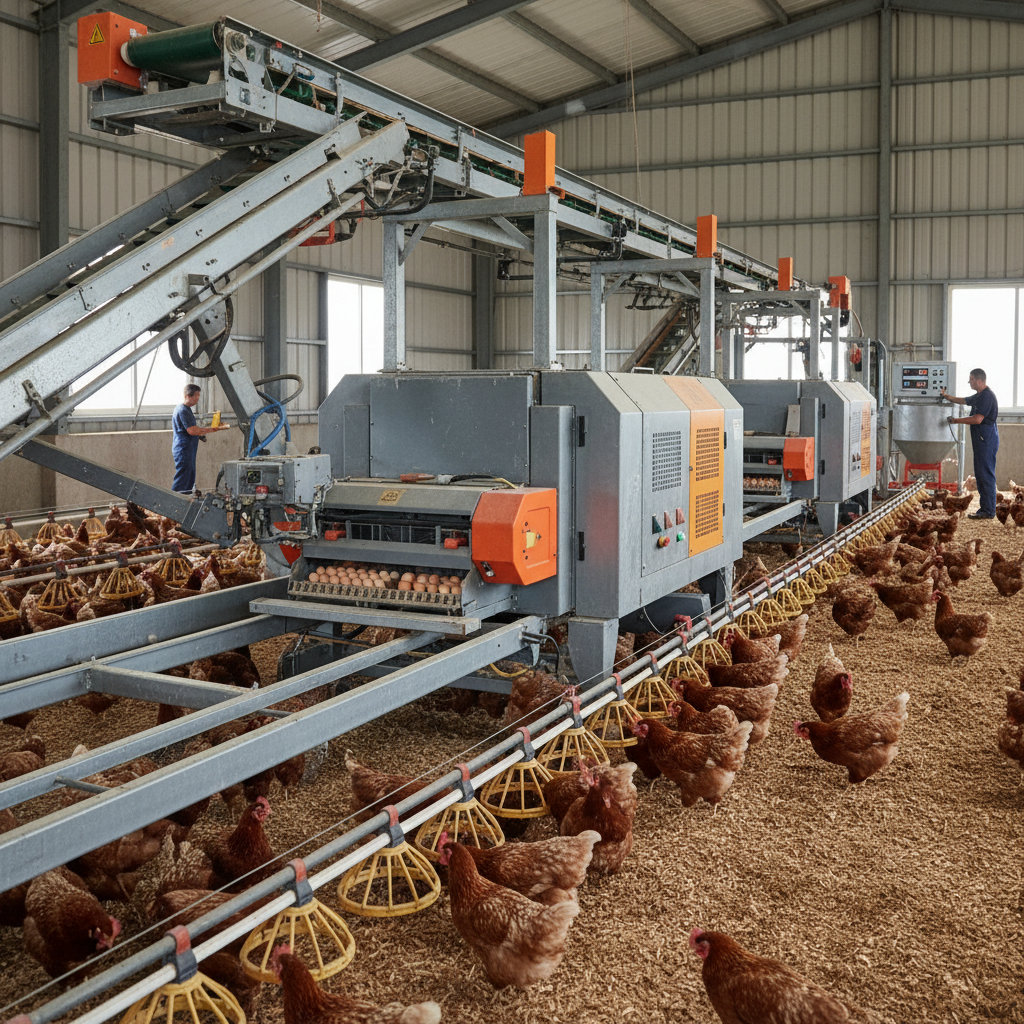
Poultry equipment includes all the mechanical and electronic systems used to support poultry production. This encompasses feeding systems (automatic feeders, pans, troughs), watering systems (nipple drinkers, bell drinkers), ventilation systems (fans, inlets, outlets), heating and cooling systems, waste management systems (manure removal equipment), and egg collection systems (conveyor belts, egg graders). Modern equipment is often automated and designed to minimize labor costs and maximize efficiency.
The connection to modern industry and humanitarian needs is clear. Reliable poultry production is a cornerstone of global food security. Efficient poultry housing and equipment enhance productivity, reduce waste, and minimize environmental impact, aligning with the principles of sustainable agriculture. In developing countries, accessible and affordable poultry housing solutions can empower small-scale farmers and contribute to poverty reduction.
Key Factors in Poultry Housing & Equipment Design
Durability: Poultry housing and equipment must withstand harsh environmental conditions, constant use, and potential corrosion from manure and cleaning agents. Materials like galvanized steel, stainless steel, and high-quality plastics are commonly used to ensure long-term performance and minimize maintenance costs. Durability directly impacts the lifecycle cost of the investment, reducing the need for frequent replacements.
Scalability: Poultry operations often experience growth or seasonal fluctuations in production. Scalable housing and equipment designs allow producers to easily expand their capacity without major disruptions or costly renovations. Modular systems and adaptable layouts are key features of scalable poultry infrastructure.
Biosecurity: Effective biosecurity measures are paramount to prevent the spread of diseases within a poultry flock. Housing design should facilitate easy cleaning and disinfection, control access to the facility, and minimize contact with potential sources of infection. Features like sealed walls, proper ventilation, and foot baths are crucial components of a biosecure environment.
Ventilation: Maintaining appropriate air quality is critical for bird health and performance. Adequate ventilation removes harmful gases (ammonia, carbon dioxide) and provides fresh oxygen. Ventilation systems must be designed to control temperature, humidity, and air exchange rates, taking into account climate conditions and bird density.
Global Applications of Poultry Systems
Poultry housing and equipment solutions are employed globally, tailored to diverse climates, production systems, and economic conditions. In developed nations like the United States and Europe, large-scale, highly automated poultry farms are prevalent, utilizing advanced technologies for temperature control, feeding, and waste management. These operations prioritize maximizing efficiency and minimizing labor costs.
In developing countries, particularly in regions like Africa and Asia, smaller-scale poultry farming is common. Here, the focus often shifts to affordable and practical housing solutions that can be built with locally available materials. Simple, open-sided structures with basic feeding and watering equipment are often used. NGOs and international development organizations frequently provide support for improving poultry housing and equipment in these regions, aiming to enhance food security and livelihoods.
For example, in post-disaster relief operations, rapidly deployable poultry housing can provide a source of protein and income for affected communities. In remote industrial zones, self-contained poultry farms equipped with renewable energy sources can offer sustainable food production solutions. poultry housing and equipment contributes significantly to global food systems.
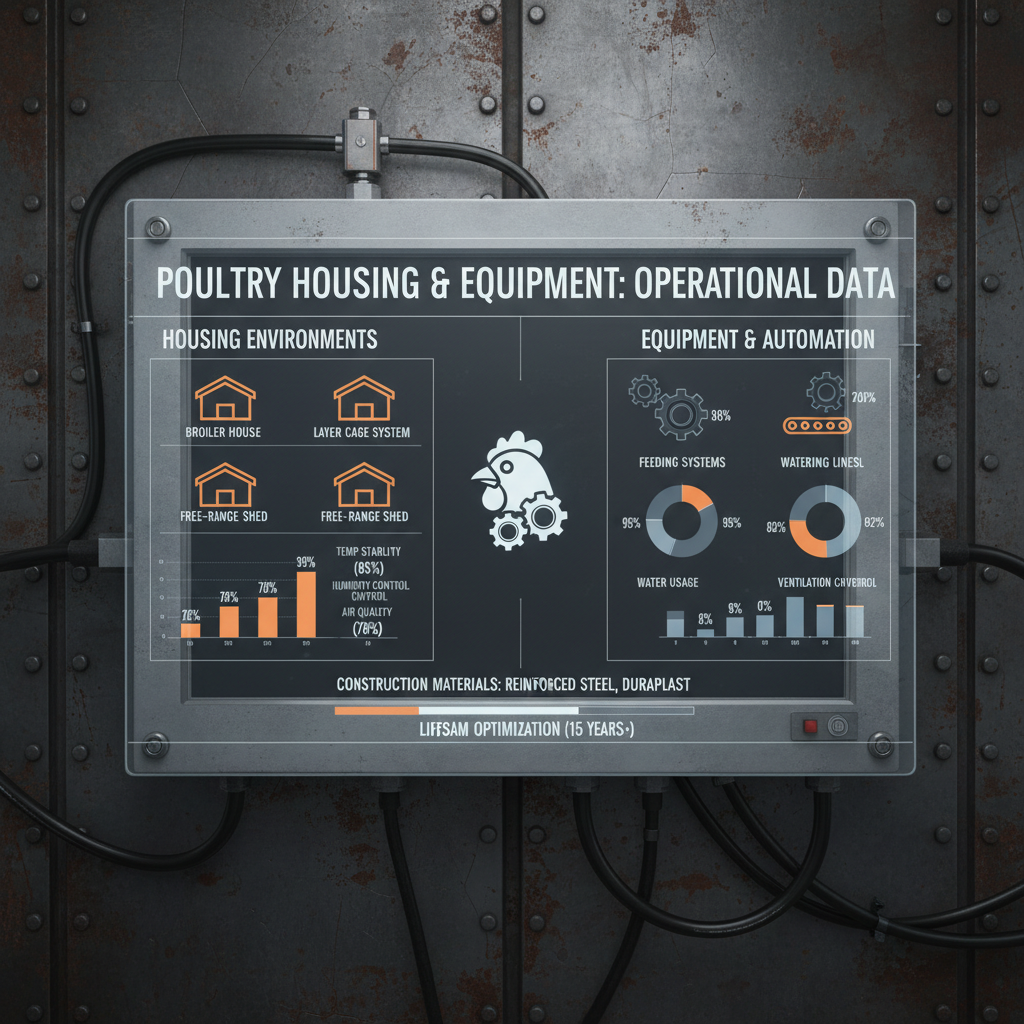
Poultry Housing Methods Effectiveness
Advantages of Modern Poultry Infrastructure
Modern poultry housing and equipment offer substantial benefits in terms of cost reduction. Automation minimizes labor requirements, while efficient feeding and watering systems reduce waste. Improved ventilation and climate control optimize bird growth rates, leading to faster time-to-market and increased profits.
Sustainability is another key advantage. Well-designed housing systems can reduce energy consumption, minimize water usage, and facilitate effective manure management. This contributes to a smaller environmental footprint and aligns with growing consumer demand for sustainably produced poultry products.
Future Trends & Innovations in Poultry Technology
The future of poultry housing and equipment is likely to be shaped by several key trends. Automation and robotics will play an increasingly prominent role, with automated egg collection, feeding, and cleaning systems becoming more commonplace. Precision poultry farming, utilizing sensors and data analytics to monitor bird health and performance in real-time, will enable proactive management and optimize production.
Sustainable technologies, such as solar power and rainwater harvesting, will gain traction as producers seek to reduce their environmental impact and lower energy costs. Innovative housing designs that prioritize bird welfare, such as enriched environments and perch systems, will become more widespread to meet evolving consumer preferences.
Challenges and Solutions in Poultry Housing
A significant challenge facing the poultry industry is the prevention and control of infectious diseases. High bird densities in conventional housing systems can facilitate the rapid spread of pathogens. Solutions include implementing stringent biosecurity protocols, improving ventilation systems, and exploring alternative housing models that promote bird health and reduce stress.
Another challenge is the cost of upgrading to modern poultry housing and equipment. Small-scale farmers may lack the financial resources to invest in new technologies. Government subsidies, microfinance programs, and the development of affordable housing solutions can help address this barrier.
Furthermore, environmental concerns related to manure management are growing. Innovative technologies for manure processing, such as composting and anaerobic digestion, can convert waste into valuable resources like fertilizer and biogas, reducing environmental pollution and creating additional revenue streams.
Summary of Challenges and Potential Solutions in Poultry Housing
| Challenge |
Impact on Production |
Potential Solution |
Implementation Cost (1-10) |
| Disease Outbreaks |
Reduced Yield, Mortality |
Enhanced Biosecurity, Vaccination |
4 |
| High Energy Costs |
Reduced Profit Margins |
Renewable Energy Integration |
7 |
| Manure Management |
Environmental Pollution |
Anaerobic Digestion, Composting |
6 |
| Limited Access to Capital |
Slow Technology Adoption |
Microfinance Programs |
3 |
| Labor Shortages |
Increased Operational Costs |
Automation and Robotics |
8 |
| Climate Change Impacts |
Disrupted Production Cycles |
Climate-Resilient Housing Design |
5 |
FAQS
Automated systems significantly reduce labor costs, improve feed efficiency, and enhance bird welfare. Features like automatic feeding, watering, and climate control ensure consistent environmental conditions, leading to increased growth rates and improved product quality. They also offer remote monitoring and data collection capabilities, enabling proactive management and early detection of potential problems. Furthermore, automation minimizes human error and reduces the risk of disease transmission.
Selecting the appropriate ventilation system depends on factors like flock size, bird type, climate, and housing type. Consider cross-ventilation, tunnel ventilation, or a combination of both. Cross-ventilation is effective in milder climates, while tunnel ventilation is better suited for hot and humid conditions. Ensure the system provides adequate air exchange rates to remove harmful gases and maintain optimal temperature and humidity levels. Properly sized inlets and outlets are crucial for even air distribution.
Durable and easy-to-clean materials are essential for poultry housing. Galvanized steel is a popular choice for framing and roofing, offering corrosion resistance and structural strength. Concrete floors are easy to disinfect but require proper drainage. Insulation materials like fiberglass or foam boards help regulate temperature and reduce energy costs. Avoid materials that harbor moisture or pests. Consider locally sourced materials to minimize transportation costs.
Biosecurity is critically important in preventing the introduction and spread of diseases. Implement strict access control, sanitize equipment regularly, practice proper hand hygiene, and control pests. Establish a perimeter fence and limit visitor access. Implement an all-in, all-out stocking system to minimize the risk of disease transmission between flocks. Proper waste management and disinfection protocols are also essential components of a robust biosecurity program.
Energy-efficient housing, incorporating features like insulation, LED lighting, and renewable energy sources, can lead to significant long-term cost savings. Reduced energy consumption translates to lower utility bills. Improved climate control reduces mortality rates and enhances bird performance. Furthermore, government incentives and tax credits may be available for investments in energy-efficient technologies, further reducing the payback period.
Effective waste management is crucial for environmental protection and preventing disease outbreaks. Implement a comprehensive manure management plan that includes collection, storage, and disposal. Consider composting, anaerobic digestion, or land application as treatment options. Ensure proper drainage to prevent runoff and groundwater contamination. Regularly clean and disinfect manure storage areas. Adhere to local regulations regarding manure management.
Conclusion
Poultry housing and equipment are fundamental to the success and sustainability of the global poultry industry. From ensuring bird welfare and maximizing production efficiency to minimizing environmental impact and mitigating disease risks, the choices made in designing and equipping poultry farms have far-reaching consequences. Investing in durable, scalable, and biosecure infrastructure is no longer optional – it's a necessity for remaining competitive and meeting the growing demand for poultry products.
Looking ahead, continued innovation in poultry technology will be crucial for addressing the challenges of a changing world. Embracing automation, data analytics, and sustainable practices will enable producers to optimize their operations, reduce their environmental footprint, and ensure a secure and reliable supply of poultry protein for generations to come. Visit our website at www.cxlivestock.com to learn more about our comprehensive range of poultry housing and equipment solutions.