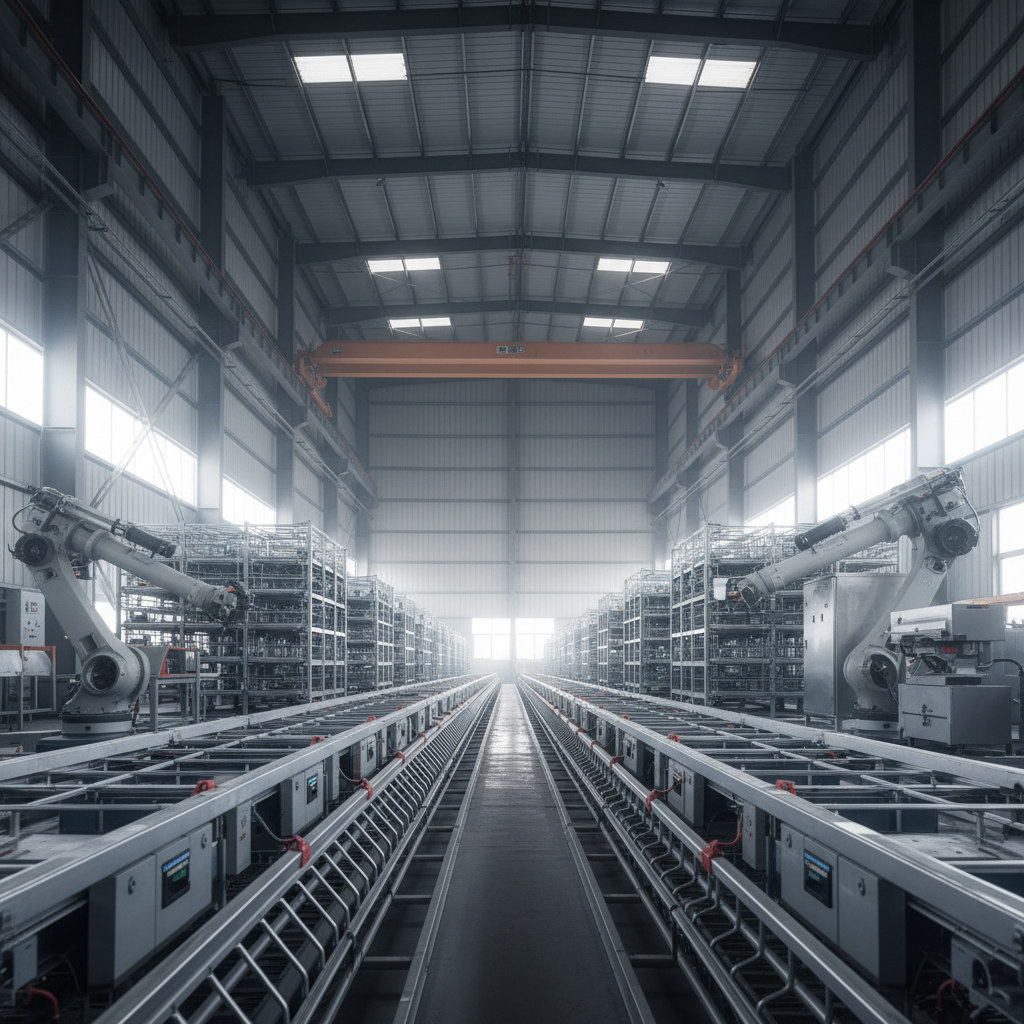
Commercial poultry farming equipment isn’t just about cages and feeders anymore. It’s a cornerstone of global food security, a rapidly evolving industry driven by the need for efficiency, biosecurity, and sustainability. From small family farms scaling up to massive integrated operations, the right equipment is the difference between success and struggle. Understanding the nuances of these systems—the ventilation, the feeding automation, the environmental controls—is vital in a world demanding more poultry products with less environmental impact. commercial poultry farming equipment has come a long way, and staying ahead of the curve is crucial for profitability.
Globally, poultry accounts for over 30% of total meat consumption, and that number is projected to rise, particularly in developing nations. The UN Food and Agriculture Organization (FAO) estimates that global poultry meat production will increase by over 15% by 2030. This growth places an immense strain on existing infrastructure and demands innovative solutions for efficient, safe, and sustainable production. The challenge isn’t simply producing more birds, it’s producing them responsibly. This is where investment in robust, modern commercial poultry farming equipment becomes paramount.
The need for reliable and efficient poultry farming practices has never been greater. Outbreaks of diseases like avian influenza and increasing consumer demand for higher welfare standards necessitate a shift towards closed-house systems and advanced biosecurity measures. The appropriate equipment provides the framework for these essential advancements, enabling farmers to manage risk, maintain animal health, and deliver a consistent, high-quality product to market.
The Role of Commercial Poultry Farming Equipment in Global Food Production
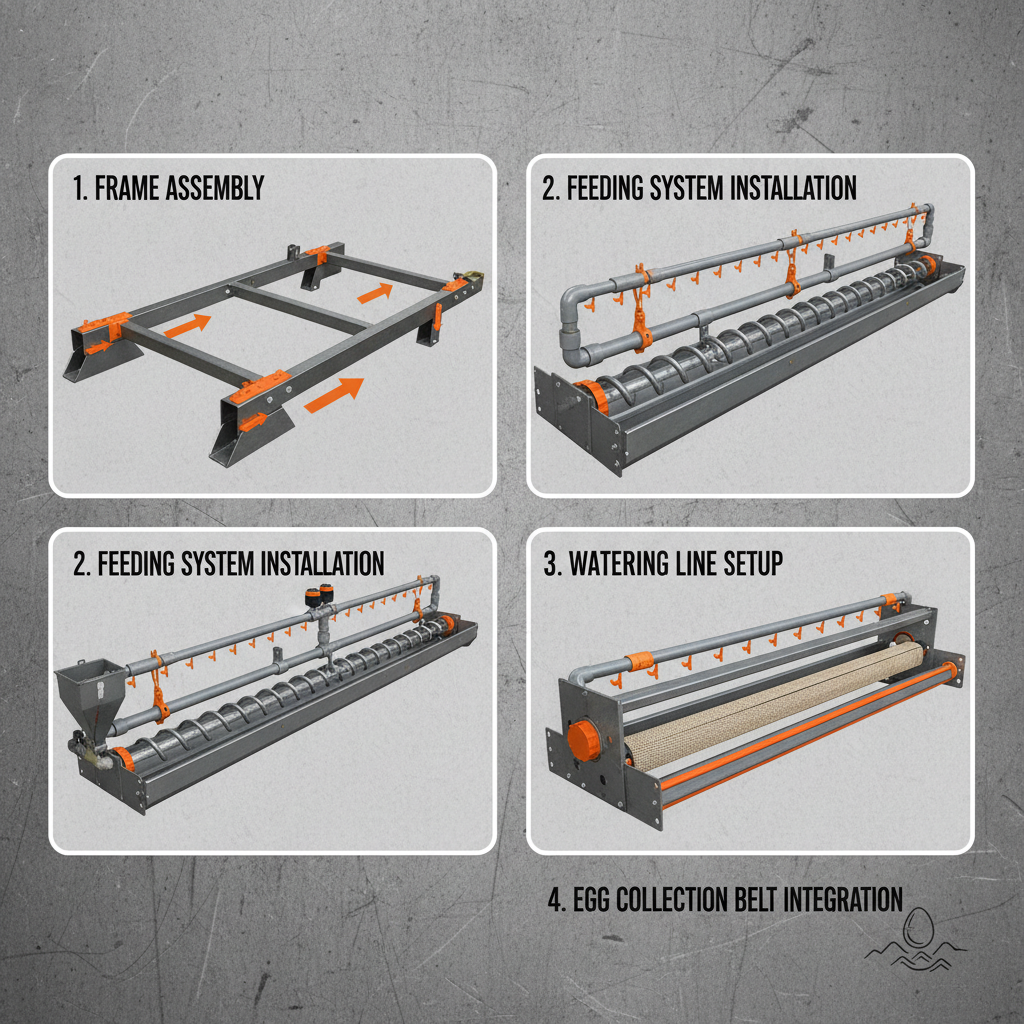
You're looking at a system, not just parts. Commercial poultry farming equipment forms the backbone of modern poultry operations. It's what allows us to consistently and efficiently raise large numbers of birds, meeting the global demand for poultry meat and eggs. Think about it: everything from automated feeding lines to climate control systems and waste management solutions—they all contribute to maximizing yield and minimizing losses. It’s about more than just productivity; it's about sustainability.
From my time on farms, I’ve seen firsthand how proper equipment impacts everything. Good ventilation reduces ammonia buildup, which directly affects bird health and weight gain. Automated feeding ensures each bird gets the right amount of nutrients. And robust biosecurity systems – part of the overall equipment suite – protect against disease outbreaks. It all adds up to a more profitable and responsible operation.
Defining Commercial Poultry Farming Equipment
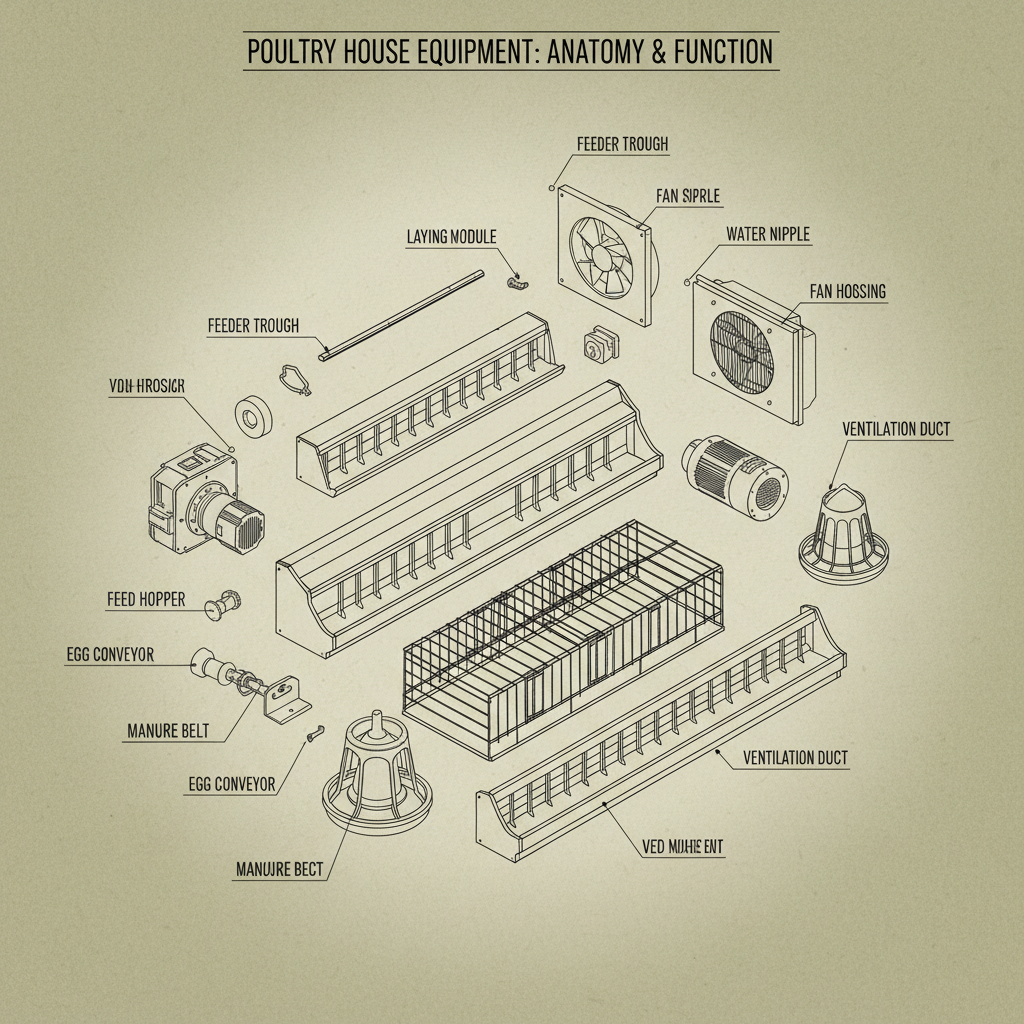
Simply put, commercial poultry farming equipment encompasses all the tools and systems used to house, feed, water, manage, and process poultry on a large scale. This includes everything from the basic necessities like cages or pens and feeding troughs to sophisticated automation systems, climate control, and waste management technologies. We’re talking about a fully integrated system designed for maximum efficiency.
It’s a far cry from the backyard setups of generations past. Modern equipment isn’t just about scale; it’s about precision. We're talking about computer-controlled systems that monitor and adjust temperature, humidity, and light levels, creating an optimal environment for bird growth and well-being. It’s about minimizing labor costs and maximizing output, ultimately making poultry production more affordable and accessible to a wider population.
This equipment isn’t static, either. Continuous innovation is driving the development of more advanced and sustainable solutions, focusing on animal welfare, biosecurity, and environmental responsibility. It's a direct response to the demands of a changing world and a growing consumer base.
Key Factors in Selecting Commercial Poultry Farming Equipment
Durability is paramount. These systems take a beating. Constant cleaning, fluctuating temperatures, and the sheer weight of the birds all put stress on the equipment. I've seen too many operations crippled by flimsy cages or feeders that break down after only a few cycles. You need equipment built to withstand the rigors of a commercial operation, and that means looking at materials, construction quality, and warranty. commercial poultry farming equipment must be built to last.
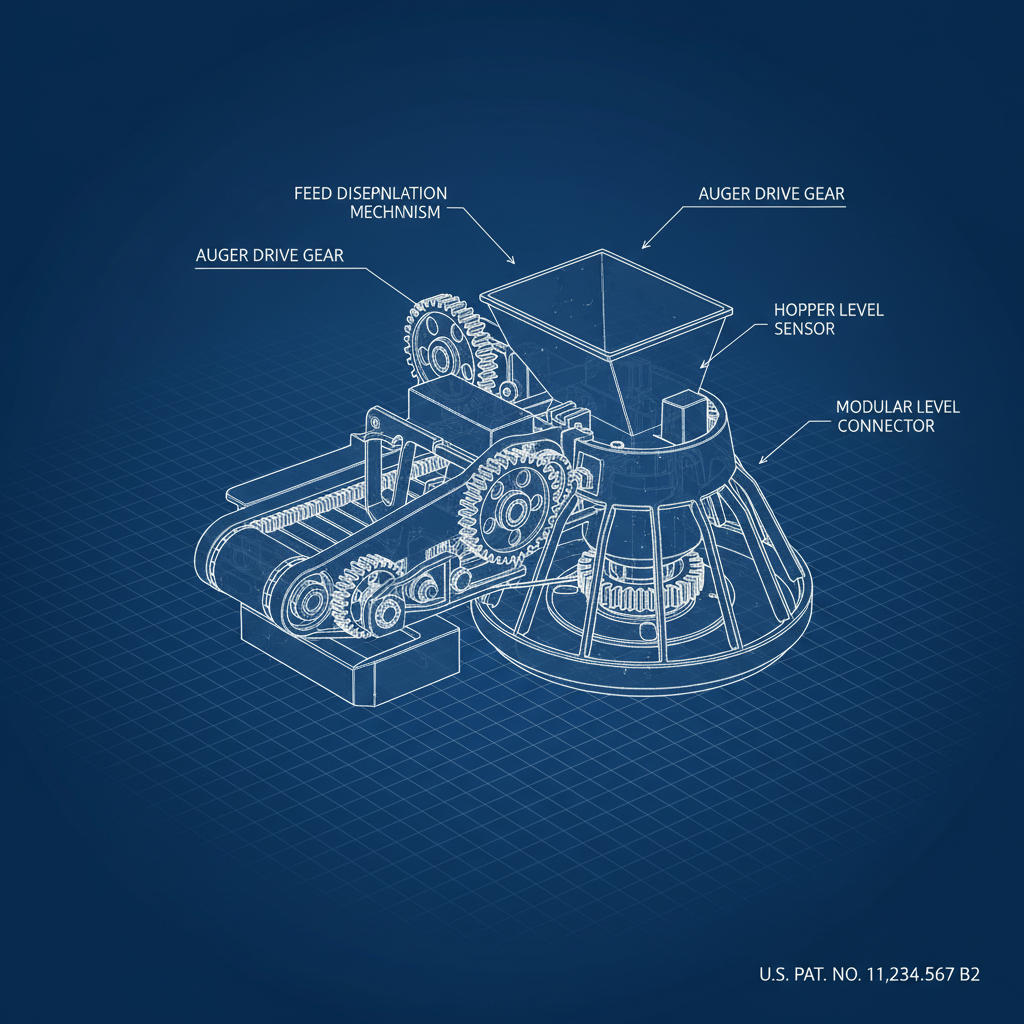
Scalability is also critical. You need equipment that can grow with your business. Don't invest in a system that will become obsolete when you decide to expand. Consider modular designs that allow you to easily add capacity as your operation grows, without needing to completely overhaul your existing infrastructure. Planning for future growth is smart business.
Cost efficiency isn't just about the initial purchase price. It's about long-term operating costs, including energy consumption, maintenance, and labor. Invest in energy-efficient ventilation systems, automated feeding lines, and easy-to-clean designs. These upfront investments will pay off in the long run. And don't forget to factor in the cost of downtime – reliable equipment minimizes disruptions and keeps your operation running smoothly.
Global Applications and Use Cases
You'll find commercial poultry farming equipment in operation on every continent, adapted to various climates and production styles. In the large-scale broiler operations of the US and Brazil, automation is king, with fully integrated systems handling everything from chick placement to processing. In Southeast Asia, smaller-scale farmers often opt for more manual systems, but are increasingly adopting automated feeding and ventilation to improve efficiency.
In colder climates like Canada and Russia, robust heating and ventilation systems are essential for maintaining optimal bird health. In hotter regions like India and Nigeria, cooling systems and effective ventilation are critical to prevent heat stress. The specific equipment requirements vary depending on the local environment, but the underlying principles remain the same: maximize productivity, minimize losses, and ensure animal welfare.
Even in post-disaster relief efforts, adaptable poultry farming equipment can play a crucial role in providing a sustainable source of protein. Portable housing and self-contained feeding systems can be quickly deployed to areas where food security is compromised, offering a much-needed source of nutrition. It's a powerful example of how this equipment can contribute to humanitarian aid.
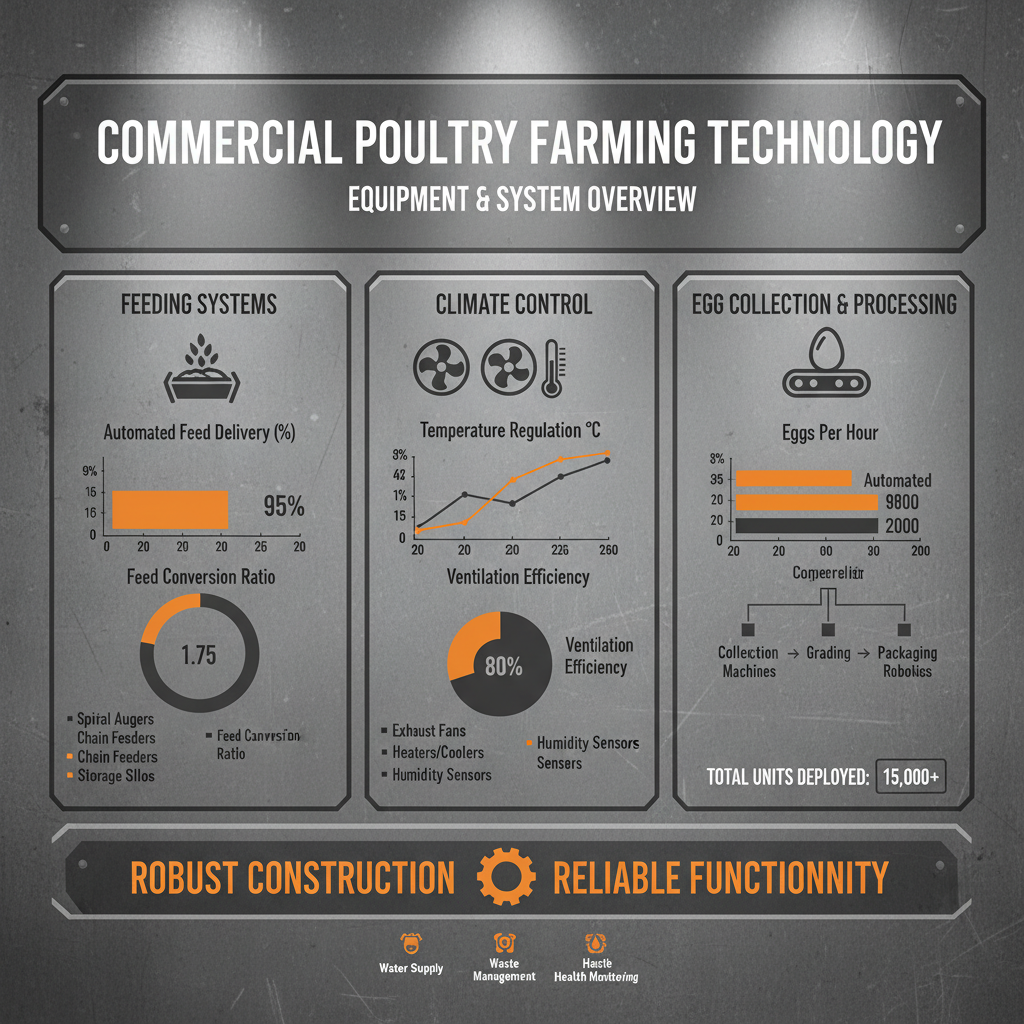
Commercial Poultry Farming Equipment Performance Comparison
Advantages and Long-Term Value
The benefits of investing in quality commercial poultry farming equipment are substantial. Reduced labor costs, increased feed efficiency, improved bird health, and enhanced biosecurity all translate into higher profitability. It’s not just about saving money; it's about building a resilient and sustainable operation.
From a sustainability perspective, modern equipment allows for more precise management of resources, reducing waste and minimizing environmental impact. Closed-house systems, for example, can significantly reduce ammonia emissions and water consumption. This is increasingly important as consumers demand more ethically and environmentally responsible products.
Future Trends and Innovations
We’re seeing a growing trend towards data-driven poultry farming, with sensors and software monitoring everything from bird weight and feed intake to temperature and humidity. This data allows farmers to make informed decisions and optimize their operations in real-time. The integration of AI and machine learning is also on the horizon, promising even more efficient and automated systems.
Automation is accelerating, and the future will be in robotics to reduce labor costs further. Investment in renewable energy sources, like solar power, to offset energy costs is also gaining traction. There's also a huge focus on improving biosecurity through advanced filtration systems and automated sanitation protocols.
Challenges and Solutions in Commercial Poultry Farming Equipment
One of the biggest challenges is the initial capital investment. Quality equipment isn't cheap, and many smaller farmers struggle to afford it. However, financing options and government subsidies can help mitigate this barrier. Another challenge is the need for skilled technicians to maintain and repair complex equipment. Investing in training and developing a skilled workforce is crucial.
Biosecurity remains a constant concern, particularly with the threat of emerging diseases. Investing in robust biosecurity systems, including air filtration, disinfection protocols, and restricted access zones, is essential. And finally, keeping up with the pace of innovation can be daunting. Staying informed about the latest technologies and attending industry events are vital for remaining competitive.
Effective planning, preventative maintenance, and a commitment to continuous improvement are the keys to overcoming these challenges and maximizing the value of your investment in commercial poultry farming equipment.
Core Challenges and Solutions for Commercial Poultry Farming Equipment
| Challenge Area |
Potential Solution |
Implementation Cost (1-10) |
Impact Level (1-10) |
| High Initial Investment |
Leasing options, Government subsidies |
6 |
8 |
| Lack of Skilled Technicians |
Training programs, Partnerships with technical schools |
7 |
9 |
| Biosecurity Threats |
Advanced filtration, Automated sanitation, Strict access control |
8 |
10 |
| Rapid Technological Advancements |
Industry conferences, Online resources, Pilot programs |
5 |
7 |
| Energy Consumption |
Energy-efficient equipment, Renewable energy sources |
7 |
8 |
| Waste Management |
Composting systems, Anaerobic digestion, Waste-to-energy technologies |
9 |
7 |
FAQS
Choosing between open-sided and closed-house systems depends on your climate, budget, and biosecurity needs. Open-sided houses are cheaper to build but offer less environmental control and higher biosecurity risk. Closed-house systems, while more expensive initially, provide superior climate control, allowing for optimized bird growth and reduced disease outbreaks. Consider your regional climate, average temperature, and humidity levels, along with your risk tolerance for disease. Investing in a robust filtration system is crucial for closed-house systems to maintain air quality.
Proper ventilation is vital for bird health. It involves a combination of natural ventilation (in open-sided houses) and mechanical ventilation (fans, inlets). For large-scale operations, a computerized ventilation system is recommended. This system monitors temperature, humidity, and ammonia levels, adjusting fan speeds accordingly. Ensure the system is properly maintained and calibrated for optimal performance. Airflow patterns should be designed to minimize dead zones and ensure uniform air distribution.
Thorough cleaning and disinfection are crucial for preventing disease outbreaks. Remove all organic matter (feces, feed) before disinfecting. Use a broad-spectrum disinfectant approved for poultry applications, following the manufacturer's instructions carefully. Pay attention to hard-to-reach areas and ensure adequate contact time. Implement a regular cleaning schedule and maintain detailed records. Proper biosecurity protocols, including foot baths and restricted access, are also essential.
Automation significantly reduces labor costs. Automated feeding, watering, egg collection, and climate control systems require less manual intervention, freeing up labor for other tasks. While there's an initial investment in automation, the long-term savings in labor can be substantial. Consider the scale of your operation and the cost of labor in your region when evaluating the ROI of automation.
Sustainable practices include using energy-efficient equipment, minimizing water consumption, managing waste effectively (composting or anaerobic digestion), and reducing reliance on antibiotics. Explore renewable energy sources like solar power. Implement proper biosecurity measures to reduce disease outbreaks and minimize the need for medications. Focus on improving feed efficiency to reduce waste and environmental impact.
The lifespan of commercial poultry farming equipment varies depending on the type of equipment and the quality of materials. Cages and pens can last 10-15 years with proper maintenance. Feeding and watering systems typically have a lifespan of 5-10 years. Ventilation and climate control systems may need replacing every 7-10 years. Regular inspection and preventative maintenance are essential to maximizing the lifespan of your equipment.
Conclusion
Investing in robust and well-planned commercial poultry farming equipment is no longer just an operational choice – it’s a strategic imperative. From enhancing food security and improving efficiency to promoting sustainability and animal welfare, the right equipment lays the foundation for a thriving and responsible poultry operation. By carefully considering factors like durability, scalability, and cost-effectiveness, you can build a system that delivers long-term value and positions your business for success.
Looking ahead, embracing innovation, investing in training, and prioritizing preventative maintenance will be crucial for staying ahead of the curve. The future of poultry farming is data-driven, automated, and sustainable, and those who invest in the right equipment today will be best positioned to reap the rewards tomorrow.