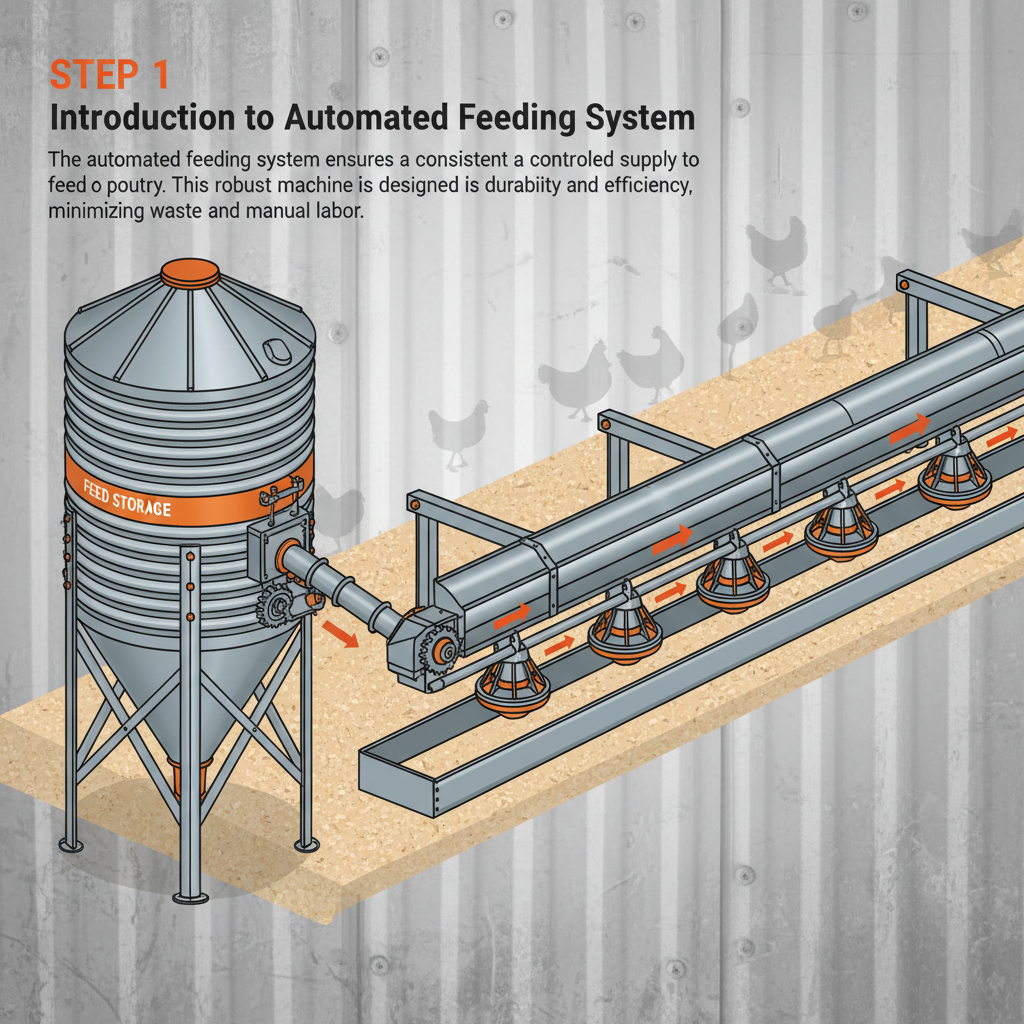
Poultry housing systems are critical components of modern poultry production, playing a vital role in ensuring bird welfare, maximizing productivity, and preventing disease outbreaks. Globally, the demand for poultry products continues to rise, driven by population growth and changing dietary preferences. Effective poultry housing system designs are essential to meet this demand sustainably and ethically. Understanding the nuances of these systems – from basic shelter to highly sophisticated climate-controlled environments – is paramount for producers, researchers, and policymakers alike.
The significance of poultry housing extends beyond simply providing a roof over birds’ heads. It directly impacts feed conversion ratios, growth rates, egg production, and overall flock health. Poorly designed or maintained systems can lead to increased mortality rates, reduced product quality, and the spread of zoonotic diseases. The economic implications of these factors are substantial, impacting both small-scale farmers and large-scale commercial operations. Investment in robust poultry housing systems is, therefore, an investment in food security and economic stability.
Furthermore, as consumer awareness regarding animal welfare grows, there is increasing pressure to adopt housing systems that prioritize bird comfort and natural behaviors. This is driving innovation in areas such as enriched environments, free-range systems, and organic production methods. A well-planned poultry house is no longer simply a functional structure but an integral part of a holistic and sustainable farming operation, reflecting responsible and ethical practices.
Introduction to Poultry Housing Systems
The purpose of a poultry housing system is multifaceted. It provides protection from predators and harsh weather conditions, regulates temperature and humidity, and facilitates efficient management of the flock. Different types of systems cater to varying poultry species (chickens, turkeys, ducks, geese), production goals (broilers, layers, breeders), and farming philosophies (conventional, organic, free-range). Selecting the appropriate poultry housing system is crucial for optimizing productivity and minimizing losses.
Furthermore, a well-designed housing system contributes significantly to biosecurity. Proper ventilation, sanitation protocols, and controlled access help prevent the introduction and spread of pathogens, reducing the need for antibiotic treatments and promoting overall flock health. This, in turn, supports consumer confidence and ensures the production of safe and wholesome poultry products.
Defining a Poultry Housing System
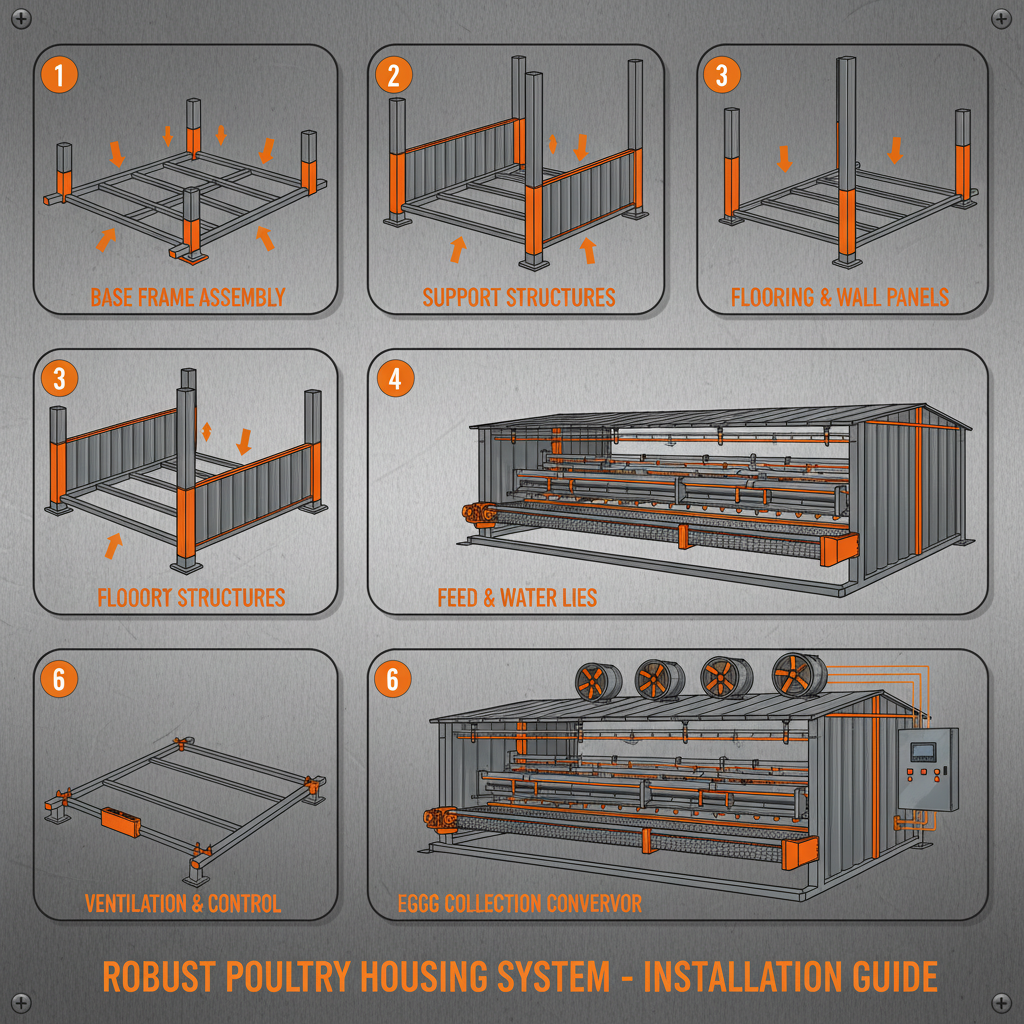
A poultry housing system encompasses all the structures and equipment used to house and manage poultry. This includes the building itself (materials, design, insulation), ventilation systems, heating and cooling systems, lighting, feeding and watering equipment, waste management systems, and even the layout of internal spaces. It's more than just a building; it’s a carefully engineered environment designed to meet the specific needs of the birds.
The evolution of poultry housing systems reflects advancements in poultry science and engineering. Early systems were often simple, rudimentary shelters, providing basic protection from the elements. Modern systems are highly sophisticated, employing automation, precise climate control, and advanced biosecurity measures. The shift towards intensive production systems has driven the development of large-scale, highly efficient housing facilities.
This definition extends to encompass different housing methods, including conventional cage systems, barn systems, aviary systems, free-range setups, and organic housing. Each of these approaches offers distinct advantages and disadvantages in terms of animal welfare, production efficiency, and economic viability, shaping the landscape of the modern poultry housing system industry.
Key Factors in Poultry Housing Design
Several key factors influence the design and effectiveness of a poultry housing system. One crucial aspect is ventilation, which ensures adequate air quality, removes moisture, and regulates temperature. Improper ventilation can lead to ammonia buildup, respiratory problems, and reduced bird performance. Another critical factor is insulation, which helps maintain a consistent internal temperature, minimizing energy costs and improving bird comfort.
Lighting plays a significant role in regulating bird behavior, influencing feed intake, growth rates, and egg production. Different lighting programs are employed depending on the production type and stage of the birds' life cycle. Furthermore, the choice of building materials impacts durability, hygiene, and cost-effectiveness. Materials should be resistant to corrosion, easy to clean and disinfect, and provide adequate insulation.
Finally, space allocation is paramount. Overcrowding can lead to stress, aggression, and increased susceptibility to disease. Adequate space allows birds to express natural behaviors, access feed and water comfortably, and maintain good hygiene. A properly designed poultry housing system carefully balances these factors to create an optimal environment for poultry production.
Global Applications of Poultry Housing
Poultry housing systems vary significantly across the globe, reflecting differences in climate, economic conditions, and consumer preferences. In developed countries like the United States and Europe, large-scale, intensive systems are common, driven by the demand for low-cost poultry products. However, there is a growing trend towards alternative systems that prioritize animal welfare, such as enriched cages and free-range housing.
In developing countries, poultry production often takes place on a smaller scale, with farmers utilizing more traditional housing methods. These may include simple structures built from locally sourced materials, offering limited environmental control. However, even in these contexts, there is a growing recognition of the importance of improved housing systems to enhance productivity and reduce losses.
Comparative Efficiency of Different Poultry Housing Systems
Advantages and Long-Term Value
Investing in a well-designed poultry housing system delivers numerous advantages. Economically, efficient housing reduces feed waste, lowers mortality rates, and increases overall production efficiency, leading to higher profitability. Sustainability benefits arise from reduced energy consumption (through proper insulation and ventilation) and minimized environmental impact (through effective waste management).
Beyond these tangible benefits, there's significant long-term value in improved animal welfare. Happier, healthier birds are more productive and contribute to a positive brand image, appealing to increasingly conscious consumers. A robust system also enhances biosecurity, protecting flocks from disease outbreaks and reducing the need for costly interventions. This builds trust with customers and ensures the long-term viability of the operation.
Future Trends and Innovations
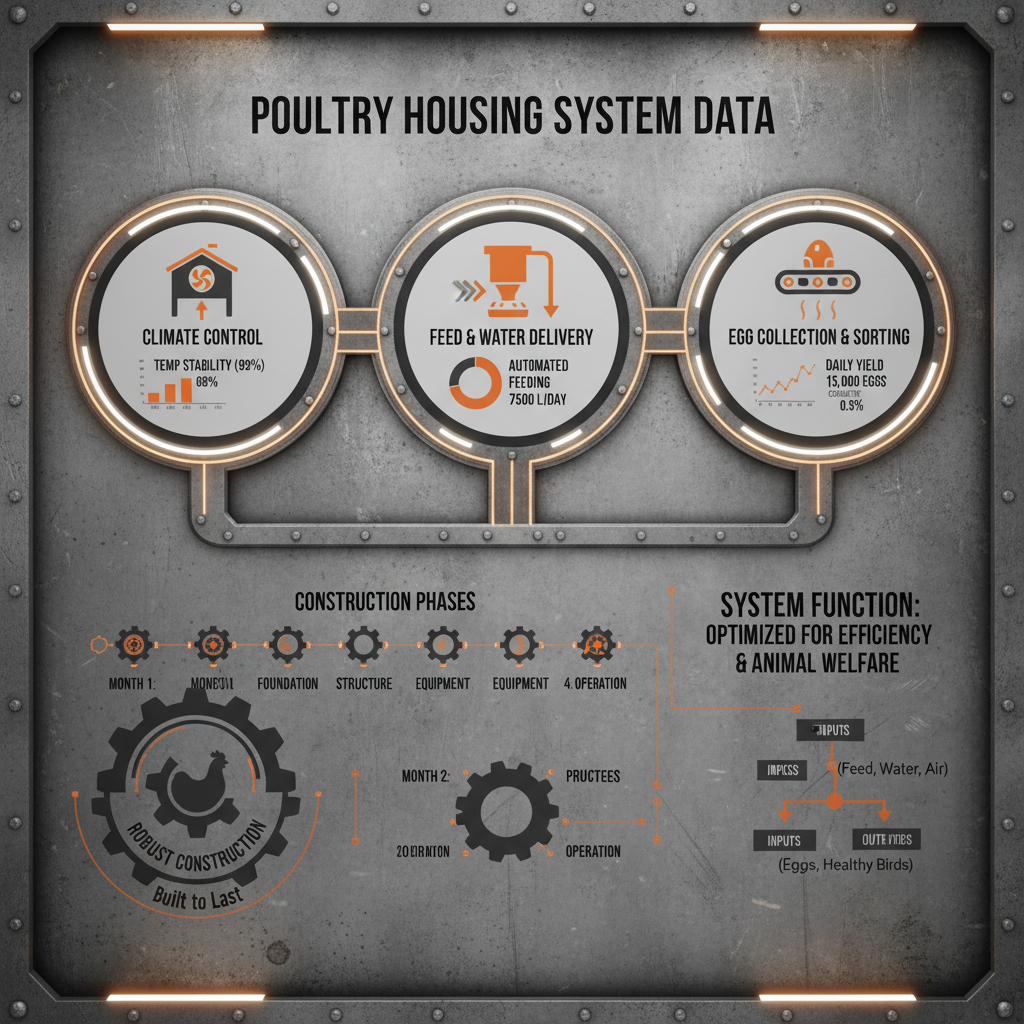
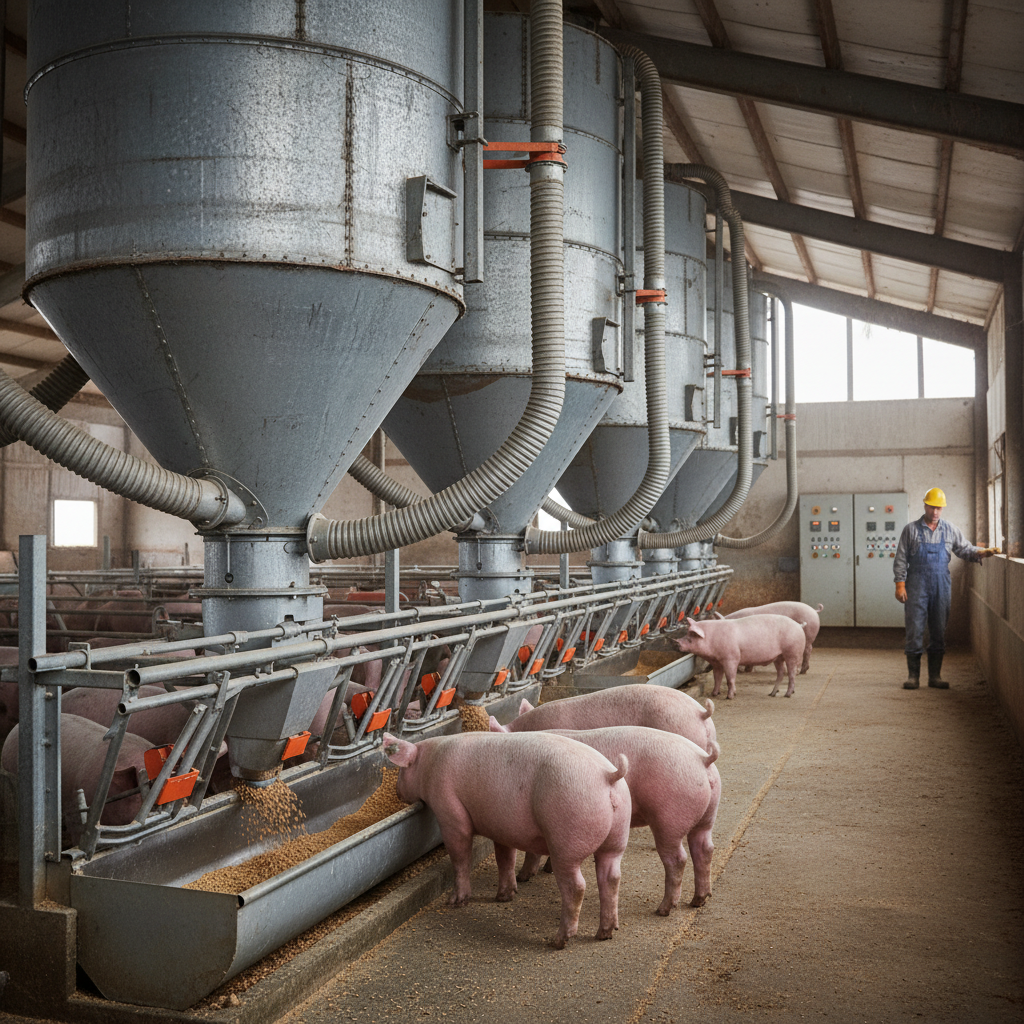
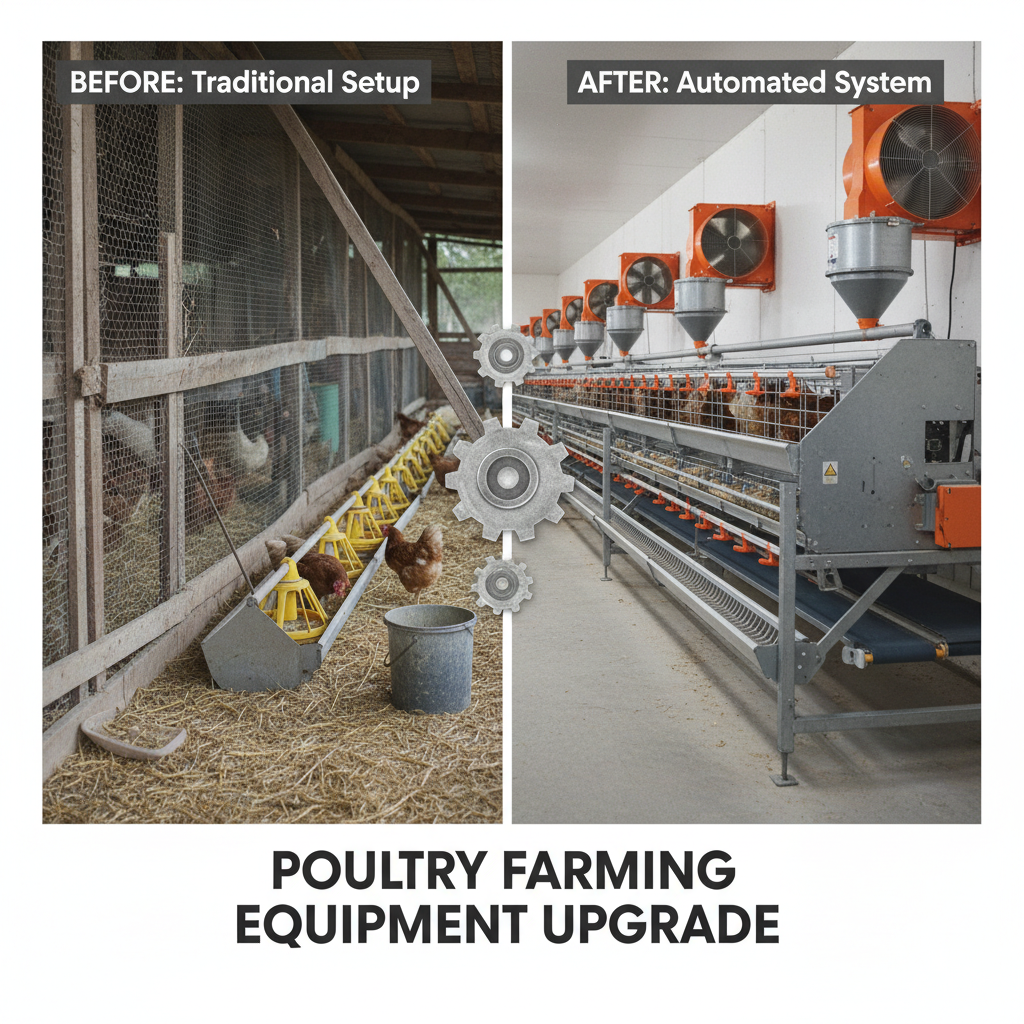
The future of poultry housing is being shaped by several key trends. Automation and precision farming technologies are gaining traction, with automated feeding, watering, and climate control systems becoming increasingly common. The integration of sensors and data analytics allows for real-time monitoring of bird health and environmental conditions, enabling proactive management decisions.
Furthermore, there's growing interest in sustainable building materials and renewable energy sources. Using recycled materials, incorporating solar panels, and implementing energy-efficient ventilation systems can significantly reduce the environmental footprint of poultry operations. The development of advanced biosecurity measures, such as air filtration systems and enhanced sanitation protocols, will also be crucial in mitigating disease risks.
Challenges and Solutions in Poultry Housing
Despite advancements, several challenges remain in poultry housing. High initial investment costs can be a barrier for smaller farmers, while maintaining biosecurity in large-scale operations is a constant concern. Balancing animal welfare with production efficiency is another ongoing challenge, requiring careful consideration of housing systems and management practices.
Innovative solutions are emerging to address these challenges. Government subsidies and financing programs can help reduce the financial burden of upgrading housing systems. Implementing robust biosecurity protocols, including strict visitor control, regular disinfection, and vaccination programs, is essential for disease prevention. Furthermore, adopting enriched environments and promoting natural behaviors can enhance animal welfare without compromising productivity.
Summary of Solutions for Common Poultry Housing Challenges
| Challenge |
Solution Category |
Specific Implementation |
Expected Outcome |
| High Initial Costs |
Financial Assistance |
Government Subsidies, Low-Interest Loans |
Increased Affordability, Faster Adoption |
| Biosecurity Risks |
Preventative Measures |
Strict Visitor Protocols, Disinfection, Air Filtration |
Reduced Disease Outbreaks, Lower Mortality |
| Maintaining Optimal Temperature |
Ventilation & Insulation |
Automated Ventilation, Improved Insulation Materials |
Reduced Energy Consumption, Improved Bird Health |
| Waste Management |
Sustainable Practices |
Composting, Anaerobic Digestion, Fertilizer Production |
Reduced Environmental Impact, Resource Recovery |
| Animal Welfare Concerns |
Enriched Environments |
Perches, Dust Bathing Areas, Natural Light |
Improved Bird Well-being, Reduced Stress |
| Monitoring Bird Health |
Technology Integration |
Sensors, Data Analytics, Automated Alerts |
Early Disease Detection, Proactive Management |
FAQS
For small-scale farmers, a well-designed deep litter system often presents the most cost-effective solution. It requires relatively low initial investment, utilizing locally sourced materials where possible. Effective ventilation and diligent litter management are crucial for maintaining hygiene and preventing disease. While requiring more labor than automated systems, it's a viable option for maximizing returns with limited capital, especially when compared to initial investments of more complex systems.
Ventilation is paramount in a poultry house. It removes moisture, ammonia, and dust, all of which can negatively impact bird health and productivity. Proper ventilation provides fresh air, regulates temperature, and prevents the buildup of harmful gases. Insufficient ventilation leads to respiratory problems, reduced growth rates, and increased mortality. A well-designed ventilation system is a cornerstone of a successful poultry housing system.
Enriched environments, which provide birds with features like perches, dust bathing areas, and foraging opportunities, promote natural behaviors and improve animal welfare. This can lead to reduced stress, aggression, and feather pecking. Happier, healthier birds are generally more productive, resulting in improved egg quality, growth rates, and overall flock performance. The enriched system increases the quality of life for the poultry.
Biosecurity is crucial for preventing disease outbreaks. Implement strict visitor control, require disinfection of footwear and equipment, and maintain a clean and sanitary environment. Control rodents and wild birds, as they can carry diseases. Regular cleaning and disinfection of the housing system are essential. Isolation of sick birds and proper disposal of carcasses are also vital components of a robust biosecurity plan.
Building materials should be durable, easy to clean and disinfect, and provide adequate insulation. They should also be resistant to corrosion and pests. Consider the local climate and availability of materials. Concrete, metal, and wood are common choices, each with its own advantages and disadvantages. Proper sealing and insulation are crucial for maintaining a consistent internal temperature and preventing moisture buildup.
Lighting plays a critical role in regulating bird behavior, influencing feed intake, growth rates, and egg production. Different lighting programs are used depending on the production type and stage of the birds’ life cycle. Adequate lighting encourages activity and feed consumption, while carefully controlled dark periods are essential for rest and hormone regulation. The correct lighting program is critical for maximizing productivity and ensuring bird welfare.
Conclusion
In conclusion, the poultry housing system is a fundamental element of successful and sustainable poultry production. From ensuring bird welfare and maximizing productivity to mitigating disease risks and minimizing environmental impact, the design and management of poultry housing have far-reaching consequences. Understanding the key factors involved, embracing innovation, and addressing existing challenges are essential for building a resilient and thriving poultry industry.
Looking ahead, a continued focus on animal welfare, sustainability, and technological advancements will shape the future of poultry housing. By adopting best practices, investing in research and development, and collaborating across the value chain, we can create poultry housing systems that are both economically viable and ethically responsible. Visit our website at www.cxlivestock.com to explore our comprehensive range of poultry housing solutions.