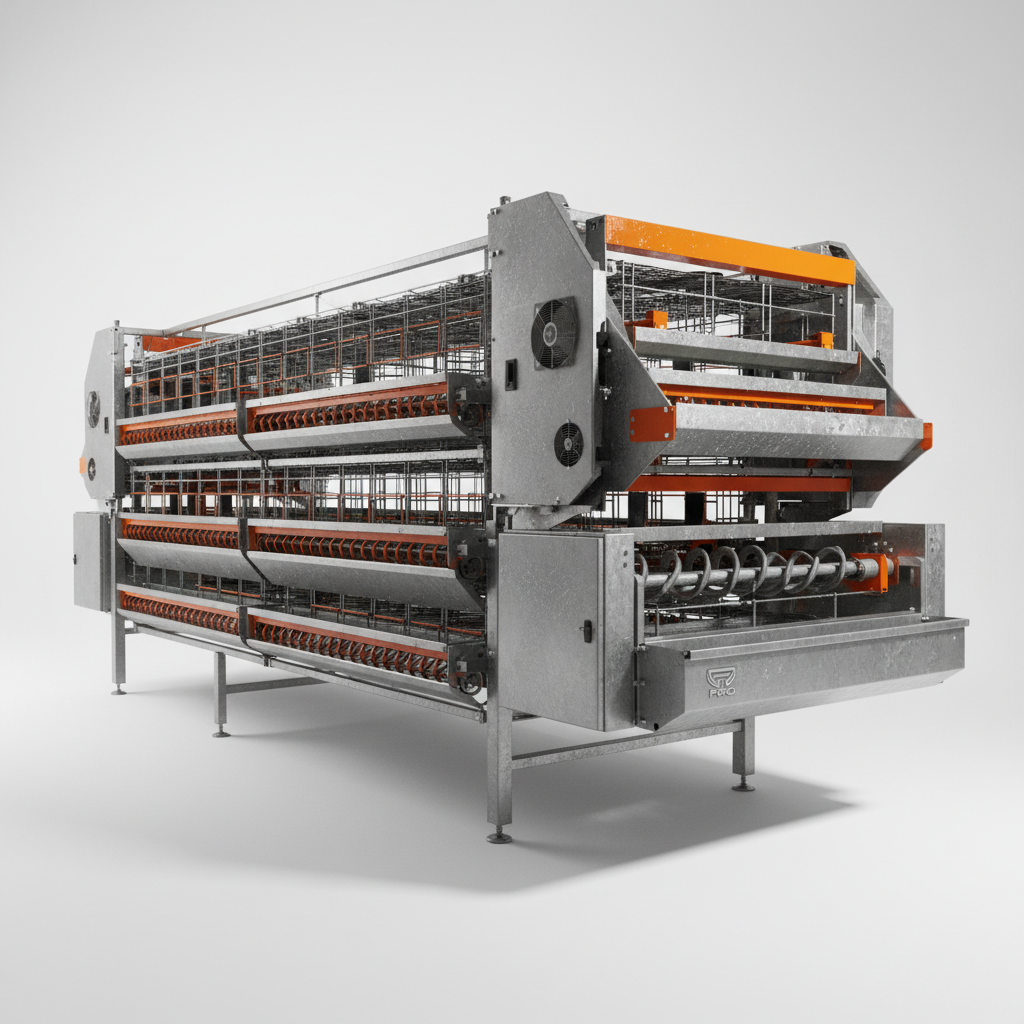
Modern hog farming demands efficient and reliable infrastructure. hog barn equipment is no longer simply about shelter; it's about optimizing animal welfare, enhancing productivity, and ensuring biosecurity. Investing in quality hog barn equipment translates directly into healthier livestock, reduced labor costs, and increased profitability for producers globally.
The global market for hog production is steadily increasing, driven by rising meat consumption in developing nations. This growth necessitates sophisticated solutions for housing, feeding, and managing large-scale swine operations. Addressing challenges like disease control, environmental sustainability, and animal comfort is paramount, and advancements in hog barn equipment play a crucial role in meeting these demands.
From automated feeding systems to advanced climate control, the latest hog barn equipment offers unparalleled levels of control and efficiency, enabling farmers to respond proactively to changing market conditions and consumer preferences. This is essential for remaining competitive in an evolving industry.
The Importance of Hog Barn Equipment
Investing in the right hog barn equipment is crucial for maintaining healthy livestock and maximizing operational efficiency. Properly designed facilities contribute significantly to disease prevention, reducing the need for costly veterinary interventions and improving overall animal welfare.
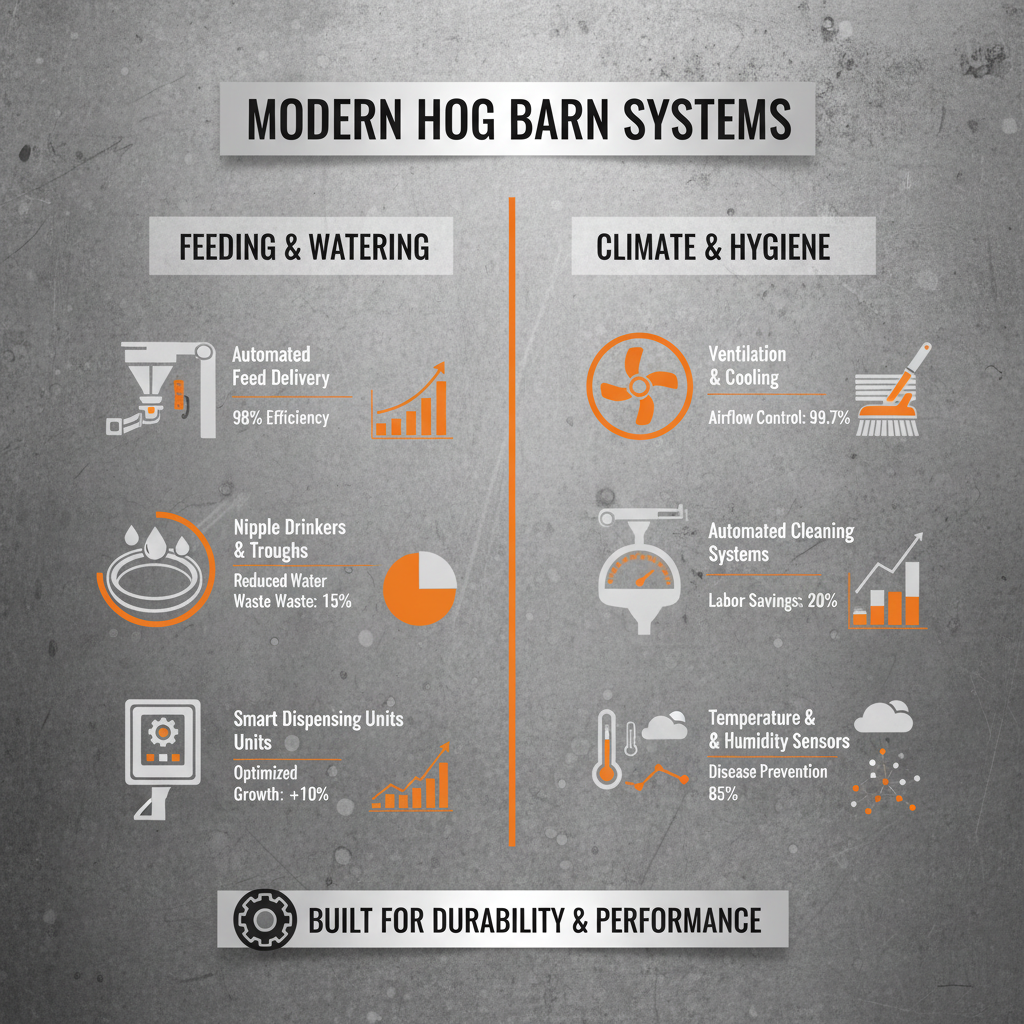
Beyond animal health, the choice of equipment impacts productivity and profitability. Automated systems streamline feeding, waste management, and climate control, freeing up labor and optimizing resource utilization. This leads to faster growth rates, improved feed conversion ratios, and increased pork production.
Defining Hog Barn Equipment
Hog barn equipment encompasses all the specialized tools, systems, and structures used in the housing and management of pigs. This includes everything from basic flooring and fencing to sophisticated climate control and feeding systems. The goal is to create a safe, comfortable, and productive environment for the animals.
Modern hog barn equipment is increasingly focused on automation and data-driven insights. Sensors and monitoring systems allow farmers to track key performance indicators (KPIs) like temperature, humidity, feed intake, and animal weight, enabling them to make informed decisions and optimize their operations.
This equipment isn't simply about containing animals; it’s about creating an optimized ecosystem that promotes animal well-being, minimizes environmental impact, and maximizes the efficiency of pork production. It's a critical component of sustainable agricultural practices.
Key Components of Effective Hog Barn Systems
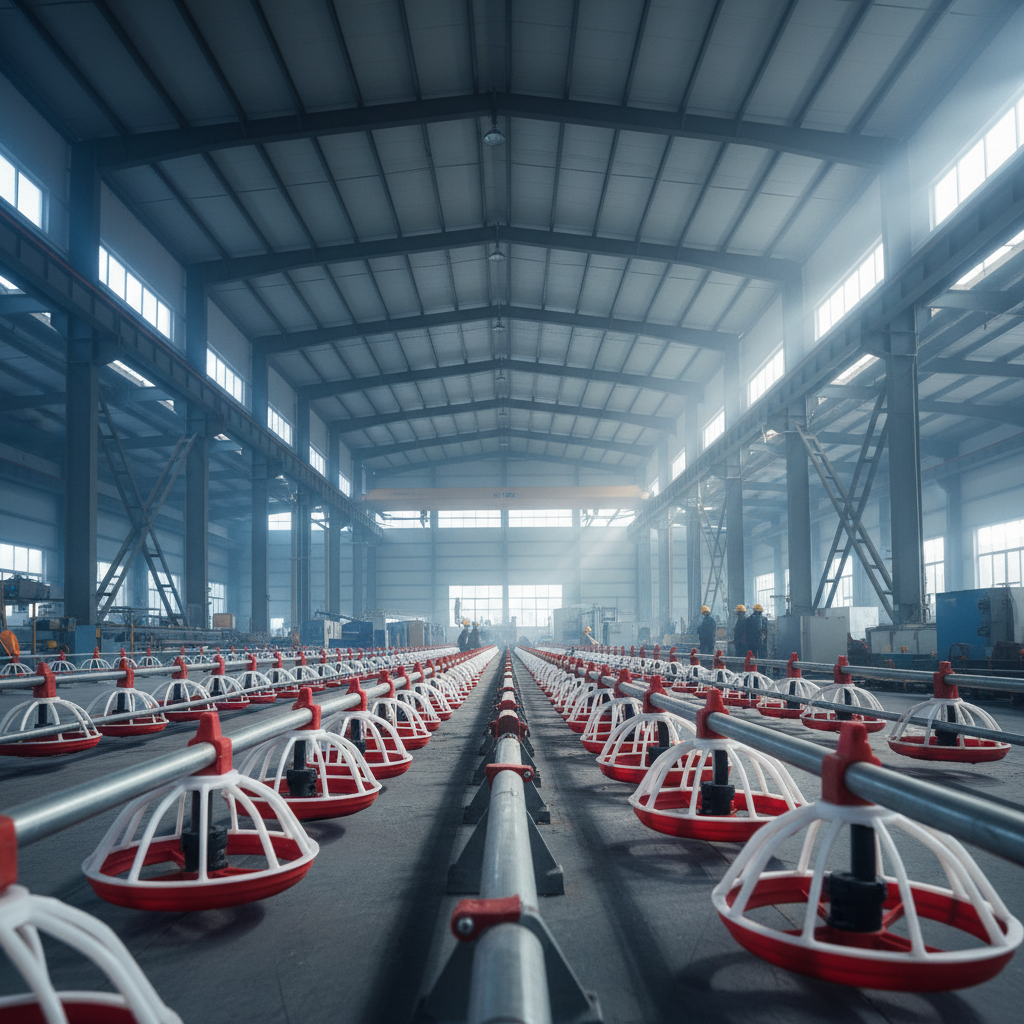
Several core components contribute to a successful hog barn system. First, the flooring material is essential for hygiene, comfort, and structural integrity. Choices range from solid concrete to slatted flooring and specialized materials like PVC or cast iron, each with its own advantages. Second, efficient feeding systems – including automatic feeders and dry/wet feed dispensers – ensure consistent nutrient delivery.
Third, climate control systems, encompassing ventilation, heating, and cooling, maintain optimal temperature and air quality. Fourth, robust penning and crate systems are needed to organize animals according to their stage of life – from farrowing crates for sows to finishing pens for growing pigs. Lastly, effective waste management systems are critical for biosecurity and environmental responsibility.
All these components must work in harmony to create a cohesive and efficient system. Proper integration and maintenance are key to maximizing the lifespan and performance of the hog barn equipment investment.
Applications of Modern Hog Barn Equipment
Modern hog barn equipment finds application across all stages of pig production, from breeding to finishing. Farrowing crates provide a safe and secure environment for sows to give birth and nurse their piglets, minimizing the risk of crushing. Nursery stalls cater to the specific needs of young, vulnerable piglets.
Gestation stalls are used to house pregnant sows, providing individual space and controlled feeding. Finishing pens are designed to promote optimal growth rates in market-weight pigs. Automated feeding systems ensure that animals receive the correct amount of feed at the appropriate time, reducing waste and maximizing efficiency. Climate control systems maintain optimal conditions year-round.
Comparison of Hog Barn Equipment Methods
Advantages and Long-Term Value
Investing in high-quality hog barn equipment delivers significant long-term benefits. Reduced labor costs through automation, improved animal health leading to lower veterinary expenses, and increased feed efficiency all contribute to a higher return on investment.
Furthermore, durable and well-maintained equipment minimizes the need for frequent replacements, reducing lifecycle costs. Sustainable practices promoted by modern equipment, such as efficient waste management, enhance environmental responsibility and contribute to a positive brand image.
Future Trends in Hog Barn Technology
The future of hog barn equipment is poised for further innovation. Precision livestock farming, utilizing sensors, data analytics, and artificial intelligence, will become increasingly prevalent, allowing for real-time monitoring and individualized animal care.
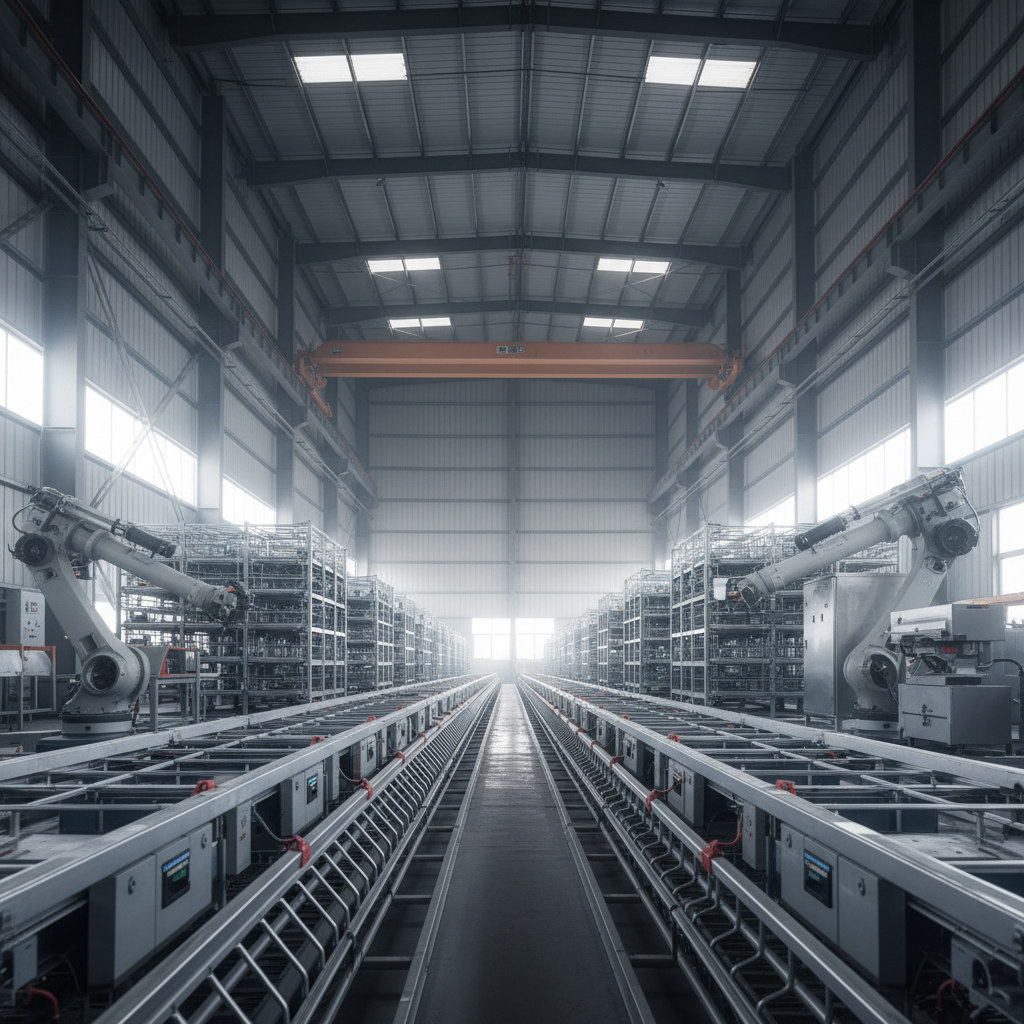
Robotics will play a larger role in tasks such as feeding, cleaning, and health monitoring. Sustainable materials and energy-efficient designs will reduce the environmental footprint of hog production. Increased emphasis on animal welfare will drive the development of more spacious and enriching environments.
Smart barn systems, integrated with cloud-based platforms, will provide farmers with remote access to data and control over their operations, enhancing decision-making and maximizing efficiency.
Challenges and Solutions in Hog Barn Management
One of the key challenges in hog barn management is maintaining biosecurity and preventing disease outbreaks. Solutions include implementing strict hygiene protocols, utilizing air filtration systems, and investing in durable, easy-to-clean hog barn equipment materials.
Another challenge is managing waste effectively and minimizing environmental impact. Anaerobic digestion systems and composting technologies can convert manure into valuable biogas and fertilizer. Proper ventilation systems are crucial for controlling odor and maintaining air quality.
Finally, adapting to changing regulations and consumer demands for improved animal welfare requires ongoing investment in innovative equipment and management practices. Continuous learning and collaboration within the industry are essential for overcoming these challenges.
Summary of Key Challenges and Corresponding Solutions for Hog Barn Management
| Challenge |
Impact on Operation |
Proposed Solution |
Equipment Investment Required |
| Disease Outbreaks |
High mortality rates, increased veterinary costs |
Enhanced biosecurity protocols, air filtration |
Air filtration systems, disinfection stations |
| Waste Management |
Environmental pollution, odor complaints |
Anaerobic digestion, composting systems |
Digesters, composting equipment |
| Climate Control |
Reduced growth rates, increased stress |
Automated ventilation and cooling systems |
Ventilation fans, cooling pads |
| Labor Costs |
High operating expenses, limited scalability |
Automated feeding and cleaning systems |
Automated feeders, robotic cleaners |
| Animal Welfare Concerns |
Negative public perception, regulatory scrutiny |
Enriched environments, spacious pens |
Larger pens, enrichment devices |
| Regulatory Compliance |
Fines, operational restrictions |
Upgraded facilities, improved waste management |
New flooring, waste treatment systems |
FAQS
Choosing the right flooring is crucial for hog barn management. Consider factors like durability, ease of cleaning, drainage, animal comfort, and cost. Slatted flooring offers good waste removal, while solid concrete provides a more natural surface. PVC and cast iron are also popular options, each with its own pros and cons depending on your specific needs. Ensure the flooring supports biosecurity and minimizes injury to the animals.
Ventilation is critically important for maintaining a healthy environment in a hog barn. Proper ventilation removes harmful gases like ammonia and hydrogen sulfide, controls temperature and humidity, and provides fresh air. Insufficient ventilation can lead to respiratory problems, reduced growth rates, and increased mortality. Automated ventilation systems are highly recommended for optimal control.
Automated feeding systems offer numerous advantages, including reduced labor costs, increased feed efficiency, and improved animal growth rates. These systems deliver precise amounts of feed at scheduled intervals, minimizing waste and ensuring that each animal receives the nutrients it needs. They can also be integrated with data monitoring systems for further optimization.
Biosecurity is paramount for preventing disease outbreaks. Implement strict hygiene protocols, including regular disinfection, footbaths, and visitor control. Invest in air filtration systems to remove airborne pathogens. Proper waste management and carcass disposal are also crucial. Regular health monitoring of your herd is essential for early detection and containment of potential problems.
The lifespan of hog barn equipment varies significantly based on material quality, maintenance, and usage. Steel structures typically last 20-30 years with proper care. PVC flooring can last 10-15 years. Feeding and ventilation systems have lifespans of 15-20 years if maintained regularly. Routine inspections and timely repairs are key to maximizing lifespan.
Sustainability is a growing focus in hog barn equipment. Trends include using recycled materials, designing energy-efficient systems, and implementing waste-to-energy technologies like anaerobic digestion. Reducing water consumption and optimizing resource utilization are also key priorities. Many manufacturers are now offering equipment designed to minimize environmental impact.
Conclusion
In conclusion, effective hog barn equipment is fundamental to the success of modern pork production. It impacts animal welfare, operational efficiency, profitability, and environmental sustainability. Investing in quality equipment and implementing sound management practices are essential for meeting the challenges and opportunities of the evolving industry.
Looking ahead, continuous innovation in materials, automation, and data analytics will drive further advancements in hog barn technology. Farmers who embrace these innovations will be best positioned to thrive in a competitive market while prioritizing animal health, environmental stewardship, and long-term sustainability. Visit our website at www.cxlivestock.com to explore our full range of hog barn solutions.