You know, the whole poultry business is booming. Globally, demand for chicken, eggs… it’s relentless. It’s not just about feeding more people, though that’s a big part of it. It’s also about access to protein in developing countries, and even in places like the US, people are eating more poultry than beef these days. It's a surprisingly complex supply chain, and a lot hinges on having the right equipment. poultry farm equipment for sale is a constant need, whether you're starting a small family farm or scaling up a massive commercial operation. To be honest, it’s a pressure cooker out there, and folks need reliable gear.
I’ve been on enough farms to know that downtime is a killer. Every hour a chicken house is empty, you’re losing money. It’s that simple. That’s why the demand for robust, efficient poultry farm equipment is always high. The World Bank talks about increasing agricultural productivity as a key to reducing poverty, and that productivity requires modern equipment. We're not talking about simple wooden coops anymore. It’s about automated feeding systems, climate control, biosecurity measures... the works.
And it’s not just about big operations, either. There’s a growing movement toward smaller, more sustainable farms, and they need equipment too. Different scale, sure, but the same core needs: reliable housing, feeding, watering, and ventilation. That's where things get interesting because they don't always want the massive, industrial-scale stuff. They want things that are built to last and can handle a bit of abuse.
The Global Importance of poultry farm equipment for sale
Honestly, you wouldn’t believe how many different climates and conditions this stuff has to withstand. From the scorching heat of the Middle East to the freezing winters in Canada, the poultry farm equipment for sale industry has to cater to it all. I was down in Brazil last year, and the humidity… forget about it. Everything rusts if you look at it wrong. That’s why material selection is so critical.
Have you noticed how everyone’s talking about food security now? It’s not just a buzzword; it's a real concern. And reliable poultry production is a huge part of that. Without the right equipment – the incubators, the feeders, the ventilation systems – you can’t guarantee a consistent supply. And a consistent supply is what keeps prices stable and people fed.
Defining Poultry Farm Equipment for Sale
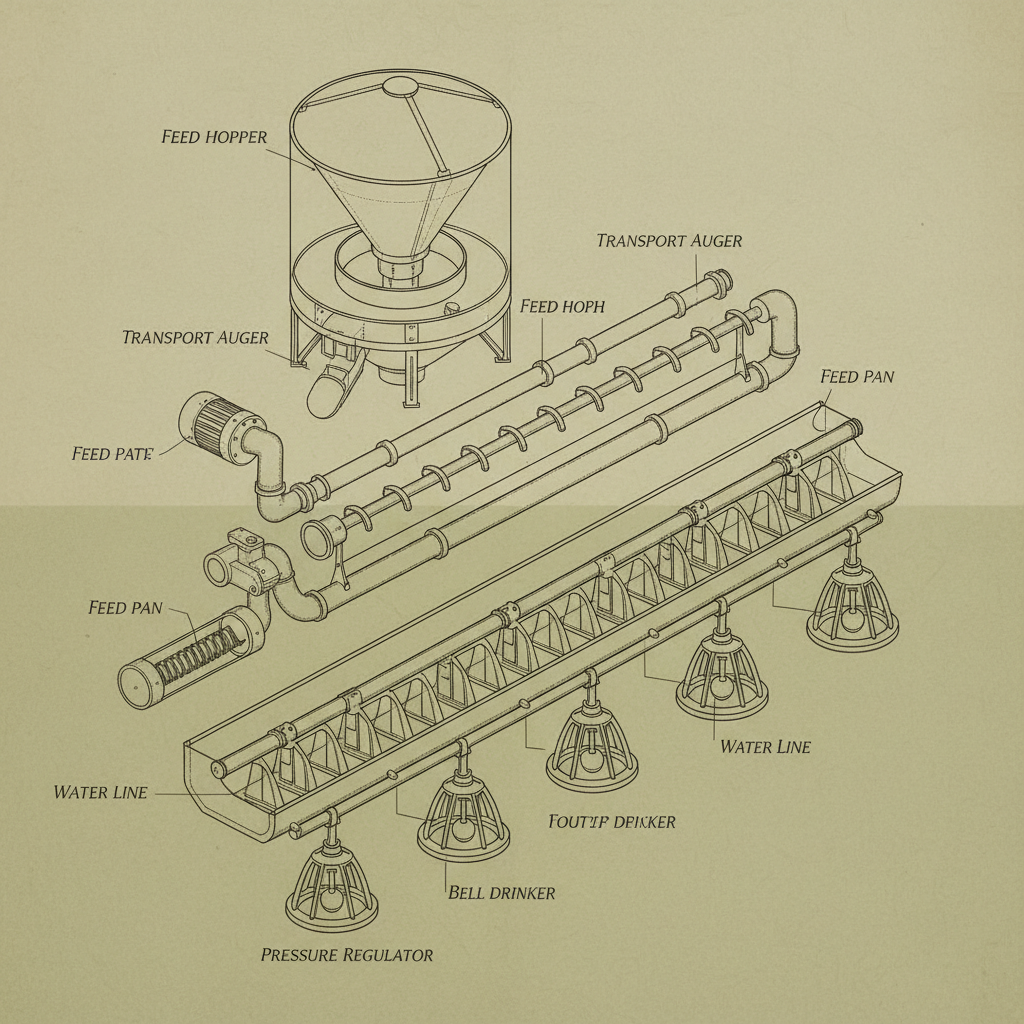
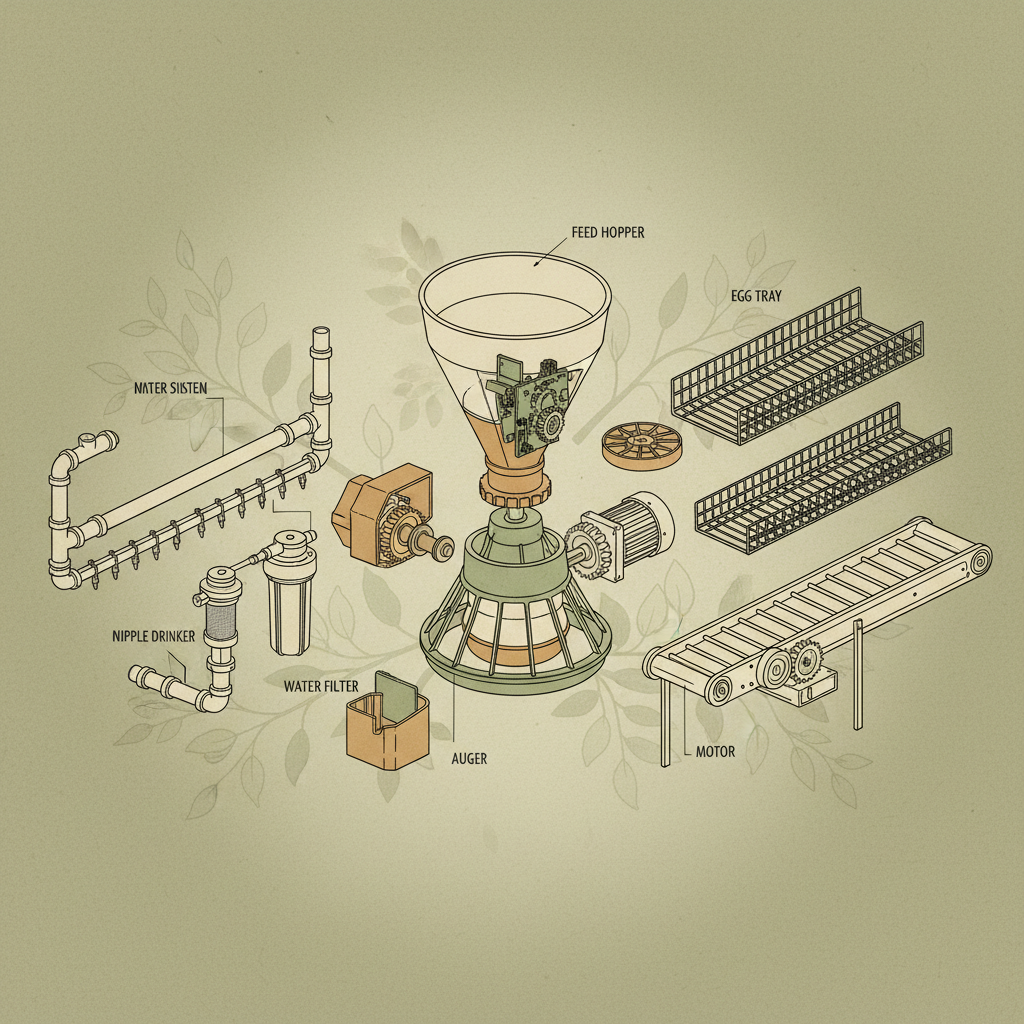
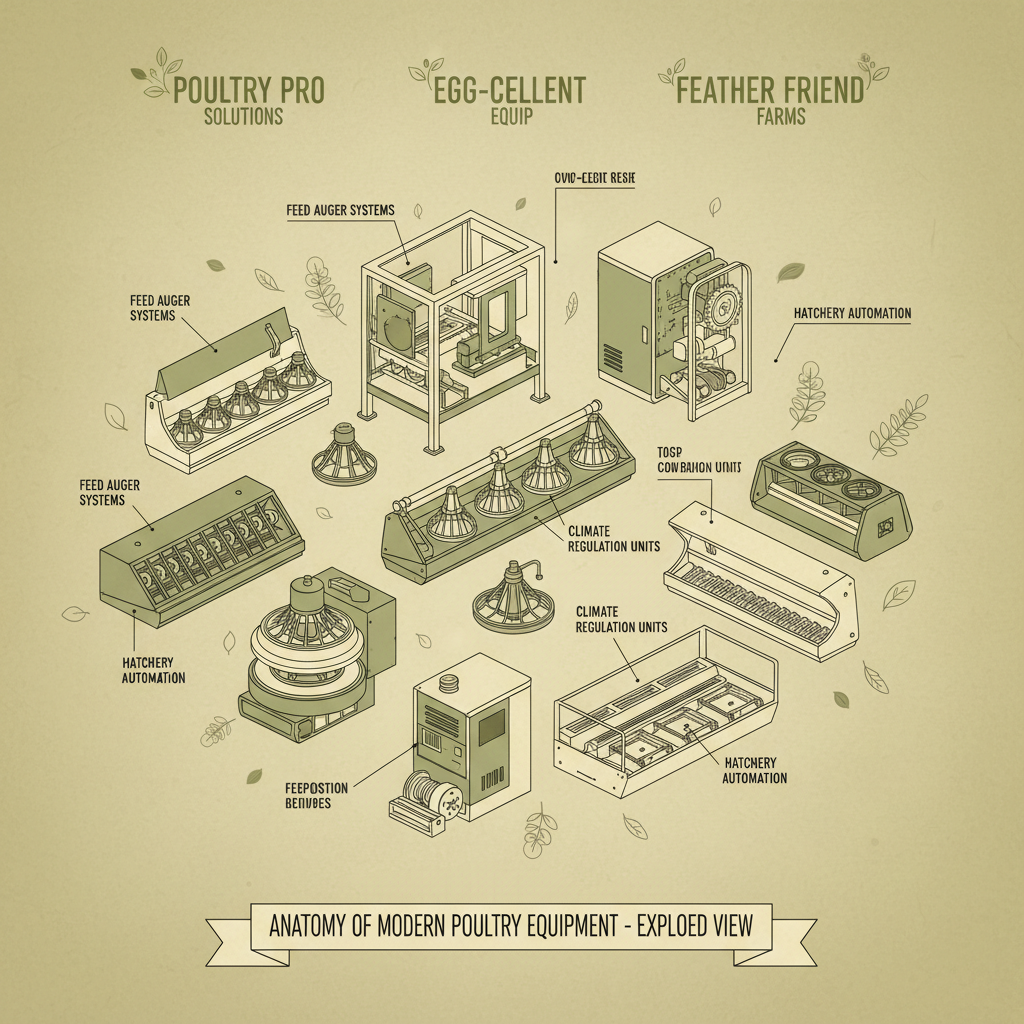
Okay, so when we say “poultry farm equipment for sale”, we're talking about a lot of different things. It’s not just the cages and feeders. It's everything from the initial hatchery equipment – incubators, hatchers, temperature controllers – to the grow-out systems – feeding pans, drinkers, ventilation fans, heating and cooling systems. It even includes the waste management systems… which, let me tell you, are not glamorous.
It’s all about optimizing the bird’s environment and ensuring their health and welfare. Modern equipment isn't just about maximizing output; it’s about doing it efficiently and sustainably. The UN’s Sustainable Development Goals are pushing for more responsible agriculture, and that's driving innovation in the equipment sector.
Strangely, sometimes the simplest things are the hardest to get right. A well-designed drinker, for example, can prevent a lot of wasted water and reduce the risk of disease. It sounds basic, but it's crucial.
Core Components of Effective Poultry Farm Equipment
Durability is number one. I encountered this at a factory in China last time, they were using flimsy plastic for feeder pans. They looked great in the showroom, but they cracked within weeks on a real farm. You need equipment that can handle the daily grind, the cleaning, the occasional impact. It's gotta be built to last.
Scalability is huge too. A farmer starting small doesn't need the same massive automated systems as a large commercial operation. But they do need equipment that can be easily expanded as their business grows. You don’t want to have to replace everything when you double in size. Modular systems are key here.
Then there’s cost-efficiency. Sure, you can buy the fanciest, most high-tech equipment, but if it doesn't deliver a return on investment, it’s not worth it. You need to consider the initial cost, the operating costs (energy consumption, maintenance), and the potential increase in productivity. It’s a balancing act.
Global Applications and Use Cases
In post-disaster relief operations, quickly deployable poultry housing can provide a vital source of protein for affected communities. I’ve seen it firsthand. It’s not just about immediate sustenance; it’s about restoring a sense of normalcy and self-sufficiency.
In remote industrial zones, where access to fresh food is limited, small-scale poultry farms equipped with modern poultry farm equipment for sale can provide a reliable local food source. It cuts down on transportation costs and ensures food security.
And, of course, in large-scale commercial operations, automated systems are the norm. They're used to maximize production, reduce labor costs, and improve biosecurity. But even those farms are starting to experiment with more sustainable and humane practices, which means investing in different types of equipment.
poultry farm equipment for sale Method Comparison
Advantages and Long-Term Value
The biggest advantage, obviously, is increased efficiency. Automated feeding and watering systems save labor costs and reduce waste. Better ventilation systems improve air quality and reduce the risk of disease. It all adds up. Anyway, I think efficiency is king these days.
From a sustainability perspective, modern poultry farm equipment can help reduce water consumption, minimize energy usage, and improve waste management. That’s good for the environment and good for the bottom line. And let’s not forget the social impact. Providing access to affordable protein is a vital step towards improving global health and well-being.
Future Trends and Innovations
Digital transformation is coming to poultry farming, whether people like it or not. We’re talking about sensors, data analytics, and AI-powered decision-making. Imagine being able to predict disease outbreaks before they happen, or optimize feeding schedules based on real-time bird behavior.
Automation will continue to advance, with robots handling more and more tasks – egg collection, cleaning, even health monitoring. And there's a lot of interest in alternative energy sources, like solar power, to reduce the carbon footprint of poultry farms. Later… Forget it, I won't mention it, it’s a rabbit hole.
Challenges and Solutions
One of the biggest challenges is the upfront cost of investing in new equipment. It can be prohibitive for small farmers. Financing options and government subsidies are crucial to making these technologies accessible.
Another challenge is the complexity of integrating new technologies into existing systems. You need trained personnel to operate and maintain the equipment. That’s where ongoing training and support are essential. It’s not enough to just sell the equipment; you have to provide the know-how to use it effectively.
And finally, there's the issue of biosecurity. New equipment can introduce new pathogens onto the farm. Proper cleaning and disinfection protocols are vital to prevent disease outbreaks.
Key Considerations for Selecting Appropriate Poultry Farm Equipment
| Equipment Type |
Initial Investment |
Maintenance Complexity |
Operational Efficiency |
| Automated Feeders |
Medium |
Moderate |
High |
| Ventilation Systems |
High |
Complex |
Very High |
| Watering Systems |
Low |
Simple |
Moderate |
| Incubators |
Medium-High |
Moderate |
High |
| Waste Management Systems |
High |
Complex |
Moderate-High |
| Lighting Systems |
Low-Medium |
Simple |
Moderate |
FAQS
A good quality poultry feeder, with proper maintenance, should last anywhere from 5 to 10 years. It really depends on the material – galvanized steel is far more durable than plastic, but also more expensive. How often it's cleaned and how much abuse it takes also play a huge role. I've seen plastic feeders crack within a season, while steel ones are still going strong after a decade.
That depends on the size of your house, the climate, and the number of birds you're raising. You need to consider factors like airflow rate, fan capacity, and temperature control. It’s not a one-size-fits-all solution. A good rule of thumb is to consult with a ventilation specialist who can assess your specific needs and recommend the right system. Don’t skimp on this, poor ventilation leads to disease.
Automated watering systems save you a ton of time and labor. They provide a consistent water supply, reduce water waste, and improve bird health. They can also be integrated with sensors to monitor water levels and detect leaks. But you need to ensure they’re properly maintained and cleaned regularly to prevent bacterial growth.
Absolutely critical. New equipment can harbor all sorts of pathogens. Before introducing anything new to your farm, thoroughly disinfect it with an approved biosecurity agent. Also, restrict access to the farm during the installation process and require anyone entering to follow strict hygiene protocols. Biosecurity is your first line of defense against disease.
Yes, absolutely. Many manufacturers offer customization options. Last month, that small boss in Shenzhen who makes smart home devices insisted on changing the interface to on our feeder controllers – said it matched his whole aesthetic! It was a headache, but it shows you can get what you want. Things like feeder height, drinker capacity, and ventilation settings can often be adjusted to suit your specific requirements.
You don't always need to overhaul everything at once. Start with the most critical upgrades – things like ventilation and water quality. Consider investing in energy-efficient equipment to reduce your operating costs. And look for used or refurbished equipment – you can often find good deals. A little bit of smart investment can go a long way.
Conclusion
So, what does it all boil down to? Reliable poultry farm equipment for sale is the backbone of a successful poultry operation. It’s about maximizing efficiency, improving bird welfare, and ensuring food security. It’s about making a living and feeding the world. It's not always glamorous, but it's important work.
Ultimately, whether this thing works or not, the worker will know the moment he tightens the screw. That’s the bottom line. And if you’re looking for quality equipment, give us a shout. Visit our website: www.cxlivestock.com.