Equipment and facilities in poultry farming are critical to meeting the growing global demand for poultry products. From small-scale family farms to large-scale commercial operations, the efficiency, hygiene, and welfare standards of these facilities directly impact food security and public health. The increasing global population necessitates advancements in poultry production, making sophisticated equipment and well-designed facilities paramount. This is especially important in developing nations striving to modernize their agricultural sectors and improve their economies.
The industry is constantly evolving, driven by factors like disease prevention, biosecurity concerns, and a growing consumer emphasis on animal welfare. Proper equipment and facility design are essential not only for maximizing production yields but also for minimizing environmental impact and ensuring sustainable practices. Innovations in ventilation, temperature control, waste management, and automated feeding systems are transforming the landscape of poultry farming.
Understanding the nuances of equipment and facilities in poultry is no longer solely the domain of agricultural engineers and farmers; it's becoming increasingly relevant to policymakers, investors, and anyone involved in the food supply chain. Investing in modern infrastructure and appropriate technology is key to a resilient and efficient poultry industry, capable of meeting the challenges of the 21st century.
The Importance of Equipment and Facilities in Poultry
Modern poultry farming is highly reliant on specialized equipment and well-maintained facilities. These are not merely supporting elements but integral components that determine the overall productivity, efficiency, and profitability of an operation. From automated feeding and watering systems to sophisticated climate control and waste management technologies, every aspect of a poultry facility contributes to the health and welfare of the birds, the quality of the final product, and the sustainability of the enterprise.
Effective equipment and facilities are vital in preventing disease outbreaks, reducing labor costs, and optimizing resource utilization. They enable producers to maintain consistently high standards of hygiene and biosecurity, which are crucial for ensuring food safety and meeting consumer expectations. Furthermore, advancements in these areas are driving innovations in areas such as precision livestock farming and data-driven decision-making, enhancing the ability to monitor and manage flocks effectively.
Defining Equipment and Facilities in Poultry
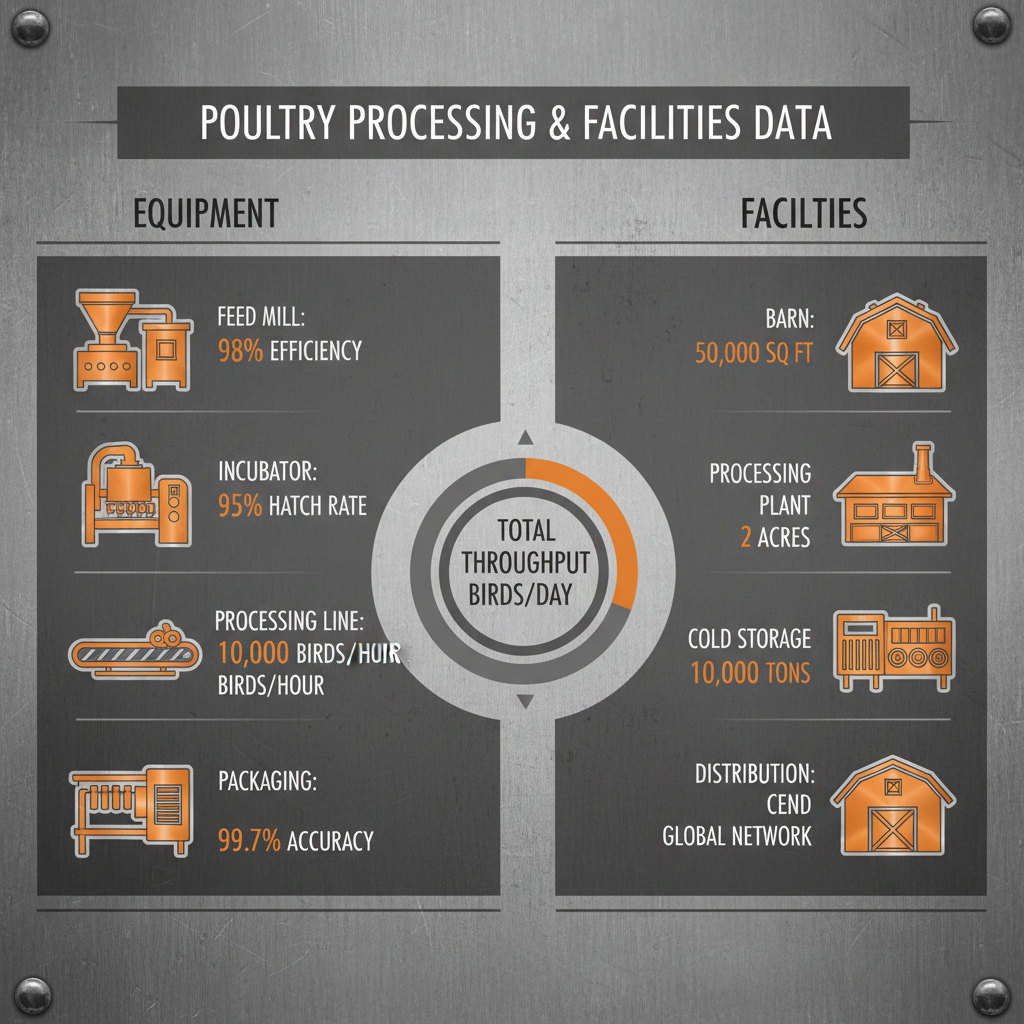
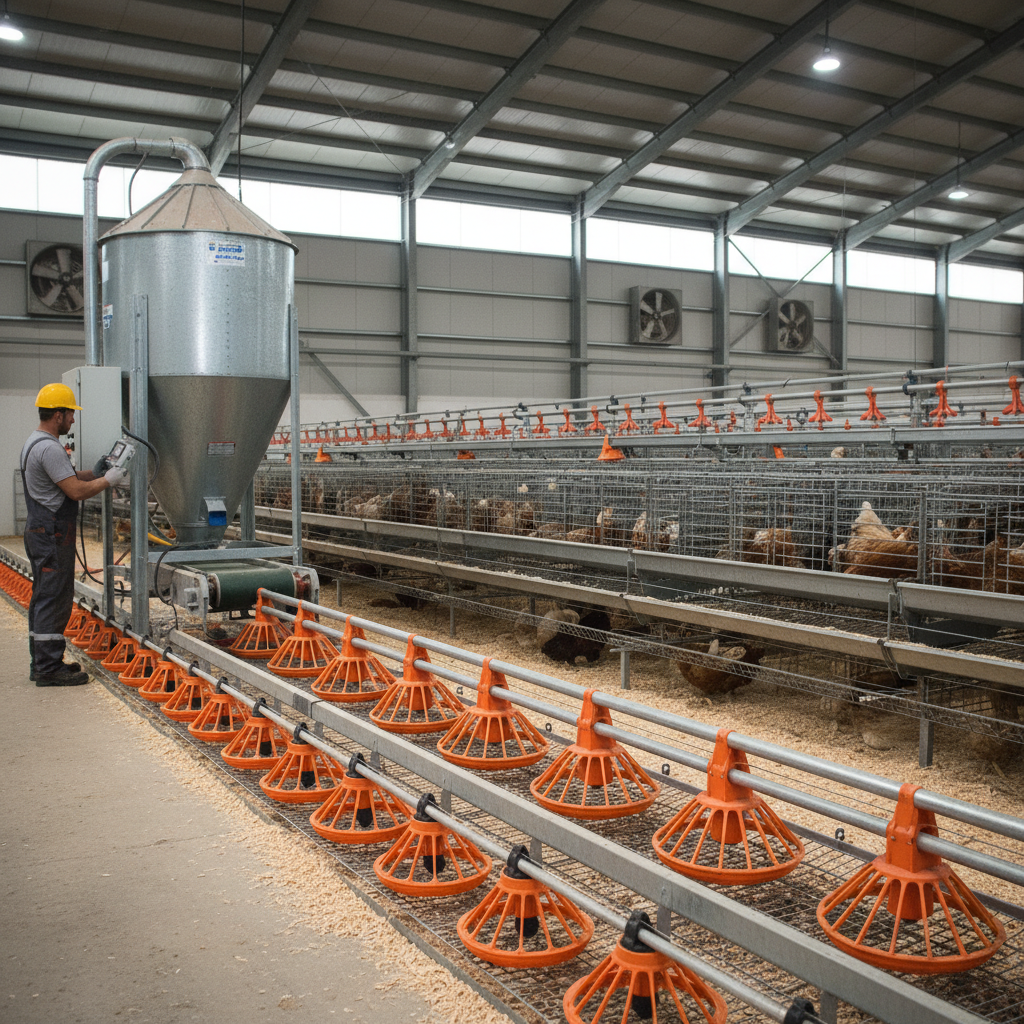
Equipment and facilities in poultry encompass the entire physical infrastructure and tools used in raising poultry, from chicks to market-ready birds. Facilities include the housing structures themselves – whether open-sided houses, fully enclosed barns, or free-range areas – along with associated systems for ventilation, heating, cooling, lighting, and waste removal. The design and construction of these facilities are critical for providing a safe, comfortable, and productive environment for the birds.
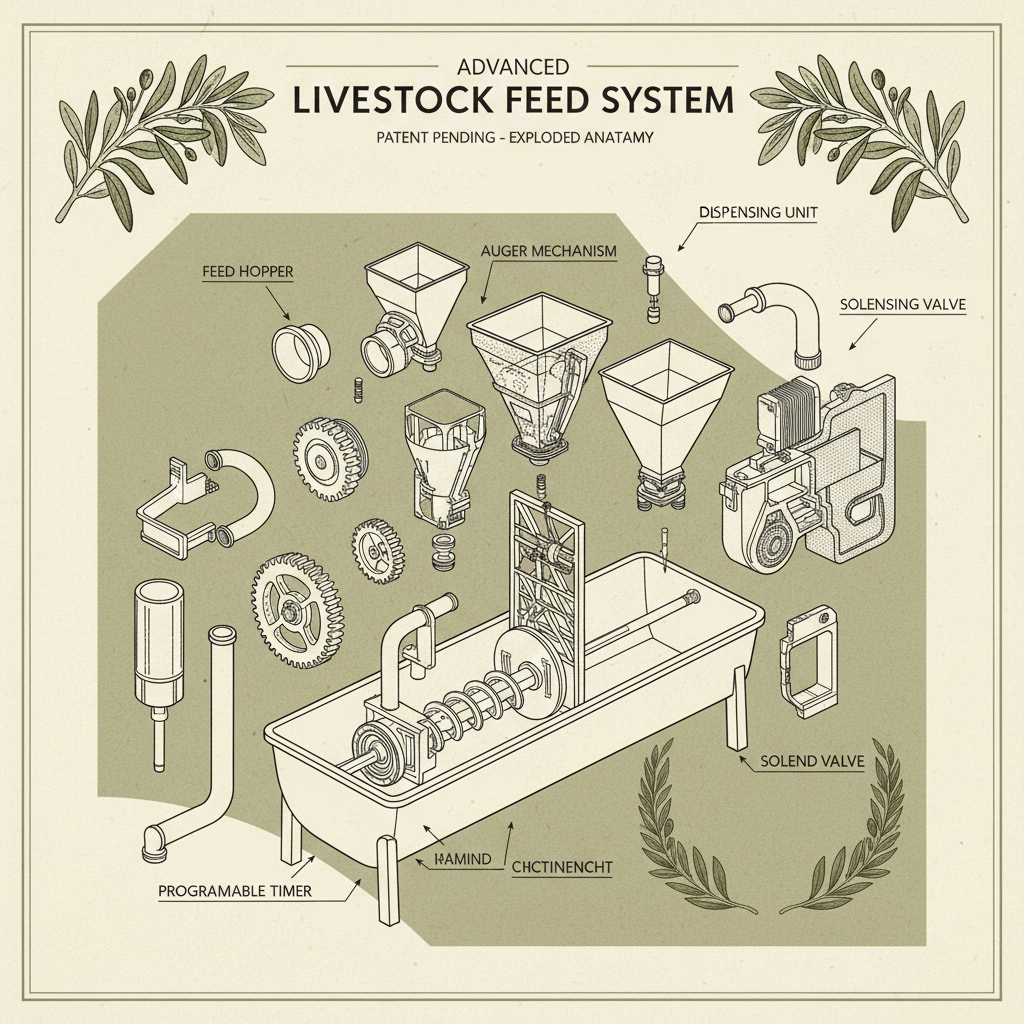
Equipment, on the other hand, refers to the specific tools and machinery used in daily operations. This includes feeding systems (automatic feeders, troughs), watering systems (nipple drinkers, bell drinkers), environmental control systems (fans, heaters, thermostats), and waste management systems (manure spreaders, composters). Specialized equipment also includes incubators, hatchers, and processing machinery used in breeding and production operations.
This integration of equipment and facilities directly addresses modern needs for large-scale food production and food safety. It's a cornerstone of the agricultural industry, enabling efficient and reliable supply chains to meet global food demands while adhering to stringent quality and safety regulations. equipment and facilities in poultry are integral to both commercial and small-scale operations.
Key Factors in Poultry Facility Design
Several key factors contribute to effective poultry facility design. Biosecurity is paramount, encompassing features like controlled access, dedicated boot dips, and proper ventilation to minimize the risk of disease transmission. Environmental control, including temperature, humidity, and airflow, is crucial for bird health and performance. Facility layout should optimize workflow, minimize labor requirements, and facilitate efficient cleaning and sanitation.
Another essential factor is bird welfare. Modern poultry facilities increasingly incorporate features that promote natural behaviors, such as providing access to enrichment items, ample space, and appropriate lighting. Waste management also plays a critical role, with systems designed to minimize environmental impact and prevent odor issues. Finally, durability and ease of maintenance are crucial for long-term cost-effectiveness.
Effective design also considers the specific type of poultry being raised. Broilers, layers, and turkeys each have unique needs regarding space, ventilation, and equipment. Understanding these specific requirements is essential for creating a facility that maximizes productivity and minimizes stress on the birds.
Scalability and Cost Efficiency
Scalability is a critical consideration when designing poultry facilities. The ability to expand operations efficiently to meet increasing demand is essential for long-term success. This requires careful planning of the initial facility layout, including provisions for future additions or modifications. Modular designs and standardized components can greatly simplify expansion processes and reduce costs.
Cost efficiency is equally important. Initial investment costs, ongoing operational expenses (energy, labor, feed), and maintenance costs must all be carefully evaluated. Selecting durable, energy-efficient equipment and utilizing cost-effective construction materials can significantly reduce overall expenses.
Cost Comparison of Different Poultry Housing Methods
Global Applications of Poultry Facilities
The specific designs of poultry facilities vary significantly depending on the region, climate, and production system. In temperate climates, fully enclosed barns with controlled environments are common, while in warmer regions, open-sided houses that maximize natural ventilation are often preferred. In regions with high disease pressure, biosecurity measures are particularly stringent.
In developing countries, the focus is often on providing affordable and accessible facilities that can improve productivity and animal welfare. This may involve utilizing locally sourced materials and employing simple, low-cost technologies. In post-disaster relief operations, rapid deployment poultry housing can provide a vital source of protein and income for affected communities.
Advantages of Modern Poultry Infrastructure
Modern poultry infrastructure offers numerous advantages. Improved biosecurity reduces the risk of disease outbreaks, minimizing losses and ensuring food safety. Enhanced environmental control optimizes bird comfort and performance, leading to higher yields and improved feed conversion ratios. Automated systems reduce labor costs and improve operational efficiency.
Furthermore, modern facilities are designed to minimize environmental impact, with features like efficient waste management systems and reduced energy consumption. This contributes to sustainable poultry production practices and reduces the carbon footprint of the industry. The use of smart technologies and data analytics allows for precise monitoring and management of flocks, leading to better decision-making and optimized resource utilization.
Ultimately, investing in modern equipment and facilities in poultry translates to increased profitability, improved animal welfare, and a more sustainable and resilient food system.
Future Trends in Poultry Equipment and Facilities
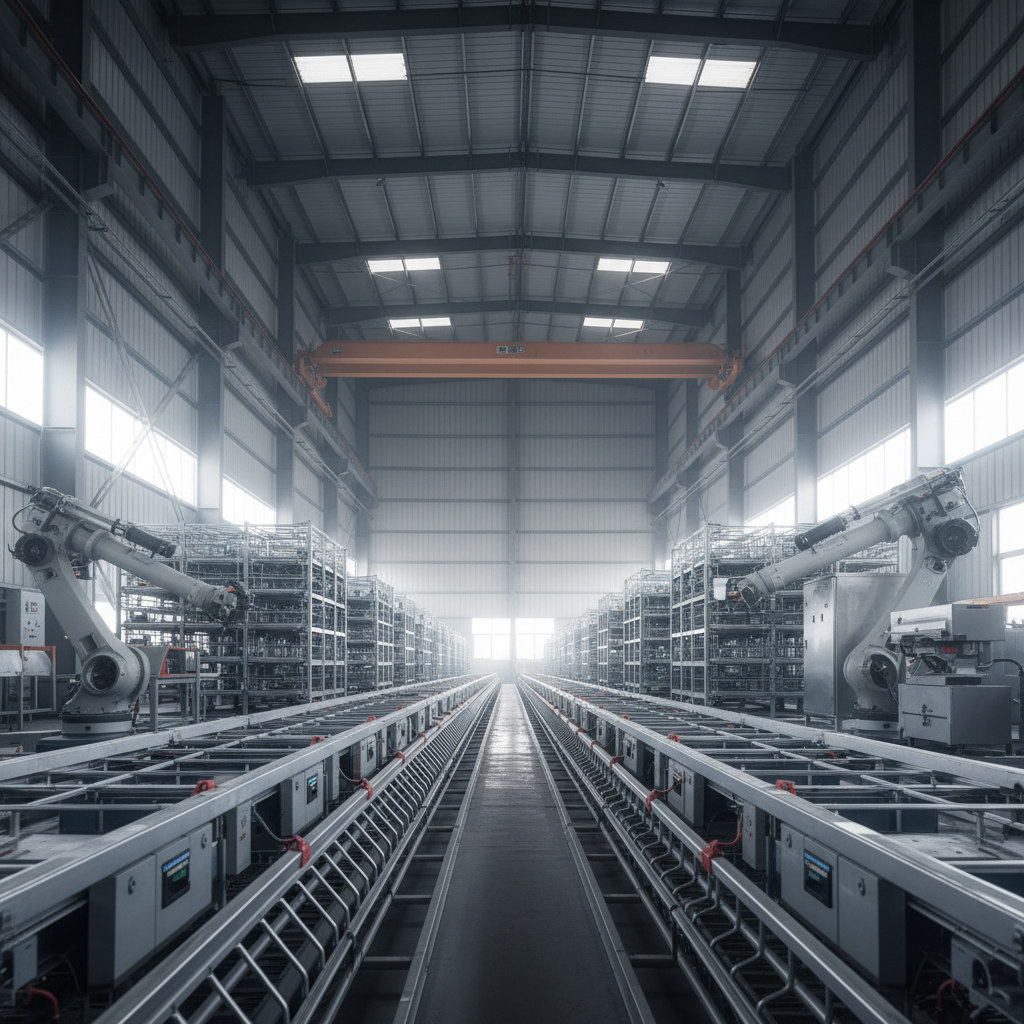
The future of poultry equipment and facilities is likely to be shaped by several key trends. Precision livestock farming, utilizing sensors, data analytics, and automated systems, will become increasingly prevalent, enabling farmers to monitor and manage flocks with unprecedented accuracy. Automation will continue to advance, with robots performing tasks such as egg collection, cleaning, and feeding.
Sustainability will be a major driver, with a focus on reducing energy consumption, minimizing waste, and utilizing renewable energy sources. Innovative housing designs that prioritize animal welfare and promote natural behaviors will also gain traction. Finally, digital technologies, such as blockchain, will play a growing role in enhancing traceability and transparency in the poultry supply chain.
The integration of these technologies promises to revolutionize the poultry industry, creating a more efficient, sustainable, and resilient system capable of meeting the challenges of a growing global population.
Analysis of Key Components in Modern Poultry Facilities
| Component Type |
Impact on Efficiency |
Maintenance Level (1-10) |
Initial Investment Cost |
| Automated Feeding System |
Increases feed distribution speed and accuracy, reduces waste. |
6 |
$8,000 - $20,000 |
| Ventilation System |
Maintains optimal air quality, temperature, and humidity. |
7 |
$5,000 - $15,000 |
| Waste Management System |
Reduces odor, minimizes environmental impact, creates potential for fertilizer. |
5 |
$3,000 - $10,000 |
| Lighting System |
Controls bird behavior, stimulates growth, impacts egg production. |
4 |
$1,000 - $5,000 |
| Biosecurity Measures (footbaths, air filters) |
Prevents disease outbreaks, improves flock health, reduces mortality. |
3 |
$500 - $2,000 |
| Temperature Control Systems |
Maintains optimal temperature for bird health and growth. |
6 |
$4,000 - $12,000 |
FAQS
Automated feeding systems offer significant benefits, including reduced labor costs, improved feed accuracy (leading to better feed conversion ratios), minimized feed waste, and consistent feeding schedules. This results in optimized bird growth and improved overall farm efficiency. These systems are also invaluable for monitoring feed consumption patterns, aiding in early detection of potential health issues within the flock. Investing in automation contributes to a more sustainable and profitable poultry operation.
Biosecurity is paramount in poultry facility design. It’s the first line of defense against devastating disease outbreaks. Crucial elements include controlled access to the facility, designated boot dips and hand sanitizing stations, dedicated clothing and equipment for each zone, effective ventilation systems to minimize airborne pathogen spread, and thorough cleaning and disinfection protocols. Implementing robust biosecurity measures is essential for protecting flock health, preventing economic losses, and ensuring food safety.
The lifespan of poultry housing materials varies significantly. Steel structures typically have a lifespan of 50+ years with proper maintenance, while wood structures may last 20-30 years. Plastic and composite materials offer moderate lifespans of 25-40 years. Maintenance requirements include regular inspections for corrosion, rot, or damage; painting or sealing to protect against the elements; and repairs to any structural components. Proactive maintenance is crucial for maximizing the lifespan of any poultry housing material.
Poultry farms can significantly reduce their environmental impact through various strategies. These include implementing efficient waste management systems (composting, anaerobic digestion), utilizing energy-efficient lighting and ventilation systems, installing solar panels to reduce reliance on fossil fuels, and optimizing water usage through recycling and conservation practices. Properly designed facilities can also minimize odor emissions and runoff, protecting surrounding ecosystems.
Cost considerations for ventilation systems involve initial installation costs, ongoing energy consumption, and maintenance expenses. Natural ventilation is the least expensive upfront but may be less effective in extreme weather. Mechanical ventilation (fans) has higher initial costs but offers greater control and efficiency. Tunnel ventilation is effective for cooling but requires significant energy. Choosing the right system depends on the climate, flock size, and budget, requiring a thorough cost-benefit analysis.
Facility layout is critical for optimizing workflow and efficiency. A well-designed layout minimizes walking distances for workers, facilitates easy access for equipment, and allows for a smooth flow of birds and products. Strategic placement of feeders, drinkers, and waste management systems streamlines daily tasks. Effective layout also improves biosecurity by creating distinct zones and controlling traffic patterns. A poorly designed layout can lead to increased labor costs, reduced productivity, and higher stress levels for both birds and workers.
Conclusion
In conclusion, effective equipment and facilities in poultry are fundamental to the success of modern poultry farming. From optimizing production efficiency and ensuring bird welfare to minimizing environmental impact and enhancing food safety, the right infrastructure and technologies are essential for meeting the growing global demand for poultry products. Investing in modern, well-designed facilities is not merely an expense, but a strategic investment in the future of the industry.
Looking ahead, continued innovation in areas like precision livestock farming, automation, and sustainable design will be crucial. By embracing these advancements and prioritizing animal welfare, the poultry industry can create a more resilient, efficient, and responsible food system. Visit our website at www.cxlivestock.com to learn more about our comprehensive range of poultry equipment and facility solutions.