Poultry supplies and equipment are fundamental to the global food chain, providing essential tools and infrastructure for raising chickens, turkeys, ducks, and other fowl. This sector impacts not just food security but also economic development, particularly in rural communities. From basic feeders and drinkers to sophisticated climate control systems and automated processing lines, the breadth of poultry supplies and equipment is constantly evolving to meet the demands of a growing population and increasing efficiency standards. Understanding this landscape is crucial for producers, suppliers, and policymakers alike.
The global poultry industry is experiencing substantial growth, driven by rising incomes and shifting dietary preferences. According to the UN’s Food and Agriculture Organization (FAO), poultry meat is the fastest-growing source of animal protein worldwide. This expansion necessitates significant investment in modern poultry supplies and equipment to maintain productivity, biosecurity, and animal welfare. Meeting this demand requires innovation in areas like housing, feeding, health management, and processing.
Challenges within the industry, such as disease outbreaks and the need for sustainable practices, further emphasize the importance of reliable and advanced poultry supplies and equipment. Selecting the right equipment isn’t just about cost; it’s about long-term profitability, responsible production, and the ability to adapt to a changing market. Access to quality poultry supplies and equipment, like those found at poultry supplies and equipment, is a cornerstone of successful poultry farming.
Introduction to Poultry Supplies and Equipment
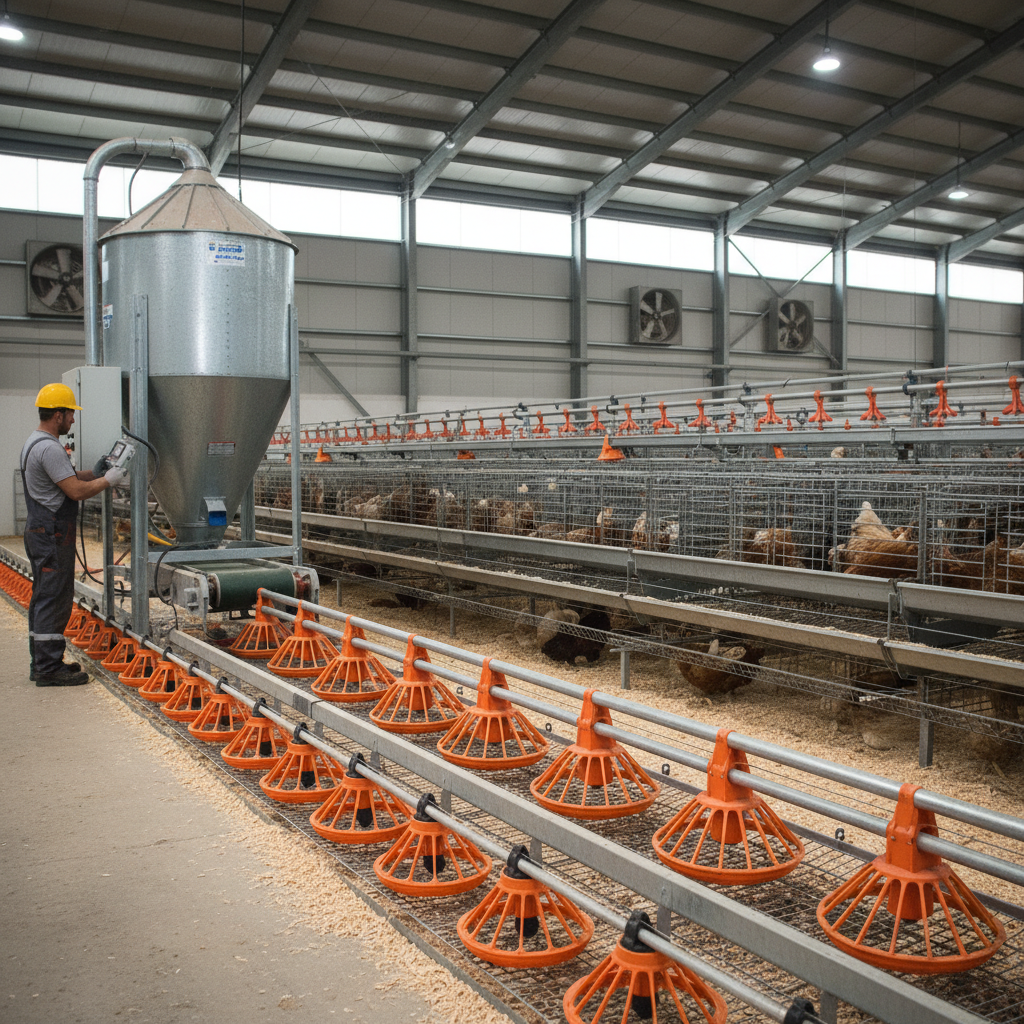
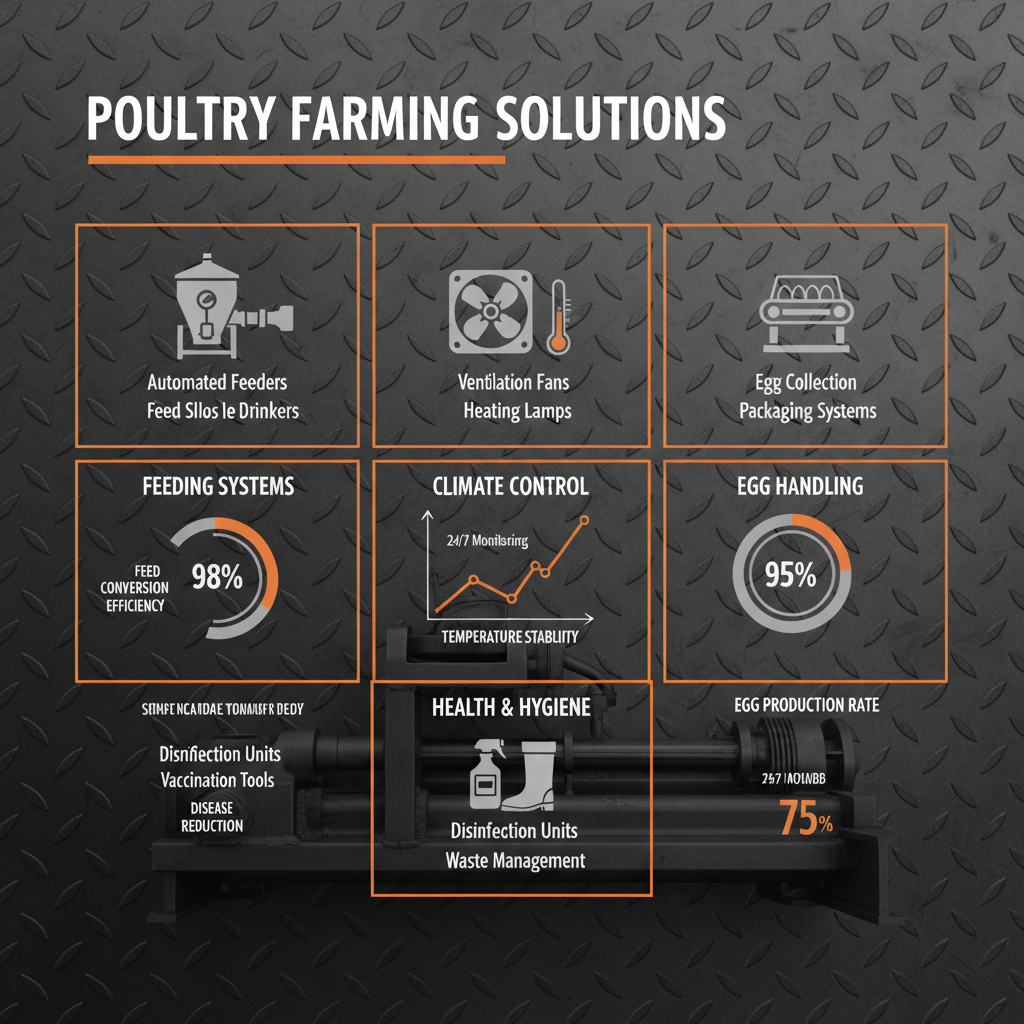
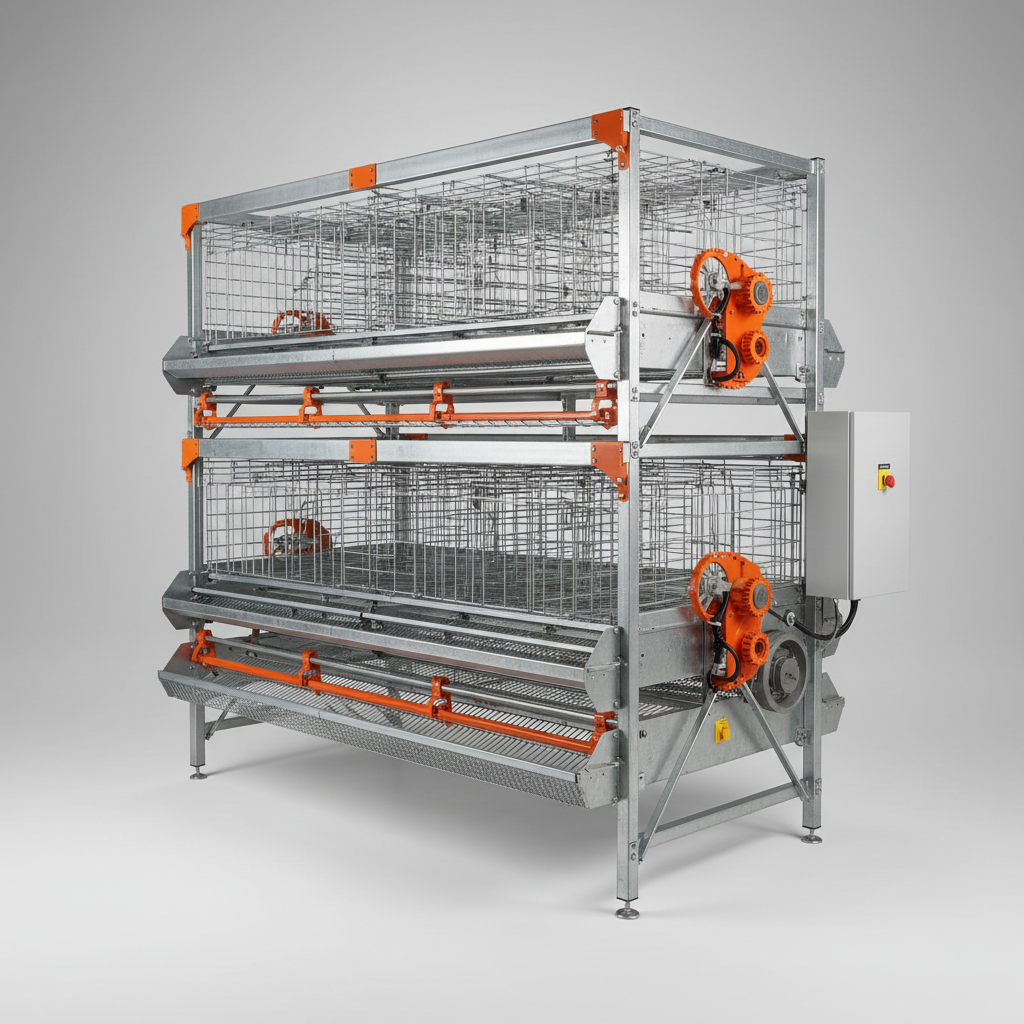
The term ‘poultry supplies and equipment’ encompasses a vast array of products designed to support every stage of poultry production, from chick rearing to processing. This includes housing systems, feeding and watering equipment, ventilation and climate control, lighting, health and biosecurity products, and processing machinery. These components are essential for efficient, humane, and profitable poultry farming operations.
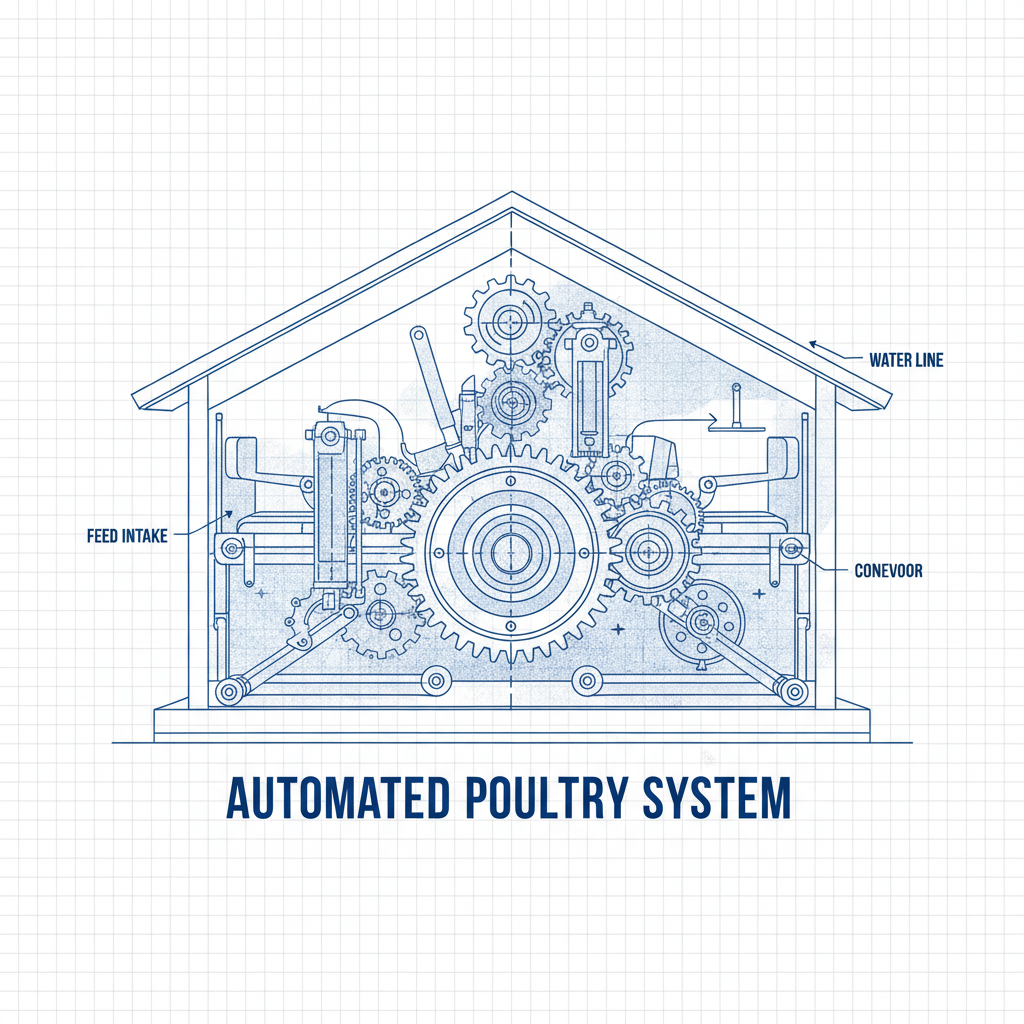
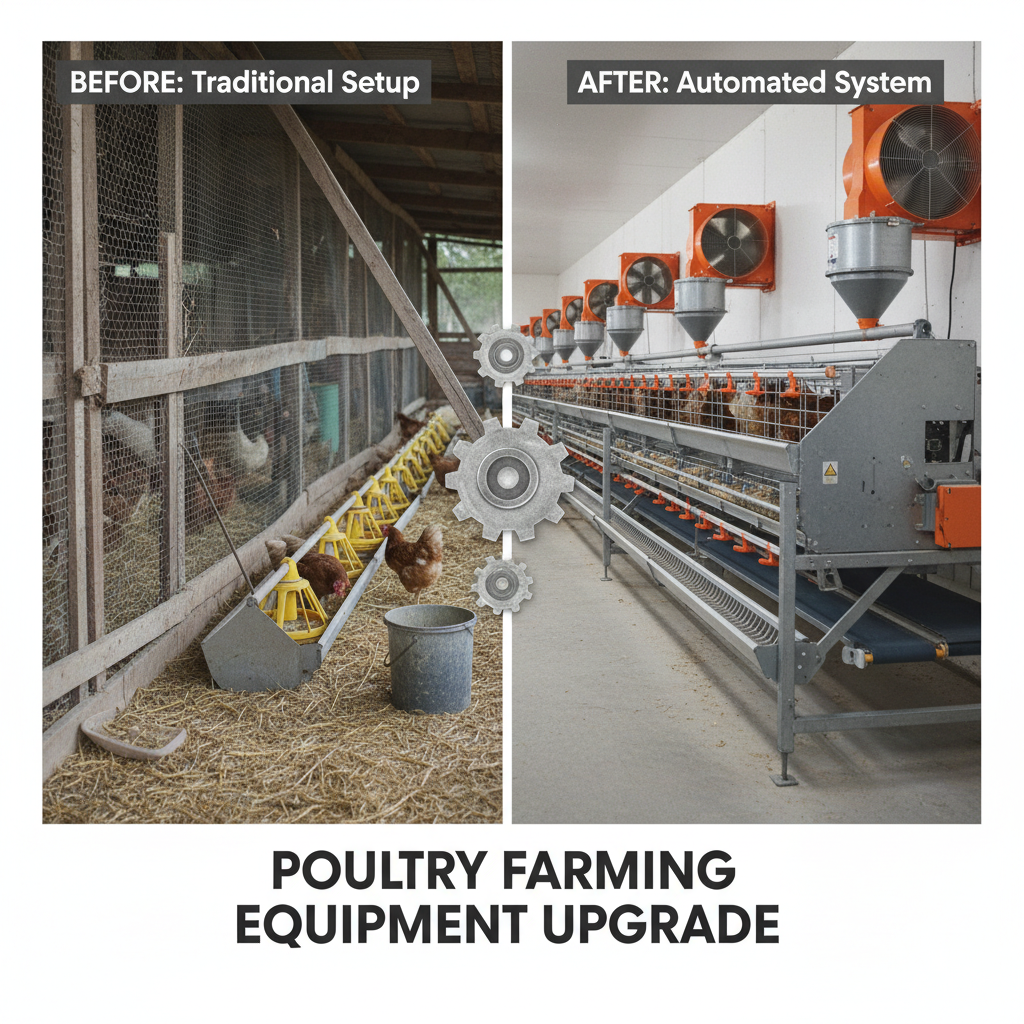
Modern poultry farming relies heavily on technological advancements in these supplies and equipment. Innovations in areas like automated feeding systems and precise environmental controls have dramatically increased production efficiency while also improving animal welfare. Investing in quality poultry supplies and equipment is, therefore, a critical factor in ensuring both the sustainability and profitability of the poultry industry. Suppliers such as poultry supplies and equipment are vital to the entire process.
Defining Poultry Supplies and Equipment
Poultry supplies and equipment can be broadly defined as all the tangible assets used in the rearing, management, and processing of poultry. This goes beyond simply ‘things you buy for chickens’ - it includes the infrastructure that supports the entire production cycle. Supplies are often consumable items, like feed, bedding, and medications, while equipment refers to more durable, reusable tools and systems.
The connection to modern industry is significant; the poultry sector is a major contributor to agricultural economies worldwide. Efficient and reliable poultry supplies and equipment enable producers to meet the growing demand for poultry meat and eggs. Furthermore, advancements in biosecurity equipment are crucial for preventing disease outbreaks and protecting both animal health and public health.
In humanitarian contexts, access to basic poultry supplies and equipment can empower communities to establish small-scale poultry farming operations, providing a sustainable source of protein and income. Even simple improvements in housing or feeding can significantly increase productivity and improve the livelihoods of vulnerable populations.
Key Factors in Poultry Equipment Selection
Durability is paramount when selecting poultry supplies and equipment. Poultry houses and equipment are subject to harsh conditions – moisture, temperature fluctuations, and the corrosive effects of animal waste. Investing in robust, corrosion-resistant materials minimizes the need for frequent repairs and replacements, reducing long-term costs.
Scalability is another crucial consideration. A poultry operation may start small but with the intention of expanding. Choosing equipment that can be easily scaled up or adapted to accommodate a larger flock ensures that the initial investment remains valuable as the business grows. Modular systems are particularly advantageous in this regard.
Cost efficiency isn’t just about the initial purchase price. It encompasses factors like energy consumption, maintenance requirements, and labor savings. While higher-quality equipment may have a higher upfront cost, it often proves more cost-effective over its lifespan due to reduced operating expenses and increased productivity.
Global Applications of Poultry Equipment
Poultry supplies and equipment are utilized across a broad spectrum of agricultural settings globally. In developed nations, large-scale, highly automated poultry farms rely on advanced feeding systems, climate control technology, and processing machinery to maximize efficiency. These operations often integrate smart technologies for data analysis and precise management.
In developing countries, the applications are often different. Smallholder farmers may utilize simpler, more affordable equipment such as manual feeders and drinkers, and basic housing structures. However, even these basic supplies can significantly improve productivity and animal welfare. Organizations like Heifer International frequently provide poultry supplies and equipment to empower communities.
In post-disaster relief operations, poultry supplies and equipment can provide a rapid source of protein and income for affected populations. Easy-to-assemble poultry houses and readily available feed can enable communities to quickly re-establish food production systems. In remote industrial zones, specialized environmental control systems are critical for maintaining optimal conditions for poultry in challenging climates.
Poultry Equipment Efficiency Ratings
Advantages and Long-Term Value
Investing in quality poultry supplies and equipment translates to significant cost savings over time. Reduced maintenance, lower energy consumption, and increased production efficiency all contribute to improved profitability. Furthermore, the use of durable and well-designed equipment minimizes the risk of costly breakdowns and downtime.
Sustainability is increasingly important. Modern poultry equipment often incorporates features that reduce environmental impact, such as energy-efficient lighting, water conservation systems, and waste management technologies. This aligns with consumer demand for ethically and sustainably produced poultry products.
Future Trends in Poultry Supplies
The future of poultry supplies and equipment is heavily influenced by digital transformation and automation. Smart poultry houses equipped with sensors, data analytics, and automated control systems are becoming increasingly common. These technologies enable producers to monitor bird health, optimize feeding, and adjust environmental conditions in real-time.
Green energy solutions are also gaining traction. Solar-powered ventilation systems and energy-efficient lighting are helping to reduce the carbon footprint of poultry farming. The development of biodegradable and compostable poultry supplies is another promising trend, contributing to a more circular economy.
Challenges and Innovative Solutions
One significant challenge is the high initial cost of some advanced poultry equipment. This can be a barrier for smallholder farmers and developing countries. Innovative financing models, such as leasing and cooperative purchasing programs, can help to overcome this obstacle.
Biosecurity remains a constant concern. Developing more effective and affordable disinfection systems and implementing robust biosecurity protocols are essential for preventing disease outbreaks. Technological solutions, like automated cleaning systems and air filtration, offer promising avenues for improvement.
Another challenge is adapting equipment to different climates and production systems. Flexible and adaptable equipment designs are needed to cater to the diverse needs of poultry producers worldwide. Suppliers like poultry supplies and equipment are responding to this demand with a range of customizable solutions.
Summary of Challenges and Innovative Solutions in Poultry Equipment
| Challenge |
Impact on Production |
Innovative Solution |
Implementation Cost (1-10) |
| High Initial Equipment Cost |
Limits access for small farms |
Leasing programs, cooperative purchasing |
4 |
| Disease Outbreak Risk |
Significant production losses |
Automated disinfection systems |
6 |
| Climate Adaptability |
Reduced efficiency in extreme climates |
Modular and adaptable equipment designs |
5 |
| Energy Consumption |
High operating costs |
Solar-powered systems, efficient lighting |
7 |
| Waste Management |
Environmental pollution |
Composting systems, biogas production |
5 |
| Data Analysis Integration |
Suboptimal resource allocation |
Smart sensors and analytics platforms |
8 |
FAQS
Automated feeding systems significantly improve efficiency by delivering precise amounts of feed at scheduled intervals. This reduces labor costs, minimizes feed waste, and promotes consistent growth rates among birds. They also allow for better control over feed distribution, ensuring each bird receives the proper nutrition. Investing in automated systems can result in substantial long-term savings and improved productivity, especially in large-scale operations.
Ventilation is critically important for maintaining a healthy environment within a poultry house. Proper ventilation removes harmful gases like ammonia and carbon dioxide, regulates temperature, and controls humidity. Inadequate ventilation can lead to respiratory problems, reduced growth rates, and increased mortality. Effective ventilation systems ensure optimal air quality, promoting bird health and maximizing production efficiency.
Durable and easy-to-clean materials are essential for poultry house construction. Common choices include concrete, steel, and insulated panels. Concrete provides a solid foundation and is easy to disinfect. Steel offers structural strength and resistance to pests. Insulated panels help to maintain a stable temperature and reduce energy consumption. Selecting materials that are resistant to corrosion and moisture is crucial for long-term durability.
Enhancing biosecurity requires a multi-faceted approach. This includes strict access control, thorough disinfection protocols, proper waste management, and regular health monitoring of the flock. Implementing foot baths, restricting visitor access, and controlling rodent and insect populations are also important measures. Investing in biosecurity equipment, such as automated disinfection systems, can further reduce the risk of disease outbreaks.
Lighting plays a crucial role in regulating poultry behavior and productivity. Different lighting programs are used to stimulate egg production, promote growth, and control flock activity. Proper lighting intensity and duration can influence feed intake, weight gain, and overall bird welfare. LED lighting is increasingly popular due to its energy efficiency and ability to provide consistent light quality.
Yes, several sustainable alternatives are emerging. These include the use of recycled materials in equipment construction, solar-powered ventilation systems, and water-efficient drinkers. Composting systems for manure management and biodegradable bedding materials are also gaining traction. Choosing sustainable options reduces environmental impact and promotes responsible poultry farming practices.
Conclusion
In conclusion, poultry supplies and equipment represent a vital component of the global food system. From ensuring efficient production and minimizing waste to enhancing animal welfare and promoting sustainability, the right equipment plays a critical role in successful poultry farming. Understanding the key factors in equipment selection, staying abreast of emerging trends, and proactively addressing challenges are essential for producers and stakeholders alike.
Looking ahead, continued innovation in areas like automation, data analytics, and green technologies will further transform the poultry industry. By embracing these advancements and prioritizing sustainable practices, we can ensure a secure and responsible food supply for future generations. Explore our comprehensive range of poultry supplies and equipment today at www.cxlivestock.com.