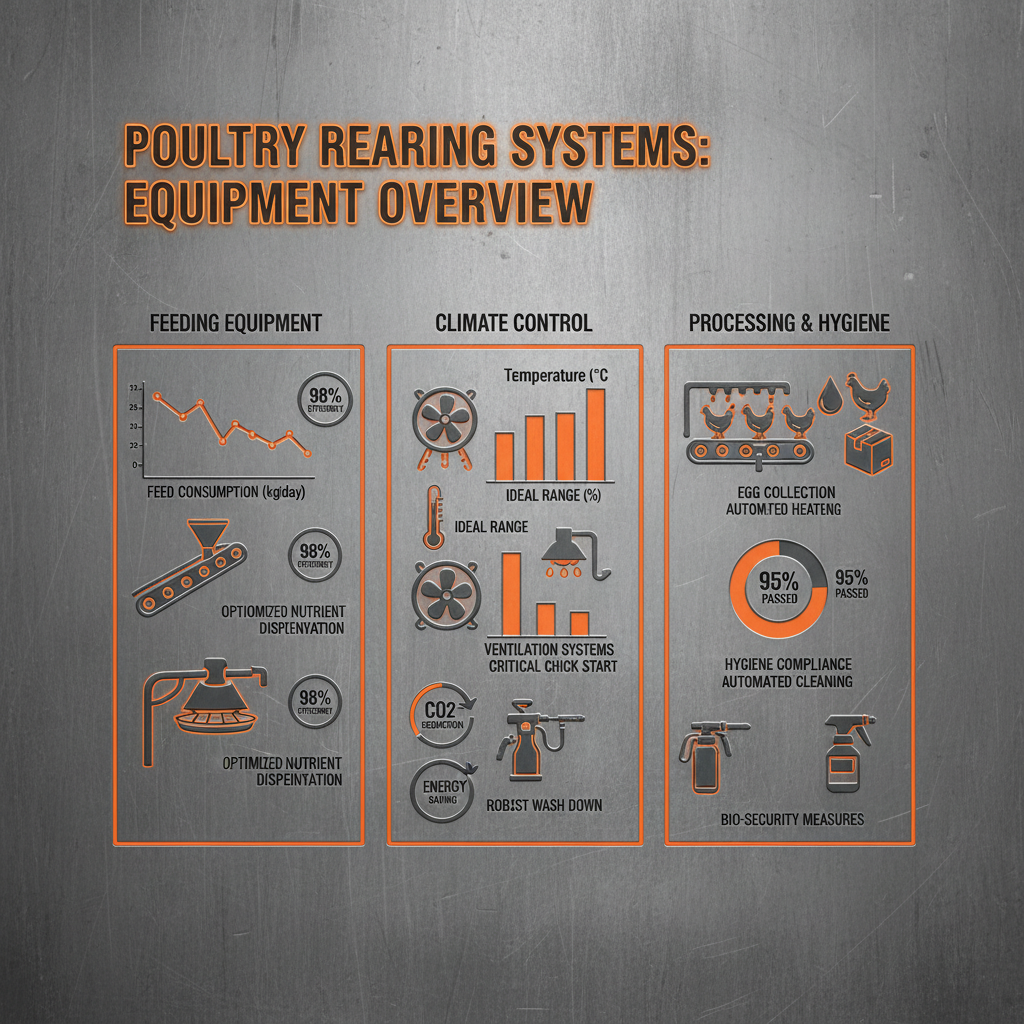
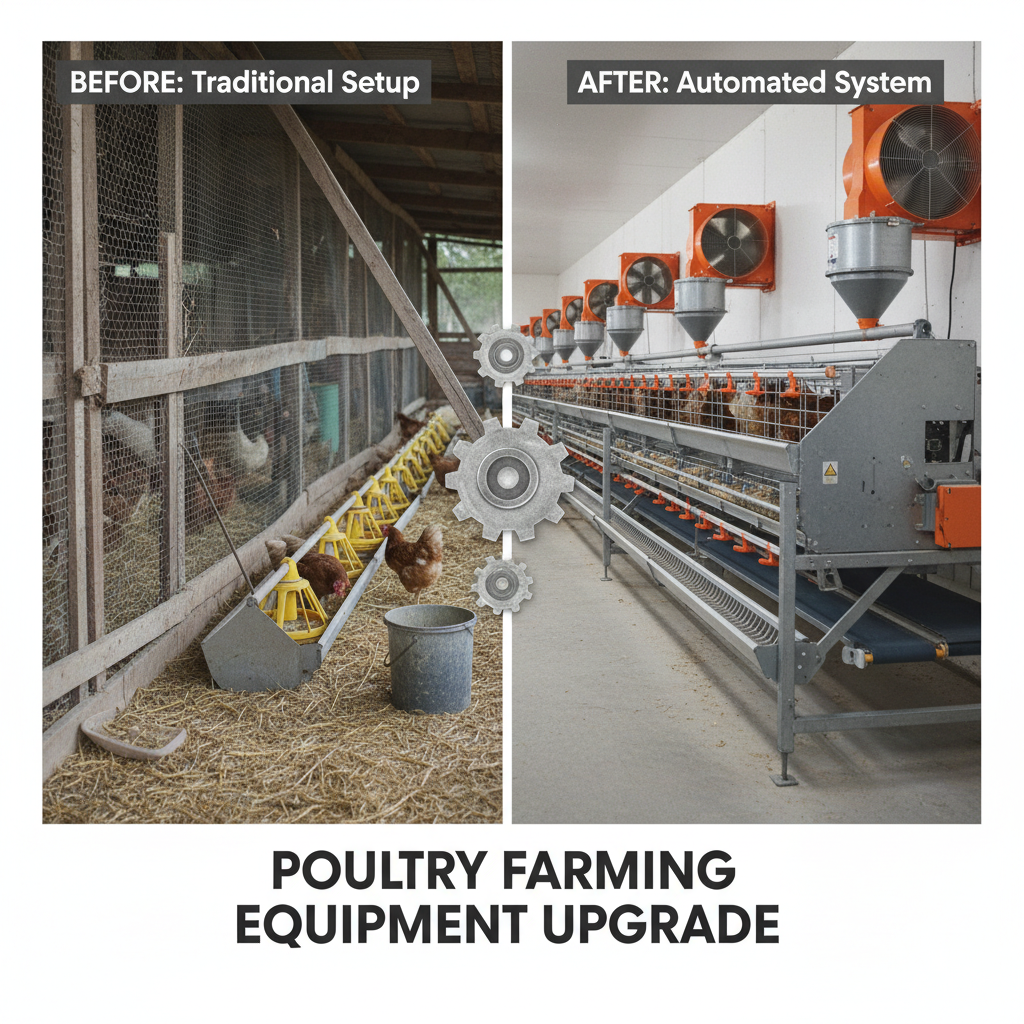
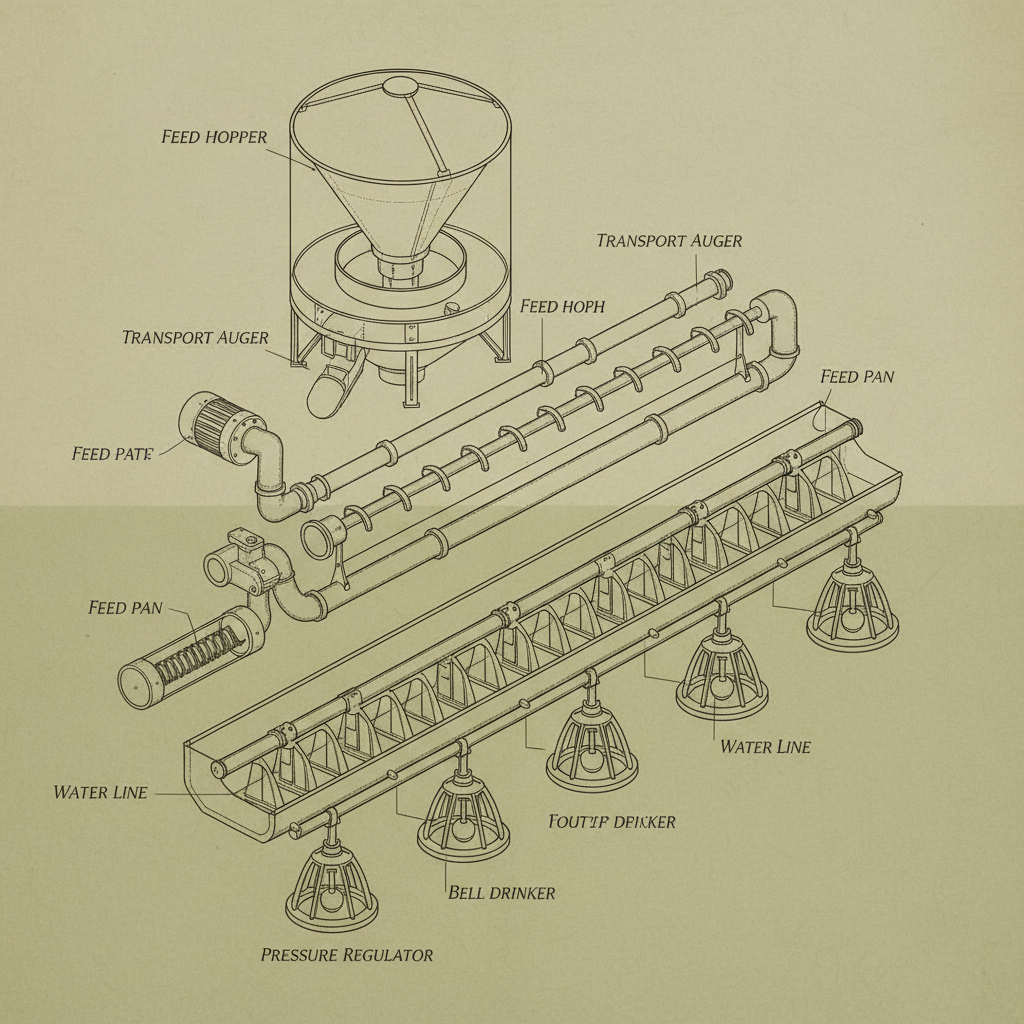
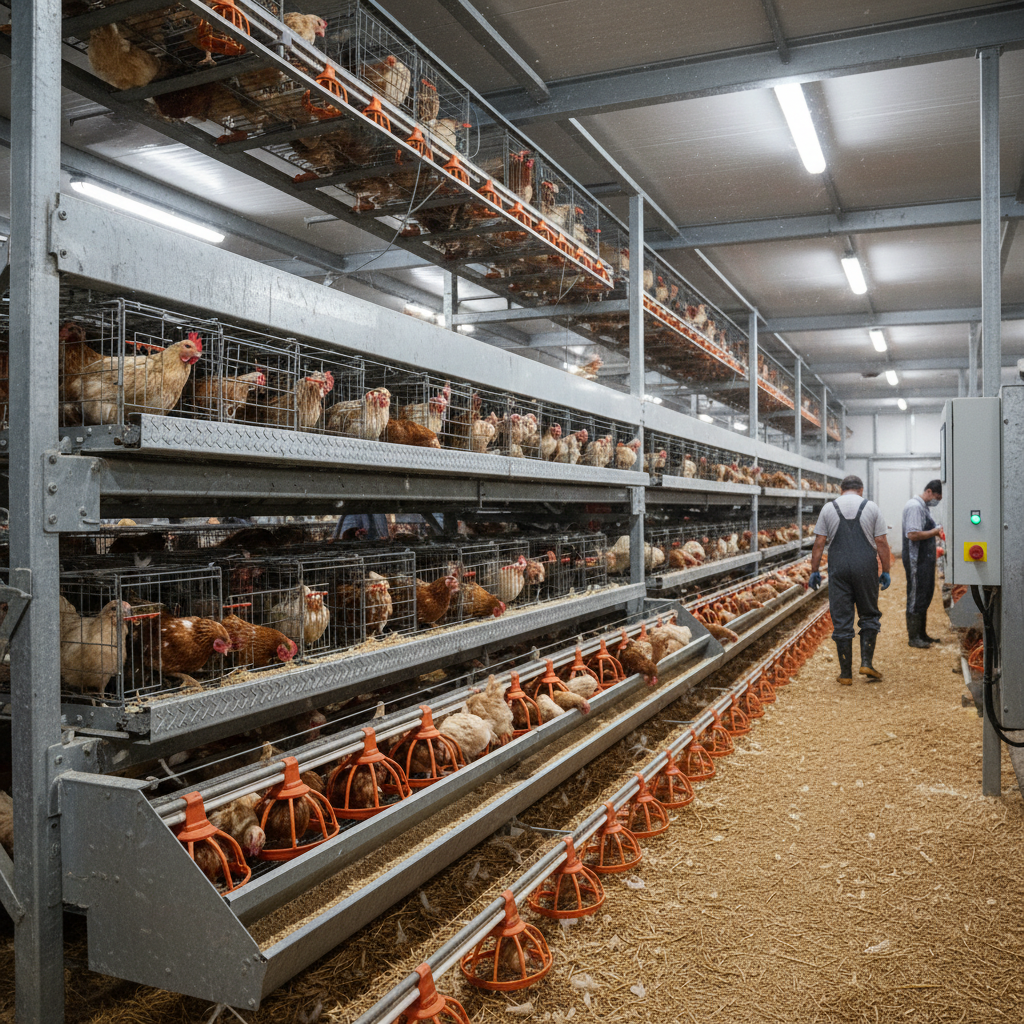
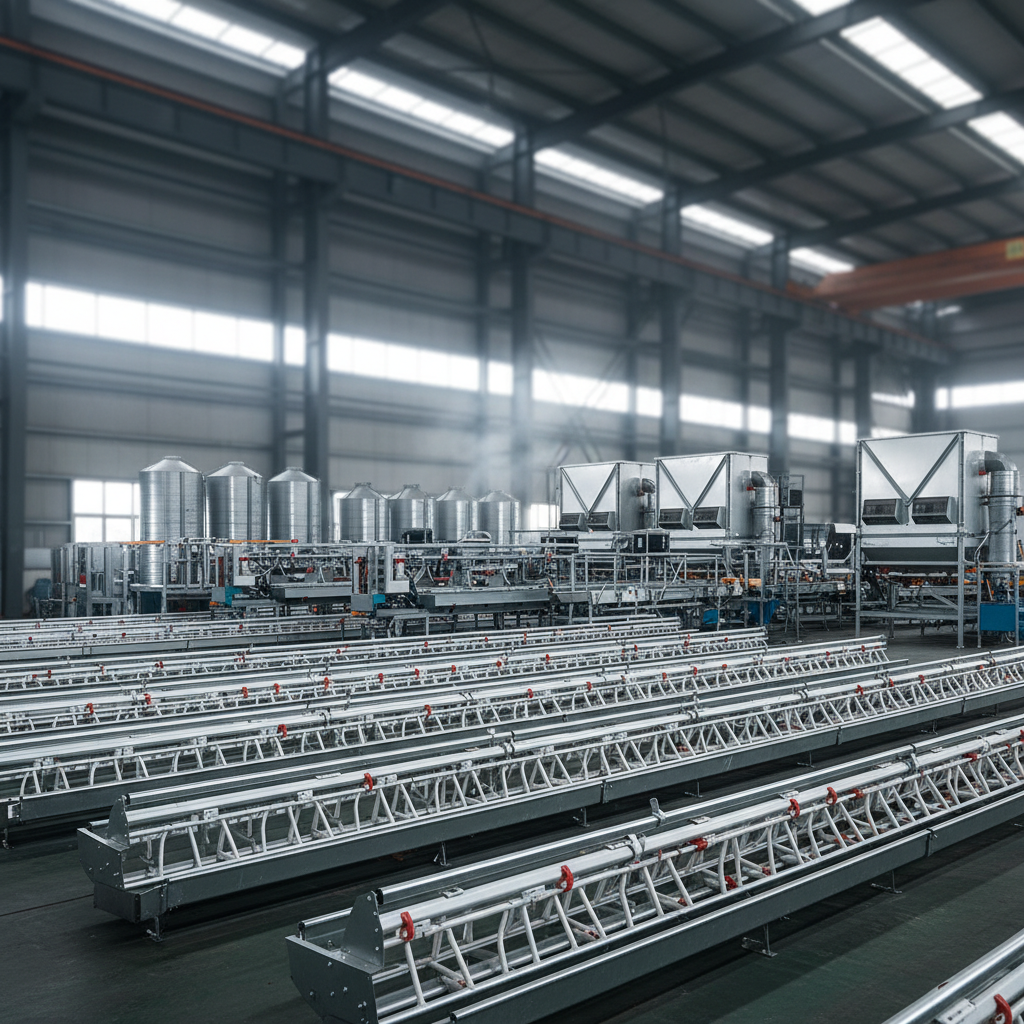
Poultry rearing equipment represents a critical component of the global food supply chain, enabling the efficient and sustainable production of chicken, turkey, and other fowl. As global populations continue to grow, the demand for affordable protein sources like poultry is steadily increasing. Modern poultry rearing equipment addresses this demand by optimizing production processes, enhancing animal welfare, and reducing operational costs. This equipment isn’t merely about efficiency; it’s about ensuring food security for a rapidly changing world.
The advancements in poultry rearing equipment are directly linked to improvements in agricultural technology and a growing understanding of avian biology. From automated feeding and watering systems to climate-controlled housing and advanced biosecurity measures, these tools are vital for maximizing output while minimizing disease risk. Investing in quality poultry rearing systems is not just a business decision but a commitment to responsible and sustainable farming practices.
Furthermore, access to appropriate poultry rearing equipment plays a significant role in supporting rural economies and empowering small-scale farmers. By providing the tools needed to improve production and market access, these technologies contribute to poverty reduction and overall economic development, especially in regions where poultry farming is a key livelihood.
Introduction to Poultry Rearing Equipment
Modern poultry rearing depends heavily on specialized equipment designed to optimize every stage of the bird's life cycle. This encompasses everything from incubation and brooding to grow-out and processing. Effective equipment selection is crucial for maximizing production yields, maintaining bird health, and ensuring product quality. Investing in the right equipment significantly impacts overall profitability.
The field is continuously evolving, driven by a need for increased efficiency, improved biosecurity, and enhanced sustainability. Innovative solutions, such as automated climate control systems and precision feeding technologies, are helping farmers to meet the growing demands of the poultry industry while minimizing their environmental footprint.
Defining Poultry Rearing Equipment
Poultry rearing equipment broadly refers to all the tools, systems, and structures used in the raising of domestic fowl for meat, eggs, or feathers. This includes, but is not limited to, housing systems (cages, floor pens, free-range facilities), feeding and watering systems, ventilation and climate control equipment, lighting systems, waste management systems, and biosecurity measures.
The connection to modern industry is profound. The scale of modern poultry production would be impossible without the automation and precision enabled by specialized equipment. These systems facilitate large-scale production, ensuring consistent product quality and minimizing labor costs.
Furthermore, in humanitarian contexts, readily deployable poultry rearing equipment can provide a sustainable source of protein and income for communities recovering from disaster or facing food insecurity. The relative ease and speed with which poultry can be raised makes it a valuable asset in emergency situations.
Key Factors in Poultry Rearing Equipment
Durability is paramount. Poultry rearing equipment must withstand the harsh conditions of a farm environment, including exposure to moisture, corrosive substances (like disinfectants), and frequent cleaning cycles. High-quality materials and robust construction are essential for ensuring a long service life and minimizing maintenance costs.
Scalability is another crucial factor, particularly for growing operations. Equipment should be adaptable to different flock sizes and production volumes. Modular systems that can be easily expanded or reconfigured offer significant flexibility and allow farmers to adjust to changing market demands.
Cost Efficiency encompasses both the initial purchase price and the ongoing operating costs. While investing in higher-quality equipment may require a larger upfront investment, it often results in lower maintenance expenses, reduced energy consumption, and increased production efficiency over the long term.
Biosecurity features are vital for preventing disease outbreaks. Equipment should be designed for easy cleaning and disinfection, minimizing the risk of pathogen transmission. Effective ventilation systems and controlled access points further enhance biosecurity measures.
Global Applications and Use Cases
Poultry rearing equipment is utilized globally, with varying levels of sophistication depending on the region and the scale of production. In developed countries, highly automated systems are common, focusing on maximizing efficiency and minimizing labor costs. In developing countries, simpler, more affordable equipment is often used, with a greater emphasis on durability and ease of maintenance.
Large-scale commercial farms in countries like the United States, Brazil, and China rely heavily on advanced poultry rearing technologies. These farms utilize integrated systems that automate virtually every aspect of the production process, from egg collection to processing and packaging.
In post-disaster relief operations, simple, portable poultry rearing equipment can provide a vital source of protein and income for affected communities. NGOs frequently deploy these systems to support local food production and promote self-sufficiency. Similarly, in remote industrial zones, mobile poultry rearing units offer a localized and sustainable food source for workers.
Comparison of Poultry Rearing Equipment Methods
Advantages and Long-Term Value
The tangible benefits of investing in quality poultry rearing equipment are substantial. These include reduced labor costs, increased feed efficiency, lower mortality rates, and improved product quality. These factors translate directly into higher profitability for farmers.
Beyond financial gains, modern poultry rearing equipment contributes to sustainability by minimizing waste, reducing water consumption, and optimizing energy usage. Implementing closed-loop systems for waste management and utilizing renewable energy sources further enhances environmental performance.
Future Trends and Innovations
The future of poultry rearing equipment is likely to be shaped by several key trends, including automation, digitalization, and a growing emphasis on sustainability. Robotics and artificial intelligence (AI) are being increasingly integrated into poultry farms, automating tasks such as egg collection, feeding, and health monitoring.
Precision livestock farming technologies, utilizing sensors and data analytics, will enable farmers to optimize environmental conditions, personalize feeding regimes, and proactively identify and address health issues. The integration of blockchain technology can enhance traceability and transparency throughout the supply chain, building consumer trust and ensuring food safety.
Challenges and Solutions
One of the main challenges in adopting advanced poultry rearing equipment is the high initial investment cost, particularly for small-scale farmers. Innovative financing models, such as leasing programs and cooperative purchasing arrangements, can help to overcome this barrier.
Another challenge is the need for skilled personnel to operate and maintain sophisticated equipment. Investing in training programs and providing ongoing technical support are crucial for ensuring successful implementation. Additionally, adapting equipment to diverse climatic conditions and farm layouts can require customized solutions.
Furthermore, the increasing focus on animal welfare requires equipment that supports natural behaviors and minimizes stress. Developing innovative housing systems that provide birds with more space, enrichment, and access to the outdoors is an ongoing area of research and development.
Summary of Solutions to Common Poultry Rearing Equipment Challenges
| Challenge |
Solution |
Implementation Cost |
Long-Term Impact |
| High Initial Investment |
Leasing Programs & Cooperative Purchasing |
Low to Moderate |
Improved Affordability & Access |
| Lack of Skilled Personnel |
Comprehensive Training Programs |
Moderate |
Enhanced Operational Efficiency |
| Adaptation to Diverse Environments |
Customizable & Modular Equipment |
Moderate to High |
Increased Flexibility & Performance |
| Animal Welfare Concerns |
Enriched Housing Systems & Free-Range Options |
Moderate to High |
Improved Bird Health & Well-being |
| Maintaining Biosecurity |
Equipment designed for easy cleaning and disinfection |
Low to Moderate |
Reduced Disease Risk & Improved Flock Health |
| Waste Management Challenges |
Closed-Loop Systems & Composting Technologies |
Moderate to High |
Environmental Sustainability & Resource Recovery |
FAQS
The lifespan of poultry rearing equipment varies depending on the quality of materials, the intensity of use, and the maintenance schedule. High-quality equipment made from durable materials like stainless steel can last for 15-20 years or more. However, components like feeders, drinkers, and ventilation fans may require replacement more frequently, typically every 5-10 years. Regular maintenance, including cleaning, lubrication, and timely repairs, is crucial for maximizing the lifespan of all equipment.
Determining the appropriate capacity involves careful consideration of your current and projected flock size, the type of poultry you are raising, and the available space. It’s crucial to calculate the stocking density per square meter, ensuring compliance with animal welfare standards and regulations. Consulting with an expert in poultry rearing equipment can help you accurately assess your needs and select the right size and configuration of equipment. Consider future expansion plans when making your calculations.
Biosecurity is paramount when introducing new poultry rearing equipment. Thoroughly disinfect all equipment before use, following manufacturer's recommendations. Implement strict cleaning and disinfection protocols for all areas where equipment is used. Control access to poultry houses, restrict visitor traffic, and require personnel to wear protective clothing and footwear. Establish a robust pest control program and monitor flocks regularly for signs of disease.
Yes, there's a growing trend towards sustainable poultry rearing equipment. This includes systems that reduce water consumption, minimize energy usage, and optimize waste management. Equipment made from recycled materials or designed for easy disassembly and recycling is also becoming more common. Utilizing renewable energy sources, such as solar power, to operate equipment can further reduce the environmental footprint. Look for suppliers committed to sustainable practices.
Automation is increasingly important in modern poultry farming, offering significant benefits in terms of efficiency, labor savings, and consistency. Automated systems can handle tasks like feeding, watering, egg collection, and climate control, reducing the need for manual intervention and improving production yields. Automation also allows for more precise control over environmental conditions, enhancing bird health and welfare.
When selecting a supplier, consider their reputation, experience, and product quality. Look for a supplier that offers a comprehensive range of equipment, reliable after-sales support, and competitive pricing. Check for certifications and compliance with industry standards. Read customer reviews and seek referrals from other poultry farmers. Ensure the supplier offers training and technical assistance to help you effectively operate and maintain the equipment.
Conclusion
In conclusion, poultry rearing equipment plays a vital role in ensuring efficient, sustainable, and humane poultry production. From foundational components like housing and feeding systems to innovative technologies like automation and precision farming, the advancements in this field are continually reshaping the industry. Investing in quality poultry rearing systems is not merely an expense but a strategic investment in long-term profitability and food security.
Looking ahead, the future of poultry rearing equipment will be driven by a relentless pursuit of efficiency, sustainability, and animal welfare. Embracing innovation, adopting best practices, and collaborating with trusted suppliers will be essential for poultry farmers to thrive in an increasingly competitive and demanding marketplace. Visit our website: www.cxlivestock.com to learn more about how we can help you optimize your poultry operation.