0%

Table of Contents

Equipment for animal husbandry encompasses a vast array of tools, technologies, and structures crucial for the efficient and humane rearing of livestock. From basic feeding and watering systems to sophisticated climate control and waste management solutions, these resources are fundamental to modern food production. The global demand for animal protein continues to rise, making advancements in equipment for animal husbandry increasingly vital to meet these needs sustainably.

The relevance of equipment for animal husbandry extends beyond simple food supply. It plays a crucial role in economic stability, particularly in rural communities where livestock farming is a primary source of income. Moreover, advancements in this field contribute to improved animal welfare, reduced environmental impact, and increased resilience to climate change. Investments in better equipment are not merely about efficiency; they represent an investment in a more secure and sustainable future.

Understanding the principles and applications of equipment for animal husbandry is therefore paramount for farmers, policymakers, researchers, and anyone involved in the agricultural sector. This knowledge empowers informed decision-making, drives innovation, and ultimately shapes the future of livestock production. The ongoing evolution of this field promises further optimization and responsible practices within the industry.

Advancements in Equipment for Animal Husbandry and Sustainable Livestock Production

The Significance of Equipment for Animal Husbandry

Advancements in Equipment for Animal Husbandry and Sustainable Livestock Production

Modern equipment for animal husbandry isn't just about streamlining operations; it’s about enhancing animal well-being and the overall sustainability of the farming process. Utilizing advanced tools and technologies allows for more precise control over environmental factors, feeding regimes, and health monitoring, leading to healthier livestock and increased productivity. equipment for animal husbandry offers a multitude of solutions.

The economic impact is equally significant. Efficient equipment reduces labor costs, minimizes waste, and maximizes output, ultimately increasing profitability for farmers. This, in turn, supports rural economies and contributes to global food security. The efficient application of animal husbandry equipment is paramount for success.

Defining Equipment for Animal Husbandry

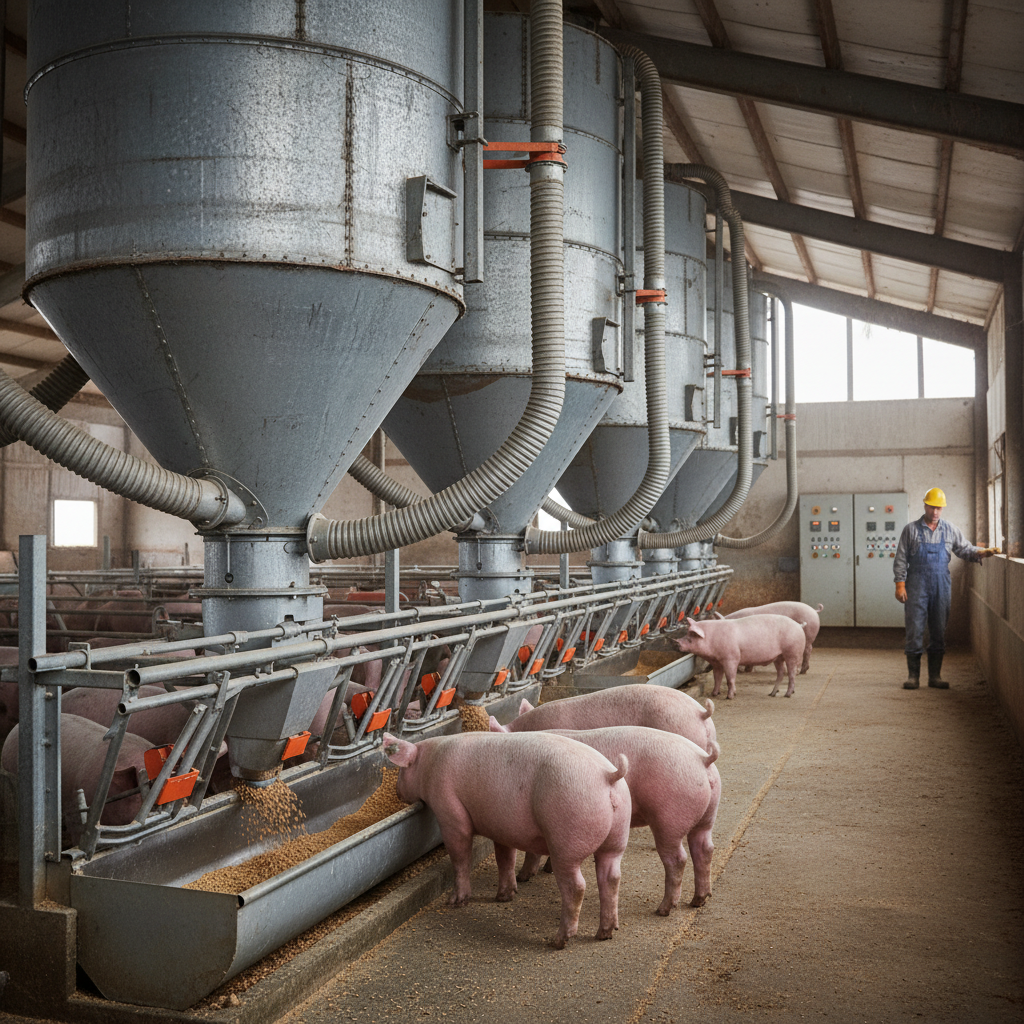
Equipment for animal husbandry broadly refers to the tools, machinery, and infrastructure used in the care, feeding, breeding, and management of livestock. This encompasses a wide range of items, from simple hand tools like feeders and waterers to complex automated systems for milk harvesting, waste removal, and climate control. The spectrum of equipment is tailored to the specific needs of different livestock species (cattle, poultry, swine, etc.) and farming systems.

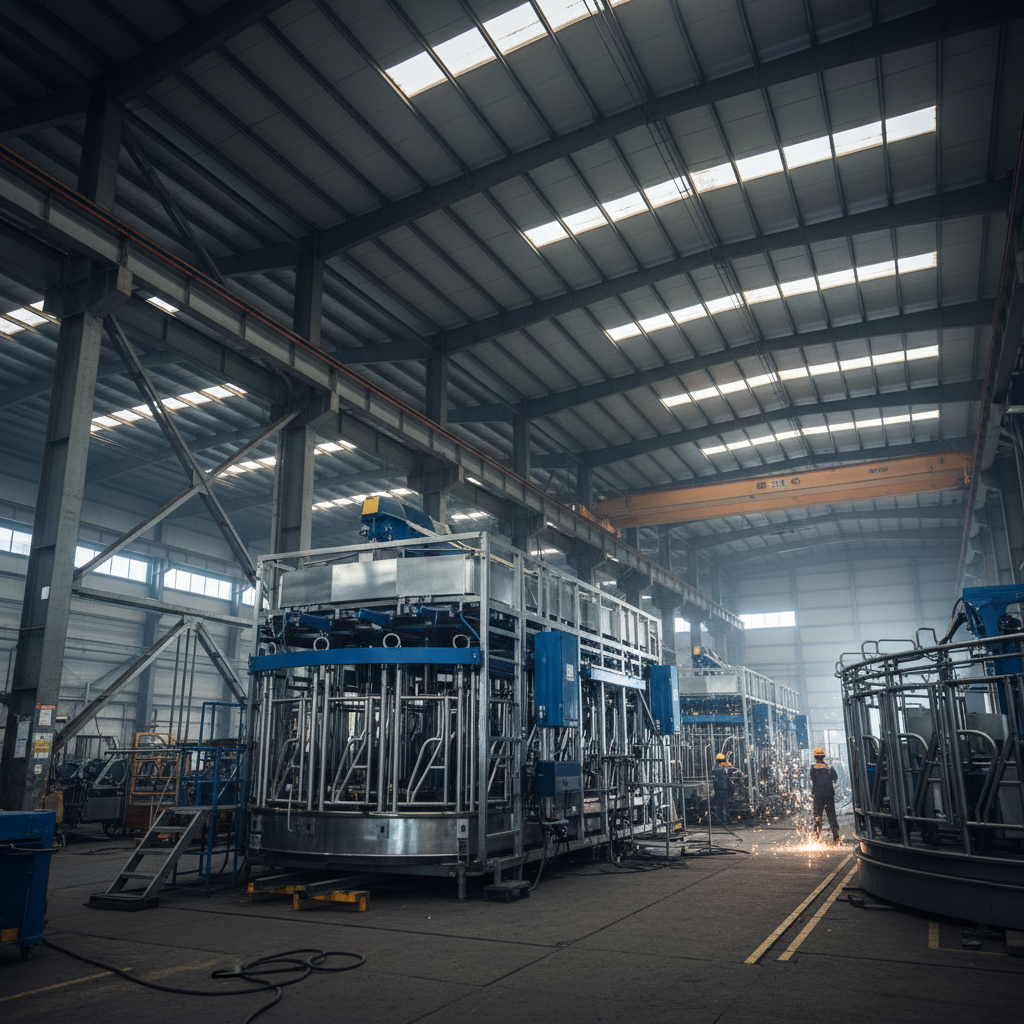
The connection to modern industry is undeniable. The design, manufacturing, and maintenance of this equipment represent a significant sector within the agricultural engineering and manufacturing industries. Furthermore, the integration of technology, such as sensors, data analytics, and automation, is driving a “smart farming” revolution within animal husbandry.

In the context of humanitarian needs, appropriate equipment for animal husbandry can be crucial in post-disaster relief and development programs. Providing livestock farmers with basic tools and resources can help restore livelihoods, improve food security, and rebuild communities.

Key Factors in Modern Animal Husbandry Equipment

Durability is a critical factor. The harsh conditions of farm environments demand equipment that can withstand constant use, exposure to the elements, and the rigors of daily operations. Investing in robust, long-lasting equipment reduces the need for frequent repairs and replacements, saving time and money in the long run.

Scalability is equally important. As livestock operations grow, the equipment must be adaptable to increasing demands. Modular systems and equipment designed for easy expansion allow farmers to efficiently scale their operations without significant capital investment.

Cost-efficiency, beyond the initial purchase price, encompasses factors like energy consumption, maintenance requirements, and labor savings. Equipment that minimizes these costs contributes to the overall profitability of the farming operation. Effective equipment for animal husbandry directly impacts the bottom line.

Core Components of Effective Systems

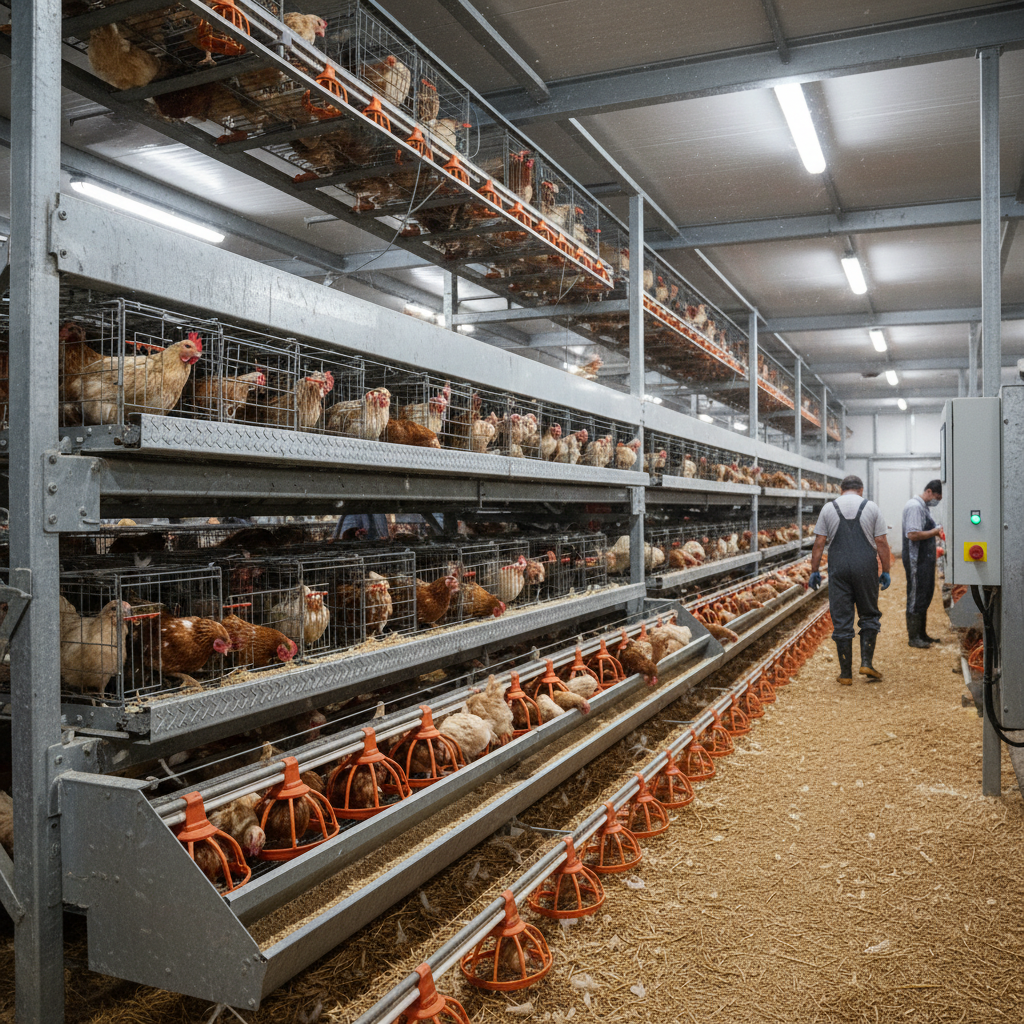
Proper ventilation systems are fundamental, controlling air quality, temperature, and humidity to minimize disease and maximize animal comfort. Sophisticated temperature regulation systems, combined with automated feeding solutions, are central to modern systems.

Waste management solutions, from manure handling equipment to biogas digesters, are crucial for minimizing environmental impact and potentially generating renewable energy. Efficient waste handling contributes to improved sanitation and reduced odor problems.

Equipment for Animal Husbandry Effectiveness Ratings


Global Applications and Use Cases

In large-scale dairy farms across Europe and North America, automated milking systems, robotic feeders, and advanced manure management technologies are commonplace, driving significant increases in efficiency and milk production. These systems also contribute to improved animal welfare by reducing labor demands and providing more consistent care.

In developing countries, simpler, more affordable equipment – such as improved watering troughs, basic fencing, and mobile poultry shelters – can have a transformative impact on smallholder farmers, enabling them to increase their yields, improve their livelihoods, and enhance food security.

Advantages and Long-Term Value

The tangible benefits of investing in quality equipment for animal husbandry are clear: reduced labor costs, increased production efficiency, improved animal health, and minimized environmental impact. These benefits translate directly into increased profitability for farmers.

Beyond the economic advantages, there’s a significant social impact. Improved animal welfare contributes to a more ethical and sustainable food system, enhancing public trust and promoting responsible farming practices. The reliability and durability of modern equipment instill confidence in farmers and contribute to the long-term viability of their operations.

Future Trends and Innovations

The integration of sensor technology and data analytics (“smart farming”) is poised to revolutionize animal husbandry. Real-time monitoring of animal health, feeding patterns, and environmental conditions will enable farmers to make more informed decisions and optimize their operations.

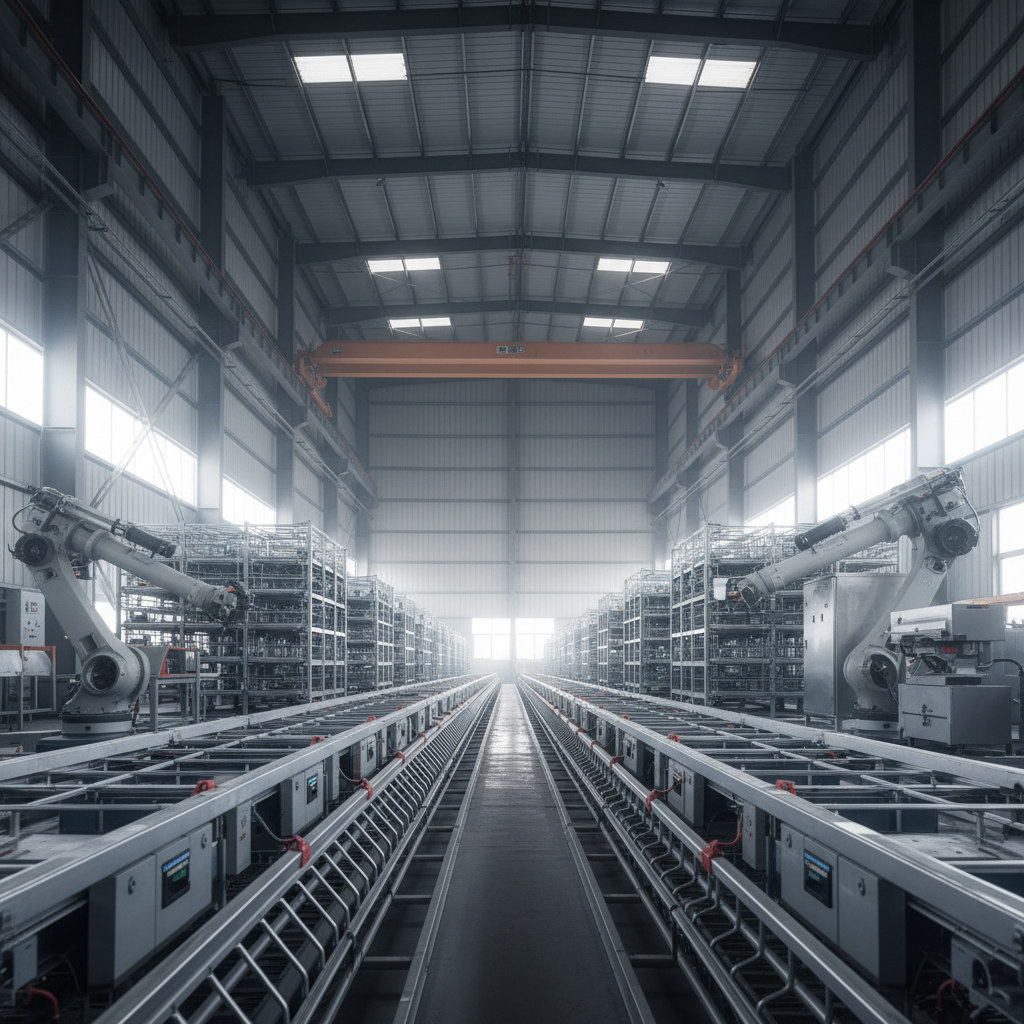
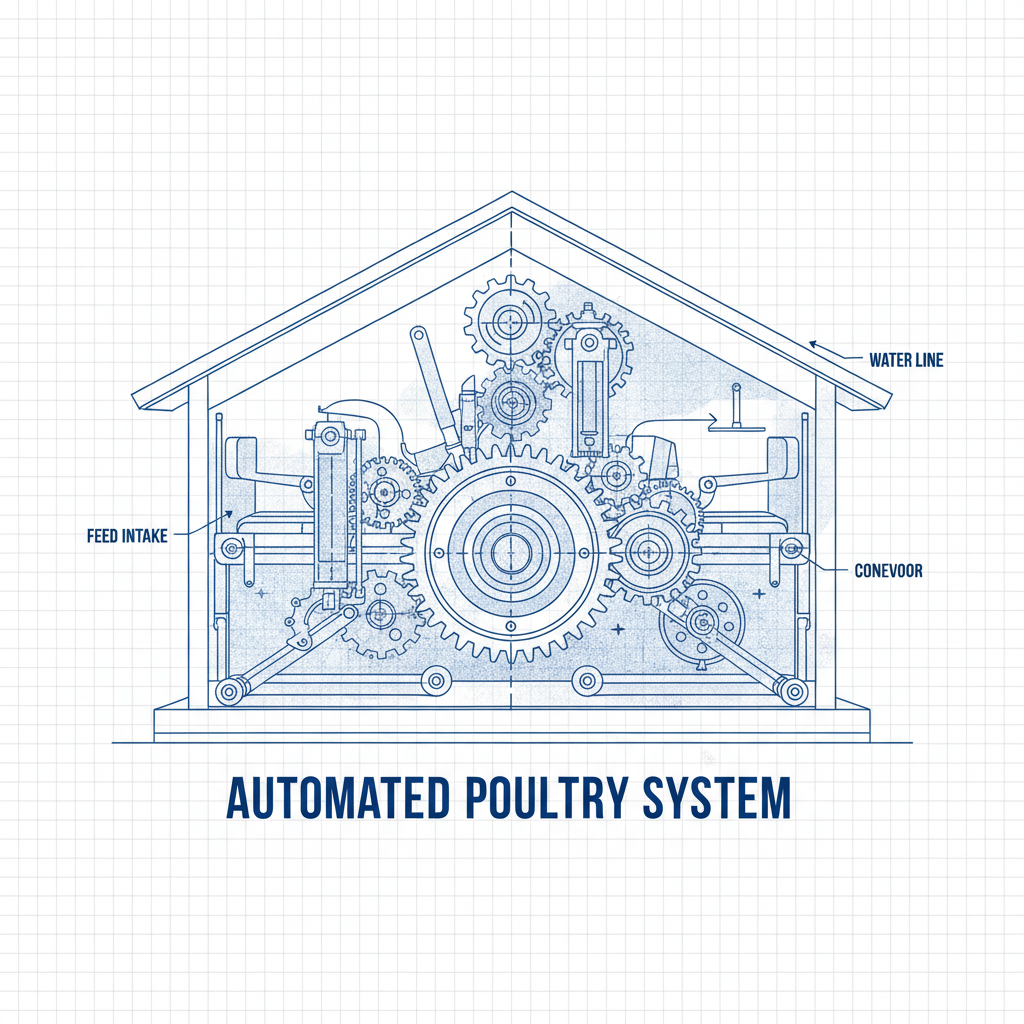
Automation, powered by robotics and artificial intelligence, will continue to play an increasingly important role, automating tasks such as milking, feeding, and waste removal. Furthermore, there's a growing emphasis on sustainability, with the development of energy-efficient equipment and systems that minimize water usage and reduce greenhouse gas emissions.

The exploration of alternative energy sources, such as solar and biogas, to power farm operations is also gaining traction, further reducing the environmental footprint of livestock farming.

FAQS

What is the typical lifespan of automated feeding systems?

The lifespan of automated feeding systems typically ranges from 10 to 15 years, depending on the quality of construction, the intensity of use, and the maintenance schedule. Regularly scheduled maintenance, including cleaning, lubrication, and component replacement, can significantly extend the lifespan of these systems. Investing in high-quality systems built with durable materials is also crucial for long-term reliability.

How does climate control equipment impact livestock productivity?

Effective climate control equipment – including ventilation, heating, and cooling systems – has a substantial impact on livestock productivity. Maintaining optimal temperature and humidity levels reduces stress on animals, improves their feed intake, and enhances their overall health. This, in turn, leads to increased weight gain, milk production, and reproductive efficiency. Failure to control climate can result in decreased productivity and increased mortality.

What are the primary considerations when selecting a waste management system?

When selecting a waste management system, several factors should be considered. These include the type and size of livestock operation, local regulations regarding waste disposal, environmental impact, and budget constraints. Systems range from simple manure storage to advanced biogas digesters. It’s vital to choose a system that effectively manages waste while minimizing environmental pollution and maximizing resource recovery.

Is robotic milking suitable for all dairy farms?

Robotic milking isn’t suitable for all dairy farms. Factors like herd size, barn layout, and animal temperament influence the feasibility of implementing robotic milking systems. Larger farms with flexible barn designs are generally better suited. It also requires a significant investment and a commitment to training staff to manage the technology effectively. A thorough assessment of farm-specific conditions is crucial before making a decision.

What are the benefits of using sensors for animal health monitoring?

Sensors for animal health monitoring provide real-time data on various physiological parameters, such as body temperature, activity levels, and rumination patterns. This allows for early detection of illness or stress, enabling prompt veterinary intervention and reducing the spread of disease. Early detection can save lives, decrease treatment costs, and improve animal welfare.

How can equipment for animal husbandry contribute to sustainability?

Modern equipment for animal husbandry plays a key role in sustainability by improving resource efficiency, reducing waste, and minimizing environmental impact. Technologies like precision feeding, efficient lighting systems, and renewable energy integration decrease the carbon footprint of livestock farming. Proper waste management systems can also convert manure into valuable resources like biogas, creating a circular economy.

Conclusion

In conclusion, equipment for animal husbandry is not merely a collection of tools but a cornerstone of modern, sustainable, and humane livestock production. From enhancing efficiency and profitability to improving animal welfare and minimizing environmental impact, the benefits are far-reaching. The continual innovation and integration of technology within this sector promise even greater advancements in the years to come.

Investing in quality equipment for animal husbandry is an investment in the future of food security and a more responsible agricultural system. Farmers, policymakers, and researchers alike must prioritize innovation and the adoption of best practices to ensure a thriving and sustainable livestock industry. Visit our website at www.cxlivestock.com to explore our comprehensive range of solutions.
Michael Thompson

Michael Thompson

Michael Thompson is a dedicated service technician with a specialization in the maintenance and repair of automated livestock equipment. He has a comprehensive understanding of the mechanical and electrical components within pig farming systems, including feeders, coolers, heaters, and ventilation fans. Michael is highly proficient in troubleshooting technical issues and
Previous Optimizing Poultry Pen House Design for Sustainable Production and Efficiency
Next Optimizing Livestock Production with Advanced Farming Equipment Solutions