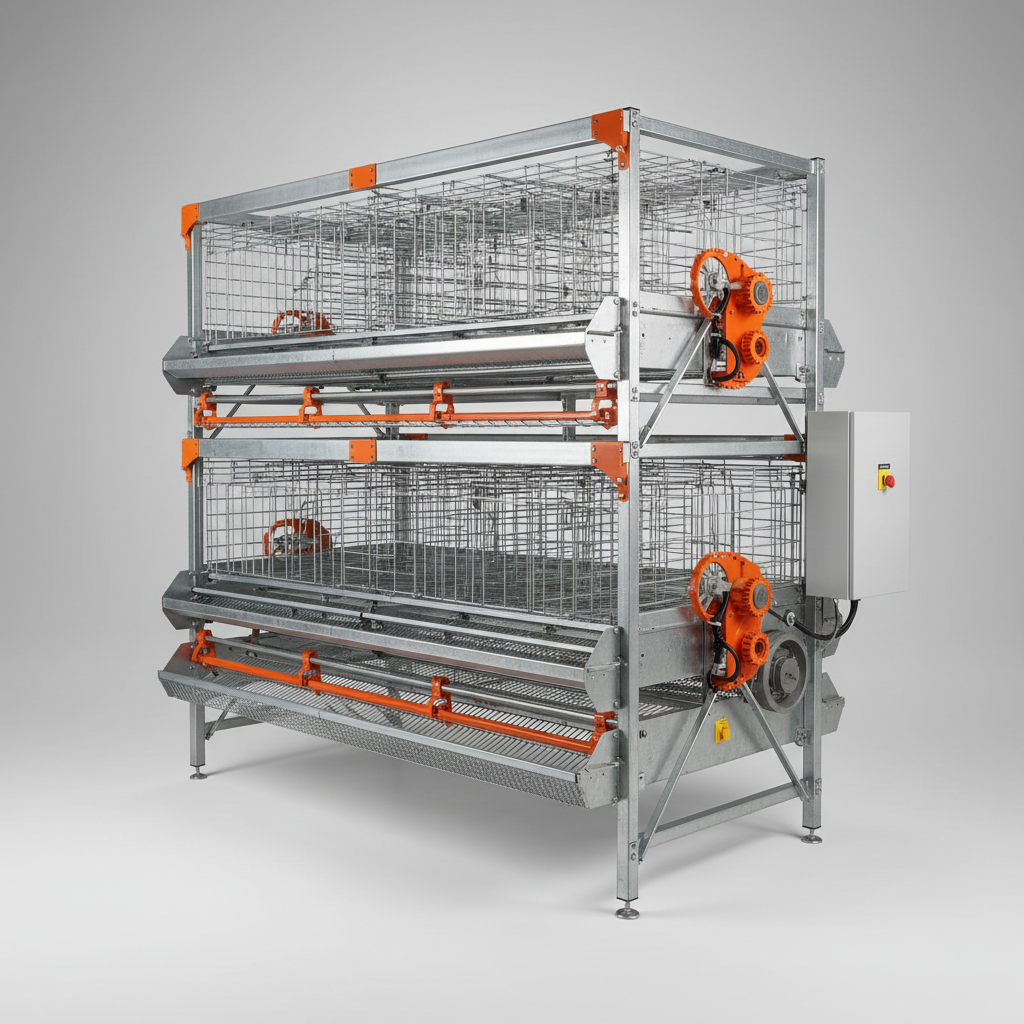
Poultry keeping equipment encompasses a vast range of tools and infrastructure essential for the efficient and sustainable rearing of domestic birds, primarily chickens, turkeys, ducks, and geese. Globally, the demand for poultry products continues to rise, driven by factors like increasing population, changing dietary preferences, and the affordability of poultry compared to other protein sources. This demand necessitates advancements and increased reliance on specialized poultry keeping equipment to meet production goals, improve animal welfare, and ensure food safety. Understanding this equipment is crucial for farmers, agricultural businesses, and policymakers alike, as it directly impacts food security and economic stability.
The poultry industry is a cornerstone of the global agricultural landscape. The United Nations Food and Agriculture Organization (FAO) estimates that over 65 billion chickens are slaughtered each year worldwide, representing a significant portion of the global meat consumption. Efficient poultry keeping equipment, from automated feeding systems to climate-controlled housing, is no longer a luxury, but a necessity to meet this demand. Modern operations increasingly depend on this equipment for maintaining biosecurity, optimizing growth rates, and reducing labor costs. Investing in high-quality poultry keeping equipment translates to improved yields and a more competitive market position.
The proliferation of advanced poultry keeping equipment represents a significant shift in agricultural practices. From small-scale family farms to large-scale commercial operations, the integration of technology is transforming how poultry is raised. This evolution is not simply about increasing productivity; it’s also about addressing critical challenges such as disease control, environmental sustainability, and the growing demand for ethically-sourced poultry products. Selecting appropriate poultry keeping equipment is paramount to achieving these goals.
Introduction: Global or Industry Context
The global poultry industry is experiencing significant growth, fueled by increasing demand for affordable protein. This growth places considerable pressure on producers to maximize efficiency and output. Poultry keeping equipment plays a vital role in addressing these challenges. Modern equipment allows for optimized feeding, precise climate control, efficient waste management, and improved biosecurity, all contributing to higher yields and reduced losses. The World Bank estimates that investments in agricultural technologies, including specialized poultry keeping equipment, can significantly boost agricultural productivity in developing nations.
A critical problem facing the poultry industry is the threat of disease outbreaks. Highly Pathogenic Avian Influenza (HPAI), for example, can devastate entire flocks, leading to significant economic losses and impacting food security. Advanced poultry keeping equipment, such as automated disinfection systems and controlled-environment housing, are essential tools in preventing and containing disease outbreaks. Moreover, the industry is facing growing pressure to improve animal welfare standards, requiring investments in equipment that provides more space, enrichment, and comfortable living conditions.
The need for sustainable poultry production is also driving innovation in poultry keeping equipment. Reducing the environmental footprint of poultry farming requires efficient waste management systems, energy-saving climate control technologies, and optimized feeding strategies. Utilizing sophisticated poultry keeping equipment helps farmers achieve higher production levels while minimizing environmental impact, making the industry more responsible and resilient.
Definition & Meaning
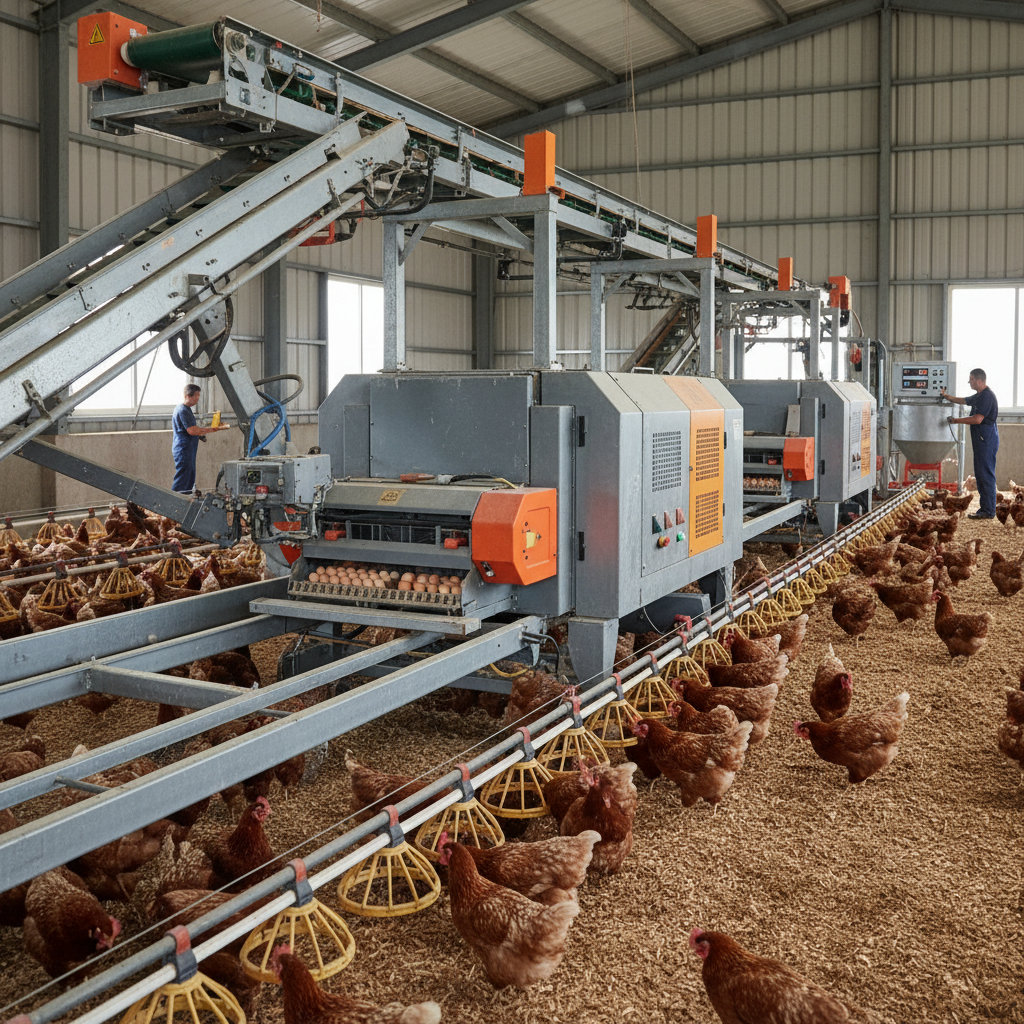
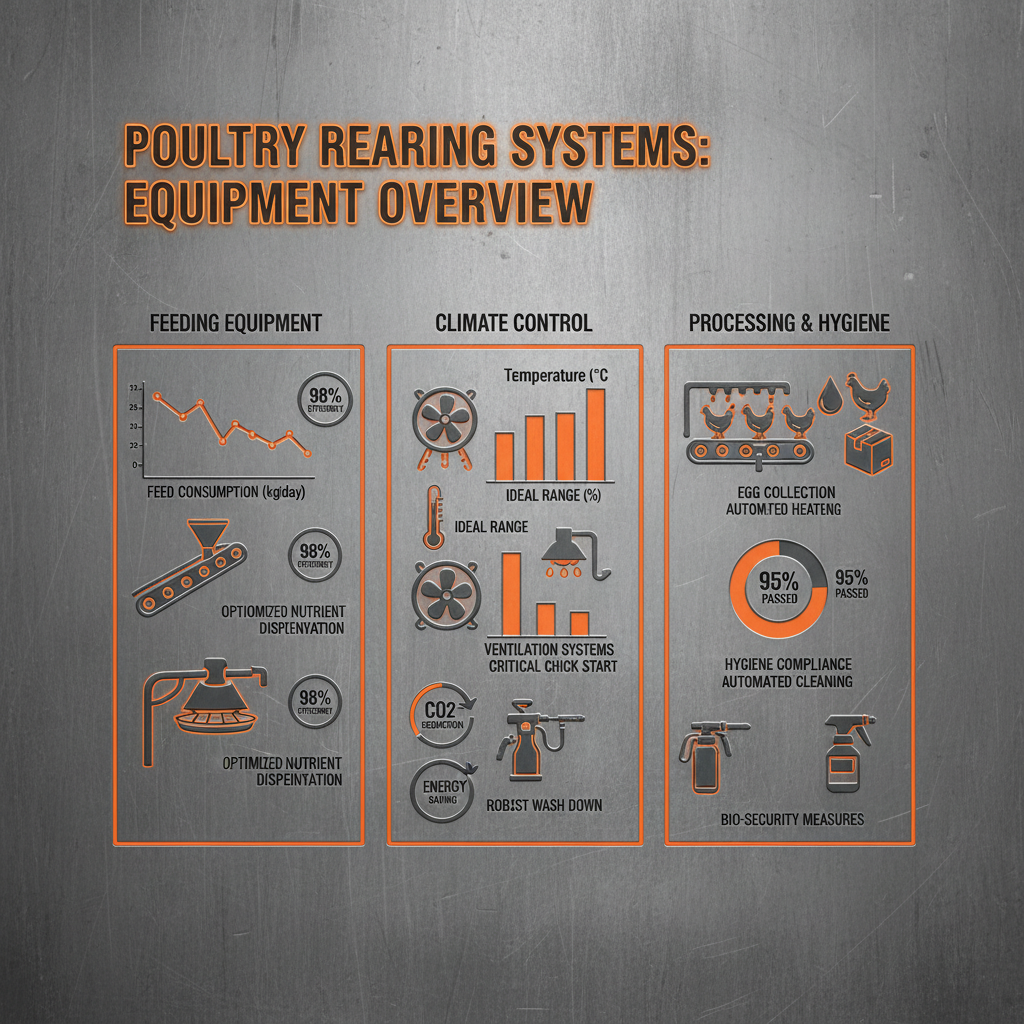
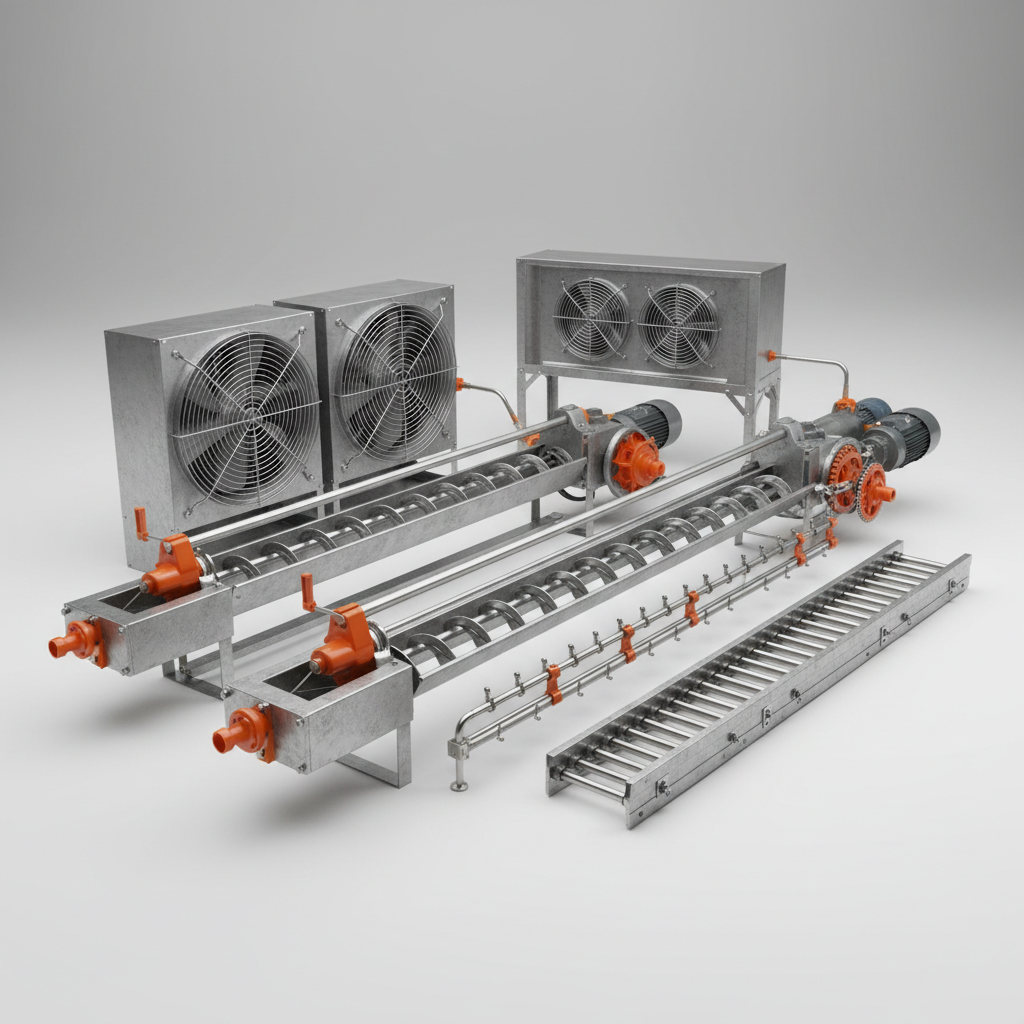
Poultry keeping equipment, at its core, refers to the diverse array of tools, machinery, and infrastructural components used in the raising of poultry. This encompasses everything from basic necessities like feeders and drinkers to sophisticated systems like automated ventilation, temperature control, and egg collection. It includes housing structures, brooding equipment, lighting systems, waste disposal facilities, and even security measures designed to protect flocks from predators and disease.
The evolution of poultry keeping equipment is intrinsically linked to the modernization of the agricultural industry. Historically, poultry farming was a small-scale, labor-intensive activity. However, with increasing demand for poultry products, there was a pressing need for more efficient and scalable production methods. This need led to the development of specialized equipment designed to automate processes, improve hygiene, and enhance animal welfare, shifting from largely manual processes to technologically driven systems.
This equipment isn't solely about maximizing profits; it's increasingly tied to humanitarian needs and global food security. Efficient poultry production, facilitated by appropriate equipment, can provide a reliable source of protein, particularly in areas facing food shortages. Furthermore, the provision of robust poultry keeping equipment empowers smallholder farmers in developing countries, enabling them to increase their incomes and improve their livelihoods.
Key Factors or Core Components
Durability: Poultry keeping equipment operates in demanding environments and must withstand constant use, exposure to moisture, and corrosive substances. Equipment constructed from high-quality, corrosion-resistant materials like galvanized steel or durable plastics ensures a longer lifespan and minimizes the need for frequent replacements. Investing in durable equipment reduces long-term costs and minimizes disruptions to production.
Scalability: A key consideration when selecting poultry keeping equipment is its scalability. Equipment should be adaptable to different flock sizes and farm layouts. Modular systems that can be easily expanded or reconfigured are particularly valuable, allowing farmers to grow their operations without significant capital investments in entirely new equipment.
Cost Efficiency: The initial cost of poultry keeping equipment is a significant factor, but it's essential to consider the total cost of ownership. Energy-efficient equipment, such as LED lighting and automated ventilation systems, can significantly reduce operating expenses. Furthermore, equipment that minimizes labor requirements and reduces feed wastage can contribute to long-term cost savings.
Biosecurity Features: Preventing disease outbreaks is paramount in poultry farming. Poultry keeping equipment with integrated biosecurity features, such as washable surfaces, sealed construction, and effective ventilation systems, helps to minimize the risk of contamination and disease transmission. Properly designed equipment facilitates thorough cleaning and disinfection, reducing the spread of pathogens.
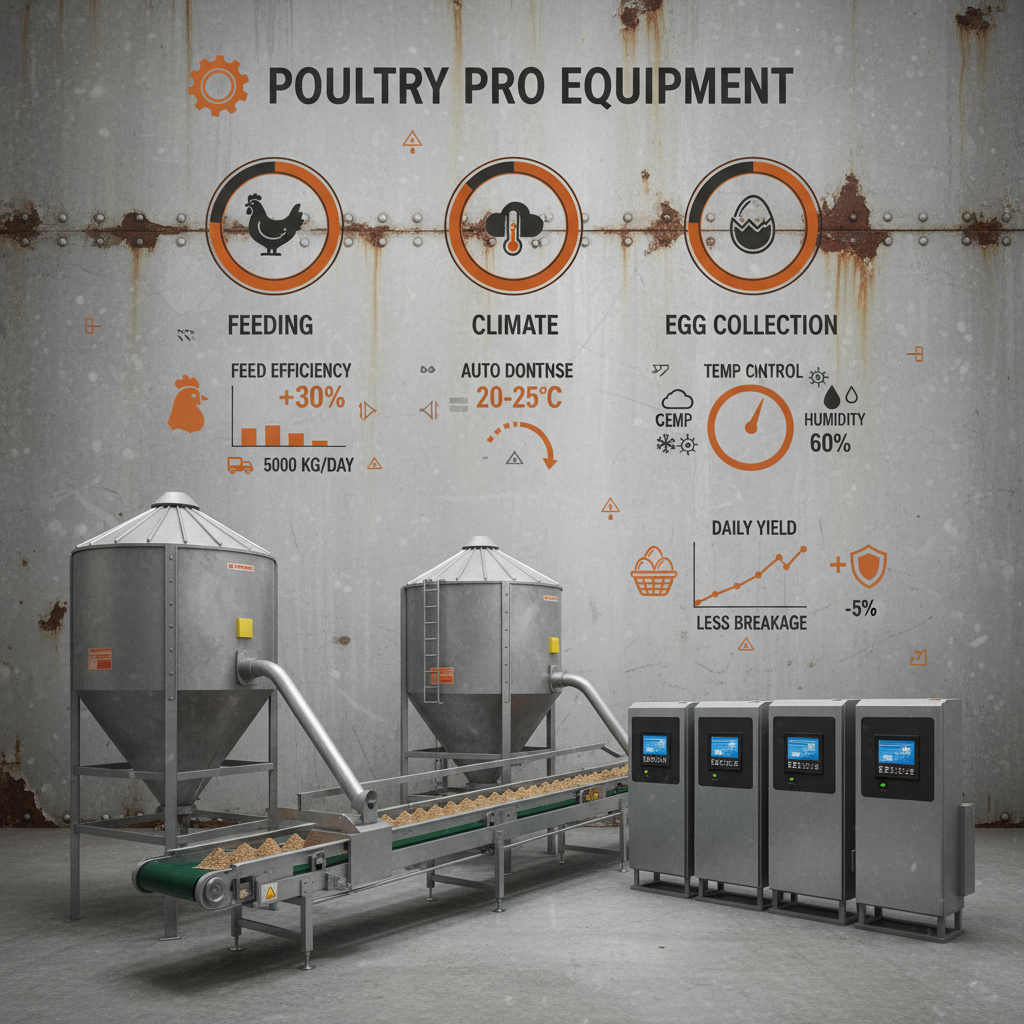
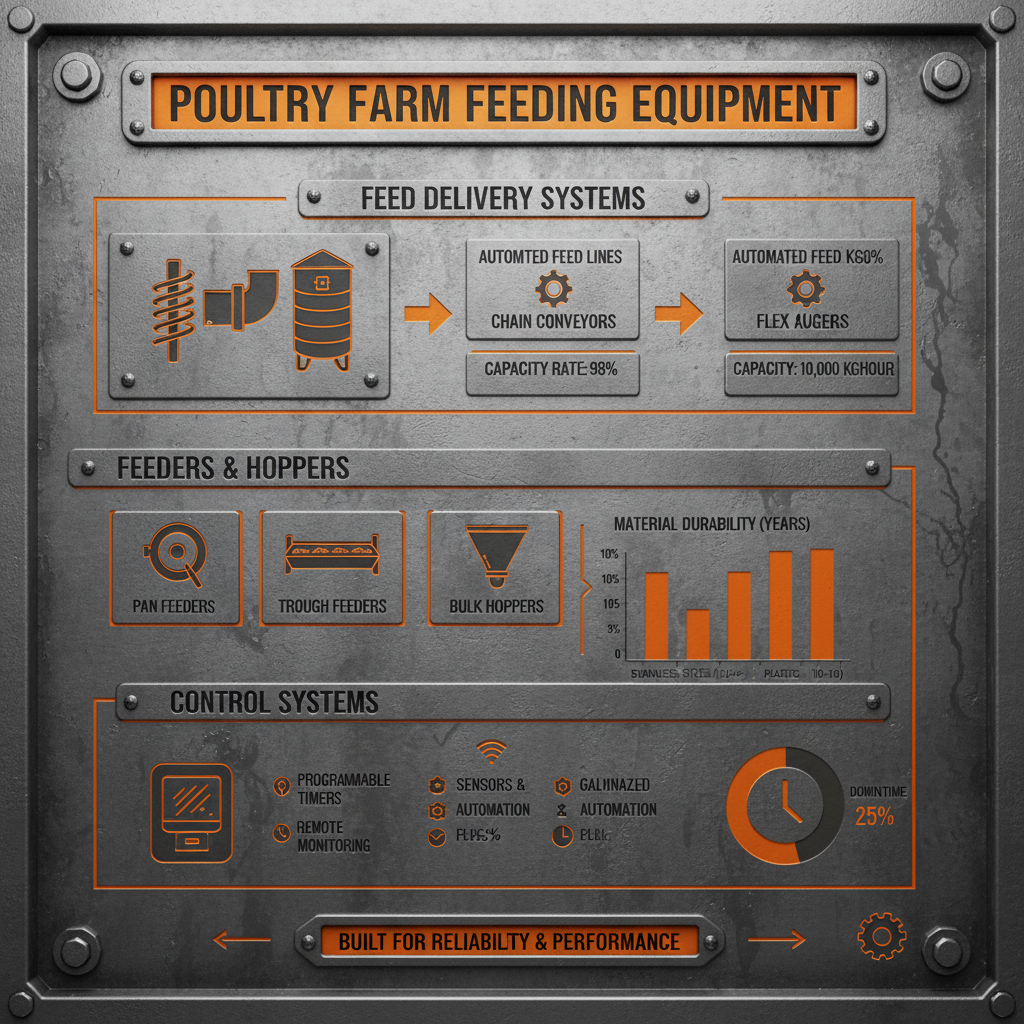
Automation Capabilities: Automated systems, like automatic feeders, drinkers, and egg collectors, reduce labor costs, improve efficiency, and minimize human error. Automation also allows for precise control over environmental parameters, such as temperature and humidity, leading to improved bird health and productivity.
Ease of Maintenance: Poultry keeping equipment should be easy to maintain and repair. Equipment with readily available spare parts and simple designs minimizes downtime and reduces the need for specialized technical expertise. Regularly scheduled maintenance helps to prolong the lifespan of the equipment and ensure optimal performance.
Global Applications & Use Cases
Poultry keeping equipment is utilized across a diverse range of geographical locations and farming systems. In developed countries like the United States, Canada, and European nations, large-scale commercial operations rely heavily on advanced automated equipment to maximize production and minimize costs. These operations often feature fully integrated systems for feeding, ventilation, temperature control, and waste management.
In developing countries, poultry keeping equipment plays a crucial role in improving food security and empowering smallholder farmers. Organizations like Heifer International and the FAO often provide small-scale farmers with access to essential equipment, such as improved brooding equipment and basic feeders/drinkers, enabling them to increase their poultry production and incomes. In post-disaster relief operations, rapid deployment housing for poultry can provide a vital source of protein and livelihood support for affected communities.
Furthermore, poultry keeping equipment is increasingly being adapted for urban farming initiatives. Vertical farming systems and rooftop poultry operations are gaining popularity in cities around the world, utilizing space-saving and efficient equipment to produce fresh eggs and meat locally. These systems offer a sustainable alternative to traditional farming methods and reduce the environmental impact of food production.
Poultry Keeping Equipment Methods Rating
Advantages & Long-Term Value
The benefits of investing in quality poultry keeping equipment are substantial and multifaceted. From a cost perspective, automated systems reduce labor requirements and minimize feed wastage, leading to significant savings over time. Efficient climate control systems reduce energy consumption, lowering operating expenses. The long-term return on investment (ROI) often outweighs the initial capital outlay.
Sustainability is a key advantage. Modern poultry keeping equipment helps minimize the environmental impact of poultry farming through efficient waste management systems, reduced water consumption, and optimized energy use. Utilizing renewable energy sources to power equipment further enhances sustainability. From a social impact standpoint, providing farmers with access to reliable poultry keeping equipment improves their livelihoods, strengthens food security, and contributes to economic development.
Reliability and safety are also crucial advantages. Durable, well-maintained equipment minimizes the risk of breakdowns and ensures a consistent supply of poultry products. Moreover, equipment designed with safety features protects both the birds and the farm workers. The trust and confidence that consumers place in poultry products are directly linked to the quality and safety of the farming practices, which are enabled by appropriate equipment.
Future Trends & Innovations
The future of poultry keeping equipment is poised for significant advancements driven by technological innovation. Smart farming technologies, incorporating sensors, data analytics, and artificial intelligence (AI), are becoming increasingly prevalent. These technologies enable real-time monitoring of bird health, environmental conditions, and equipment performance, allowing for proactive adjustments and optimized production.
Another key trend is the development of more sustainable and eco-friendly equipment. This includes the use of biodegradable materials, the integration of renewable energy sources, and the implementation of closed-loop systems that minimize waste and water consumption. The use of precision feeding systems, guided by data analytics, helps reduce feed waste and optimize bird growth.
Challenges & Solutions
One common challenge is the high initial cost of advanced poultry keeping equipment, particularly for smallholder farmers. Solutions include government subsidies, microfinance programs, and the development of affordable, modular equipment options. Another challenge is the need for skilled technicians to maintain and repair complex equipment. Investing in training programs and establishing local service centers can address this issue.
Furthermore, ensuring the interoperability of different equipment systems can be a challenge. The development of standardized communication protocols and open-source software can facilitate seamless integration. Addressing the concerns surrounding data privacy and security is also crucial as smart farming technologies become more widespread. Implementing robust cybersecurity measures and adhering to data protection regulations are essential.
Finally, adapting poultry keeping equipment to different climates and farming systems remains a challenge. Developing customized solutions that address specific regional needs and environmental conditions is crucial for maximizing efficiency and sustainability. Continuous research and development, coupled with collaboration between equipment manufacturers, farmers, and researchers, will be key to overcoming these challenges.
Key Features and Considerations for Selecting Poultry Keeping Equipment
| Equipment Type |
Initial Investment (Scale 1-10) |
Maintenance Complexity (Scale 1-10) |
Impact on Productivity (Scale 1-10) |
| Automated Feeding System |
7 |
6 |
9 |
| Climate Control System |
8 |
7 |
8 |
| Automated Egg Collection |
9 |
5 |
7 |
| Waste Management System |
6 |
4 |
7 |
| Biosecurity Disinfection System |
5 |
3 |
9 |
| Ventilation & Air Filtration |
7 |
6 |
8 |
FAQS
Automated poultry feeding systems offer numerous advantages, including reduced labor costs, precise feed distribution, improved feed conversion ratios, and better bird health. By delivering the right amount of feed at the right time, these systems minimize feed wastage and promote optimal growth. The automation also allows for better monitoring of feed consumption, enabling farmers to identify and address any issues promptly, resulting in increased efficiency and profitability.
Ventilation is absolutely critical in poultry housing. Proper ventilation removes harmful gases, such as ammonia and carbon dioxide, maintains optimal temperature and humidity levels, and provides fresh air for the birds. Poor ventilation can lead to respiratory problems, reduced growth rates, and increased mortality. Effective ventilation systems also help to control dust and moisture, creating a healthier and more comfortable environment for the birds.
Biosecurity is paramount in preventing disease outbreaks. Equipment should be designed for easy cleaning and disinfection, with smooth, non-porous surfaces. Features like sealed construction, foot baths at entry points, and dedicated boot changes help minimize the spread of pathogens. Effective waste management systems and rodent control measures are also essential components of a comprehensive biosecurity plan.
Determining the correct size climate control system requires careful consideration of several factors, including the size of your poultry house, the number of birds, the local climate, and the desired temperature and humidity levels. Consulting with a qualified HVAC engineer is highly recommended to ensure proper system sizing and optimal performance. They can perform a heat load calculation to determine the appropriate cooling and heating capacity.
LED lighting offers several significant advantages over traditional lighting systems. LEDs are much more energy-efficient, reducing electricity costs. They also have a longer lifespan, minimizing replacement costs. LEDs can be programmed to provide specific light spectrums that promote optimal bird growth and egg production. Furthermore, they generate less heat, contributing to a more comfortable environment for the birds.
Regular inspection and maintenance are crucial for ensuring the longevity and optimal performance of poultry keeping equipment. A thorough inspection should be conducted at least monthly, checking for wear and tear, leaks, and any signs of malfunction. Maintenance tasks, such as lubricating moving parts, cleaning filters, and tightening connections, should be performed as needed. Establishing a preventative maintenance schedule can help minimize downtime and prevent costly repairs.
Conclusion
In conclusion, poultry keeping equipment is a cornerstone of modern poultry production, driving efficiency, sustainability, and animal welfare. From automated feeding systems to sophisticated climate control technologies, the advancements in this field have revolutionized the industry, enabling producers to meet the growing global demand for poultry products. Investing in quality poultry keeping equipment is not merely an expense, but a strategic investment in long-term productivity, profitability, and resilience.
Looking ahead, the integration of smart farming technologies and the development of eco-friendly equipment will continue to shape the future of poultry keeping. By embracing innovation and prioritizing sustainability, the poultry industry can address the challenges of food security, environmental protection, and animal welfare, ensuring a reliable and responsible source of protein for generations to come. For all your poultry keeping equipment needs, visit our website today at www.cxlivestock.com.