Look, poultry farm equipment suppliers… it’s a world, you know? I’ve been on sites all year, smelling chicken feed and dust, and things are moving. Used to be, everyone just wanted the cheapest option. Now? They're asking about automation, about data collection. It’s…a shift. Folks want to know how much egg each bird is laying, how much feed they’re eating, all of it. It’s not just about building a shed anymore.
And frankly, the number of companies jumping into this space? It’s insane. Everyone thinks they can build a better chicken house. Everyone.
To be honest, most of them don't even know what a galvanized screw feels like.
The Evolving Landscape of poultry farm equipment suppliers
Have you noticed how much focus there is on biosecurity now? It’s huge. Everything has to be washable, disinfectable. Used to be, a quick hose-down was good enough. Now? They want systems that can be fogged with disinfectant, with specialized drainage, the works. It's good, mind you, keeps the birds healthier.
But it adds cost. And complexity. These poultry farm equipment suppliers are going after these big industrial farms, which are way more demanding than your average backyard operation. That's the trend.
Design Pitfalls and Common Mistakes
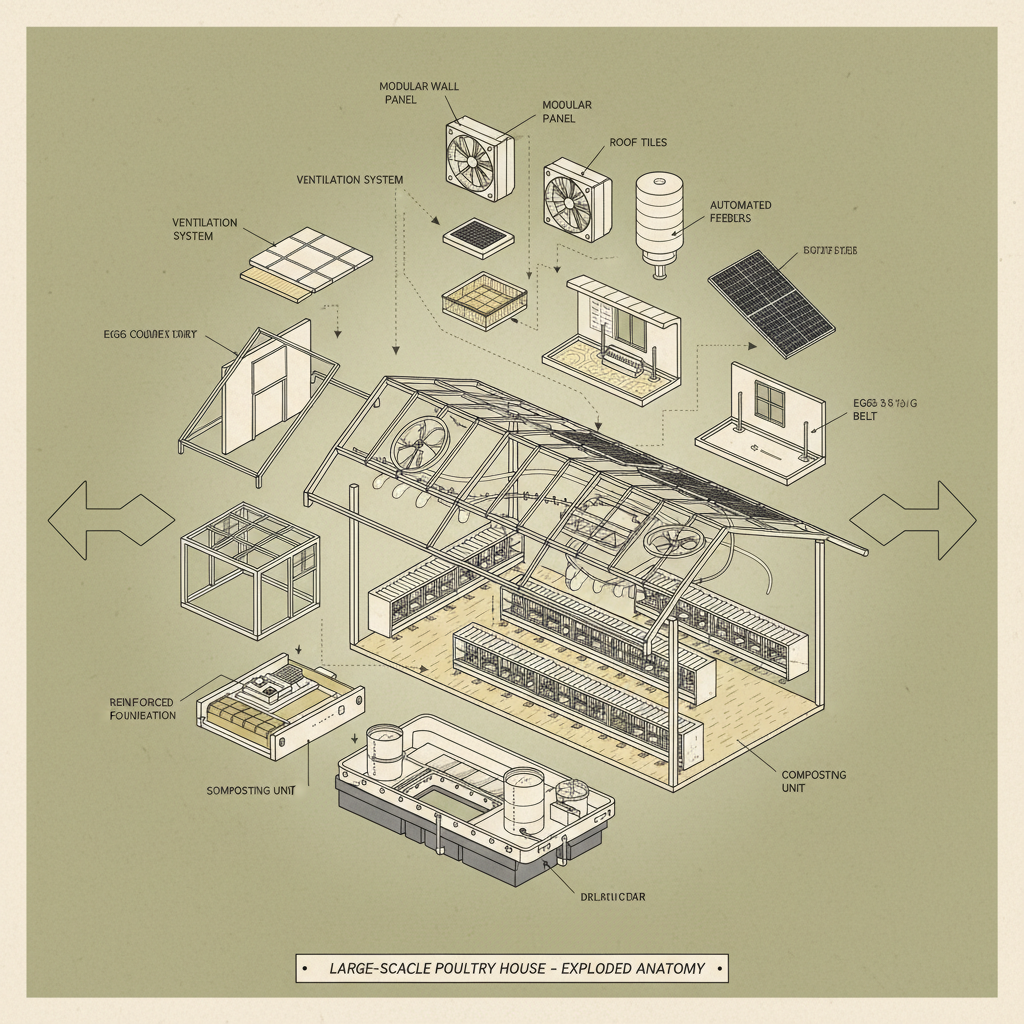
Strangely enough, a lot of these suppliers mess up the basics. Ventilation, for example. They'll design a shed that looks great on paper, but doesn’t have proper airflow. You walk in there, and it smells. And the birds get stressed. Then you've got problems. And another thing? Access panels. They put them in awkward places. You’re trying to fix something, and you’re contorting yourself like a pretzel.
It's always the little things, right? They focus on bells and whistles, forget about practical usability. I encountered this at a factory in Qingdao last time; beautiful equipment, but the access points for cleaning were completely inaccessible with standard equipment.
And don’t even get me started on the door designs…
Material Matters: A Hands-On Perspective
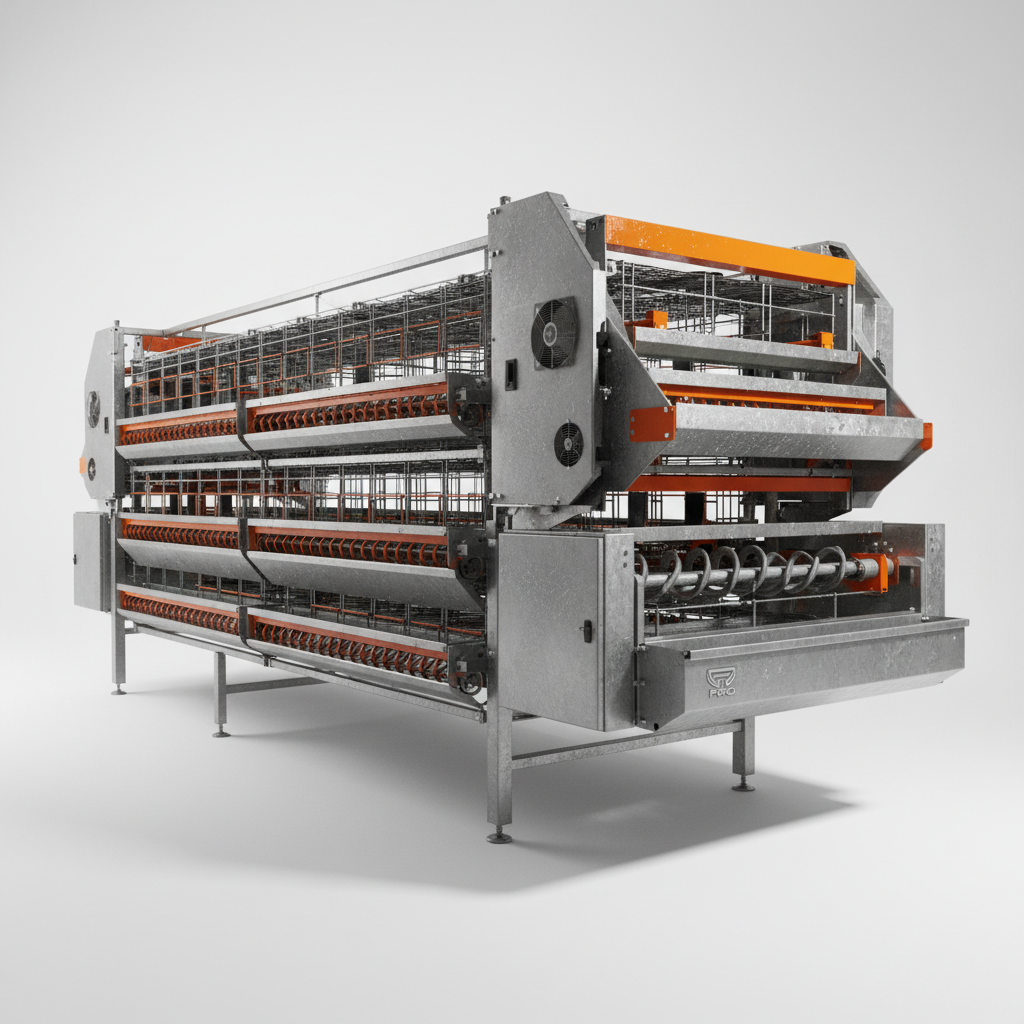
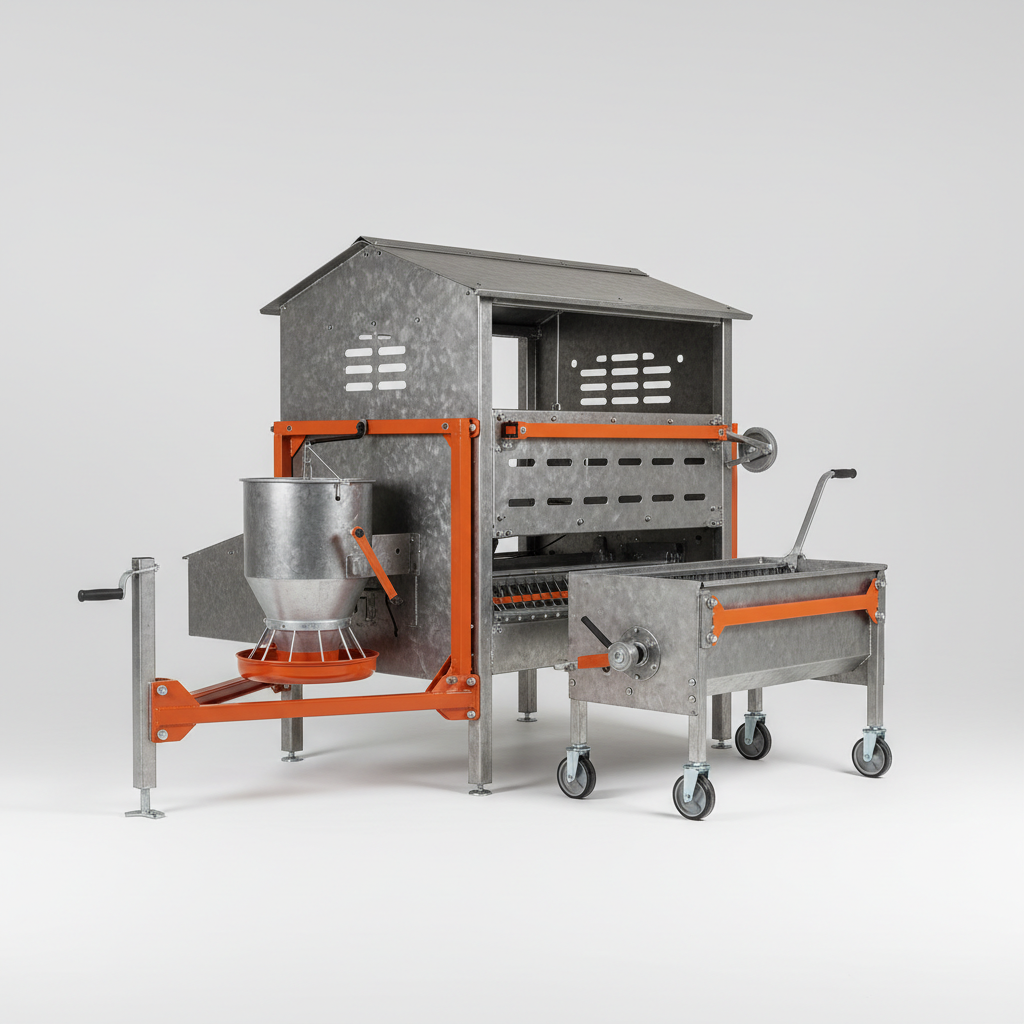
Now, materials. Galvanized steel is king, obviously. But even then, there are grades. You get the cheap stuff, it’ll rust through in a few years. You get the good stuff, it'll last decades. It’s a feel thing, honestly. You tap it, you can tell the thickness. And the smell. Cheap galvanizing smells…off. I don't know how to describe it.
Then you’ve got the plastic components. That's where things get interesting. They’re trying to use recycled plastics, which is good, but they have to be UV-resistant. Otherwise, they get brittle and fall apart. I’ve seen it happen. And the wood? Pressure-treated, always pressure-treated. It’s a pain to work with, but it’s worth it.
Anyway, I think a good supplier will let you touch the materials. They’ll let you see the difference. If they don't…walk away.
Real-World Testing Beyond the Lab
Lab tests? They’re okay. But they don't tell you the whole story. You need to see how this stuff holds up in the real world. I’ve seen equipment that passes all the lab tests, but falls apart after a single winter. The snow load, the wind… that’s what matters.
We've started doing our own testing. We’ll take a sample unit, set it up on a farm, and just…let it sit. We monitor the temperature, the humidity, the stress levels. We see how the materials react. It’s not glamorous work, but it's honest. And we’ve caught some serious flaws that way.
Poultry Farm Equipment Suppliers Performance Metrics
How Farmers Actually Use This Stuff
You know, you design something thinking it’ll be used a certain way, and then you get on site and…it’s different. Farmers are resourceful people. They’ll adapt things. They’ll modify things. They’ll find ways to make it work for them. I’ve seen guys using ventilation fans to cool down their tractors. It's impressive.
They don’t always read the manual, either. Let’s be honest. They just want something that’s reliable and easy to use. If it’s complicated, they’ll find a simpler solution.
The Good, The Bad, and the Customizable
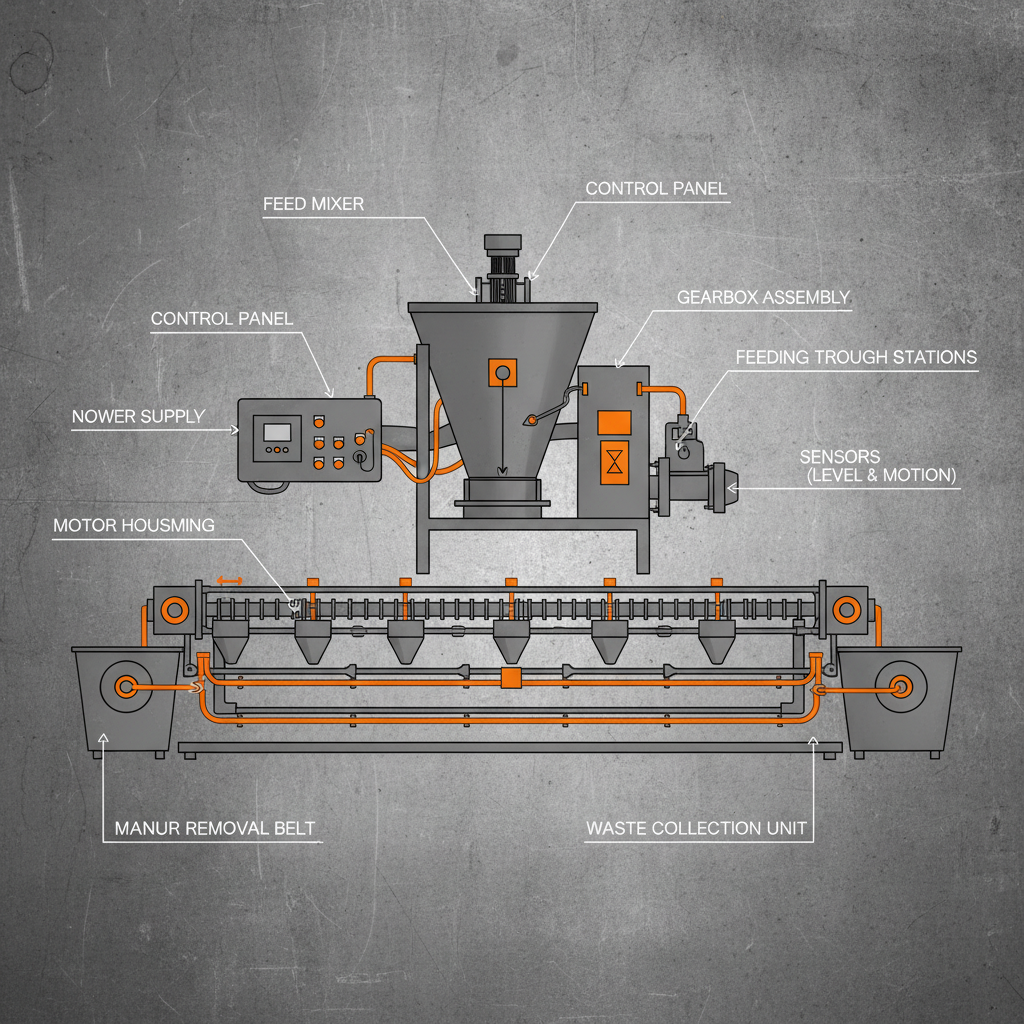
The good stuff? Automated feeding systems. Saves a ton of labor. The bad? The sensors. They’re always breaking down. Always. It’s the humidity, I think.
But here’s where good poultry farm equipment suppliers shine: customization. We had a guy in Iowa last year, raising organic chickens. He wanted a specific type of nesting box, made from reclaimed wood. It wasn’t in our catalog, but we made it happen. That’s what sets us apart. The ability to adapt.
That said, there’s a limit. I had a guy ask me to build a chicken house that looked like the Taj Mahal. I told him, politely, that it wasn’t feasible.
A Customer Story: The Debacle
Last month, that small boss in Shenzhen who makes smart home devices, Mr. Li, insisted on changing the interface for the temperature sensors to . "It's the future!" he said. “It’s more durable!” We tried to explain that farmers aren’t carrying around cables. They’re using whatever they can find.
He wouldn’t listen. He shipped a whole batch of sensors with . Guess what? They all came back. Farmers were furious. They couldn’t even power the things. He ended up having to replace the whole batch with USB-A. It cost him a fortune.
Later… forget it, I won’t mention it. But it just goes to show, sometimes the simplest solution is the best.
Key Material Characteristics for Poultry Farm Equipment
| Material Type |
Durability Rating (1-10) |
Cost Factor (Low/Med/High) |
Ease of Maintenance |
| Galvanized Steel |
9 |
Med |
Moderate (requires rust prevention) |
| Polypropylene Plastic |
7 |
Low |
High (easily washable) |
| Pressure-Treated Wood |
8 |
Med |
Moderate (requires periodic treatment) |
| Aluminum |
8 |
High |
High (corrosion resistant) |
| Stainless Steel |
10 |
High |
Very High (minimal maintenance) |
| Recycled Plastic |
6 |
Low |
Moderate (UV stability is crucial) |
FAQS
Honestly, it's underestimating the airflow needed. They go for the cheapest option, and then they end up with condensation, ammonia buildup, and sick birds. It's a false economy. You need to calculate the cubic feet per minute (CFM) based on the bird density and climate. It's not a guess.
Huge. Farmers often start small, but they have big plans. If you buy equipment that can’t be easily scaled, you’re going to be stuck. Look for modular systems that can be added onto. And think about the infrastructure – power supply, water lines, etc. Can they handle the increased load?
Pros: Saves labor, ensures consistent feeding, reduces waste. Cons: They’re expensive, they require maintenance, and they can break down. And if the system malfunctions, you can have a lot of hungry birds very quickly. It's a risk-reward thing.
A thorough cleaning is essential. Remove all the litter, scrape the floors, and then wash with a strong disinfectant. Don't skimp on the disinfectant. And make sure everything is dry before you introduce new birds. Moisture breeds disease. And proper ventilation during cleaning is critical.
LEDs are the way to go. They’re energy-efficient and they last a long time. But make sure you get the right spectrum. Different wavelengths of light can affect bird behavior and egg production. It’s a surprisingly complex topic. You can find guides online, but consult with a specialist if possible.
Depends on the materials and how well it's maintained. A well-built steel frame with proper cladding can last 50 years or more. Wood structures will need more frequent repairs and replacement. Regular inspections are key. Look for rust, rot, and structural damage.
Conclusion
So, we’ve talked about a lot here. From materials to design pitfalls to real-world testing. Ultimately, this whole world of poultry farm equipment suppliers isn't about fancy technology or sleek designs. It’s about building something that’s durable, reliable, and easy to use. Something that will help farmers raise healthy birds and make a decent living.
Ultimately, whether this thing works or not, the worker will know the moment he tightens the screw. And that's the truth of it. If you’re looking for poultry farm equipment, check out our website for quality solutions: www.cxlivestock.com