Poultry farm feeding equipment is a critical component of modern poultry production, impacting efficiency, bird health, and ultimately, profitability. Globally, the demand for poultry meat and eggs continues to rise, driven by population growth and changing dietary preferences. Efficient and reliable feeding systems are essential to meet this demand sustainably. Investing in appropriate poultry farm feeding equipment is no longer optional but a necessity for competitive poultry producers.
The poultry industry is a major contributor to the global food supply chain. According to the UN Food and Agriculture Organization, poultry accounts for over 30% of global meat consumption. This growth necessitates continuous innovation in production methods, with feeding representing a significant operational cost – often exceeding 60% of total production expenses. Effective feeding equipment minimizes waste, optimizes feed conversion ratios, and promotes flock health.
Challenges in poultry farming, such as disease outbreaks and fluctuating feed costs, emphasize the importance of robust and adaptable feeding systems. Modern poultry feeding solutions aim to mitigate these risks through precise feed delivery, hygiene control, and data-driven insights into bird behavior and nutritional needs.
Introduction to Poultry Farm Feeding Equipment
The term ‘poultry farm feeding equipment’ encompasses a wide range of technologies and systems designed to deliver feed to chickens, turkeys, ducks, and other fowl. This includes everything from simple manual feeders to sophisticated automated systems that precisely control feed distribution based on bird age, weight, and environmental conditions. The evolution of these systems has been crucial to increasing the efficiency and scalability of poultry farming.
Modern poultry feeding systems are not merely about dispensing feed; they are integral to maintaining optimal bird health, maximizing growth rates, and minimizing feed wastage. The design and implementation of these systems directly impact the overall sustainability and economic viability of poultry operations.
Defining Poultry Farm Feeding Equipment
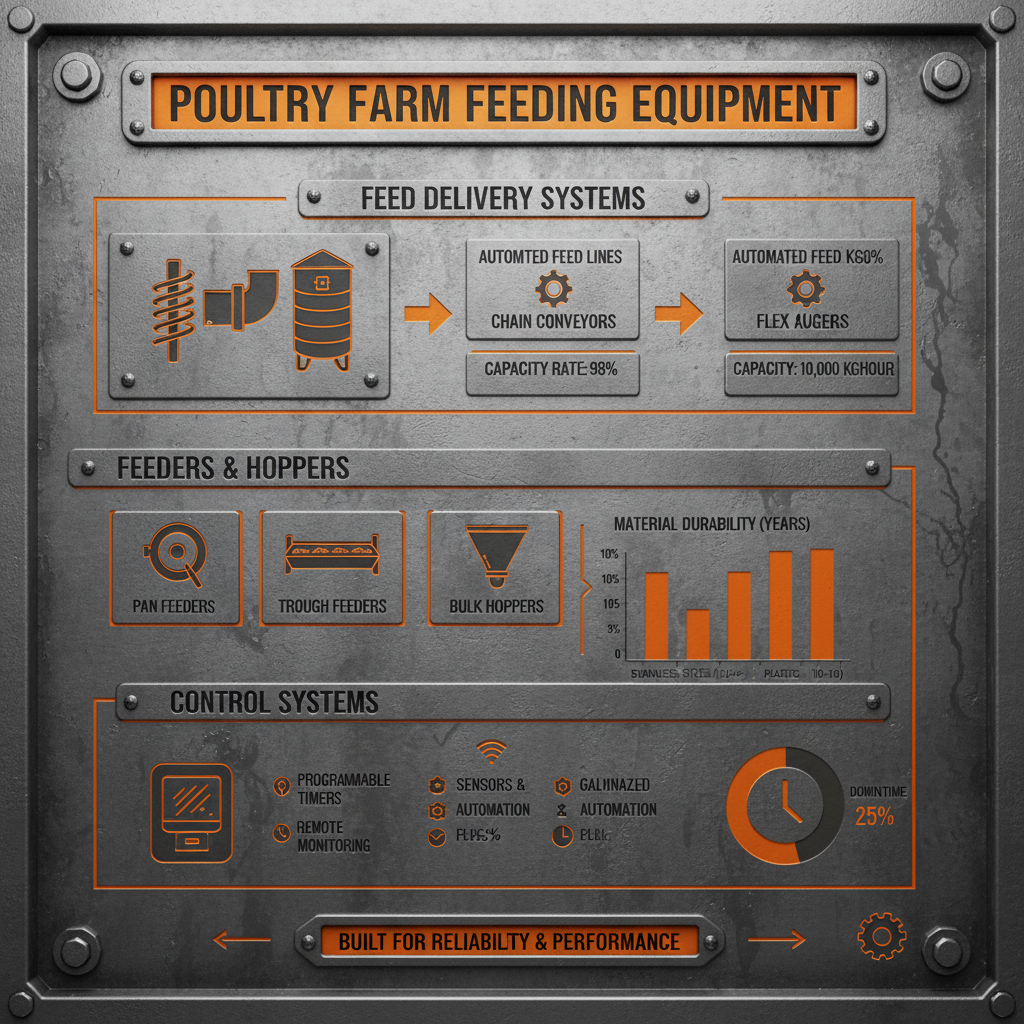
Poultry farm feeding equipment refers to the machinery and systems used to provide nutrition to poultry birds. This broad category includes feeders, silos, augers, feed pans, and automated feeding lines. The primary function is to ensure birds have consistent access to a nutritionally balanced diet, promoting healthy growth and egg production.
The connection to modern industry lies in the demand for high-quality, affordable protein sources. As the global population increases, so does the need for efficient and scalable poultry production. Feeding equipment plays a central role in achieving this, facilitating large-scale operations while maintaining quality control.
In the context of humanitarian needs, reliable and efficient poultry farming can provide a sustainable source of protein in regions facing food insecurity. Access to appropriate feeding equipment enables communities to establish and maintain small-scale poultry operations, improving nutritional outcomes.
Key Factors in Feeding Equipment Selection
When selecting poultry farm feeding equipment, several key factors must be considered. Durability is paramount, as the equipment will be subjected to harsh conditions and constant use. Equipment constructed from robust materials like stainless steel or heavy-duty plastics will offer a longer lifespan and reduce maintenance costs.
Scalability is also crucial, especially for growing operations. The chosen system should be easily expandable to accommodate increasing flock sizes without significant modifications or replacements. Modular designs are often ideal for this purpose.
Cost Efficiency extends beyond the initial purchase price. Factors like feed wastage, maintenance requirements, and energy consumption all contribute to the total cost of ownership. Automated systems, while more expensive upfront, can often deliver significant long-term cost savings through reduced labor and improved feed conversion. Hygiene is another essential aspect, preventing the spread of disease through contaminated feed. Equipment that is easy to clean and sanitize is crucial. Finally, Precision - the ability to deliver the right amount of feed at the right time - minimizes waste and optimizes bird performance.
Global Applications and Use Cases
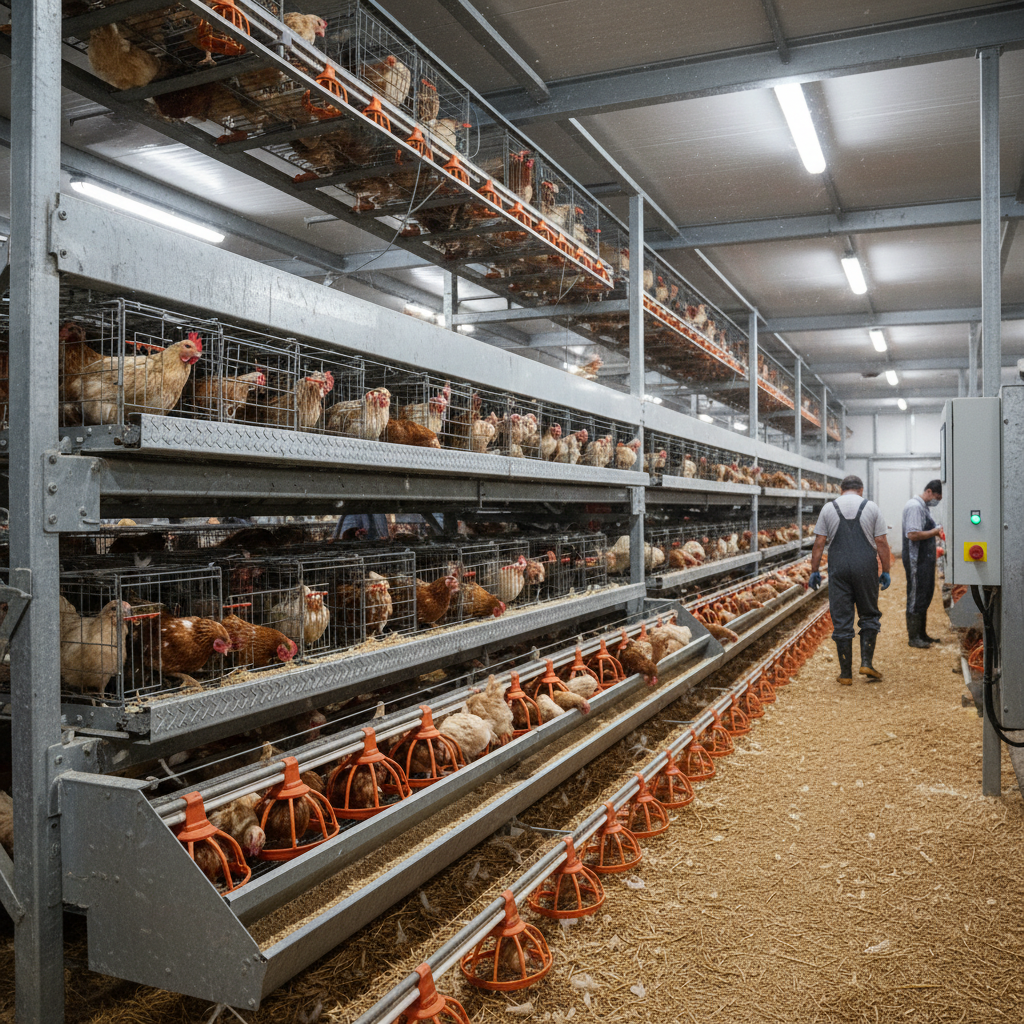
Poultry farm feeding equipment is utilized globally across a wide spectrum of poultry production systems, ranging from small-scale backyard farms to large-scale industrial operations. In Europe and North America, automated feeding systems are prevalent, focusing on maximizing efficiency and minimizing labor costs.
In developing countries, simpler, more affordable feeding solutions are often employed, but there’s a growing trend towards adopting more efficient technologies to improve productivity. Organizations like Heifer International frequently provide poultry farming equipment, including feeders, to support sustainable agriculture initiatives in developing regions.
In post-disaster relief operations, quick-deployment poultry farming kits – including basic feeding equipment – can provide a vital source of protein and income for affected communities. Remote industrial zones, such as those in parts of Asia, utilize automated feeding systems to support large-scale poultry production for export markets.
Comparison of Poultry Farm Feeding Equipment Methods
Advantages and Long-Term Value
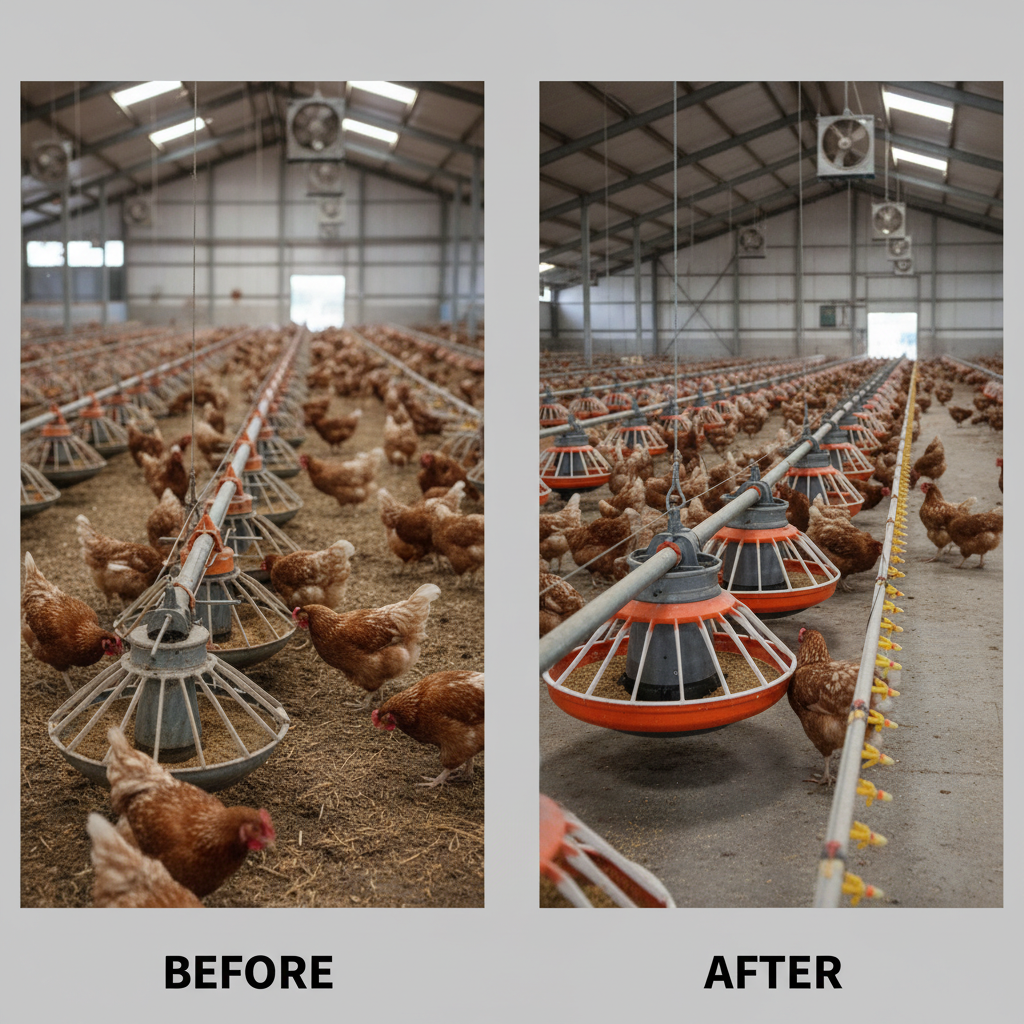
Investing in high-quality poultry farm feeding equipment offers tangible benefits, including reduced feed wastage, improved feed conversion ratios, and lower labor costs. These translate directly into increased profitability for poultry producers. The reliability of the equipment also minimizes downtime and disruption to production cycles.
The long-term value extends beyond economic gains. Sustainable feeding practices contribute to environmental responsibility by minimizing resource consumption and reducing waste. Improved bird health reduces the need for antibiotics, promoting animal welfare and food safety. Emotionally, providing birds with consistent access to nutrition fosters a more humane and ethical farming environment.
Future Trends and Innovations
The future of poultry farm feeding equipment is focused on automation, data analytics, and sustainability. Precision feeding systems, utilizing sensors and data algorithms, will deliver customized feed rations based on individual bird needs, optimizing growth and reducing waste.
Integration with smart farm technologies – including IoT sensors and cloud-based monitoring platforms – will provide real-time insights into feed consumption, bird health, and environmental conditions, enabling proactive management and optimized performance. There’s also increasing research into alternative feed sources and technologies to reduce the environmental impact of poultry production.
Challenges and Solutions
Common challenges in poultry farm feeding equipment include equipment malfunctions, feed bridging in silos, and inconsistent feed distribution. Addressing these requires regular maintenance, proper equipment selection, and operator training.
Solutions include implementing preventative maintenance schedules, utilizing anti-bridging devices in silos, and investing in automated systems with advanced monitoring and control features. Remote diagnostics and predictive maintenance, powered by IoT technology, are also emerging as promising solutions to minimize downtime and optimize equipment performance.
Furthermore, the initial investment cost can be a barrier for some producers. Leasing options and government subsidies can help make advanced feeding equipment more accessible, particularly for small-scale farmers.
Summary of Challenges and Solutions in Poultry Farm Feeding Equipment
| Challenge |
Impact on Operation |
Solution |
Implementation Cost (1-10) |
| Equipment Malfunctions |
Production Downtime, Increased Labor Costs |
Preventative Maintenance, Regular Inspections |
3 |
| Feed Bridging in Silos |
Uneven Feed Distribution, Feed Waste |
Anti-Bridging Devices, Silo Aeration |
5 |
| Inconsistent Feed Distribution |
Varied Bird Growth, Reduced Egg Production |
Automated Feeding Systems, Calibration |
8 |
| High Initial Investment Cost |
Barrier to Entry for Small Farmers |
Leasing Options, Government Subsidies |
6 |
| Lack of Operator Training |
Improper Equipment Use, Reduced Efficiency |
Comprehensive Training Programs |
4 |
| Environmental Concerns (Dust, Noise) |
Health Risks, Community Complaints |
Dust Control Systems, Noise Reduction Technologies |
7 |
FAQS
Automated systems offer numerous advantages, including reduced labor costs, precise feed delivery, improved feed conversion ratios, and enhanced bird health. By automating the feeding process, producers can free up labor for other critical tasks, minimize feed wastage, and ensure birds receive the optimal amount of nutrition for their stage of development. Data collection capabilities also offer valuable insights into flock performance.
Selecting the appropriate feeder depends on factors such as bird type, flock size, housing system, and budget. Options include trough feeders, chain feeders, pan feeders, and nipple drinkers. Trough feeders are suitable for smaller flocks, while chain and pan feeders are more efficient for larger operations. Nipple drinkers provide hygienic water access. Consider the ease of cleaning, durability, and adjustability when making your decision.
Proper feed bin ventilation is crucial to prevent condensation, mold growth, and feed bridging. Moisture accumulation can lead to spoilage and reduce feed quality. Ventilation systems ensure airflow through the bin, maintaining a dry and consistent feed environment. This is especially important in humid climates or during periods of high moisture.
Poultry feeding equipment should be cleaned and sanitized regularly, ideally after each flock and at least weekly during continuous production. This helps prevent the spread of disease and maintains hygiene. Use approved disinfectants and follow proper cleaning protocols to ensure thorough sanitation. Regular cleaning prevents the build-up of bacteria and reduces the risk of contamination.
Feed bridging occurs when feed particles interlock and create a blockage in the silo, preventing proper flow. Common causes include moisture content, feed particle size, and silo design. Using anti-bridging devices, maintaining proper feed moisture levels, and ensuring a smooth silo interior can help prevent bridging. Regular inspection and monitoring are also essential.
Reducing feed wastage involves several strategies, including using appropriate feeder height and spacing, minimizing feed spillage, and implementing precise feeding schedules. Regularly inspect feeders for damage and ensure they are properly adjusted. Automated feeding systems can also help reduce waste by delivering the exact amount of feed required by the birds.
Conclusion
In conclusion, poultry farm feeding equipment plays a fundamental role in the modern poultry industry. From ensuring efficient feed delivery to promoting bird health and optimizing production costs, the right equipment is essential for success. Understanding the key factors influencing equipment selection, embracing future innovations, and proactively addressing challenges are crucial for sustained profitability and responsible poultry farming.
Looking ahead, continued investment in research and development will drive further advancements in feeding technology. Embracing data-driven insights, automation, and sustainable practices will be key to meeting the growing global demand for poultry products while minimizing environmental impact. Visit our website at www.cxlivestock.com to explore a wide range of poultry farm feeding equipment solutions.