Look, after running around construction sites all year, you start to see some patterns. Lately, everyone's obsessed with 'smart' everything. Smart sensors, smart actuators, smart dust… honestly, it’s a bit much. But it's where the money is going, so we gotta pay attention. It’s not just about adding a chip; it’s about making things actually useful, not just generating data nobody looks at. And trust me, I've seen plenty of 'smart' things fail spectacularly in the field.
The biggest trap I see is over-engineering. Designers get caught up in features and forget about… well, reality. Like, a beautifully complex widget that takes three guys and a crane to install? No thank you. Simple, robust, and easy to maintain – that's what we aim for. Have you noticed how many products require specialized tools? A simple hex key is a beautiful thing.
We're using a lot of high-density polyethylene these days, for enclosures mostly. It smells faintly of… well, plastic, but it's tough as nails and surprisingly UV resistant. Feels a bit waxy when you cut it, which is annoying, but it’s way better than the brittle polypropylene we were stuck with a few years back. Then there's the zinc alloy for the connectors, which, let me tell you, is a pain to machine. Gets all gummy and leaves a terrible smell. But it holds up against corrosion, and that's what matters.
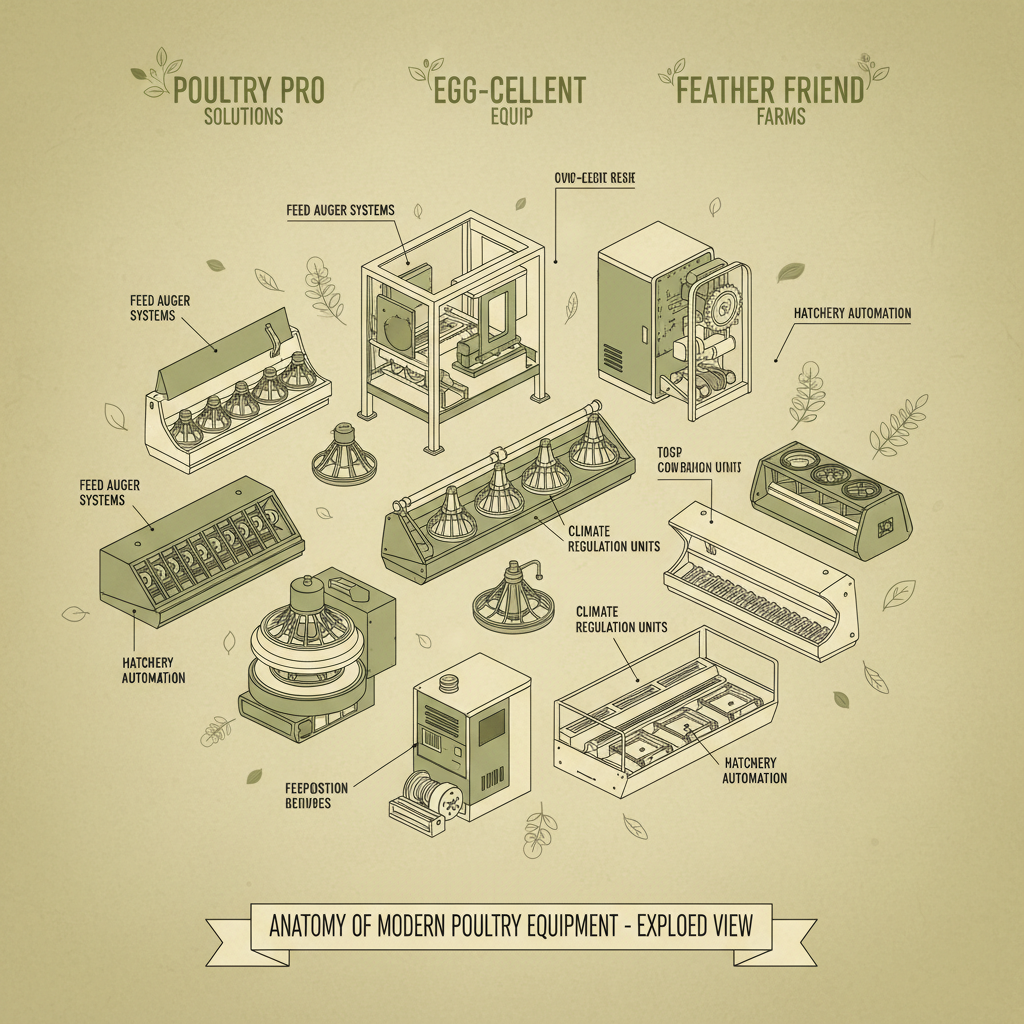
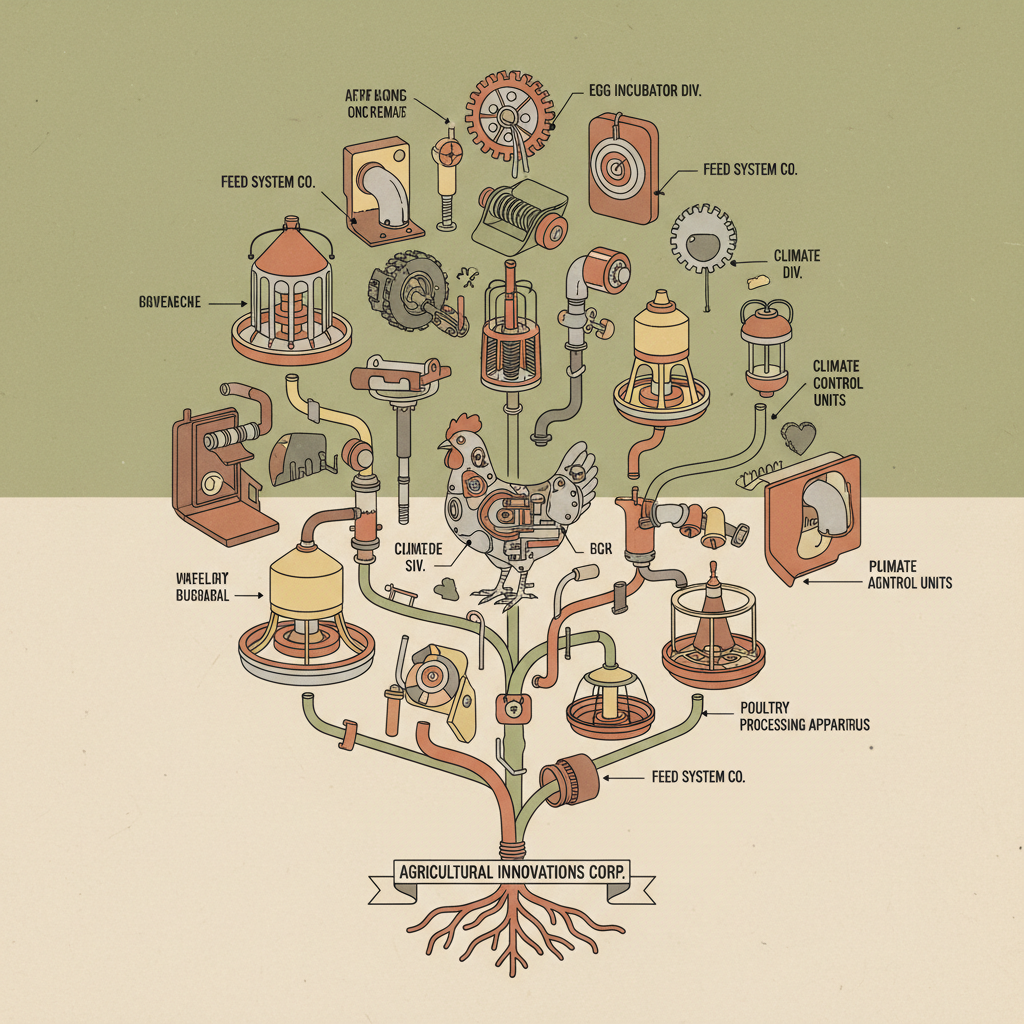
Poultry equipment companies are the backbone of modern poultry farming, providing the tools and systems necessary for efficient and sustainable production. They range from small, family-owned businesses to large multinational corporations, all focused on supporting the ever-growing demand for poultry products globally. To be honest, it’s a surprisingly dynamic field, constantly evolving to meet new challenges and improve performance.
The importance of these companies extends far beyond simply providing equipment. They contribute significantly to food security, economic growth in rural areas, and the advancement of agricultural technology. The sector impacts millions of livelihoods, from the farmers who directly utilize the equipment to the consumers who rely on a stable supply of affordable protein.
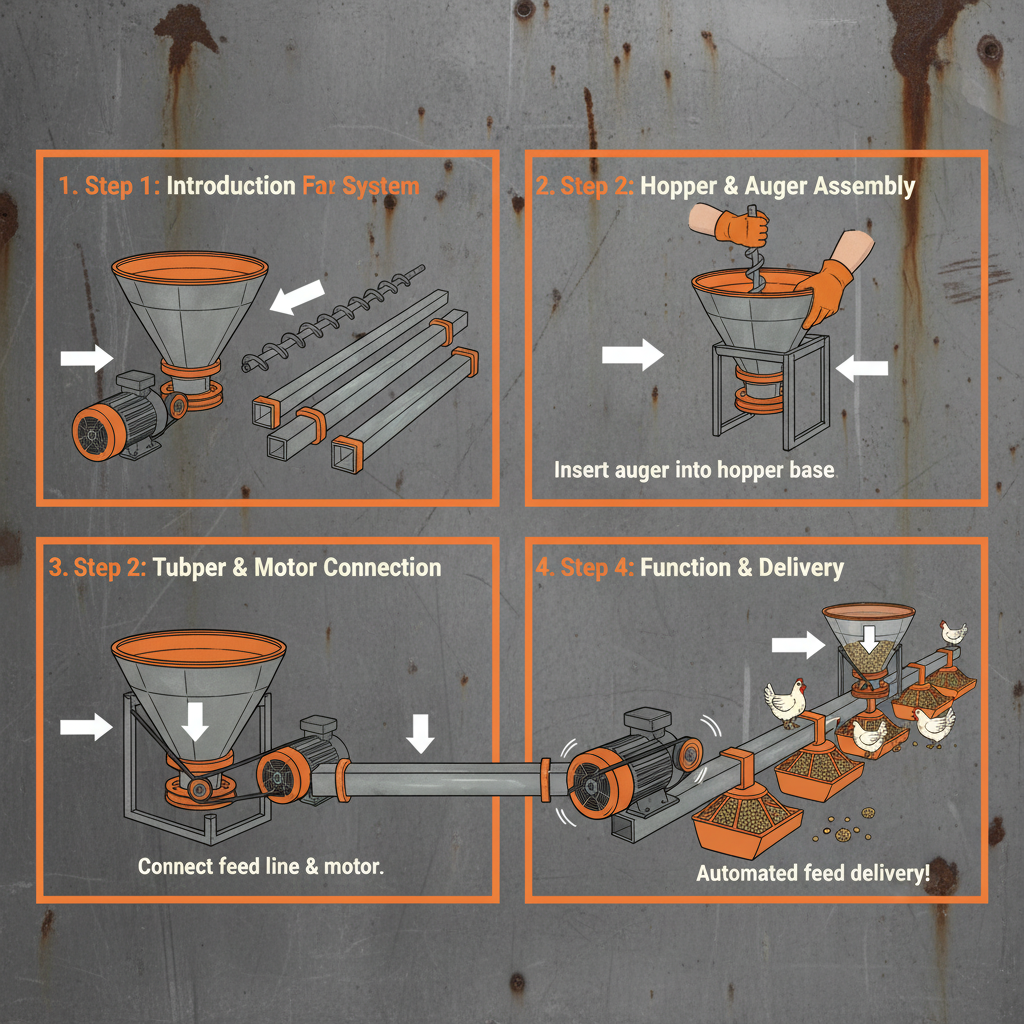
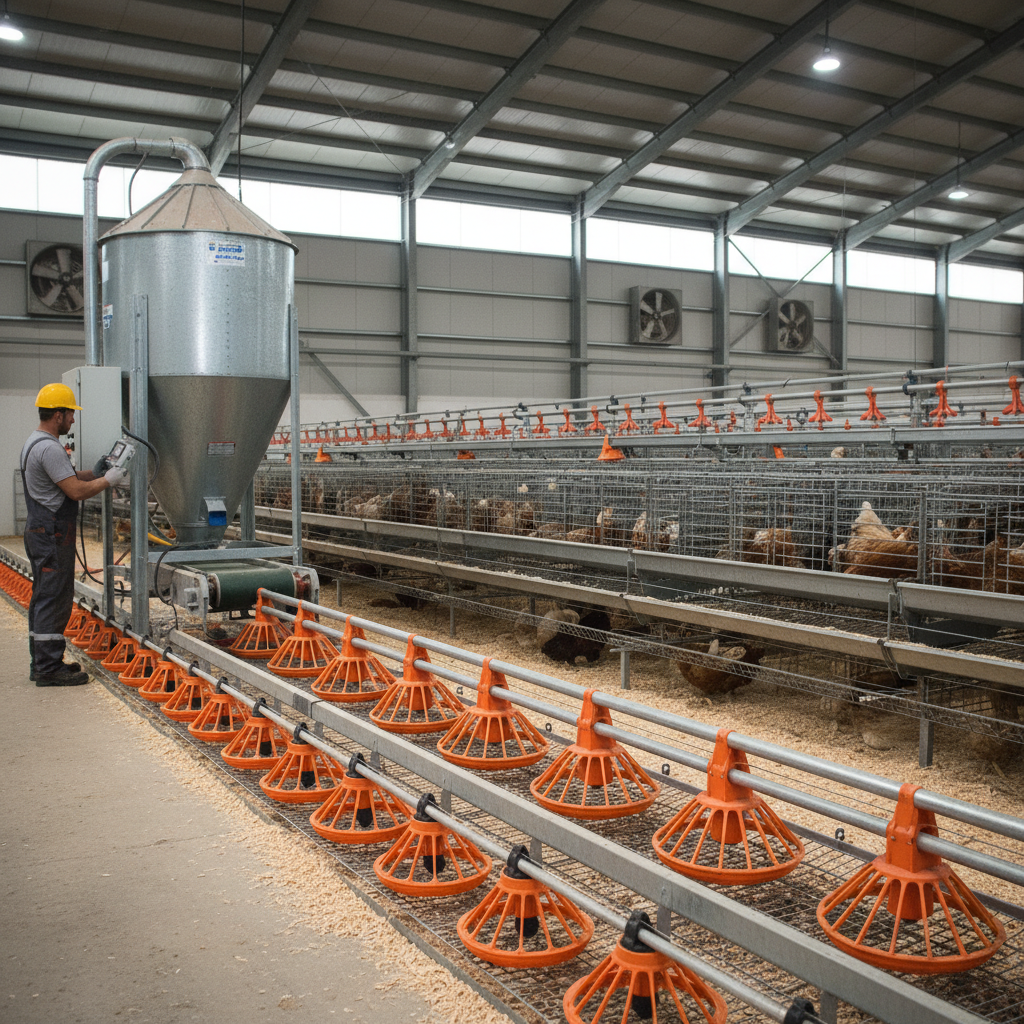
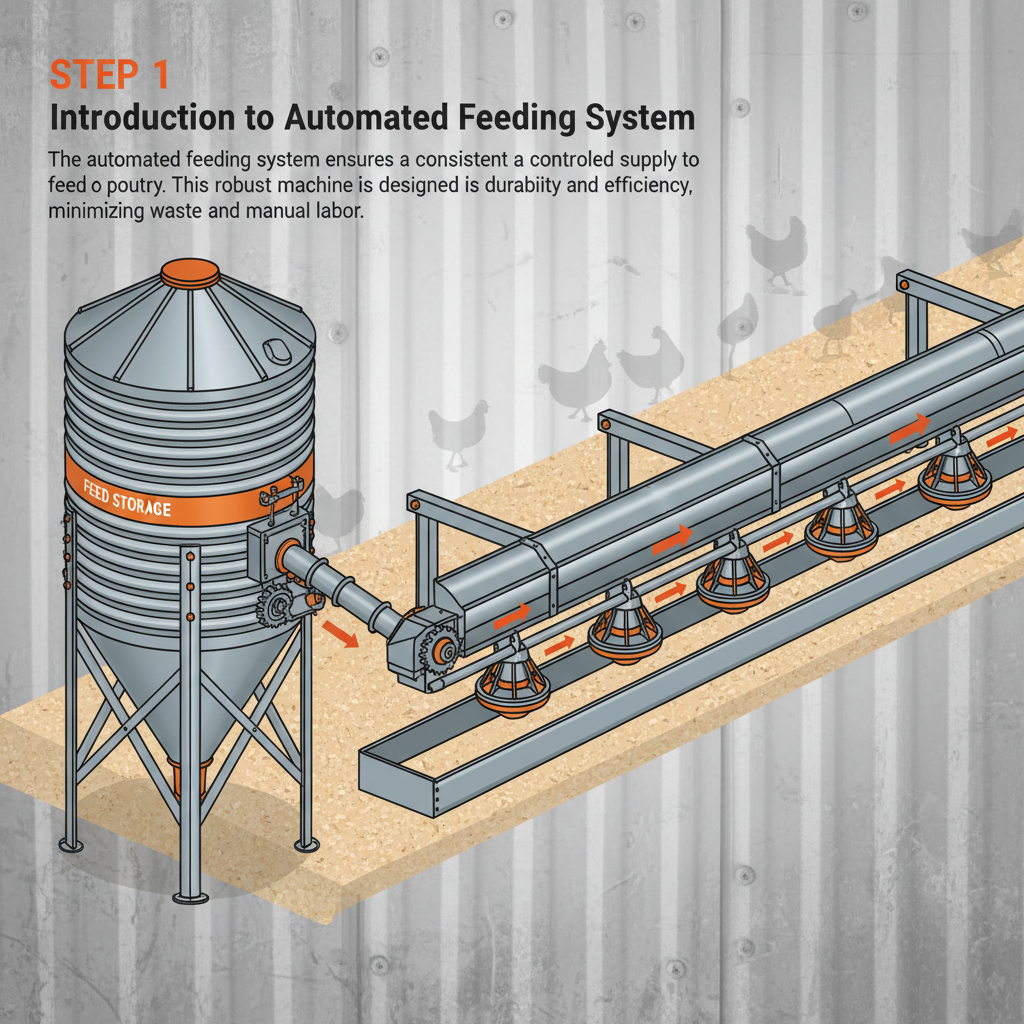
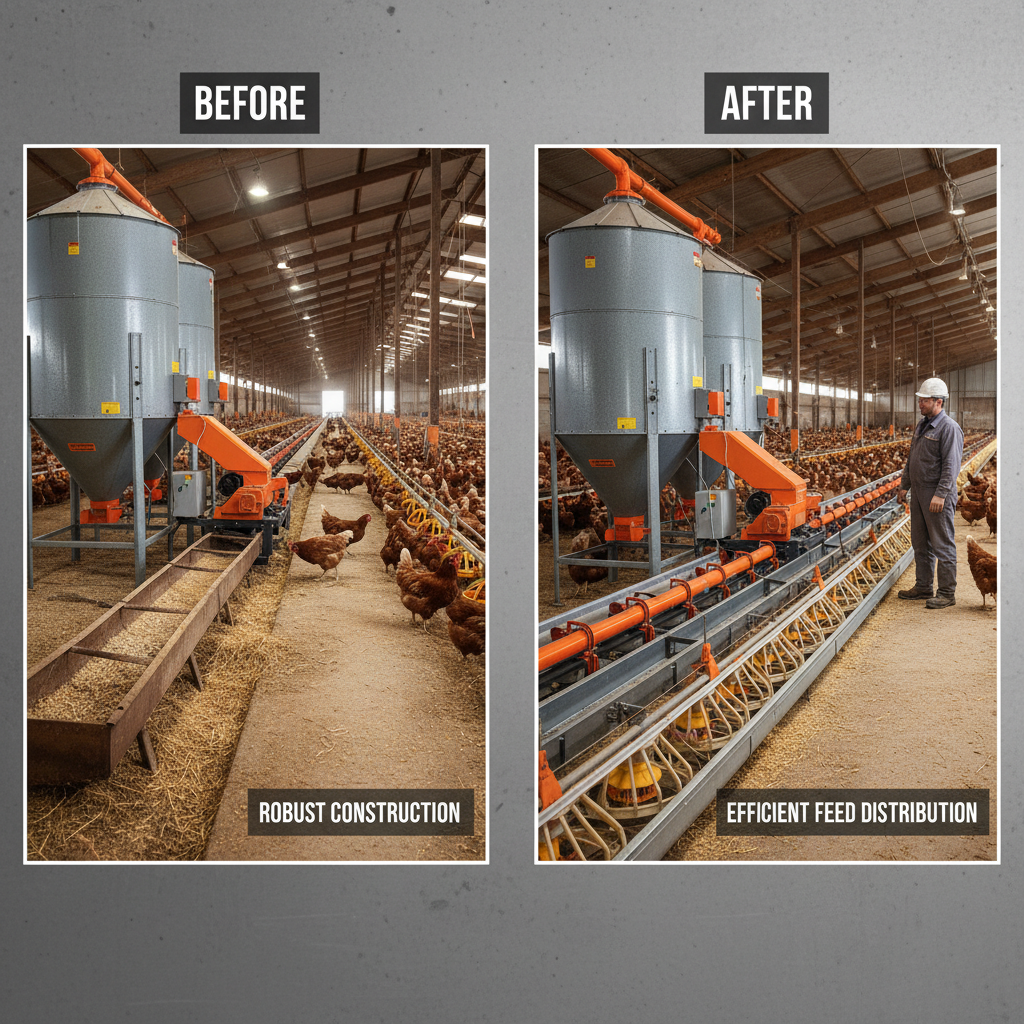
I encountered a situation at a farm in Iowa last year where outdated equipment was causing huge losses due to feed wastage and disease outbreaks. Switching to a modern, automated system completely turned things around. It wasn’t just about the machines; it was about the expertise and support the company provided in optimizing the entire process. That's when I really saw the value of a good poultry equipment company.
A well-maintained poultry house using quality materials like high-grade steel and durable plastics can easily last 20-30 years. However, factors like climate, biosecurity practices, and the intensity of use significantly impact longevity. Regular inspections and preventative maintenance – replacing worn parts promptly – are crucial. I’ve seen some houses still standing after 40 years, but they’ve been meticulously cared for.
Ventilation is critical! Poor ventilation leads to ammonia buildup, dust, and increased disease risk. Tunnel ventilation is great for hot climates, providing a cooling breeze. Cross ventilation is more suitable for moderate temperatures, offering better air mixing. Negative pressure systems, while effective, require careful sealing to prevent drafts. Choosing the right system depends on the climate, bird density, and house design. The biggest mistake I see is under-ventilating during winter, thinking you're saving energy. It's a false economy.
Capacity is obvious, but think about feed type – different systems handle pellets, mash, and crumble differently. Also, consider the bird's age and growth stage; young chicks need a different feeding system than mature birds. Ease of cleaning is huge; a dirty feeder is a breeding ground for pathogens. And don’t forget the reliability of the controls and sensors. Last month, that small boss in Shenzhen who makes smart home devices insisted on changing the interface to , and the result was a week of frustration because none of his workers understood it. Stick with what works!
Lighting controls everything: feed intake, growth rate, egg production, even bird behavior. Red light encourages calmness, while blue light stimulates activity. LEDs are the way to go – they’re energy-efficient, have a long lifespan, and offer precise control over light intensity and spectrum. Dimming capabilities are essential for simulating natural daylight cycles. There’s a lot of hype around ‘full spectrum’ LEDs, but honestly, a well-designed system with adjustable red and blue settings is usually sufficient.
They offer a range of solutions: automated cleaning and disinfection systems, boot washes, air filtration, rodent control, and secure housing designs. They also provide training and consultation on biosecurity protocols. It's not just about the equipment, though. It’s about creating a culture of biosecurity on the farm, with strict adherence to hygiene practices. Companies are also developing technologies like UV sterilization for water and air.
Initially, there's a significant upfront investment, no doubt. But over the long term, automation leads to lower labor costs, reduced feed wastage, improved bird health, and increased production efficiency. This translates to a higher return on investment. It's about optimizing the entire production process. I've seen farms reduce their operating costs by 15-20% after implementing automated systems. The key is to choose the right equipment for your specific needs and ensure it's properly maintained.
Ultimately, poultry equipment companies provide the essential tools and systems needed for efficient, sustainable, and safe poultry production. From optimizing resource utilization and improving animal welfare to ensuring biosecurity and adapting to evolving industry trends, their contributions are vital to meeting the growing global demand for poultry products. The focus is shifting towards integrated solutions, data-driven decision-making, and environmentally responsible practices.
The future demands continued innovation, a willingness to embrace new technologies, and a commitment to collaboration between equipment manufacturers, farmers, and researchers. But ultimately, whether this thing works or not, the worker will know the moment he tightens the screw. That’s the truth of it.