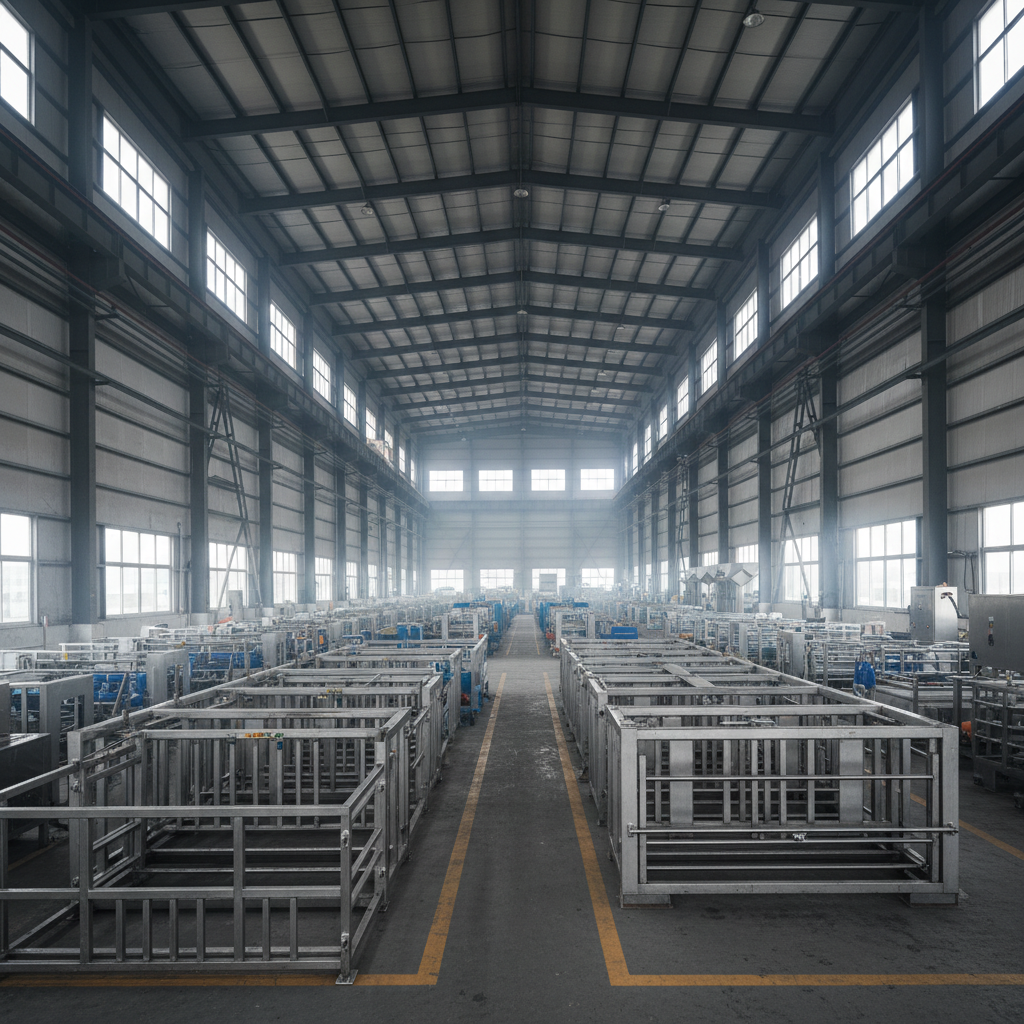
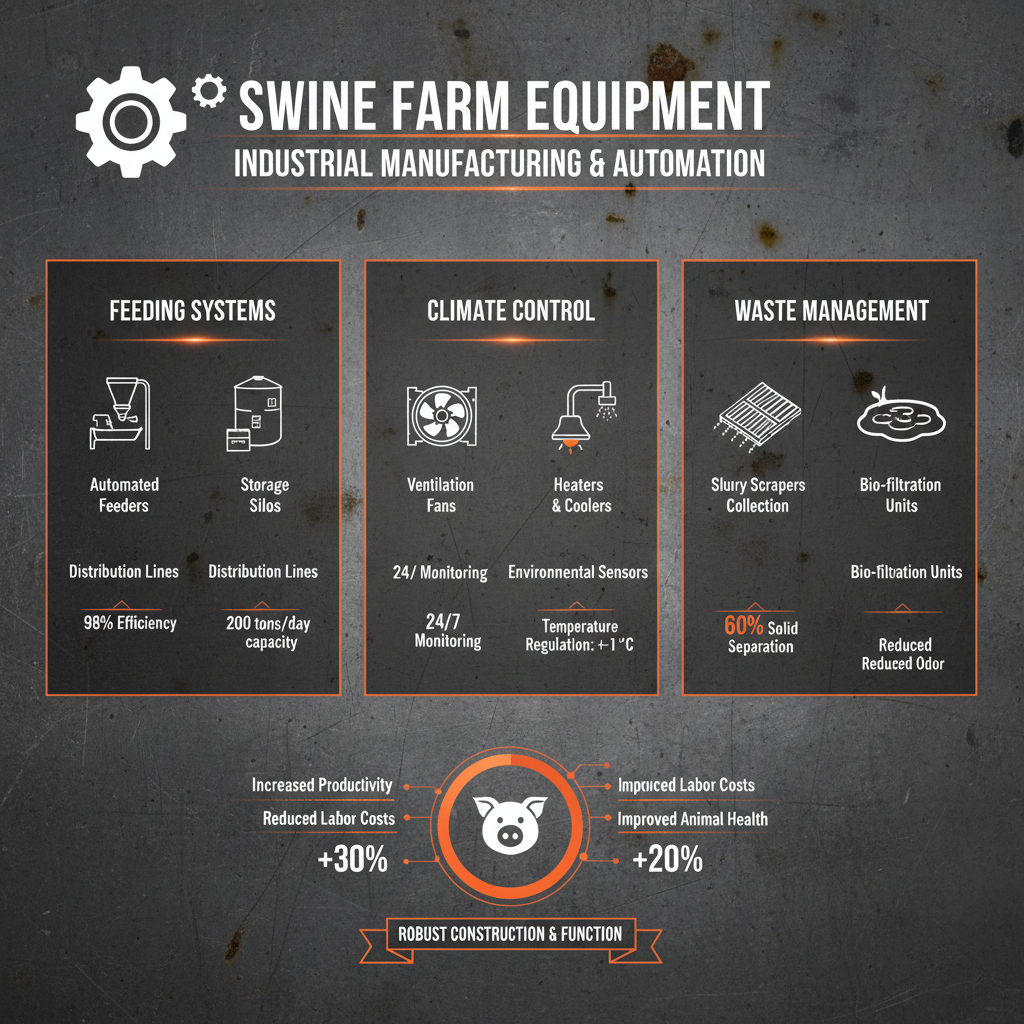
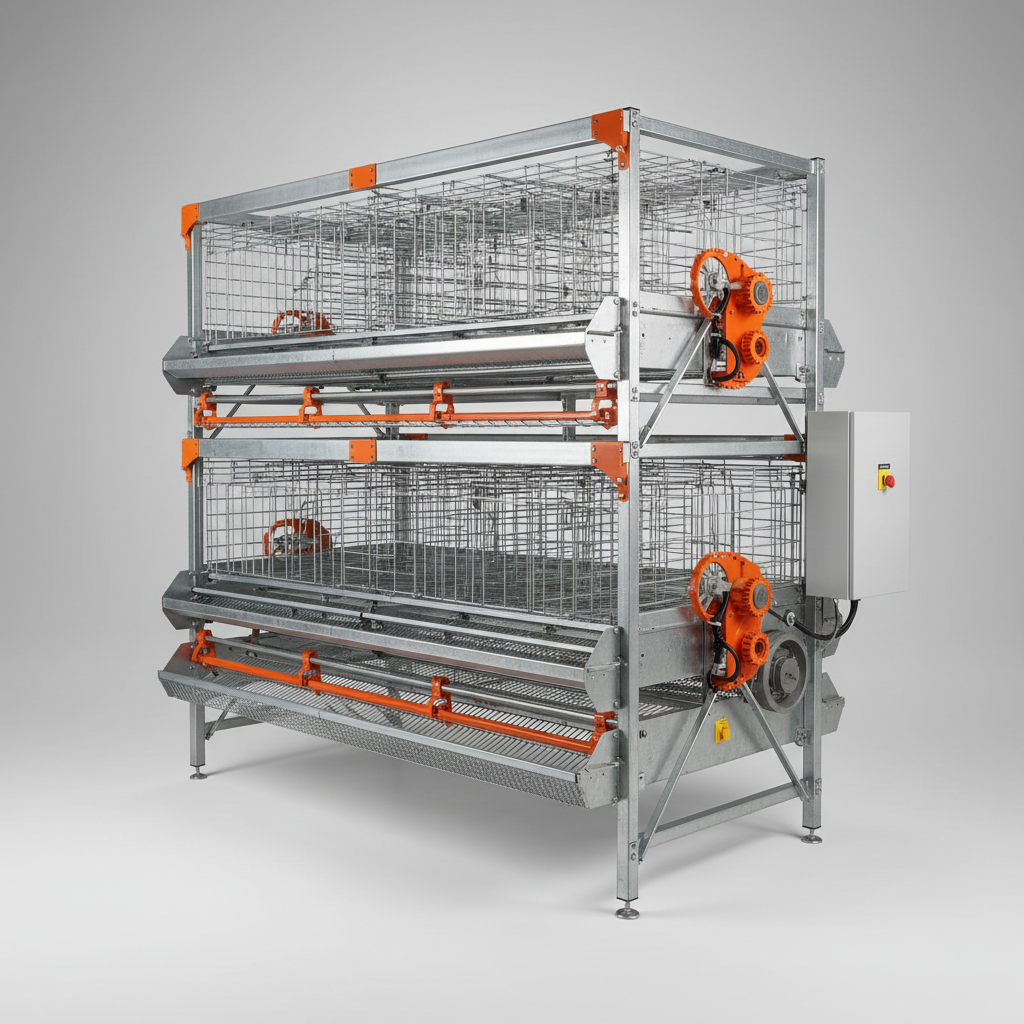
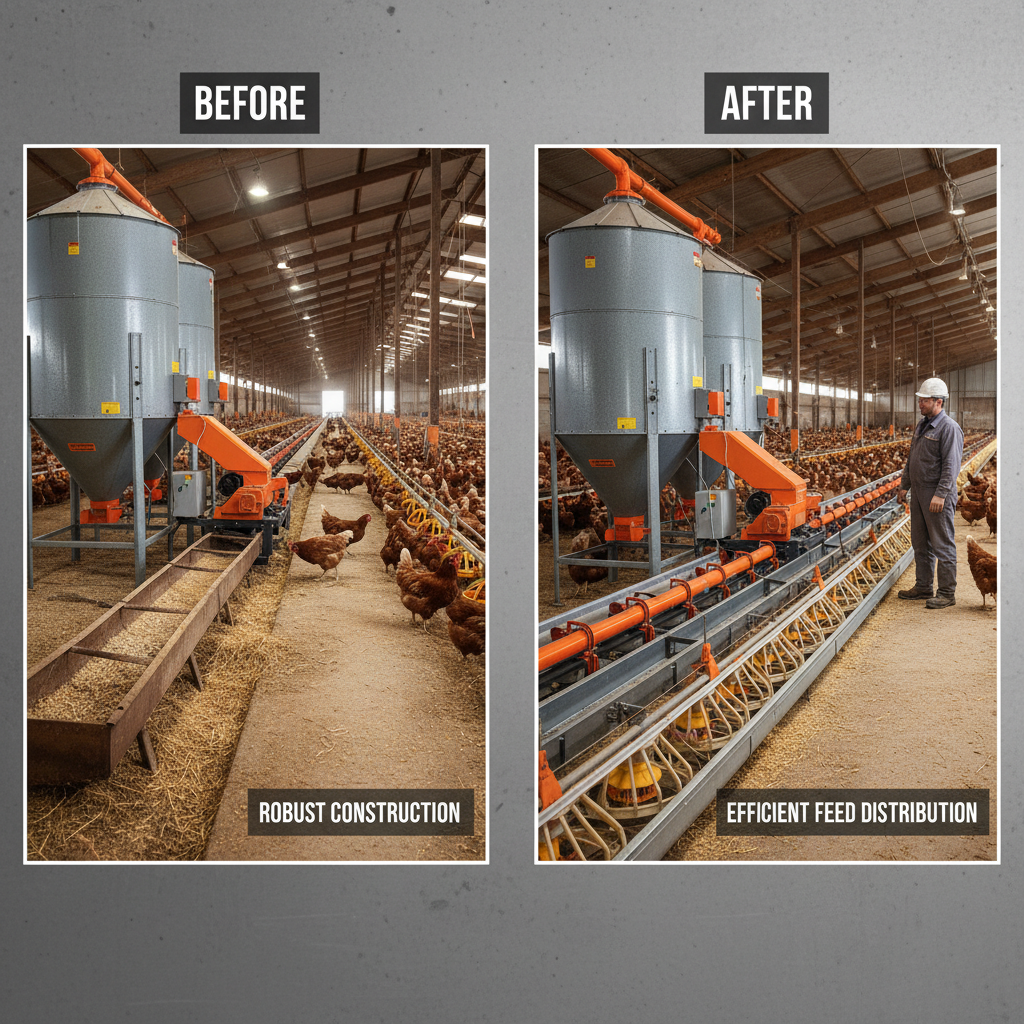
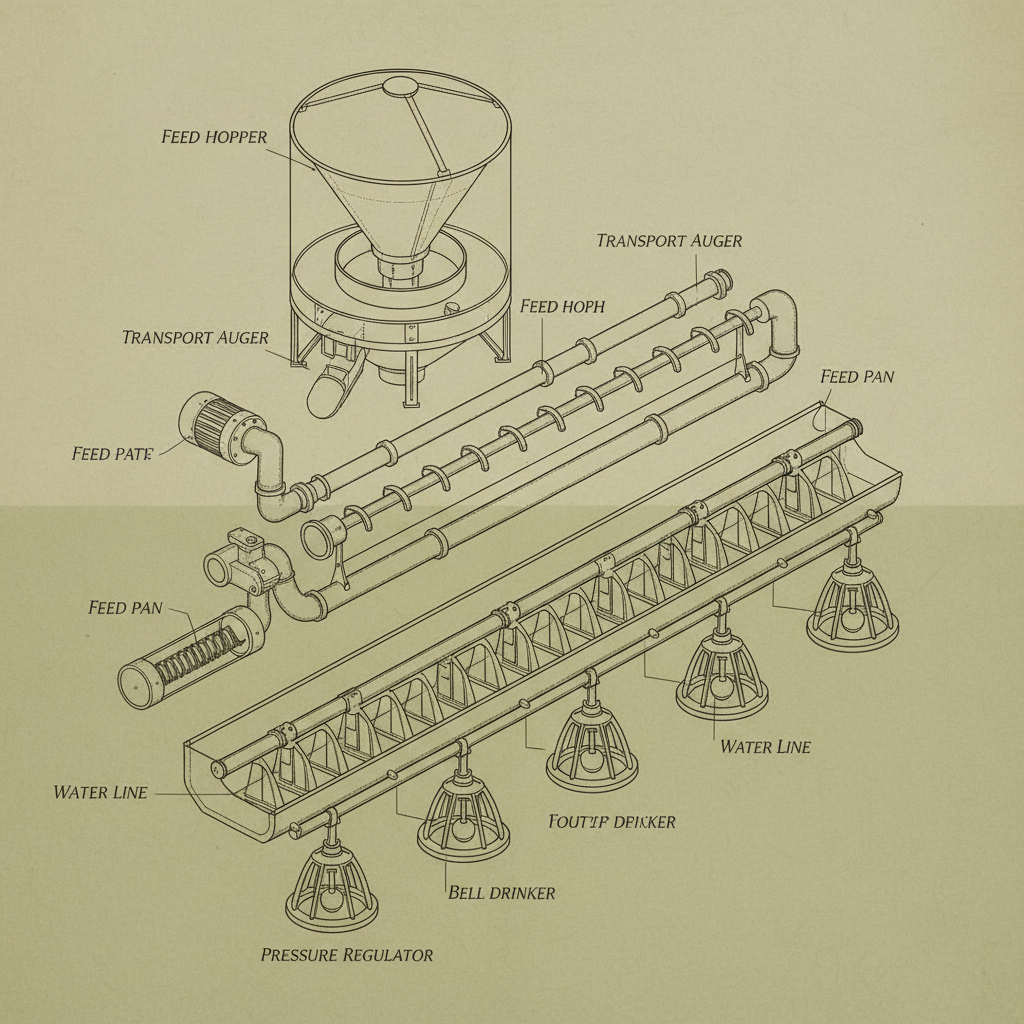
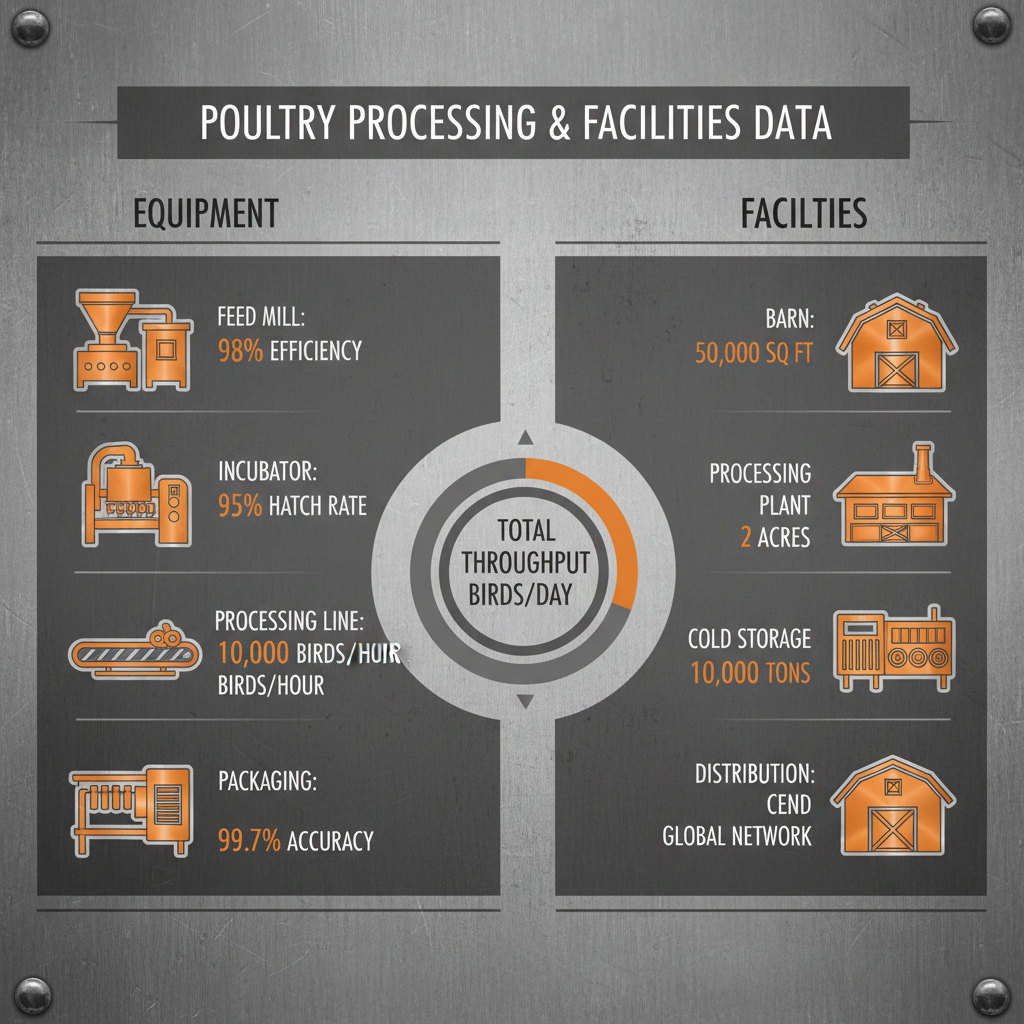
Modern swine farming demands efficient and reliable equipment to ensure optimal animal welfare, productivity, and profitability. Swine farm equipment encompasses a broad range of solutions, from feeding and watering systems to housing and climate control, all designed to streamline operations and improve the overall health of the herd. The global demand for pork continues to rise, creating a pressing need for innovative and scalable farm equipment to meet this growing market.
The increasing focus on biosecurity and sustainability further amplifies the importance of high-quality swine farm equipment. Investing in durable and hygienic systems reduces disease transmission, minimizes environmental impact, and supports long-term agricultural viability. Furthermore, automation and data-driven technologies are transforming swine production, necessitating advanced equipment capable of integration and analysis.
From small-scale family farms to large-scale commercial operations, the right swine farm equipment is crucial for success. This equipment isn't merely about functionality; it's about creating a conducive environment for healthy animals, efficient production, and ultimately, a sustainable food supply.
The Importance of Swine Farm Equipment
The efficiency and profitability of a swine farm are inextricably linked to the quality of its equipment. From automatic feeding systems to robust penning solutions, swine farm equipment directly impacts animal health, growth rates, and overall farm productivity. Investing in modern equipment isn’t just about convenience; it’s about building a sustainable and competitive agricultural business.
Effective swine farm equipment contributes to reduced labor costs, minimized waste, and improved biosecurity – all critical factors in today’s demanding agricultural landscape. The right equipment allows farmers to focus on animal care and management, rather than being bogged down by manual tasks and inefficient processes.
Defining Swine Farm Equipment
Swine farm equipment is a comprehensive set of tools, machinery, and systems used in the raising of pigs, from birth to market. This encompasses everything from basic necessities like feeders and waterers to more sophisticated technologies like climate control systems and automated waste management solutions. The scope is broad, catering to every stage of the pig’s life cycle.
Essentially, it's the infrastructure that supports modern swine production. It moves beyond simply providing for the animal’s needs; it’s about optimizing those needs for maximum efficiency and well-being. This includes equipment for breeding, gestation, farrowing, nursery, growing, and finishing stages.
The evolution of swine farm equipment reflects the growing sophistication of the industry. Early farms relied on manual labor and basic tools, while today’s operations leverage advanced technology to achieve unprecedented levels of productivity and control.
Key Factors in Swine Farm Equipment Selection
When selecting swine farm equipment, several key factors must be considered. Durability is paramount, as the harsh environment of a pig farm demands equipment that can withstand constant use, cleaning, and exposure to corrosive substances. Equipment should be constructed from high-quality materials designed for longevity.
Scalability is another crucial aspect. Farms evolve over time, and equipment should be adaptable to accommodate future expansion or changes in production practices. Modular systems that can be easily added to or reconfigured offer the greatest flexibility. Furthermore, cost efficiency isn’t solely about the initial purchase price; it’s about the total cost of ownership, including maintenance, repairs, and replacement.
Biosecurity considerations are increasingly important. Equipment should be designed to minimize the risk of disease transmission, with smooth surfaces that are easy to clean and disinfect. Finally, ease of use and maintenance are critical. Equipment that is simple to operate and maintain reduces labor costs and minimizes downtime.
Global Applications of Swine Farm Equipment
The application of swine farm equipment is truly global, driven by the worldwide demand for pork. China, the world’s largest pork consumer, represents a significant market for advanced swine farming technologies. Similarly, countries in Europe, North America, and South America are heavily invested in modernizing their swine production facilities.
In regions with limited resources, durable and low-maintenance equipment is particularly valuable. These solutions enable farmers to increase productivity and improve animal welfare, even in challenging environments. The need for improved efficiency extends to all corners of the globe.
From large-scale industrial farms to smaller, independent operations, swine farm equipment is adapted to suit a diverse range of production systems and economic conditions. The principles of efficient and humane animal husbandry are universally applicable, driving the demand for innovative solutions worldwide.
Comparative Efficiency of Swine Farm Equipment Methods
Advantages & Long-Term Value of Quality Equipment
Investing in high-quality swine farm equipment offers numerous tangible benefits. Reduced labor costs through automation, minimized feed waste with precision feeding systems, and lower veterinary expenses due to improved animal health all contribute to increased profitability. The immediate financial benefits are clear.
Beyond the economic advantages, quality equipment enhances animal welfare, leading to healthier and more productive animals. This, in turn, improves the quality of the final product and builds consumer trust. Furthermore, sustainable equipment choices, such as energy-efficient climate control systems, reduce the farm’s environmental footprint.
Future Trends in Swine Farm Equipment
The future of swine farm equipment is inextricably linked to technological advancements. Precision livestock farming, utilizing sensors, data analytics, and artificial intelligence, is rapidly gaining traction. These technologies enable farmers to monitor animal health, optimize feeding strategies, and proactively address potential problems.
Automation will continue to play a key role, with robotic systems taking on more tasks, such as feeding, cleaning, and even health monitoring. The integration of renewable energy sources, such as solar power, will also become increasingly common, reducing energy costs and promoting sustainability.
Challenges & Solutions in Swine Farm Equipment Implementation
Despite the many benefits, implementing new swine farm equipment can present challenges. High initial costs can be a barrier for smaller farms. Integration with existing systems can also be complex, requiring careful planning and technical expertise.
To overcome these challenges, manufacturers are developing more affordable and modular equipment solutions. Government subsidies and financing options can also help alleviate the financial burden. Furthermore, comprehensive training and support services are essential to ensure farmers can effectively utilize new technologies.
Addressing biosecurity concerns during equipment installation and maintenance is paramount. Strict cleaning and disinfection protocols, along with careful material selection, can minimize the risk of disease transmission and ensure a safe and healthy environment for the animals.
Key Considerations for Successful Swine Farm Equipment Integration
| Equipment Category |
Initial Investment |
Maintenance Level |
Impact on Efficiency |
| Automatic Feeding System |
$8,000 - $20,000 |
Medium |
High (15-20% reduction in feed waste) |
| Climate Control System |
$5,000 - $15,000 |
High |
Medium (Improved growth rates, reduced mortality) |
| Farrowing Crate |
$300 - $800 per crate |
Low |
Medium (Reduced piglet mortality) |
| Waste Management System |
$10,000 - $30,000 |
Medium-High |
High (Environmental compliance, reduced odor) |
| Watering System |
$2,000 - $5,000 |
Low |
Medium (Consistent water access, improved health) |
| Ventilation System |
$4,000 - $10,000 |
Medium |
High (Air quality improvement, disease control) |
FAQS
A well-maintained, high-quality automatic feeding system typically lasts between 10 and 15 years. Factors impacting lifespan include the quality of materials, the frequency of maintenance, and the harshness of the farm environment. Regular inspections, cleaning, and replacement of worn parts are crucial for maximizing the system's longevity and ensuring continued efficient operation. It’s also vital to choose a system from a reputable manufacturer known for durable components and reliable service.
Determining the right feed silo size depends on several factors, including the number of pigs, their age and weight, the type of feed used, and the frequency of feed deliveries. A typical calculation involves estimating daily feed consumption, multiplying it by the desired storage duration (e.g., 30 days), and adding a safety margin of 10-15%. Consulting with a swine nutrition expert and a swine farm equipment supplier can provide a more accurate assessment tailored to your specific needs.
Essential features of a good farrowing crate include adjustable side rails to accommodate sows of different sizes, a robust frame built from durable materials, a comfortable and easy-to-clean floor surface, and a secure piglet guard to prevent crushing. Furthermore, the crate should allow for easy access for feeding, cleaning, and veterinary care. It's crucial that the design prioritizes both sow comfort and piglet safety.
Biosecurity is paramount when choosing swine farm equipment. Select equipment made from materials that are non-porous, easy to clean and disinfect, and resistant to corrosion. Avoid equipment with hard-to-reach areas where pathogens can accumulate. Implement strict cleaning and disinfection protocols for all equipment before and after use, and consider using biosecurity-specific cleaning agents. Regular inspections for damage or wear are also vital.
Steel grating floors require regular inspection for corrosion, damage, or loose connections. Periodic cleaning with a mild detergent and disinfectant is essential to prevent the buildup of manure and pathogens. Damaged or corroded sections should be repaired or replaced promptly to prevent injury to the animals. Consider applying a protective coating to the grating to enhance its lifespan and resistance to corrosion. Proper drainage is also crucial to prevent moisture accumulation.
PVC floors offer several advantages over concrete in swine facilities. They provide a warmer, more comfortable surface for the pigs, reducing stress and improving animal welfare. PVC is also non-porous, making it easier to clean and disinfect, and less prone to bacterial growth. It's more impact-resistant than concrete, reducing the risk of injuries. While concrete is more durable, PVC floors are easier and less costly to repair if damaged. Ultimately, PVC flooring provides a more hygienic and animal-friendly environment.
Conclusion
In conclusion, swine farm equipment is a critical investment for any swine operation, impacting everything from animal welfare and productivity to profitability and sustainability. Careful consideration of factors like durability, scalability, biosecurity, and future technological advancements is essential for making informed decisions. By prioritizing quality and innovation, farmers can build efficient and resilient operations capable of meeting the growing global demand for pork.
Looking ahead, the integration of data-driven technologies, automation, and sustainable practices will continue to shape the future of swine farm equipment. Embracing these trends will not only improve operational efficiency but also enhance animal well-being and minimize the environmental impact of swine production. Visit our website at www.cxlivestock.com to explore our comprehensive range of solutions and discover how we can help you optimize your swine farm.