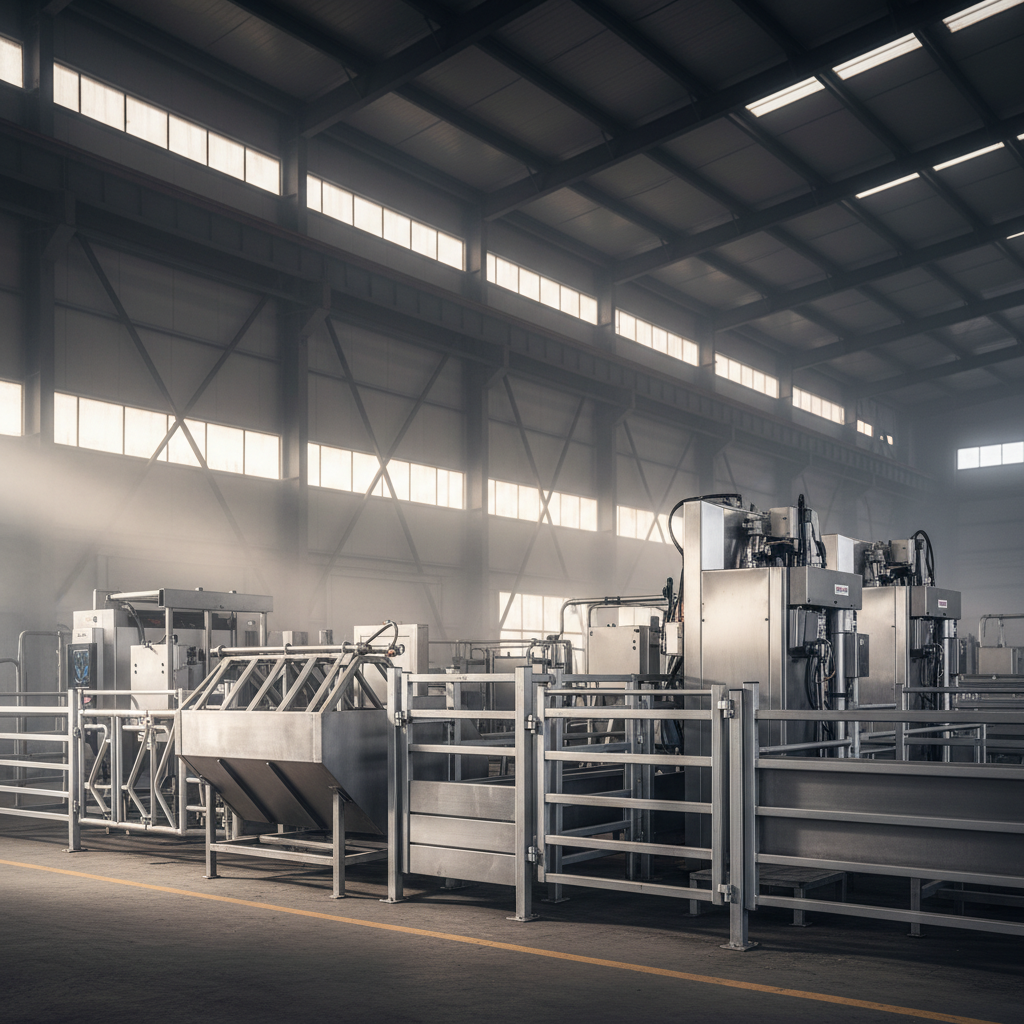
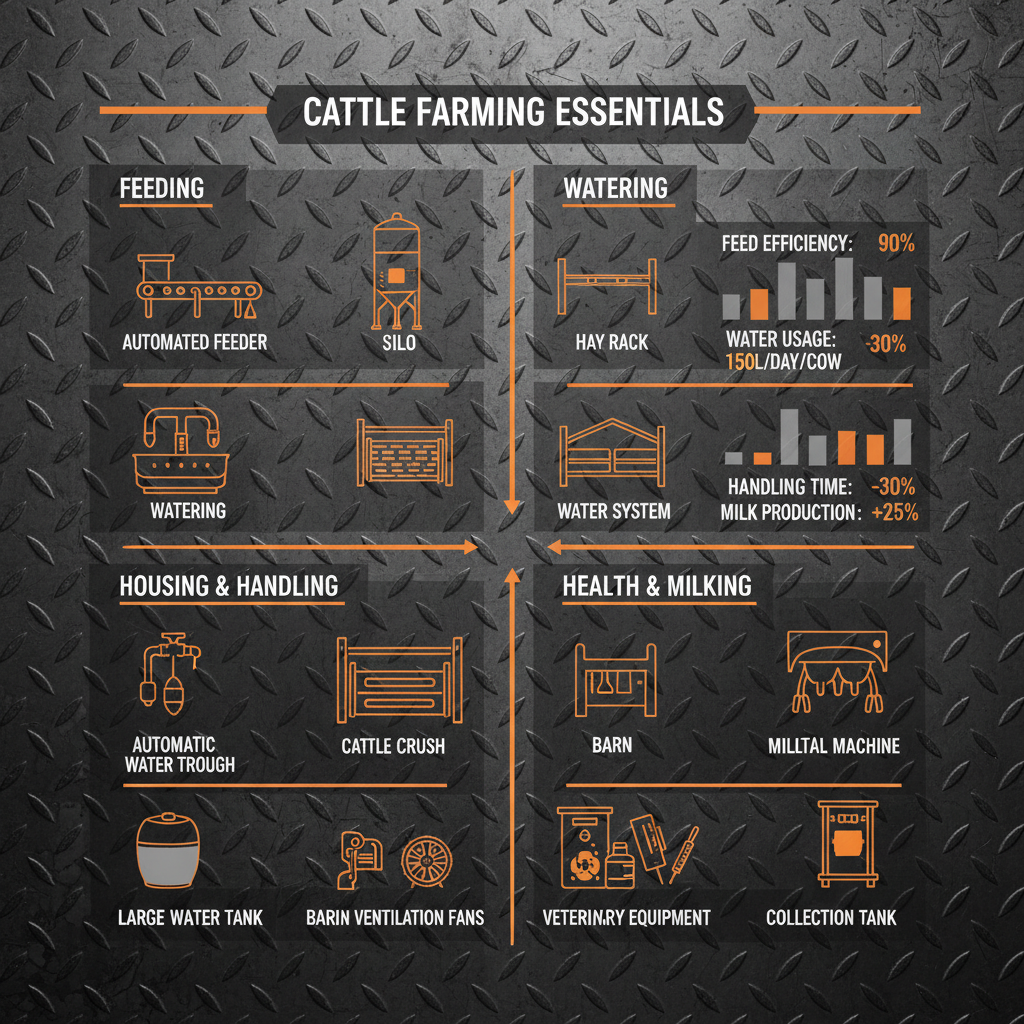
Let's talk about getting cattle farms set up right. It’s not just about land and animals; it’s about having the right tools to make everything run smoothly and efficiently. From feeding to health, handling to infrastructure – the equipment needed for cattle farming is the backbone of a successful operation. Without a solid plan for procuring and maintaining this equipment, you’re fighting an uphill battle before you even start.
I’ve seen too many operations struggle because they underestimated the need for quality equipment. It’s easy to cut corners upfront, thinking you can make do with older or cheaper options, but that almost always leads to more problems – and higher costs – down the road. Downtime due to broken equipment, inefficiencies in handling, and increased labor needs all eat into your profits.
The demand for beef continues to rise globally, fueled by population growth and changing dietary habits. The UN Food and Agriculture Organization predicts a significant increase in meat consumption in the coming decades, putting pressure on producers to increase efficiency. This means investing in the equipment needed for cattle farming isn’t just a good idea, it's a necessity for staying competitive and meeting that growing demand.
Defining the Essentials of equipment needed for cattle farming
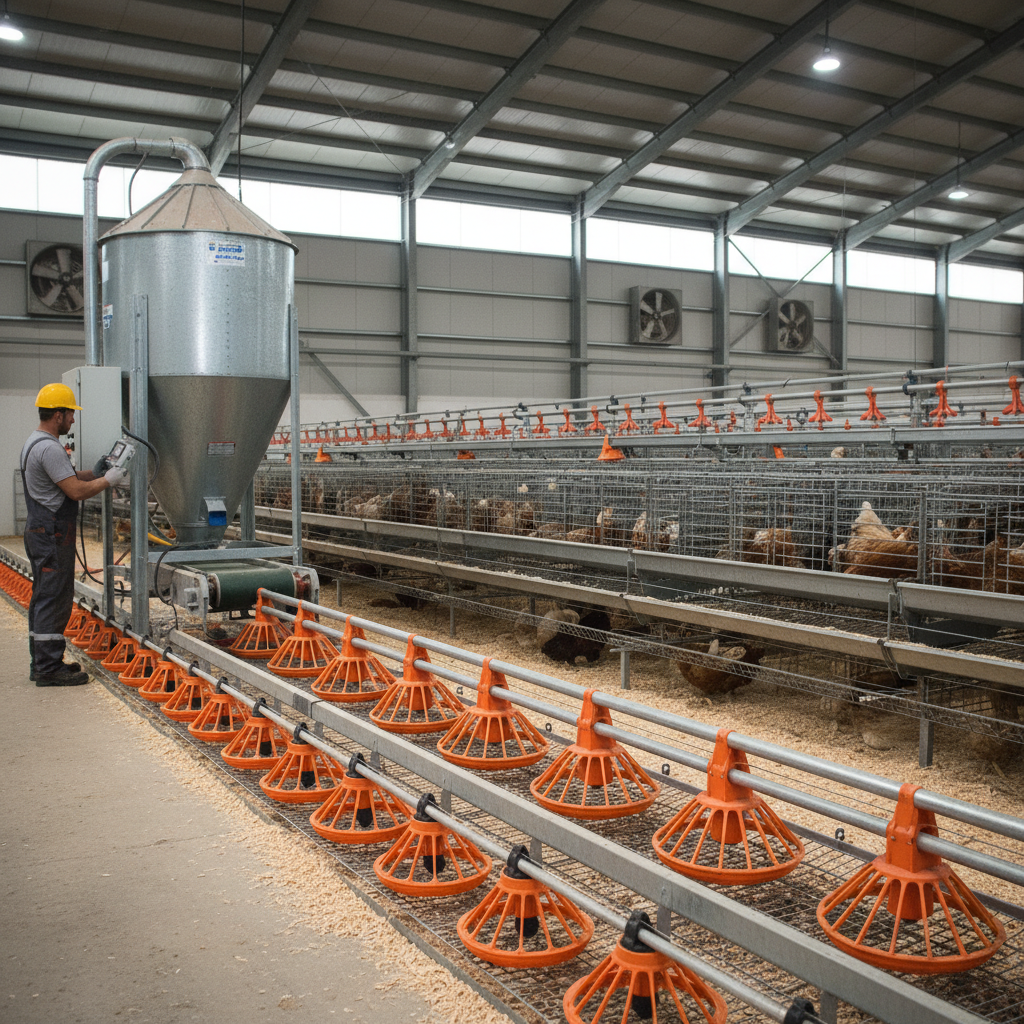
When we talk about equipment needed for cattle farming, we’re talking about a broad range of tools and machinery. It's everything from the basics – tractors, feeders, waterers – to more specialized items like calving pens, handling systems, and even electronic identification tags. It's about having the right setup to efficiently manage the entire lifecycle of your cattle.
The modern industry demands increasingly sophisticated solutions. It’s not just about getting the job done, it’s about doing it safely, efficiently, and sustainably. This means incorporating technology where it makes sense – automated feeding systems, precision livestock farming tools, and data management software – to optimize performance and minimize environmental impact.
The Global Significance of Cattle Farming Equipment
Cattle farming isn't a localized industry; it’s a cornerstone of the global food supply. According to the World Bank, livestock production accounts for a substantial portion of agricultural GDP in many developing nations. Having reliable equipment needed for cattle farming is paramount to maintaining that production and ensuring food security for a growing world population.
The challenges are significant. Climate change, land degradation, and increasing competition for resources all put pressure on cattle farmers. Efficient equipment allows farmers to maximize output with fewer inputs, mitigating some of these risks. And with global supply chains becoming increasingly complex, reliable equipment reduces the chances of disruptions and ensures a steady flow of product to market.
It's not just about large-scale commercial operations either. Smaller family farms play a crucial role in many regions, and access to affordable and appropriate equipment is vital for their survival and contribution to local economies. The need for adaptable and versatile equipment solutions is clear.
Core Considerations When Choosing Cattle Farming Equipment
Durability is king. This isn’t office equipment; it’s going to be exposed to harsh weather, rough terrain, and constant use. You need equipment built to last, with robust materials and reliable components. I’ve seen too much equipment fail prematurely simply because it wasn’t up to the task.
Scalability is crucial. Your operation will likely grow over time, so choose equipment that can adapt to your changing needs. Can you easily add more feeders or expand your handling system? Avoid getting locked into a system that can’t be upgraded without a major overhaul.
Cost efficiency is a balancing act. The cheapest option isn’t always the most economical. Factor in maintenance costs, downtime, and lifespan when evaluating different equipment choices. Sometimes, spending a bit more upfront for a higher-quality machine can save you a lot of money in the long run.
Applications Across Diverse Farming Environments
The specific equipment needed for cattle farming varies widely depending on the environment. A ranch in the arid Southwest will have different needs than a pasture-based operation in the Midwest. For example, water management is a critical consideration in dry climates, requiring robust pumps, pipelines, and storage tanks.
In post-disaster relief operations after floods or hurricanes, rapidly deployable fencing and temporary shelters are essential for containing livestock and providing immediate care. Remote industrial zones, like those found in Australia’s outback, demand self-sufficient and durable equipment capable of withstanding extreme conditions and minimal maintenance.
equipment needed for cattle farming Efficiency Ratings
The Long-Term Value Proposition of Quality Equipment
Investing in quality equipment needed for cattle farming isn’t just about saving money on repairs; it’s about increasing overall productivity and profitability. More efficient handling systems reduce labor costs, improved feeding systems optimize growth rates, and better health management equipment minimizes losses due to disease.
From a sustainability perspective, durable equipment reduces the need for frequent replacements, minimizing waste and conserving resources. And let’s not forget the safety aspect – well-maintained and properly designed equipment significantly reduces the risk of accidents and injuries.
Emerging Trends and Innovations in Cattle Farming Equipment
We’re seeing a lot of exciting advancements in the industry. Automation is a big one – robotic milking systems, automated feeding lines, and even drone-based monitoring are becoming increasingly common. Precision livestock farming, utilizing sensors and data analytics, is allowing farmers to track individual animal health and performance with unprecedented accuracy.
And the push for sustainability is driving innovation in areas like renewable energy – solar-powered water pumps, for example – and waste management technologies. The future of cattle farming equipment is all about smarter, more efficient, and more environmentally friendly solutions.
Overcoming Challenges in Equipment Acquisition and Maintenance
Access to financing can be a significant hurdle for many farmers. Exploring leasing options or government grant programs can help alleviate this burden. Maintenance is another key challenge. Regular preventative maintenance is crucial for extending the lifespan of your equipment.
Finding qualified technicians can also be difficult, especially in remote areas. Investing in training for your own staff or establishing relationships with local service providers is essential. And finally, keeping up with the latest technology requires ongoing learning and adaptation.
The best advice I can give is to build relationships. Talk to other farmers, attend industry events, and work with reputable equipment suppliers. The more knowledge you have, the better equipped you’ll be to make informed decisions and optimize your operation.
A Comparative Analysis of Common Cattle Farming Equipment
| Equipment Type |
Initial Cost (USD) |
Maintenance Level (1-10) |
Operational Efficiency (1-10) |
| Tractor (Utility) |
$40,000 - $80,000 |
6 |
8 |
| Feeding System (Automated) |
$15,000 - $30,000 |
4 |
9 |
| Watering System (Automated) |
$5,000 - $15,000 |
3 |
7 |
| Handling System (Portable) |
$2,000 - $5,000 |
2 |
6 |
| Calving Pen (Individual) |
$500 - $1,500 |
1 |
5 |
| Waste Management System |
$10,000 - $25,000 |
5 |
8 |
FAQS
That really depends on the size and type of operation you're running, the climate, and your overall goals. Start with a thorough assessment of your needs – what tasks need to be automated, what areas are causing bottlenecks, and what are your long-term expansion plans? Consulting with experienced farmers or an agricultural advisor can provide valuable insights. Don't be afraid to start small and scale up as your operation grows.
Preventative maintenance should be a regular part of your routine, not just something you do when things break down. At a minimum, inspect all equipment before and after each use. Follow the manufacturer's recommended maintenance schedule for things like oil changes, filter replacements, and lubrication. A little preventative care can save you a lot of headaches – and money – down the road.
Automated feeding systems are becoming increasingly sophisticated. New systems offer precision feeding capabilities, adjusting the amount of feed delivered to each animal based on its individual needs. They also incorporate data analytics to optimize feed efficiency and reduce waste. Some systems even allow for remote monitoring and control via smartphone or tablet.
Yes, many governments offer programs to help farmers acquire new equipment. These can include grants, low-interest loans, and tax credits. The USDA in the United States, for example, offers a variety of programs designed to support agricultural producers. Check with your local agricultural agencies to see what options are available in your region.
Operator training is absolutely critical. New equipment often incorporates advanced technology and safety features that operators need to understand properly. Proper training can significantly reduce the risk of accidents and ensure that the equipment is used efficiently and effectively. Many equipment dealers offer training programs for their products.
There are pros and cons to both. New equipment comes with a warranty and the latest technology, but it's also more expensive. Used equipment can be a good value, but it may require more maintenance and repairs. Carefully assess your budget, your long-term needs, and the condition of the used equipment before making a decision. A thorough inspection by a qualified mechanic is always a good idea.
Conclusion
Investing in the right equipment needed for cattle farming is about more than just buying machines; it’s about building a sustainable, efficient, and profitable operation. By carefully considering your needs, prioritizing durability and scalability, and embracing new technologies, you can position your farm for long-term success in a challenging and evolving industry.
The future of cattle farming is bright, but it requires a proactive approach to equipment acquisition and maintenance. Stay informed about the latest innovations, build relationships with trusted suppliers, and never stop learning. Visit our website at www.cxlivestock.com to explore our comprehensive range of equipment solutions and learn how we can help you optimize your farm.