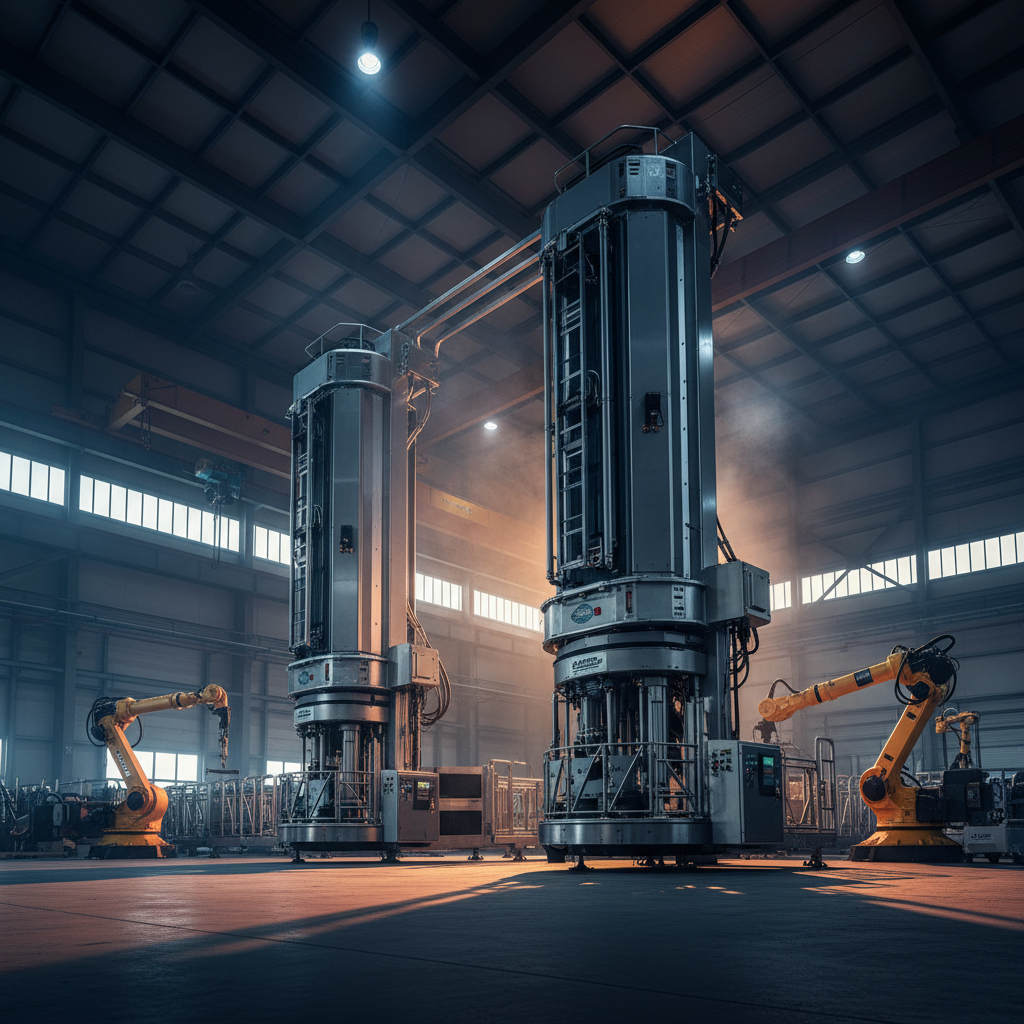
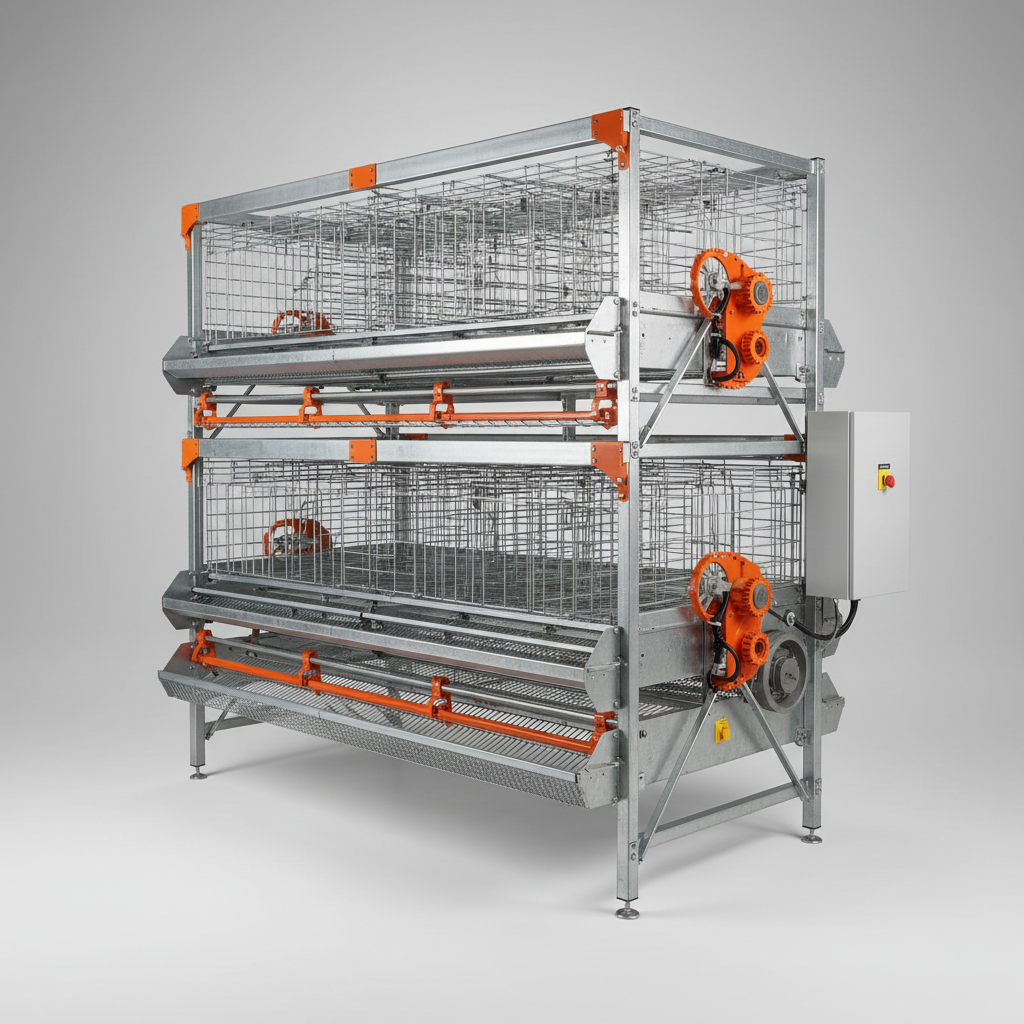
Look, been running around construction sites all year, breathing in dust, getting my hands dirty. Large poultry houses for sale, honestly, it's a booming market. Everyone wants bigger, better, more efficient. Used to be small family farms, now it's industrial scale. The demand is crazy, especially with folks realizing how fragile the supply chain is. You see a lot of old houses getting scrapped, replaced with these pre-fab, high-capacity structures. Makes sense, right? More birds, more eggs, more profit… that’s the name of the game.
But here’s the thing: people get fixated on capacity and forget about the practical side. Like, building something huge isn't the hard part. Getting the ventilation right so you don’t end up with a disease outbreak? That's where it gets tricky. And frankly, a lot of these designs look good on paper, but they haven’t spent a day dealing with actual bird behavior.
I’ve seen some real messes, believe me. You think you've accounted for everything, then a little thing throws the whole system off. It’s not just about the size of the house; it's about how everything works together. It’s all connected.
The Rise of Large Poultry Housing
To be honest, the whole industry's shifted. It’s not about small-scale farming anymore. It's about efficiency, and that means building bigger. I was at a factory in Alabama last month, they're pumping out these massive structures like they're building Lego blocks. The scale is… frankly, it’s a little unsettling. But it's what the market wants. Driven by global demand for poultry products, you know? And with increasing concerns over food security, bigger operations mean more consistent supply.
Have you noticed how much the demand for pre-fabricated solutions has increased? They can slap these things together in a fraction of the time it takes to build something from scratch. And that's huge, especially when you're dealing with perishable products. Time is money, and in this business, that’s never been truer.
Core Components and Design Considerations
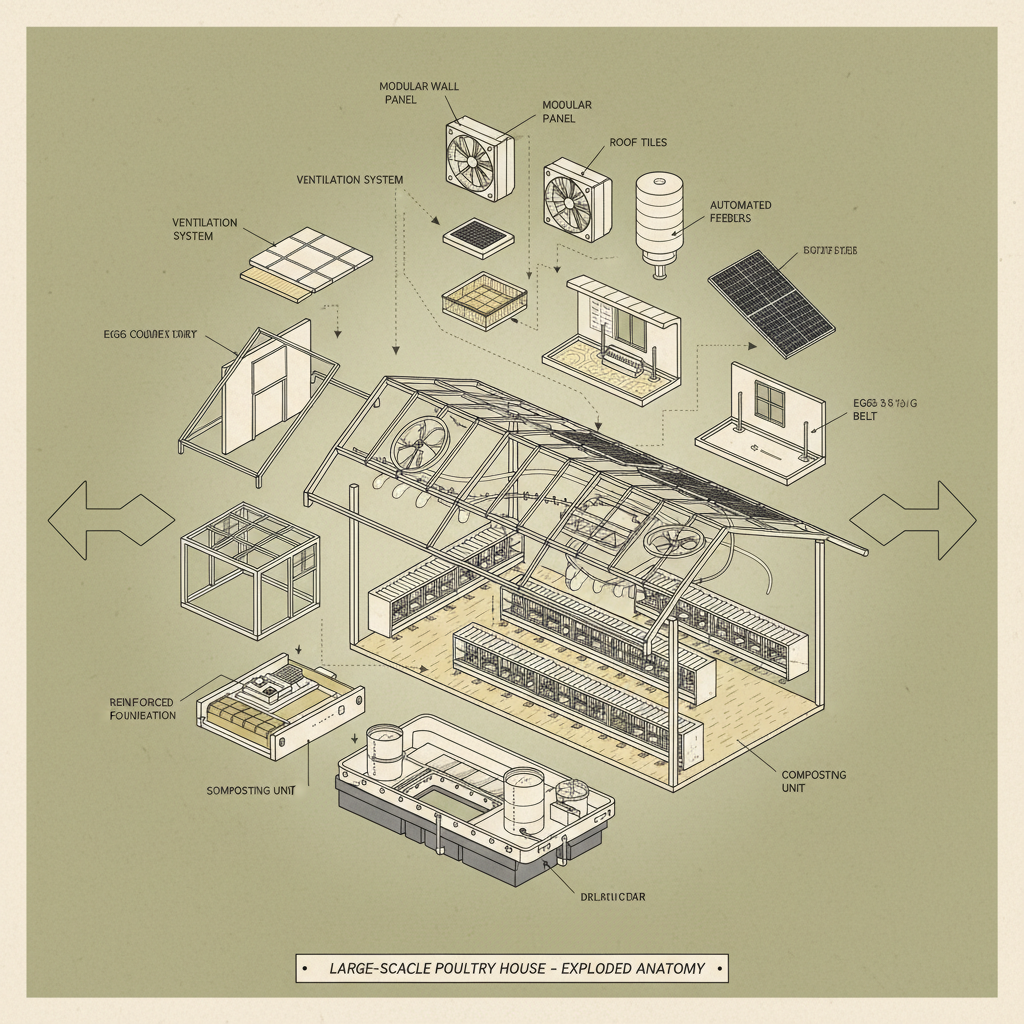
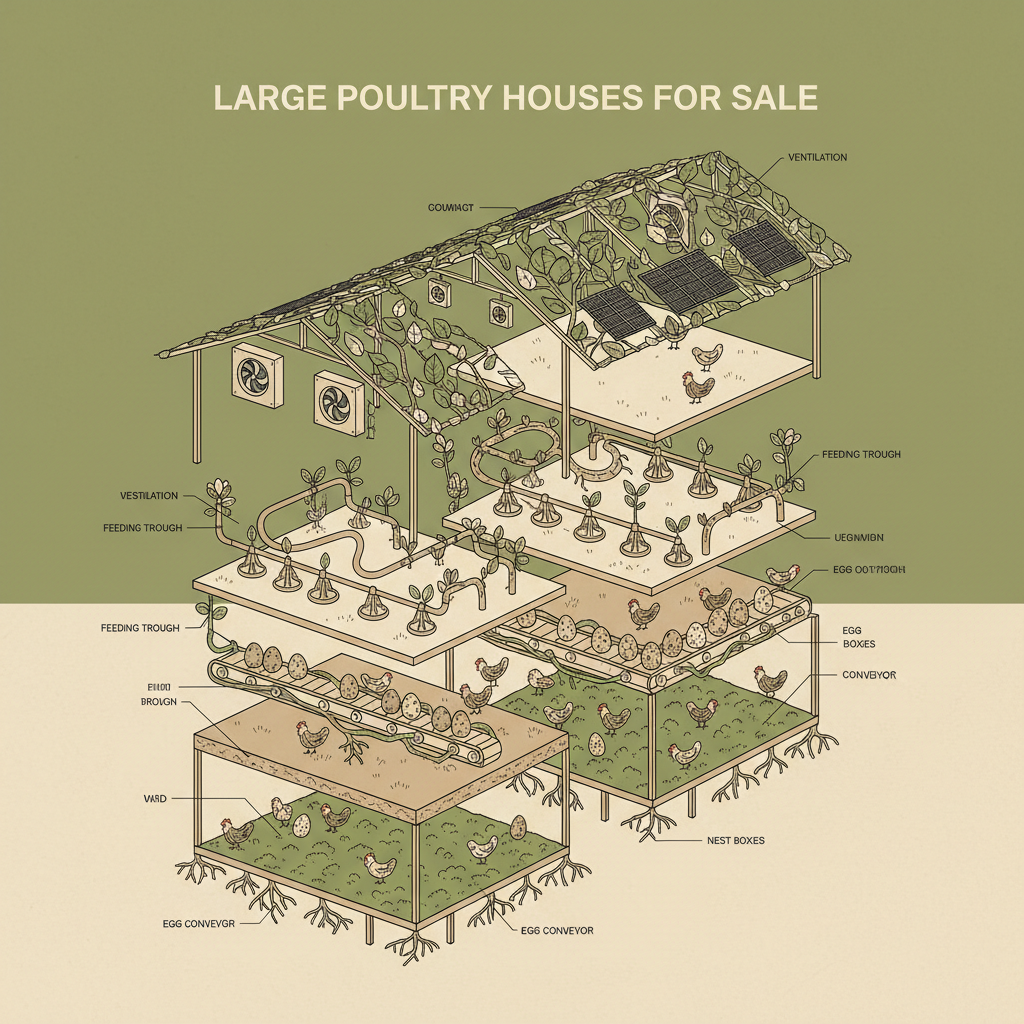
The basics are pretty straightforward – steel framing, concrete foundations, insulated panels. But it’s the details that matter. Ventilation is king. Seriously, get the ventilation wrong and you're asking for trouble. You need to consider air flow, temperature control, humidity levels… all of it. Then there's the flooring. Used to be just concrete, but now you see more and more composite materials. Easier on the birds' feet, easier to clean, less chance of disease. And strangely, the shape of the roof makes a big difference too. Gotta shed water efficiently, prevent snow buildup… things you wouldn’t even think about at first.
Lighting is another big one. The birds need a consistent light cycle for optimal growth. It's not just about brightness; it's about spectrum too. And don't even get me started on the manure management systems. That’s a whole other level of complexity. You gotta think about storage, disposal, and minimizing odor. It's a headache, frankly.
And don’t underestimate the importance of biosecurity. Keeping the birds healthy means controlling access, disinfecting everything, and preventing the spread of disease. It’s a constant battle, I tell you.
Material Science: More Than Just Steel and Concrete
Look, steel is steel, right? But even steel has grades. You want something that’s corrosion-resistant, durable, and can withstand the weight. And the concrete… it's not just about strength. You need to consider permeability, cracking resistance, and thermal mass. I encountered this at a factory in Texas last time, they were using a special blend with volcanic ash. Smelled awful, but supposedly made the concrete much stronger and more durable.
The insulation materials are really interesting though. Used to be just fiberglass, but now you see a lot of spray foam and rigid panels. Spray foam is great for sealing gaps, but it’s expensive. Rigid panels are more cost-effective, but they can be prone to moisture damage. And you gotta be careful with the off-gassing. Nobody wants their birds breathing in toxic fumes.
And then there’s the roofing. Metal roofing is popular, but it can get noisy during a rainstorm. Asphalt shingles are cheaper, but they don’t last as long. I’m seeing a lot of folks using composite roofing materials now, they’re more expensive upfront, but they’re supposed to be more durable and energy efficient. Anyway, I think the key is finding the right balance between cost, performance, and sustainability.
Real-World Testing and Performance Metrics
Forget the lab tests, okay? Those are nice and all, but they don't tell you how a building will actually perform in the real world. I'm talking about wind loads, snow loads, temperature fluctuations, bird pecking… You need to see how the structure holds up under actual conditions. We do a lot of on-site inspections, looking for signs of stress, cracking, or water damage.
We also monitor things like temperature and humidity levels inside the house. You gotta make sure the ventilation system is working properly and that the birds are comfortable. And of course, we track bird health and mortality rates. That's the ultimate measure of success, right? If the birds aren't thriving, something's wrong.
Performance of large poultry houses for sale based on Key Metrics
User Behavior and Unexpected Applications
Here’s where things get interesting. You design these houses for birds, right? But then farmers start using them for other things. I've seen folks storing grain in them, using them as workshops, even converting them into living quarters. It’s always something unexpected. They’re just incredibly versatile structures.
And the way farmers actually use the houses is often different than what you expect. They'll modify things, add their own features, and generally tinker around until they get it just right. You gotta be flexible and willing to adapt.
Advantages, Disadvantages, and Customization
The advantages are obvious: increased capacity, improved efficiency, better control over the environment. But there are downsides too. They’re expensive to build, require a lot of maintenance, and can be difficult to modify. And frankly, they're not always the most aesthetically pleasing structures.
But the biggest advantage, I think, is the ability to customize. You can tailor the house to your specific needs. Want extra insulation? No problem. Need a different ventilation system? We can do that. Last month, that small boss in Shenzhen who makes smart home devices insisted on changing the interface to , and the result was… a complete disaster. Had to redo the entire electrical system. Lesson learned: don’t mess with what works.
A Tale From the Field: The Interface Debacle
So, this guy, right? He's building a huge operation outside Shenzhen. Super techy, always looking for the latest and greatest. He decided he wanted all the sensors in the poultry house to connect via . Said it was more “future-proof”. I tried to explain to him that standard USB connectors are more reliable and readily available, but he wouldn’t listen.
He insisted on it, we built it his way, and within a month, half the sensors were malfunctioning. Turns out, the connectors are sensitive to dust and moisture, and the environment inside a poultry house is… well, let’s just say it’s not exactly pristine. He ended up having to replace all the connectors and go back to USB. Cost him a fortune.
Later… forget it, I won’t mention it. But the point is, sometimes the simplest solution is the best.
Key Performance Indicators for Evaluating large poultry houses for sale
| Category |
Metric |
Target Range |
Assessment Method |
| Structural Integrity |
Deflection Under Load |
Less than 0.5% of span |
On-site load testing |
| Environmental Control |
Temperature Uniformity |
+/- 2°C |
Thermal imaging and sensor data |
| Biosecurity |
Air Exchange Rate |
10-15 air changes per hour |
Smoke testing and ventilation system assessment |
| Operational Efficiency |
Energy Consumption |
Less than 0.5 kWh/bird/day |
Energy audits and usage monitoring |
| Material Durability |
Corrosion Resistance |
Rating of 8+ on a 1-10 scale |
Salt spray testing and visual inspection |
| Cost Effectiveness |
Return on Investment (ROI) |
Greater than 10% within 5 years |
Life-cycle cost analysis |
FAQS
That’s a good question. Honestly, it depends on the materials and the maintenance. A well-built steel frame with good concrete foundation can easily last 25-30 years, maybe even longer. But you’ve gotta stay on top of repairs. Rust is the enemy, and concrete cracks. Regular inspections and preventative maintenance are key. I’ve seen houses that are 40 years old still going strong, but they've had a lot of work done to them.
Expandability… that’s tricky. Some designs are modular, meaning you can add sections relatively easily. But it’s not always that simple. You have to consider the foundation, the ventilation system, and the manure management system. It’s not just about slapping on another room. You need to make sure everything integrates seamlessly. Otherwise, you’ll end up with a mess. It's not cheap to retrofit these things.
Biggest challenges? Disease control, without a doubt. You've got thousands of birds crammed into one space, it's a breeding ground for bacteria and viruses. You need to be vigilant about biosecurity, ventilation, and sanitation. Then there’s pest control. Rodents and insects can cause a lot of damage. And of course, keeping the temperature and humidity levels just right. It’s a constant battle.
Energy efficiency definitely adds to the upfront cost, but it pays off in the long run. Things like high-efficiency insulation, LED lighting, and smart ventilation systems can significantly reduce your energy bills. It's a trade-off. You have to weigh the initial investment against the long-term savings. But in today's market, with energy prices going through the roof, it's definitely worth considering.
Permitting… oh boy. That varies a lot depending on the location. You'll need to check with your local zoning authorities and building departments. Expect to deal with environmental regulations, building codes, and potentially agricultural regulations. It can be a real headache. It's best to start the permitting process early and be prepared for a lot of paperwork.
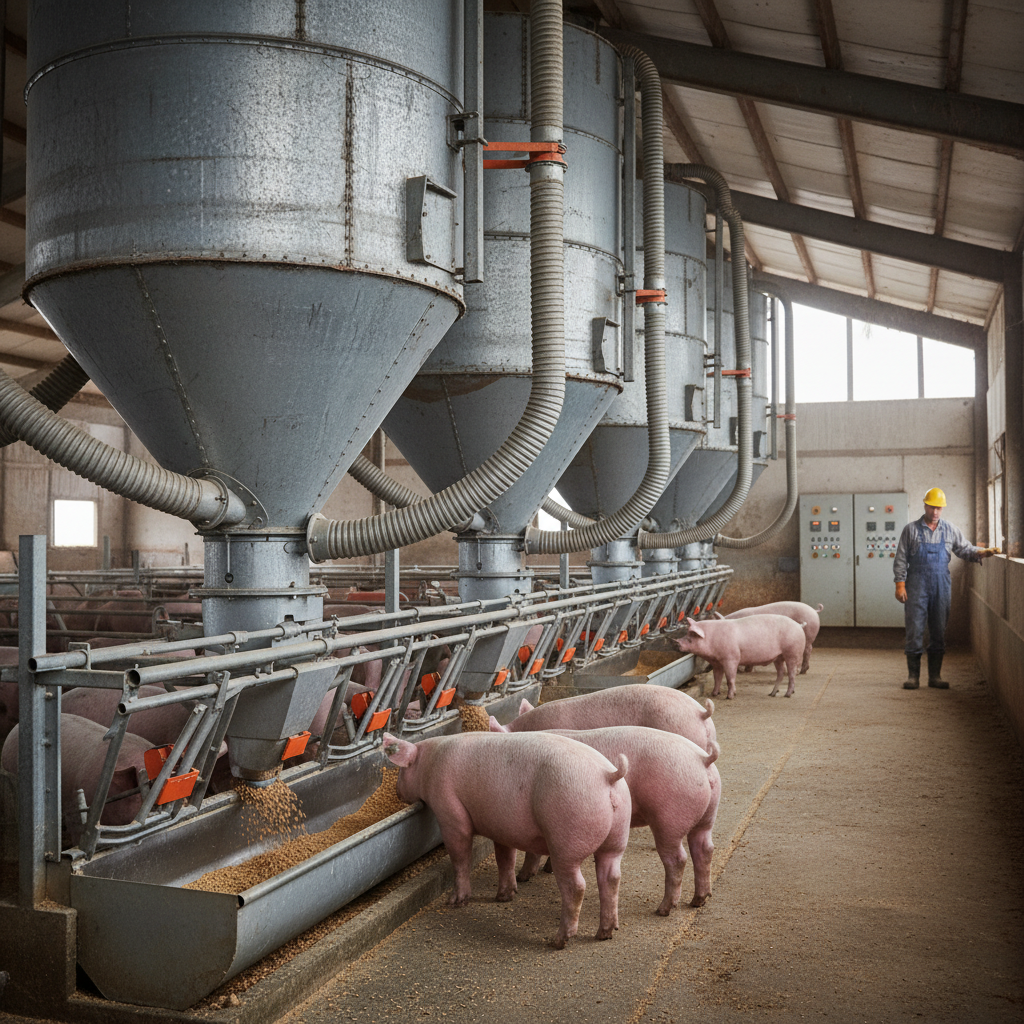
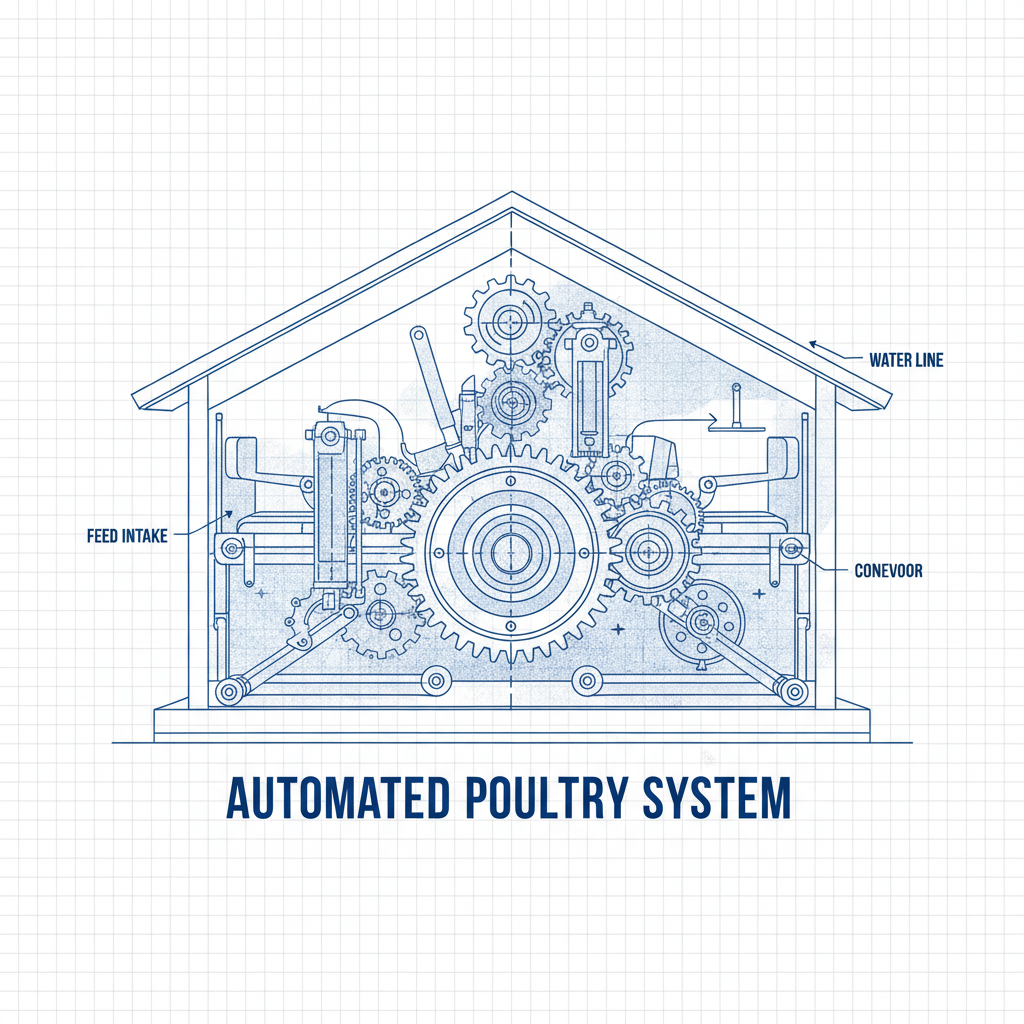
Customizations? Oh, everything. More windows for natural light. Different types of flooring. Specific ventilation setups for different types of birds. Automated feeding and watering systems. People always want something tweaked to fit their specific needs. We get requests for everything under the sun. It keeps things interesting, I’ll tell you that much.
Conclusion
Ultimately, large poultry houses for sale represent a significant shift in the industry. They offer increased efficiency, better control, and the potential for higher profits. But they also come with challenges – the cost, the maintenance, the complexity. It’s not a simple solution, and it’s not for everyone. But for large-scale operations, it’s often the only viable option.
And here's the thing: whether this thing works or not, the worker will know the moment he tightens the screw. It's about building something that's solid, reliable, and designed to last. It's about taking pride in your work. Because in the end, that's what really matters. If you are interested in finding the right solution for you, visit our website: https://www.cxlivestock.com