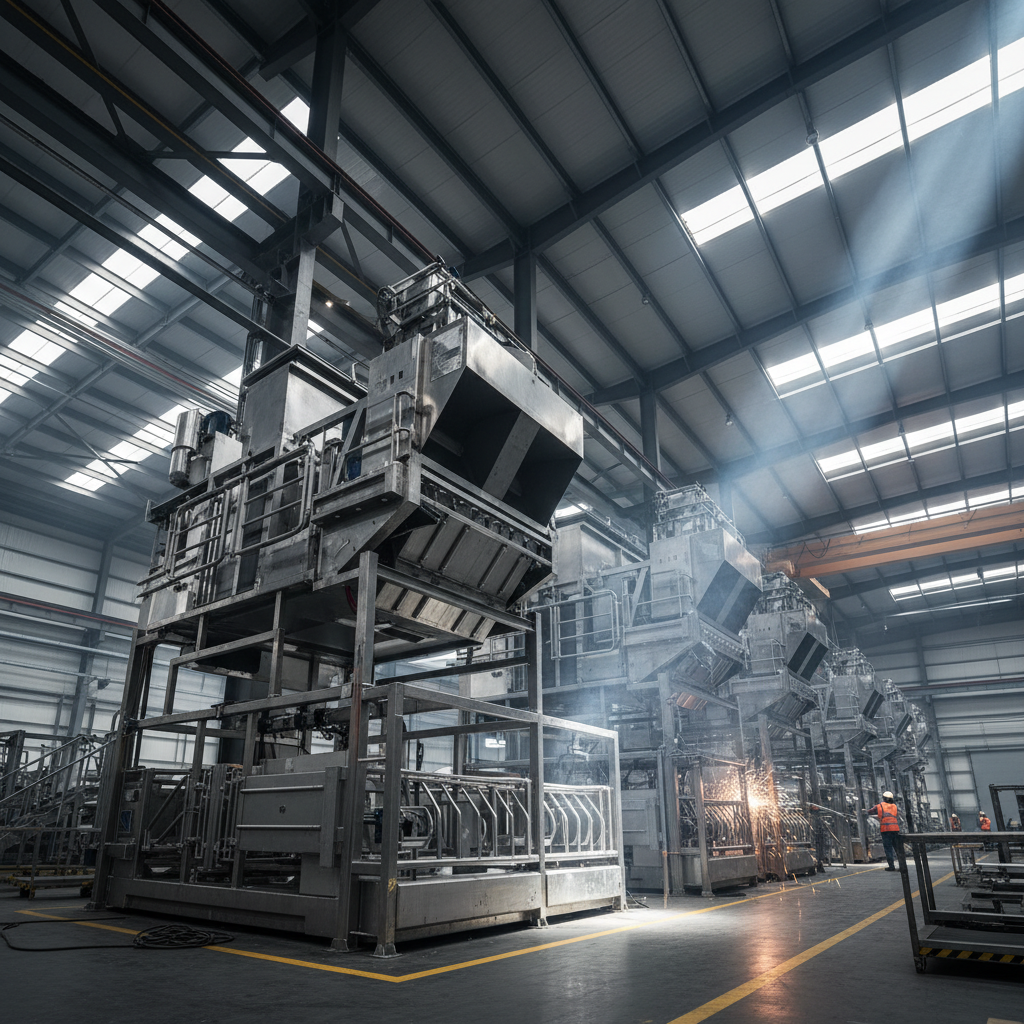
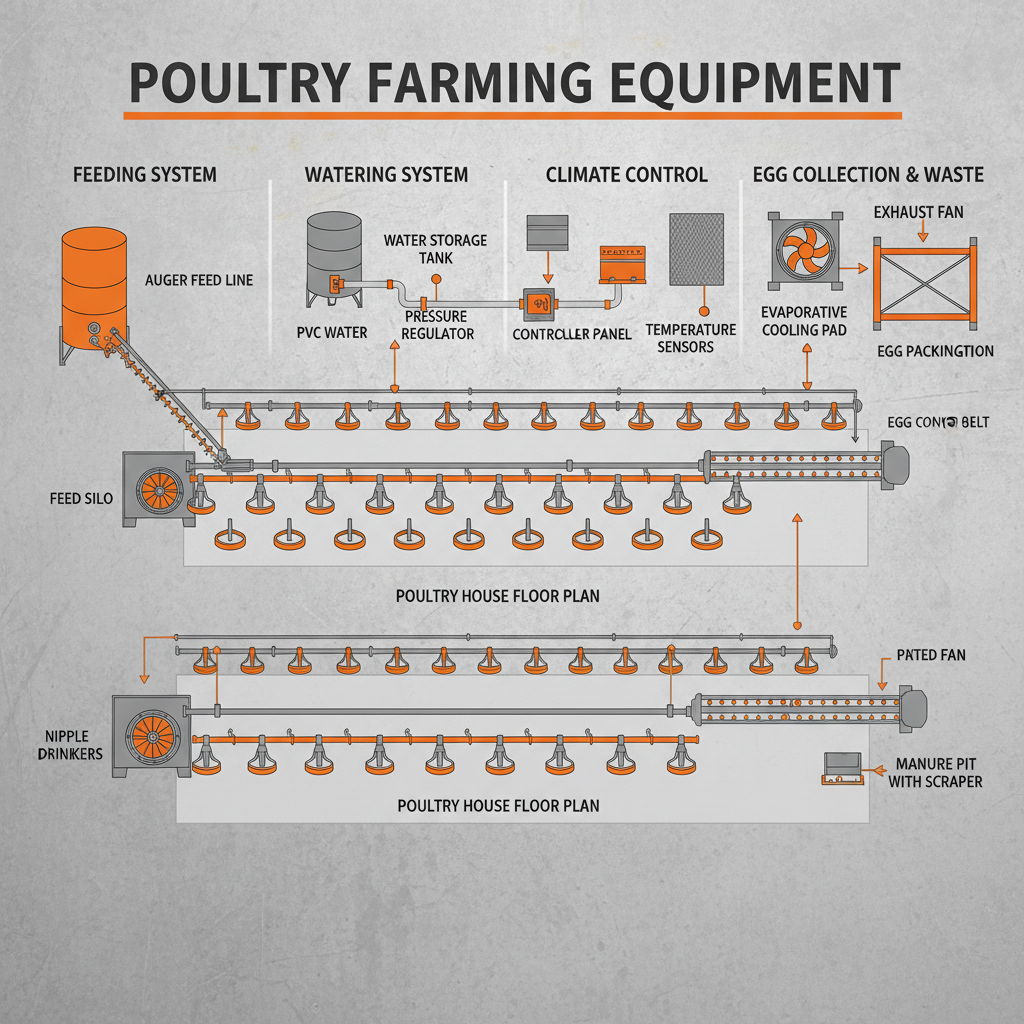
In the rapidly evolving landscape of modern livestock production, the implementation of high-efficiency hog feeding equipment has become a cornerstone for achieving commercial viability and animal welfare. As global protein demand surges, producers are shifting away from manual feeding methods toward automated systems that minimize waste and maximize nutrient intake. Understanding the nuances of these systems is essential for any operation aiming to scale its production while maintaining strict quality control.
The global pork industry faces unprecedented pressure to optimize feed conversion ratios (FCR), as feed represents the single largest operational cost in swine farming. By integrating advanced hog feeding equipment, farms can precisely control the quantity and timing of feed delivery, reducing the environmental footprint associated with feed runoff and spoilage. This transition is not merely about convenience but about the strategic application of engineering to biological needs.
Ultimately, the goal of modernizing feeding infrastructure is to create a stress-free environment where livestock can thrive. From weaning nursery stalls to finishing pens, the right choice of equipment ensures that every pig receives the exact nutrition required for its growth stage. This comprehensive guide explores the technical specifications, global applications, and future innovations that define the current state of hog feeding technology.
Global Industry Context of Hog Feeding Equipment
The global demand for pork continues to rise, driven by emerging economies and changing dietary habits. According to industry data, the shift toward intensive farming requires a level of precision that manual labor simply cannot provide. The implementation of hog feeding equipment has transitioned from a luxury for large-scale enterprises to a necessity for mid-sized farms looking to remain competitive in a volatile market.
Challenges such as labor shortages and the increasing cost of raw grains have pushed the industry toward "Precision Livestock Farming" (PLF). By utilizing automated feed systems, producers can mitigate the risks of human error, ensure consistent feeding schedules, and drastically reduce the amount of feed wasted on the barn floor, which directly impacts the bottom line and reduces the carbon footprint of the farm.
Defining Modern Hog Feeding Systems
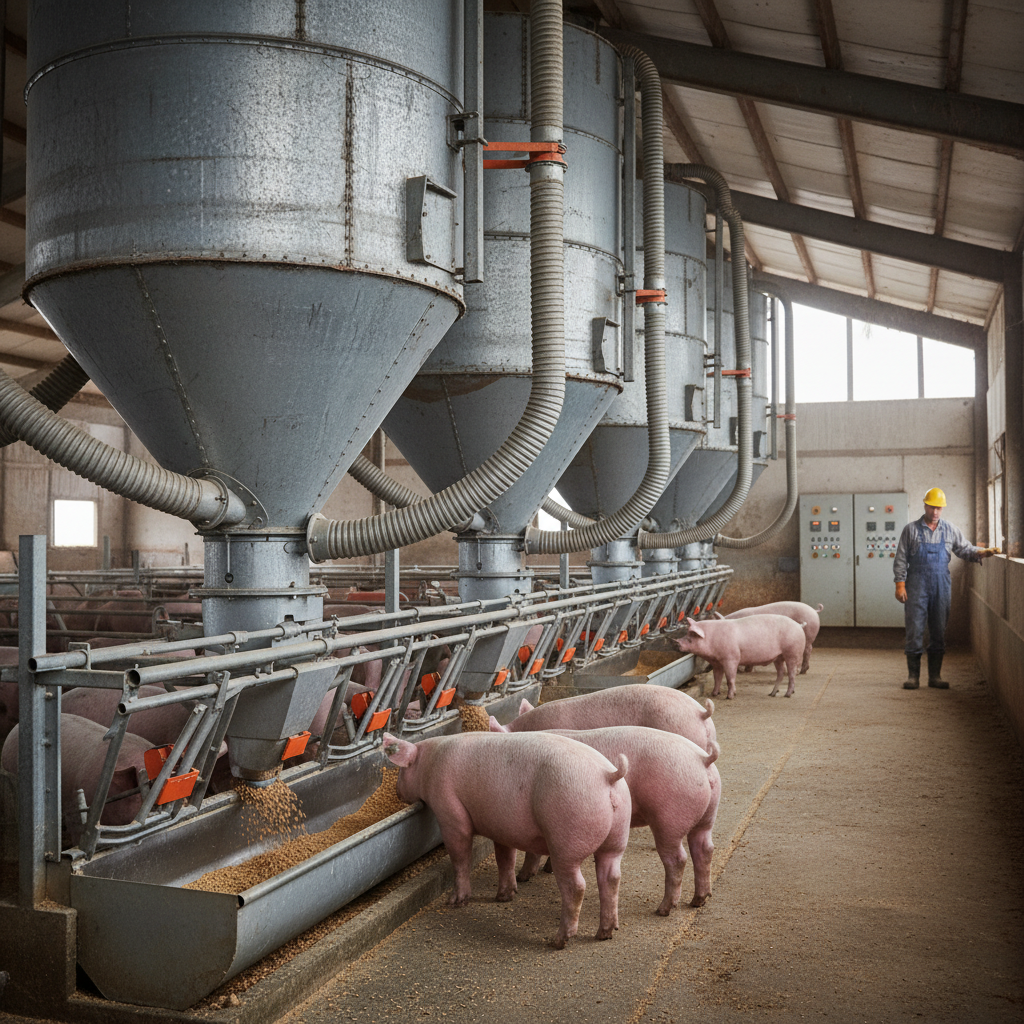
At its core, hog feeding equipment refers to the integrated mechanical and electronic systems designed to transport, dispense, and manage feed for swine across various growth stages. This includes everything from the massive feed silos that store bulk grain to the precise dry and wet feeders located within the pens. These systems are engineered to withstand the corrosive environment of a pig house while ensuring a steady flow of nutrients.
Beyond simple dispensing, modern systems are deeply connected to the biological needs of the animal. For instance, farrowing crates require specialized feeding mechanisms to support the sow's nutritional needs during lactation, while weaner nursery stalls need equipment that introduces solid feed gradually. This synergy between engineering and animal science is what defines a truly professional feeding setup.
In a broader humanitarian and industry context, these systems contribute to food security by lowering the cost of production. When hog feeding equipment is optimized, it reduces the reliance on excessive antibiotics by promoting healthier growth through consistent nutrition, ultimately leading to safer and more sustainable meat production for the global population.
Core Components for Operational Efficiency
The first critical factor in any hog feeding equipment setup is material durability. Given the humidity and the ammonia levels present in swine facilities, equipment must be constructed from high-grade stainless steel or reinforced polymers. This prevents rust and contamination, ensuring that the animals are not exposed to harmful oxidized materials and reducing the frequency of costly replacements.
Scalability is the second pillar of a successful installation. A professional hog feeding equipment system should be modular, allowing a farmer to expand from a few hundred head to several thousand without replacing the entire infrastructure. This is typically achieved through a combination of flexible auger lines and adaptable feed silos that can be linked as the operation grows.
Finally, precision control mechanisms are what separate industrial-grade equipment from basic troughs. Modern hog feeding equipment utilizes sensors and programmable logic controllers (PLCs) to monitor feed levels in real-time. This prevents overfilling—which leads to waste—and underfilling, which can cause growth stunts and behavioral aggression among the hogs.
Performance Metrics and Scalability
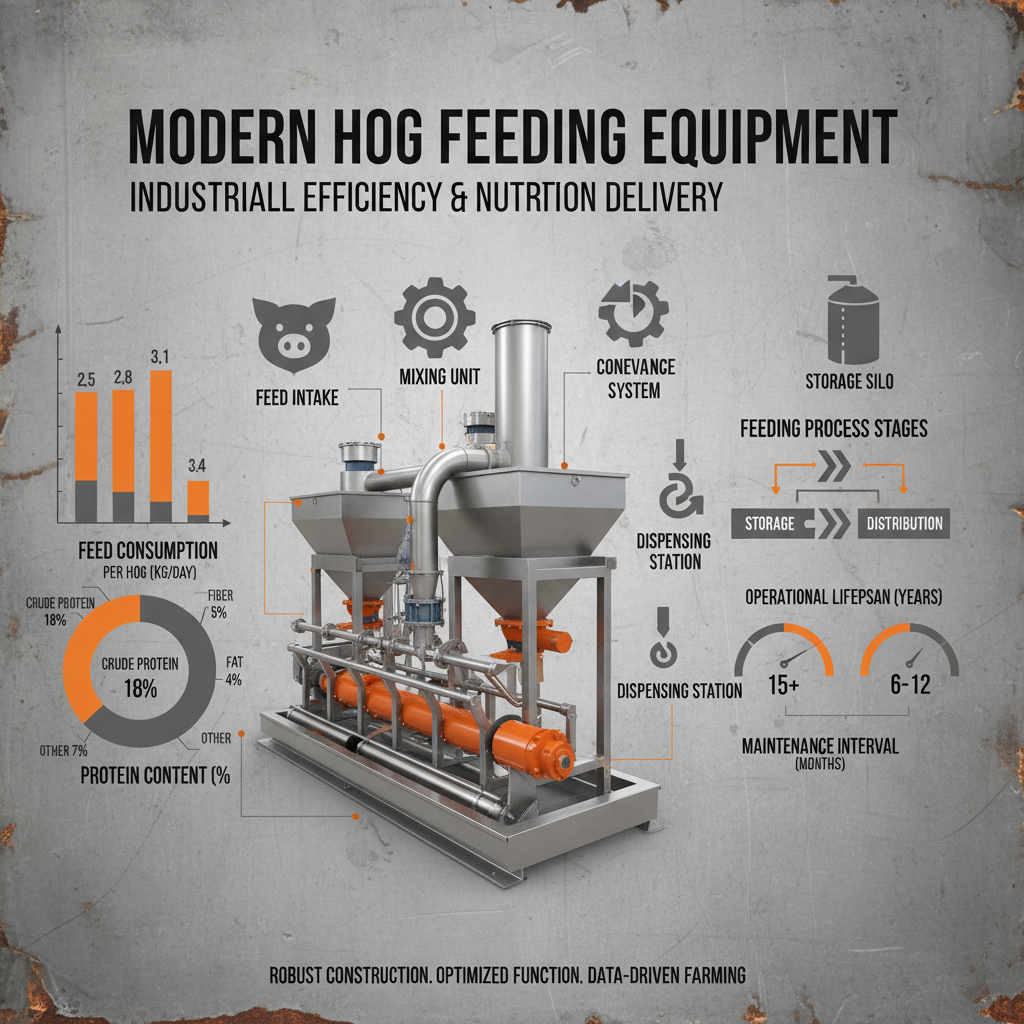
Evaluating the effectiveness of hog feeding equipment requires a look at specific performance indicators, most notably the Feed Conversion Ratio (FCR). A high-performing system minimizes the gap between feed input and weight gain, ensuring that every kilogram of feed is converted into muscle. This efficiency is often the deciding factor in the profitability of a livestock enterprise.
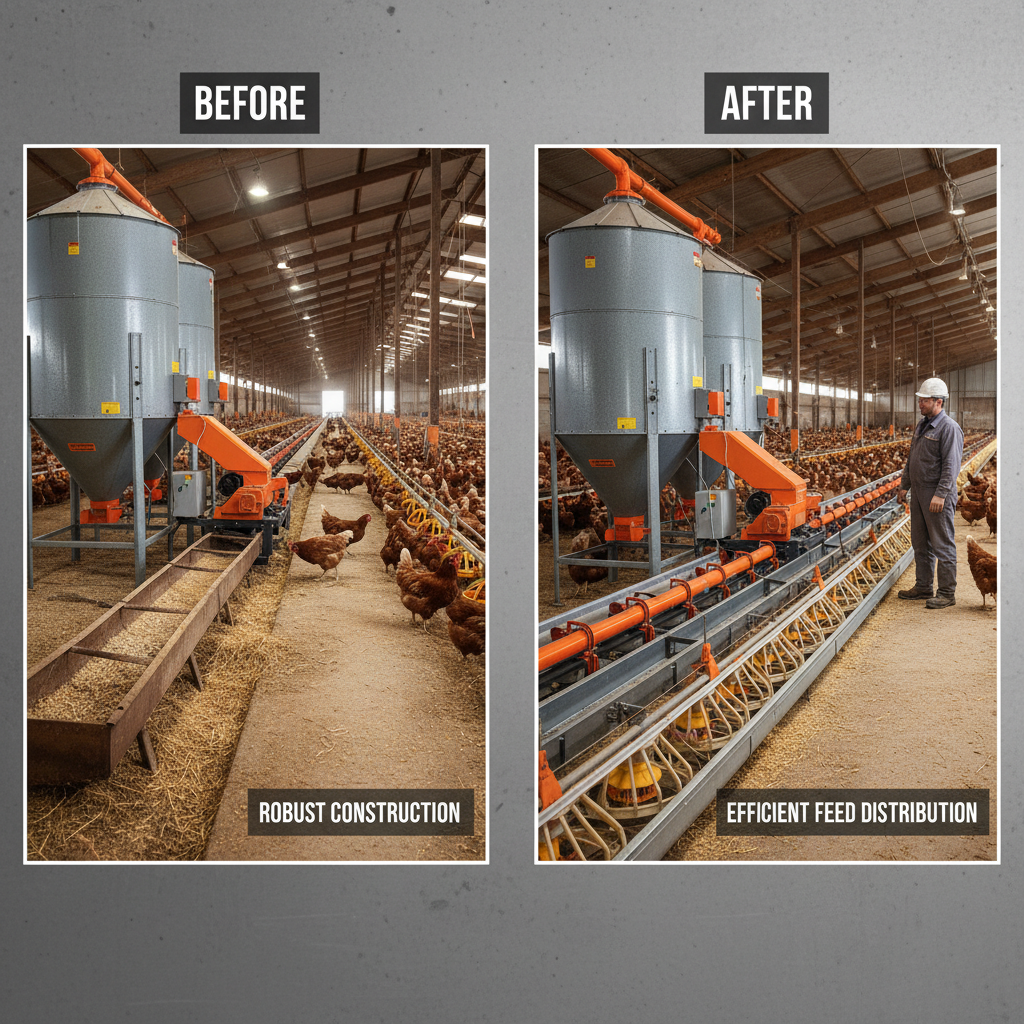
Furthermore, the labor-to-animal ratio is a key metric. Traditional feeding requires significant man-hours for manual distribution; however, an automated hog feeding equipment system can reduce labor requirements by up to 70%, allowing staff to focus on animal health and biosecurity rather than repetitive physical tasks.
Efficiency Ratings of Various Hog Feeding Equipment Methods
Global Applications and Regional Use Cases
The application of hog feeding equipment varies significantly across different global regions. In North America and Europe, there is a heavy emphasis on fully integrated "Smart Barns" where feeding is synced with climate control and health monitoring. These regions utilize high-capacity feed silos and complex auger networks to manage massive populations of swine with minimal human intervention.
In contrast, in developing agricultural zones such as Southeast Asia or parts of Latin America, the focus is often on "Semi-Automated" solutions. Here, hog feeding equipment is used to transition from traditional backyard farming to commercial-scale operations. The priority is often on durable, low-maintenance gravity feeders and basic automatic lines that provide a significant jump in efficiency without requiring complex electrical infrastructure.
Long-Term Value and Sustainability Benefits
Investing in premium hog feeding equipment provides a tangible return on investment (ROI) through the reduction of feed waste. In a standard manual system, up to 10% of feed can be lost to spoilage or sorting by the animals. Automated systems with precision dispensers can reduce this waste to less than 2%, which, over a year of production, equates to thousands of dollars in savings.
From a sustainability perspective, the precision offered by modern hog feeding equipment reduces the nitrogen and phosphorus load in animal waste. By ensuring the pigs absorb the maximum amount of nutrients from their feed, less waste is excreted, making the management of manure lagoons and environmental runoff significantly more manageable and compliant with strict EPA or EU regulations.
Moreover, there is an emotional and ethical value to this innovation. Animals that have consistent access to feed without competition are less stressed and less likely to engage in aggressive behaviors. This improvement in animal welfare is not just a moral victory but a commercial one, as low-stress pigs typically exhibit better growth rates and higher meat quality.
Future Innovations in Feeding Technology
The future of hog feeding equipment is inextricably linked to the digital transformation of agriculture. We are seeing the rise of AI-driven feeding systems that can analyze the sound of a pig eating or use cameras to monitor appetite in real-time. This allows the system to adjust the feed mix or quantity instantaneously, tailoring nutrition to the individual pig rather than the group.
Materials science is also playing a role, with the introduction of antimicrobial coatings on feeders to reduce the spread of diseases like African Swine Fever (ASF). These new surfaces prevent the buildup of biofilms, making the cleaning process more effective and reducing the need for harsh chemical disinfectants.
Sustainability will continue to drive innovation, with a shift toward "Circular Feeding Systems." Future hog feeding equipment may integrate with on-site feed processing units that utilize insects or hydroponic greens, reducing the reliance on soy-based feeds and creating a truly closed-loop production system.
Comparative Analysis of Hog Feeding Equipment Tiers
| Equipment Tier |
Automation Level |
Waste Reduction |
ROI Period |
| Manual Troughs |
None |
Low (10-15% loss) |
Immediate (Low cost) |
| Gravity Feeders |
Passive |
Moderate (5-8% loss) |
6-12 Months |
| Automatic Auger |
Mechanical |
High (2-4% loss) |
1-2 Years |
| PLC Systems |
Electronic |
Very High (<2% loss) |
2-3 Years |
| IoT Smart Feeders |
AI-Driven |
Optimal (Near 0% loss) |
3-5 Years |
| Hybrid Custom |
Adaptive |
High (<3% loss) |
2 Years |
FAQS
For small-scale operations, gravity-based automatic feeders are typically the most cost-effective. They require no electricity and have few moving parts, reducing maintenance costs while still offering a significant improvement over manual trough feeding by reducing waste and labor.
Automated systems ensure that feed is distributed evenly and consistently. This eliminates "competition stress" where dominant pigs prevent smaller ones from eating. By providing constant access to nutrition, the equipment reduces aggression and promotes a more uniform growth rate across the herd.
High-grade stainless steel (such as 304 or 316) and heavy-duty galvanized steel are the industry standards. For feeders in high-moisture areas, reinforced polymers are often preferred because they are completely immune to rust and ammonia corrosion, ensuring a longer lifespan.
Yes, by reducing the amount of human entry into the pens for feeding, biosecurity is significantly enhanced. Furthermore, precision feeding prevents the buildup of moldy feed in troughs, which can be a source of toxins and illness for the livestock.
Generally, a quarterly inspection is recommended to check for wear and tear on the auger flights and motor lubrication. However, during peak growth cycles, monthly checks are advised to ensure there are no blockages that could lead to underfeeding.
The transition is straightforward but requires planning. The most critical step is ensuring the barn layout supports the installation of silos and auger lines. Most producers find that the initial setup period is quickly offset by the immediate reduction in daily labor.
Conclusion
The integration of advanced hog feeding equipment is no longer just an upgrade—it is a fundamental requirement for any livestock operation seeking sustainability and profit. From the reduction of feed waste and labor costs to the significant improvement in animal welfare and environmental impact, the benefits are comprehensive. By focusing on durability, scalability, and precision, producers can create a resilient system that adapts to the volatile demands of the global pork market.
As we look toward the future, the marriage of AI, IoT, and materials science will further refine how we nourish livestock. Producers are encouraged to evaluate their current infrastructure and transition toward modular, automated solutions that can grow alongside their business. For those ready to optimize their operations and embrace the next generation of swine farming, visiting a professional provider is the first step. Visit our website: www.cxlivestock.com