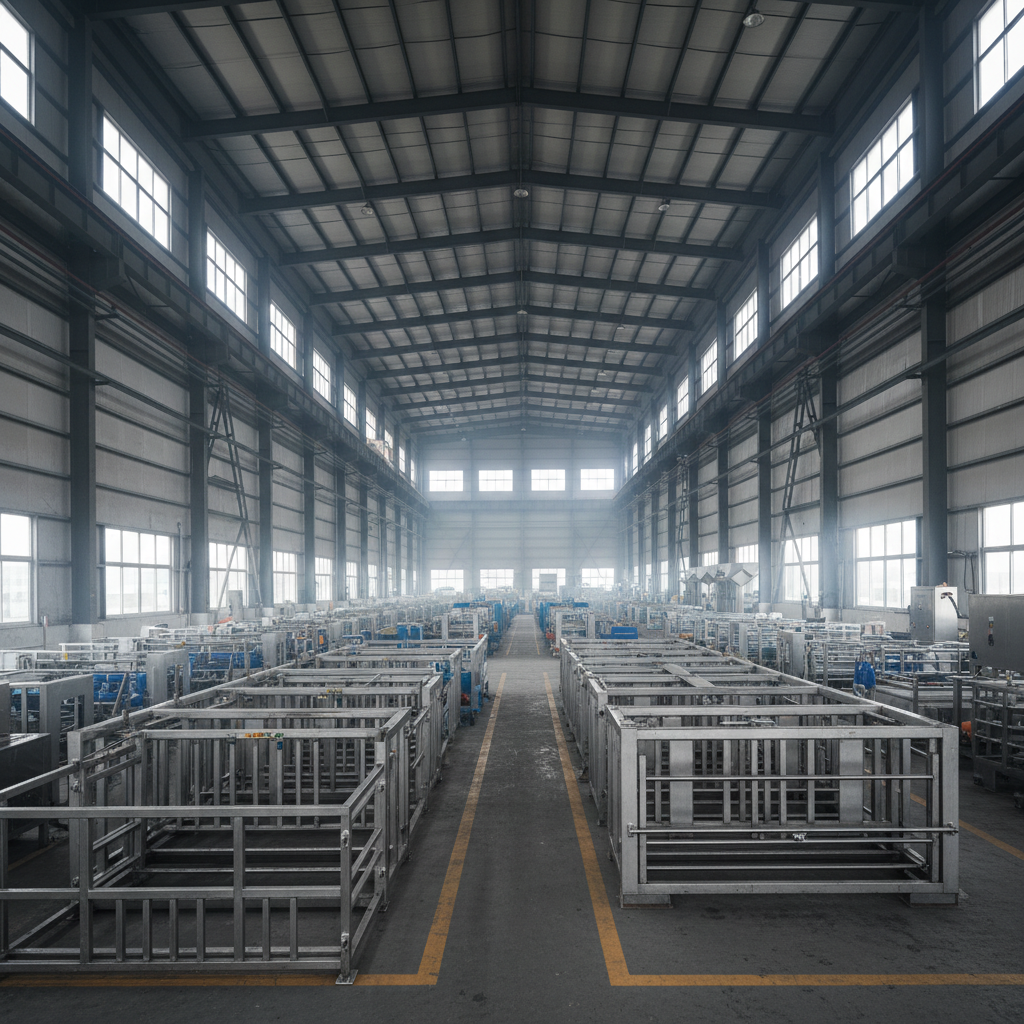
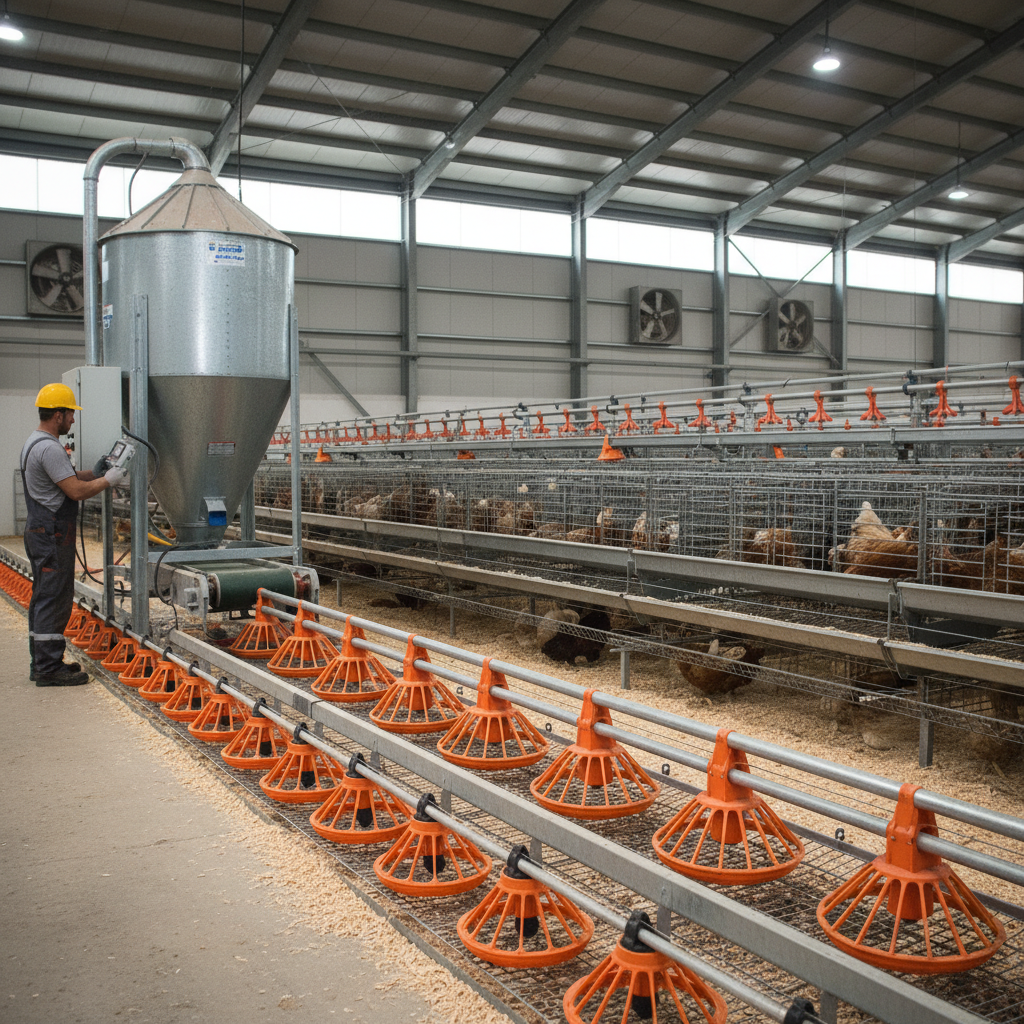
Cattle farming, a cornerstone of global food production, relies heavily on the right equipment. It’s not just about tractors anymore. We're talking about a comprehensive cattle farm equipment list - everything from feeding systems and handling facilities to waste management and health monitoring tools. Efficient, reliable equipment is the difference between a thriving operation and a constant struggle against inefficiencies. The global demand for beef and dairy continues to rise, placing increasing pressure on farmers to optimize their operations. That’s where understanding and investing in the right equipment comes into play.
The scale of cattle farming varies drastically, from small family-run operations to massive industrial ranches. The equipment needs to adapt to that scale. A small operation might prioritize versatility and affordability, while a large-scale ranch needs robust, high-capacity machinery built for continuous operation. I've seen firsthand how a well-chosen piece of equipment can drastically reduce labor costs, improve animal welfare, and ultimately boost profitability. This isn't glamorous work, but it’s essential, and getting the right gear is half the battle.
Understanding the cattle farm equipment list isn't just about knowing what’s available; it's about knowing what works in real-world conditions. A shiny new piece of equipment is useless if it can't handle the mud, the dust, the heat, and the sheer physical demands of a working ranch. I've spent years observing how different tools perform under pressure, and I’ll break down what truly matters when making these critical investments.
The Global Importance of cattle farm equipment list
The demand for beef and dairy products is projected to increase by 70% by 2050, according to the UN Food and Agriculture Organization. Meeting this demand requires not just more cattle, but more efficient cattle farming. This translates directly to the need for improved equipment. We’re seeing a global push for sustainable agriculture, and the right equipment plays a critical role in reducing environmental impact. Efficient feeding, manure management, and health monitoring all contribute to a smaller ecological footprint.
From the vast ranches of Argentina and the US to the smaller farms in Europe and Asia, the need for reliable cattle farm equipment list is universal. I've seen operations in Australia struggling with drought conditions and relying on water-efficient feeding systems, while in colder climates, I've observed the importance of robust winter housing and heating equipment. The challenges are diverse, but the underlying principle remains the same: optimize resources and improve productivity.
Defining a Comprehensive cattle farm equipment list
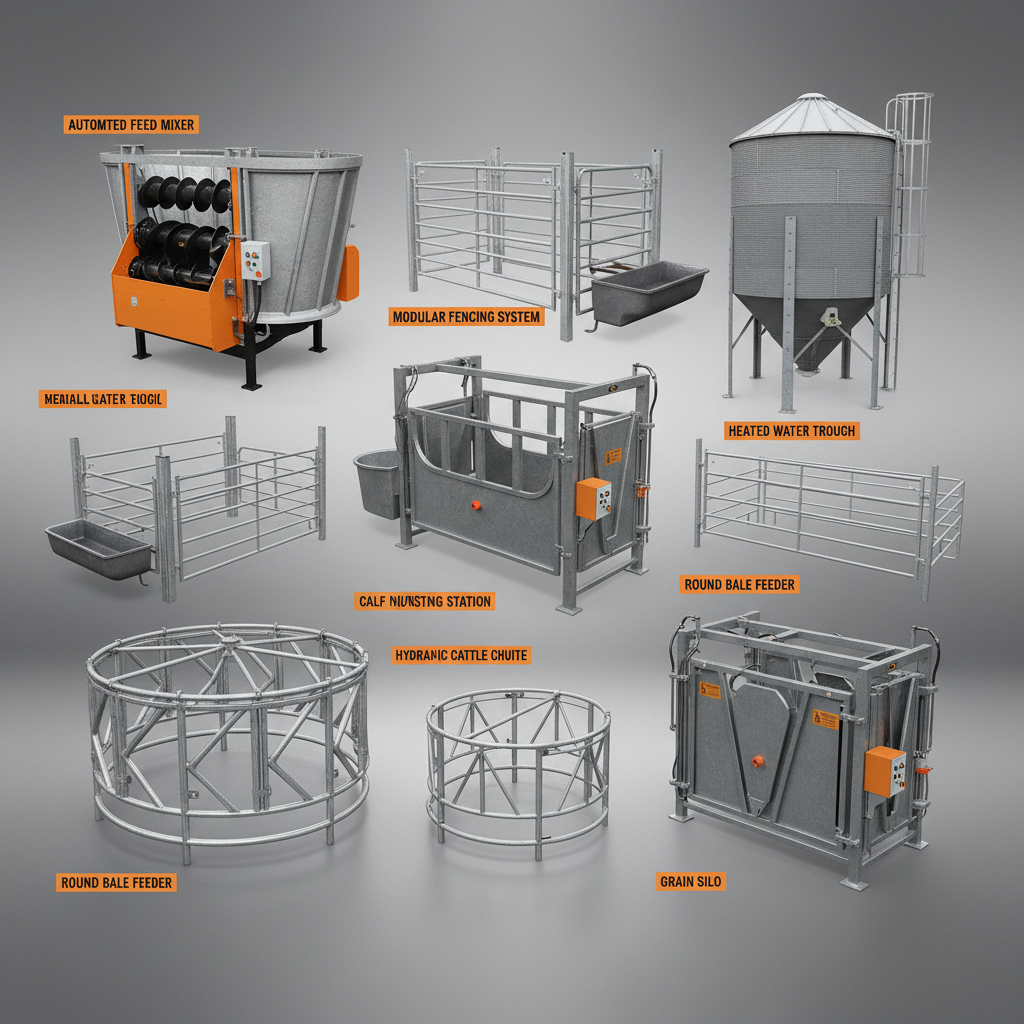
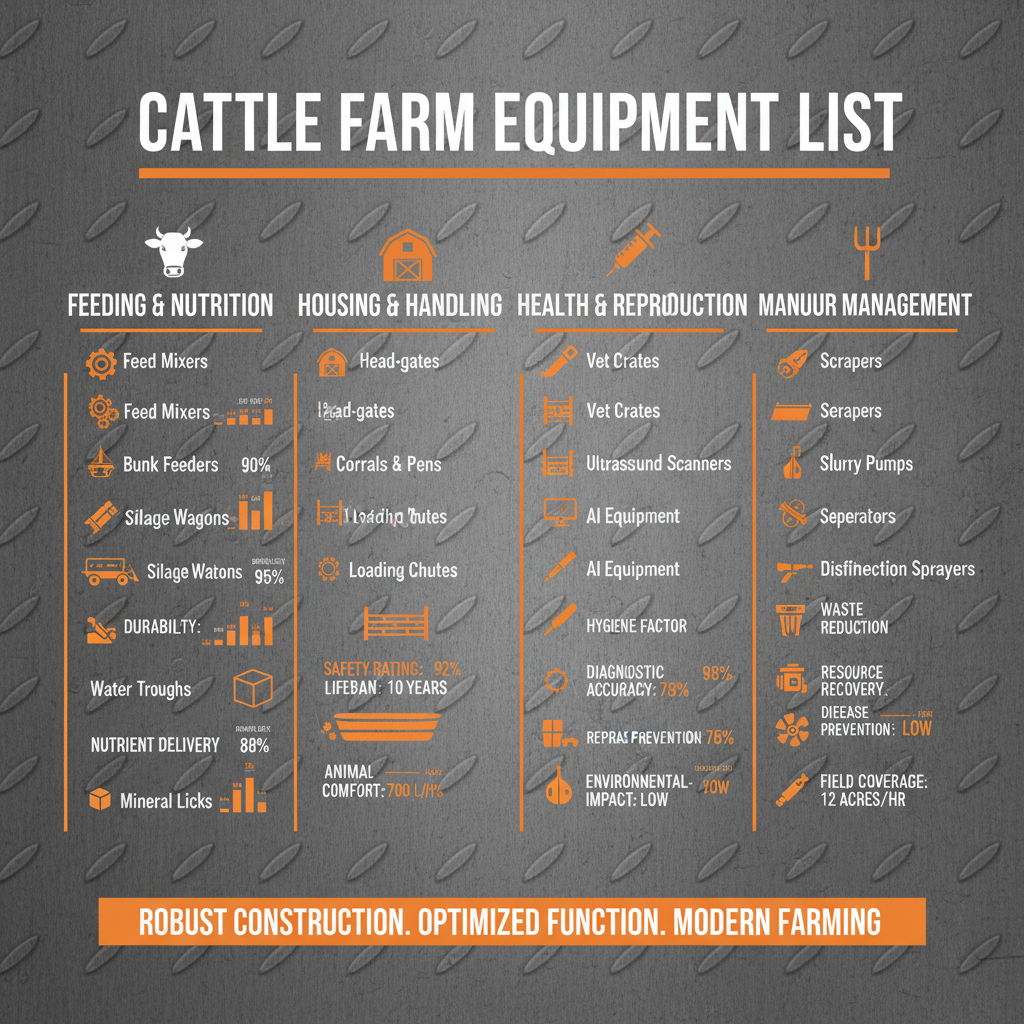
When people talk about cattle farm equipment, they often just think of tractors and trailers. But a true cattle farm equipment list is far more extensive. It includes everything from fencing and gates to automated feeding systems, sorting pens, livestock scales, and even veterinary equipment. It’s about creating a holistic system that supports every stage of the cattle lifecycle, from breeding to finishing.
This list extends to include manure handling equipment—spreaders, scrapers, and storage solutions—critical for environmental compliance and nutrient management. Increasingly, we're seeing the integration of technology, like electronic identification (EID) tags and monitoring systems, becoming essential parts of a modern cattle farm equipment list.
Crucially, defining “comprehensive” means considering not just the initial purchase price, but also ongoing maintenance, repair costs, and the availability of spare parts. A cheap piece of equipment that breaks down constantly is ultimately more expensive than a higher-quality, more reliable option. I’ve seen too many farms crippled by equipment failures because they skimped on initial investment.
Core Components of Effective Cattle Farm Equipment
Durability is paramount. Cattle farming is hard on equipment. It needs to withstand heavy use, exposure to the elements, and rough terrain. Look for equipment built with high-quality materials and robust construction. I’ve spent too much time welding and repairing flimsy equipment – a solid build is worth the extra cost.
Efficiency is another key factor. Equipment should be designed to minimize labor requirements and maximize productivity. Automated systems, like robotic milking machines or automated feeding systems, can significantly reduce operating costs and improve animal welfare. I've seen operations reduce their labor needs by 30% just by implementing the right automated feeding setup.
Safety is non-negotiable. Working with cattle is inherently dangerous, and equipment should be designed to minimize risks to both animals and operators. Features like emergency stops, safety guards, and clear operating instructions are essential. Proper training on equipment operation is also crucial – don’t underestimate the importance of that.
Global Applications and Real-World Use Cases
In the vast ranches of the American Midwest, large-scale hay balers, feed mixers, and cattle handling systems are essential for managing thousands of head of cattle. These operations rely on high-capacity equipment built for continuous use.
In smaller European farms, versatility is often prioritized. Farmers need equipment that can handle a variety of tasks, from feeding and watering to manure management and fencing repairs. Multi-purpose tractors and implements are common.
In developing countries, affordability is a major concern. Farmers often rely on simpler, more basic equipment that can be repaired and maintained with locally available resources. However, even in these settings, there’s a growing demand for more efficient and sustainable equipment.
Cattle Farm Equipment Efficiency Ratings
Advantages and Long-Term Value Proposition
Investing in the right cattle farm equipment list isn't just about reducing costs; it's about building a sustainable and profitable operation. Improved efficiency translates to higher yields and lower operating expenses. Reduced labor requirements free up time for other important tasks.
But it’s more than just the bottom line. Better equipment can also improve animal welfare, leading to healthier, more productive cattle. And, increasingly, it’s about environmental responsibility. Modern equipment can help reduce emissions, conserve water, and minimize waste. That resonates with consumers and builds a positive brand image.
Future Trends and Innovation in Cattle Farming Equipment
We're seeing a surge in the development of "smart" farm equipment, incorporating sensors, data analytics, and automation. Precision feeding systems, for example, can deliver customized rations to individual animals based on their specific needs.
The use of drones for pasture monitoring and livestock tracking is also becoming more common. These drones can provide valuable insights into herd health, grazing patterns, and potential problems. I’m also seeing a push towards more sustainable equipment, powered by renewable energy sources.
Expect to see more robotic solutions – automated milking systems are already common in some parts of the world, and we’re starting to see robots being used for other tasks, like manure handling and fence maintenance.
Challenges and Solutions in Equipment Implementation
One of the biggest challenges is the upfront cost. High-quality equipment can be expensive, especially for smaller farms. Leasing and financing options can help alleviate this burden, but it's important to carefully evaluate the terms and conditions.
Another challenge is the need for skilled labor to operate and maintain complex equipment. Proper training is essential. Manufacturers are increasingly offering training programs to help farmers get the most out of their investments.
Finally, integration with existing systems can be a hurdle. New equipment needs to be compatible with existing infrastructure and data management systems. A careful assessment of compatibility is crucial before making any purchase decisions.
Summary of Challenges and Solutions Regarding cattle farm equipment list
| Challenge |
Impact on Operations |
Potential Solution |
Implementation Cost (1-10) |
| High Initial Investment |
Limits access to advanced technology for smaller farms |
Explore leasing options, government grants, and phased implementation |
6 |
| Skill Gap for Operation |
Reduced efficiency, increased risk of breakdowns |
Invest in comprehensive operator training programs |
7 |
| Maintenance Complexity |
Increased downtime, reliance on specialized technicians |
Prioritize equipment with readily available spare parts and a strong service network |
8 |
| Integration Challenges |
Data silos, inefficient workflows |
Choose equipment with open APIs and compatibility with existing farm management software |
5 |
| Dependence on Technology |
Vulnerability to system failures and cyber threats |
Implement robust cybersecurity measures and maintain backup systems |
4 |
| Environmental Impact |
Potential for pollution and resource depletion |
Invest in fuel-efficient equipment and sustainable practices |
3 |
FAQS
The lifespan varies greatly depending on the quality of construction, the intensity of use, and the maintenance schedule. Generally, well-maintained steel corrals can last 20-30 years, while hydraulic systems require more frequent attention and may have a lifespan of 10-15 years. Regular lubrication, corrosion protection, and timely repairs are crucial for maximizing equipment life. Don’t skimp on maintenance; it’ll save you money in the long run.
Choosing the right manure spreader requires considering several factors. You’ll need to know the volume of manure produced daily, the distance it needs to be spread, and the type of manure. Larger operations will require higher-capacity spreaders, while smaller farms can get by with smaller, more maneuverable models. It's also important to consider the terrain – hilly ground requires a spreader with more power and stability. I recommend consulting with a manure management specialist to get personalized advice.
Automated feeding systems offer a number of advantages, including reduced labor costs, improved feed efficiency, and more precise control over animal nutrition. These systems can deliver the right amount of feed to each animal at the right time, minimizing waste and maximizing growth. They also free up valuable time for other tasks, allowing farmers to focus on animal health and management. While the initial investment can be significant, the long-term benefits often outweigh the costs.
Livestock safety should be your top priority when using handling equipment. Always use low-stress handling techniques, avoid sudden movements, and ensure that the equipment is in good working order. Proper training for all personnel is essential. Regularly inspect equipment for sharp edges, loose parts, and other hazards. A well-designed handling system that minimizes stress on the animals is crucial for both animal welfare and operator safety.
Several financing options are available, including traditional bank loans, equipment leasing, and government-backed loan programs. Equipment leasing can be a good option for farmers who don't want to take on a long-term debt obligation. Government programs often offer favorable interest rates and terms. It's important to shop around and compare offers from different lenders to find the best deal for your specific needs. Don’t be afraid to negotiate!
Preventative maintenance is absolutely critical. Regular inspections, lubrication, and adjustments can prevent minor problems from turning into major breakdowns. Following the manufacturer's recommended maintenance schedule is essential. Keeping a detailed maintenance log can help you track repairs and identify potential issues. A little preventative maintenance can save you a lot of time, money, and headaches in the long run. Trust me on this one, I've seen it all.
Conclusion
Investing in the right cattle farm equipment list is a critical decision for any operation, large or small. It’s not just about the initial cost, but about the long-term benefits – increased efficiency, improved animal welfare, reduced labor costs, and enhanced sustainability. Choosing equipment that’s durable, efficient, and safe, and implementing a proactive maintenance program are key to maximizing your return on investment.
Looking ahead, we’ll see even more integration of technology into cattle farming, with smart equipment and data analytics playing an increasingly important role. Staying informed about the latest innovations and adapting to changing conditions will be crucial for success. If you're looking for reliable cattle farm equipment list, visit our website today: www.cxlivestock.com.