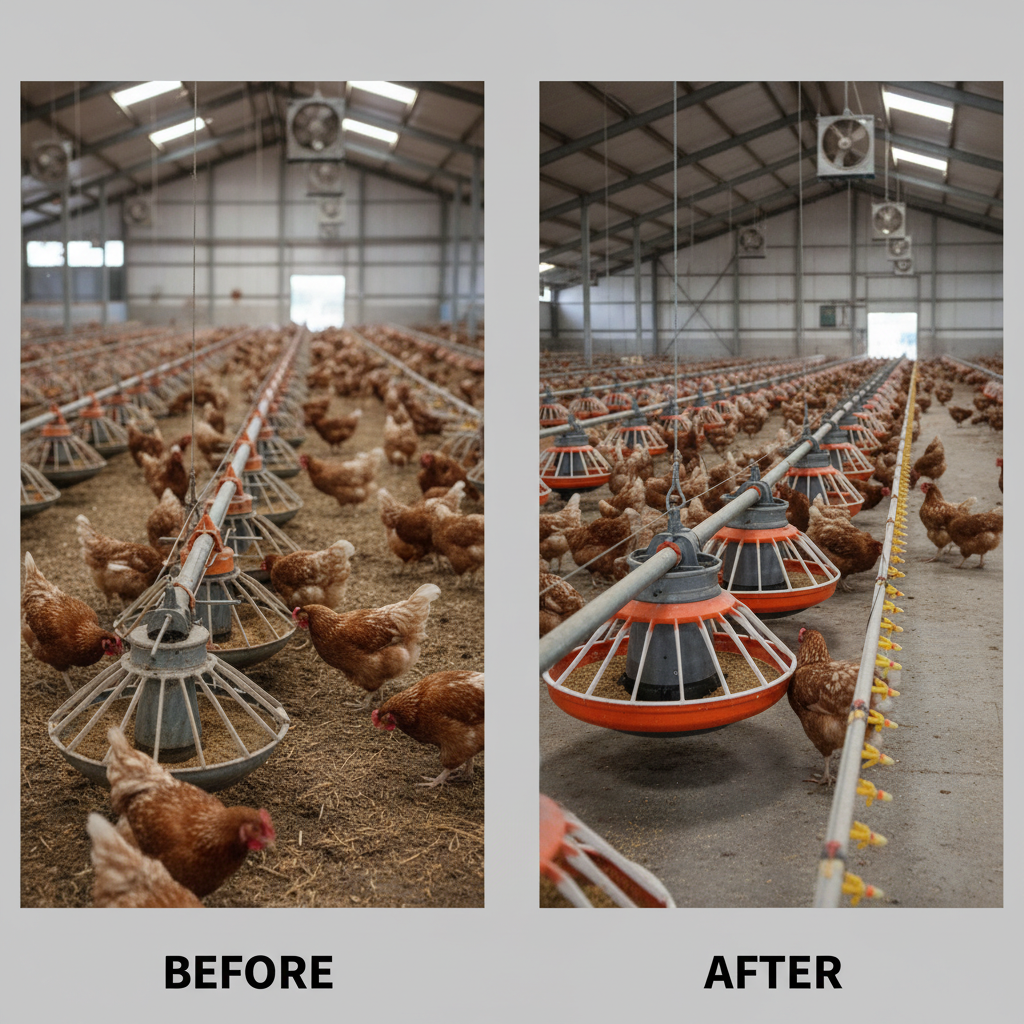
The world's demand for poultry products continues to rise, driven by population growth and increasing protein consumption. Meeting this demand efficiently and sustainably requires careful consideration of the equipment used in poultry farming. Understanding the diverse list of equipment for poultry farming is crucial for maximizing production, maintaining animal welfare, and minimizing operational costs. This knowledge is vital for both large-scale commercial operations and smallholder farmers looking to improve their livelihoods.
Effective poultry farming relies heavily on the right infrastructure. A comprehensive list of equipment for poultry farming extends beyond simply housing birds; it includes systems for feeding, watering, climate control, waste management, and biosecurity. Investing in modern and appropriate equipment is a cornerstone of successful, profitable, and responsible poultry production.
The global poultry industry is a significant economic force, with a complex supply chain. Selecting the correct list of equipment for poultry farming contributes directly to the efficiency of that chain, impacting food security, trade, and rural development worldwide. Prioritizing quality, durability, and technological advancements in equipment ensures a resilient and sustainable poultry sector.
Introduction to List of Equipment for Poultry Farming
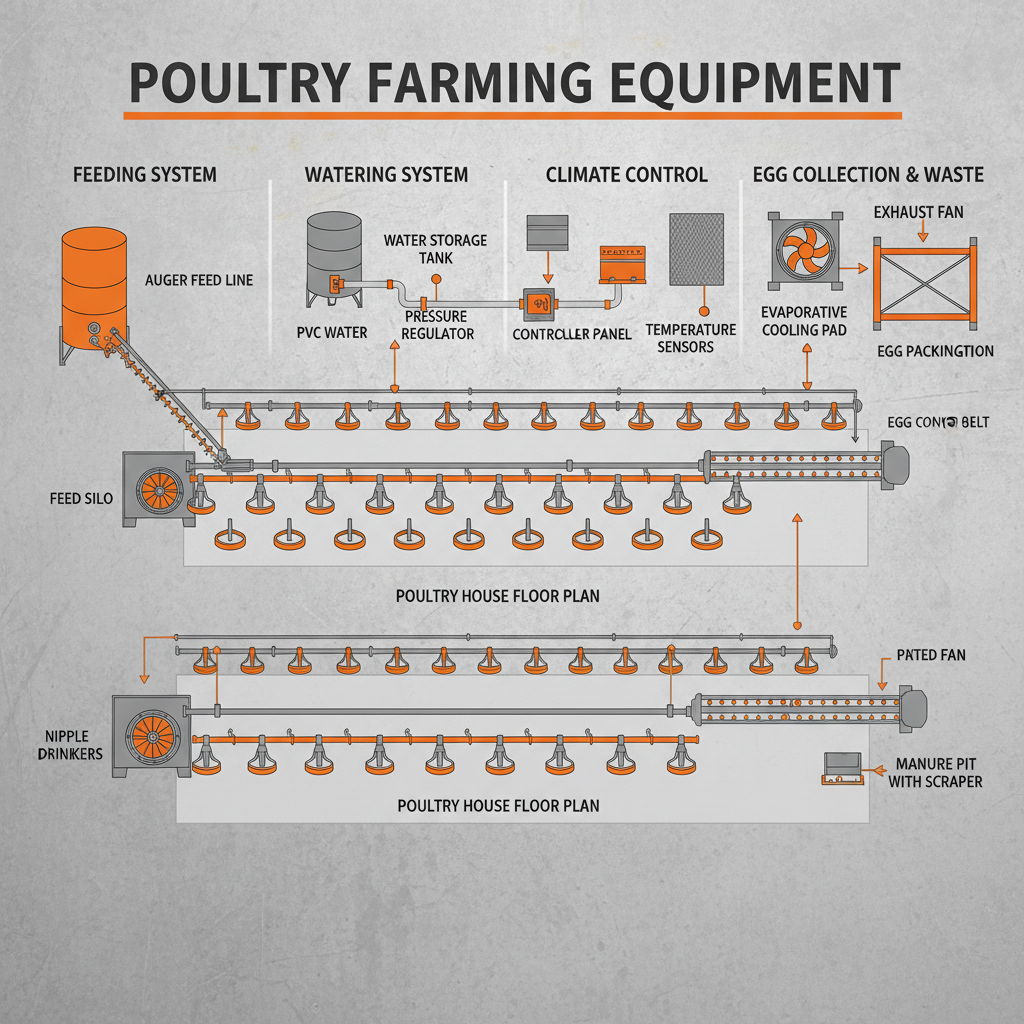
A comprehensive list of equipment for poultry farming encompasses everything needed to raise birds from chicks to market weight. This includes housing systems, feeding and watering equipment, ventilation and climate control, lighting, waste management solutions, and biosecurity measures. The specific equipment required will vary depending on the scale of the operation, the type of poultry being raised (broilers, layers, turkeys, etc.), and the local climate.
Selecting the appropriate equipment is not just about initial cost; it’s about maximizing efficiency, minimizing disease risk, and ensuring bird welfare. Poorly chosen equipment can lead to increased mortality, reduced growth rates, and higher operating expenses, ultimately impacting profitability. A well-planned investment in quality equipment is essential for long-term success.
Understanding Essential Equipment Categories
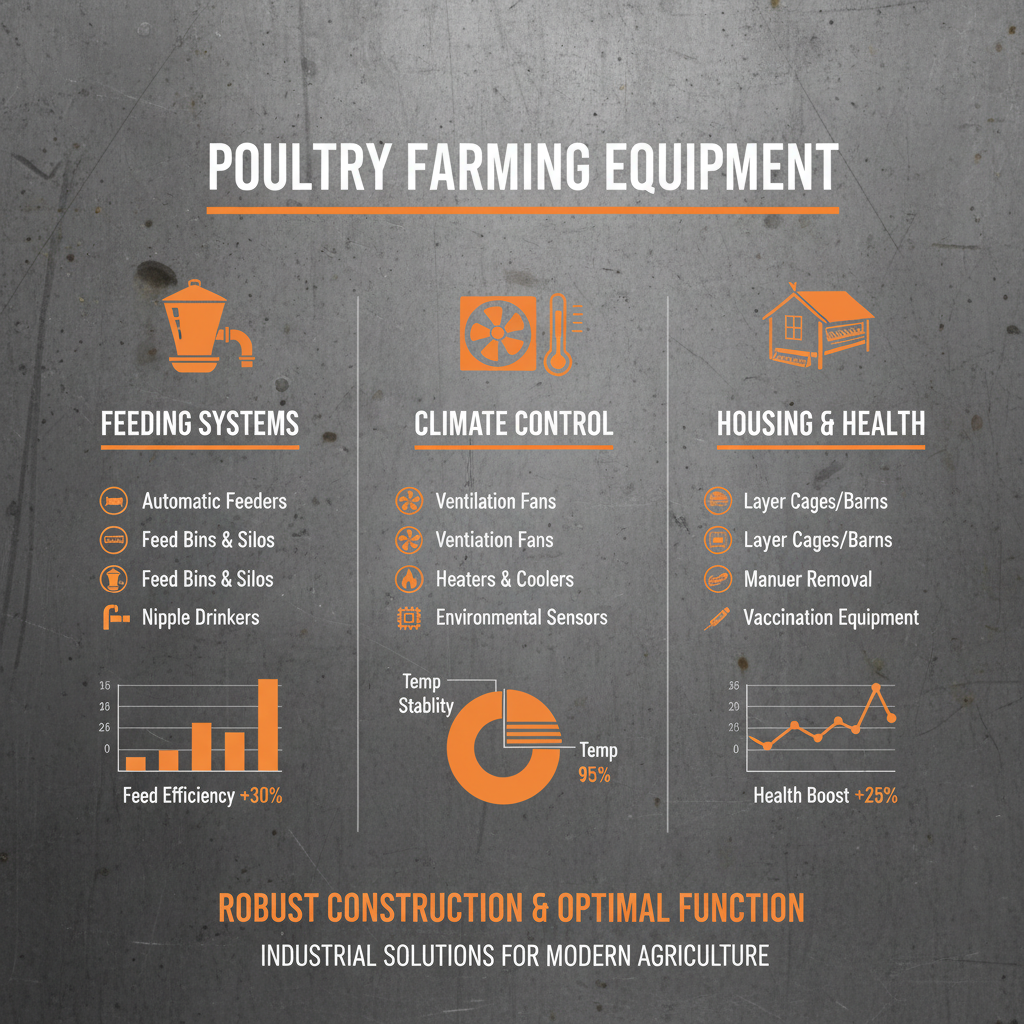
The list of equipment for poultry farming can be broadly categorized into several key areas. Housing systems provide shelter and protection from the elements. Feeding and watering equipment deliver essential nutrients and hydration. Ventilation and climate control maintain optimal temperature and air quality. Lighting systems regulate bird activity and reproductive cycles.
Waste management equipment effectively removes manure and other waste products, reducing odor and disease risk. Biosecurity measures, including foot baths and disinfection systems, prevent the spread of pathogens. Finally, specialized equipment like incubators and hatchers are critical for breeding operations.
Within each category, a wide range of options exist, from manual systems suitable for small-scale farms to fully automated systems designed for large-scale commercial operations. The choice of equipment should be carefully considered based on the specific needs and resources of the farmer.
Key Factors Influencing Equipment Selection
Several key factors should guide the selection of equipment from the list of equipment for poultry farming. Durability is paramount, as equipment must withstand the harsh conditions of a poultry farm. Scalability is also important, allowing farmers to expand their operations as needed without significant equipment replacement.
Cost efficiency is a crucial consideration, but it's important to look beyond the initial purchase price and consider the long-term operating costs, including energy consumption, maintenance, and repair. Ease of cleaning and sanitation is also essential for maintaining biosecurity and preventing disease outbreaks.
Finally, bird welfare should be a primary concern. Equipment should be designed to minimize stress and injury to the birds, providing them with a comfortable and stimulating environment. This contributes to healthier birds and improved productivity.
Global Applications and Equipment Needs
The specific list of equipment for poultry farming required varies considerably depending on the geographic location and farming practices. In developed countries, automated systems are common, focusing on maximizing efficiency and minimizing labor costs. In developing countries, simpler, more affordable equipment is often preferred, prioritizing affordability and ease of maintenance.
In regions with hot climates, effective ventilation and cooling systems are essential. In colder regions, heating systems are required to maintain optimal temperatures. Furthermore, biosecurity measures are particularly important in areas with a high prevalence of poultry diseases.
Organizations like the Food and Agriculture Organization (FAO) are working to improve poultry farming practices in developing countries by providing access to appropriate equipment and training. This helps to improve food security and livelihoods in these regions.
Comparative Efficiency of Poultry Farming Methods
Advantages and Long-Term Value Proposition
Investing in quality equipment from a comprehensive list of equipment for poultry farming offers numerous advantages. Reduced labor costs through automation, improved feed conversion ratios, and decreased mortality rates all contribute to increased profitability. Furthermore, efficient waste management systems minimize environmental impact.
The long-term value lies in the sustainability of the operation. Durable equipment reduces the need for frequent replacements, minimizing disruption and costs. Improved biosecurity measures protect against disease outbreaks, safeguarding the flock and ensuring a consistent supply of poultry products.
Future Trends in Poultry Farming Equipment
The future of poultry farming equipment is focused on technology and sustainability. Precision feeding systems, utilizing sensors and data analytics, optimize feed delivery based on individual bird needs. Automated environmental control systems maintain optimal conditions with minimal energy consumption.
Robotics are increasingly being used for tasks like egg collection and manure removal. Furthermore, research is underway to develop more sustainable materials for equipment construction, reducing the environmental footprint of the industry.
Challenges and Innovative Solutions
One of the biggest challenges is the high initial cost of advanced equipment. However, financing options and government subsidies can help to overcome this barrier. Another challenge is the need for skilled technicians to operate and maintain complex systems. Training programs are essential to address this skills gap.
Innovative solutions include modular and mobile poultry houses that can be easily relocated and adapted to changing needs. Furthermore, the development of low-cost, energy-efficient equipment is making advanced technologies more accessible to smallholder farmers.
The growing focus on animal welfare is driving the development of equipment that provides birds with more space and enrichment, improving their quality of life.
Summary of Equipment Performance and Maintenance
| Equipment Type |
Initial Cost (USD) |
Maintenance Level (1-5) |
Expected Lifespan (Years) |
| Automated Feeding System |
5,000 - 15,000 |
3 |
10 - 15 |
| Ventilation System |
2,000 - 8,000 |
2 |
8 - 12 |
| Manure Management System |
3,000 - 10,000 |
4 |
7 - 10 |
| Incubator (Capacity 10,000 eggs) |
8,000 - 20,000 |
3 |
12 - 18 |
| Biosecurity System (Foot baths, Disinfection) |
500 - 2,000 |
1 |
5 - 8 |
| Lighting System (LED) |
1,000 - 5,000 |
2 |
10 - 15 |
FAQS
For a small-scale operation, the absolute minimum includes a secure coop or housing, feeders and waterers appropriate for the number of birds, basic lighting, a simple ventilation system, and litter material. Biosecurity measures like a foot bath are also essential. Focus on durable, easy-to-clean options initially. Scaling up can follow as profitability increases.
Automation often involves higher upfront costs but can significantly reduce labor expenses and improve efficiency. The cost-benefit analysis depends on the scale of the farm, labor costs in the region, and the specific equipment being considered. Larger farms generally see a quicker return on investment with automation due to the volume of birds and potential savings.
Prioritize foot baths at all entry points to the poultry house, dedicated clothing and footwear for farm personnel, effective disinfection solutions, and a system for proper waste disposal. Consider investing in air filtration systems in areas with high disease pressure. Strict biosecurity protocols are critical for preventing outbreaks.
Regular maintenance is key. This includes cleaning equipment thoroughly, lubricating moving parts, and promptly repairing any damage. Choose equipment made from durable, corrosion-resistant materials. Store equipment properly when not in use, protecting it from the elements. Following the manufacturer’s guidelines is crucial.
Look for energy-efficient lighting (LEDs), water-saving drinkers, and manure management systems that can be used to produce biogas or fertilizer. Consider equipment made from recycled materials or those designed for easy disassembly and recycling at the end of their lifespan. Solar power can also be integrated to reduce energy costs.
Lifespan varies greatly. Housing structures can last 20+ years with proper maintenance. Automated feeding systems typically last 10-15 years. Ventilation systems have a lifespan of 8-12 years. Lighting systems (LEDs) can last 10-15 years. Biosecurity equipment generally has a shorter lifespan, requiring more frequent replacement.
Conclusion
Investing in the right list of equipment for poultry farming is paramount for success in today’s competitive market. From housing and feeding systems to biosecurity measures and waste management solutions, each component plays a crucial role in maximizing efficiency, minimizing risks, and ensuring animal welfare. Careful consideration of factors like durability, scalability, and cost-efficiency is essential for making informed decisions.
As the poultry industry continues to evolve, embracing new technologies and sustainable practices will be key to long-term viability. By staying informed about the latest innovations and prioritizing the health and well-being of their flocks, farmers can ensure a profitable and sustainable future. For a comprehensive selection of poultry farming equipment, visit our website: www.cxlivestock.com.