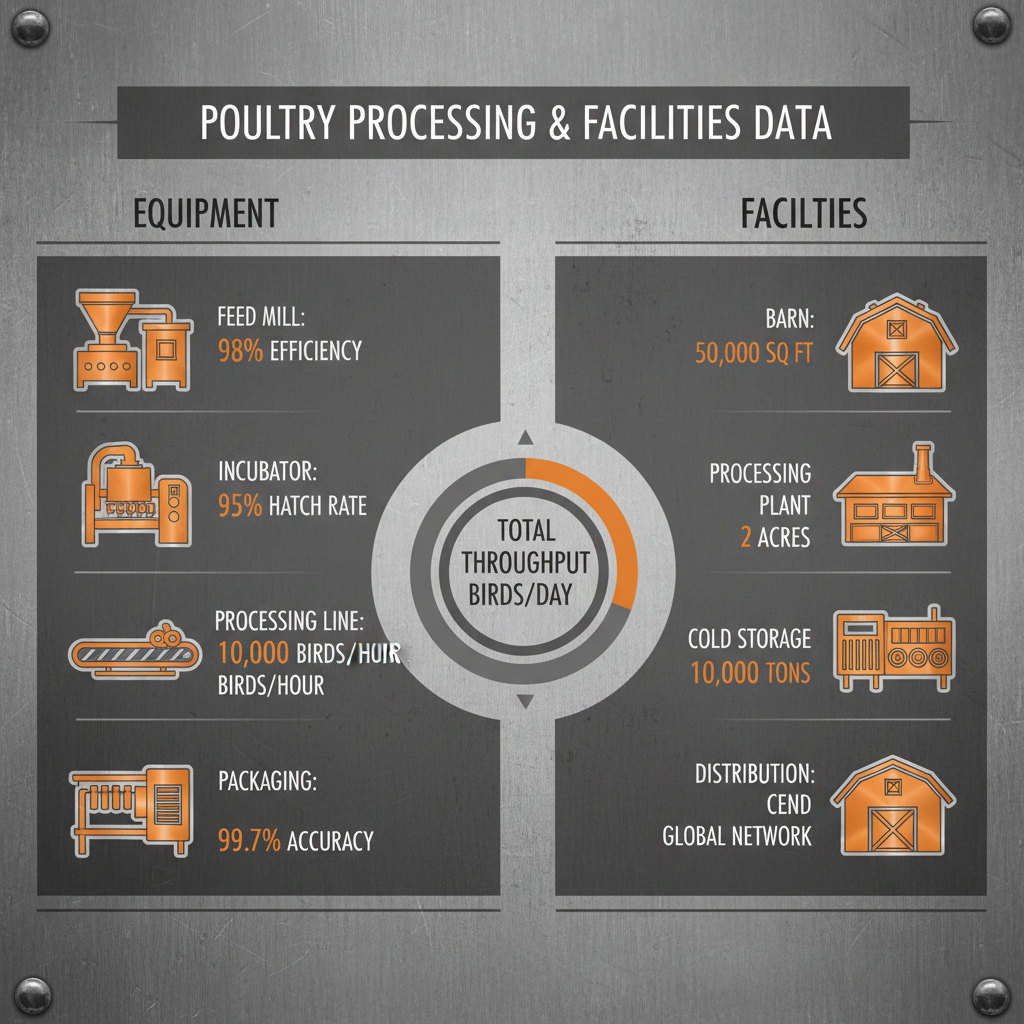
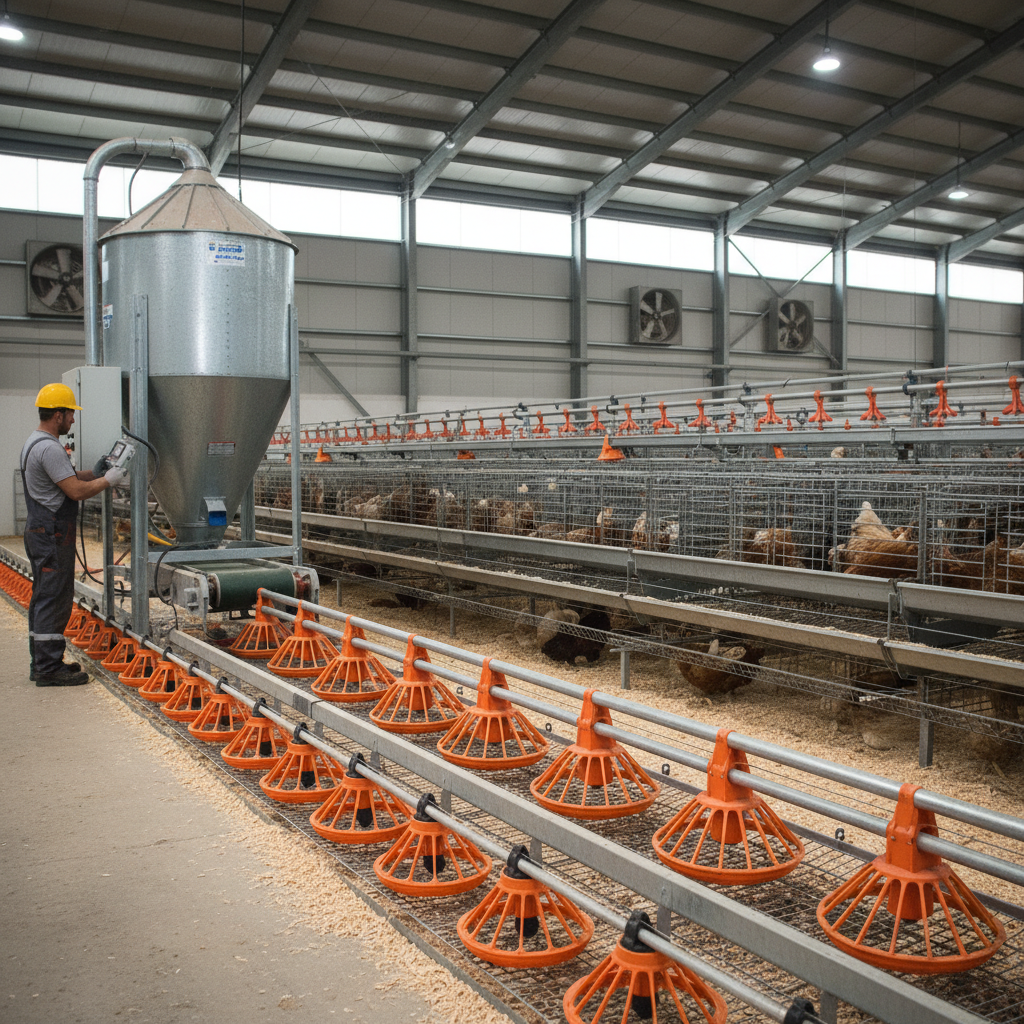
The efficient and sustainable production of poultry is a cornerstone of global food security. Essential to this endeavor is having the right equipment needed for poultry farming. From incubation to processing, modern farming relies on specialized tools and systems to maximize output while ensuring animal welfare and product safety. Understanding the spectrum of equipment available is crucial for both large-scale commercial operations and smaller, independent farms.
Globally, the demand for poultry products continues to rise, driven by population growth and changing dietary preferences. This escalating demand places significant pressure on producers to increase efficiency and reduce costs. Investment in appropriate equipment needed for poultry farming is no longer optional; it's a necessity for maintaining competitiveness and meeting consumer expectations. Innovations in this sector directly impact the availability and affordability of a vital protein source.
Furthermore, the implementation of advanced equipment impacts biosecurity measures, minimizing disease outbreaks and reducing the need for antibiotics. This contributes to healthier flocks and a more sustainable poultry industry overall. A well-equipped farm not only enhances productivity but also supports responsible farming practices, aligning with growing consumer awareness regarding food origins and quality.
The Significance of Equipment in Poultry Farming
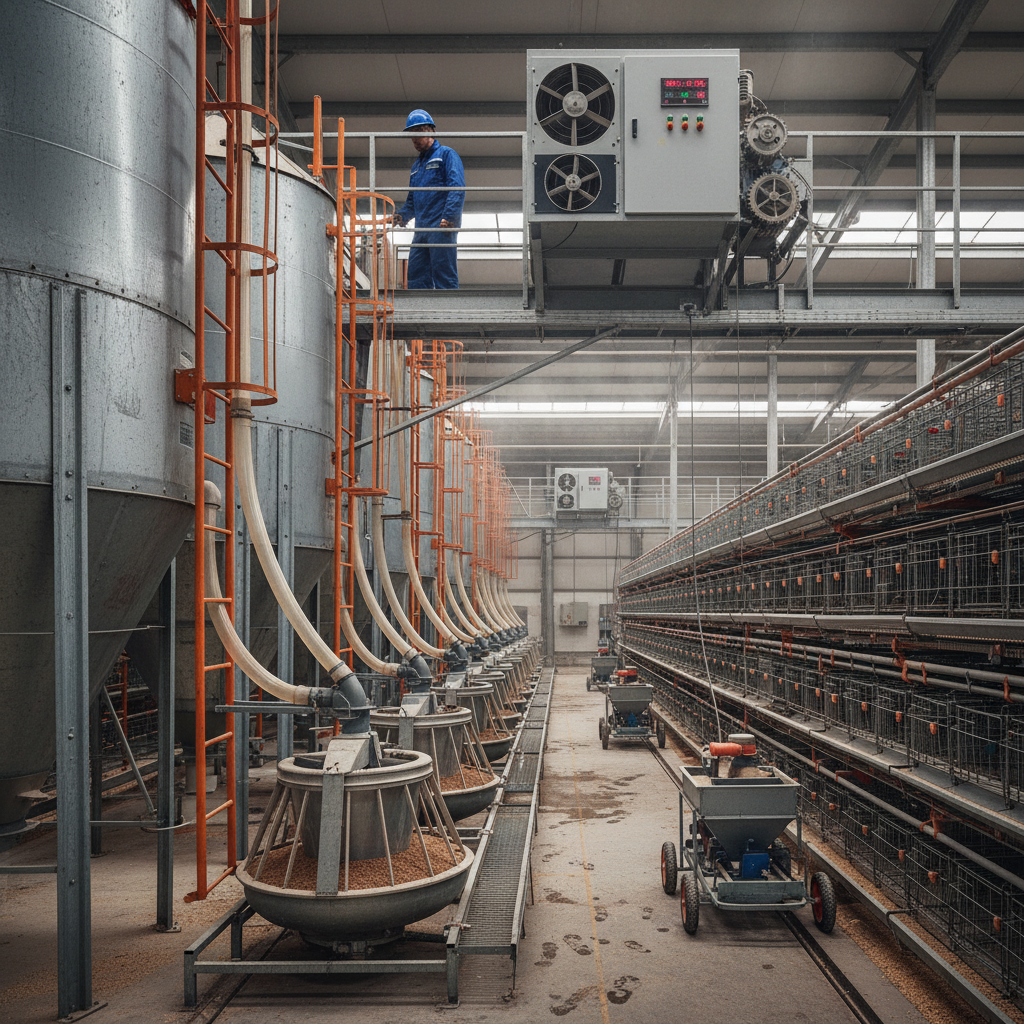
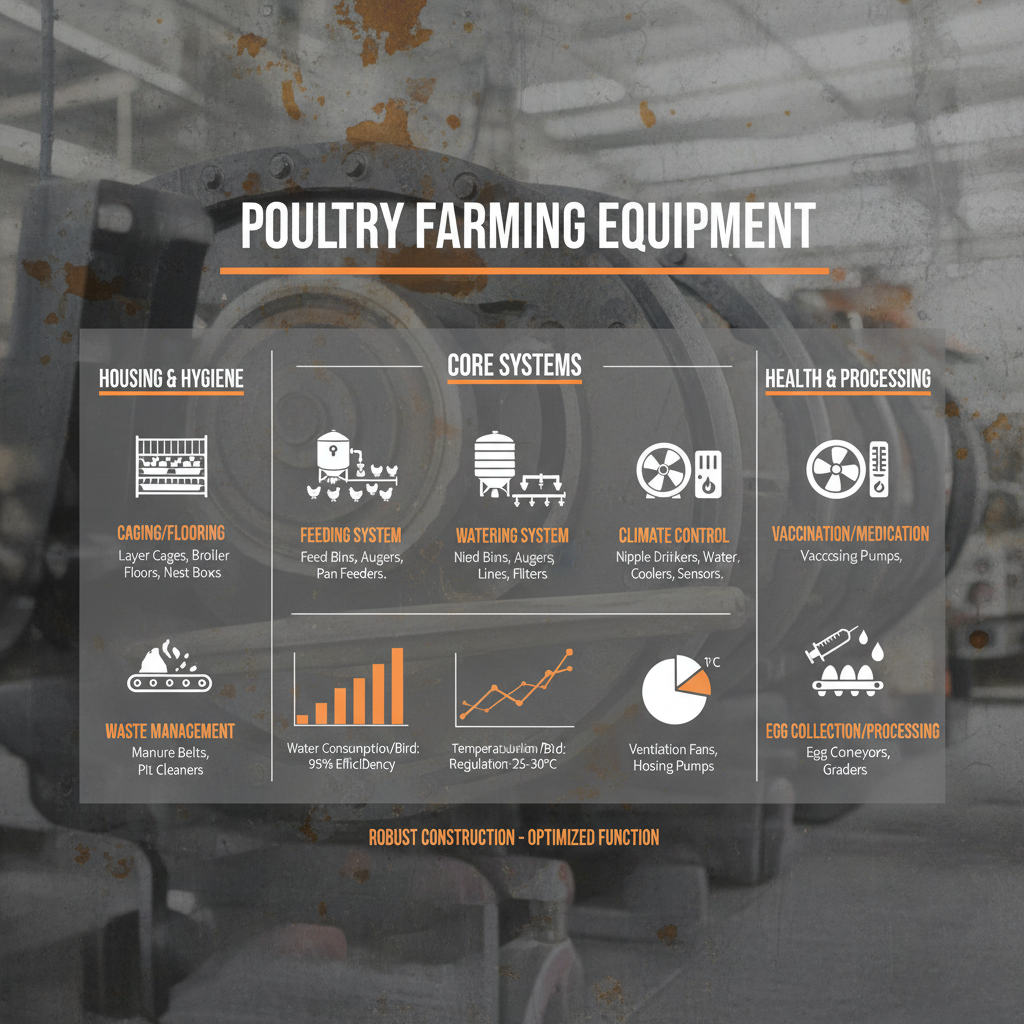
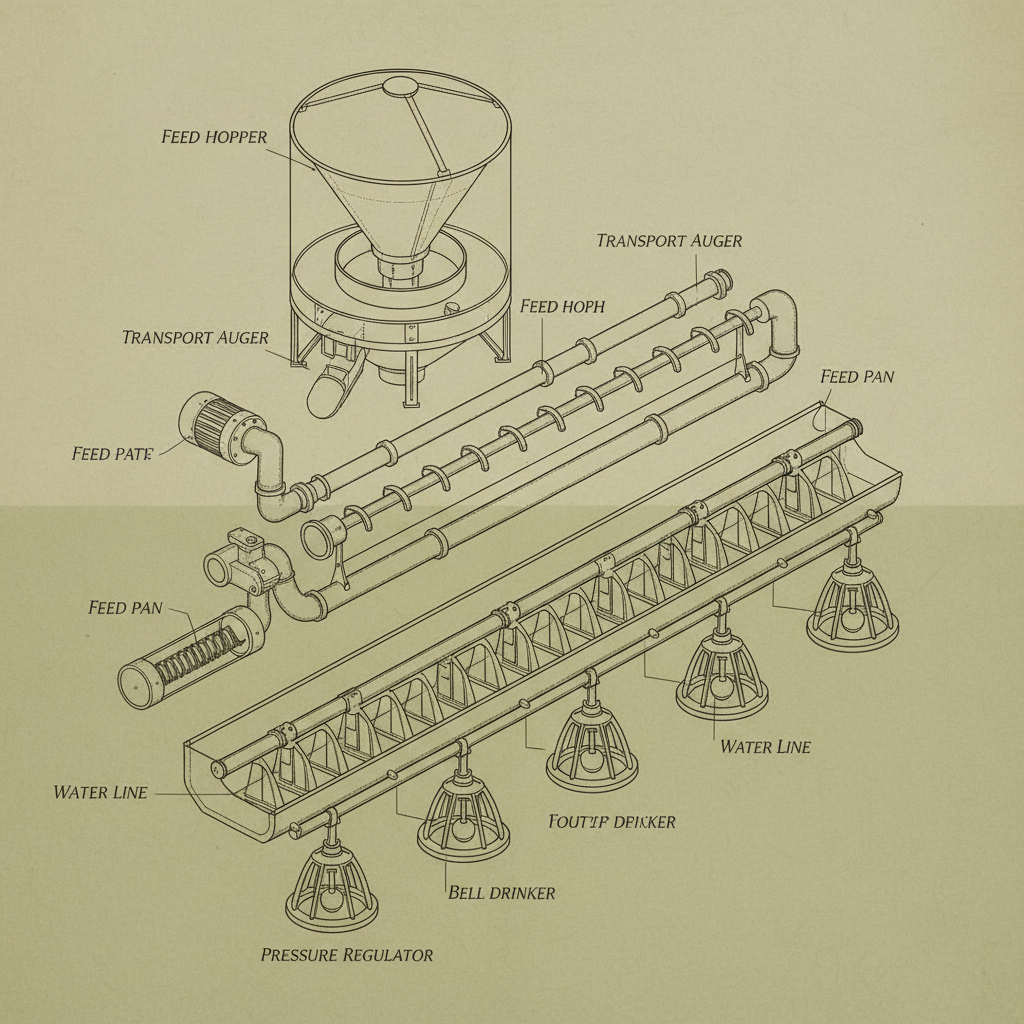
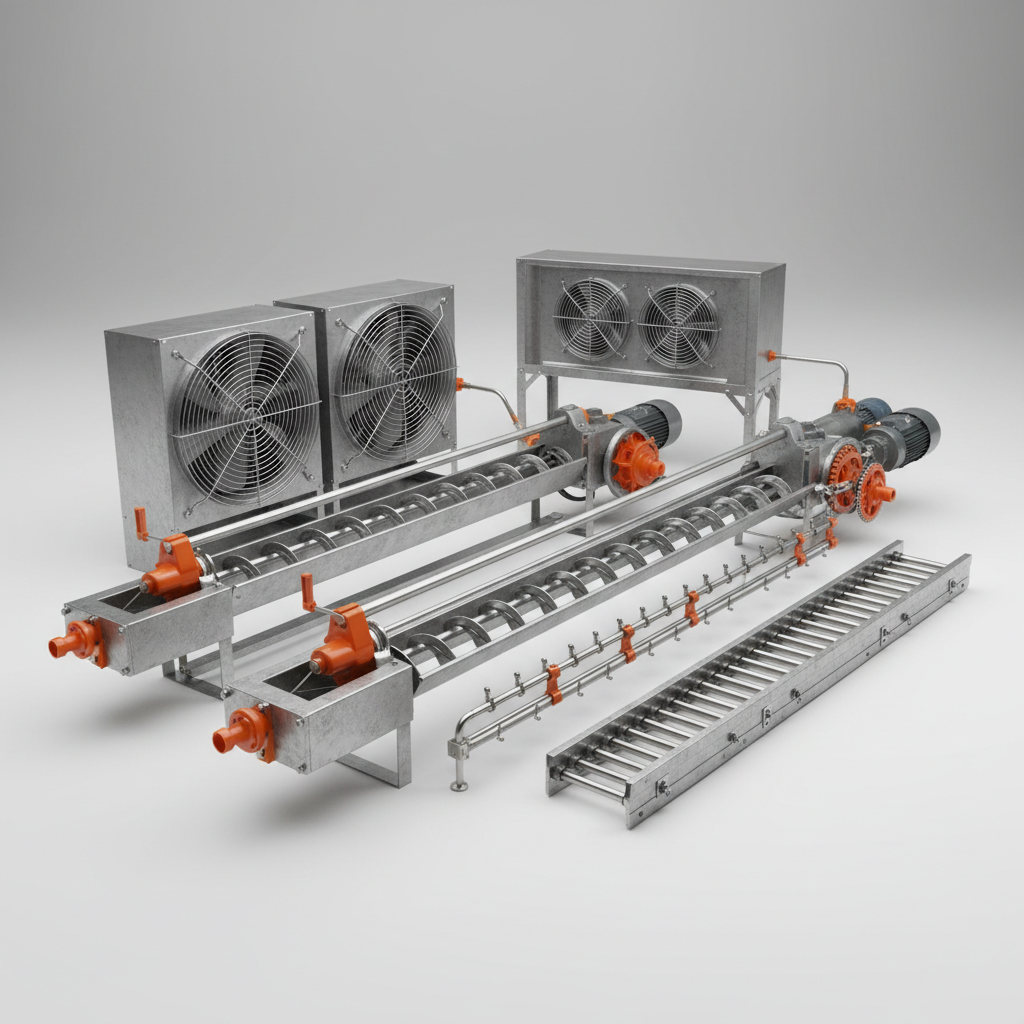
Modern poultry farming is heavily reliant on specialized equipment to ensure efficiency, productivity, and animal welfare. The spectrum of equipment needed for poultry farming spans from basic necessities like feeders and drinkers to sophisticated automated systems for temperature control, ventilation, and waste management. The strategic implementation of these tools directly translates to increased output and reduced operational costs.
Without the appropriate equipment, poultry farmers face numerous challenges, including increased labor requirements, higher mortality rates, and reduced product quality. Investing in the right equipment needed for poultry farming represents a significant commitment to the long-term success and sustainability of the operation.
Defining Equipment Needed for Poultry Farming
Equipment needed for poultry farming encompasses all the tools, machinery, and systems utilized in the rearing, processing, and management of poultry. This includes, but is not limited to, incubation equipment (incubators, hatchers), brooding equipment (brooders, heaters), feeding and watering systems, ventilation and climate control systems, housing structures (coops, sheds), lighting systems, waste management solutions, and processing equipment (scalder, plucker, evisceration tools).
Essentially, it's everything required to create a controlled environment conducive to optimal poultry growth and health, from the initial stages of egg incubation through to the final product ready for market. Properly selected and maintained equipment minimizes stress on the birds, optimizes feed conversion rates, and enhances biosecurity.
The term also extends to include monitoring and control systems, such as sensors and automation technology, that allow farmers to track environmental conditions, bird health, and production metrics in real-time, enabling proactive adjustments and informed decision-making.
Core Components of Effective Poultry Farming Equipment
Durability is paramount when selecting equipment needed for poultry farming. Poultry houses and associated equipment are subjected to harsh conditions – temperature fluctuations, humidity, corrosive materials (like manure), and constant wear and tear. Investing in robust, long-lasting equipment minimizes downtime, reduces maintenance costs, and provides a greater return on investment.
Scalability is another crucial factor. A farmer's needs evolve over time. The equipment needed for poultry farming should be adaptable to accommodate future growth. Modular systems or equipment that can be easily expanded or upgraded are preferable to rigid, fixed installations. This allows producers to increase capacity without significant capital expenditure.
Cost-efficiency isn’t simply about the initial purchase price. It encompasses the total cost of ownership, including maintenance, energy consumption, and lifespan. Energy-efficient ventilation systems, automated feeding systems that minimize waste, and durable construction materials all contribute to long-term cost savings.
Key Factors Influencing Equipment Selection
Choosing the right equipment needed for poultry farming depends on a variety of factors, including the size and scale of the operation, the type of poultry being raised (broilers, layers, turkeys), the climate, and the available budget. Larger commercial farms will often prioritize automated systems for efficiency, while smaller farms might opt for simpler, more manual equipment.
Biosecurity considerations also play a significant role. Equipment should be easily cleaned and sanitized to prevent the spread of disease. Materials resistant to corrosion and harboring pathogens are essential. Furthermore, the integration of smart technologies and data analytics is becoming increasingly important for optimizing performance and managing resources.
Equipment Efficiency Comparison
Global Applications and Poultry Farming Equipment
The application of advanced equipment needed for poultry farming is widespread, varying based on economic development and farming practices. In industrialized nations like the United States and Europe, fully automated systems are common, maximizing efficiency and minimizing labor costs. These systems often include computerized climate control, automated feeding and watering, and robotic egg collection.
In developing countries, the focus is often on more affordable and accessible equipment, such as improved brooding stoves, efficient feeders and drinkers, and basic ventilation systems. Organizations like the Food and Agriculture Organization (FAO) often promote the adoption of appropriate technology to enhance poultry production in these regions, contributing to food security and economic empowerment.
Advantages and Long-Term Value of Investment
Investing in high-quality equipment needed for poultry farming yields significant long-term benefits. These include reduced operational costs (through energy efficiency and minimized waste), increased productivity (higher yields and faster growth rates), improved animal welfare (reduced stress and disease), and enhanced product quality (consistent size and appearance).
From a sustainability perspective, modern equipment often incorporates features that reduce environmental impact, such as optimized water usage, efficient waste management, and reduced greenhouse gas emissions. This not only benefits the environment but also enhances the farm’s reputation and marketability. The long-term reliability and reduced maintenance requirements also contribute to a lower total cost of ownership.
Beyond the tangible benefits, investing in appropriate equipment fosters a culture of innovation and continuous improvement, building trust with consumers and solidifying the farm’s position in the market.
Future Trends and Emerging Technologies
The future of equipment needed for poultry farming is poised for significant innovation. Automation and robotics are expected to become even more prevalent, with the development of advanced sensors, artificial intelligence (AI), and machine learning algorithms. These technologies will enable real-time monitoring of bird health, predictive maintenance of equipment, and optimized resource allocation.
Precision poultry farming, utilizing data analytics and sensor technology, will allow farmers to tailor environmental conditions and feeding strategies to the specific needs of individual birds, further enhancing efficiency and welfare. Furthermore, the integration of renewable energy sources, such as solar power, will reduce the carbon footprint of poultry operations and lower energy costs.
The development of smart housing systems, capable of automatically adjusting ventilation, temperature, and lighting based on real-time data, will also be a key trend. These systems will contribute to a more sustainable and resilient poultry industry.
Key Performance Indicators for Poultry Farming Equipment
| Equipment Type |
Initial Investment Cost |
Maintenance Requirements |
Operational Efficiency Score (1-10) |
| Automatic Feeding System |
$5,000 - $15,000 |
Medium |
9 |
| Ventilation System |
$3,000 - $8,000 |
Low-Medium |
8 |
| Incubator |
$1,000 - $5,000 |
Medium |
7 |
| Automated Egg Collection |
$8,000 - $20,000 |
Medium-High |
9 |
| Water Sanitation System |
$500 - $2,000 |
Low |
7 |
| Waste Management System |
$2,000 - $7,000 |
Medium |
8 |
FAQS
The average lifespan of an automated feeding system typically ranges from 10 to 15 years with proper maintenance. Factors affecting lifespan include the quality of materials, the frequency of use, and the effectiveness of cleaning and repair protocols. Regular inspections and preventative maintenance can significantly extend the operational life of the system, maximizing return on investment and minimizing costly downtime. Investing in a robust and durable system initially is crucial.
The cost of a complete poultry house ventilation system varies considerably depending on the size of the house, the type of system (natural, mechanical, or a combination), and the level of automation. Generally, costs can range from $3,000 to $20,000 or more for larger operations. Factors like energy efficiency, fan capacity, and control systems significantly impact the price. Proper sizing and installation are crucial for optimal performance and cost-effectiveness.
Key maintenance tasks for poultry incubators include regular cleaning and disinfection to prevent bacterial contamination, calibration of temperature and humidity sensors to ensure accuracy, inspection of heating elements and fans for proper functioning, and verification of egg turning mechanisms. Maintaining accurate records of temperature and humidity fluctuations is also critical. Consistent maintenance directly correlates with higher hatch rates and healthier chicks.
Biosecurity is paramount when selecting equipment needed for poultry farming. Materials should be non-porous and easily sanitized to prevent the harbor of pathogens. Equipment should be designed to minimize contact between different flocks and to prevent the introduction of external contaminants. Regular cleaning and disinfection protocols are essential for maintaining a biosecure environment, protecting bird health, and minimizing disease outbreaks.
Determining the appropriate ventilation system size requires careful consideration of several factors, including the number of birds, the house’s dimensions, the climate, and the bird’s age. Generally, ventilation rates are expressed in air changes per hour (ACH). Consulting with a poultry ventilation specialist or using online calculators can help determine the optimal system capacity. Proper ventilation is crucial for maintaining air quality, controlling temperature, and removing moisture.
Automated water sanitation systems offer significant benefits, including reduced waterborne disease transmission, improved bird health, and decreased reliance on antibiotics. These systems typically utilize UV sterilization, filtration, or chemical disinfection to remove harmful pathogens from the water supply. Automated systems ensure consistent water quality, minimizing the risk of contamination and improving overall flock performance. Regular maintenance and monitoring are essential for optimal effectiveness.
Conclusion
In conclusion, investing in the right equipment needed for poultry farming is a critical determinant of success in modern poultry production. From ensuring animal welfare and maximizing productivity to minimizing environmental impact and enhancing biosecurity, the benefits are far-reaching. The core principles of durability, scalability, and cost-efficiency should guide all equipment selection decisions.
Looking ahead, embracing emerging technologies like automation, AI, and precision farming will be essential for optimizing performance and building a sustainable future for the poultry industry. Visit our website at www.cxlivestock.com to explore a comprehensive range of high-quality poultry farming equipment and solutions tailored to your specific needs.