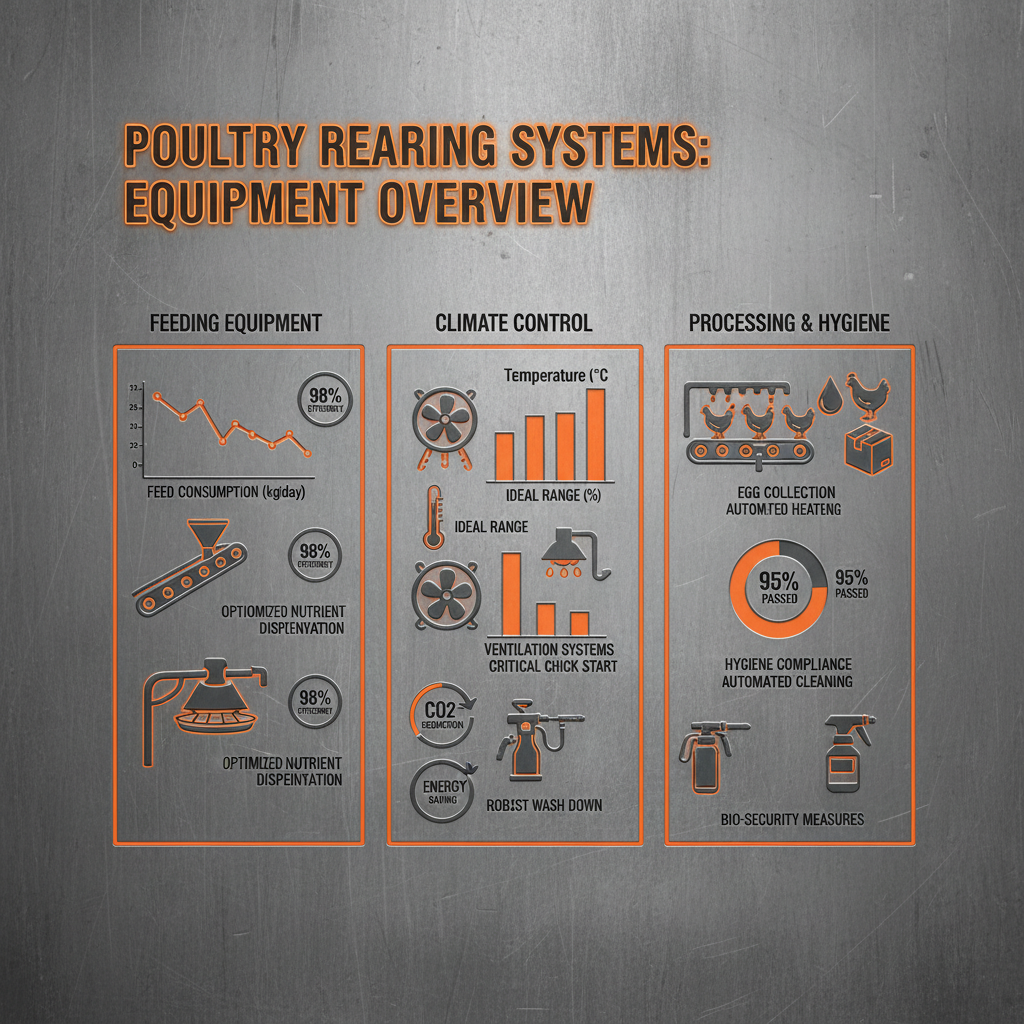
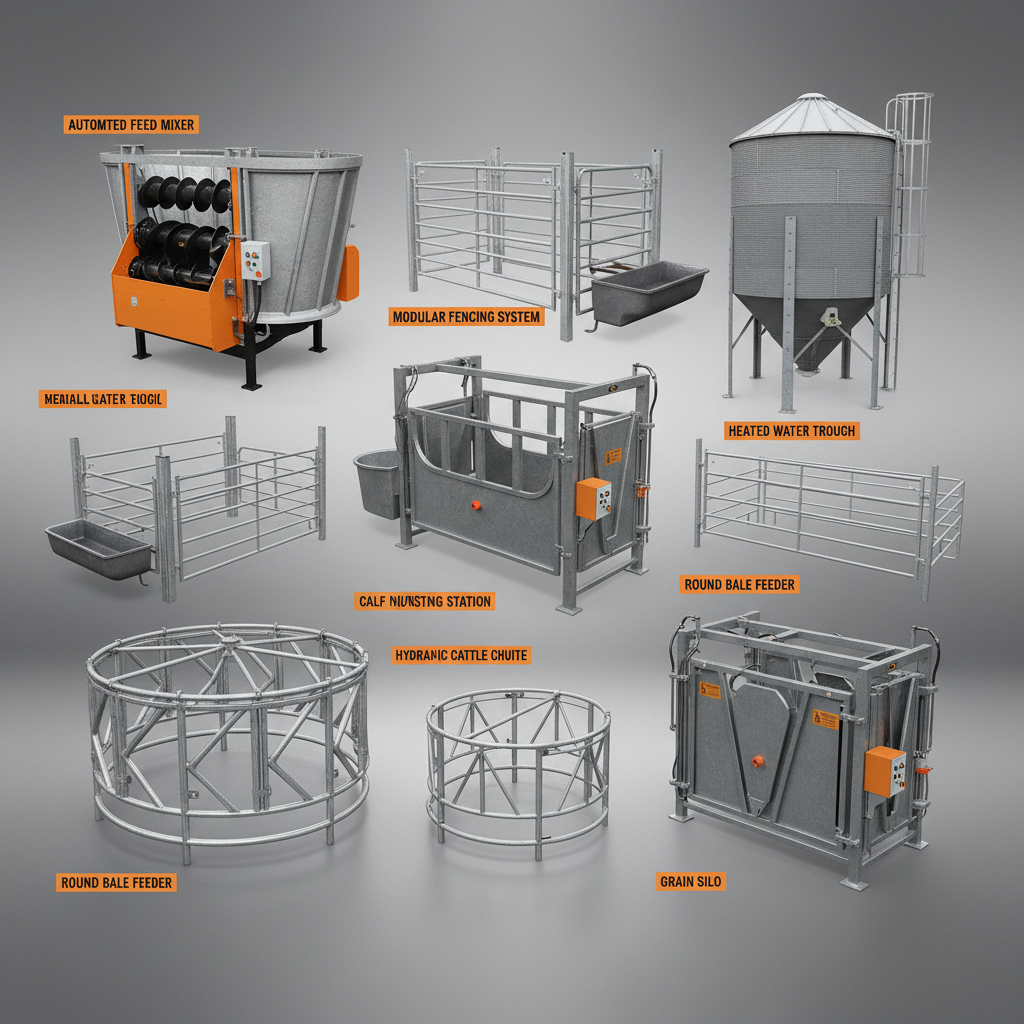
Poultry farming equipment plays a vital role in modern agriculture, enabling efficient and sustainable production of chicken, turkey, and other fowl. Globally, the demand for poultry products is consistently increasing, driven by population growth and changing dietary preferences. Consequently, advancements in poultry farming equipment – from automated feeding systems to climate control technologies – are essential to meet this demand effectively. Understanding the nuances of this equipment is crucial for farmers, investors, and policymakers alike, impacting food security and economic development worldwide.
The global poultry farming equipment market is a multi-billion dollar industry, experiencing consistent growth fueled by the need for increased production efficiency and biosecurity. According to the UN, global meat consumption is projected to rise significantly in the coming decades, placing immense pressure on the poultry industry to innovate and scale. Investing in high-quality poultry farming equipment isn’t merely about increasing yields; it's about reducing waste, improving animal welfare, and minimizing environmental impact – all critical components of a sustainable food system.
Modern poultry farming equipment isn’t just about large-scale commercial operations. It also empowers smallholder farmers with the tools to improve their livelihoods and contribute to local food supplies. By adopting even basic technological improvements, these farmers can significantly enhance their productivity, reducing their reliance on manual labor and increasing their profitability. This makes poultry farming equipment a key element in addressing global poverty and food insecurity.
Introduction: Global or Industry Context
The global demand for poultry is steadily increasing, driven by factors such as affordability, protein content, and religious dietary laws. This surge in demand necessitates highly efficient poultry farming operations, and that’s where sophisticated poultry farming equipment becomes indispensable. Modern equipment isn’t simply about automating tasks; it's about optimizing every stage of the production process, from chick rearing to egg collection and processing.
The market for poultry farming equipment is highly competitive, with manufacturers constantly innovating to offer solutions that address evolving industry needs. This includes developing equipment that improves biosecurity, reduces environmental impact, and enhances animal welfare. Investments in research and development are crucial for companies looking to stay ahead in this dynamic market. The quality and reliability of the poultry farming equipment directly impact the profitability and sustainability of poultry businesses.
Definition & Meaning
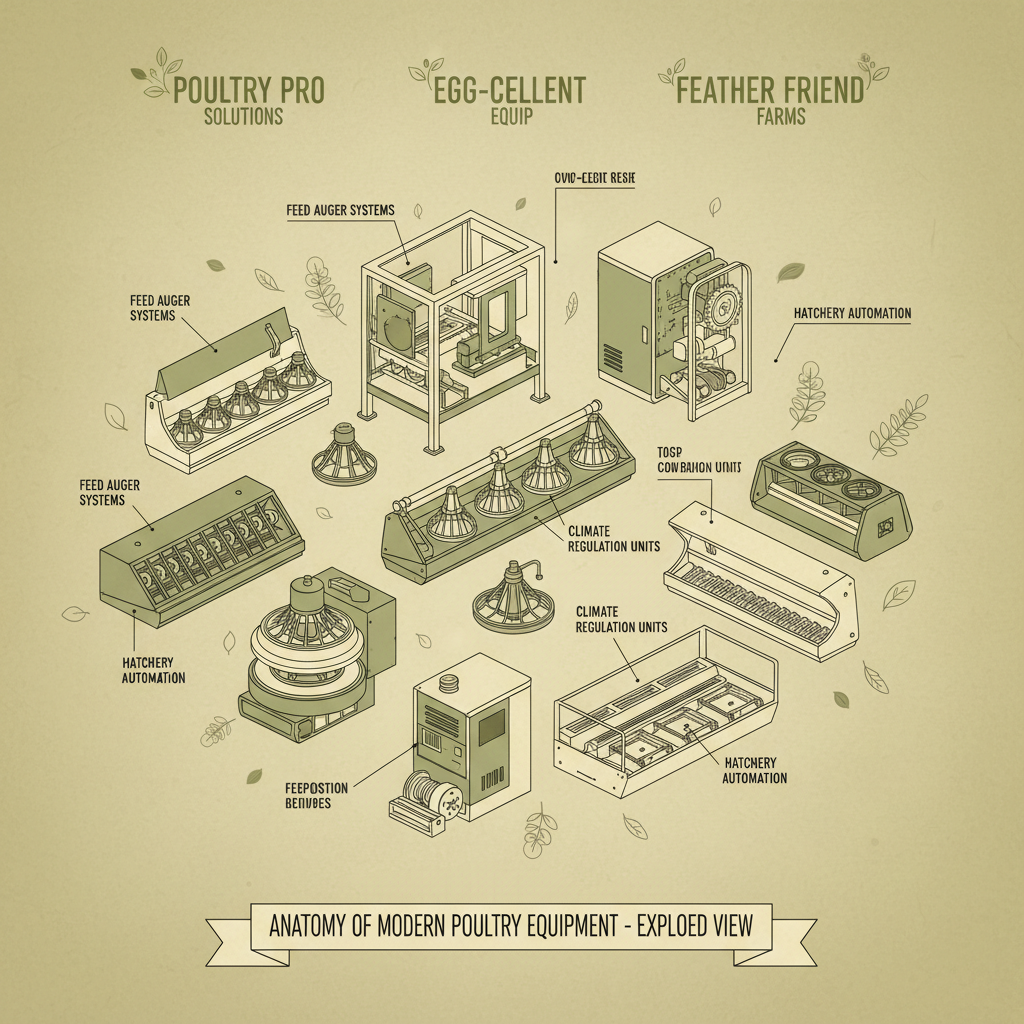
Poultry farming equipment encompasses all the tools, machinery, and systems used in the raising of domestic birds, primarily chickens, turkeys, ducks, and geese, for meat and egg production. This includes a broad range of items, from basic necessities like feeders and waterers to complex automated systems for climate control, waste management, and egg handling. Essentially, it's everything beyond the birds themselves and the physical structures housing them.
The connection to modern industry is clear: poultry farming is a major agricultural sector globally, and efficient equipment is critical to its economic viability. Beyond industry, poultry farming equipment also plays a role in addressing humanitarian needs. In disaster relief scenarios or developing countries, providing access to even basic equipment can significantly improve local food security and livelihoods.
The evolution of poultry farming equipment has mirrored the broader trends in agricultural technology – moving from labor-intensive manual methods to highly automated and data-driven systems. This transition has been essential for meeting the increasing demand for poultry products while maintaining profitability and sustainability.
Key Factors or Core Components
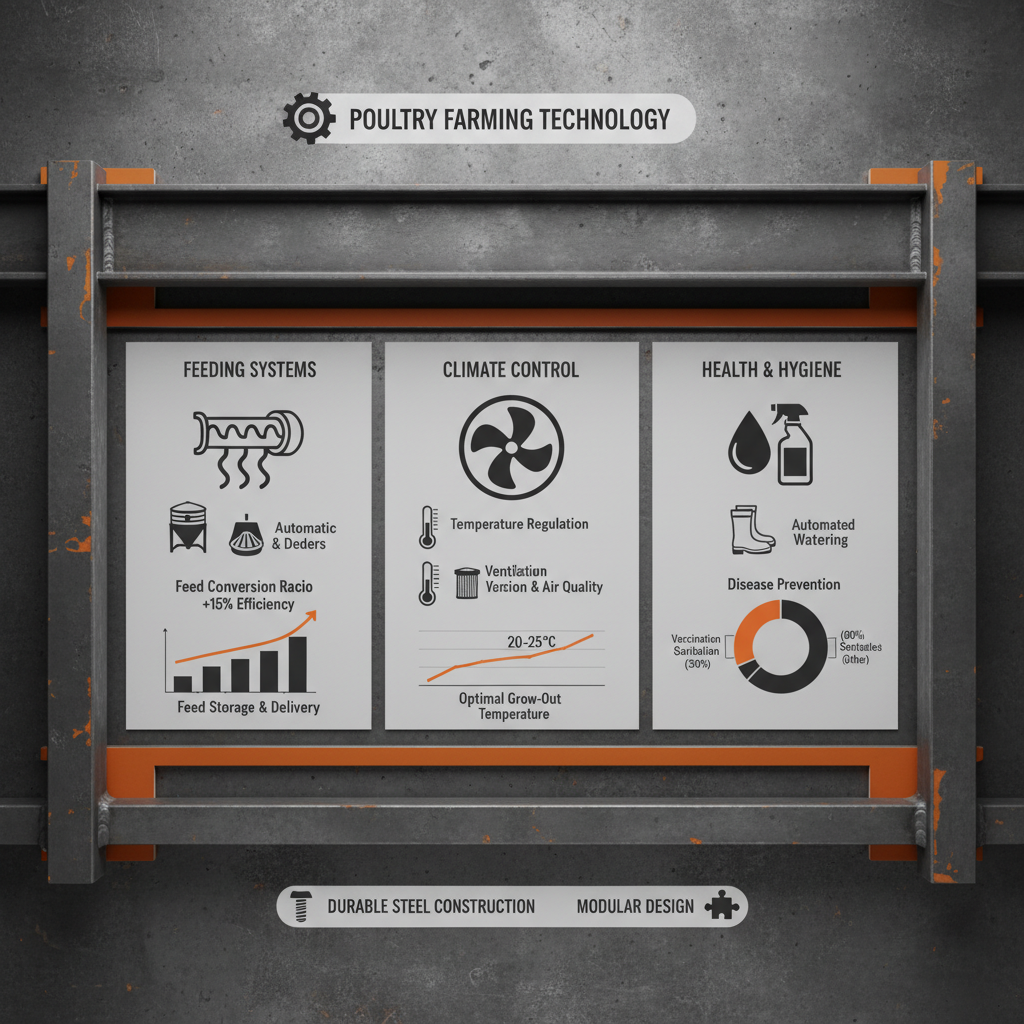
Durability: Poultry farming equipment is subject to harsh conditions – humidity, corrosive materials (like ammonia from bird waste), and constant use. Therefore, durability is paramount. Equipment constructed from high-quality materials, like galvanized steel or corrosion-resistant plastics, will have a longer lifespan and require less frequent replacement, reducing long-term costs.
Scalability: The ability to easily scale up or down a poultry operation is crucial for adapting to market fluctuations and changing demand. Poultry farming equipment should be modular and adaptable, allowing farmers to expand their capacity without significant investment in completely new systems. This flexibility is particularly important for small and medium-sized farms.
Cost Efficiency: While initial investment is a consideration, the total cost of ownership is more important. Equipment that reduces labor costs, minimizes feed waste, and improves bird health will ultimately be more cost-effective. Energy efficiency is also a key factor, as poultry houses can consume significant amounts of electricity for heating, cooling, and ventilation.
Global Applications & Use Cases
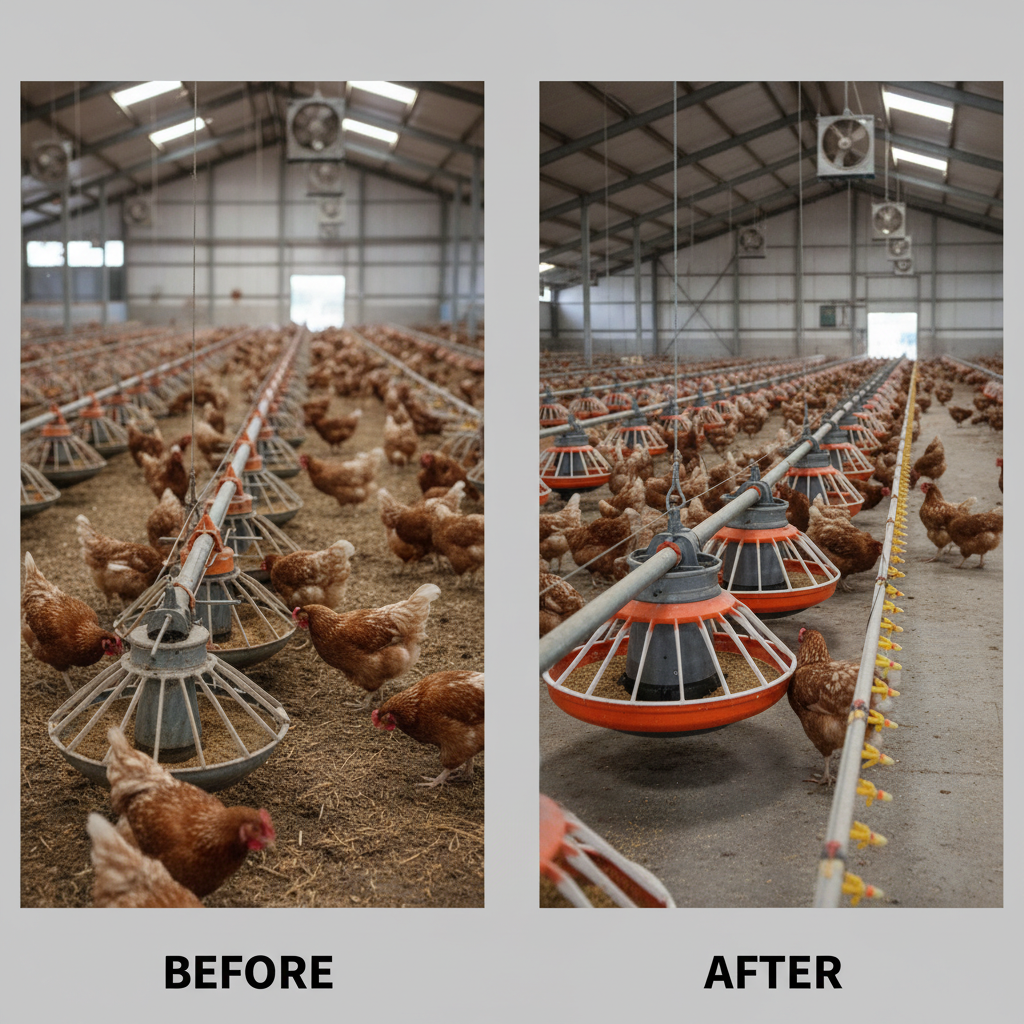
Poultry farming equipment is utilized across the globe, but its application varies depending on the region and the scale of operations. In industrialized nations like the United States, Europe, and Brazil, large-scale commercial farms rely heavily on fully automated systems for feeding, watering, egg collection, and climate control. These systems optimize production efficiency and minimize labor costs.
In developing countries, the focus often shifts towards more affordable and robust equipment that can improve the productivity of smallholder farmers. This includes simpler feeders, waterers, and housing structures that provide basic protection from the elements and predators. Organizations like Heifer International often provide these types of equipment to empower communities and promote sustainable agriculture.
In post-disaster relief operations, portable poultry housing and feeding equipment can provide a quick and efficient source of protein for affected populations. Similarly, in remote industrial zones or military installations, self-contained poultry farming systems can ensure a reliable supply of fresh eggs and meat, reducing reliance on external food sources.
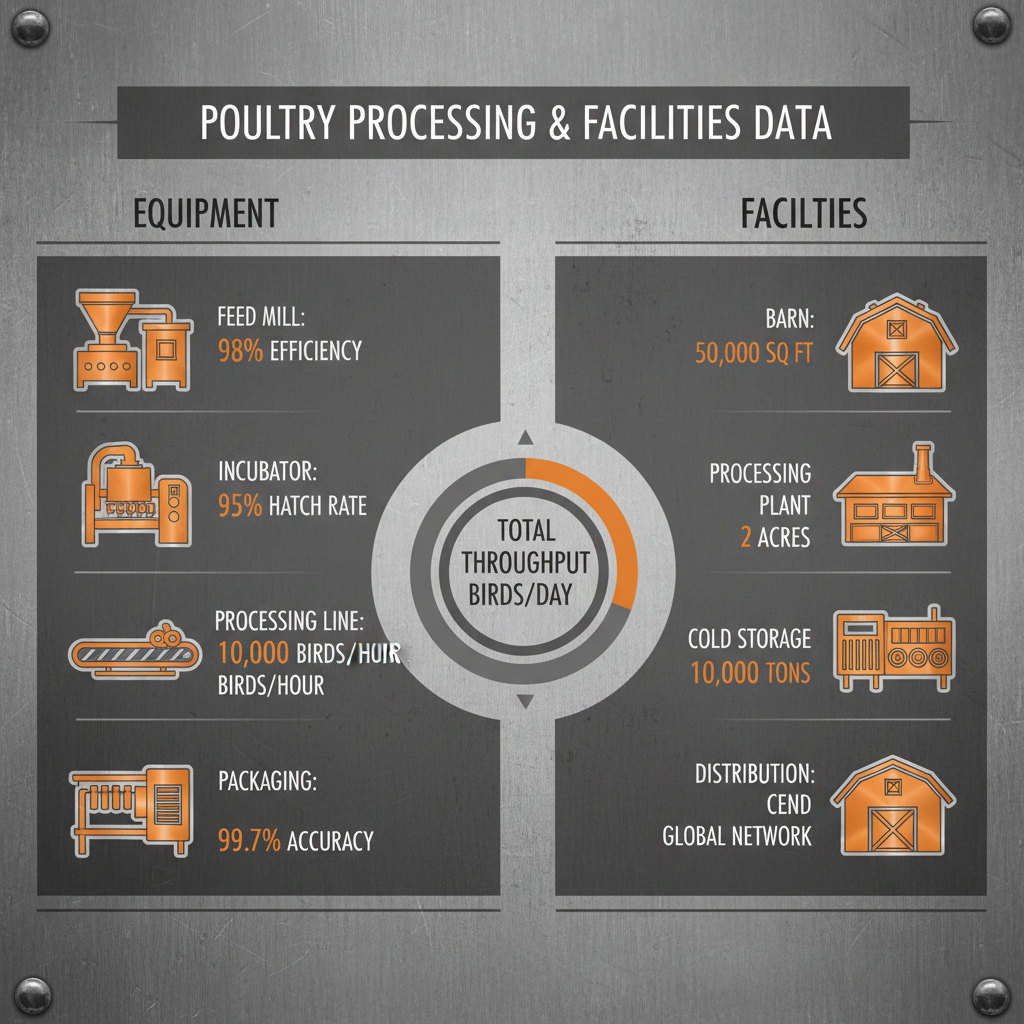
Poultry Farming Equipment Performance Comparison
Advantages & Long-Term Value
Investing in quality poultry farming equipment offers a multitude of advantages. Reduced labor costs through automation are a significant benefit, allowing farmers to focus on other crucial aspects of their operations, such as flock management and marketing. Improved feed conversion ratios, facilitated by precise feeding systems, minimize waste and maximize growth rates.
Long-term value extends beyond financial gains. Enhanced biosecurity measures, implemented through automated cleaning and disinfection systems, reduce the risk of disease outbreaks, protecting both the flock and the farmer's investment. Sustainable practices, such as efficient water management and waste recycling, minimize environmental impact and promote responsible agriculture.
Future Trends & Innovations
The future of poultry farming equipment is being shaped by several key trends, including the integration of Internet of Things (IoT) devices for real-time monitoring of environmental conditions and bird health. Precision poultry farming, utilizing data analytics and artificial intelligence, will allow for more targeted interventions and optimized resource allocation.
Automation is set to increase even further, with the development of robotic systems for tasks such as egg collection, cleaning, and even bird handling. Furthermore, a growing emphasis on animal welfare is driving innovation in equipment design, creating more spacious and enriching environments for poultry.
Challenges & Solutions
One of the primary challenges is the high upfront cost of advanced poultry farming equipment, which can be prohibitive for small-scale farmers in developing countries. Solutions include providing access to financing options, such as microloans and government subsidies, as well as promoting the development of more affordable and locally manufactured equipment.
Another challenge is the need for skilled technicians to maintain and repair sophisticated automated systems. Investing in training programs for local technicians and providing remote diagnostic support can help address this issue. Finally, ensuring data security and privacy in the context of IoT-enabled equipment is crucial to building trust and protecting farmer's information.
The integration of renewable energy sources, like solar power, to power poultry farming equipment can help reduce operating costs and minimize environmental impact, especially in regions with unreliable electricity grids.
Summary of Challenges and Solutions in Poultry Farming Equipment
| Challenge |
Impact on Poultry Farming |
Proposed Solution |
Implementation Cost (Scale 1-10) |
| High Initial Investment |
Limits access for small farmers. |
Microloans, subsidies, lease-to-own programs. |
6 |
| Lack of Skilled Technicians |
Maintenance disruptions, equipment downtime. |
Local training programs, remote diagnostics. |
7 |
| Data Security Concerns |
Farmer data vulnerable to breaches. |
Robust cybersecurity protocols, data encryption. |
8 |
| Energy Consumption |
High operating costs, environmental impact. |
Integration of renewable energy sources (solar, wind). |
5 |
| Equipment Complexity |
Requires significant operator training. |
User-friendly interfaces, simplified operation manuals. |
4 |
| Supply Chain Disruptions |
Delays in equipment delivery and repairs. |
Diversification of suppliers, local manufacturing. |
6 |
FAQS
The lifespan of poultry farming equipment varies significantly based on the quality of materials, maintenance practices, and environmental conditions. Generally, well-maintained feeders, waterers, and ventilation systems can last between 10-15 years. More complex automated systems, like egg collection machines or climate controllers, may have a lifespan of 8-12 years, requiring regular servicing and component replacements. Investing in durable, corrosion-resistant materials is key to maximizing the equipment's longevity and reducing long-term costs.
Preventative maintenance is crucial for minimizing equipment failure. This includes regular cleaning to remove dust and debris, lubrication of moving parts, and inspection for wear and tear. Adhering to the manufacturer's recommended maintenance schedule is essential. Additionally, providing proper training for farm personnel on equipment operation and maintenance can significantly reduce the risk of accidental damage or misuse. Routine checks and timely repairs can prevent minor issues from escalating into costly breakdowns.
Selecting a reliable supplier is paramount. Consider factors like the supplier's reputation, product quality, warranty terms, and availability of after-sales support. It's wise to check references from other poultry farmers who have used their equipment. Ensure the supplier offers technical assistance and spare parts readily. Prioritize suppliers who demonstrate a commitment to innovation, sustainability, and animal welfare in their product design and manufacturing processes.
Automation can significantly enhance biosecurity by minimizing human contact with poultry and reducing the risk of disease transmission. Automated cleaning and disinfection systems ensure thorough sanitation of poultry houses, reducing pathogen loads. Closed-loop ventilation systems filter incoming air, preventing the entry of airborne diseases. Robotic systems for egg collection and waste removal further limit human-to-bird interaction, creating a more controlled and hygienic environment.
IoT devices embedded in poultry farming equipment enable real-time monitoring of critical parameters such as temperature, humidity, air quality, feed levels, and bird weight. This data is transmitted wirelessly to a central platform for analysis, allowing farmers to make data-driven decisions to optimize production efficiency and bird health. IoT also facilitates remote control of equipment, enabling farmers to adjust settings and respond to alerts from anywhere.
Many governments offer incentives or subsidies to support the modernization of the agricultural sector, including the purchase of poultry farming equipment. These programs may include tax credits, grants, low-interest loans, or rebates. Eligibility criteria and available funding vary by region and country. Farmers should consult with their local agricultural authorities or industry associations to learn about available programs and application requirements.
Conclusion
In conclusion, poultry farming equipment is an indispensable component of modern agriculture, offering substantial benefits in terms of efficiency, sustainability, and profitability. From automated feeding systems to data-driven monitoring tools, the innovations in this field are continuously transforming the poultry industry, enabling farmers to meet the growing global demand for poultry products while minimizing environmental impact and ensuring animal welfare. Investing in the right equipment is not merely a cost, but a strategic investment in the future of food production.
Looking ahead, the integration of advanced technologies like IoT, AI, and robotics will further revolutionize poultry farming, unlocking new levels of precision, efficiency, and sustainability. Embracing these innovations, coupled with a commitment to best practices in biosecurity and animal welfare, will be crucial for ensuring the long-term viability and resilience of the poultry industry. For more information on high-quality poultry farming equipment, visit our website: www.cxlivestock.com.