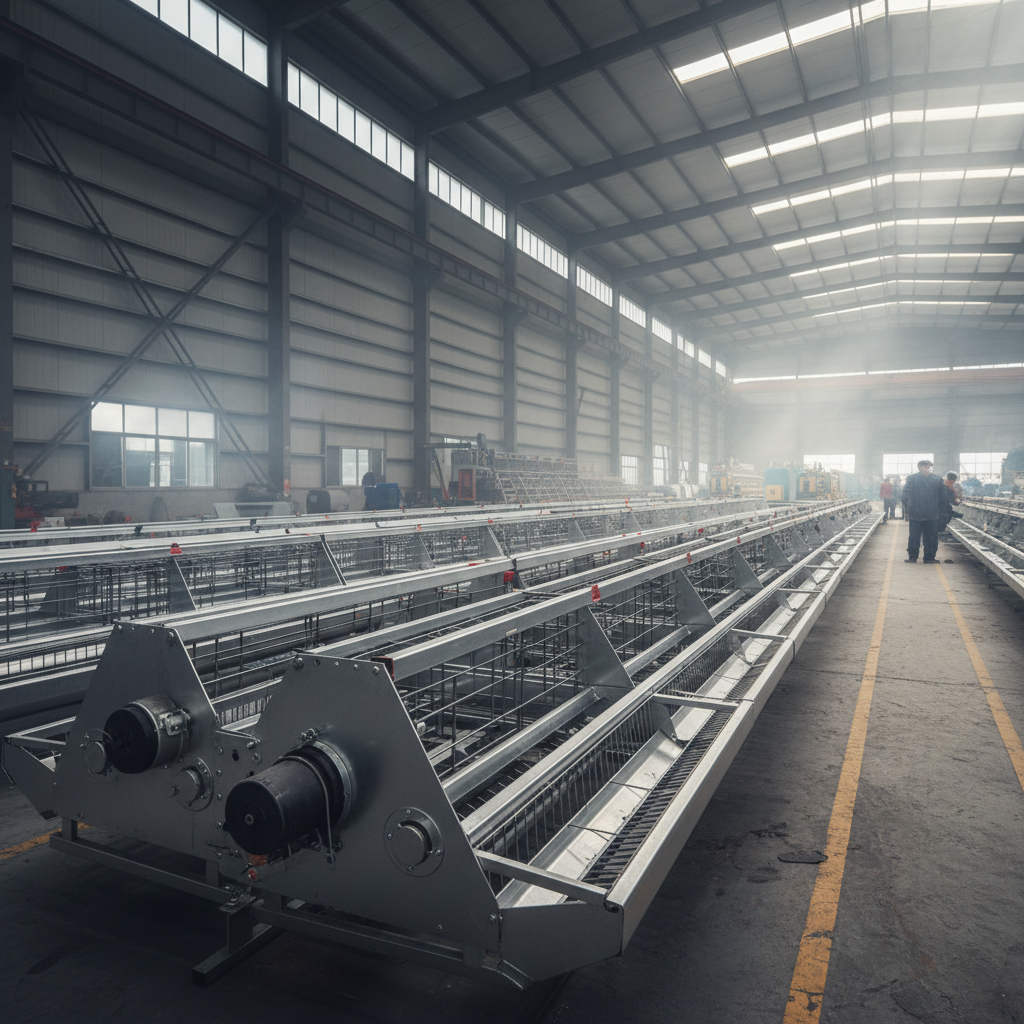
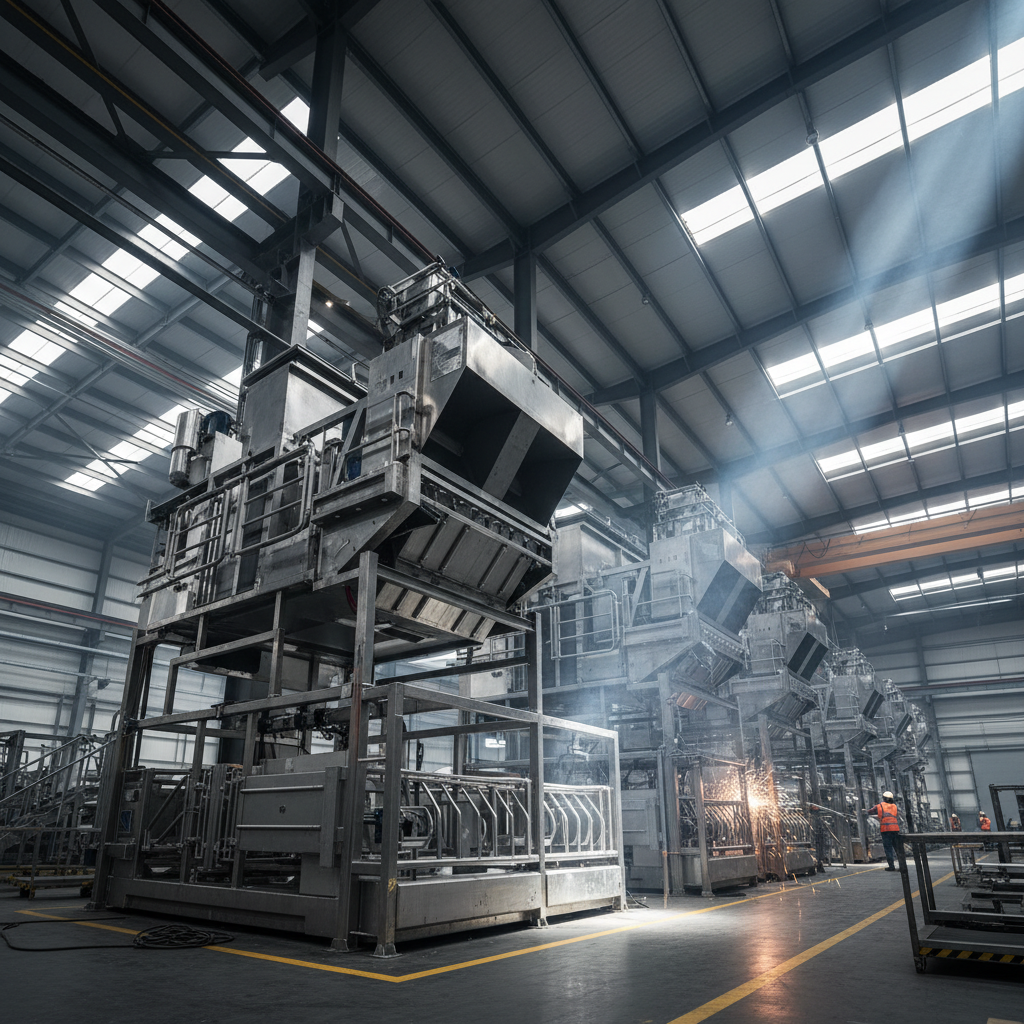
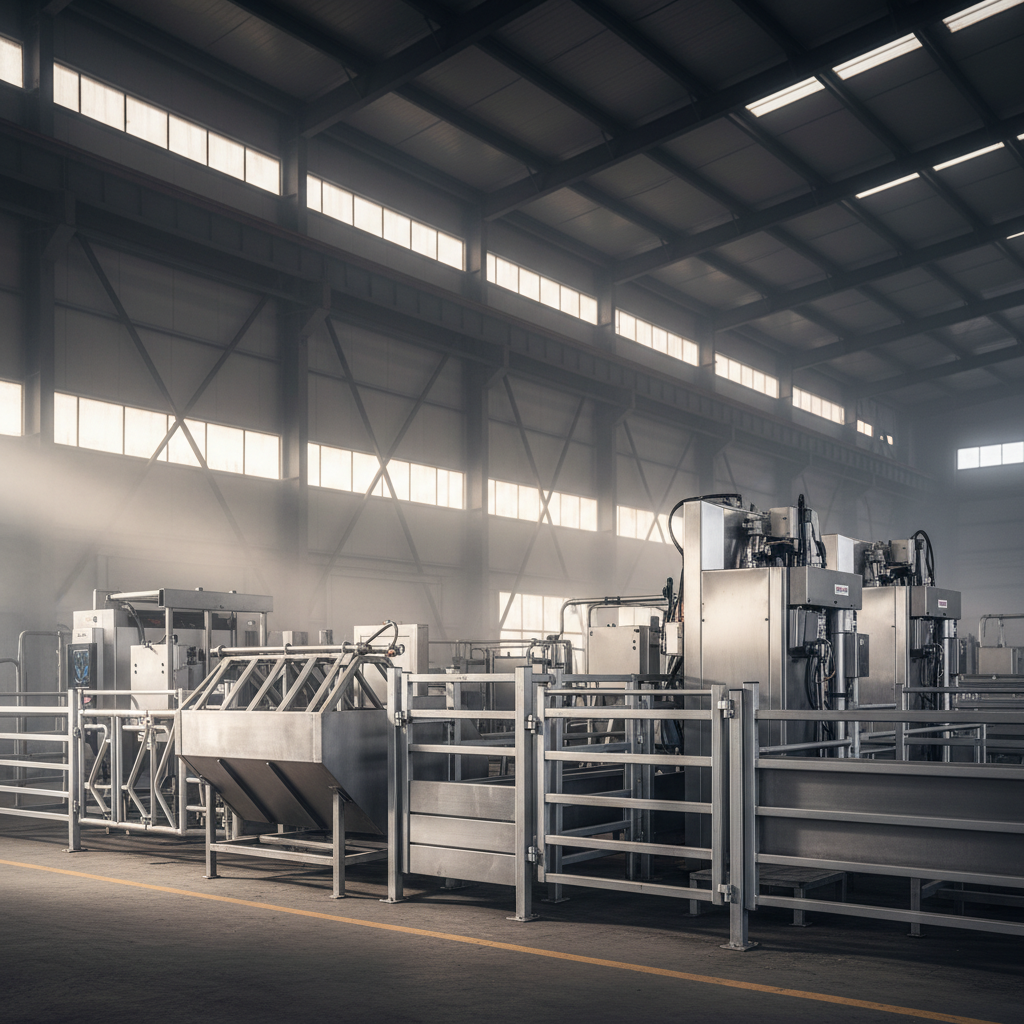
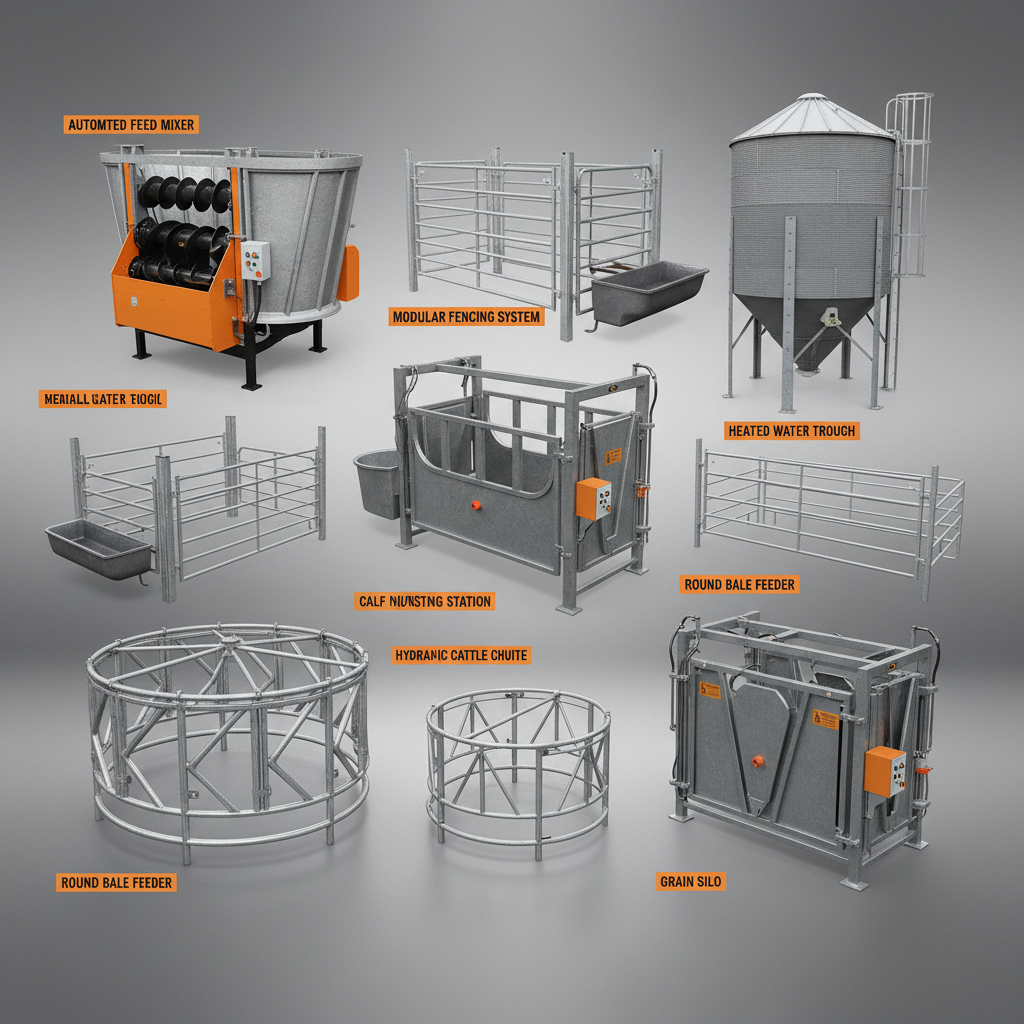
Equipments needed for poultry farming are the backbone of efficient and profitable poultry production. Globally, the demand for poultry products continues to rise, driven by increasing populations and shifting dietary preferences. Access to the right equipment – from basic feeders and drinkers to sophisticated ventilation and climate control systems – is crucial for maximizing output, maintaining bird health, and ensuring food safety. Understanding these requirements is not simply a matter of operational efficiency; it’s a cornerstone of global food security and economic development in many regions. Investing in modern, well-maintained equipment can drastically reduce losses due to disease, improve feed conversion ratios, and contribute to sustainable farming practices.
The poultry industry is a significant contributor to the agricultural economies of many countries. The United Nations Food and Agriculture Organization (FAO) estimates that poultry accounts for approximately 30% of global meat consumption. This demand places a considerable strain on poultry farmers to increase production while maintaining quality and affordability. Equipments needed for poultry farming directly impacts a farm's ability to meet these challenges. In developing nations, access to even basic equipment can be a limiting factor in realizing the full potential of poultry farming, hindering economic growth and contributing to food insecurity. The continuous innovation within the sector demands a comprehensive understanding of available technologies and their applications.
Simply put, equipments needed for poultry farming encompass all the tools, machinery, and systems used in raising poultry – chickens, turkeys, ducks, and geese – for meat or egg production. These range from the fundamental, such as housing structures and feeding apparatus, to advanced technologies like automated egg collection systems and computer-controlled environmental controls. The selection and implementation of appropriate equipment are essential not only for optimizing production efficiency but also for ensuring the welfare of the birds and maintaining the highest standards of hygiene and biosecurity. This is increasingly important in today’s market where consumers demand ethically sourced and safe food products.
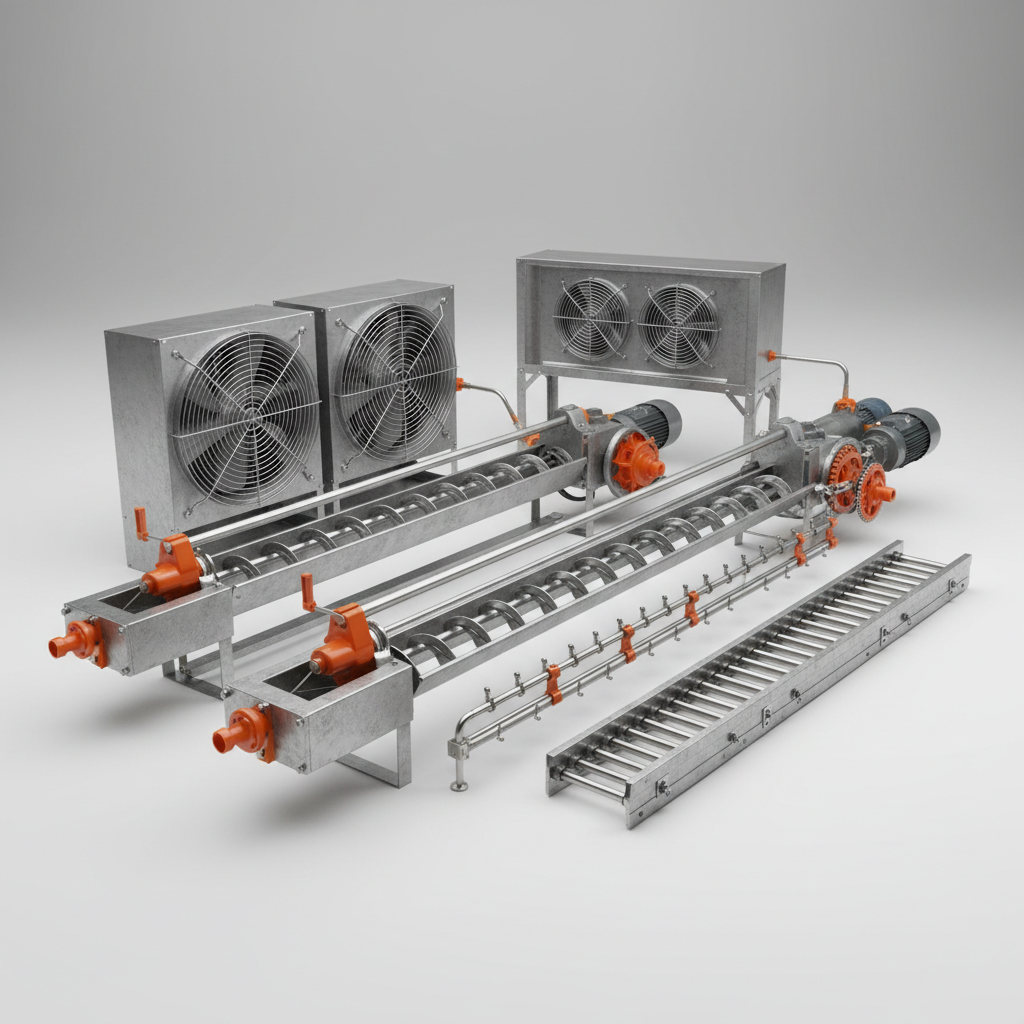
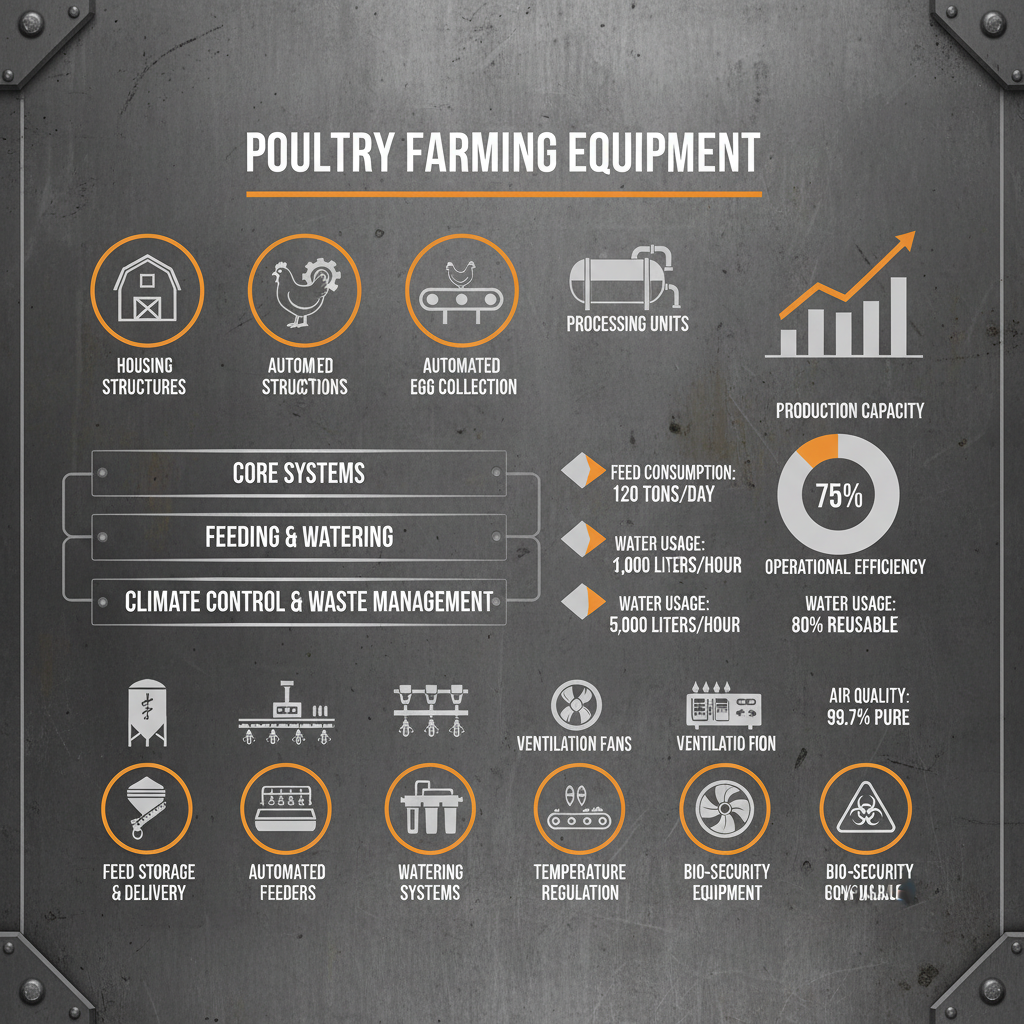
Modern poultry farming relies heavily on specialized equipment to ensure efficient production and optimal bird health. The right equipment can significantly impact feed conversion rates, egg production, growth rates, and overall profitability. Without appropriate infrastructure, farms struggle to compete, leading to lower yields and reduced income. Furthermore, efficient equipment minimizes labor costs and reduces the risk of disease outbreaks.
Investing in quality equipments needed for poultry farming is a critical decision for any poultry producer, directly impacting their ability to meet growing market demands and maintain a sustainable, thriving operation. From automated systems to basic necessities, the choice of equipment defines the efficiency and quality of the entire process.
For a small-scale operation, the bare minimum includes a secure poultry house offering protection from predators and weather, feeders and drinkers suitable for the age of your birds, adequate lighting and ventilation, bedding material, and basic cleaning/disinfection supplies. Focusing on biosecurity and providing a clean environment are paramount even with limited resources. Initial investment can be kept low with careful planning and sourcing of materials.
Poultry house equipment should be cleaned and disinfected thoroughly between batches of birds. Daily cleaning of feeders and drinkers is essential to prevent the build-up of harmful bacteria. Deep cleaning and disinfection of the entire house, including walls, floors, and all equipment, should be done after each flock is removed. Proper biosecurity practices are crucial for maintaining bird health and preventing disease outbreaks.
Key considerations include the size of the poultry house, the climate, and the type of poultry being raised. Ventilation systems should provide adequate airflow to remove moisture, ammonia, and dust while maintaining a comfortable temperature for the birds. Factors such as energy efficiency, noise levels, and ease of maintenance should also be taken into account. A well-designed ventilation system is crucial for bird health and productivity.
Automated feeding systems offer several benefits, including reduced labor costs, improved feed distribution accuracy, and optimized feed conversion ratios. They can also help prevent feed wastage and ensure that birds receive the appropriate amount of feed at the right time. Modern systems often integrate with data analytics to further optimize feeding strategies based on bird weight and growth rate.
Choose equipment that is easy to clean and disinfect, made from non-porous materials, and resistant to corrosion. Implement foot baths at entry points, use dedicated clothing and footwear for different areas of the farm, and regularly sanitize all equipment. Restricting access to the farm and controlling the movement of people and vehicles are also vital biosecurity measures.
The lifespan varies. Feeders and drinkers, with regular maintenance, can last 5-10 years. Ventilation fans typically have a lifespan of 3-5 years, while heating systems may last 8-15 years. Automated systems often have a lifespan of 7-12 years, depending on the quality of the components and the level of maintenance. Investing in durable, high-quality equipment will generally result in a longer lifespan.
Equipments needed for poultry farming are fundamental to the success of any poultry operation, ranging from small-scale backyard farms to large-scale commercial facilities. Choosing the right equipment, prioritizing durability, sustainability, and biosecurity, is essential for maximizing production efficiency, maintaining bird health, and ensuring food safety. Continuous innovation within the sector is driving the development of more advanced and automated technologies, offering poultry farmers new opportunities to improve their operations and meet the growing global demand for poultry products.
Looking ahead, the integration of digital technologies and data analytics will become increasingly important, enabling farmers to make informed decisions and optimize their production processes. Investing in the latest advancements in equipments needed for poultry farming will not only enhance profitability but also contribute to a more sustainable and resilient poultry industry, capable of meeting the challenges of the future and contributing to global food security. Visit our website at www.cxlivestock.com to learn more about the range of high-quality equipment we offer.