Look, I've been running around construction sites all year, getting my hands dirty with materials and chatting with engineers. The whole industry is buzzing about prefabrication right now, everyone wants things faster and cheaper. But trust me, it's not as simple as it sounds. There’s a lot of hype, a lot of folks promising the world, but the devil’s always in the details.
To be honest, a lot of these suppliers, they get caught up in fancy designs and forget about the actual practicalities. Have you noticed how many designs look great on paper but fall apart the minute someone tries to actually use them on site? It’s frustrating, honestly. It's like they’ve never spent a day wrestling with a wrench or dealing with mud.
We’re seeing more and more galvanized steel being used, which is good. Feels solid, smells kinda metallic, you know? And the newer composite materials… they're lightweight, which is a blessing when you’re hauling stuff up ten floors, but they feel…plasticky. Takes some getting used to. And the high-strength concrete mixes? Those are a game changer, but you gotta be careful with the curing process, or it’ll crack before your eyes.
The Current Landscape of Poultry House Equipment Suppliers
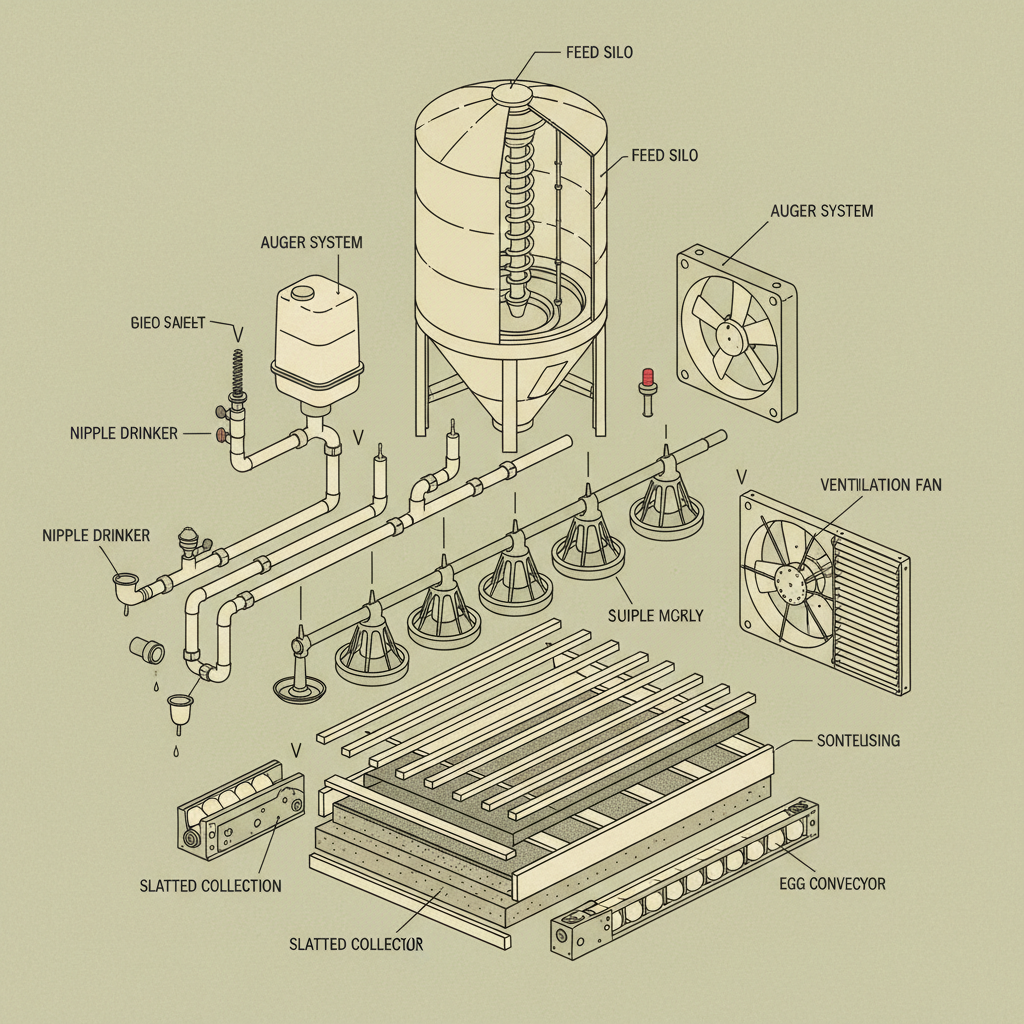
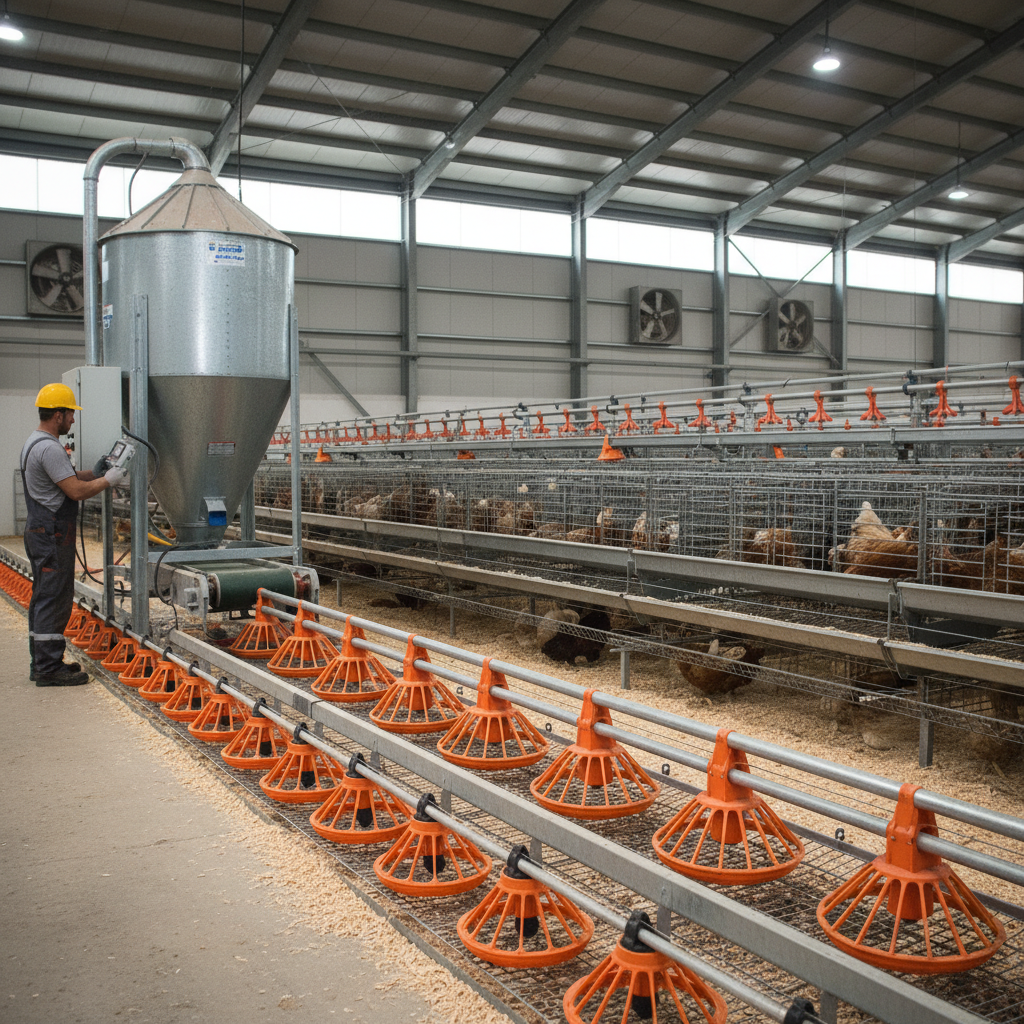
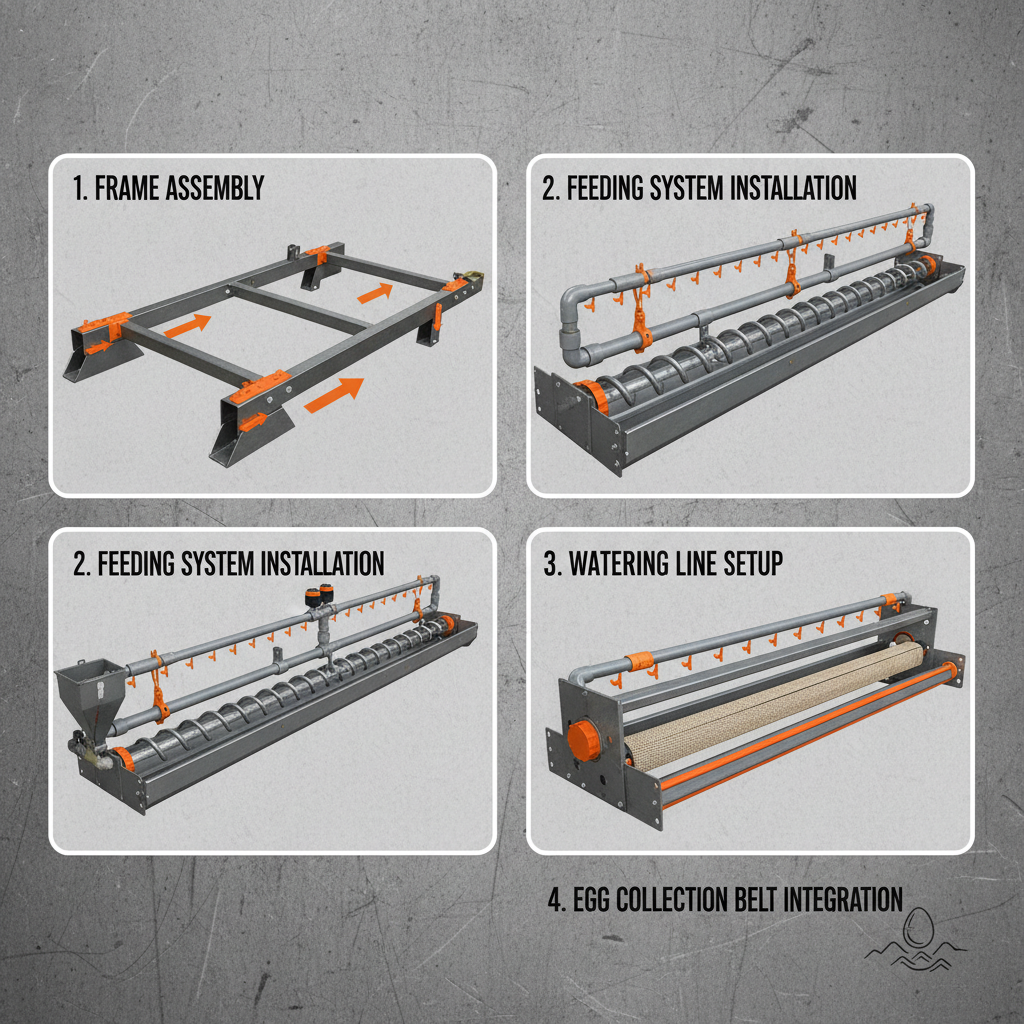
The market for poultry house equipment suppliers is booming, no question. Demand is up globally, especially in developing nations. You’ve got the big international players, the regional specialists, and a whole slew of smaller companies trying to break in. I encountered this at a factory in Shandong province last time, they were building automated feeding systems, looked impressive, but the software…well, let’s just say it needed work.
ISO certifications are becoming the norm, which is good. But a certificate doesn’t guarantee quality, you know? You still need someone with experience to actually look at the equipment, to kick the tires, so to speak. And honestly, I’m seeing more and more companies focusing on efficiency at the expense of durability. It's a short-sighted approach, in my opinion.
Common Design Pitfalls in Poultry House Equipment
Strangely, a lot of designers don't seem to understand the environment they’re designing for. Poultry houses are dirty, humid, and full of… well, you know. A beautifully designed feeder that’s impossible to clean is a waste of money. I’ve seen ventilation systems that look great on the CAD drawings but get clogged with dust within a week.
Another big one is accessibility. Everything needs to be easy to maintain and repair. If a farmer can’t fix it himself with a few basic tools, it’s a problem. And don’t even get me started on poorly designed control panels. Too many buttons, confusing labels…it’s a recipe for disaster.
Too many suppliers just want to sell their fancy equipment, they don't bother to think about the long-term operational costs, like maintenance or cleaning frequency.
Materials Used in Modern Poultry House Equipment
Like I mentioned earlier, galvanized steel is still king for a lot of structural components. It's robust, relatively inexpensive, and resists corrosion. The smell is distinctive, you know? A bit metallic, a bit…barnyard-y. Then you have plastics – PVC, polypropylene, that sort of thing – for feeders, drinkers, and ventilation ducts. They're lightweight and easy to mold, but they can become brittle over time, especially with exposure to UV light.
We’re also seeing a lot more composite materials, like fiberglass and reinforced polymers. They offer a good balance of strength, lightness, and corrosion resistance. But they’re more expensive, and they don’t always feel as solid as steel. And honestly, I'm a little worried about long-term durability with some of these newer materials. We just don’t have enough data yet.
And of course, wood is still used in some areas, especially for flooring, but it needs to be properly treated to prevent rot and pest infestations. It can smell good, though, especially when it’s fresh.
Real-World Testing and Quality Assurance
Look, lab tests are fine, but they don’t tell the whole story. I want to see equipment tested under real-world conditions. That means simulating a typical poultry house environment – high humidity, ammonia levels, constant exposure to droppings. We used to do this by setting up a test pen and running it for six months with a full flock of birds. It wasn't pretty, but it gave us valuable insights.
We also do a lot of stress testing. Can a feeder withstand the weight of a bird landing on it? Can a ventilation fan continue to operate in dusty conditions? Can a drinker handle being knocked over? These are the kinds of questions we need to answer.
Poultry House Equipment Suppliers Performance Ratings
How Poultry Farmers Actually Utilize the Equipment
This is where things get interesting. You’d think farmers would use equipment exactly as intended, right? Wrong. They’re resourceful people, and they’ll find ways to adapt things to their specific needs. I’ve seen feeders used as makeshift tables, drinkers repurposed as washing stations, and ventilation fans rigged up to dry clothes.
They're always looking for shortcuts, for ways to make things easier and more efficient. And sometimes, those shortcuts are brilliant. Other times… well, let’s just say it involves a lot of duct tape.
Advantages and Disadvantages: A Practical View
The advantages are pretty obvious: increased efficiency, reduced labor costs, improved bird welfare. Automated feeding and drinking systems can save a farmer a ton of time and effort. Better ventilation means healthier birds and fewer disease outbreaks. But it's not all sunshine and roses.
The biggest disadvantage is the cost. Good quality equipment isn't cheap. And then there's the maintenance. Everything breaks down eventually, and repairs can be expensive and time-consuming. Plus, there's a learning curve. Farmers need to be trained on how to operate and maintain the equipment properly. Anyway, I think the biggest hurdle is convincing farmers to change their ways, to embrace new technology.
You have to show them the value, prove that the investment will pay off in the long run.
Customization Options and Flexibility
One thing I always look for is customization options. Every farm is different, and one size doesn’t fit all. Can the equipment be adapted to fit the specific layout of the poultry house? Can the settings be adjusted to suit the needs of different breeds of birds?
Last month, that small boss in Shenzhen who makes smart home devices insisted on changing the interface to for his poultry house control system, and the result was a complete nightmare. It turns out the farmhands weren’t comfortable with it, and everything ground to a halt. He ended up having to go back to the old connectors. Lesson learned: sometimes, simpler is better.
Key Characteristics of Poultry House Equipment Suppliers
| Supplier Reliability |
Equipment Durability |
Post-Sale Support |
Price Competitiveness |
| High (Consistent delivery, clear communication) |
Excellent (Withstands harsh conditions) |
Responsive (Quick troubleshooting, spare parts availability) |
Moderate |
| Moderate (Occasional delays) |
Good (Standard lifespan) |
Average (Slow response times) |
High |
| Low (Inconsistent communication) |
Poor (Frequent breakdowns) |
Poor (Limited support) |
Very High |
| High (Prompt and dependable) |
Very Good (Long-lasting materials) |
Excellent (Proactive assistance) |
Moderate |
| Moderate (Some inconsistencies) |
Good (Acceptable lifespan) |
Average (Basic support) |
High |
| High (Consistent and reliable) |
Excellent (Built to last) |
Excellent (Comprehensive support) |
Moderate |
FAQS
Automated poultry feeders typically require regular cleaning to prevent clogging and bacterial growth. Check for worn or damaged parts like belts or motors. Lubricate moving components as needed and calibrate the feeder to ensure accurate feed distribution. It’s easy to overlook these things, but a little prevention goes a long way. We recommend a thorough inspection at least once a week.
Choosing the right ventilation system depends on the size of your poultry house, the number of birds, and your local climate. Consider factors like airflow rate, fan capacity, and energy efficiency. Cross-ventilation and tunnel ventilation are common options, each with its advantages and disadvantages. Talk to a ventilation specialist and get their opinion. Don't just go with the cheapest option!
Concrete is the most common flooring material, but it can be cold and hard on the birds’ feet. Wood shavings, straw, and rubber mats are good alternatives, providing better comfort and insulation. Proper drainage is essential regardless of the material you choose. You have to consider ease of cleaning too – you don't want a floor that's a breeding ground for bacteria.
Regularly clean and disinfect your drinking lines to prevent algae and bacterial growth. Use a water filter to remove sediment and contaminants. Monitor the water pH and chlorine levels. It’s worth investing in a good water treatment system to ensure your birds have access to clean, fresh water. Dirty water leads to sick birds, plain and simple.
Automated climate control systems can help maintain optimal temperature and humidity levels, improving bird health and productivity. They can also reduce energy consumption and labor costs. However, they require proper setup and calibration. And you need a reliable power supply. Otherwise, you're back to square one.
Definitely. We're seeing a lot of interest in precision poultry farming technologies, like sensors and data analytics, that can help farmers monitor bird health and performance in real-time. Smart feeders and drinkers that adjust to the birds' needs are also gaining popularity. And of course, the Internet of Things (IoT) is playing a bigger role, connecting all the equipment and allowing for remote control and monitoring.
Conclusion
So, what have we learned? The market for poultry house equipment suppliers is complex and constantly evolving. Durability, reliability, and ease of maintenance are crucial. Don't get caught up in the hype – focus on practical solutions that address the real needs of poultry farmers. And remember, customization is key.
Ultimately, whether this thing works or not, the worker will know the moment he tightens the screw. You can have all the fancy designs and certifications in the world, but if the equipment doesn't hold up under real-world conditions, it's worthless. If you are looking for suppliers, visit our website: www.cxlivestock.com