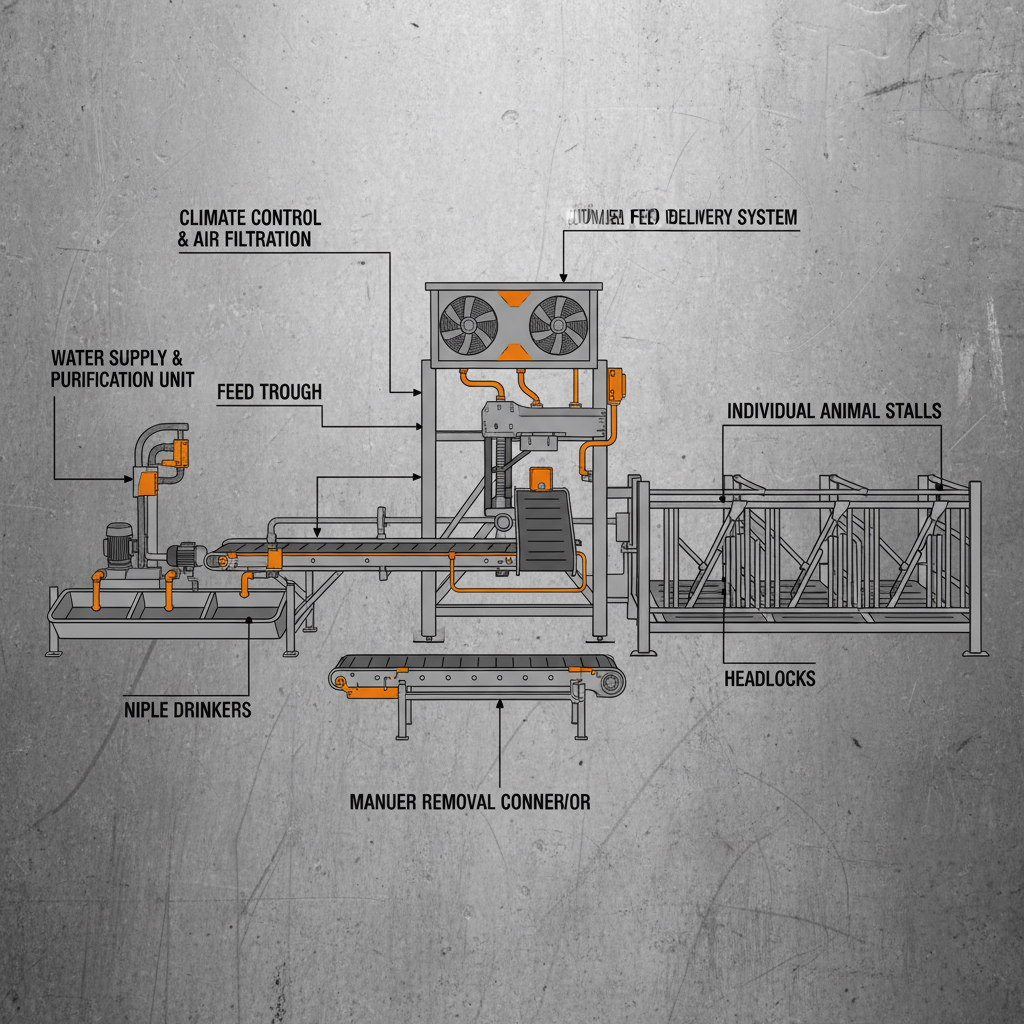
The realm of equipment in poultry farm is a cornerstone of modern food production, impacting global food security and economic stability. Efficient and reliable equipment enhances productivity, improves animal welfare, and minimizes environmental impact. From automated feeding systems to climate-controlled housing, the advancements in this field are continuously evolving to meet the growing demands of a global population. Understanding the intricacies of equipment in poultry farm is crucial for farmers, investors, and policymakers alike to foster sustainable and efficient poultry farming practices.
The global poultry industry is experiencing significant growth, driven by increasing demand for affordable protein sources. This expansion necessitates substantial investments in advanced equipment in poultry farm to optimize production processes. The United Nations Food and Agriculture Organization (FAO) reports a consistent rise in poultry meat consumption worldwide, emphasizing the critical role of efficient farming practices. However, this growth also presents challenges, including biosecurity concerns, disease outbreaks, and the need for sustainable resource management, all of which can be mitigated through careful selection and implementation of appropriate equipment.
Addressing these challenges requires a holistic approach that incorporates technological innovation and best management practices. The availability of high-quality, cost-effective equipment in poultry farm is paramount for both large-scale commercial operations and smaller, family-owned farms, ensuring both profitability and responsible animal care.
Introduction to Equipment in Poultry Farm
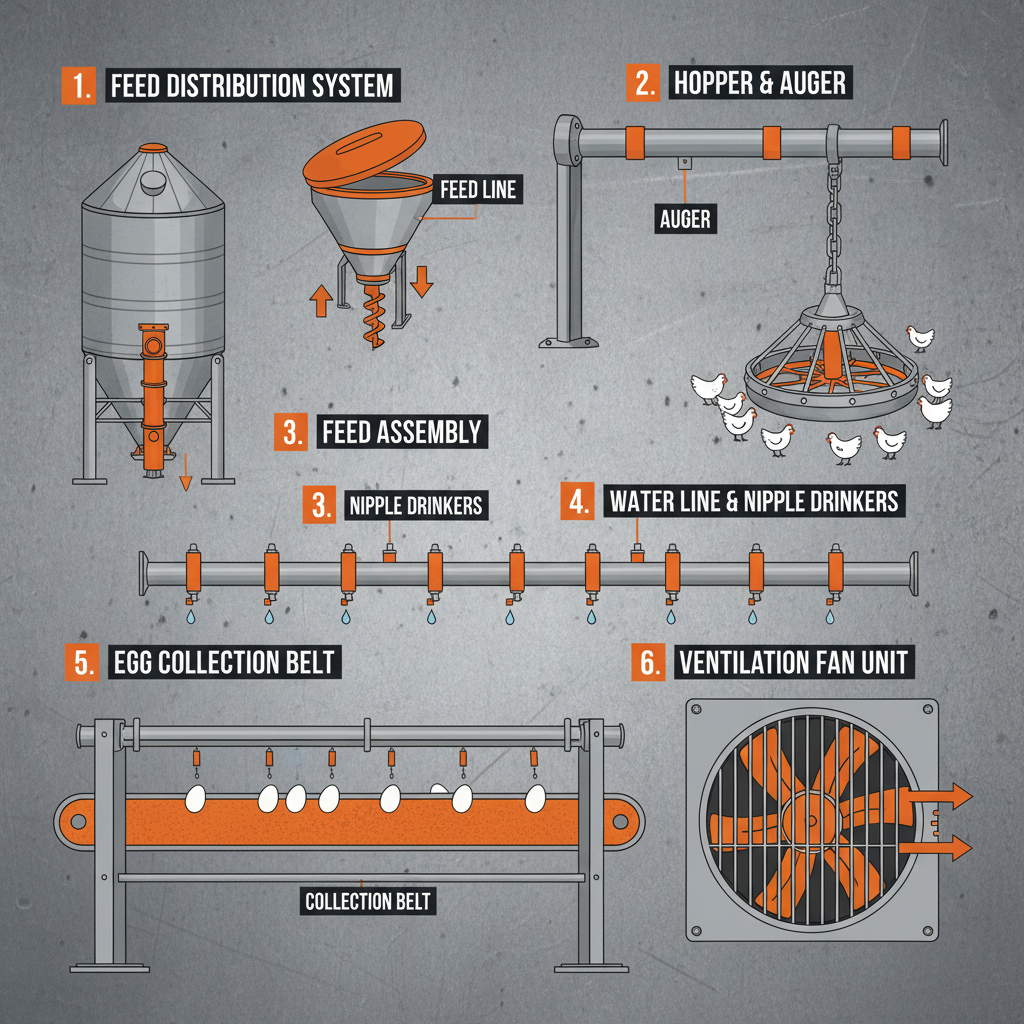
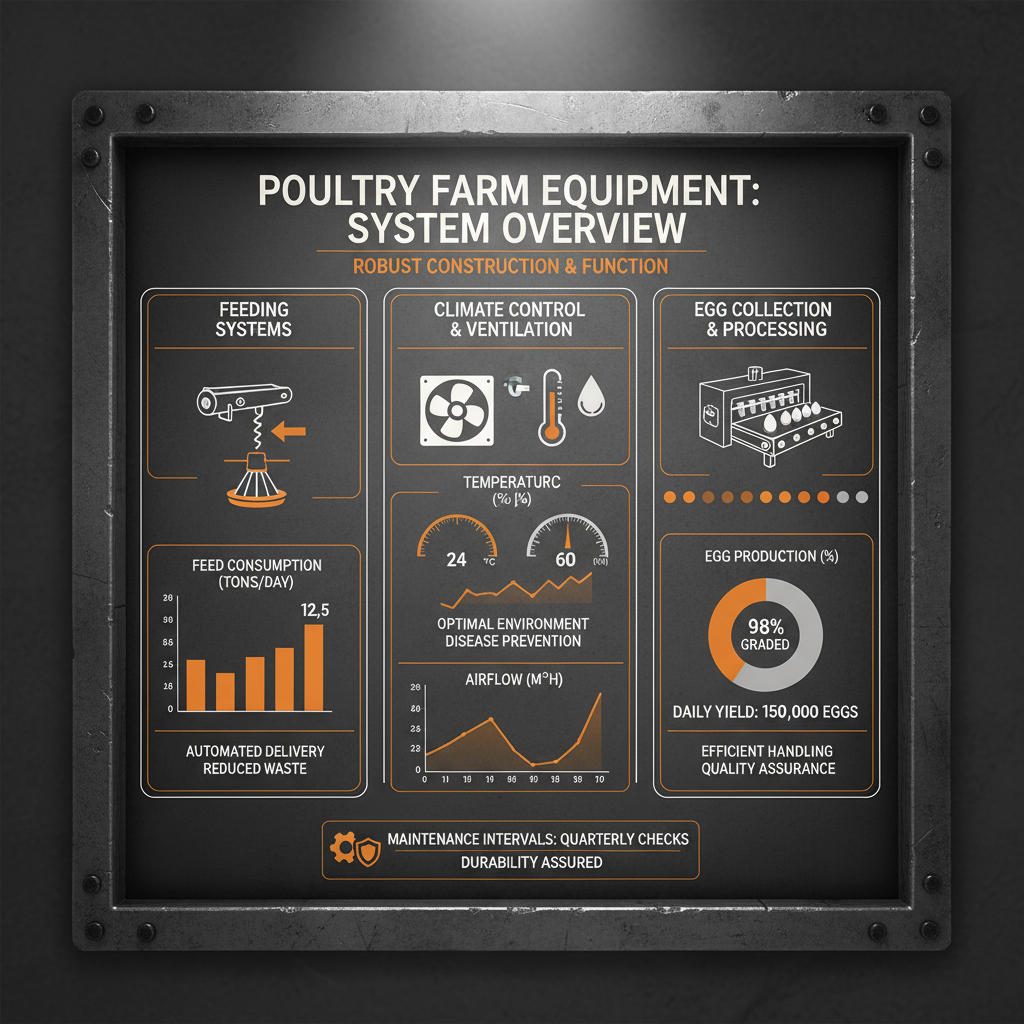
Modern poultry farming relies heavily on a diverse range of equipment in poultry farm, extending far beyond simple coops and feeders. This equipment encompasses everything from automated temperature control systems and ventilation units to sophisticated egg collection and processing machinery. The efficiency and effectiveness of these tools directly correlate with the profitability and sustainability of poultry operations.
Selecting the right equipment in poultry farm is not merely a matter of cost; it requires careful consideration of factors like farm size, bird type, climate conditions, and biosecurity protocols. Investing in robust and well-maintained equipment can significantly reduce labor costs, minimize disease risks, and improve overall flock health, ultimately leading to higher yields and superior product quality.
Defining Equipment in Poultry Farm
Equipment in poultry farm broadly refers to the tools, machinery, and systems utilized in raising poultry, encompassing chickens, turkeys, ducks, and geese, for meat and egg production. This encompasses a wide spectrum of technologies, ranging from basic manual tools to highly automated, computer-controlled systems. These tools are fundamental to nearly every stage of the production process, from chick rearing to processing and packaging.
The connection to modern industry lies in the increasing integration of automation, sensor technologies, and data analytics. Smart poultry farms leverage these technologies to monitor bird health, optimize feeding regimes, and proactively address potential issues. This convergence of agriculture and technology is driving significant improvements in efficiency and sustainability within the poultry sector.
Furthermore, equipment in poultry farm plays a critical role in addressing humanitarian needs by providing a reliable source of protein in regions facing food insecurity. Properly equipped farms can contribute to local economies and improve the livelihoods of farming communities.
Key Factors in Poultry Farm Equipment
When evaluating equipment in poultry farm, several key factors are paramount. First, Durability is critical. Poultry environments can be harsh, with exposure to moisture, ammonia, and abrasive materials. Equipment must be constructed from robust materials that can withstand these conditions and ensure long-term reliability.
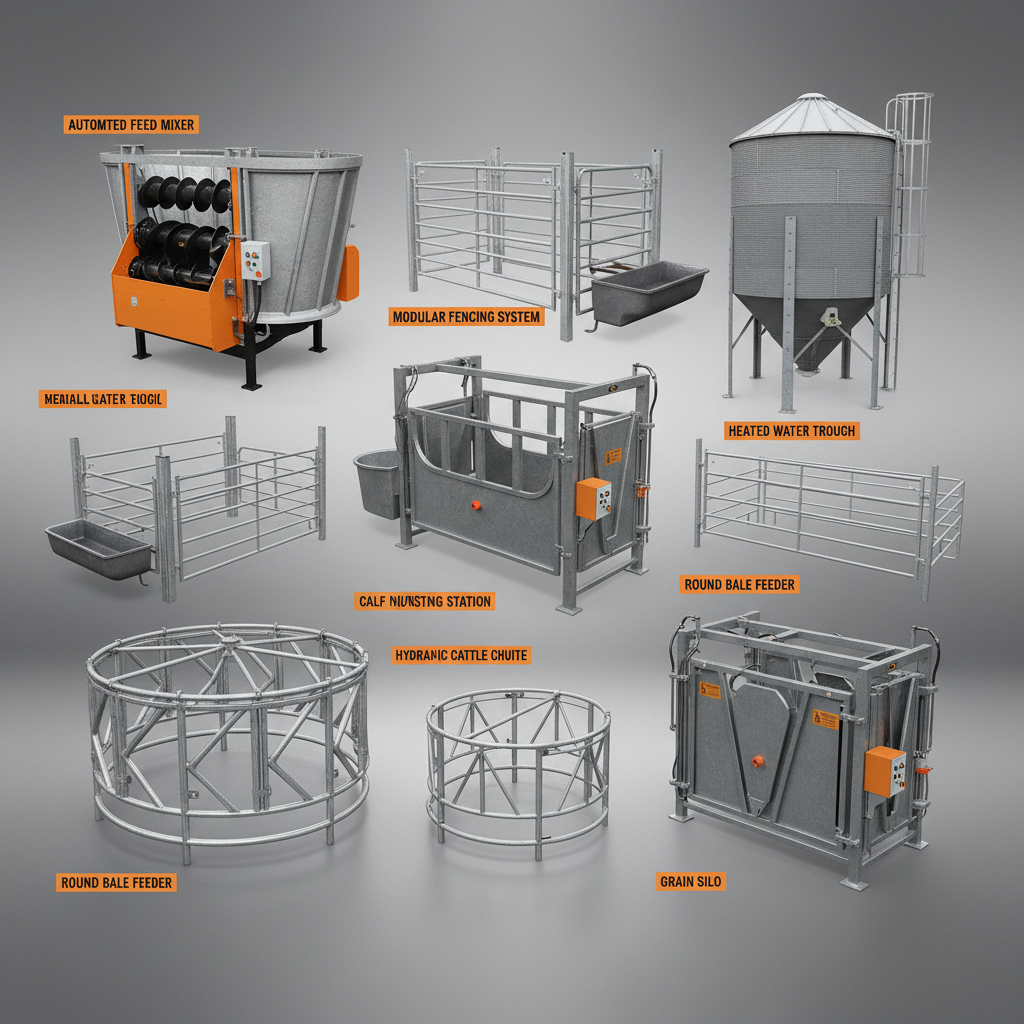
Secondly, Scalability is essential, particularly for growing operations. The equipment selected should be adaptable to changing production volumes. Modular systems that allow for easy expansion are often preferred. Thirdly, Cost Efficiency isn’t just about the initial purchase price but also considers long-term operating costs, maintenance requirements, and energy consumption.
Fourthly, Biosecurity features are crucial to prevent the spread of disease. Equipment should be easy to clean and disinfect, and designs should minimize areas where pathogens can accumulate. Finally, Automation capabilities such as automatic feeding, watering, and ventilation, are extremely important for optimizing labour costs and increasing production efficiency.
Global Applications of Poultry Farming Equipment
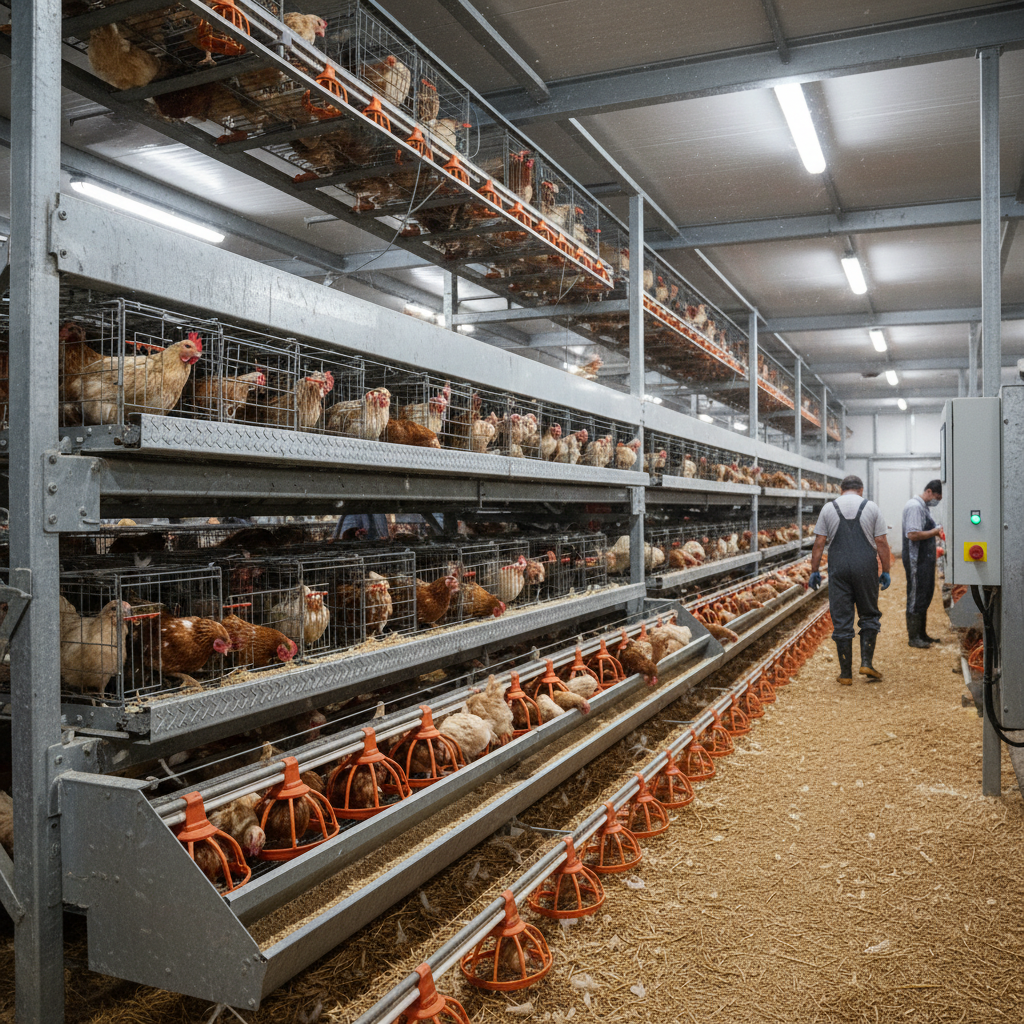
The application of equipment in poultry farm is truly global, varying based on regional needs and economic conditions. In developed countries like the United States and Europe, highly automated systems are prevalent, focusing on maximizing efficiency and minimizing labor costs. These farms frequently incorporate advanced technologies such as climate control, precise feeding systems, and robotic egg handling.
In developing nations, the focus is often on affordable and practical equipment that can improve basic farming practices. This includes improved housing structures, ventilation systems, and feeders that enhance flock health and productivity. Organizations like Heifer International often provide small-scale farmers with essential equipment to establish sustainable poultry businesses.
Even in remote industrial zones, like poultry farms in parts of Russia or isolated areas of China, the demand for reliable equipment in poultry farm continues to rise as countries strive to increase domestic food production and improve food security. Furthermore, in post-disaster relief operations, quickly deployable poultry farming kits can provide a vital source of protein and income for affected communities.
Equipment in Poultry Farm Performance Metrics
Advantages and Long-Term Value
The advantages of investing in quality equipment in poultry farm are multifaceted. Tangible benefits include reduced labor costs, increased production yields, improved feed conversion ratios, and lower mortality rates. These factors translate directly into increased profitability for poultry farmers.
Beyond economics, there's a significant long-term value in terms of sustainability and animal welfare. Modern equipment allows for precise environmental control, reducing energy consumption and minimizing waste. Improved biosecurity measures protect flocks from disease outbreaks, reducing the need for antibiotics and promoting responsible animal care. This enhances trust and consumer confidence in poultry products.
Future Trends in Poultry Equipment
The future of equipment in poultry farm is poised for significant innovation. The integration of Internet of Things (IoT) sensors will enable real-time monitoring of environmental conditions, bird health, and feed consumption, allowing for proactive management and optimized performance. Digital transformation is leading to more intelligent and connected farming systems.
Automation, powered by artificial intelligence and robotics, will become increasingly prevalent, automating tasks like egg collection, cleaning, and even early disease detection. Sustainability is also driving innovation, with a focus on energy-efficient equipment, renewable energy sources, and waste reduction technologies. The trend toward precision poultry farming will revolutionize the industry.
Challenges and Solutions in Equipment Implementation
Despite the benefits, implementing new equipment in poultry farm can present challenges. High upfront costs can be a barrier for smaller farms. Lack of technical expertise and training can hinder proper operation and maintenance. Furthermore, integrating new technologies with existing infrastructure can be complex.
Solutions include government subsidies and financing programs to help farmers invest in modern equipment. Comprehensive training programs and technical support services are essential to ensure effective utilization. Modular and scalable equipment designs can facilitate easier integration with existing systems.
Adopting a phased approach to implementation and prioritizing equipment based on specific farm needs can also mitigate risks and maximize return on investment. Collaboration between equipment manufacturers, research institutions, and farmers is crucial to drive innovation and address industry challenges.
Summary of Equipment in Poultry Farm Implementation Challenges and Solutions
| Challenge |
Impact on Poultry Operations |
Proposed Solution |
Implementation Cost (Estimate) |
| High Initial Investment |
Limits adoption, especially for small farms. |
Government subsidies & financing options. |
$5,000 - $50,000+ |
| Lack of Technical Expertise |
Improper use, maintenance & reduced efficiency. |
Comprehensive training programs & support. |
$1,000 - $10,000 |
| Integration Complexity |
Disruptions, compatibility issues & delays. |
Modular & scalable equipment designs. |
$2,000 - $20,000 |
| Maintenance Requirements |
Downtime, repair costs & reduced lifespan. |
Preventive maintenance schedules & spare parts. |
$500 - $5,000/year |
| Data Security Concerns |
Vulnerability to cyberattacks & data breaches. |
Robust cybersecurity protocols & data encryption. |
$500 - $2,000/year |
| Rapid Technological Advancements |
Equipment obsolescence & need for upgrades. |
Future-proof designs & upgradeable systems. |
Variable - based on technology |
FAQS
Automated feeding systems generally have a lifespan of 10-15 years with proper maintenance. Factors influencing longevity include the quality of materials, frequency of cleaning, and adherence to the manufacturer’s maintenance schedule. Regular inspection of components like motors, sensors, and conveyors is crucial to prevent premature failure. Investing in high-quality systems from reputable manufacturers can also significantly extend their service life.
Biosecurity is paramount when using shared equipment. Implement a strict cleaning and disinfection protocol between each use in different houses. Utilize approved disinfectants effective against common poultry pathogens. Consider designating specific equipment for each house to minimize cross-contamination risk. Footbaths and hand sanitizing stations should be readily available at the entrance of each house. Regular biosecurity audits are also recommended.
Climate control systems, particularly ventilation and heating/cooling, are significant energy consumers. Optimize system settings based on bird age, density, and external weather conditions. Utilize energy-efficient fans and insulation materials. Consider incorporating renewable energy sources like solar power to offset electricity costs. Regular maintenance, including filter replacements, is vital for maximizing efficiency and reducing energy waste.
Automated egg collection systems should prioritize gentle handling to minimize egg breakage. Look for systems with adjustable speed controls and cushioned conveyor belts. Capacity and ease of cleaning are also essential. Systems should be compatible with the farm’s layout and bird housing. Real-time monitoring capabilities for egg counts and system performance are beneficial for optimizing collection efficiency.
Data analytics provides valuable insights into equipment performance, identifying areas for improvement. Analyzing data from sensors monitoring temperature, humidity, feed consumption, and bird weight can reveal inefficiencies or potential problems. Predictive maintenance algorithms can anticipate equipment failures, reducing downtime. Data-driven decision-making helps optimize resource allocation and improve overall farm productivity.
Safety is paramount. All operators should receive comprehensive training on the safe operation of equipment. Lockout/tagout procedures should be implemented during maintenance. Personal protective equipment (PPE), such as safety glasses, gloves, and ear protection, should be worn. Regularly inspect equipment for safety hazards, such as exposed wires or malfunctioning guards. Implement clear safety signage throughout the farm.
Conclusion
In conclusion, equipment in poultry farm is integral to the success of modern poultry production. From enhancing efficiency and improving animal welfare to promoting sustainability and food security, the benefits are undeniable. The careful selection, implementation, and maintenance of this equipment are crucial for maximizing profitability and ensuring responsible farming practices.
Looking ahead, the poultry industry will continue to evolve, driven by technological innovation and a growing demand for sustainable food production. Embracing advancements in automation, data analytics, and renewable energy will be essential for remaining competitive and meeting the challenges of a changing world. Visit our website at www.cxlivestock.com to explore a comprehensive range of equipment in poultry farm solutions tailored to your specific needs.