What Are Cow Stalls for Sale and Why They Matter
At first glance, “cow stalls for sale” might sound like just another agri-supply term—but it’s actually a keystone in the global livestock industry. Why? Because efficient, hygienic, and well-designed cow stalls directly impact animal welfare, farm productivity, and by extension, food security worldwide. With over a billion cattle on the planet (according to FAO statistics), ensuring suitable housing conditions is no small feat. Understanding cow stalls helps farmers optimize space, improve health outcomes, and keep costs reasonable — vital elements whether you manage a small family farm or run a large-scale dairy operation.
Plus, these stalls are buying and selling points for many livestock-related businesses, so knowing the landscape matters whether you're an investor, implementer, or just curious about modern farming.
Global Context: Why The Search For Better Cow Stalls Takes Center Stage
Worldwide, the demand for dairy and beef continues to rise — the World Bank projects a 50% increase in global meat and dairy production by 2050. But livestock housing hasn’t always kept pace with this growth. Many farms resort to makeshift or outdated stalls that can cause health issues or reduce milk yields.
Enter cow stalls for sale: A solution addressing a pressing challenge—how do you make cow comfort scalable, affordable, and hygienic at the same time? The answer is vital in regions from North America to South Asia, where modern livestock rearing meets centuries-old agrarian traditions. According to the ISO standards on animal welfare, housing directly impacts cattle wellbeing, and farmers’ bottom lines.
What Exactly Are Cow Stalls for Sale?
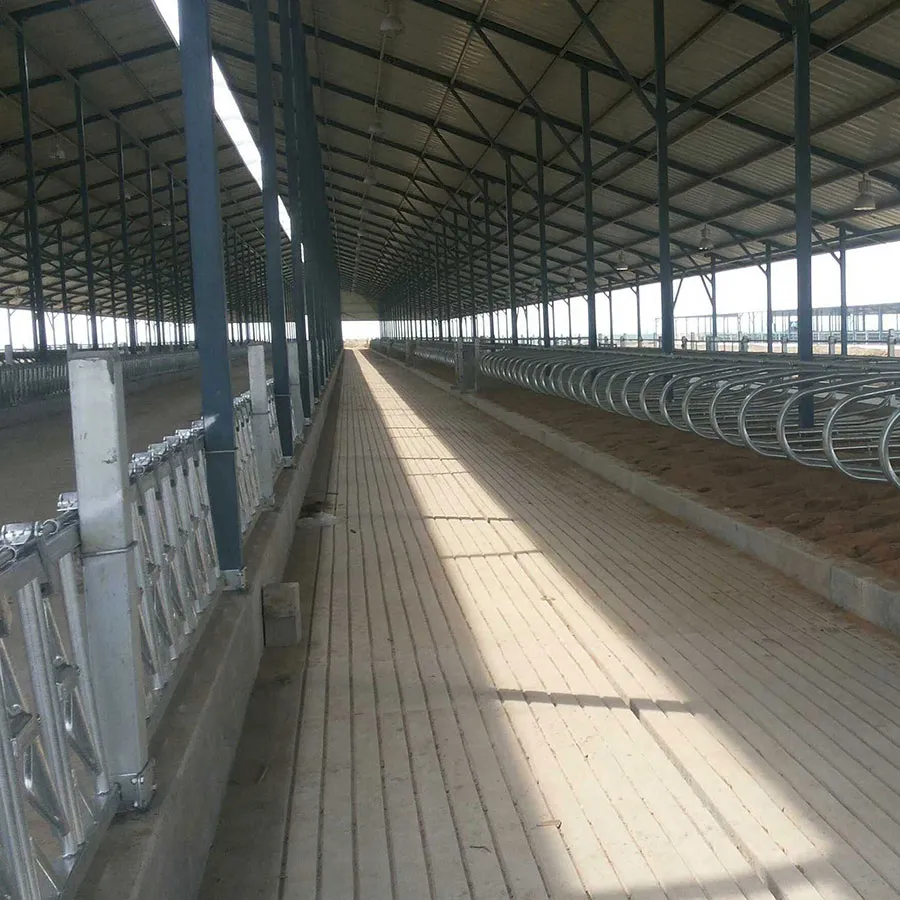
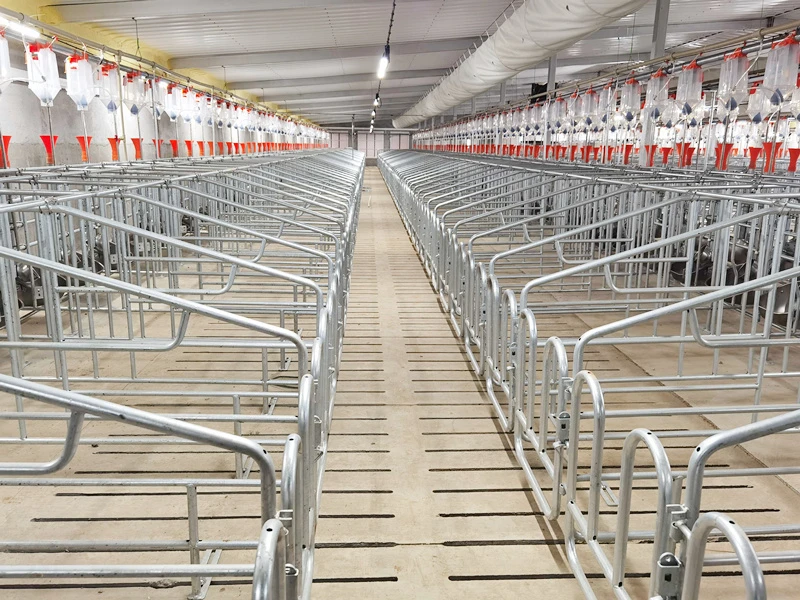
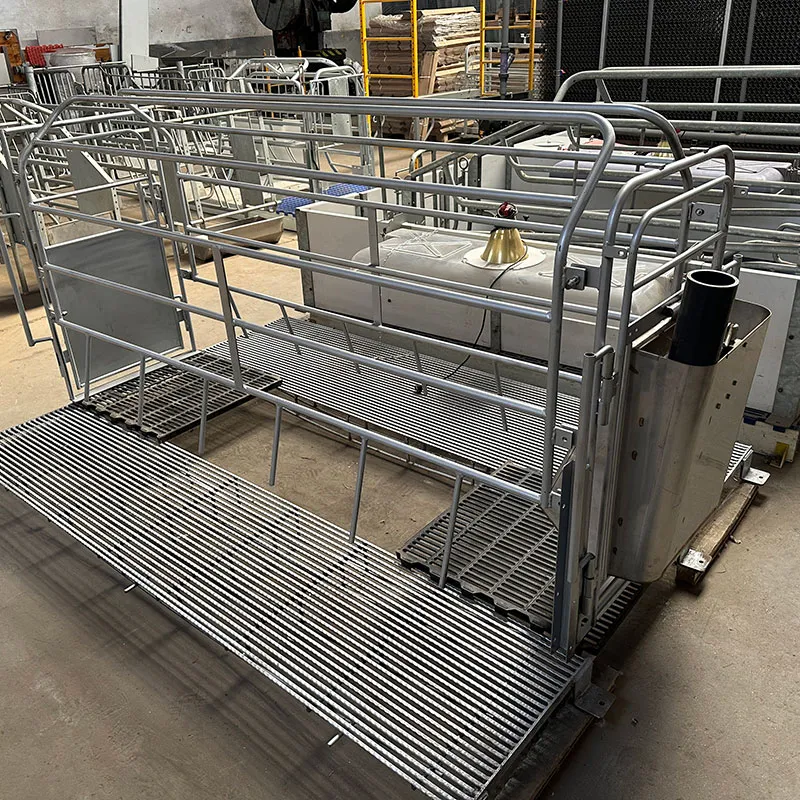
In simple terms, “cow stalls for sale” refers to pre-fabricated or custom-designed enclosures where cattle rest, feed, and sometimes move about. Think of them as cozy, well-ventilated cubicles that protect cows from injury and stress, while simplifying daily farm management.
Modern cow stalls may be built from steel, concrete, or durable plastics and are designed with cow comfort, space efficiency, and hygiene in mind. They’re sold by manufacturers and vendors specialized in agricultural equipment, often with scalability options—you can buy a handful or enough for a hundred cows.
Key Factors to Consider When Choosing Cow Stalls
1. Durability and Material Quality
Most professionals will swear by galvanized steel or high-strength polyethylene for stall construction. Why? Because those materials resist corrosion, last longer, and reduce maintenance. Durability means fewer headaches, especially in humid or harsh climates.
2. Cow Comfort and Ergonomics
Cattle aren’t tiny humans, but they do appreciate a good rest spot. Adequate stall width, padded floors, and headlocks that don’t pinch can reduce lameness and irritability. As many vets emphasize, comfort translates directly into better milk production and healthier herds.
3. Cost Efficiency and Affordability
Farm budgets vary wildly. It’s no surprise many first-time buyers want high value without going broke. Fortunately, several manufacturers offer modular stalls that can expand with demand—saving upfront costs and allowing for upgrades.
4. Scalability and Flexibility
Whether you run a boutique dairy farm or a sprawling industrial operation, your cow stalls must align with growth goals. Modular designs, easy installation, and adaptability for various barn layouts mean hassle-free scaling later.
5. Hygiene and Maintenance
Designs that facilitate easy cleaning or include drainage systems help prevent infections. Improper stall hygiene can lead to mastitis and other costly diseases. Hence, many stalls now come with smooth surfaces and removable mats.
Mini Takeaway:
Choosing the right cow stalls revolves around balancing durability, comfort, affordability, and ease of use. It’s where basic cow care meets smart investment.
Real-World Applications: Where Cow Stalls Make a Difference
Across Europe, modern dairy farms—from Ireland’s lush pastures to Germany’s mechanized barns—rely heavily on specialized stalls to optimize milk yields. In North America, large-scale feedlots use stalls designed for easy mechanized cleaning, boosting worker safety and efficiency.
Meanwhile, in regions like India and sub-Saharan Africa, cow stalls support smallholder farmers who face challenges like scarce space or extreme weather. Here, compact, cost-effective stall solutions help rural communities increase productivity and live more sustainably.
Emergency relief efforts underscore another use case. After natural disasters, temporary cow stalls can help displaced farmers preserve their livestock, an often overlooked but crucial aspect of humanitarian aid.
Want to see what options are out there? Check out our curated selection of cow stalls for sale tailored for all scales and budgets.
Advantages and Long-Term Value of Quality Cow Stalls
Investing in quality cow stalls offers numerous benefits, both emotional and practical. Financially, they reduce vet bills from injury or infections and enhance milk and meat production. Socially, they reinforce animal dignity and welfare—a topic gaining traction with consumers wanting sustainable, ethical food sources.
Moreover, they boost farm safety, protecting both animals and workers. In an age when transparency and innovation matter, adopting state-of-the-art stalls reflects trust and expertise, often opening doors to premium markets.
Product Specification Table
| Feature | Standard Stall | Premium Stall | Economy Stall |
|---|---|---|---|
| Material | Galvanized Steel + Rubber Mat | Stainless Steel + Cushioned Floors | PVC Frame + Plastic Mats |
| Stall Size (WxL) | 1.2m x 2.4m | 1.3m x 2.5m | 1.0m x 2.0m |
| Comfort Features | Headlock, Rubber Flooring | Headlock with Adjustable Lock + Cushioning | Basic Headlock + Plastic Floor |
| Recommended Herd Size | Up to 50 | Up to 200 | Up to 30 |
| Maintenance | Annual Check & Clean | Semi-Annual Professional Servicing | Frequent Cleaning Needed |
Comparing Popular Vendors of Cow Stalls
| Vendor | Price Range (per stall) | Material | Customization Options | Delivery Time |
|---|---|---|---|---|
| AgriStall Co. | $250-$400 | Galvanized Steel | Color, Size, Accessories | 2-4 weeks |
| Livestock Essentials | $300-$500 | Stainless Steel & Rubber | Headlock Style, Flooring | 1-3 weeks |
| Budget Farm Gear | $180-$280 | PVC Frames | Basic Models Only | 3-6 weeks |
Future Trends: Innovating Cow Stall Design
If you think cow stalls are stuck in the past, think again. New trends are shaking things up — from smart sensors that monitor cow behavior to eco-friendly materials that reduce waste. Some farms now deploy solar-powered ventilation systems and automated cleaning routines, cutting energy costs and improving hygiene.
We’re also seeing interest in sustainably sourced materials like recycled composites and bio-based plastics, reflecting a bigger shift toward green agriculture. Plus, AI-powered barn management platforms are gradually integrating data from stalls to optimize herd health and resource use.
Challenges Along The Way and Clever Solutions
Of course, no system is perfect. Many farmers report challenges like upfront installation costs, space constraints, or compatibility with existing barns. Some lower-end stalls don’t hold up well in harsh weather or require frequent maintenance.
The solution? Modular, flexible designs paired with expert consultancy. Also, some manufacturers now offer leasing or rent-to-own schemes, easing financial pressures.
Innovative coating technologies are improving rust resistance, and farms increasingly prioritize training farmhands on stall maintenance — because good care prevents problems before they start.
FAQ: Frequently Asked Questions About Cow Stalls for Sale
- Q: How do I choose the right size cow stall for my herd?
- A: It depends on your herd size and cow breed. Generally, stalls should give cows enough room to lie down comfortably — about 1.2m wide for standard dairy cows. Consult manufacturer specs, and add 10-15% extra stalls for flexibility.
- Q: Are modular cow stalls easy to install without professional help?
- A: Many modular stalls are designed for easy assembly with minimal tools. However, it’s best to have at least one person familiar with barn structures oversee the process to ensure safety and proper fit.
- Q: Can cow stalls help reduce mastitis cases?
- A: Yes, well-designed stalls promote hygiene and reduce cow stress — both key factors in preventing mastitis. Features like easily cleaned floors and proper drainage contribute significantly.
- Q: What materials last longest in humid or rainy environments?
- A: Galvanized steel and stainless steel are your best bets. They resist rust and withstand moisture. Plastic-based composites work too but be sure to check local durability reviews.
- Q: Where can I find affordable cow stalls for sale online?
- A: There are many suppliers worldwide, but for trusted options, browsing curated marketplaces or visiting our website offers verified listings with detailed specs, prices, and vendor ratings.
Conclusion: Why Investing in Quality Cow Stalls Pays Off
To wrap things up — cow stalls for sale are more than just physical farm equipment. They’re a critical investment in animal health, farm productivity, and the wider sustainability of livestock farming. From smaller family farms to industrial operations, the right stalls bring tangible, long-term value.
So whether you’re upgrading your current setup or starting fresh, consider the factors we've discussed, stay up to date on emerging trends, and shop smart to ensure your cows—and your business—thrive.
Ready to explore some great options? Visit our marketplace at https://www.cxlivestock.com and find cow stalls for sale that fit your needs!
References:
1. Food and Agriculture Organization of the United Nations (FAO), Cattle Numbers Report, 2023
2. ISO 13679:2013, Animal Husbandry — Requirements for Housing Cattle
3. World Bank: Agriculture and Food Sector Overview, 2022
Post time: Nov . 26, 2025