Understanding Swine Self Feeders: A Comprehensive Guide
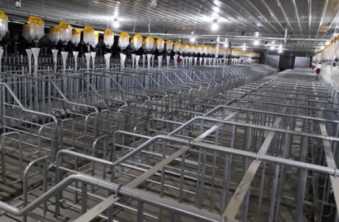
Optimizing feed management is crucial for successful swine production. Swine self feeders offer a convenient and efficient solution for providing consistent access to feed, promoting growth, and reducing labor costs. This article provides a detailed overview of swine self feeders, their benefits, types, selection considerations, and how CXL Livestock can help you choose the right feeder for your operation. Investing in the right feeding system can significantly impact your bottom line and animal welfare.
The Benefits of Implementing Swine Self Feeders
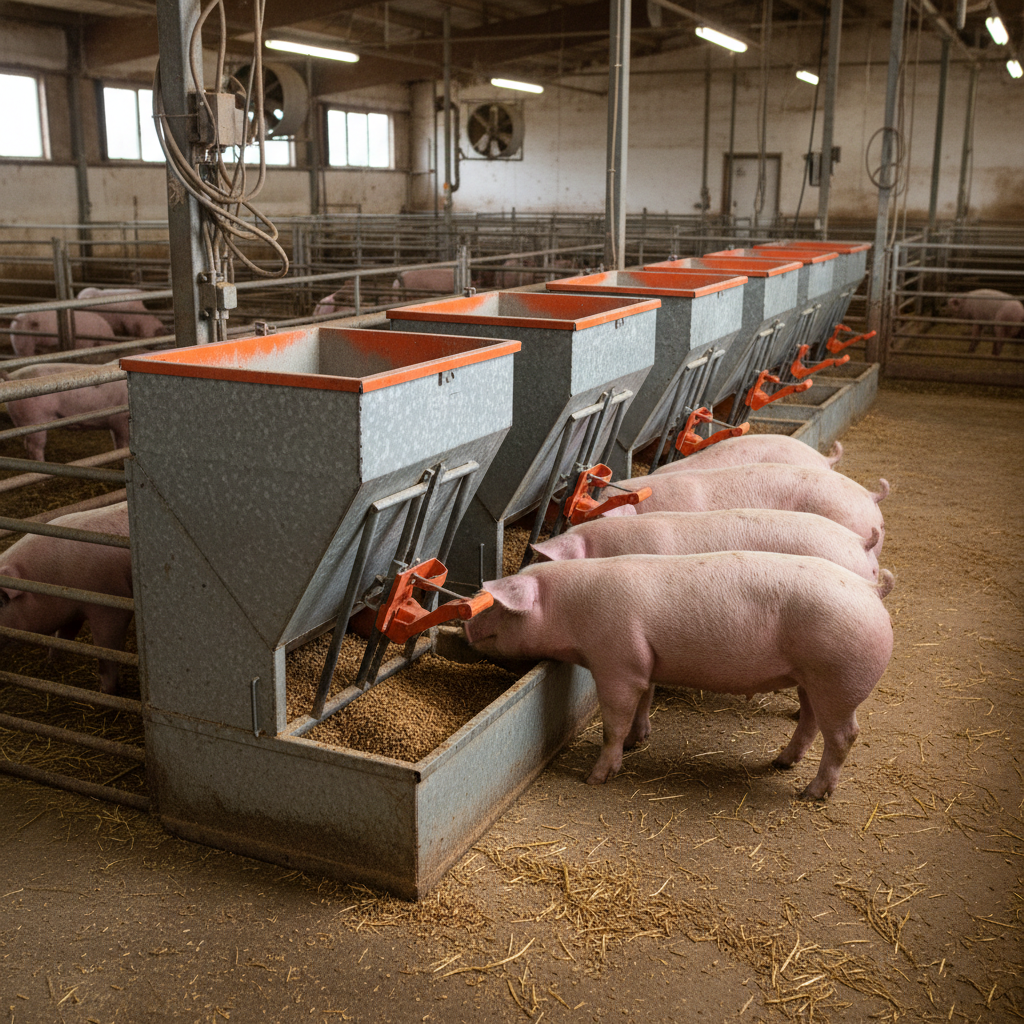
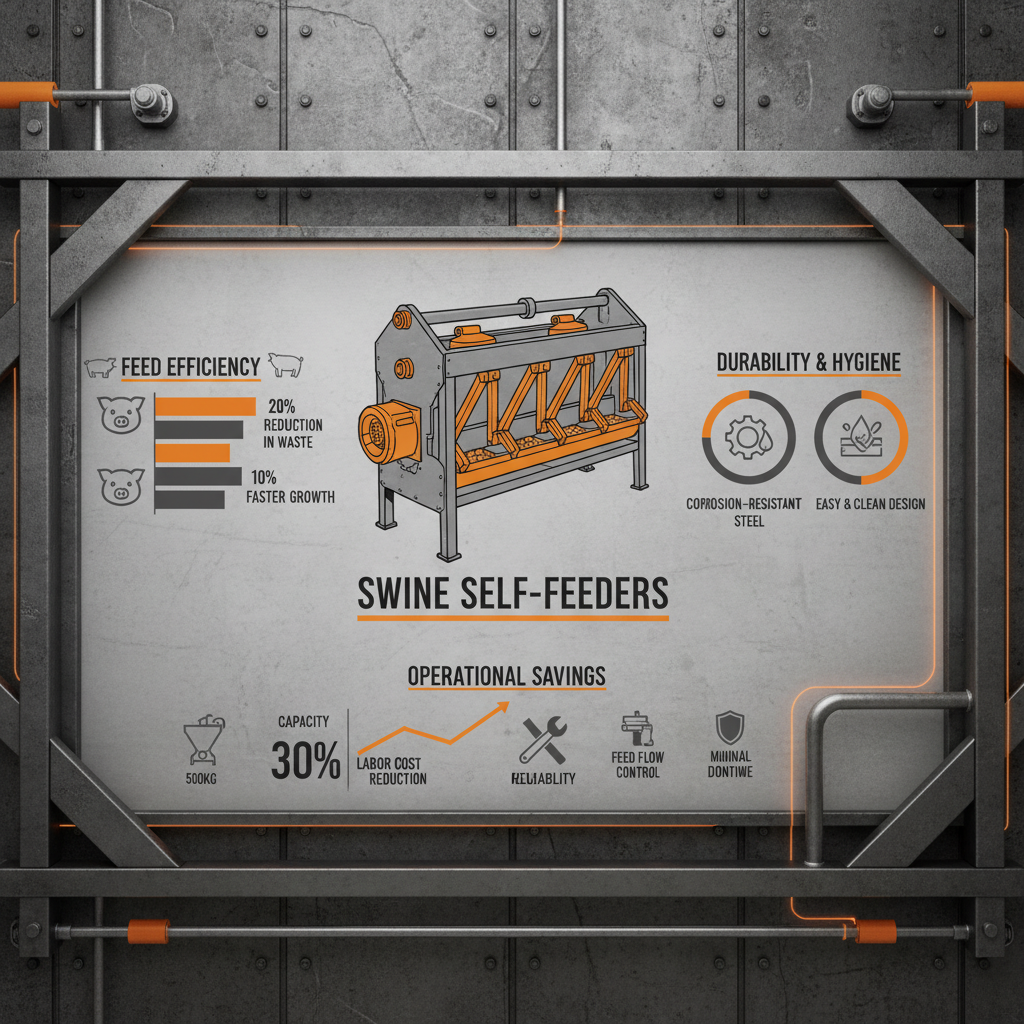
Adopting swine self feeders presents a multitude of advantages for pig farmers. These feeders allow pigs to consume feed ad libitum, meaning they can eat as much as they need when they're hungry. This leads to improved growth rates and feed conversion ratios. Furthermore, self feeders significantly reduce labor requirements, as they eliminate the need for frequent manual feeding. This saved labor can be allocated to other essential farm tasks. Properly designed feeders also minimize feed waste, saving you money and reducing environmental impact. Overall, self feeders promote a more efficient and sustainable swine operation.
Key Benefits: Reduced labor, Improved growth rates, Minimized feed waste, Consistent feed access, Increased efficiency.
Types of Swine Self Feeders Available
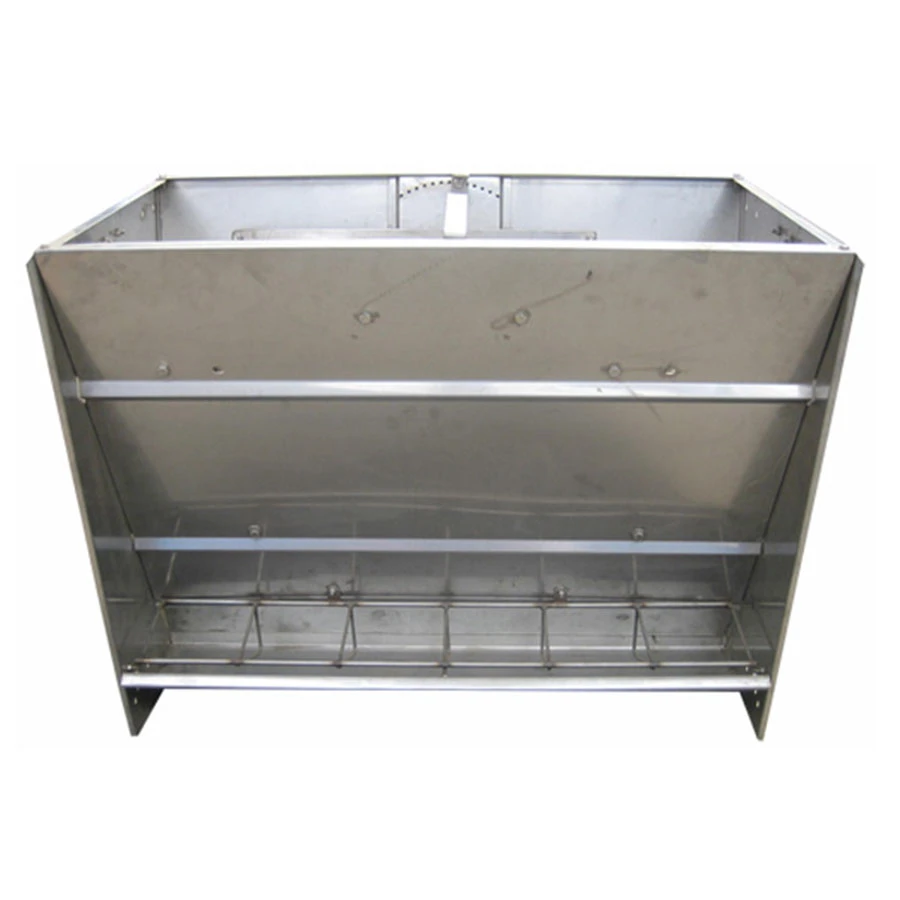
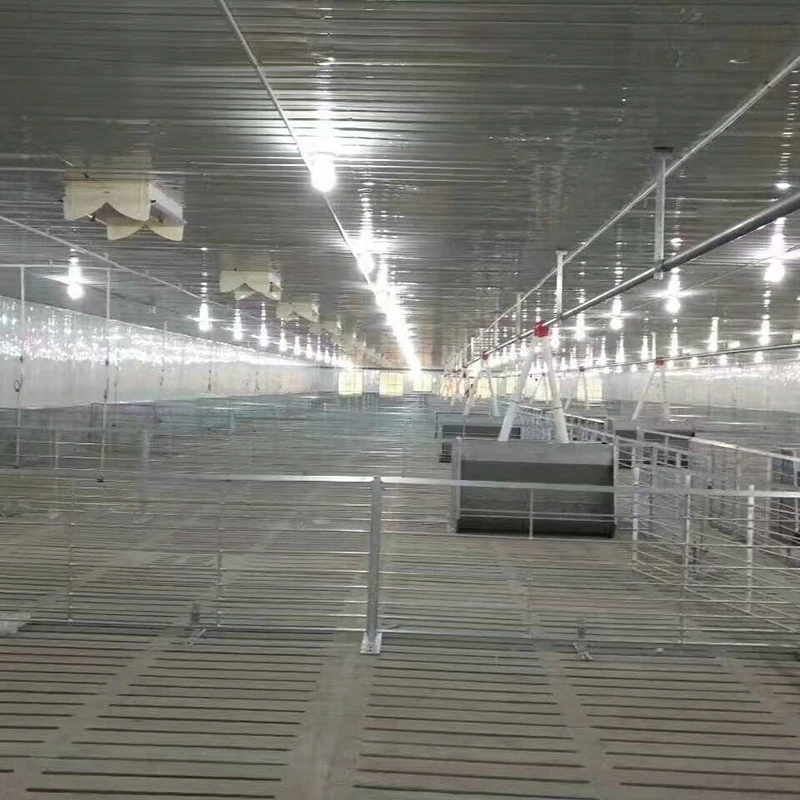
Various types of swine self feeders are available, each designed for different swine stages and management systems. Dry feeders are the most common, dispensing dry feed mixtures. Liquid feeders, while less common, provide feed in a liquid form, often utilizing by-products. Chain feeders are used in larger operations and deliver feed along a continuous chain. Finally, drop feeders dispense a pre-determined amount of feed when activated by the pig. Choosing the right type depends on the age and weight of your pigs, your feeding program, and your facility layout. CXL Livestock offers a wide range of feeders to suit your specific needs.
Feeder Type Overview:
• Dry Feeders: Most common, versatile for different feed types.
• Liquid Feeders: Utilize liquid feed mixtures and by-products.
• Chain Feeders: Ideal for large-scale operations with continuous feed delivery.
• Drop Feeders: Dispense measured portions of feed when activated.
Comparing Different Swine Self Feeder Features
Selecting the best swine self feeder involves considering several key features. Feed capacity is vital, ensuring sufficient feed storage for the number of pigs. Adjustability allows you to customize feed flow to match your pigs’ growth stages. Durability is essential, especially in demanding farm environments. Look for feeders constructed from high-quality materials like stainless steel or heavy-duty plastic. Ease of cleaning and maintenance is also important, minimizing downtime and ensuring hygiene. Finally, consider the feeder’s design to prevent feed bridging and wastage.
Choosing the Right Feeder with CXL Livestock
At CXL Livestock, we understand that every swine operation is unique. That's why we offer a comprehensive selection of swine self feeders, from simple drop feeders to sophisticated chain feeders. Our team of experts can help you assess your needs and recommend the best feeder solution for your specific requirements. We prioritize quality, durability, and ease of use, ensuring our feeders deliver lasting value and improve your bottom line.
Product Spotlight: CXL Livestock’s Adjustable Sow Feeder
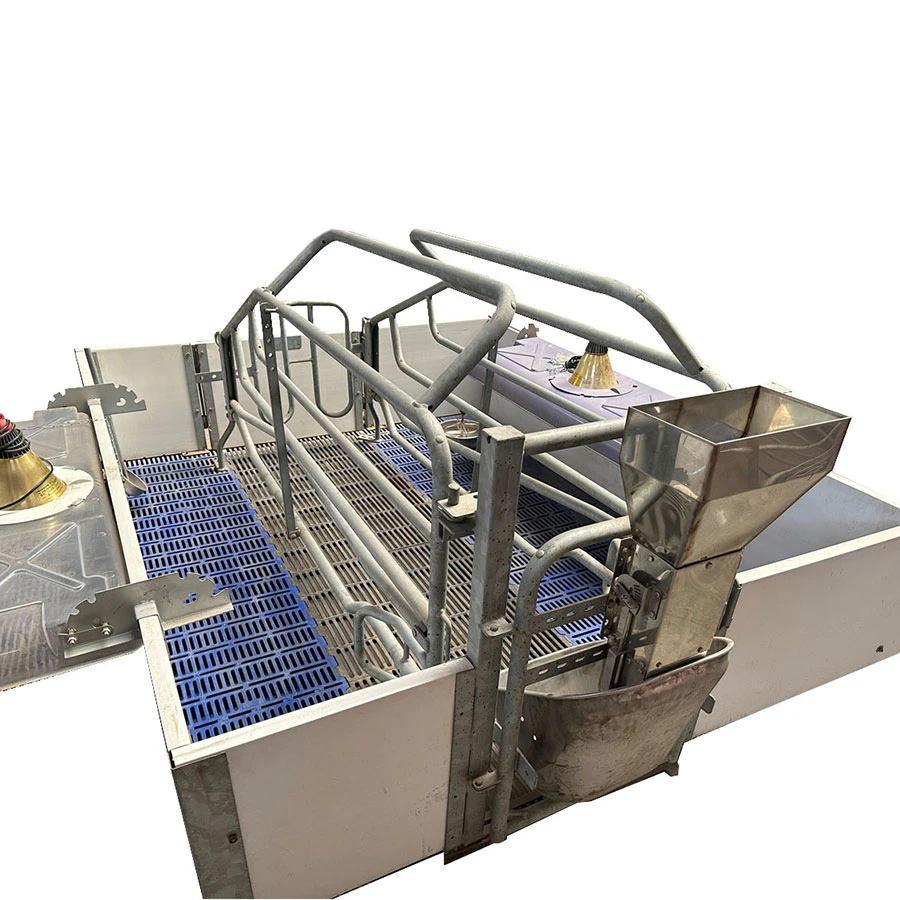
The CXL Adjustable Sow Feeder is a popular choice for sow operations. This feeder features adjustable feed levels to cater to sows’ changing nutritional needs throughout gestation and lactation. Its robust construction ensures longevity, even in challenging environments. Key specifications include:
Conclusion: Optimize Your Swine Operation with CXL Livestock
Investing in the right swine self feeders is a crucial step towards improving efficiency, reducing labor costs, and promoting optimal animal health. CXL Livestock offers a diverse range of high-quality feeders to meet your unique needs. Contact us today to learn more about how we can help you optimize your swine operation.
Frequently Asked Questions (FAQs)
How often should I clean my swine self feeder?
Regular cleaning is essential to prevent feed spoilage and maintain hygiene. We recommend cleaning your swine self feeder at least once a week, or more frequently if you notice any build-up of old feed or debris. Thoroughly wash the feeder with a mild detergent and rinse completely before refilling. Proper cleaning helps prevent the spread of disease and ensures your pigs receive fresh, nutritious feed. Regular maintenance will also extend the life of your feeder.
What size swine self feeder do I need?
The appropriate feeder size depends on the number of pigs you're feeding and their age/weight. Generally, you'll need enough feeder space to allow all pigs to eat simultaneously without excessive competition. As a rule of thumb, provide at least 6-8 inches of feeder space per pig. For larger groups, consider using multiple feeders or a chain feeder system to ensure adequate access. Contact CXL Livestock for personalized recommendations.
Are swine self feeders suitable for all ages of pigs?
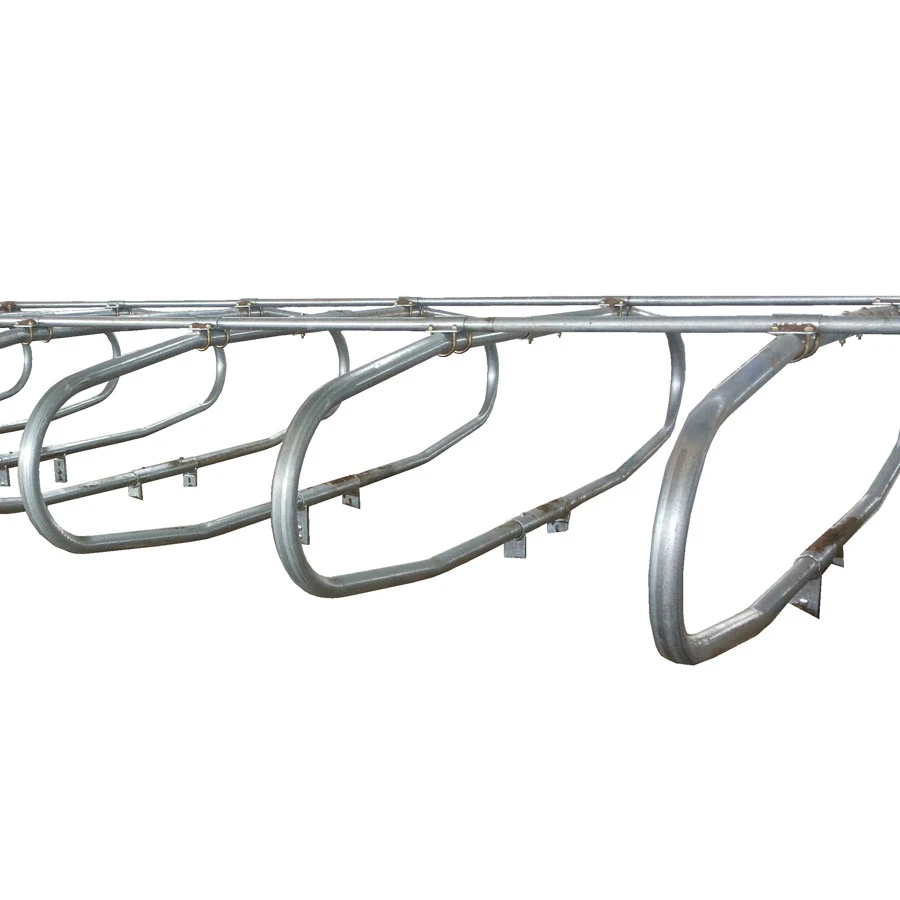
While swine self feeders are generally suitable for all ages, the type of feeder may need to be adjusted. For piglets, a creep feeder with adjustable height settings is recommended to prevent them from being overwhelmed. As pigs grow, you'll need to transition to larger feeders with greater capacity. Adjustable sow feeders are ideal for mature sows, allowing you to control feed intake during different stages of gestation and lactation.
Post time: Mar . 06, 2026