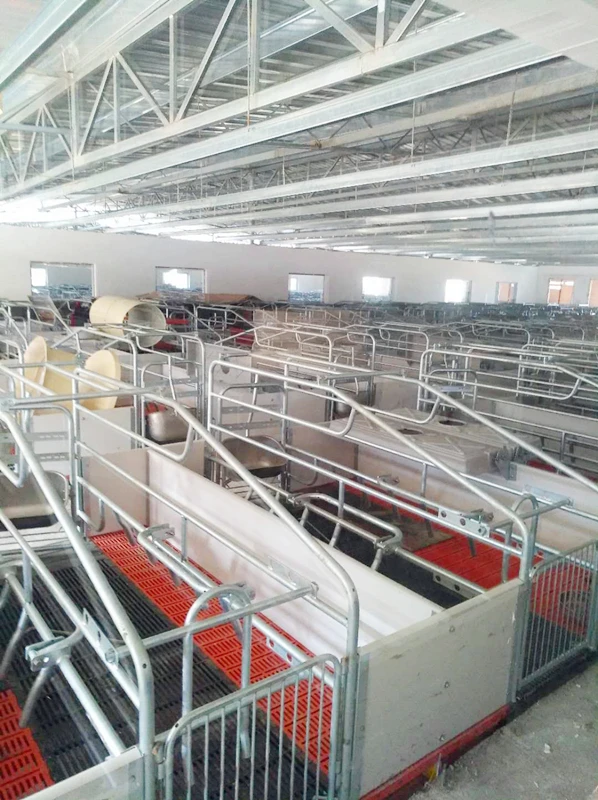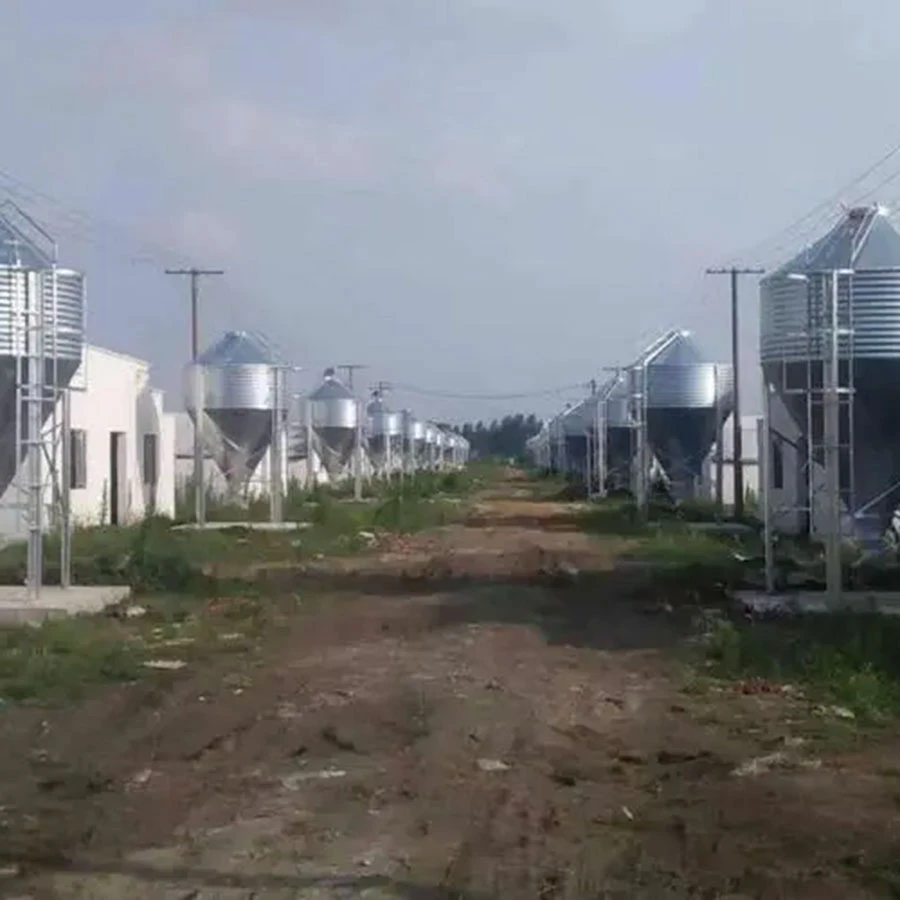
Introduction to Advanced Livestock Management: The dehorning crate for sale
In the contemporary livestock industry, efficiency, animal welfare, and operational safety are paramount. The demand for specialized equipment that streamlines farm operations while adhering to stringent animal husbandry standards continues to rise. Among these critical tools, the dehorning crate for sale stands out as an indispensable asset for cattle producers. This specialized restraint system is engineered to facilitate safe and effective dehorning procedures, minimizing stress on the animal and enhancing handler safety. Beyond dehorning, its robust design often allows for various veterinary procedures, making it a versatile piece of equipment on any modern cattle farm. As farm sizes expand and regulatory compliance tightens, investing in high-quality, durable equipment like a dehorning crate is not merely a purchase but a strategic decision for sustainable and ethical livestock management.
The market for cattle farming consumables and equipment is experiencing significant growth, driven by technological advancements and an increased focus on precision livestock farming. This article delves into the technical aspects, benefits, and market considerations surrounding dehorning crates, offering a comprehensive guide for B2B decision-makers seeking to optimize their operations.
Industry Trends & Market Dynamics for Livestock Equipment
The global livestock equipment market is projected to grow steadily, with a compound annual growth rate (CAGR) of over 5% in the coming years. This growth is fueled by several factors, including increasing global meat and dairy consumption, the modernization of farming practices, and a heightened emphasis on animal welfare. Farmers are increasingly seeking robust, ergonomically designed, and technologically integrated solutions. For instance, the demand for equipment like a dehorning crate for sale, as well as complementary tools such as a calf crate for sale, is rising as producers recognize the long-term benefits of early and efficient animal management. There's a notable shift towards automated or semi-automated systems that reduce manual labor and improve procedural consistency.
Sustainability and biosecurity are also major trends. Equipment manufacturers are responding by incorporating durable, easily sanitized materials and modular designs that allow for efficient cleaning and maintenance. Furthermore, the integration of data analytics and smart farming technologies, while not directly applicable to a physical crate, influences the broader purchasing decisions, pushing for higher quality and reliability in all farm infrastructure, including essential restraint systems. The market also sees a growing preference for galvanized steel and heavy-duty plastics in equipment construction, ensuring longevity and resistance to the harsh farm environment.
Technical Specifications & Design Principles
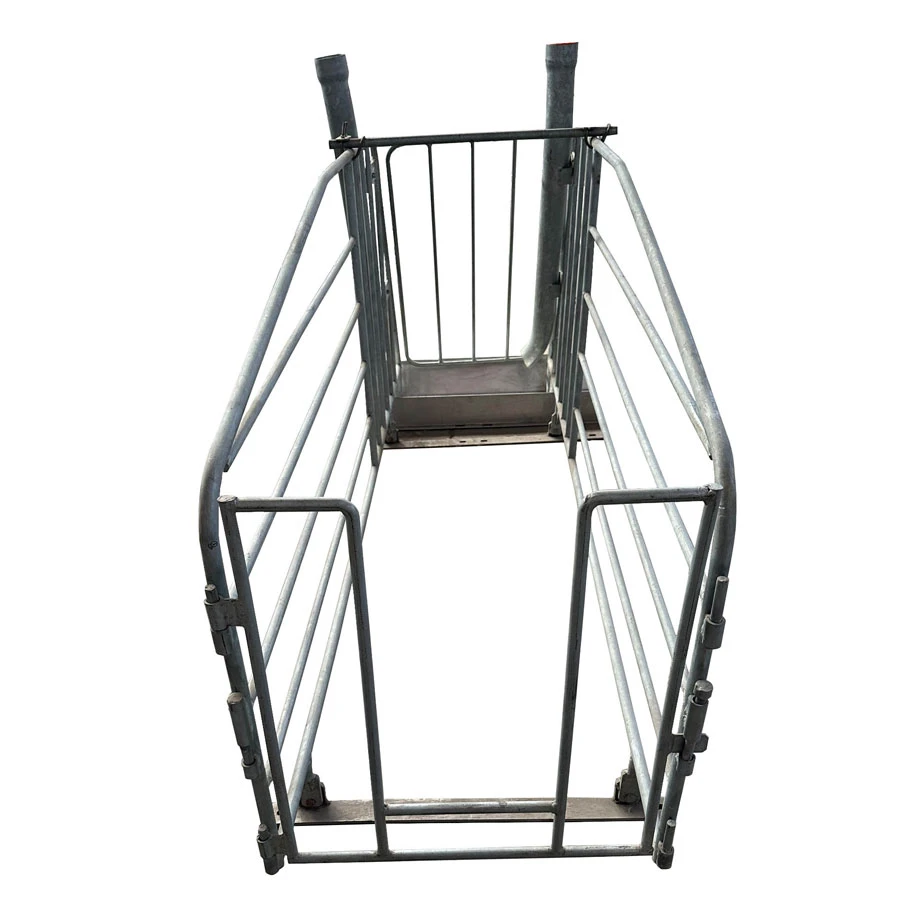
A high-performance dehorning crate for sale is a testament to precision engineering, balancing structural integrity with ergonomic functionality. Key design principles focus on animal safety, operator efficiency, and long-term durability. Modern crates incorporate features such as adjustable head restraints, anti-slip flooring, and quick-release mechanisms to manage animal movement effectively while minimizing stress. The choice of materials is critical, with heavy-gauge galvanized steel being the industry standard for its superior corrosion resistance and high tensile strength. This ensures the crate withstands the demanding conditions of daily farm use and exposure to corrosive farm chemicals.
Key technical parameters often considered include:
- Construction Material: Typically hot-dip galvanized steel (e.g., 3mm-5mm thick steel tubing) for maximum rust protection and structural rigidity.
- Restraint Mechanism: Hydraulic or manual head bail, fully adjustable to accommodate various cattle sizes, ensuring secure but humane immobilization.
- Internal Dimensions: Optimized for adult cattle (e.g., 2200mm L x 750mm W x 1800mm H), with internal width adjustability to prevent excessive movement.
- Flooring: Non-slip, heavy-duty checker plate or ribbed rubber mats to provide secure footing and reduce the risk of injury.
- Access Points: Multiple access gates (side, rear, front) for convenient veterinary access and efficient animal flow.
- Weight: Ranging from 400kg to 700kg, depending on the robustness and features, indicating solid construction.
- Safety Features: Quick-release mechanisms, anti-kick bars, and secure locking pins for operator safety.
Typical Product Specifications: Dehorning Crate
| Parameter | Specification |
|---|---|
| Model Name | Pro-Dehorn 3000 Series |
| Primary Material | Hot-dip Galvanized Steel (minimum 4mm wall thickness) |
| Exterior Dimensions (L x W x H) | 2.4m x 0.9m x 1.9m |
| Internal Working Width | Adjustable from 600mm to 800mm |
| Restraint System | Hydraulic Head Bail with Manual Override |
| Floor Material | Heavy-duty Ribbed Rubber, Anti-slip |
| Approx. Weight | 550 kg |
| Service Life Expectancy | 15+ years under normal operating conditions |
| Certifications | ISO 9001:2015, CE Compliant |
The synergy of robust materials and intelligent design culminates in a piece of equipment that not only performs its primary function effectively but also contributes significantly to overall farm operational efficiency and animal welfare outcomes. Manufacturers committed to quality often exceed minimum regulatory requirements, ensuring their products offer a superior return on investment.
Manufacturing Process of a High-Quality Dehorning Crate
The production of a durable and reliable dehorning crate for sale involves a meticulous multi-stage manufacturing process, emphasizing material quality, precision engineering, and rigorous testing. This ensures the final product meets the demanding specifications required for livestock handling equipment.
Process Flow Overview:
1. Material Selection
High-grade structural steel (e.g., S355JR) selected for strength and weldability. Complies with ASTM A36/A500 standards. Sourced from certified mills.
2. Precision Cutting & Shaping
CNC laser cutting and plasma cutting for precise component fabrication. Bending and forming using hydraulic press brakes for structural elements.
3. Welding & Assembly
MIG/MAG welding by certified welders (e.g., AWS D1.1 standards). Jig-based assembly to maintain dimensional accuracy and structural integrity.
4. Hot-Dip Galvanization
Components pre-treated (degreasing, pickling, fluxing), then immersed in molten zinc. Conforms to ISO 1461/ASTM A123 for superior corrosion resistance and extended service life.
5. Component Integration & Final Assembly
Integration of hydraulic systems, non-slip flooring, gates, latches, and adjustable components. Calibration of moving parts and safety mechanisms.
6. Quality Control & Testing
Load testing, functional testing of all moving parts, safety mechanism verification. Visual inspection for weld quality and galvanization uniformity. Adherence to ISO 9001:2015 standards.
This structured approach ensures that every dehorning crate for sale leaving the manufacturing facility is robust, safe, and built to deliver consistent performance over its extensive service life, typically exceeding 15 years in challenging agricultural environments. The emphasis on hot-dip galvanization is particularly crucial, providing unparalleled protection against rust and corrosion, a common challenge in livestock facilities due to moisture and organic acids.
Key Technical Advantages & Performance Benefits
Investing in a high-quality dehorning crate for sale offers a multitude of technical and operational advantages for modern cattle farming enterprises:
- Enhanced Animal Welfare: Precision restraint systems minimize animal movement during procedures, reducing stress and the risk of injury. This directly contributes to higher animal welfare standards and can lead to better growth rates and milk production post-procedure.
- Superior Operator Safety: Robust construction and intelligent safety features, such as anti-kick bars and quick-release mechanisms, protect farm personnel from aggressive animal behavior, significantly reducing workplace accidents.
- Optimized Operational Efficiency: A well-designed crate allows for quicker animal processing. Features like easily accessible side gates and adjustable head bails streamline tasks like dehorning, vaccination, ear tagging, and artificial insemination.
- Durability and Longevity: Hot-dip galvanized steel construction provides exceptional corrosion resistance, extending the equipment's service life beyond conventional painted or electro-galvanized alternatives. This translates to lower replacement costs and a better return on investment over time.
- Versatility: Many crates are designed to accommodate a range of cattle sizes and facilitate various veterinary and management procedures, making them a multi-purpose asset.
- Biosecurity Improvement: Smooth surfaces and materials that are easy to clean and disinfect help maintain farm biosecurity, preventing the spread of diseases among the herd.
These advantages are critical in achieving efficient, ethical, and profitable cattle operations, contributing to both direct cost savings and indirect benefits through improved animal health and worker safety.
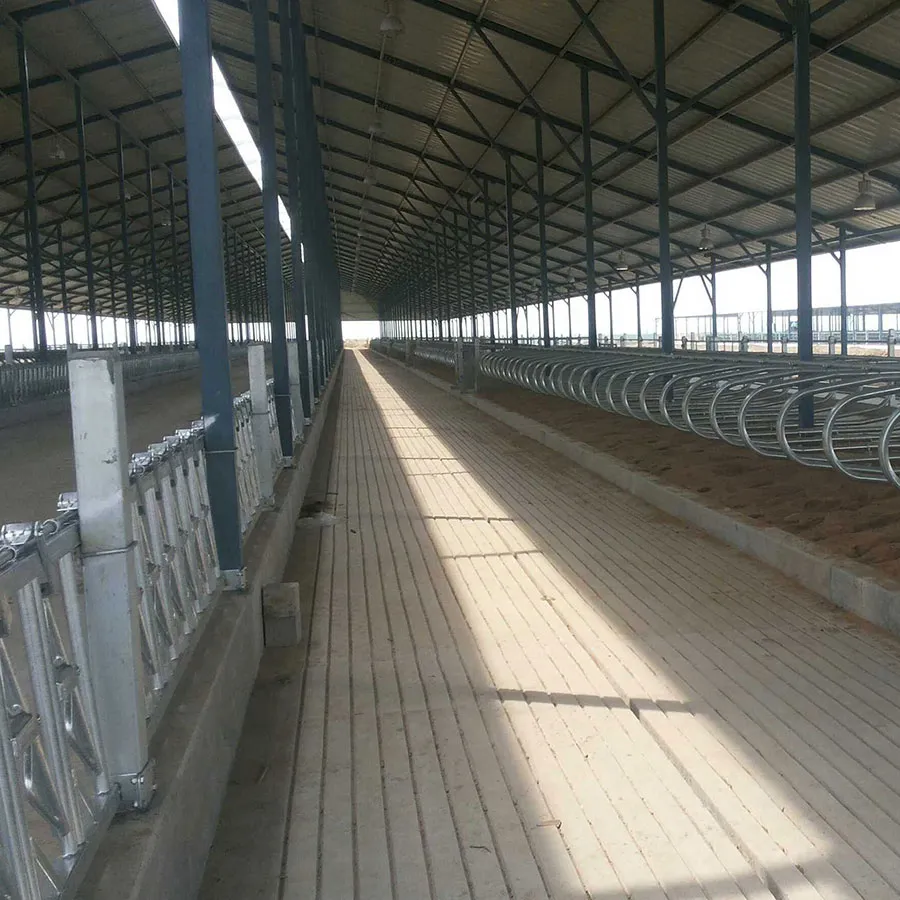
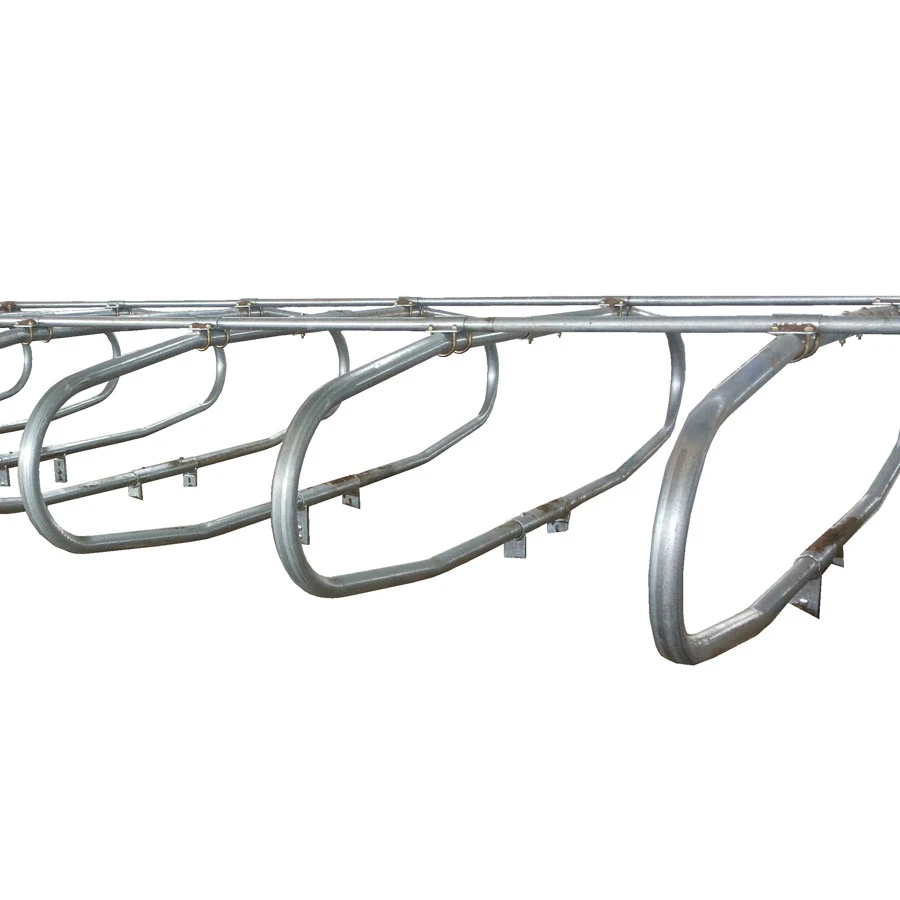
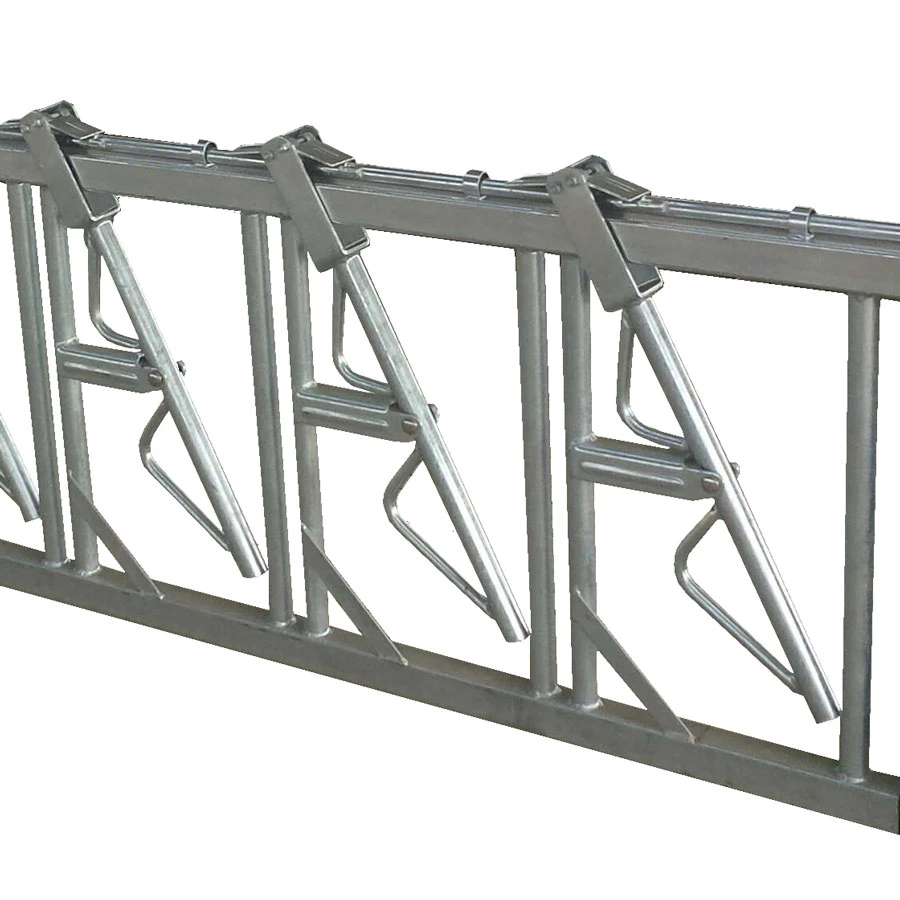
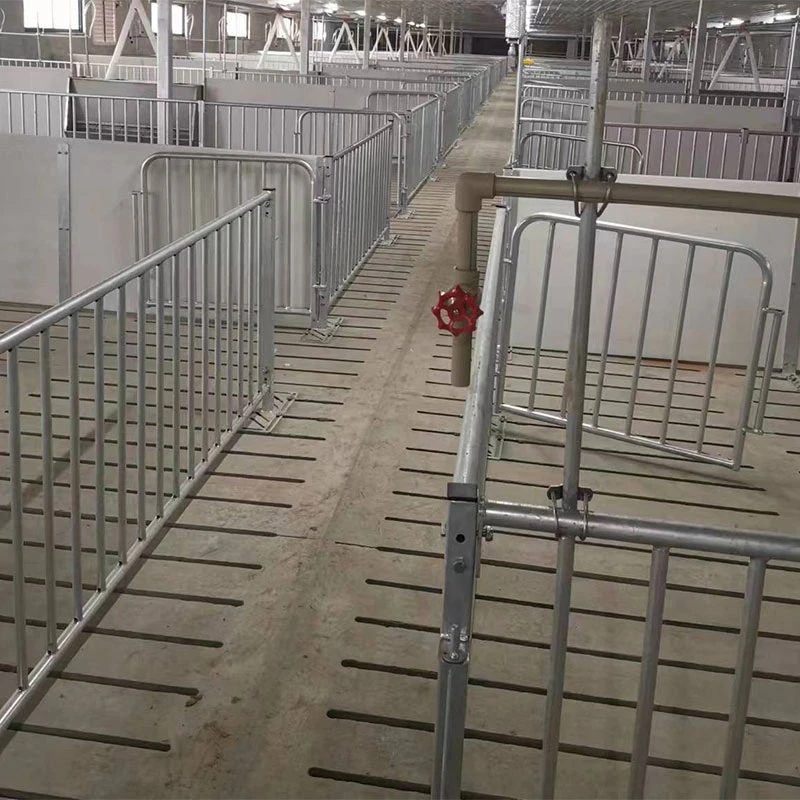
Image: Illustrative example of robust cattle handling equipment, demonstrating the build quality expected from a premier dehorning crate.
Application Scenarios & Target Industries
The utility of a dehorning crate for sale extends across various facets of the livestock industry, making it a staple in diverse operational environments. Its primary application, as the name suggests, is dehorning, a crucial procedure for preventing injuries among herd mates and handlers, especially in intensive farming systems. However, its robust design and comprehensive restraint capabilities make it suitable for a broader array of tasks:
- Beef Cattle Operations: Essential for dehorning calves and yearlings, ensuring safer group housing and reducing carcass damage during transport. Also used for branding, tagging, and routine health checks.
- Dairy Farms: Used for dehorning dairy calves to prevent udder injury to other cows and enhance handler safety during milking and daily management. Facilitates artificial insemination (AI) and veterinary examinations.
- Veterinary Clinics & Mobile Services: Provides a secure and controlled environment for veterinarians to perform various medical procedures, including intricate surgeries, wound treatment, and difficult vaccinations on-site.
- Livestock Auction Yards & Holding Facilities: Crucial for temporary restraint and processing of animals prior to sale or transport, ensuring all necessary health checks and identifications are completed safely.
- Research & Educational Institutions: Utilized in agricultural universities and research centers for animal studies, requiring precise and humane animal handling for data collection and experimental procedures.
The versatility of these crates also extends to supporting other essential farm equipment. For example, alongside a dehorning crate for sale, farms often invest in durable cattle troughs for sale or metal cattle troughs for sale to complete their infrastructure, ensuring comprehensive animal care from feeding to specialized procedures.
Vendor Comparison & Selection Criteria
When evaluating a dehorning crate for sale, B2B purchasers must consider several factors beyond the initial price. A comprehensive vendor comparison should focus on quality, features, after-sales support, and overall value proposition. Here’s a comparison framework:
Comparative Analysis of Dehorning Crate Features
| Feature | Premium Supplier (e.g., CXLivestock) | Standard Supplier |
|---|---|---|
| Construction Material | Heavy-gauge Hot-dip Galvanized Steel (4-5mm) | Electro-galvanized or painted steel (2-3mm) |
| Restraint Mechanism | Hydraulic Head Bail with Anti-Return Lock | Manual Lever-Operated Head Bail |
| Adjustability | Multi-point internal width and height adjustments | Limited width adjustment, fixed height |
| Flooring | Heavy-duty Ribbed Rubber (Anti-slip, Sound Dampening) | Checker Plate Steel (can be slippery, noisy) |
| Safety Features | Multiple Quick-Release Points, Anti-Kick Bar System | Basic locking pins, no dedicated anti-kick system |
| Certifications | ISO 9001:2015, CE, ASTM compliant | Basic factory compliance or none specified |
| Warranty | 5-year structural warranty, 1-year hydraulics | 1-year limited warranty |
| After-Sales Support | Dedicated technical support, spare parts availability | Limited support, long lead times for parts |
Decision-makers should prioritize suppliers who demonstrate adherence to international quality standards (e.g., ISO), offer comprehensive warranties, and have a proven track record of reliable after-sales service. A slightly higher initial investment in a premium dehorning crate for sale often translates to significant savings over its lifespan through reduced maintenance, increased safety, and superior performance.
Customized Solutions for Unique Farm Needs
Recognizing that no two cattle operations are identical, leading manufacturers of the dehorning crate for sale offer customized solutions to meet specific farm requirements. This can involve modifications to dimensions, integration with existing handling systems, or specialized features for particular breeds or operational workflows. Customization ensures optimal compatibility and maximum utility.
- Dimension Adjustments: Tailoring overall length, width, or height to fit restricted spaces or accommodate unusually large or small animals.
- Integration with Existing Facilities: Designing crates to seamlessly connect with existing cattle races, crushes, or feeding systems, optimizing animal flow.
- Hydraulic vs. Manual Operation: Offering choices between fully hydraulic systems for high-throughput operations and robust manual systems for smaller farms or areas with limited power access.
- Additional Access Points: Adding extra side gates, belly clamps, or specialized head holders for specific veterinary procedures or research needs.
- Mobility Options: Incorporating wheels or forklift points for easy relocation within the farm.
- Specialized Flooring: Providing alternative flooring options like expanded mesh for drainage in specific washdown areas.
Collaborating with a manufacturer capable of delivering bespoke solutions ensures that the investment in a dehorning crate for sale is perfectly aligned with a farm's long-term operational goals and infrastructure.
Application Case Studies: Real-World Impact
The practical benefits of a high-quality dehorning crate for sale are best illustrated through real-world applications and customer feedback. These examples demonstrate how strategic equipment investments yield tangible improvements in safety, efficiency, and animal welfare.
Case Study 1: Large-Scale Beef Operation
Client: Horizon Ranch, a 5,000-head beef cattle operation in Texas, USA.
Challenge: Horizon Ranch faced significant labor costs and safety concerns during routine dehorning and vaccination of calves. Their old manual squeeze chute was inefficient and caused undue stress on animals and handlers.
Solution: Implemented two advanced hydraulic dehorning crates from CXLivestock. These units featured rapid hydraulic head bails, adjustable internal widths, and non-slip rubber flooring.
Results: Over a 12-month period, Horizon Ranch reported a 30% reduction in processing time per animal, leading to a 15% decrease in labor costs for these procedures. Animal stress indicators, as measured by cortisol levels, showed a significant reduction, contributing to faster recovery and reduced post-procedure weight loss. Handler injuries related to cattle handling dropped to zero. The lead farm manager, John Davies, stated, "The new dehorning crates transformed our operations. We're safer, more efficient, and our animals are calmer. It was a substantial investment, but it paid for itself in less than two years through saved labor and improved animal health."
Case Study 2: Dairy Farm Biosecurity Enhancement
Client: Green Pastures Dairy, a 800-cow organic dairy farm in Ireland.
Challenge: Green Pastures needed to upgrade their calf management protocols, including dehorning and routine health checks, to meet stricter organic certification requirements for animal welfare and biosecurity. Their existing facility made cleaning difficult and was not ideal for restraining young calves.
Solution: Installed a specialized calf crate for sale designed specifically for dehorning and processing calves up to 6 months old, featuring easy-clean galvanized surfaces and a precise headlock mechanism. The crate was integrated near their existing metal cattle troughs for sale for seamless workflow.
Results: The farm achieved 100% compliance with new organic welfare standards. The ease of cleaning the galvanized crate significantly improved biosecurity, reducing calfhood disease incidence by 20%. The controlled environment of the crate minimized stress for calves, leading to quicker dehorning procedures and improved post-procedure care. Farm owner, Maria Kelly, commented, "Our new calf crate is excellent. It's incredibly sturdy, easy to disinfect, and makes dehorning so much less stressful for our young stock. It's been a game-changer for our organic certification."
Ensuring Trustworthiness: FAQs, Lead Time, Warranty, & Support
For B2B buyers, confidence in the supplier is as crucial as the product itself. Here’s an overview of common trustworthiness elements associated with procuring a dehorning crate for sale.
Frequently Asked Questions (FAQs)
- Q: What is the typical service life of your dehorning crates?
A: Our hot-dip galvanized dehorning crates are engineered for a service life exceeding 15 years, even under rigorous daily use, due to superior material quality and anti-corrosion treatment. - Q: Can the crate accommodate different cattle breeds and sizes?
A: Yes, our crates feature multi-point adjustable head bails and internal width adjustments to safely and comfortably restrain a wide range of cattle, from large beef breeds to smaller dairy cows. - Q: Is installation complicated?
A: Our dehorning crates are designed for straightforward installation. They typically ship partially assembled with clear instructions. We also offer installation guidance and support if required. - Q: How do I maintain the hydraulic system?
A: Regular checks of hydraulic fluid levels, hose integrity, and lubrication of moving parts are recommended. A detailed maintenance schedule is provided with each unit.
Lead Time & Fulfillment
Standard lead times for our dehorning crates typically range from 4 to 6 weeks from order confirmation to dispatch, depending on current production schedules and customization requirements. For large-volume orders or highly customized solutions, lead times may be slightly longer but will be clearly communicated during the quotation process. We work with trusted logistics partners to ensure timely and secure delivery to your facility, whether domestic or international.
Warranty Commitments
We stand by the quality of our products. Each dehorning crate for sale comes with a comprehensive warranty package:
- Structural Frame: 5-year limited warranty covering defects in material and workmanship of the galvanized steel frame.
- Hydraulic Components: 1-year limited warranty on hydraulic pumps, cylinders, and associated parts.
- Wear & Tear Components: 6-month limited warranty on common wear parts such as rubber flooring, ropes, and small springs.
Full warranty terms and conditions are provided with your purchase documentation.
Customer Support & After-Sales Service
Our commitment to our clients extends beyond the sale. We offer robust after-sales support to ensure continuous optimal performance of your equipment. This includes:
- Technical Assistance: A dedicated support team available via phone and email for troubleshooting and operational guidance.
- Spare Parts Availability: A comprehensive inventory of genuine spare parts to minimize downtime and ensure longevity.
- Maintenance Guides: Detailed user manuals and maintenance schedules to assist with routine care and extend product life.
- On-site Service: For complex issues, on-site technical service can be arranged in select regions.
We are committed to building long-term partnerships through reliable products and exceptional service, supporting your cattle farming success.
Conclusion
The modern cattle industry demands equipment that combines superior engineering with practical functionality. A high-quality dehorning crate for sale is a cornerstone investment for any progressive livestock operation, offering significant improvements in animal welfare, handler safety, and overall farm efficiency. By choosing products from reputable manufacturers who adhere to stringent quality standards and provide robust after-sales support, farms can ensure long-term operational excellence and a strong return on their investment. The meticulous manufacturing processes, coupled with advanced design principles, underscore the value of these essential cattle farming consumables and equipment in fostering a more humane, efficient, and profitable agricultural future.
References
- FAOSTAT. Food and Agriculture Organization of the United Nations, Statistical Division. Livestock Primary, 2023.
- Smith, J. & Jones, P. (2022). Advancements in Livestock Restraint Technology for Improved Animal Welfare. Journal of Agricultural Engineering and Technology, 45(3), 211-225.
- ISO 9001:2015. Quality management systems – Requirements. International Organization for Standardization.
- Veterinary Surgeons Act 1966 (as amended) and associated guidance. Royal College of Veterinary Surgeons.
- USDA National Agricultural Statistics Service (NASS). Cattle Inventory Report, 2023.
Post time: Sep . 02, 2025