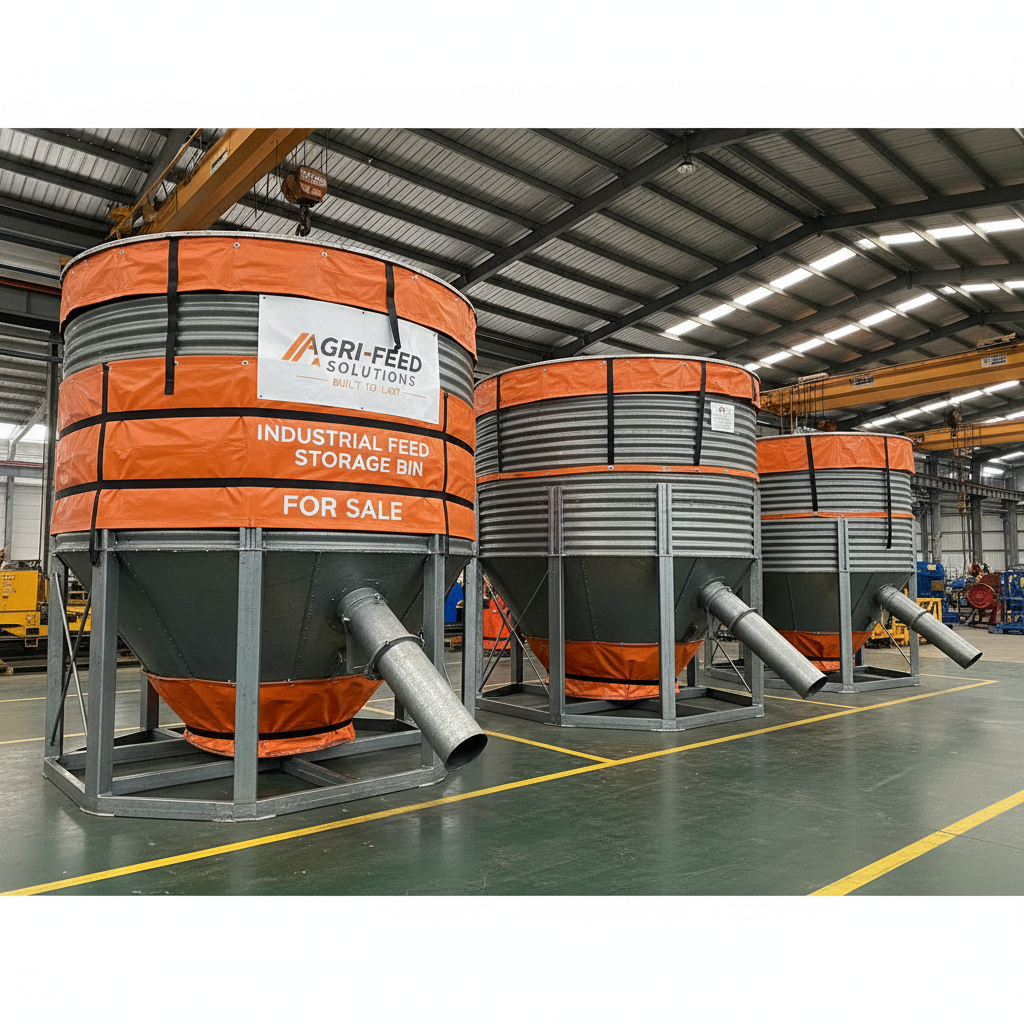
Choosing the Right Animal Feed Storage Bins for Your Operation
Maintaining the quality and safety of animal feed is paramount for livestock health and profitability. Proper storage is critical to prevent spoilage, contamination, and pest infestations. Selecting the appropriate animal feed storage bins is a vital investment for any farm or agricultural business. This article will explore the key considerations when choosing bins, the types available, and how to ensure your feed remains in optimal condition. Investing in the correct storage solution safeguards your livestock’s well-being and your bottom line.
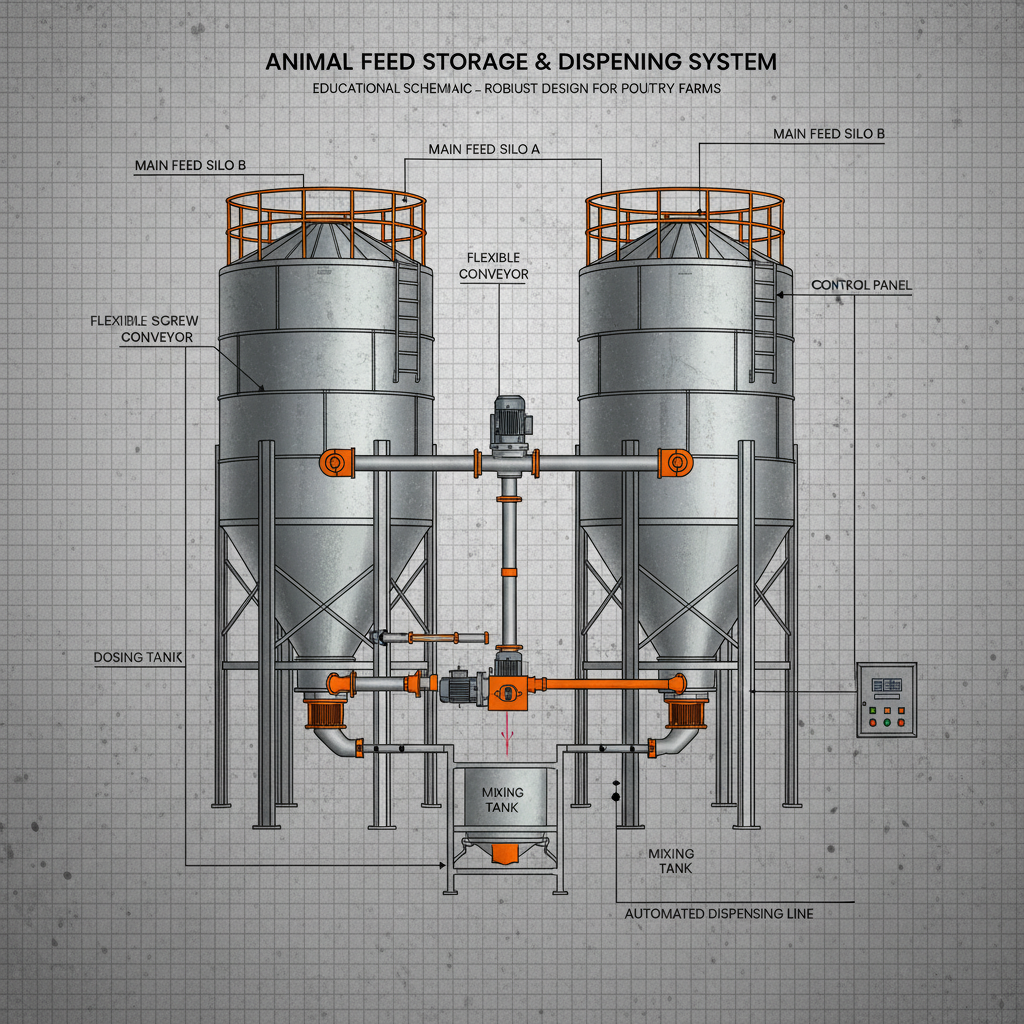
Understanding the Importance of Proper Feed Storage
Poorly stored feed can lead to significant economic losses and health problems for your animals. Moisture, heat, and pests can quickly degrade feed quality, reducing its nutritional value and potentially introducing harmful toxins. Mold growth in feed can cause respiratory issues and digestive upset in livestock. Additionally, pest infestations, like rodents and insects, not only consume the feed but also spread diseases. Investing in durable and well-sealed animal feed storage bins is a proactive measure to protect your investment and ensure animal health.
Key Benefits: Protecting feed from moisture, pests, and temperature fluctuations, preserving nutritional value, reducing waste, and promoting livestock health.
Types of Animal Feed Storage Bins
Several types of bins are available, each suited to different farm sizes, feed types, and budgets. Common options include:
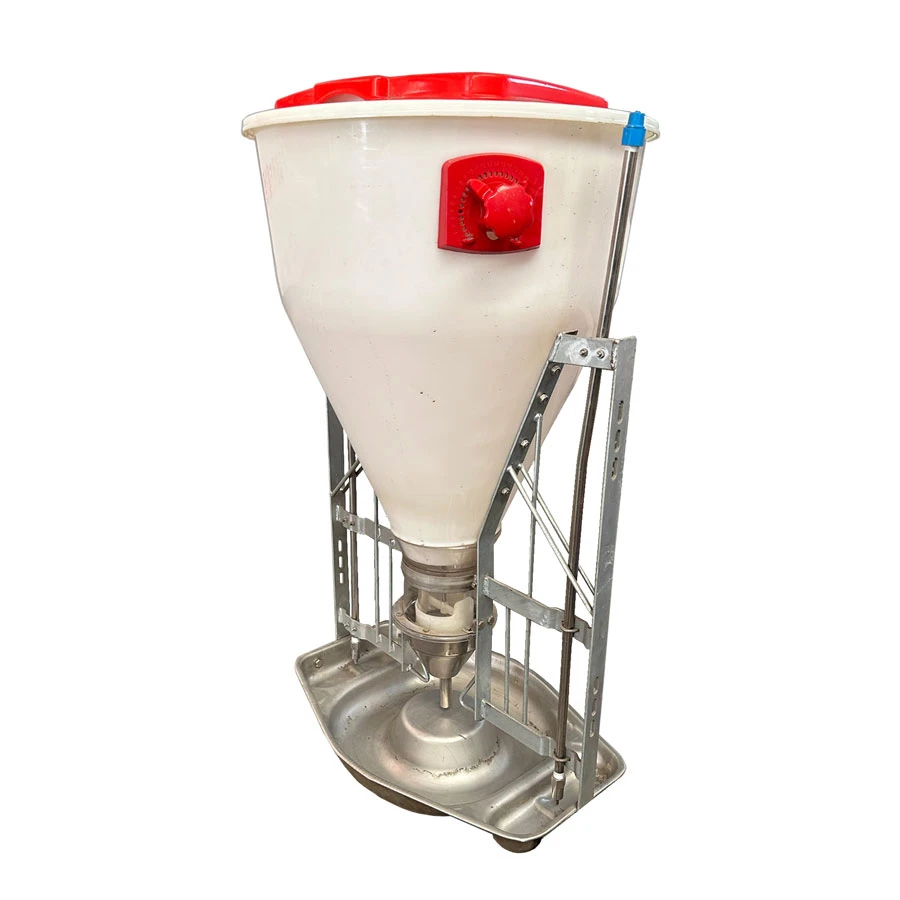
- Poly Bins: Lightweight, durable, and cost-effective, ideal for smaller operations.
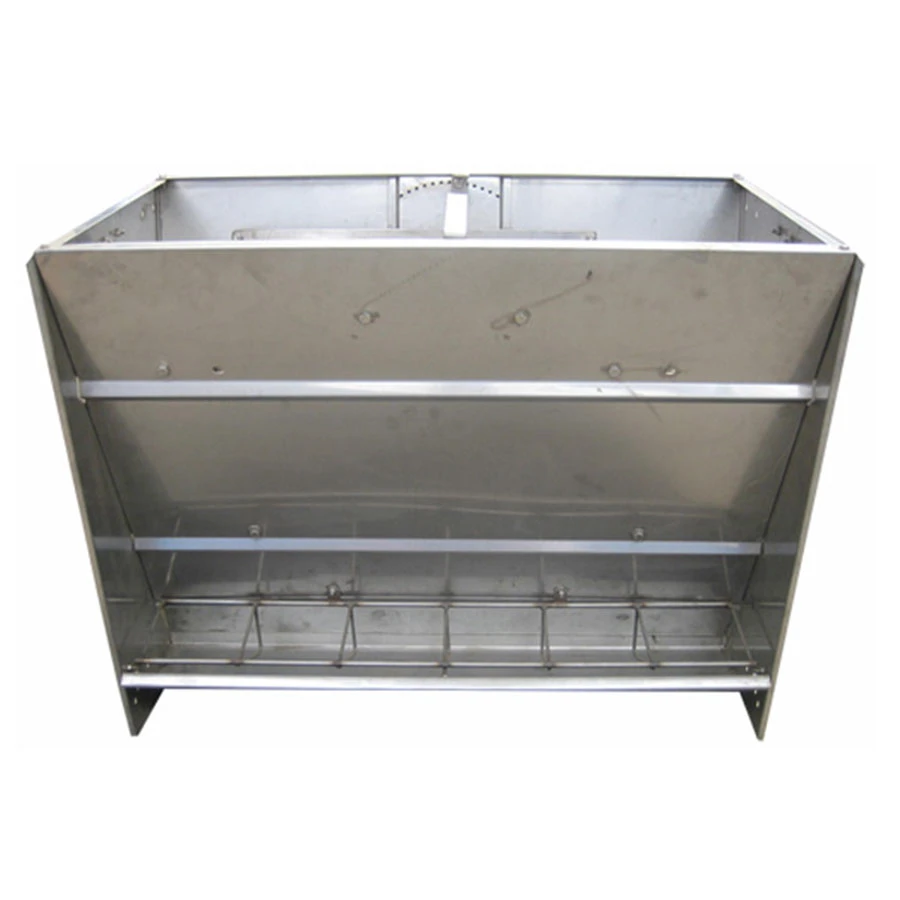
- Steel Bins: Offer superior strength and longevity, suitable for large-scale operations and heavy feeds.
- Grain Silos: Large, cylindrical structures designed for bulk storage of grains.
- Intermediate Bulk Containers (IBCs): Reusable, stackable containers for transporting and storing liquids or solids.
The best choice depends on factors like the volume of feed you need to store, the type of feed (e.g., grain, pellets, silage), and the available space.
Choosing the Right Size and Capacity: Animal Feed Storage Bins
Determining the appropriate size of your animal feed storage bins is crucial. Consider your livestock’s daily feed consumption, the frequency of feed deliveries, and any seasonal fluctuations in demand. It’s generally recommended to have enough storage capacity to cover at least 30-60 days of feed supply. Accurately calculating your needs will prevent shortages and minimize the risk of spoilage.
Key Features to Look for in Animal Feed Storage Bins
When selecting bins, prioritize features that ensure feed quality and longevity. Look for:
- Airtight Seals: Prevent moisture and pest entry.
- UV Protection: Resist degradation from sunlight.
- Durable Construction: Withstand harsh weather conditions and physical impact.
- Easy Access: For convenient filling and dispensing.
- Ventilation: To prevent condensation buildup (especially important for grain storage).
CXL Livestock offers a variety of bins designed with these features in mind.
Maintaining Your Animal Feed Storage Bins
Regular maintenance is essential to maximize the lifespan of your bins and maintain feed quality. This includes:
- Routine Cleaning: Remove any accumulated dust, debris, or old feed.
- Pest Control: Implement a pest management program to prevent infestations.
- Inspection: Regularly check for cracks, leaks, or damage.
- Proper Ventilation: Ensure ventilation systems are functioning correctly.
By proactively maintaining your animal feed storage bins, you'll safeguard your investment and protect your livestock.
Conclusion: Investing in Quality Feed Storage
Choosing the right animal feed storage bins is a critical investment for any livestock operation. By considering your specific needs, selecting durable and well-sealed bins, and implementing a regular maintenance program, you can ensure your feed remains safe, nutritious, and readily available. Protect your livestock, reduce waste, and maximize profitability with the right storage solutions from CXL Livestock.
Frequently Asked Questions (FAQs)
What materials are animal feed storage bins typically made from?
Animal feed storage bins are commonly made from polyethylene (plastic), galvanized steel, or stainless steel. Polyethylene bins are lightweight, affordable, and resistant to corrosion, making them suitable for various feed types. Steel bins offer superior strength and durability, ideal for large-scale operations and heavier feeds. Stainless steel bins are the most expensive but provide the highest level of corrosion resistance and hygiene, making them ideal for sensitive feed ingredients. The best material depends on your budget, the type of feed stored, and the environmental conditions.
How important is ventilation in animal feed storage?
Ventilation is critical for maintaining the quality of stored feed, especially grain. Proper ventilation helps to prevent condensation buildup, which can lead to mold growth and spoilage. It also helps to regulate temperature and humidity, creating a less favorable environment for pests. Bins with ventilation systems allow for air circulation, preventing moisture from accumulating and preserving the nutritional value of the feed. Without adequate ventilation, feed can become clumpy, moldy, and unsuitable for animal consumption.
What’s the best way to prevent pest infestations in feed storage bins?
Preventing pest infestations requires a multi-pronged approach. Start by ensuring the bins are airtight and properly sealed. Regularly clean the bins to remove any spilled feed or debris that could attract pests. Implement a pest control program that includes traps and monitoring. Store feed off the ground to reduce access points for rodents. Consider using a bin aeration system to prevent moisture buildup, which can attract insects. Regularly inspect the bins for signs of pest activity and address any issues promptly.
Are there specific storage requirements for different types of feed?
Yes, different types of feed have different storage requirements. For example, grain should be stored in a cool, dry, and well-ventilated bin to prevent mold growth. Pelleted feed is less susceptible to moisture damage but should still be protected from humidity. Silage requires airtight storage to prevent spoilage. High-protein feeds are more prone to insect infestations and may require additional pest control measures. Always consult the feed manufacturer’s recommendations for specific storage guidelines.
Post time: Apr . 07, 2026