Understanding Grid Mesh Flooring: A Comprehensive Guide
Grid mesh flooring is a versatile and increasingly popular solution for a variety of industrial, commercial, and agricultural applications. Known for its strength, durability, and excellent drainage capabilities, it's a superior alternative to traditional flooring options in many scenarios. This article will provide a detailed overview of grid mesh flooring, covering its benefits, applications, installation, and key considerations for choosing the right product. Whether you're outfitting a livestock pen, a manufacturing facility, or a walkway, understanding the nuances of grid mesh flooring is crucial for making an informed decision.

What is Grid Mesh Flooring?
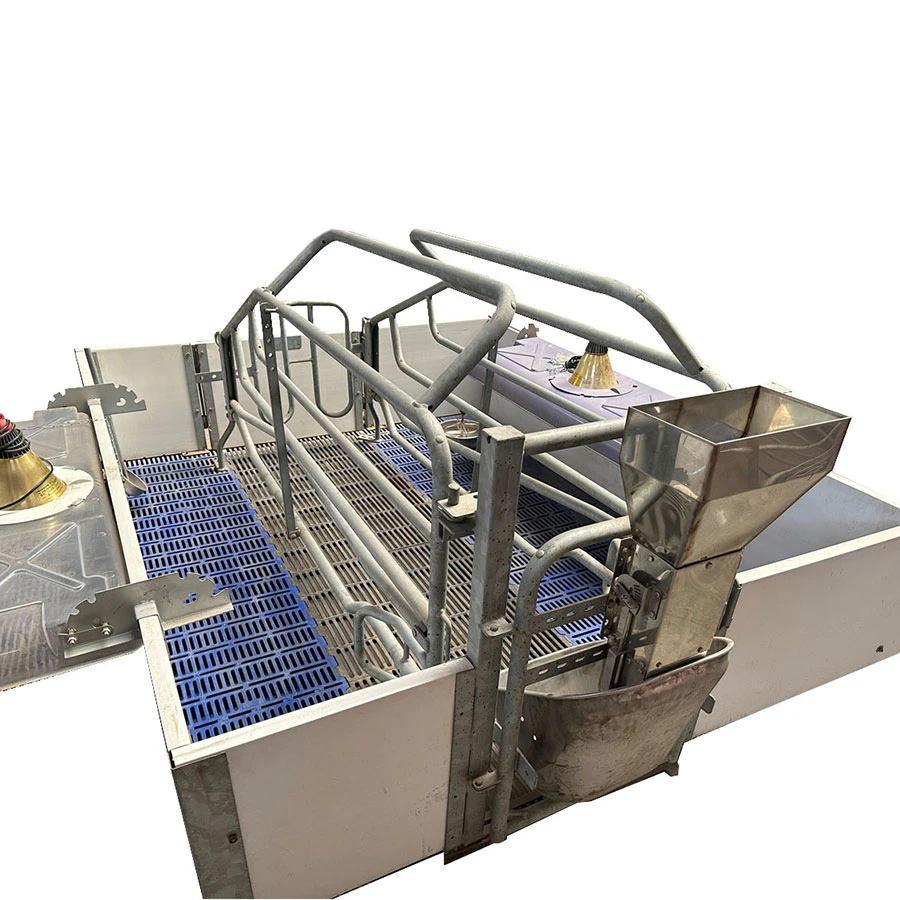
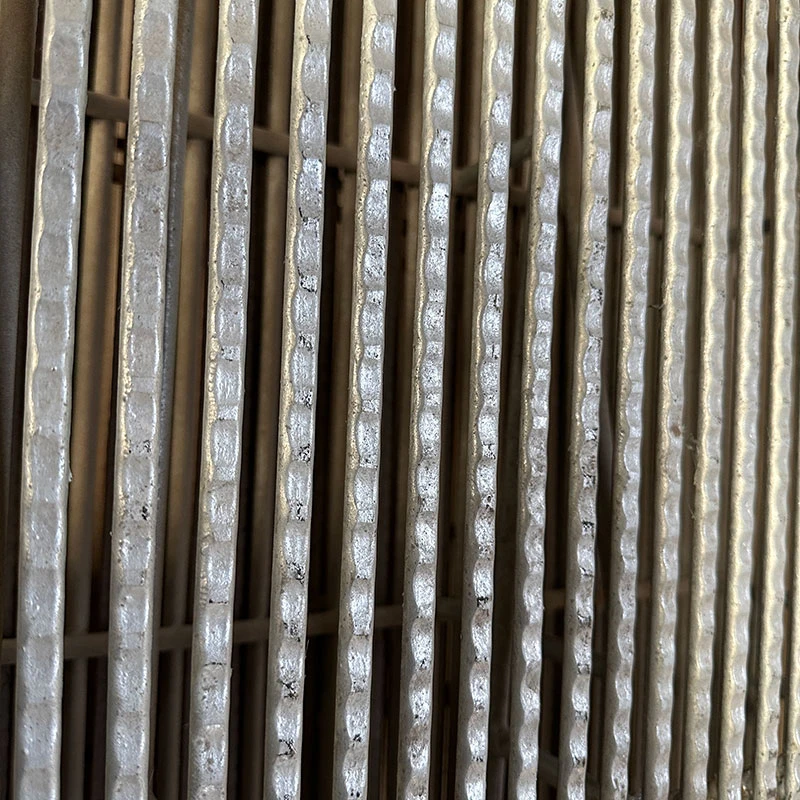
Grid mesh flooring, also known as open grid flooring, is constructed from interwoven metal wires or high-strength plastic creating a robust, open grid structure. This design allows for excellent airflow and drainage, minimizing standing water and waste buildup. The materials used are typically carbon steel, stainless steel, or polyethylene, each offering unique properties suited to different applications. The open grid design also provides visibility, enhancing safety and allowing for easy inspection of areas underneath the flooring. It's frequently chosen for its long lifespan, low maintenance, and ability to withstand heavy loads.
Key Highlights: Excellent airflow and drainage, high load-bearing capacity, durable and long-lasting, easy to clean and maintain, provides visibility.
Key Benefits of Using Grid Mesh Flooring
The advantages of using grid mesh flooring are numerous. Its open structure promotes hygiene, making it ideal for environments where sanitation is paramount. The non-slip surface reduces the risk of accidents, even in wet or oily conditions. The durable materials resist corrosion and wear, minimizing replacement costs. Furthermore, the modular design allows for easy installation and customization to fit specific space requirements. CX Livestock provides high-quality grid mesh flooring designed to withstand the rigors of demanding environments.
Benefits at a Glance:
• Superior drainage and ventilation
• Enhanced safety with a non-slip surface
• Increased hygiene and sanitation
• Durable and cost-effective
Grid Mesh Flooring Applications: Diverse Uses Across Industries
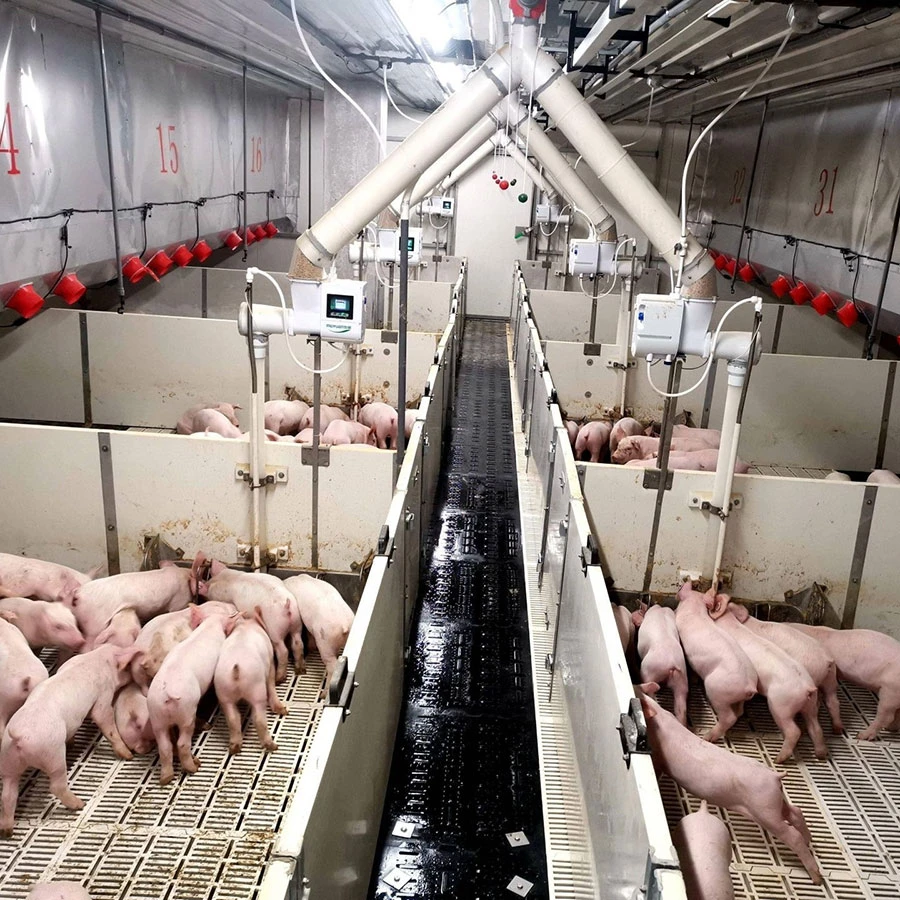
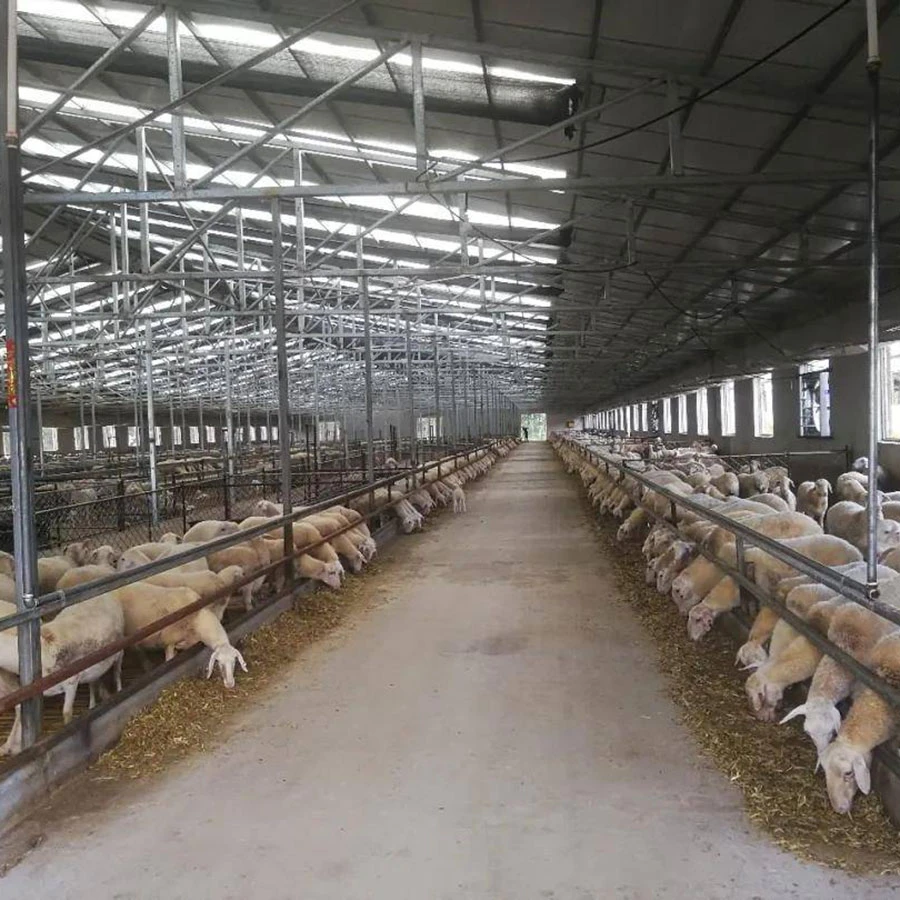
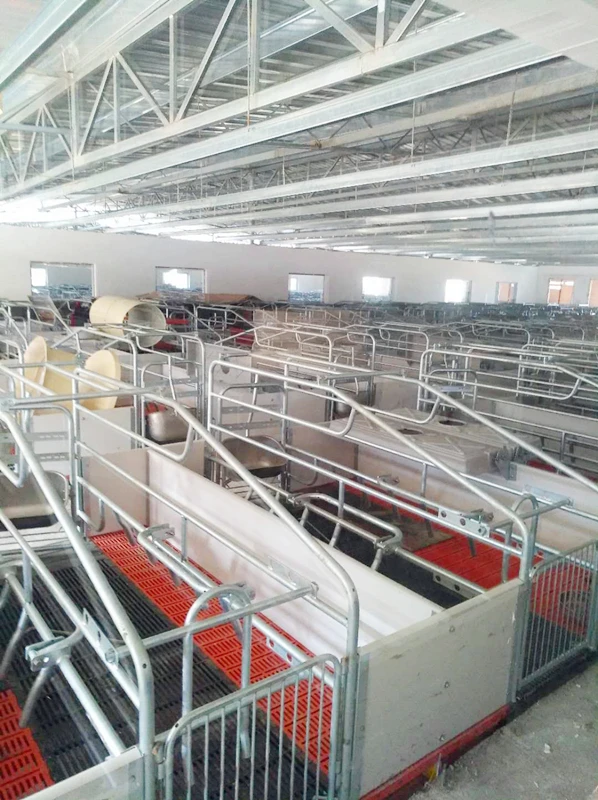
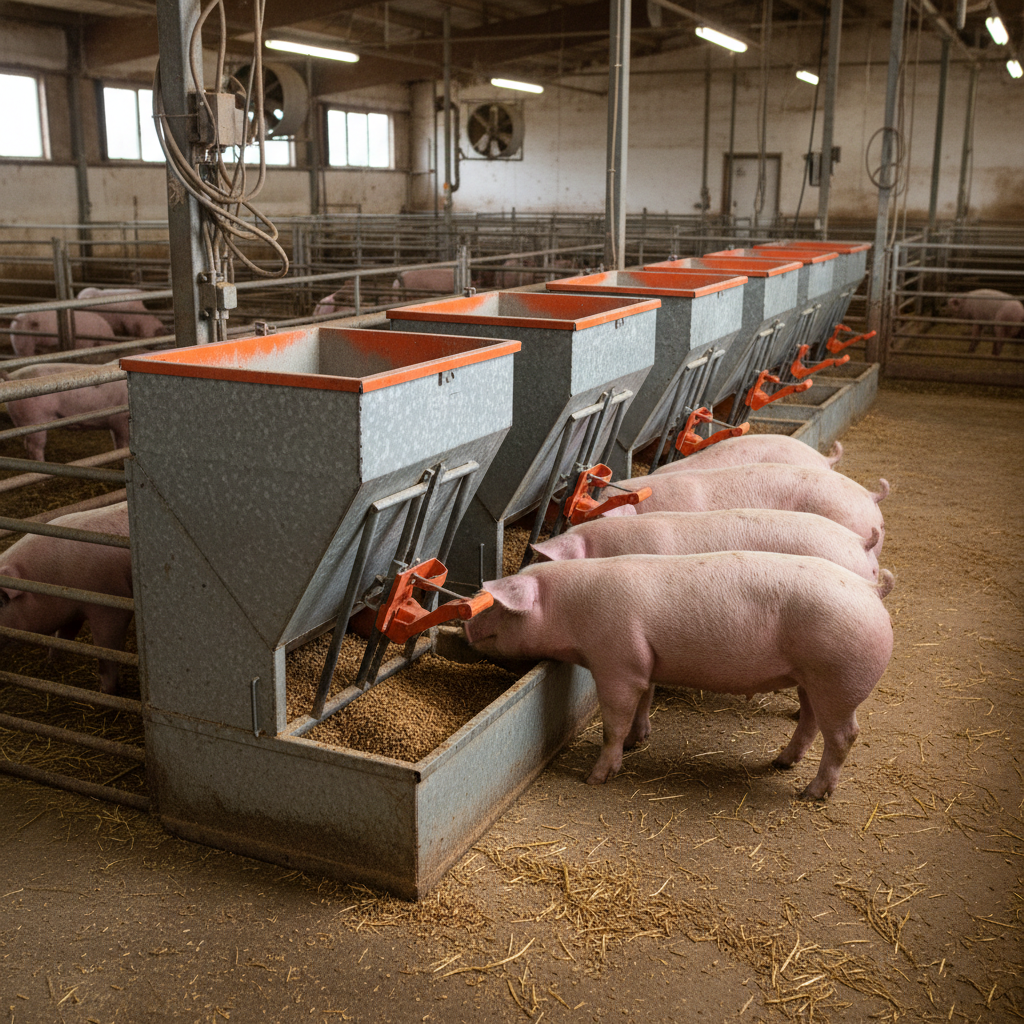
Grid mesh flooring finds application across a wide spectrum of industries. In agriculture, it's commonly used in livestock pens and stalls to provide a comfortable, sanitary, and well-drained surface for animals. Industrial settings utilize it for walkways, platforms, and mezzanine floors, offering a safe and durable working environment. Commercial applications include loading docks, warehouses, and food processing facilities, where hygiene and drainage are critical. Additionally, it can be used in wastewater treatment plants, poultry farms, and even landscaping projects for erosion control and drainage.
Material Options: Choosing the Right Grid Mesh for Your Needs
Several materials are used in the manufacturing of grid mesh flooring, each offering different strengths and weaknesses. Carbon steel provides exceptional strength and durability but is susceptible to corrosion if not properly treated. Stainless steel is highly resistant to corrosion, making it ideal for wet or harsh environments. Polyethylene is lightweight, chemical-resistant, and cost-effective, making it suitable for applications where heavy loads aren't a concern. The best material choice depends on the specific application, environmental factors, and budget constraints.
Installation Considerations and Maintenance
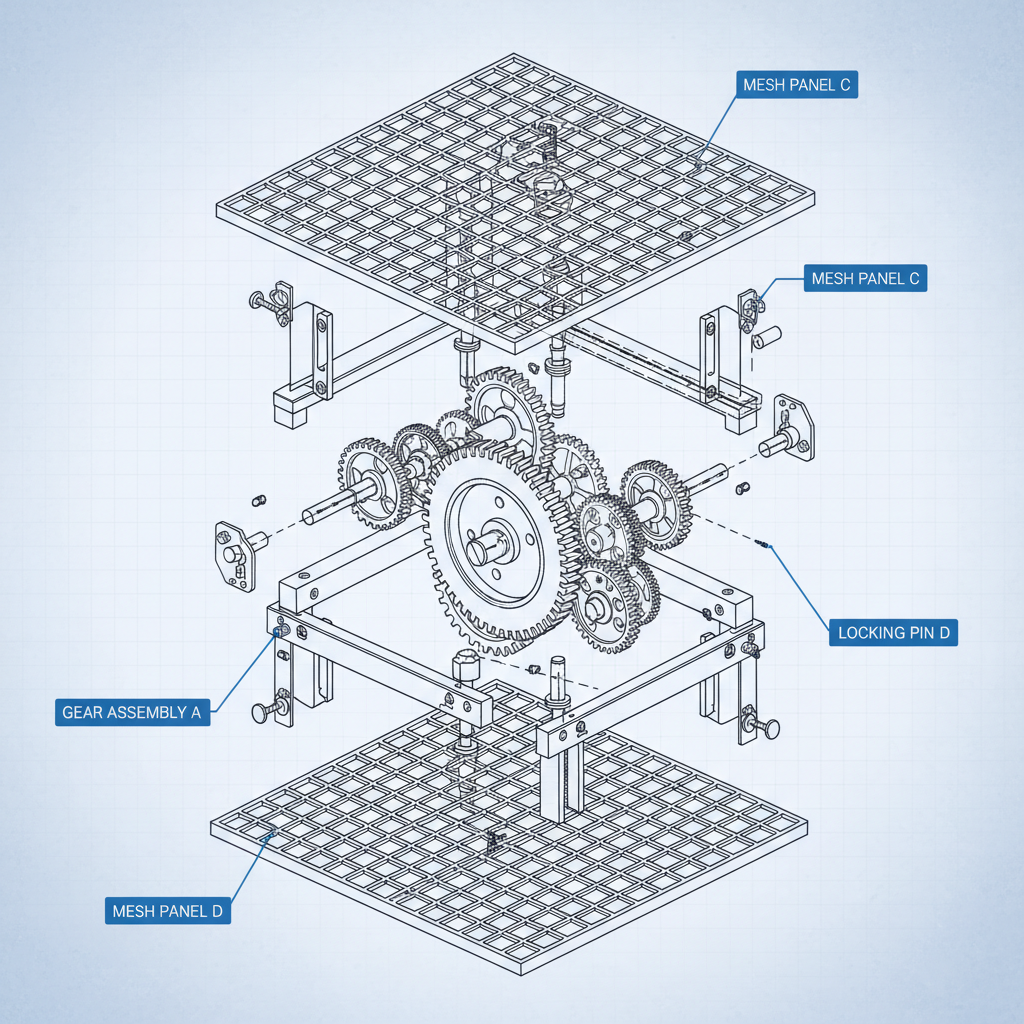
Installing grid mesh flooring is generally straightforward, especially with modular systems. Proper support structures are crucial to ensure the flooring can withstand anticipated loads. The flooring can be secured with bolts, screws, or welding, depending on the application and underlying surface. Maintenance is minimal, typically involving regular cleaning with water and mild detergent. Periodic inspections for damage or corrosion are recommended to ensure continued safety and performance. CX Livestock provides expert advice on installation and maintenance best practices.
Conclusion: The Future is Open with Grid Mesh Flooring
Grid mesh flooring represents a smart investment for businesses and industries seeking a durable, safe, and hygienic flooring solution. Its versatility, ease of maintenance, and long lifespan make it a compelling alternative to traditional flooring materials. By understanding the benefits, applications, and material options, you can choose the right grid mesh flooring to meet your specific needs. Explore the extensive range of grid mesh flooring products at CX Livestock today!
Frequently Asked Questions (FAQs)
What load capacity does grid mesh flooring offer?
The load capacity of grid mesh flooring varies depending on the material, grid size, and support structure. Generally, steel grid mesh can handle significantly higher loads than plastic options. Common load capacities range from 500 lbs to several tons per square foot. It’s crucial to consult the manufacturer's specifications and engineering data to ensure the chosen flooring can safely support the anticipated loads for your application. Factors like the distribution of the load (point load vs. evenly distributed load) also influence the capacity.
Is grid mesh flooring suitable for outdoor use?
Yes, grid mesh flooring is often well-suited for outdoor use, especially when constructed from corrosion-resistant materials like stainless steel or polyethylene. However, factors like climate, exposure to salt water, and potential for ice buildup should be considered. Proper drainage is essential to prevent water from pooling and freezing, which can create hazardous conditions. Regular cleaning to remove debris and contaminants is also important for maintaining its performance and longevity.
What are the benefits of using polyethylene grid mesh?
Polyethylene grid mesh offers several advantages. It's lightweight, making it easy to handle and install. It’s also highly resistant to chemicals, corrosion, and UV radiation, making it ideal for harsh environments. Polyethylene is a cost-effective material, and its inherent flexibility can provide some impact absorption. However, it generally has a lower load capacity than steel options, making it best suited for lighter-duty applications.
How does grid mesh flooring contribute to animal welfare in livestock applications?
Grid mesh flooring provides significant benefits to animal welfare. Its open structure promotes excellent drainage, keeping pens clean and dry, which reduces the risk of hoof problems and disease. The non-slip surface provides better footing, minimizing the risk of injuries. The ventilation helps reduce ammonia buildup, improving air quality. This combination of factors creates a healthier and more comfortable environment for livestock.
Post time: Jan . 30, 2026