Understanding gestation pens for pigs: Practical insights from the field
Having spent over a decade working hands-on in the industrial livestock equipment sector, I’ve seen firsthand the evolution—and sometimes the stubborn traditions—of how pigs are housed during gestation. Gestation pens might sound straightforward, but when you dive into the specifics, there’s a surprising amount of nuance. Frankly, choosing the right pen influences not only sow well-being but also the ultimate productivity of your operation.
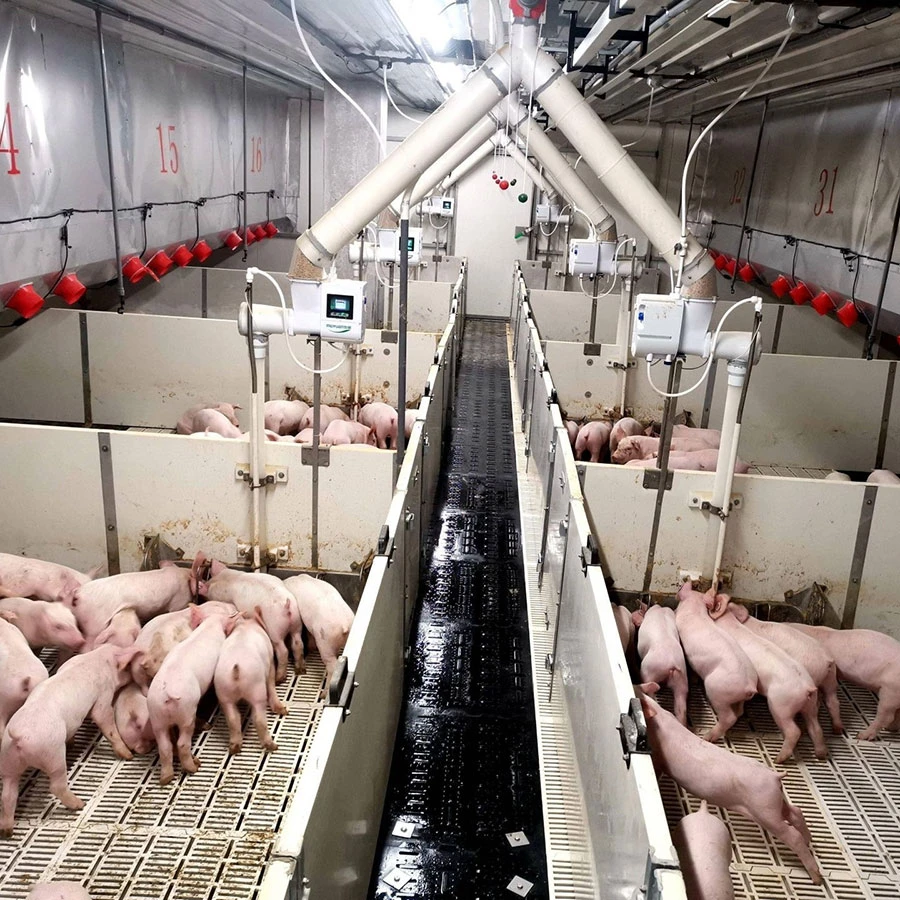
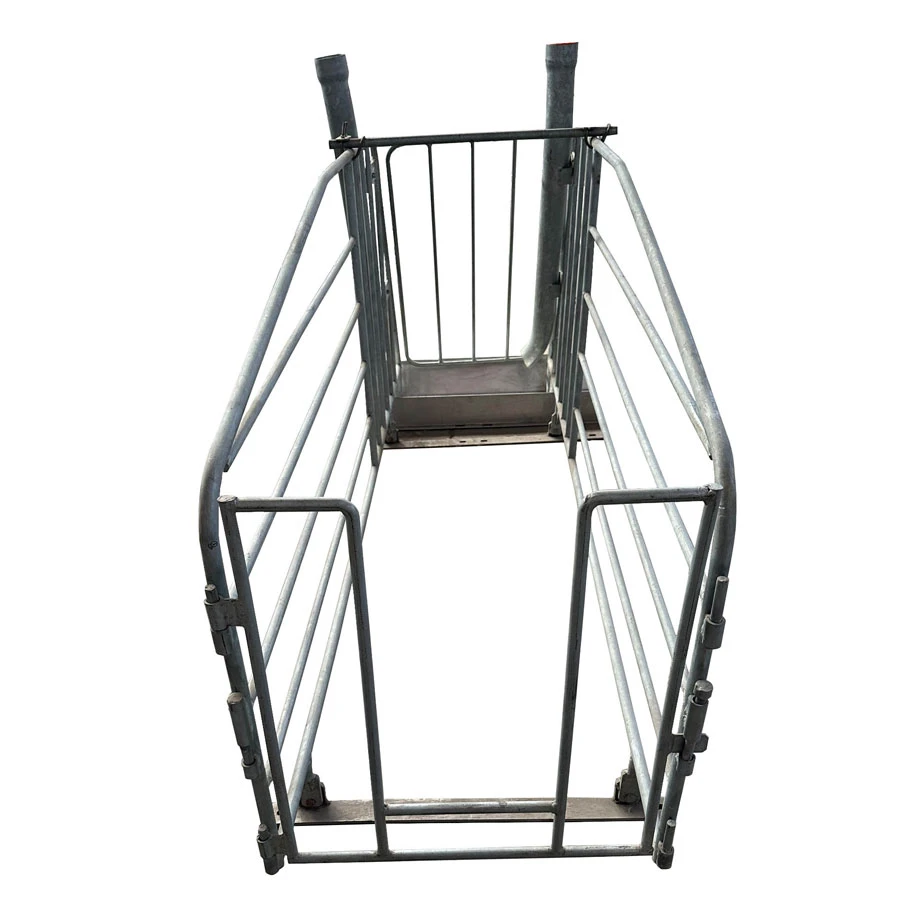
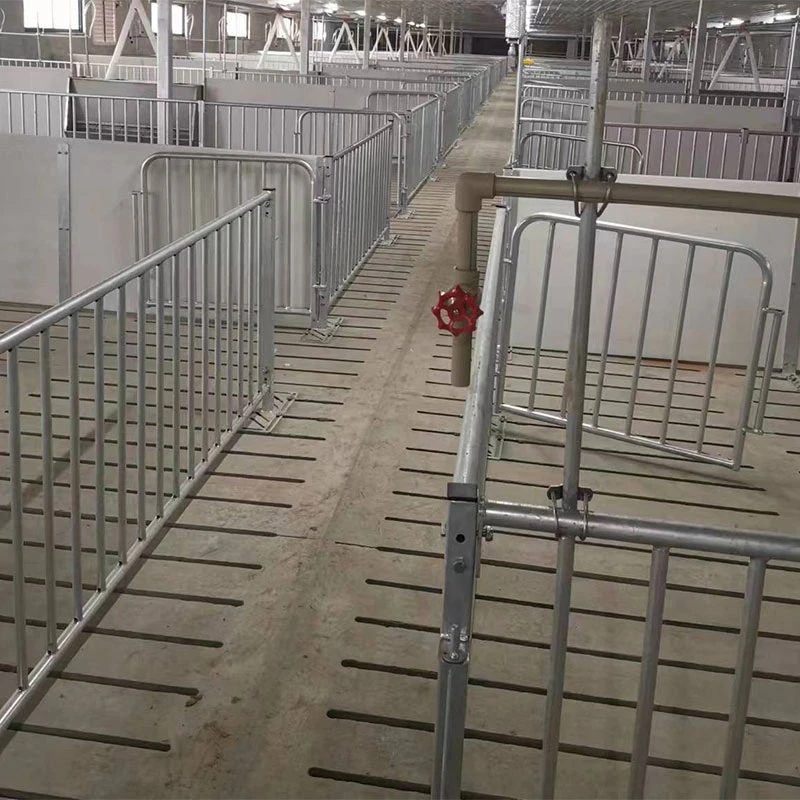
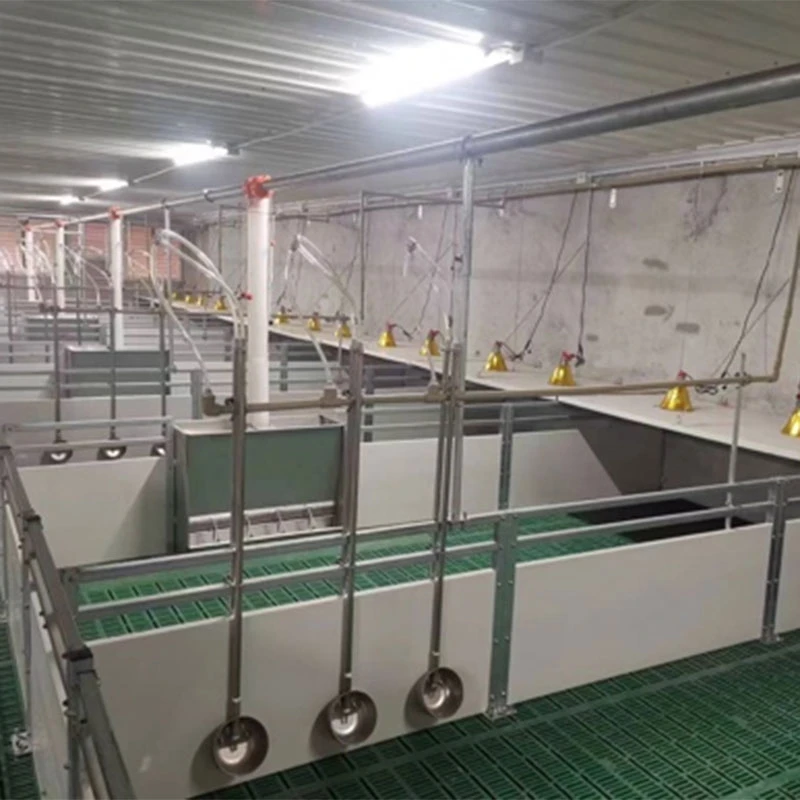
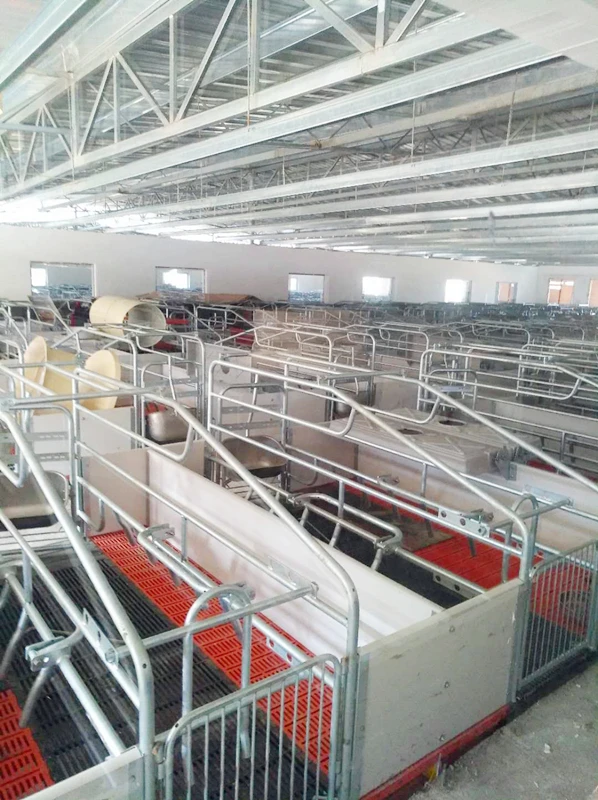
Now, for those unfamiliar, “gestation pens” specifically refer to the enclosures designed to house pregnant sows. Over the years, designs and materials have shifted due to welfare trends, space constraints, and of course, economics. I remember once touring a farm where the manager proudly showed me a batch of sows thriving in a newer modular pen system—it really struck me how upgrades can lift animal comfort without killing ROI.
What to look for in gestation pens?
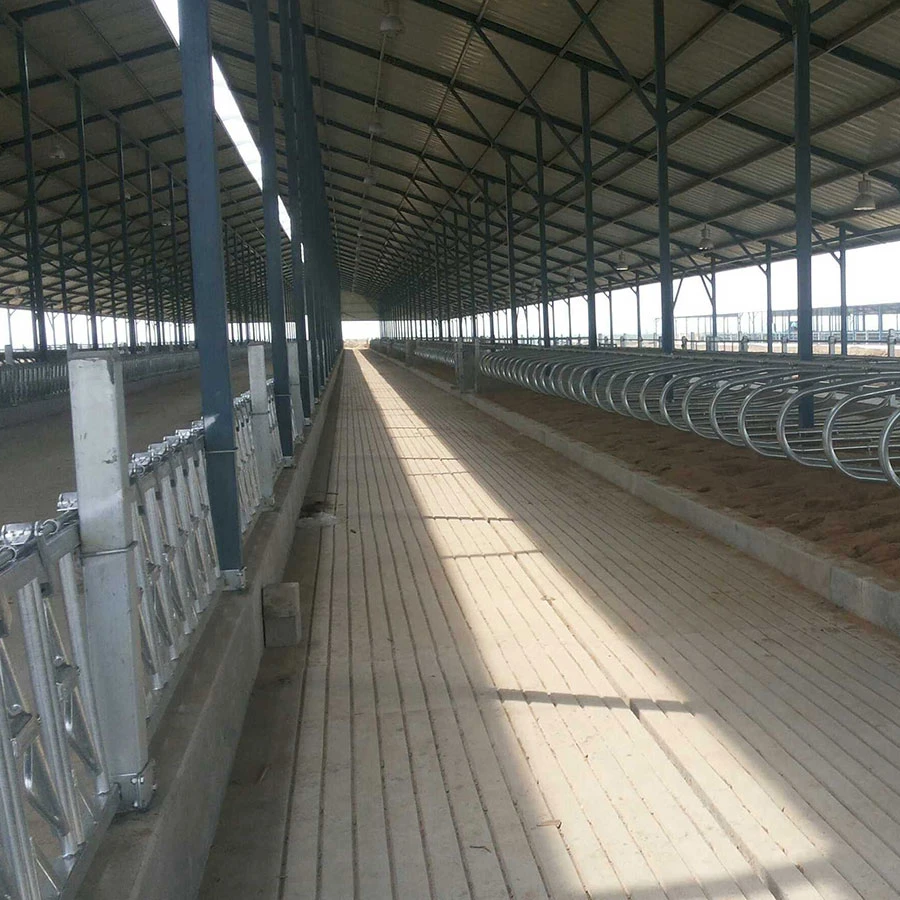
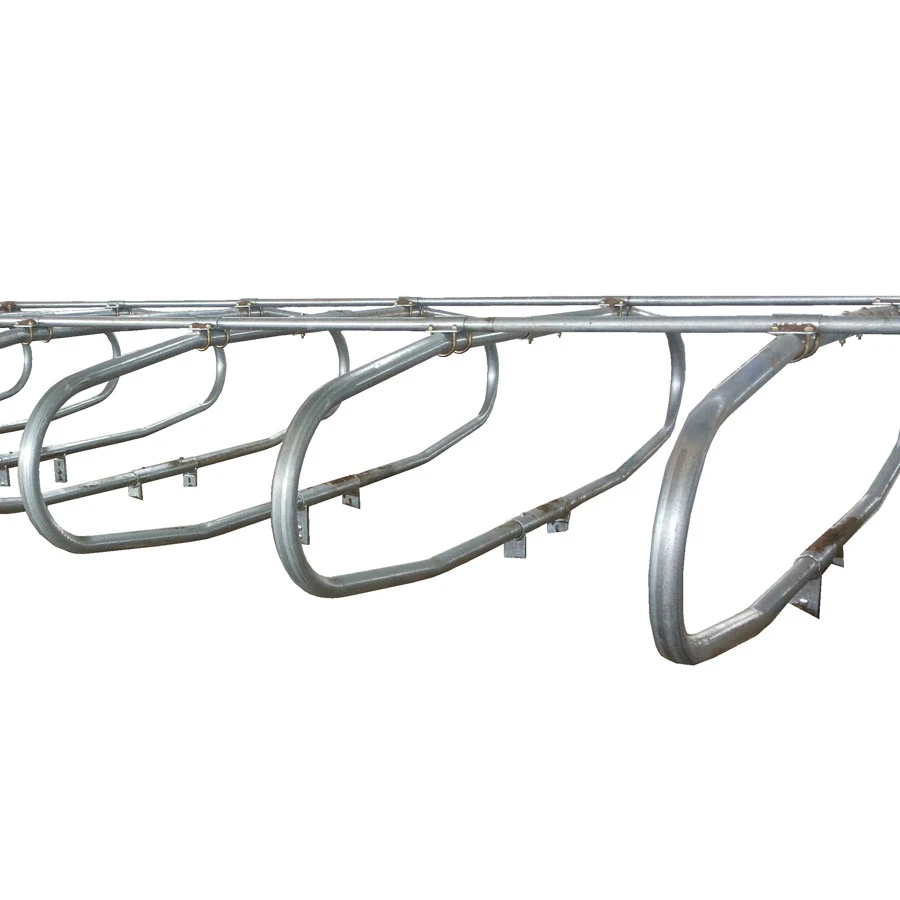
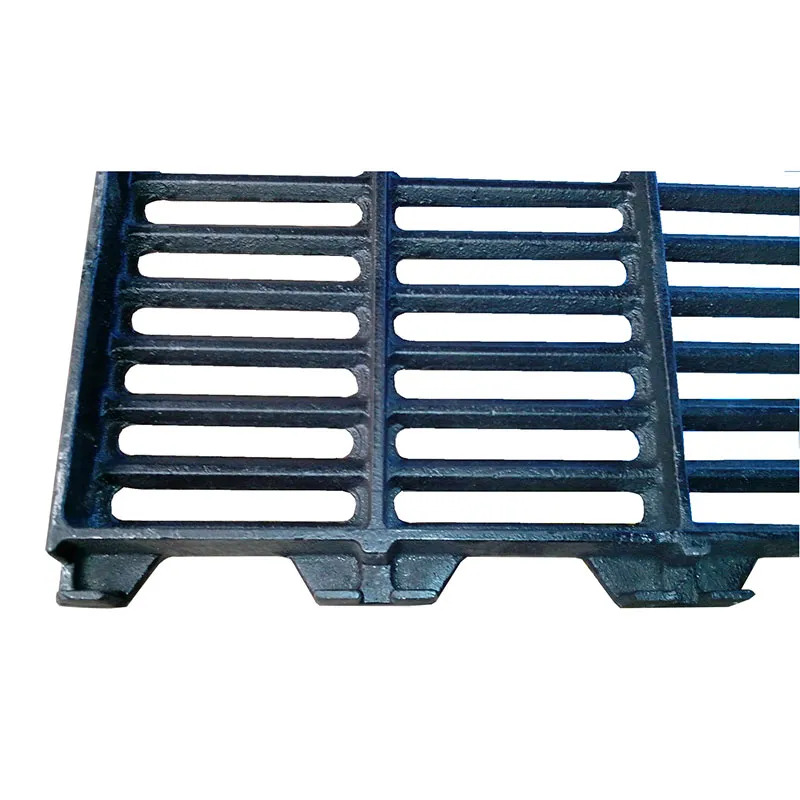
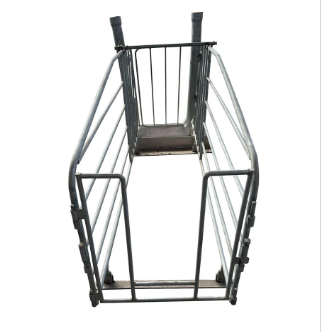
When selecting gestation pens, durability and comfort often top the list. Materials like galvanized steel are industry favorites for framing thanks to rust resistance and strength. The floor is another critical factor; slatted floors help with waste management, but their size and slip-resistance need careful balancing. Oddly enough, too large slats can cause hoof injuries, something many newcomers overlook.
In real terms, a good pen supports natural sow behavior. This means enough space for standing, lying down, and limited but essential movement—too restrictive, and you risk stress and associated reproductive issues.
| Specification | Typical Value | Notes |
|---|---|---|
| Material | Galvanized Steel Frame & Slatted Floor | Rust-resistant for longevity |
| Pen Size | 1.8m x 2.4m (approx.) | Space to move & rest comfortably |
| Floor Slat Width | 20 - 25 mm | Balance hoof safety & waste drainage |
| Weight Capacity | Up to 300 kg per sow | Supports large breeds |
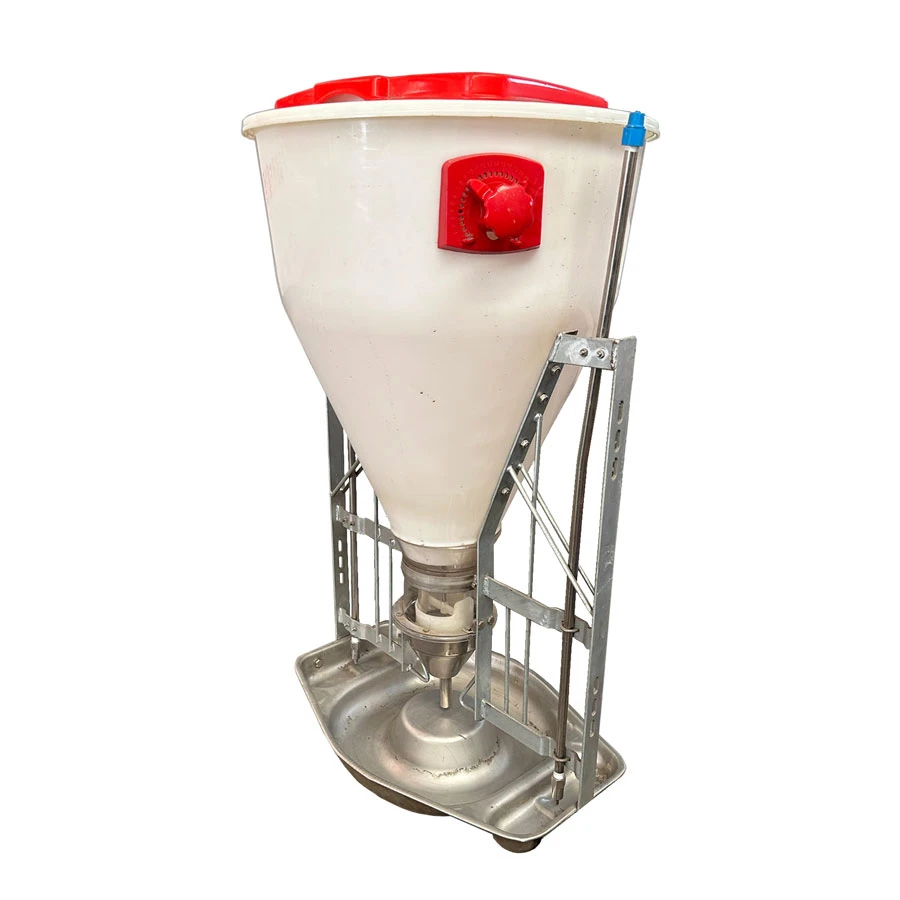
| Customization | Available on request | Add partitions, feeders, and water systems |
How do leading vendors stack up?
Choosing a vendor can get tricky. I recall a conference panel where three manufacturers shared their latest gestation pen innovations. Sort of enlightening, and frankly, makes it clear no one-size-fits-all exists.
| Vendor | Material Quality | Customization Options | Price Range | Delivery Time |
|---|---|---|---|---|
| CX Livestock | High-grade galvanized steel | Feeds, partitions, water bowls | $$$ (mid to high) | 3-4 weeks |
| FarmEquip Co. | Standard galvanized steel | Limited | $$ (budget) | 4-6 weeks |
| AgriModular | Premium coatings available | Extensive (modular layouts) | $$$$ (premium) | 2-3 weeks |
Oddly enough, some of the best feedback I’ve heard lately comes from smaller-size farms that opt for gestation pens for pigs from CX Livestock. They mention the balance of build quality and customization without the hefty price tag that sometimes comes with modular setups. One farmer I spoke with noted, “It feels like they actually listen to us – not just pushing a product, but tailoring solutions.” Always makes you stop and think about what ‘customer-oriented’ truly means.
Of course, all these vendors must comply with local animal welfare standards, and it’s encouraging that industry-wide, there’s this slow but steady push toward pens that encourage sow well-being—not just storage. I suppose that’s what keeps me interested after all these years: there’s always room for improvement.
One more thing I’d highlight is installation and after-support—don’t underestimate how much easier day-to-day operations can be with a vendor who provides solid setup guidance and responsive service.
If you’re considering an upgrade or starting fresh, ask yourself: what’s the optimal balance between cost, durability, and welfare that fits your operation? That's really the core question.
In my experience, the best bets have always come down to intelligent design backed by solid materials and a vendor who understands livestock challenges at the operational level. And, if you dig in a little, the difference shows not just in pig comfort but in productivity and management ease.
So next time you’re looking at gestation pens for pigs, it pays to lean on experience—and maybe a little hard-won wisdom from those who’ve walked the floors.
Takeaway: Good gestation pens aren't just equipment—they're quiet partners in your herd’s well-being and your operation's success.
- National Pork Board - Sow Welfare Guidelines, 2022
- Journal of Animal Science - Effects of Pen Design on Sow Behavior, 2019
- CX Livestock Product Manual, 2023
Post time: Jan . 05, 2026