Understanding Steel Mesh Flooring Panels: A B2B Deep Dive
Steel Mesh Flooring Panels are, frankly, becoming ubiquitous in a lot of industrial settings. It's not just about replacing old concrete, though that's a big part of it. It’s about safety, efficiency, and frankly, a long-term return on investment. We’ve been seeing increasing demand from sectors like agricultural processing, food and beverage, and even some surprisingly niche areas like vertical farming. You know, places where sanitation and drainage are critical. This article dives into why businesses are choosing these panels, and why CX Livestock focuses on delivering high-performance solutions.
Table of Contents
- Steel Mesh Flooring Panels Overview
- Benefits & Use Cases of Steel Mesh Flooring Panels
- Cost, Maintenance & User Experience
- Sustainability & Market Trends
Steel Mesh Flooring Panels Overview
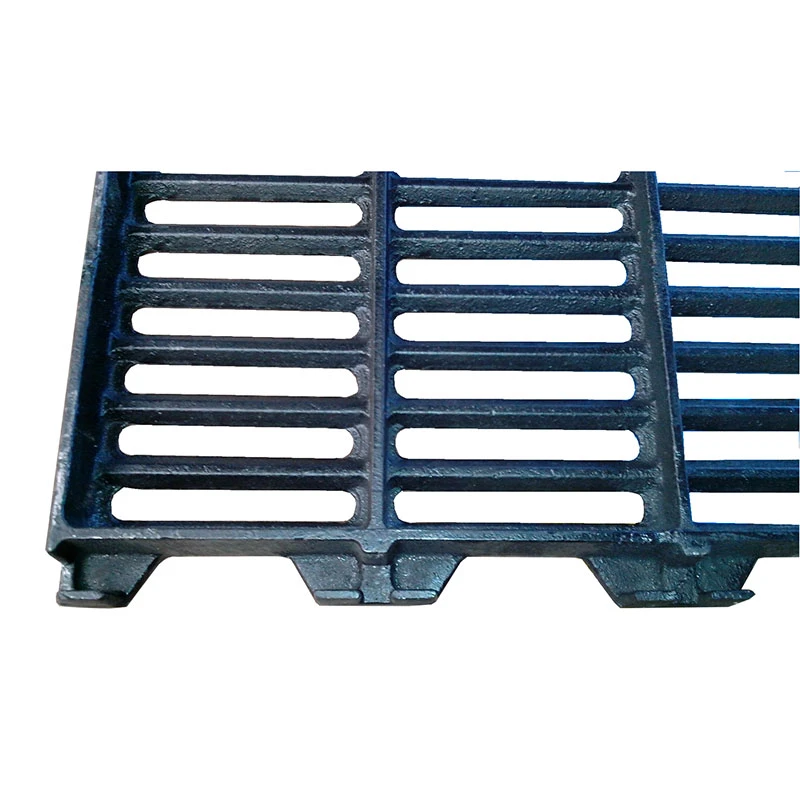
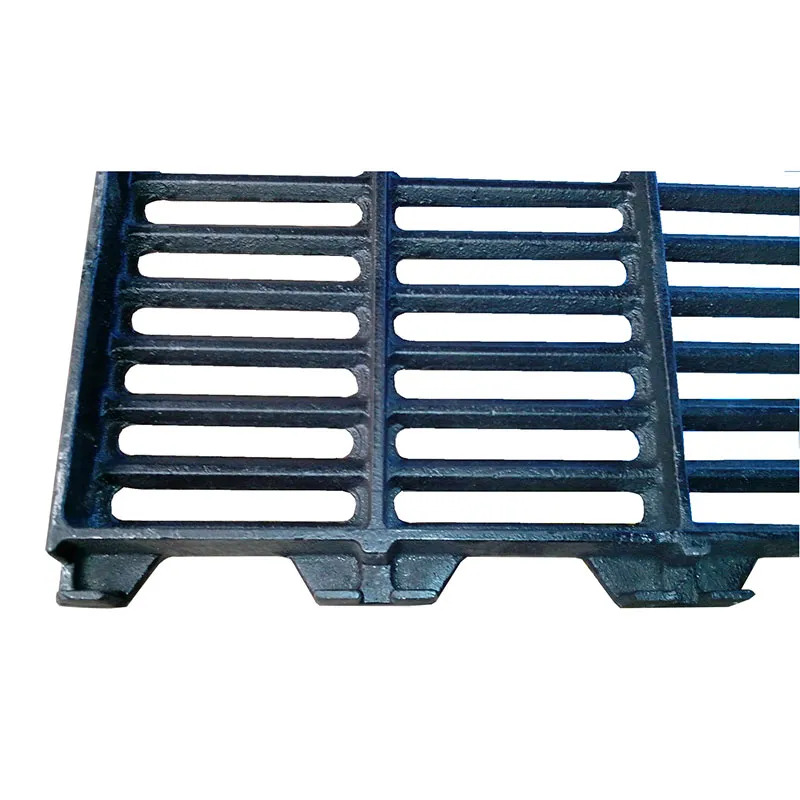
These panels aren't just flat metal grids, I suppose. They’re engineered systems. Typically constructed from carbon steel, often with a hot-dip galvanized finish for corrosion resistance, the design is crucial. The mesh size, bar thickness, and overall panel dimensions are all configurable. We see a lot of customization requests. What’s interesting is how the welding process—particularly the type of weld and the quality control—directly impacts the load-bearing capacity. It’s a deceptively simple product, but a lot goes into getting it right. Here's a quick look at some typical specs:
| Specification | Value | Units |
|---|---|---|
| Material | Carbon Steel (typically ASTM A36) | - |
| Mesh Size | Variable (e.g., 2” x 2”, 4” x 4”) | inches |
| Bar Thickness | 1/4”, 3/8”, 1/2” | inches |
| Load Capacity | Variable (dependent on design) | lbs/sq ft |
Benefits & Use Cases of Steel Mesh Flooring Panels
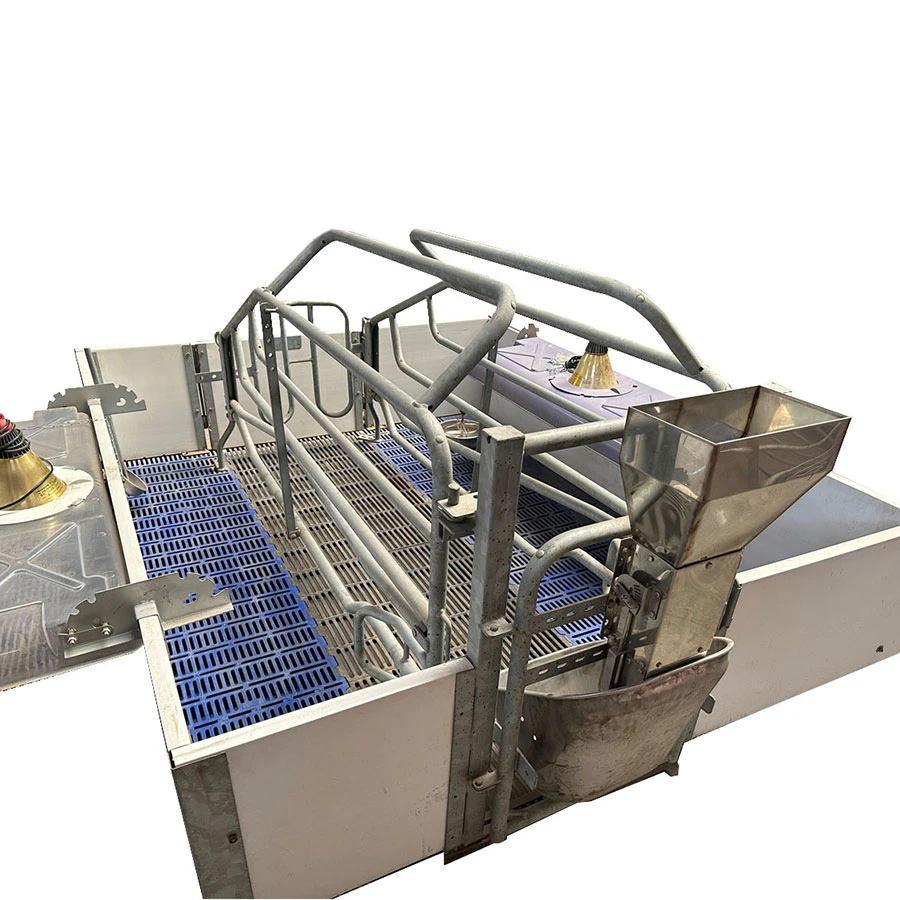
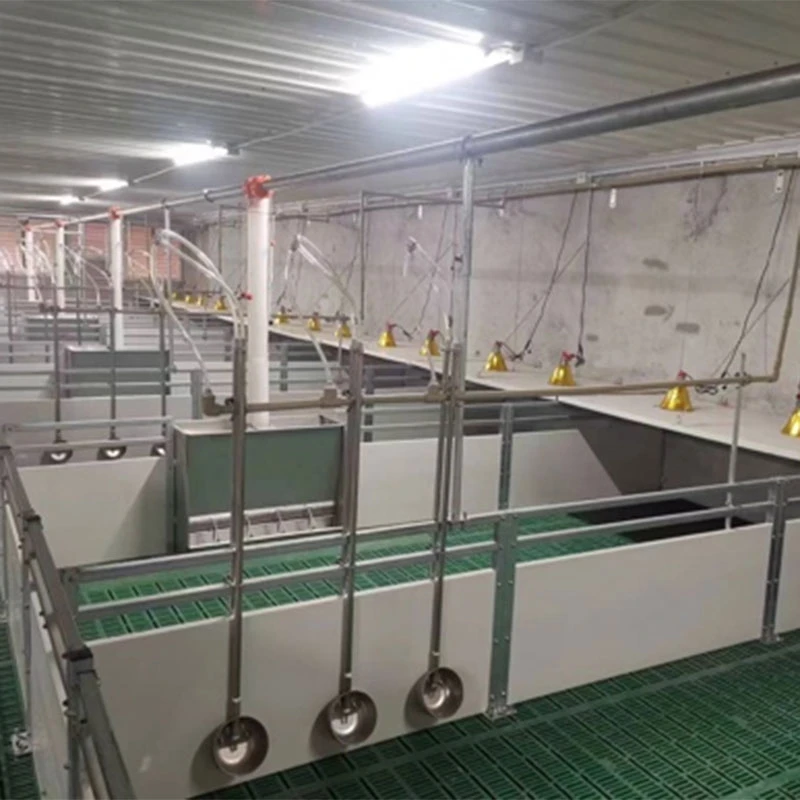
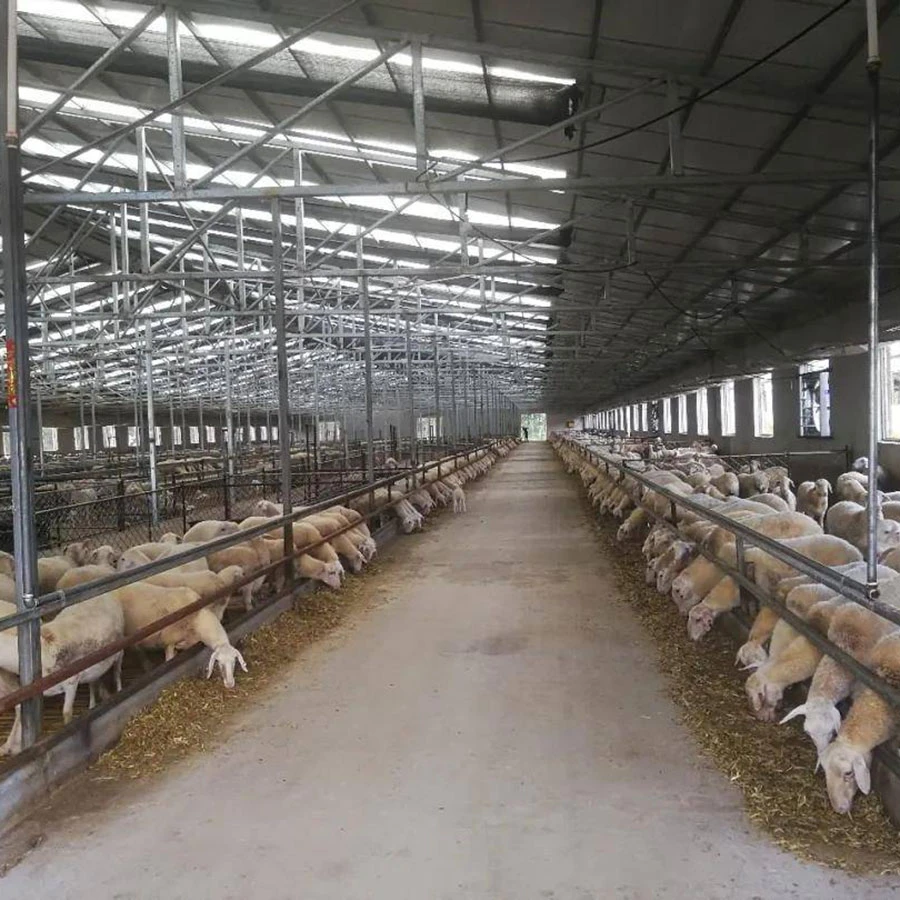
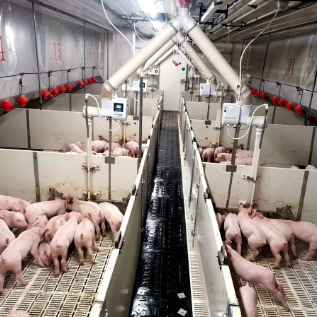
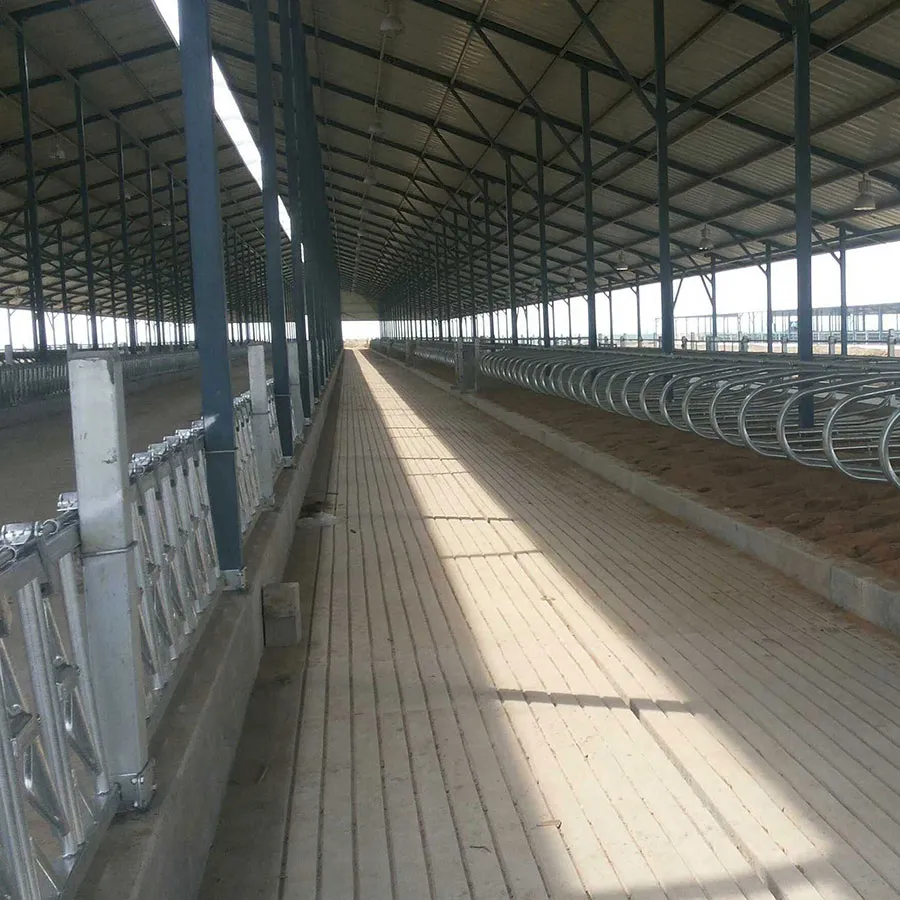
The benefits are pretty straightforward – drainage, ventilation, and a non-slip surface. But the applications are wider than you might think. Food processing plants love them for hygiene. They're easy to clean, allow liquids to drain quickly, and reduce the risk of contamination. Agricultural facilities use them for animal walkways—it’s much better for animal welfare than concrete, frankly. We’ve also done quite a bit of work with wastewater treatment plants, where corrosion resistance is paramount. Oddly enough, we’re seeing more requests for mezzanine flooring in warehouses and distribution centers. It feels like people are just realizing how adaptable they are.
Cost, Maintenance & User Experience
Initial cost can be higher than some alternatives—like poured concrete—but the total cost of ownership is often lower. Less maintenance, longer lifespan, and reduced downtime all add up. We had a client, a large poultry processing plant, who replaced their concrete flooring with our panels. They estimated a reduction in cleaning time of about 20%, which translated into significant labor savings. Maintenance is largely limited to periodic inspections and, if necessary, re-galvanizing in particularly harsh environments. Here’s a quick vendor comparison:
| Vendor | Pricing (approx.) | Lead Time | Customization |
|---|---|---|---|
| CX Livestock | $8 - $15 / sq ft | 2-4 weeks | High |
| MegaGrid Flooring | $7 - $12 / sq ft | 3-5 weeks | Medium |
| SteelFloor Solutions | $9 - $16 / sq ft | 2-6 weeks | Medium-High |
Sustainability & Market Trends
Steel is, of course, recyclable, which is a big plus from a sustainability standpoint. Many engineers say there’s a growing emphasis on life-cycle assessments when selecting materials, and steel scores well there. The market is definitely growing, driven by the increasing demand for hygienic and durable flooring in various industries. I suppose we’ll see more innovation in terms of coatings and alloys to further enhance corrosion resistance and reduce maintenance requirements. Regulations around workplace safety and sanitation are also playing a role—it’s just becoming harder to justify using materials that don’t meet those standards.
Frequently Asked Questions about Steel Mesh Flooring Panels
- What is Steel Mesh Flooring Panels and how does it work?
- Steel mesh flooring panels are constructed from interconnected metal bars, typically welded together to form a rigid grid. This grid structure provides a durable, well-drained, and slip-resistant surface suitable for a variety of industrial applications.
- What are the main benefits of using Steel Mesh Flooring Panels in industrial applications?
- The core benefits include enhanced safety due to slip resistance, superior drainage and ventilation, easy cleaning and maintenance, high load-bearing capacity, and long-term durability, leading to reduced lifecycle costs.
- How does Steel Mesh Flooring Panels compare to traditional alternatives?
- Compared to concrete, steel mesh offers better drainage and ventilation, is lighter weight, and requires less downtime for installation and repairs. Compared to wood, steel mesh is more durable, fire-resistant, and resistant to rot and pests.
- What industries can benefit most from Steel Mesh Flooring Panels implementation?
- Key industries include food and beverage processing, agriculture, wastewater treatment, chemical processing, oil and gas, and manufacturing, as well as applications in warehousing and mezzanine floors.
Conclusion on Steel Mesh Flooring Panels
Ultimately, steel mesh flooring panels offer a robust and adaptable solution for a surprisingly wide range of industrial needs. They’re not the cheapest upfront, but the long-term benefits—in terms of safety, hygiene, and reduced maintenance—make them a smart investment. Visit our website: https://www.cxlivestock.com to explore our range of products.
- Investing in quality flooring pays dividends.
Post time: Jan . 26, 2026