The Unsung Backbone of Pig Farming: Understanding Farrowing Crate Design
Whether you’re a seasoned livestock farmer or just curious about agricultural innovations, the term farrowing crate design probably sounds a bit technical at first. In simple terms, it’s about the way farmers create safe, efficient spaces for sows (mother pigs) to give birth and care for their newborn piglets. But beyond that, it’s a fascinating intersection of animal welfare, productivity, and even global food security.
Globally, pig farming amounts to nearly 120 million tons of pork every year according to the Food and Agriculture Organization (FAO). The design of farrowing crates plays a crucial role in ensuring piglet survival, improving sow comfort, and minimizing losses. If you've never given much thought to it, understanding this niche innovation really highlights how human ingenuity meets agricultural need.
Why Farrowing Crate Design Matters Globally
Now here’s the thing: pigs aren’t just backyard animals. They’re a priority food source in many parts of the world—from Europe to Asia, to parts of the Americas. The UN’s latest reports show pork remains the most consumed meat globally, with rising demand especially across China and Southeast Asia. This demand puts pressure on farming systems to be both sustainable and humane.
Enter farrowing crate design. These crates reduce piglet crushing—a tragic but common problem where piglets get accidentally smothered by their mother. The design challenge is balancing enough room for the sow’s natural behaviors and ensuring piglet safety. Crafting that delicate balance isn’t simple, which is why farrowing crate designs vary widely across regions and farms.
What Is Farrowing Crate Design, Exactly?
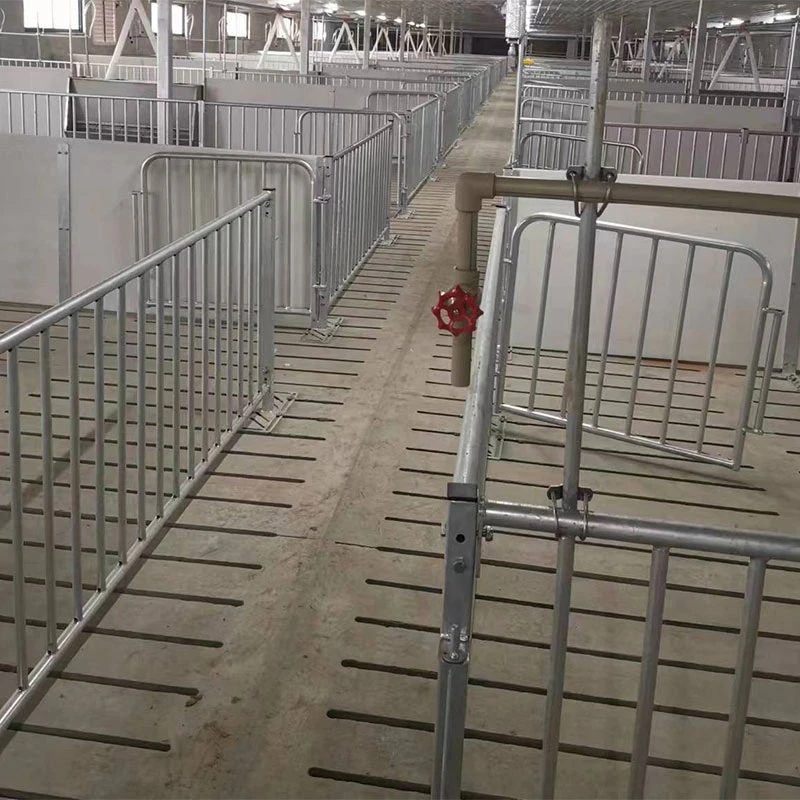
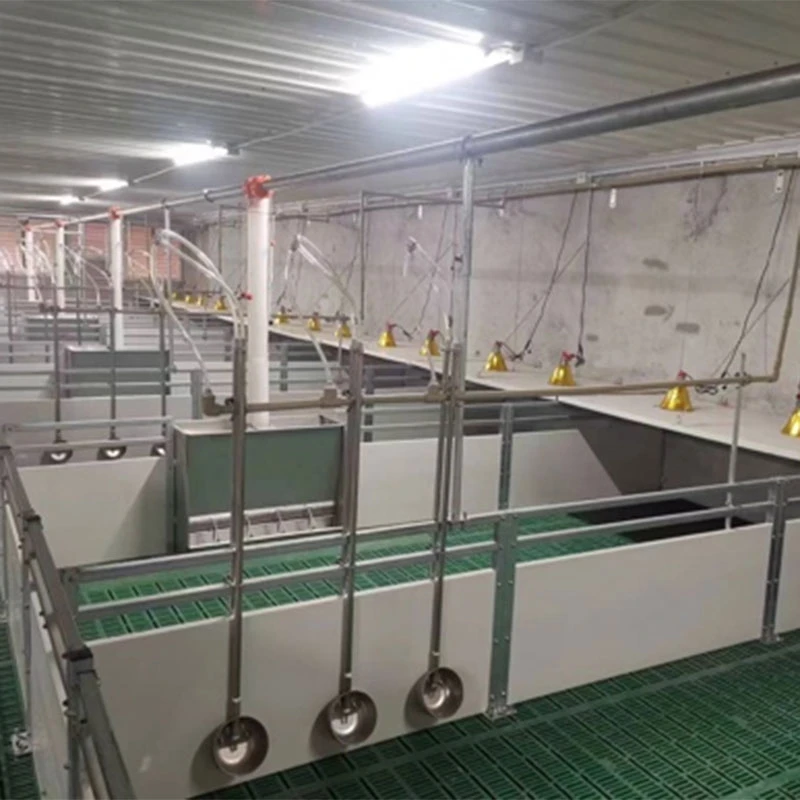
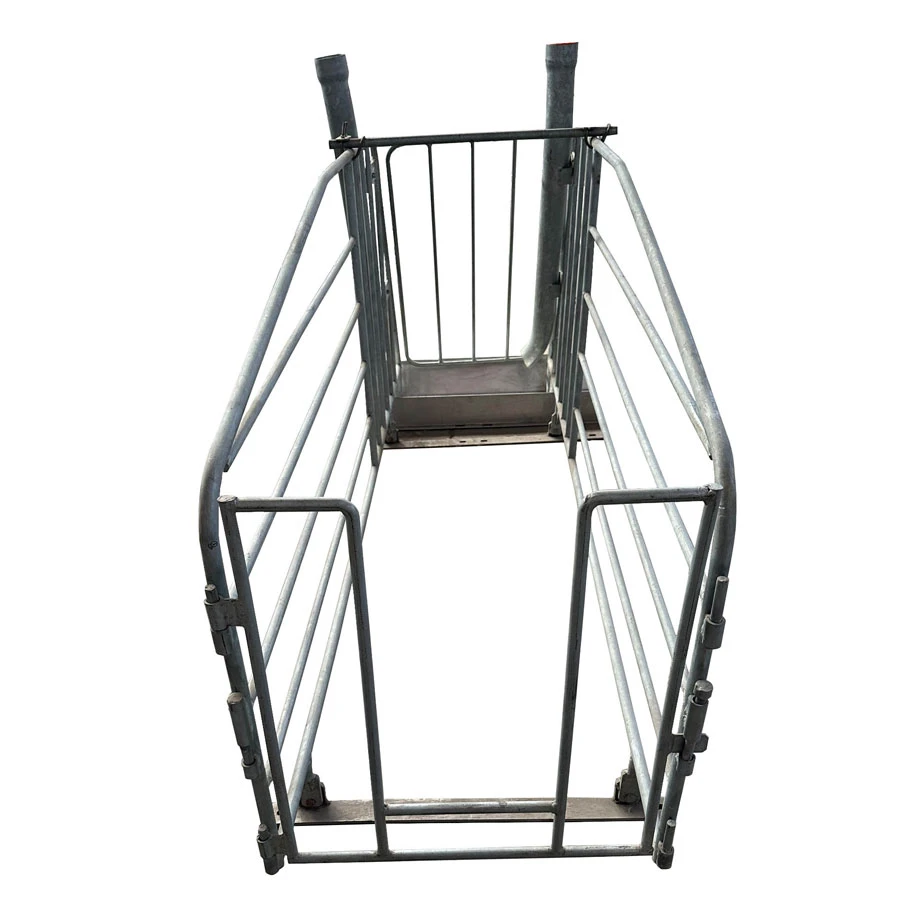
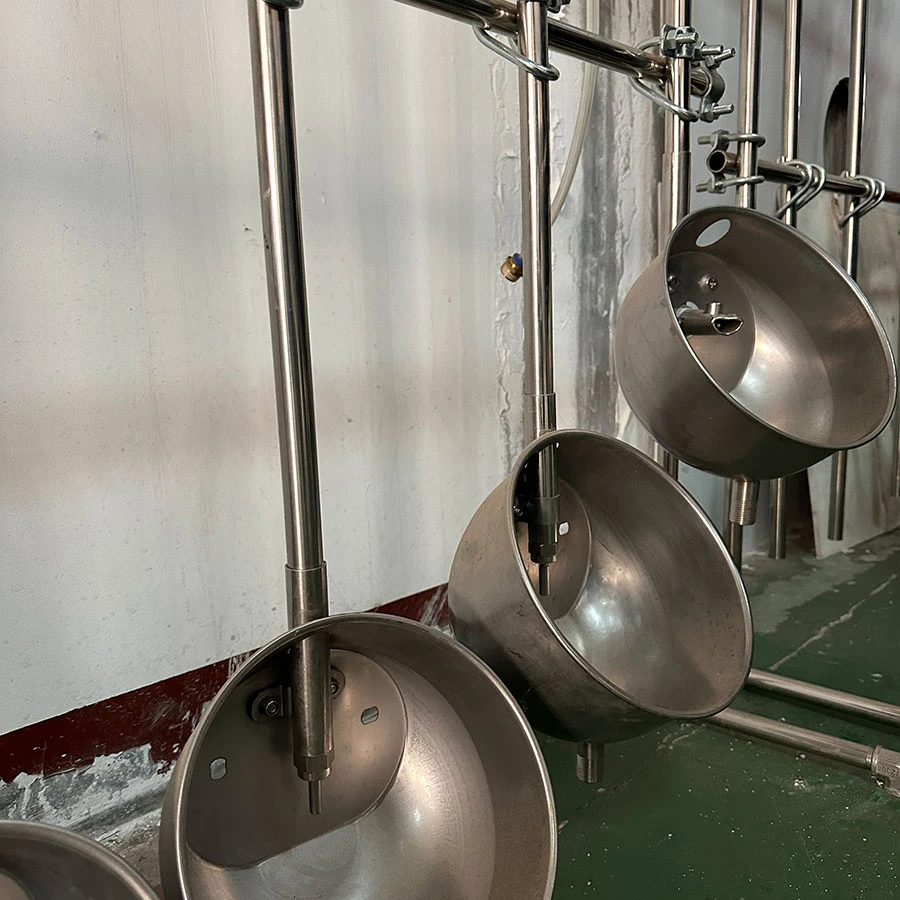
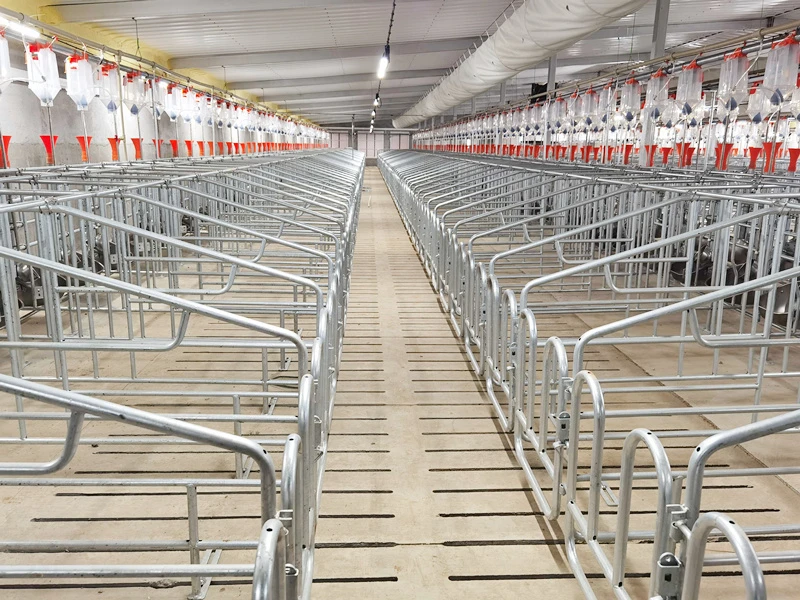
Simply put: a farrowing crate is a metal or plastic enclosure where a sow is confined during the critical period surrounding birth. This enclosure limits the sow’s movement to prevent accidental injury to piglets but provides access to food, water, and a dedicated nesting area.
The design of these crates isn’t just about boxes and bars. It is a thoughtful integration of animal welfare science, ergonomic construction, and sometimes even digital monitoring—all structured around modern livestock husbandry practices.
Core Components of Modern Farrowing Crate Design
1. Safety and Piglet Protection
The biggest concern is obviously the piglets’ safety. The structure must prevent crushing but also allow piglets easy movement and access to warmth.
2. Sow Comfort and Welfare
Confine too much, and sows suffer from stress and physical discomfort, risking lower birth rates. Modern designs include padded bars or adjustable partitions for comfort.
3. Durability and Hygiene
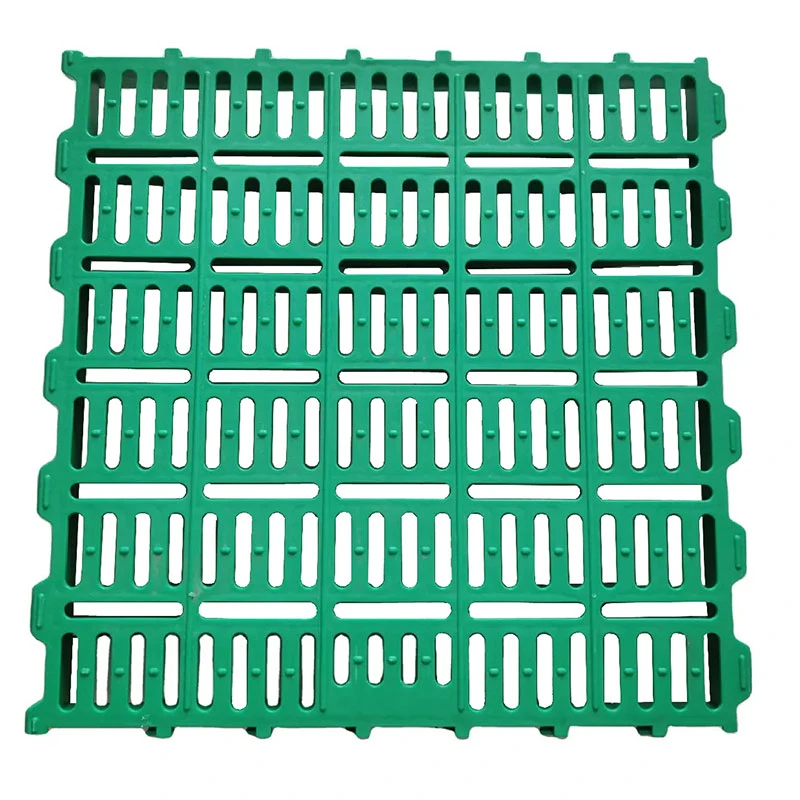
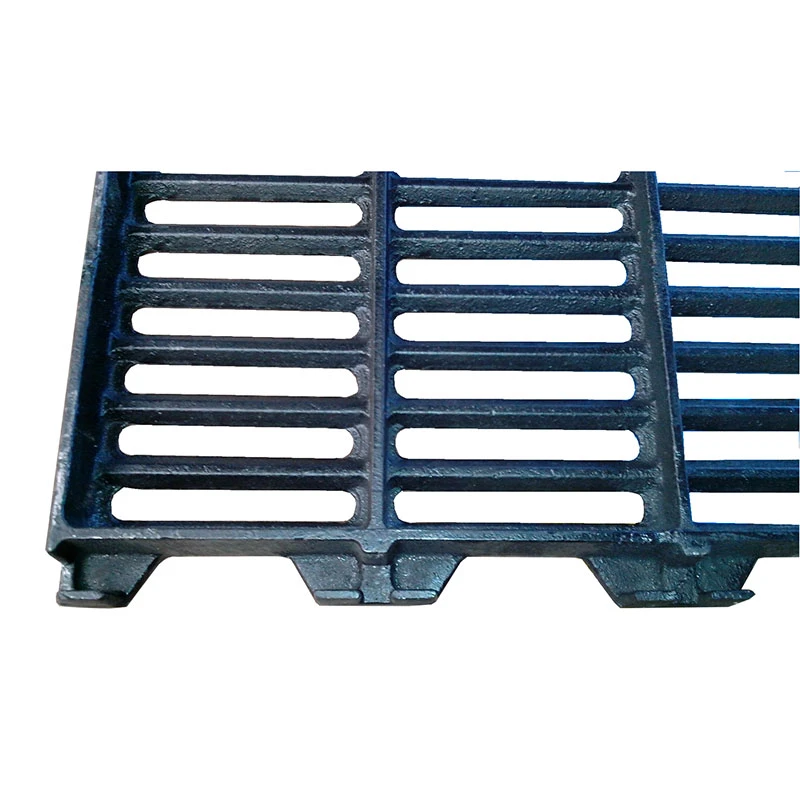
Given daily exposure to moisture, waste, and cleaning chemicals, materials must resist corrosion and be easy to clean to maintain animal health.
4. Scalability and Cost-Efficiency
Farms vary dramatically—from smallholder setups in rural Asia to industrial mega-farms in Europe—so farrowing crate designs must be scalable and affordable to suit various sizes and budgets.
5. Integration with Technology
Some state-of-the-art crates now incorporate sensors for temperature or sow behavior, helping farmers intervene at the right times.
Real-World Applications: Across Continents and Contexts
This isn’t just a Western industrial thing anymore. In Vietnam, small and medium pig farms use improved crate designs to boost piglet survival rates by as much as 15%. In the EU, regulations have pushed farrowing crates toward more humane, “loose housing” designs, blending confinement and freedom for the sow. African livestock cooperatives benefit from affordable, durable crate models that reduce piglet mortality, improving income stability.
So next time you think of “crate design,” picture this: a mix of regional needs, budgets, climate challenges, and welfare priorities—each influencing the final form.
Advantages That Go Beyond Production
One obvious benefit is the improved survival rate of piglets. According to livestock research centers, farms with optimized farrowing crate designs reduce piglet mortality by around 20%. That’s a big win economically and ethically.
Environmental gains are also emerging. Easier cleaning and waste control mean fewer pathogens, less antibiotic use, and better overall sustainability. For the farmer, this translates to long-term trust with consumers and regulators alike.
Mini Takeaway
- Designs focused on safety improve piglet survival and reduce losses.
- Balancing sow comfort reduces stress-induced complications.
- Durability and hygiene contribute to sustainability and costs.
Technical Specifications at a Glance
| Specification | Typical Feature | Notes |
|---|---|---|
| Material | Galvanized steel with PVC coating | Corrosion-resistant; easy to clean |
| Dimensions | 2.1 m (length) × 0.6 m (width) | Optimized for medium-sized sows |
| Piglet creep area | 0.8 m × 0.6 m heated section | Keeps piglets warm and safe |
| Adjustability | Side panels adjustable for sow size | Improves welfare across breeds |
| Weight Capacity | Up to 350 kg per crate | Suitable for fully grown sows |
Comparing Farrowing Crate Vendors: A Quick Overview
| Vendor | Material Quality | Price Range | Customization | Tech Integration |
|---|---|---|---|---|
| AgriCrate Solutions | High-grade galvanization | $$$ | Fully customizable sizes & coatings | Yes, with sensors |
| FarmBuild Inc. | Standard galvanized steel | $$ | Limited | No |
| EcoPig Systems | Recycled composite materials | $$$ | Moderate | Partial — temp control only |
Innovations Shaping the Future of Farrowing Crate Design
It feels like this sector is quietly buzzing with innovation. Manufacturers experiment with biodegradable plastics and smart monitoring systems to reduce environmental impact and boost productivity. Automation, one might say, is slowly filtering in: ambient sensors alert farmers if piglets stray or sows behave unusually—potentially averting tragedy.
Add the push for sustainability: farrowing crates that use solar-powered heating pads, or modular designs that are easy to relocate, fit the global shift toward greener, more flexible agriculture.
Challenges & How They're Being Tackled
Despite the advantages, criticism remains. Animal welfare advocates argue traditional crate designs restrict sows’ natural behaviors. The challenge is designing crates that protect piglets yet don’t feel like prisons. Trials with “loose housing” systems show promise but often require bigger investments and changes at the farm level.
Cost and regional infrastructure also pose challenges; many smallholders can’t afford high-tech crates, pushing for simpler, effective solutions instead.
FAQs About Farrowing Crate Design
Q1: Why are farrowing crates necessary in the first place?
Farrowing crates mainly protect newborn piglets from being accidentally crushed by the sow. They also make feeding and care more manageable. Without them, piglet mortality can be significantly higher.
Q2: Can farrowing crate designs be adjusted for different sow sizes?
Yes, modern crates often have adjustable panels and widths to accommodate various breeds and sizes—an important factor in optimizing welfare and preventing injury.
Q3: Are there alternatives to farrowing crates that balance animal welfare?
Alternatives like “loose housing” give sows more freedom but require more space and close monitoring. They’re gaining traction particularly in Europe but aren’t always feasible for all farm types yet.
Q4: How important is material choice in farrowing crate durability?
Critical! Materials that resist corrosion and are easy to clean reduce disease and extend crate life—saving money and protecting animal health.
Wrapping It Up: The Quiet Efficiency of Farrowing Crate Design
From reducing piglet losses to pushing for humane farming, the design of farrowing crates quietly touches many global goals—food security, sustainability, and animal welfare. It’s a grounded reminder that sometimes the simplest innovations have the most lasting impact.
Curious to see how the latest trends in farrowing crate design can work for your farm or operation? Visit our site to explore product options, expert advice, and vendor certifications — because good innovation deserves good exposure.
Mini Takeaway
- Farrowing crate design balances sow welfare and piglet safety across global settings.
- Material choice, adjustability, and tech integration drive modern solutions.
- Sustainable, innovative approaches are shaping the industry’s future.
References
Post time: Dec . 02, 2025