Understanding Agricultural Feed Bins: A Comprehensive Guide
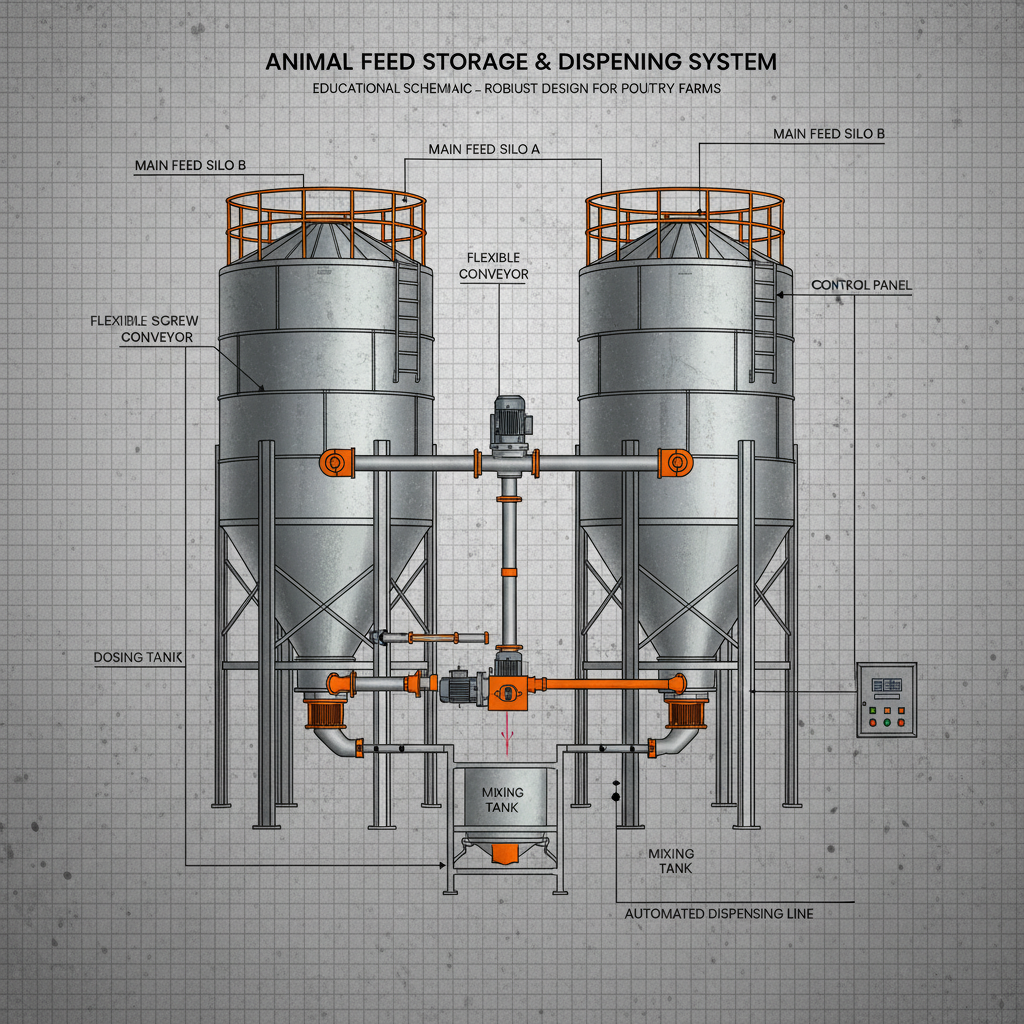
Efficient and safe storage of agricultural feed is crucial for livestock health and farm profitability. Agricultural feed bins are essential components of any successful farming operation. This article provides an in-depth look at feed bins, covering their types, benefits, choosing the right bin for your needs, and important considerations for maintenance and safety. Ensuring the quality and accessibility of your feed directly impacts your livestock’s well-being and your farm’s bottom line.
Types of Agricultural Feed Bins
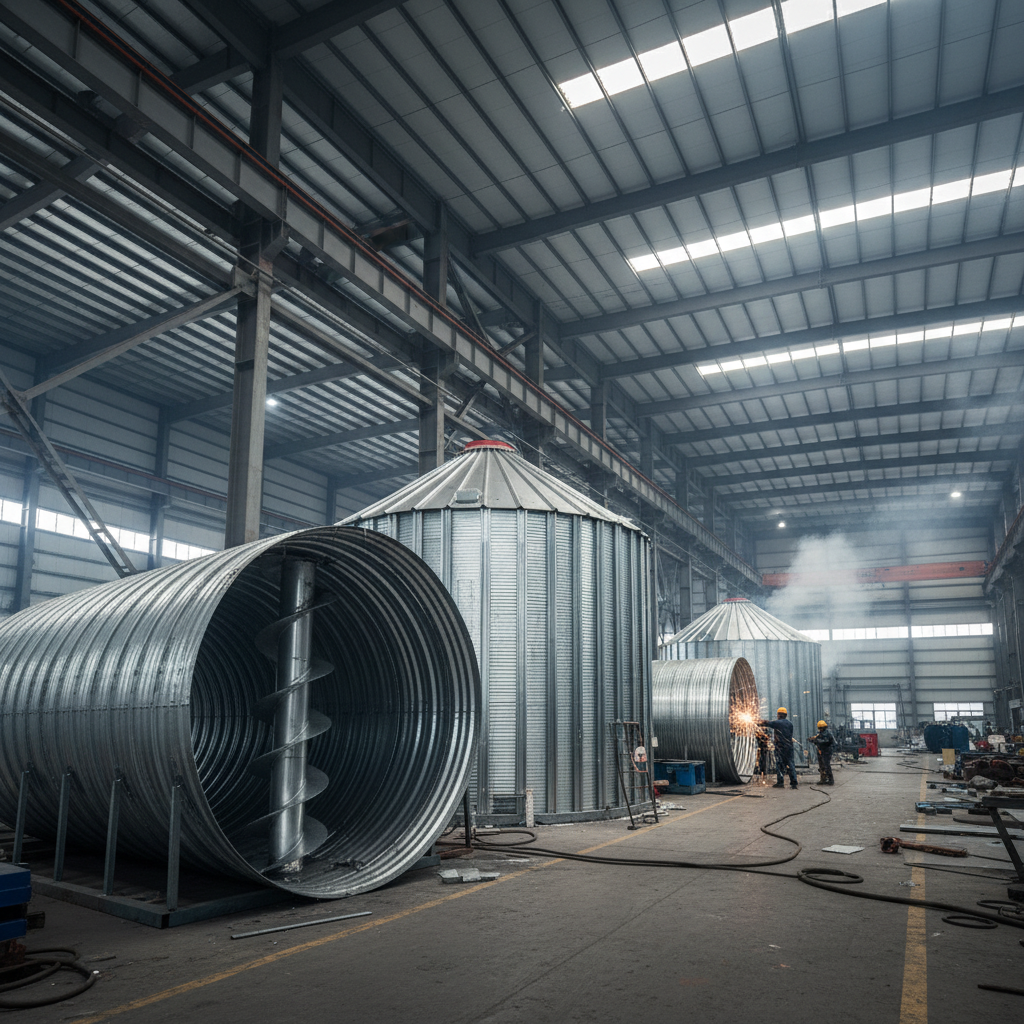
Agricultural feed bins come in various materials and configurations, each with its own advantages and disadvantages. Common types include steel bins, plastic bins, and concrete bins. Steel bins are incredibly durable and offer excellent protection against pests. Plastic bins are lighter and more cost-effective but may not be as robust. Concrete bins provide long-lasting storage but can be expensive and difficult to install. Understanding these differences is key to selecting the right solution for your farm. The best type depends on the volume of feed, your budget, and the specific needs of your livestock.
Key Takeaway: Choosing the right material depends on your budget, feed volume, and desired lifespan of the bin. Steel provides superior durability, plastic offers cost-effectiveness, and concrete ensures long-term storage.
Benefits of Using Agricultural Feed Bins
Investing in proper feed storage solutions offers significant benefits. Feed bins protect your feed from the elements – rain, snow, and sunlight – preventing spoilage and mold growth. They also safeguard against pests like rodents and insects, which can contaminate the feed and spread disease. Furthermore, bins allow for efficient feed management, making it easier to monitor quantities and ensure a consistent supply for your animals. Properly stored feed maintains its nutritional value, directly contributing to healthier, more productive livestock.
Key Benefits:
• Protects feed from weather and pests
• Maintains feed quality and nutritional value
• Enables efficient feed management
• Reduces feed waste and costs
Choosing the Right Agricultural Feed Bin: Capacity and Features
Selecting the appropriate feed bin requires careful consideration of your farm’s specific needs. Capacity is paramount – calculate the amount of feed you typically store based on your livestock numbers and feeding schedules. Look for features like ease of filling and dispensing, durable construction, and weather-resistant seals. Consider whether you need a bin with a sloped bottom for easier flow or one with a removable lid for convenient access. CX Livestock offers a range of feed bins to suit various farm sizes and requirements.
Installation and Maintenance of Your Feed Bin
Proper installation is vital for the longevity and functionality of your feed bin. Ensure the bin is placed on a level surface and secured appropriately to prevent tipping. Regular maintenance, including cleaning and inspection, is also crucial. Check for rust, dents, or any signs of damage. Inspect seals and lids to ensure they are airtight. Promptly address any issues to prevent further deterioration and maintain the quality of your feed. Follow the manufacturer’s recommendations for specific maintenance procedures.
Safety Considerations When Using Agricultural Feed Bins
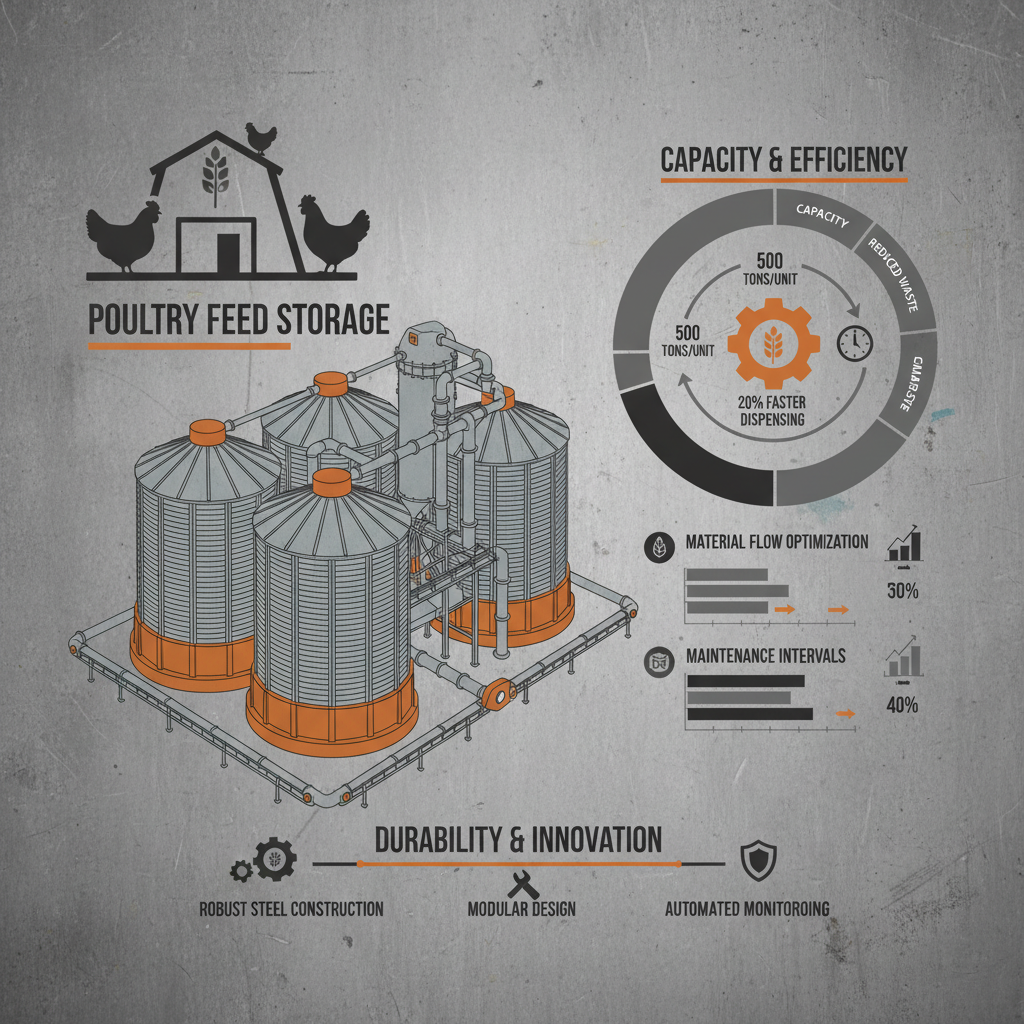
Safety should always be a top priority. Never overfill a feed bin, as this can create instability and increase the risk of tipping. Be cautious when accessing the bin, using appropriate ladders or platforms. Avoid climbing on top of the bin. Implement a regular pest control program to prevent rodent infestations. Finally, always follow the manufacturer’s safety guidelines.
Conclusion: Investing in Quality Feed Storage
Choosing the right agricultural feed bins is a crucial investment for any farm. By considering your farm’s size, livestock needs, and budget, you can select a bin that provides efficient, safe, and reliable feed storage. Proper installation, maintenance, and adherence to safety guidelines will ensure that your feed bins contribute to the long-term health and productivity of your livestock.
Frequently Asked Questions (FAQs)
What materials are agricultural feed bins typically made from?
Agricultural feed bins are most commonly made from steel, plastic, or concrete. Steel bins are known for their durability and pest resistance, making them a popular choice for larger farms. Plastic bins are lighter and more affordable, suitable for smaller operations or temporary storage. Concrete bins offer long-term durability but can be more expensive and require professional installation. The best material depends on your specific needs and budget, with each offering distinct advantages and disadvantages in terms of cost, durability, and maintenance.
How do I calculate the right feed bin capacity for my farm?
To determine the appropriate feed bin capacity, start by calculating your daily feed consumption for all livestock. Multiply this daily amount by the number of days you want to store feed for. Then, add a buffer for unexpected events or delays in feed delivery. Consider also the space available on your farm and the potential for future expansion when choosing a bin size. CX Livestock can help you accurately calculate your storage needs and recommend the optimal bin size.
What are the key safety precautions when using feed bins?
Safety is paramount when working with feed bins. Never overfill a bin, as this can create instability. Use appropriate ladders or platforms for access, and avoid climbing on the bin itself. Implement a pest control program to prevent rodent infestations. Ensure the bin is properly secured to prevent tipping. Finally, always follow the manufacturer's safety guidelines and wear appropriate personal protective equipment (PPE) when handling feed.
Post time: Mar . 31, 2026