Understanding Slatted Floor Price: Why It Matters in Today’s Global Markets
When I first stumbled across the term slatted floor price, I thought it was just about flooring — you know, prices for slatted wood floors or something. But it’s surprisingly a lot more nuanced, especially if you’re involved in agriculture, livestock, or modular housing sectors worldwide. This phrase encapsulates the cost considerations around slatted floors, which are those panels with narrow gaps used mostly in animal housing or industrial flooring systems. The price you pay reflects quality, durability, materials, and sometimes even custom engineering — it’s not just “a floor.”
Globally, as industries like farming and automated housing evolve, understanding slatted floor pricing helps businesses optimize costs, improve animal welfare, and even push sustainability goals. For NGOs, farms, or construction companies, knowing what factors impact these prices can make a tangible difference in operational budgets and environmental footprints.
Global Perspective: Slatted Floor Price in Today’s Industry Landscape
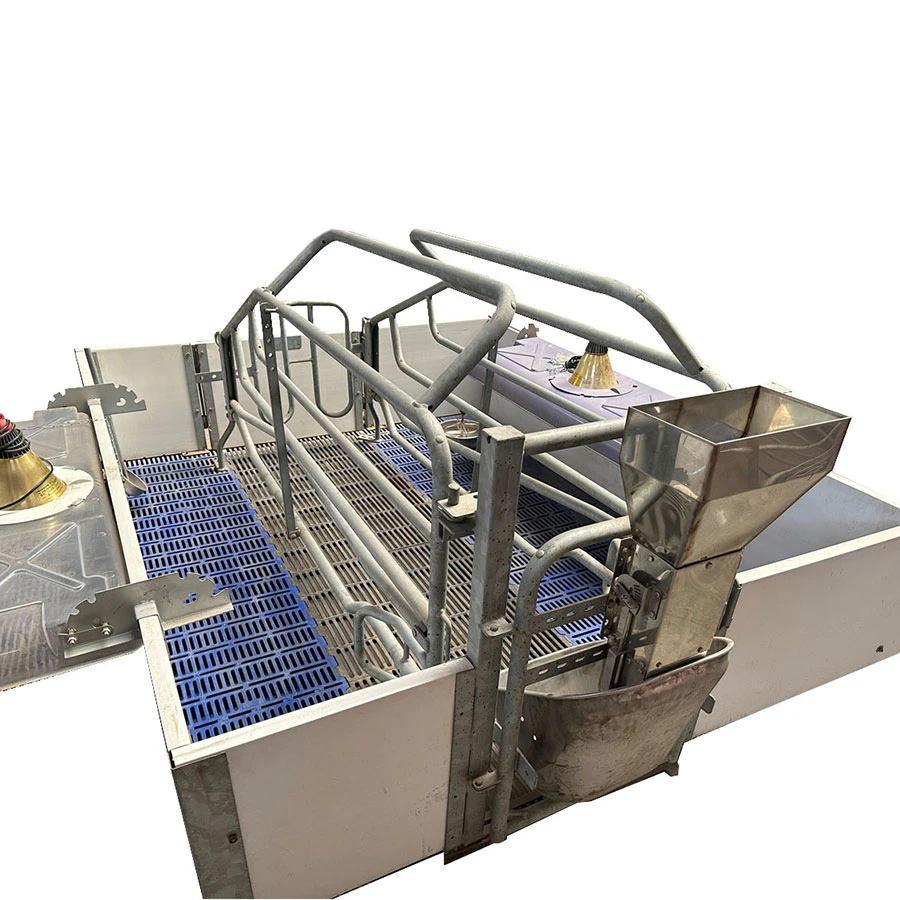
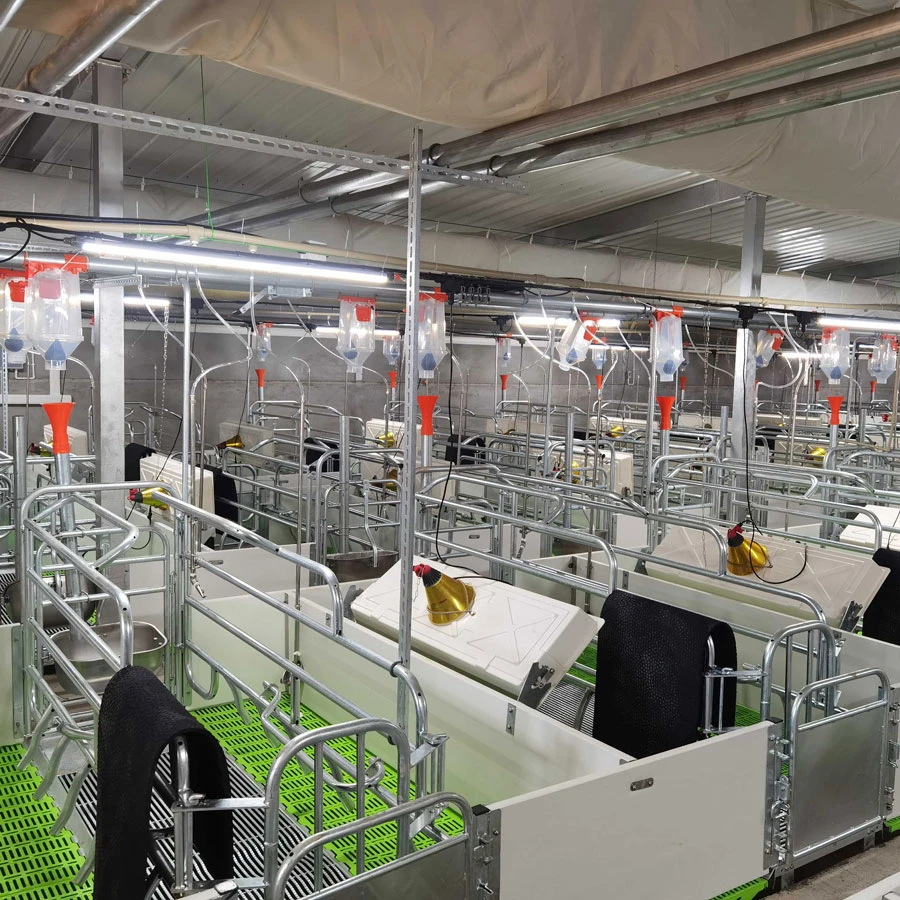
Putting this into a global context, data from the Food and Agriculture Organization (FAO) and the World Bank highlight how modern livestock facilities increasingly rely on slatted floors because they help manage waste more effectively, improving hygiene and boosting animal health. This shift—especially in Asia and parts of Europe—drives demand and influences pricing.
Yet, not all farms or production facilities can afford the best setups, leading to disparities. The slatted floor price is therefore a critical factor for both emerging economies striving to modernize and established operations seeking efficiency gains.
Oddly enough, while many appreciate slatted floors for their practicality, understanding what dictates pricing remains a bottleneck—especially since prices can fluctuate with market raw material costs, technology upgrades, and local import tariffs.
What Exactly Is Slatted Floor Price?
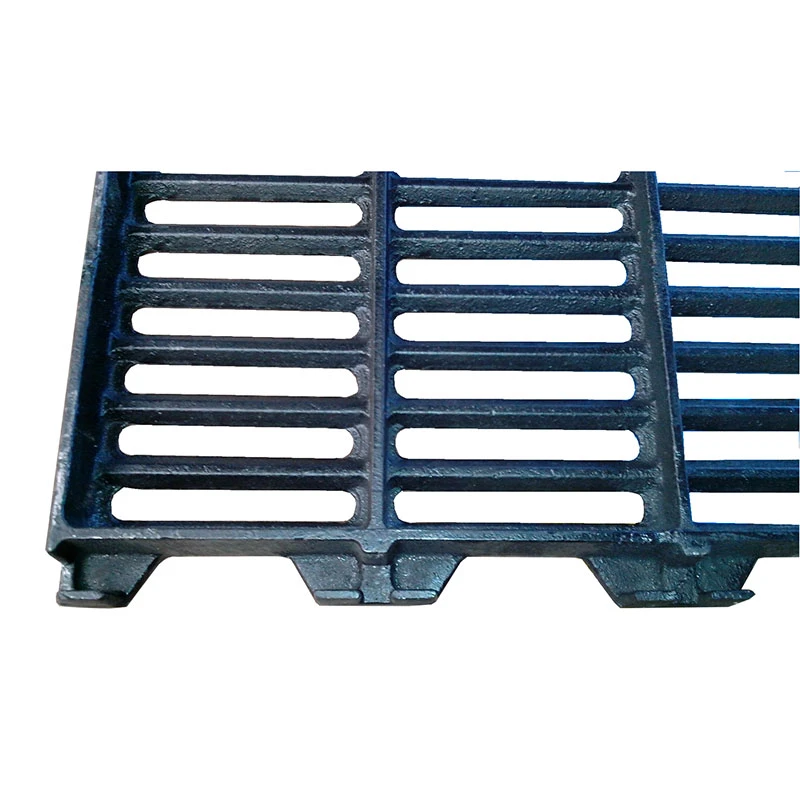
Simply put, the slatted floor price is the cost associated with purchasing slatted floor systems—typically modular components made from wood, plastic, or metal—used as flooring in animal housing, agricultural storage, or even modular construction.
These floors aim to let waste fall through the gaps, keeping the surface cleaner and safer. So the price isn’t just about materials, but also about design innovations that improve durability, install speed, and environmental impact. In humanitarian contexts, for instance, lightweight but durable slatted floors speed up temporary housing setups, influencing relief operation budgets considerably.
Key Factors Influencing Slatted Floor Price
1. Material Quality and Type
Durability largely depends on whether slats are made from hardwood, reinforced plastic, or galvanized steel. Hardwood might feel traditional, but plastics offer longevity and corrosion resistance with often lower costs.
2. Design and Slot Width
The size and shape of the slots affect animal comfort and waste management efficiency. Custom designs typically raise the price but improve performance.
3. Production Method
Mass-produced slatted floors tend to be cheaper, while bespoke or modular designs that allow scalable installation push prices higher.
4. Installation and Maintenance
Some prices include installation services or require less upkeep, offering better lifecycle value despite upfront costs.
5. Local Logistics and Import Fees
Depending on where you source or install the floors, shipping and tariff costs can surprisingly inflate the final figure.
6. Sustainability Certifications
Green materials or eco-friendly manufacturing might come with a premium but appeal to operators wanting to reduce their footprint.
Typical Product Specifications: A Quick Comparison
| Specification | Wooden Slats | Plastic Composite | Galvanized Steel |
|---|---|---|---|
| Durability (years) | 5-7 | 10-15 | 15+ |
| Weight | Medium | Light | Heavy |
| Cost (per m²) | $25-$35 | $30-$45 | $40-$60 |
| Maintenance | Moderate | Low | Low |
| Eco-friendliness | Medium | High | Low |
Vendor Comparison: What You Get For the Price
| Vendor | Price Range (per m²) | Material Options | Delivery Time | Warranty |
|---|---|---|---|---|
| FarmFloors Inc. | $28–$40 | Wood, Plastic | 2-4 weeks | 3 years |
| AgriSlat Solutions | $35–$55 | Steel, Plastic Composite | 3-5 weeks | 5 years |
| EcoSlats Ltd. | $30–$50 | Recycled Plastics | 1-3 weeks | 4 years |
How Slatted Floors Are Used Around The World
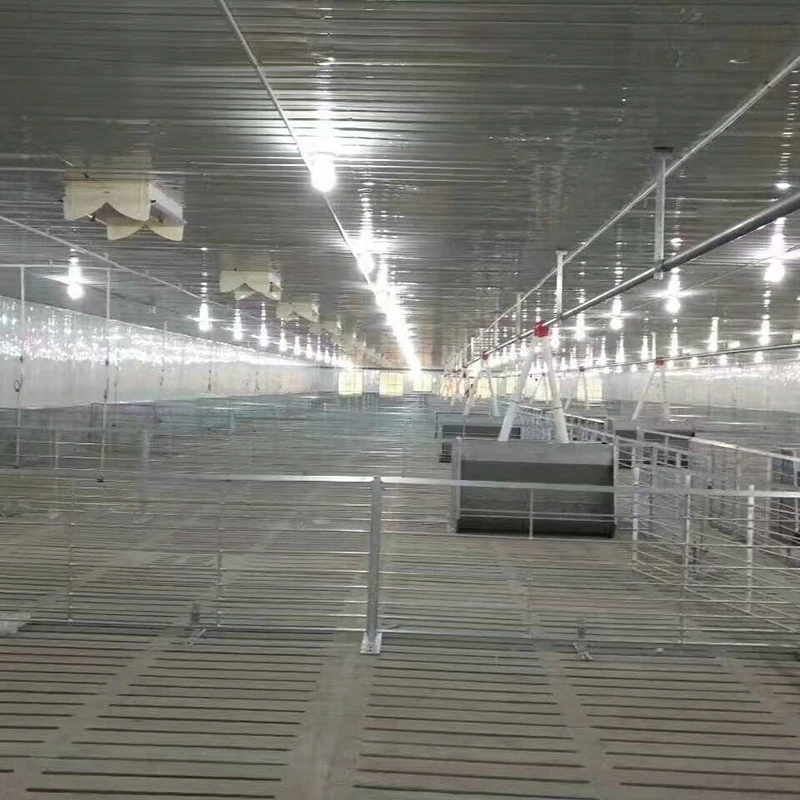
In Europe, especially in countries like Germany and Denmark, farms are increasingly investing in high-quality slatted floors for pigs and poultry to meet strict hygiene and environmental standards. Meanwhile, in developing regions of Asia, the slatted floor price plays a decisive role — many smallholder farmers must weigh cost constraints when upgrading facilities.
Another interesting application is during disaster relief. Temporary shelters benefit from modular slatted flooring because they can be rapidly installed on uneven or damp ground, improving sanitation—a small factor, maybe, but a huge deal for dignity and health during emergencies. Large NGOs provide these floors in Southeast Asia’s flood-prone zones, and their pricing affects how quickly they get deployed.
Then there are industrial warehouses and cold storage units, which use heavy-duty slatted floors to allow air circulation and strong weight load capacity, impacting overall installation budgets.
Advantages and the Long-Term Value of Investing Wisely
Choosing a proper slatted floor system might seem like a minor purchase in a massive operation, but many engineers say it pays off big in the long run. It’s not just about upfront slatted floor price, but also about:
- Cost Efficiency: Reduced waste buildup lowers cleaning time and enhances productivity.
- Sustainability: Materials like recycled plastics reduce environmental impact.
- Animal and Worker Safety: Properly designed floors prevent injuries and improve comfort.
- Reliability and Durability: Longevity means fewer replacements, saving money eventually.
- Social Impact: Better hygiene and working conditions can boost community trust.
There’s almost a sense of reassurance that you get when spending wisely. It’s like buying a trusted car brand—sometimes the sticker shock fades when you realize you won’t have to panic about breakdowns in the middle of... well, the countryside.
Looking Ahead: Trends Shaping the Future of Slatted Floor Pricing
Trends seem driven largely by material science upgrades and environmental policy pressures. For example, emerging bio-composites blend plant fibers with polymers, which might lower future costs while boosting sustainability. Automation is creeping in too — imagine floors integrated with sensors detecting waste levels or temperature — originally a niche tech, but poised to become standard, impacting slatted floor price as vendors add these smart features.
Many manufacturers are also adapting to digital design platforms, reducing prototype cycles and customizing floors faster. Combine this with growing interest in local sourcing to minimize carbon footprints, and you get a pretty dynamic pricing landscape ahead.
Common Challenges and How Industry Experts Suggest Overcoming Them
Despite the perks, challenges remain:
- High initial costs deter small farmers from investing.
- Inconsistent quality across vendors confuses buyers.
- Supply chain disruptions affect price stability and delivery.
- Installation complexity can add hidden expenses.
Industry experts recommend:
- Encouraging subsidies or financing models for smallholders.
- Standardizing quality certifications to reassure buyers.
- Embracing modular systems for easier onsite assembly.
- Developing open-source designs to foster innovation and reduce costs.
Frequently Asked Questions About Slatted Floor Price
- Q1: Why do some slatted floor prices vary so much between suppliers?
- A: Pricing differences often arise from material quality variations, manufacturing methods, included installation services, and delivery logistics. Some vendors include warranties or customization in their prices, which naturally bumps up the cost.
- Q2: How can I find the best slatted floor price without compromising durability?
- A: Look beyond the sticker price and consider long-term factors such as maintenance, warranty, and ecological impact. Comparing different materials and reading user reviews can help identify vendors offering good value.
- Q3: Are plastic composite slatted floors worth the extra cost compared to wood?
- A: Often yes. Though pricier upfront, plastic composites last longer, resist rot and corrosion better, and require less upkeep, potentially saving money over the product’s lifespan.
- Q4: Can slatted floors be customized for specific livestock or climates?
- A: Absolutely. Vendors frequently provide adjustable slot widths, materials, and panel sizes depending on animal type or environmental conditions, helping optimize comfort and performance.
- Q5: What should NGOs consider when budgeting for slatted floors in relief operations?
- A: Besides unit cost, consider shipping times, ease of assembly, and durability. Lightweight, modular floors often offer the best mix for rapid deployment without sacrificing quality.
Conclusion: Why Slatted Floor Price Is a Crucial Consideration
Whether you’re a farmer seeking smarter livestock solutions, an NGO planning disaster response, or a warehouse operator balancing cost and safety, understanding the slatted floor price means more than finding a cheap option. It’s about making informed decisions that balance upfront costs with long-term gains in durability, sustainability, and efficiency.
Curious to dive deeper or get exact pricing tailored to your needs? Feel free to visit us at https://www.cxlivestock.com for comprehensive info, expert advice, and competitive offers.
After all, a good floor isn’t just something you walk on — it’s a foundation for success.
1. Food and Agriculture Organization (FAO)
2. The World Bank Data
3. Wikipedia: Slatted Floor
Post time: Dec . 02, 2025