Slat Floor Poultry: Why This Modern Housing Solution Matters Globally
It might surprise some to learn how a seemingly small change in flooring design can ripple through the entire poultry industry worldwide. Slat floor poultry systems have quietly been transforming how farmers raise chickens, turkeys, and other birds — especially when efficiency, animal welfare, and sustainability come into play. With global demand for poultry steadily rising, and space, hygiene, and environmental concerns pressing harder than ever, understanding what slat floor poultry actually means is crucial for both producers and consumers alike.
Frankly, this approach addresses several challenges all at once, improving waste management, reducing disease risk, and ultimately enhancing bird well-being. Plus, it’s a practical response to the modern consumer’s call for more ethical farming methods. So whether you’re an industry insider or just curious about sustainable food production, grasping this topic offers valuable insight into the future of poultry farming.
Getting a Global Perspective: The Industry Challenges Slat Floor Poultry Tackles
Globally, poultry is among the most consumed meats. According to the Food and Agriculture Organization (FAO), worldwide poultry meat production has nearly doubled over the past two decades. However, with rapid growth comes mounting pressure on farmers to balance output with biosecurity, health standards, and environmental impact — a tough balancing act.
Consider some numbers: poultry farming accounts for a significant share of agricultural greenhouse gases and waterway pollution due to effluent runoff. Moreover, the confined housing required for larger farms often leads to overcrowding and disease outbreaks, creating real risks for animal suffering and financial loss. This is exactly where slat floor poultry techniques shine. The design improves airflow and waste removal, supporting cleaner and healthier environments for birds — a problem that traditional solid or litter floors struggle to solve efficiently.
Yet, despite benefits, adoption varies widely across regions, often limited by cost or local farming traditions. So, recognizing these global hurdles helps us appreciate why slat floor poultry could be the silent game-changer many in the industry are banking on.
What Exactly Is Slat Floor Poultry?
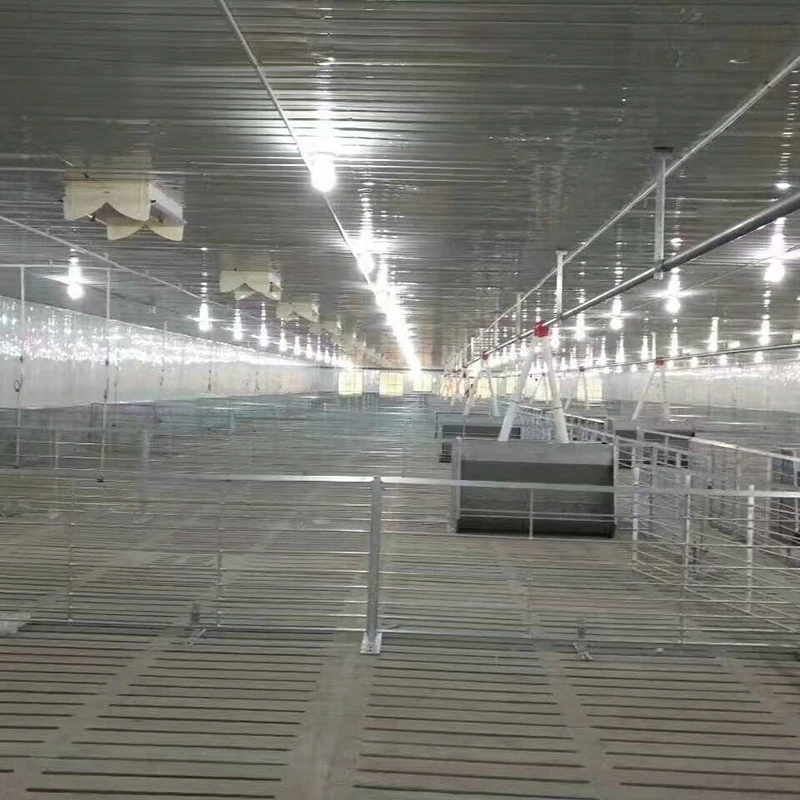
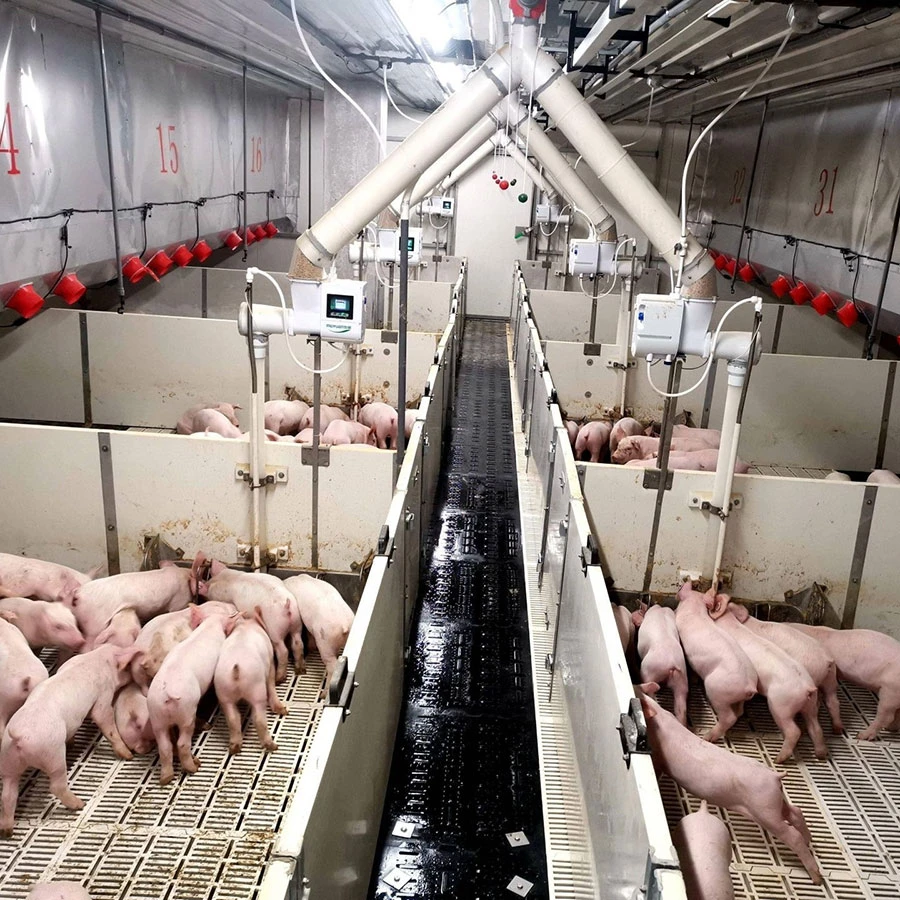
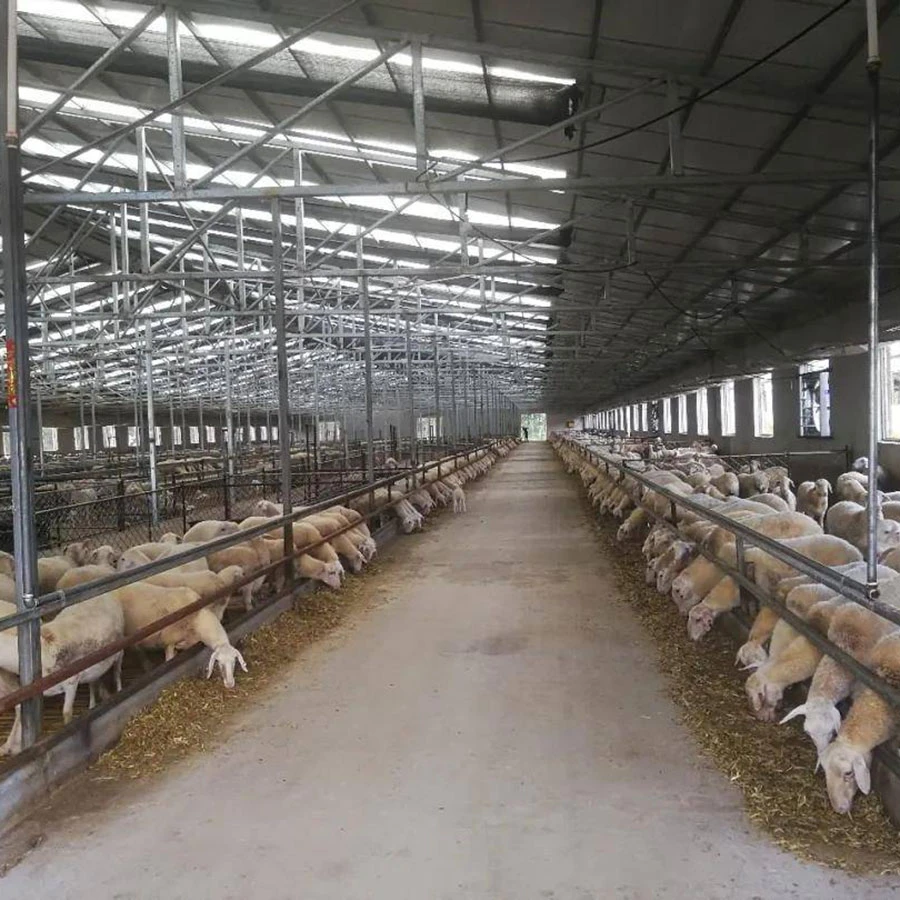
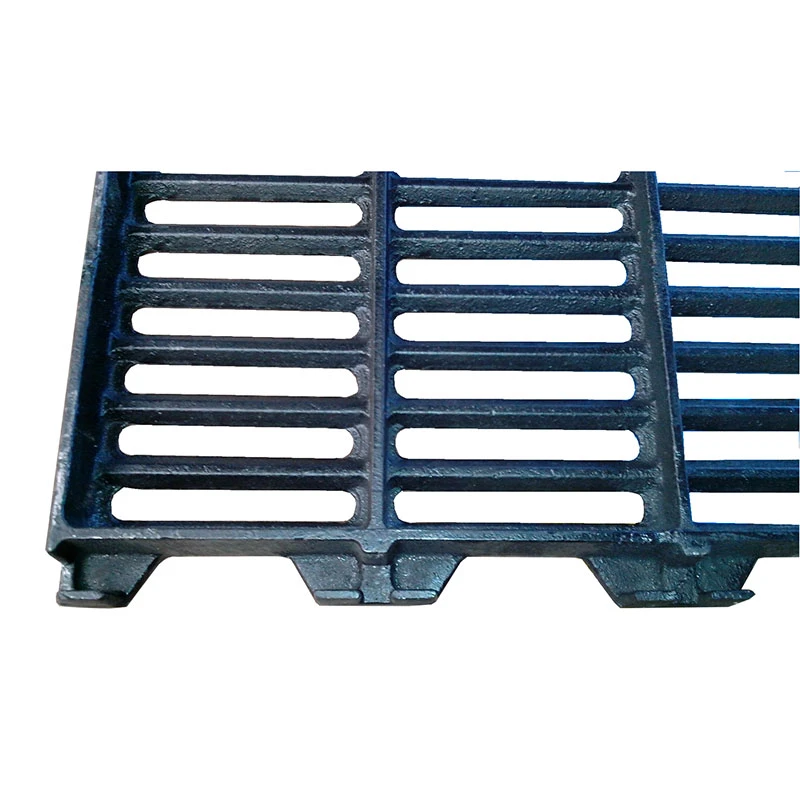
At its simplest, slat floor poultry refers to a specialized flooring system used in poultry housing made up of slotted or perforated panels (usually plastic or metal) that allow droppings to fall through directly below. This contrasts with traditional solid floors where bedding materials like straw or wood shavings absorb waste.
This floor design supports cleaner living quarters, as manure instantly passes beneath the birds’ feet rather than accumulating under them. The immediate, unobstructed waste removal greatly reduces ammonia buildup — a harmful gas that can stress and damage bird lungs and human workers’ health alike.
It's interesting because, beyond animal welfare, this setup also aligns with modern industry standards focused on automation and sustainability. For humanitarian needs — say, emergency food supply in vulnerable regions — faster, cleaner setups mean healthier flocks and more resilient communities.
Core Components of Effective Slat Floor Poultry Systems
Durability
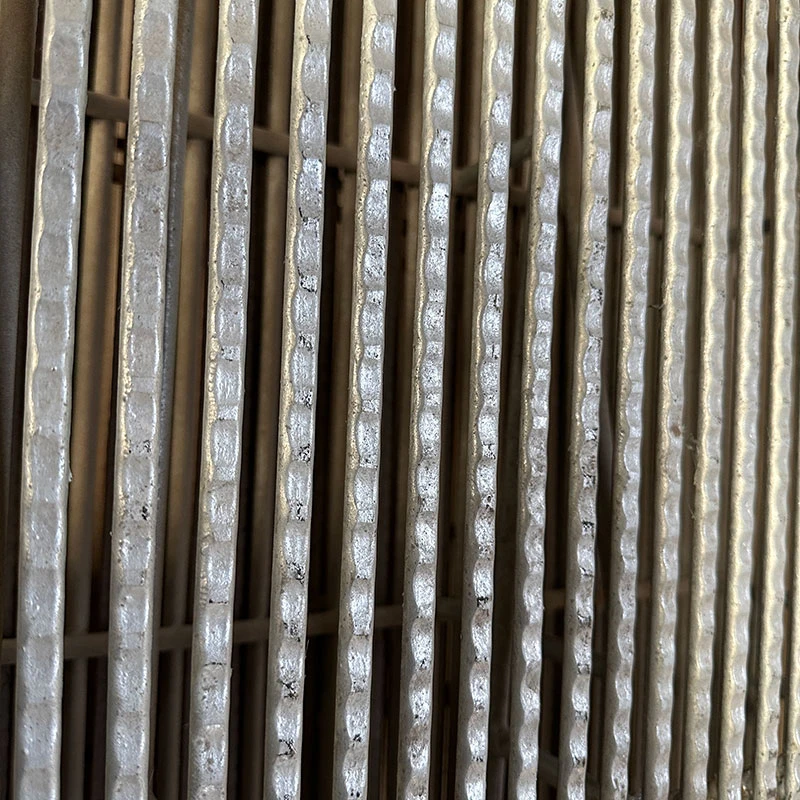
The materials used must withstand constant scratching, heavy traffic, and cleaning. Most manufacturers prefer high-density plastics or galvanized steel. Both resist corrosion and offer long service life, making upfront investment worthwhile.
Scalability
Modular slat panels allow farmers to customize floor areas easily according to flock size. This flexibility is crucial when scaling operations up or down — say, shifting between broilers or layers.
Cost Efficiency
While intensive initial setup costs are higher than litter-based systems, many producers notice lower overall expenses due to reduced labor, less waste-related disease, and longer equipment life.
Ventilation & Hygiene
Facilitating waste removal also means improving airflow and minimizing moisture — core to reducing harmful pathogen buildup. This cleaner environment enhances bird health and lowers veterinary bills.
Animal Welfare
Providing a drier, less contaminated surface improves bird comfort and reduces stress, factors linked to better growth rates and egg production.
Maintenance
Slat floors make cleaning faster and more effective. Automatic manure belts below many slatted systems improve manure handling, which reduces odor and environmental impact.
Mini takeaway: Slat floor poultry isn’t just about a fancy floor; it’s a holistic approach combining sturdy materials, biological health, and cost-effective management.
Real-World Applications: Where and How Slat Floor Poultry Makes a Difference
From North America’s industrial farms to smallholder operations in Southeast Asia, slatted floors are becoming common feature in poultry housing — albeit unevenly.
- In industrial-scale egg production, slat flooring supports layers, helping maintain cleaner eggs and reducing contamination risks, thereby improving export potential.
- Small-scale, remote farms use modular slat setups to improve hygiene where traditional maintenance is difficult, ensuring steady income for rural households.
- NGOs and humanitarian groups are piloting slat floor poultry in post-disaster zones, enabling rapid deployment of poultry as local protein sources that stay healthy longer.
- Sustainability-driven operations employ slat floors alongside manure management to recycle waste as fertilizer, feeding into circular economy models.
For a hands-on example, slat floor poultry suppliers often showcase case studies where farms increase flock density safely, thanks to improved sanitation.
The Tangible and Emotional Benefits of Slat Floor Poultry Systems
On paper, the advantages may sound technical, but in real terms they translate into trust and opportunity. Poultry farmers gain better biosecurity — mitigating disease risk means a steadier business and fewer heartbreaking losses. Consumers receive safer, higher-quality products. Communities enjoy greener practices that respect local ecosystems.
Also, the dignity of raising animals in cleaner, less stressful conditions cannot be overstated. Many engineers and farmers I’ve spoken with stress how modern standards and consumer expectations have shifted toward more ethical practices — the slatted floor is a practical piece of that puzzle.
Long-term, this setup supports resilience. Cleaner environments resist outbreaks and offer peace of mind to workers and stakeholders alike.
What’s Next? Future Trends and Innovations in Slat Floor Poultry
The evolution is ongoing. Biodegradable and recycled plastics are beginning to redefine materials used for slats, aligning with circular economy ambitions. Innovations in sensors and IoT allow real-time monitoring of conditions under the slats — moisture, temperature, airflow — enabling proactive management.
Automation is another leap forward: manure belts integrated with robotic cleaning systems help reduce labor costs and improve environmental impact. Some startups are even experimenting with solar-powered systems that integrate waste-to-energy conversion, a win-win.
Overcoming Challenges: What Holds Back Wider Adoption?
Cost remains a barrier for many smaller farmers. Installation demands upfront capital that, frankly, not every producer has. In regions where traditional bedding has cultural or historical roots, shifting mindsets is another hurdle.
Plus, poorly designed or improperly maintained slat floors can cause foot injuries or discomfort if materials are rough or gaps are too wide. Expertise in design and material choice is crucial, as is training.
Many vendors now offer training and financing programs that help farmers transition smoothly. Industry-wide, there's a push for standardized guidelines — a key factor for wider trust and regulatory acceptance.
FAQ: Practical Questions About Slat Floor Poultry
- Q: How does slat flooring improve poultry health compared to traditional litter floors?
- A: Slat floors allow droppings to fall through immediately, reducing moisture and ammonia buildup, which lowers respiratory issues and foot infections common in litter-based housing.
- Q: Can slat floor poultry systems be retrofitted into existing poultry houses?
- A: Yes, many modular systems are designed to fit or replace floors in current buildings, though some customization and professional advice might be needed.
- Q: Are slat floors suitable for all poultry types, like broilers and layers?
- A: Generally, yes. However, design specifics (slat width, material) may vary to suit birds’ weight and behavior to ensure comfort and avoid injuries.
- Q: Do slat floor systems require special cleaning or maintenance?
- A: They often simplify cleaning by allowing waste to drop below, especially when combined with manure belts, but periodic system checks and sanitation are still essential.
- Q: How does integrating manure management under slat floors benefit sustainability?
- A: Efficient collection prevents environmental contamination and allows manure to be repurposed as fertilizer or bioenergy feedstock, reducing waste and emissions.
Product Specification Table for Typical Slat Floor Panels
| Feature | Specification | Notes |
|---|---|---|
| Material | High-Density Polyethylene (HDPE) | Resistant to corrosion and UV |
| Panel Dimensions | 1m x 0.5m (standard) | Modular for scalability |
| Slat Width / Gaps | 15 mm width / 10 mm gaps | Optimized for bird comfort |
| Load Capacity | Up to 200 kg/m² | Suitable for large flocks |
| Cleaning Method | Manual hosing or automated manure belts | Reduces labor time |
Vendor Comparison: Leading Slat Floor Poultry Solutions
| Provider | Material | Customization | Pricing Range | Extra Services |
|---|---|---|---|---|
| PoultryFloors Inc. | HDPE | High (modular panels; slat sizes) | $$$ | Training & maintenance support |
| GreenSlats | Recycled plastic blend | Medium (fixed panel sizes) | $$ | Sustainability audits |
| AgriSlat Solutions | Galvanized steel | High (custom metals & coatings) | $$$$ | On-site design consultation |
In Conclusion: Why Switching Matters
Choosing slat floor poultry systems isn’t just about a shiny floor panel, but about investing in poultry health, operational efficiency, and environmental responsibility. Over the long haul, slat floors reduce disease, save labor, and even contribute to sustainability goals. For farmers dedicated to raising healthier birds and consumers eager for ethically sourced products, this is a win-win.
If you’re curious to see how these solutions could transform your poultry operations, or simply want a deep dive into the available options, I recommend browsing this comprehensive portal — they’ve got a solid selection and detailed specs.
It’s kind of fascinating how a simple change in chicken flooring can echo across continents and into dinner plates worldwide. Who knew? Well, now you do.
References:
Post time: Dec . 02, 2025