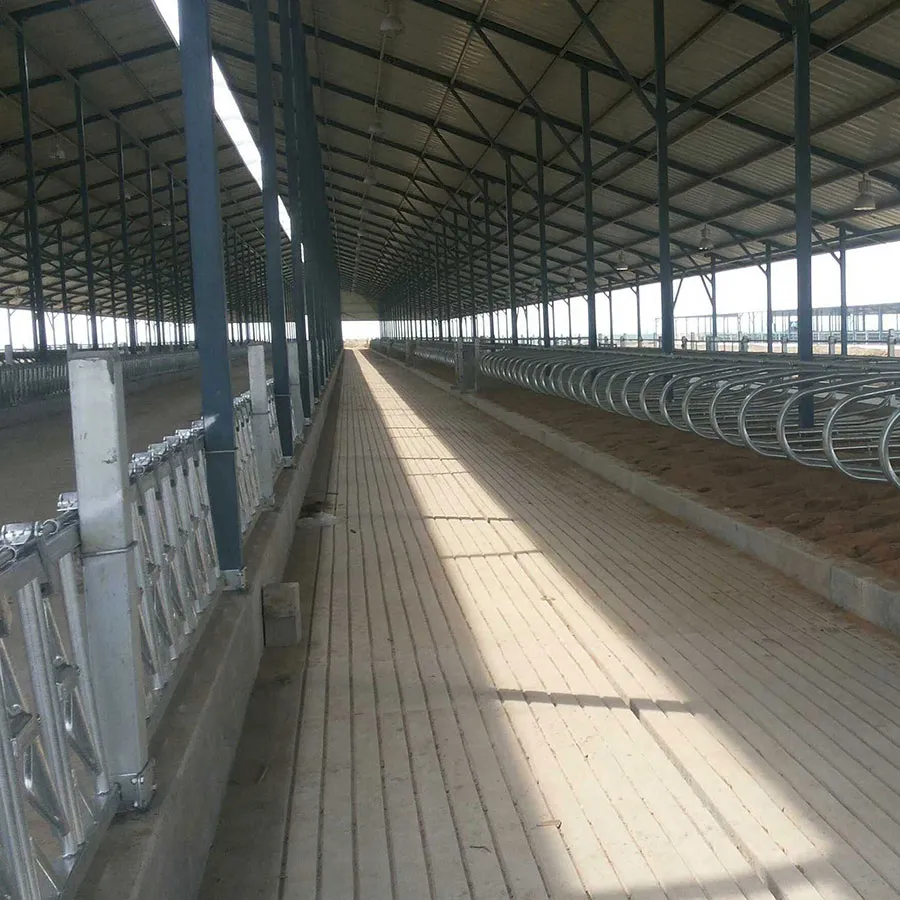
Advancing Livestock Management: The Integrated Automatic Animal Feeding System
The modern livestock industry is undergoing a significant transformation, driven by demands for increased efficiency, sustainability, and animal welfare. Central to this evolution is the deployment of advanced automation technologies, particularly in feed management. An automatic animal feeding system represents a pivotal innovation, enabling producers to optimize feed delivery, reduce labor costs, and enhance overall herd health. This detailed technical overview explores the critical aspects of these systems, from their intricate manufacturing processes to their profound impact on operational efficiency across various farming scales.
Current Industry Trends and Market Drivers
- Precision Livestock Farming (PLF): The integration of IoT sensors, AI, and data analytics to monitor individual animal health, growth, and behavior, leading to hyper-personalized feeding strategies.
- Sustainability and Resource Optimization: Growing pressure to reduce feed waste, minimize environmental impact, and improve feed conversion ratios (FCRs) through precise delivery.
- Labor Scarcity and Cost Reduction: Automation addresses challenges in finding and retaining skilled labor, significantly lowering operational expenses related to manual feeding.
- Enhanced Animal Welfare: Consistent access to fresh feed, reduced competition at feeding stations, and minimized human intervention contribute to lower stress levels and improved animal well-being.
- Food Safety and Traceability: Automated systems provide detailed records of feed consumption and batch information, crucial for traceability and compliance with stringent food safety regulations.
These trends collectively underscore the necessity and value proposition of investing in advanced feeding technologies, making them indispensable components of modern, competitive livestock operations.
Manufacturing Process Flow of an Automatic Animal Feeding System
The production of a robust and reliable automatic animal feeding system involves a multi-stage, precision-engineered process designed to ensure durability, hygienic operation, and long service life in demanding agricultural environments. High-quality materials and stringent quality control are paramount.
Key Manufacturing Stages:
-
Material Sourcing and Preparation:
Components such as feed bins, conveyors, dispensing units, and control housings are primarily fabricated from high-grade stainless steel (e.g., SUS304 for corrosion resistance and hygiene), galvanized steel for structural elements, and engineering plastics (e.g., high-density polyethylene, HDPE) for parts requiring wear resistance or specific chemical inertness. Raw materials undergo rigorous inspection for composition and structural integrity to meet ISO 9001 quality standards.
-
Precision Fabrication (Casting, Forging, CNC Machining):
- Sheet Metal Forming: Large components like feed hoppers and structural frames are precisely cut using laser or plasma cutters, followed by bending and shaping via CNC press brakes to achieve exact dimensions and tolerances.
- Casting/Forging: Critical wear parts, such as auger segments or gears for feed conveyance mechanisms, may be produced via precision casting or forging using durable alloys, ensuring high mechanical strength and resistance to abrasion.
- CNC Machining: Components requiring high precision, such as sensor housings, motor mounts, or intricate valve mechanisms, are machined on multi-axis CNC machines. This ensures tight tolerances crucial for smooth operation and minimal maintenance.
-
Surface Treatment and Finishing:
Galvanization, powder coating, or electropolishing is applied to steel components to enhance corrosion resistance, particularly vital in the corrosive environment of a livestock facility. Stainless steel parts are typically passivated to maximize their inherent anti-corrosive properties and maintain hygienic surfaces.
-
Assembly and Integration:
Mechanical, electrical, and control sub-assemblies are integrated. This includes the installation of feed delivery mechanisms (e.g., augers, chain-disc systems), sensors (feed level, animal presence), motor drives, and the central control unit (PLC/microcontroller). Wiring harnesses are meticulously routed and secured, adhering to industrial electrical safety standards.
-
Calibration and Testing Standards:
Each complete system undergoes comprehensive functional testing. This includes:
- Performance Testing: Verification of feed dispensing accuracy, throughput rates, and system responsiveness under simulated load conditions.
- Durability Testing: Accelerated lifecycle testing on critical moving parts to predict service life, often exceeding 10 years under normal operating conditions.
- Electrical Safety Testing: Compliance with IEC and CE standards for insulation resistance, grounding, and electromagnetic compatibility (EMC).
- Hygiene Compliance: Verification of cleanability and material suitability for contact with feed, in line with FDA food contact material guidelines where applicable.
Target Industries and Advantages:
While primarily serving pig and poultry farming, the principles of an automated feeding system are adaptable to other livestock sectors. Key advantages across these applications include:
- Energy Saving: Optimized motor control and on-demand feeding minimize energy consumption compared to continuous or less efficient manual methods.
- Corrosion Resistance: Strategic use of stainless steel and protective coatings ensures longevity in high-humidity, ammonia-rich agricultural environments.
- Reduced Waste: Precise dispensing minimizes spillage and spoilage, leading to significant feed cost savings.
- Enhanced Biosecurity: Reduced human presence in feeding areas lowers the risk of disease transmission.
Technical Specifications and Parameters
A sophisticated automatic animal feeding system integrates mechanical robustness with intelligent control, offering a suite of technical parameters critical for B2B decision-makers. Understanding these specifications is key to selecting a system that aligns with specific operational demands and optimizes return on investment.
Key System Components and Features:
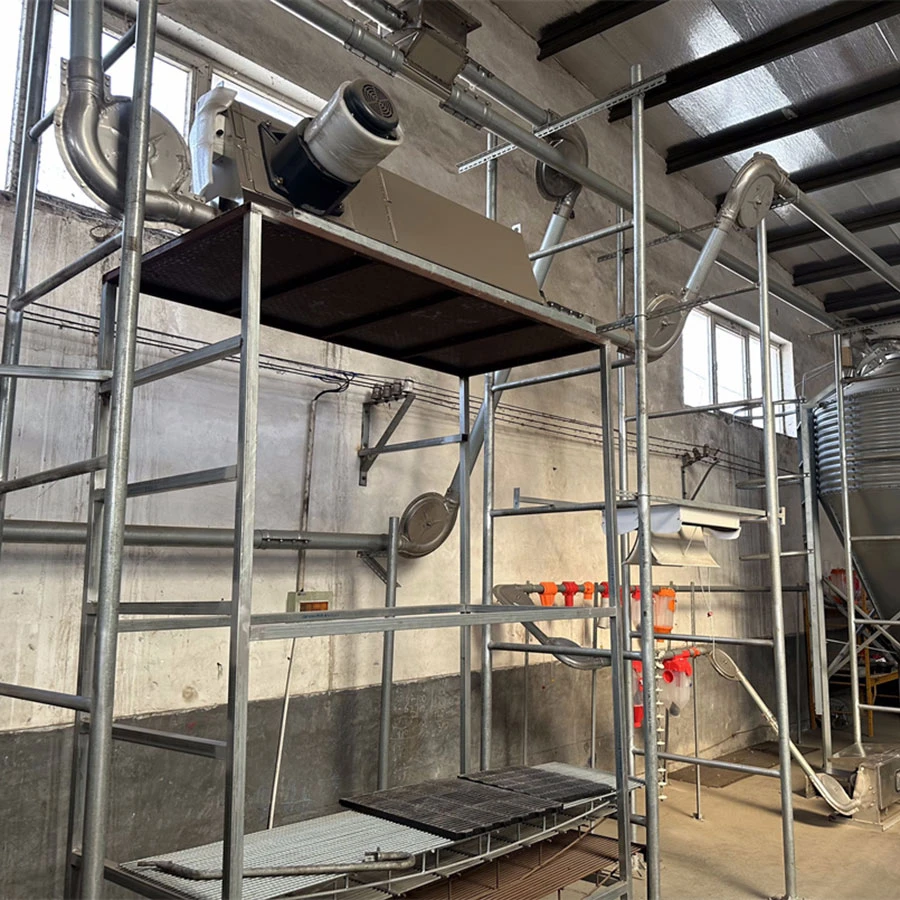
- Feed Delivery Mechanism: Options include flexible augers, chain-disc conveyors, or pneumatic systems, each suited for different feed types (meal, pellets, crumble) and distances.
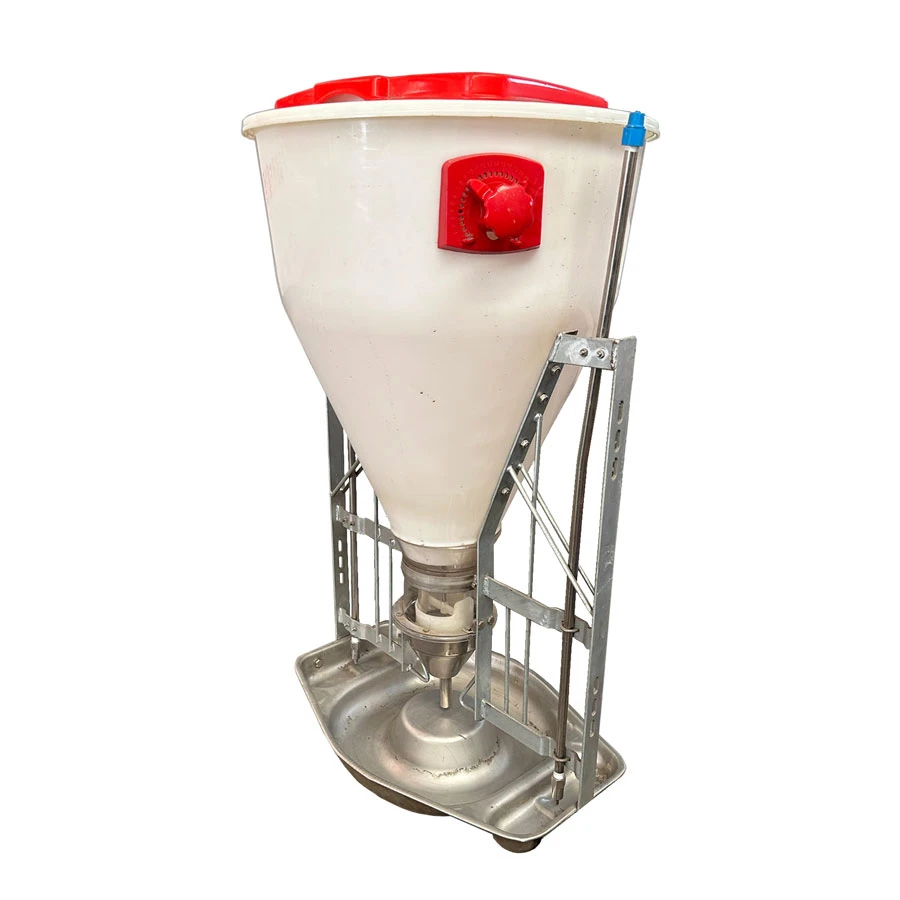
- Dispensing Units: Volumetric or gravimetric feeders ensure precise feed allocation to individual pens or animals. Sensor-based systems can detect animal presence or empty troughs.
- Control System: PLC (Programmable Logic Controller) or micro-controller-based systems with HMI (Human-Machine Interface) touchscreens for program configuration, monitoring, and data logging.
- Sensors: Feed level sensors in hoppers, animal presence sensors at feeders, weight sensors for consumption monitoring, and environmental sensors (temperature, humidity).
- Connectivity: Ethernet, Wi-Fi, or cellular modules for remote monitoring, data upload to cloud platforms, and integration with farm management software.
Typical Product Specifications Table (Example for Pig Farming):
| Parameter | Specification | Details/Notes |
|---|---|---|
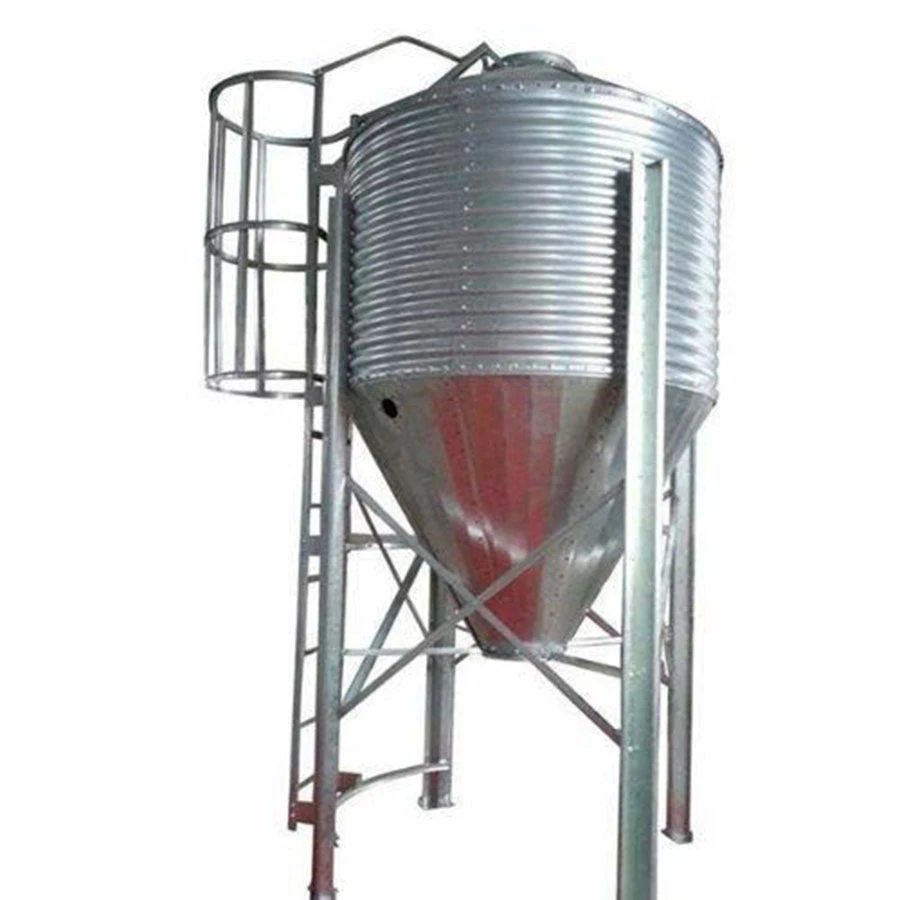
| Feed Capacity (Main Hopper) | 2-10 tons (customizable) | Modular design for expansion. |
| Feeding Line Length | Up to 200 meters per line | Supports multiple barns/sections. |
| Feed Dispensing Accuracy | ± 2-5% (gravimetric) | Critical for feed conversion ratio (FCR). |
| Applicable Feed Types | Meal, pellets, crumble (dry feed) | System configuration varies by feed type. |
| Control Interface | 7-inch HMI Touchscreen, Remote Access | User-friendly, multilingual support. |
| Power Requirements | 220V/380V, 50/60Hz, 1-3 Phase | Low power consumption motors. |
| Materials (Feed Contact) | SUS304 Stainless Steel, Food-grade HDPE | Ensures hygiene and corrosion resistance. |
| Operational Temperature | -10°C to +50°C (14°F to 122°F) | Robust for various climates. |
| Connectivity | Ethernet, RS485, Optional 4G/IoT | Integration with existing farm networks. |
The integration of these advanced technical parameters directly translates into improved operational efficiency, reduced feed costs, and superior animal health outcomes. For instance, precise feed delivery drastically minimizes waste, which typically accounts for a significant portion of operational expenses in large-scale pig farming equipment.
Application Scenarios and Strategic Advantages
The versatility of an automatic animal feeding system allows for its deployment across a wide spectrum of livestock operations, from small-to-medium sized family farms to large-scale industrial complexes. Its core value lies in its ability to adapt and provide distinct advantages tailored to specific agricultural demands.
Typical Application Scenarios:
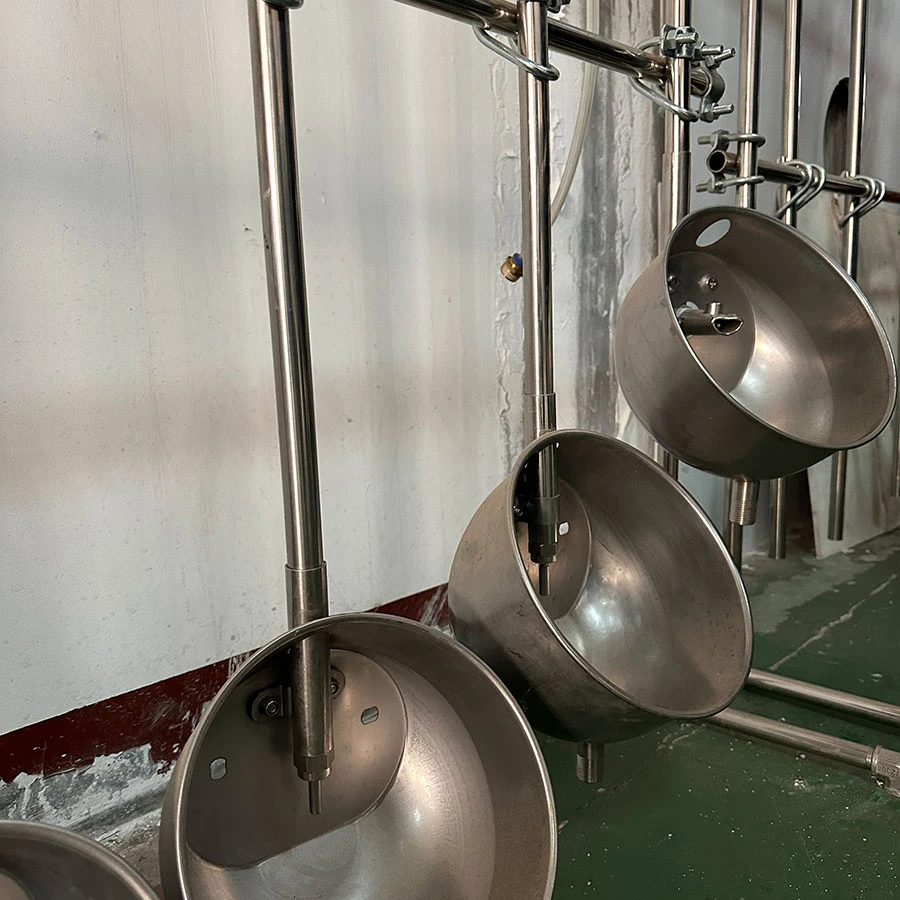
- Farrowing & Gestation Units (Pig Farming): Precise feeding of individual sows based on their reproductive stage and body condition, preventing over or underfeeding, and optimizing litter size and sow health. The integration with water delivery, such as an 80 gallon hog waterer system, ensures comprehensive animal hydration and nutrition management.
- Grower-Finisher Barns (Pig & Poultry): Automated delivery of specific feed formulations according to growth curves, reducing human disturbance, and ensuring uniform access to feed, leading to consistent growth rates and reduced aggression.
- Broiler & Layer Houses (Poultry): Systems designed for continuous, shallow feeding or programmed meal delivery, crucial for optimal egg production and broiler weight gain, while maintaining strict hygiene.
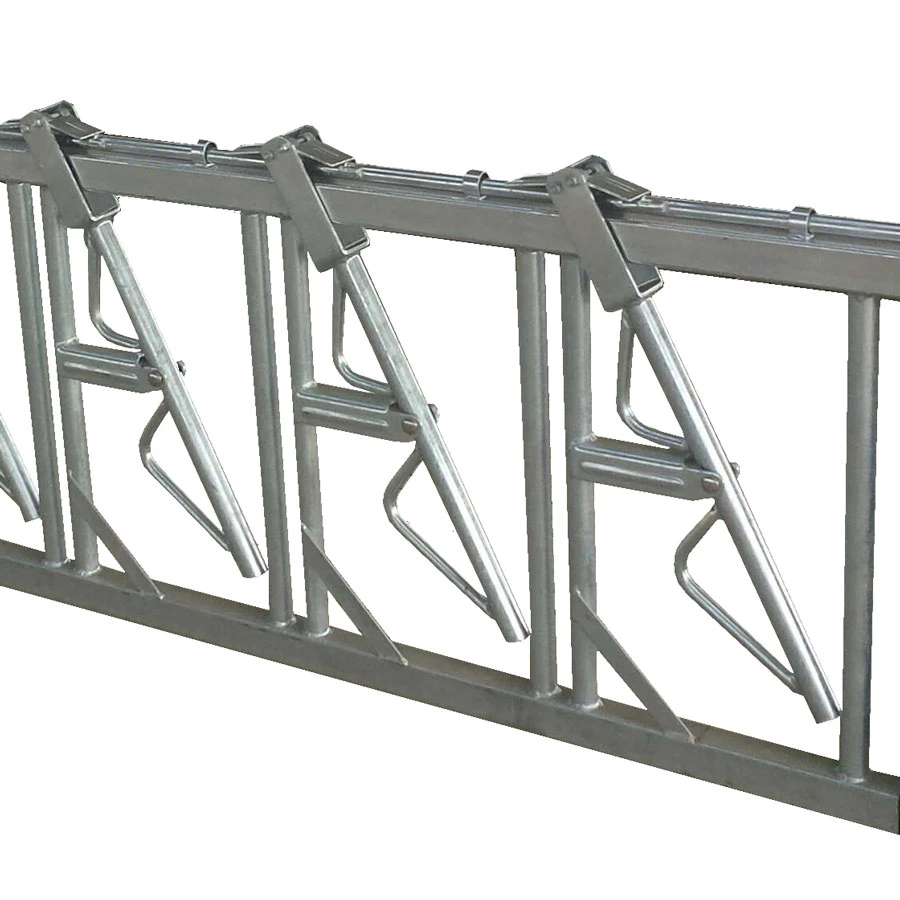
- Dairy & Beef Cattle Operations: Integration with total mixed ration (TMR) systems for precise distribution to feed bunks, ensuring each animal receives its calculated portion, minimizing competition and promoting herd uniformity.
Demonstrable Strategic Advantages:
- Optimized Feed Conversion Ratio (FCR): Precise dispensing avoids overfeeding and spillage, ensuring every gram of feed contributes maximally to animal growth or production. Studies show automated systems can improve FCR by 3-7% depending on the livestock type.
- Significant Labor Cost Reduction: Eliminates manual feeding tasks, allowing farm personnel to focus on animal health monitoring, maintenance, and other value-added activities. This can reduce labor requirements for feeding by up to 80%.
- Improved Animal Health & Welfare: Consistent feed availability, reduced stress from competition, and minimized human contact contribute to lower disease incidence and better overall well-being. For instance, fewer fluctuations in feed intake lead to a healthier gut microbiome.
- Data-Driven Decision Making: Real-time data on feed consumption, stock levels, and feeding patterns empowers farm managers with actionable insights for feed ordering, diet adjustments, and early detection of health issues.
- Enhanced Biosecurity: Closed systems for feed transport and reduced human traffic in animal zones significantly lower the risk of pathogen introduction and spread, a critical concern in modern agriculture.
- Energy Efficiency: Modern systems incorporate energy-efficient motors and intelligent control algorithms that activate components only when necessary, contributing to overall energy savings compared to older, less optimized equipment.
- Corrosion Resistance and Longevity: Built with durable materials like stainless steel and high-grade plastics, these systems are designed to withstand the harsh, corrosive conditions prevalent in livestock environments, ensuring an extended service life and reduced replacement costs.
Vendor Comparison and Customization Options
Selecting the right automatic animal feeding system vendor requires careful evaluation of capabilities, technological offerings, and after-sales support. While many suppliers offer standard solutions, the ability to provide customized systems that integrate seamlessly with existing farm infrastructure is a key differentiator.
Vendor Comparison Table: Key Differentiators
| Feature/Parameter | CX Livestock (Example) | Competitor A (Industry Average) | Competitor B (Budget Option) |
|---|---|---|---|
| Feed Accuracy (Gravimetric) | ± 2% | ± 5% | ± 8% |
| Material Durability (Critical Parts) | SUS304/316 SS, Abrasion-Resistant Polymers | Galvanized Steel, Standard Plastics | Painted Carbon Steel, Basic Plastics |
| Control System & Software | Integrated PLC with Cloud-based Platform, API | Standard PLC, Local HMI only | Basic Microcontroller, Analog Controls |
| Customization Capability | High (Modular design, bespoke solutions) | Medium (Limited module options) | Low (Standard off-the-shelf) |
| Warranty & Support | 2-Year Comprehensive, 24/7 Remote Tech Support | 1-Year Limited, Business Hours Support | 6-Month Basic, Email Support |
| Data Integration | Full API for Farm Management Software | CSV Export only | No Data Export |
This comparison highlights that beyond initial cost, factors like long-term operational efficiency, maintenance, and technological integration significantly influence the total cost of ownership (TCO) and overall farm productivity.
Customized Solutions: Tailoring to Unique Farm Needs
Recognizing that no two farms are identical, reputable suppliers of an automatic animal feeding system offer extensive customization options. This ensures seamless integration and maximum operational benefit.
- Farm Layout Adaptation: Tailored conveyor routes, hopper placements, and dispenser configurations to fit existing barn structures, pen layouts, and feed storage locations.
- Specific Animal Requirements: Different feeder designs for various animal sizes and behaviors (e.g., specific feeders for farrowing crates vs. finishing pens in hog farming equipment).
- Feed Type Versatility: System components (augers, chain-disc, pneumatic) configured to optimally handle various feed textures and compositions, including mash, pellets, and specialized medicated feeds.
- Environmental Controls Integration: Linking feeding schedules with ventilation, temperature, and lighting systems for holistic environmental management.
- Software Integration: Custom API development or direct integration with proprietary farm management software (e.g., ERP systems) for centralized data analysis and control.
- Capacity Scaling: Modular system design allowing for future expansion as farm operations grow, protecting initial investment.
The ability to provide highly customized, scalable solutions underscores a vendor's technical prowess and commitment to long-term client success, distinguishing them in a competitive market.
Application Case Studies and Customer Feedback
Real-world deployments vividly illustrate the transformative impact of an automatic animal feeding system. These case studies demonstrate measurable improvements in efficiency, profitability, and animal welfare, underpinned by authoritative client testimonials and verifiable data.
Case Study 1: Large-Scale Pig Finishing Operation
Client: "Agri-Pork Solutions, Ltd." (Mid-Western USA)
Challenge: Managing feed for 10,000 finishing pigs across multiple barns, experiencing high labor costs for manual feeding, inconsistent growth rates, and significant feed waste (estimated 7-10%).
Solution: Implementation of a fully integrated CX Livestock automatic pig feeding system with individual electronic sow feeders (ESF) for gestation and precision volumetric feeders for finishing pens. The system included remote monitoring and cloud-based data analytics. The existing 80 gallon hog waterer systems were also integrated with the feeding schedule.
Results (Post-Implementation, 12 Months):
- Feed Waste Reduction: Down to less than 1%, resulting in a 6.5% reduction in overall feed costs.
- Labor Savings: Reduced man-hours dedicated to feeding by 75%, reallocating staff to animal health and maintenance.
- Improved FCR: Achieved a 4.2% improvement in feed conversion ratio, leading to faster finishing times.
- Consistent Growth: Variability in pig weight at market reduced by 15% due to consistent, tailored feeding.
"The CX Livestock system transformed our operation. The precision feeding has not only saved us a tremendous amount on feed costs but also significantly improved the health and uniformity of our herd. The data insights are invaluable for proactive management."
— David Chen, Operations Director, Agri-Pork Solutions, Ltd.
Case Study 2: Integrated Poultry Broiler Farm
Client: "Featherbrook Farms" (Southeast Asia)
Challenge: High mortality rates due to inconsistent feed access, manual feed distribution leading to uneven flock growth, and significant biosecurity risks from frequent human entry.
Solution: Installation of an automated chain-disc feeding system with integrated feed weighing and environmental controls across 8 broiler houses, each housing 25,000 birds.
Results (Post-Implementation, 6 Months):
- Mortality Rate: Decreased by 1.8 percentage points due to consistent feed availability and reduced stress.
- Average Daily Gain (ADG): Improved by 3.5%, leading to earlier market readiness.
- Biosecurity: Reduced human entry into houses by 80%, dramatically lowering disease transmission risk.
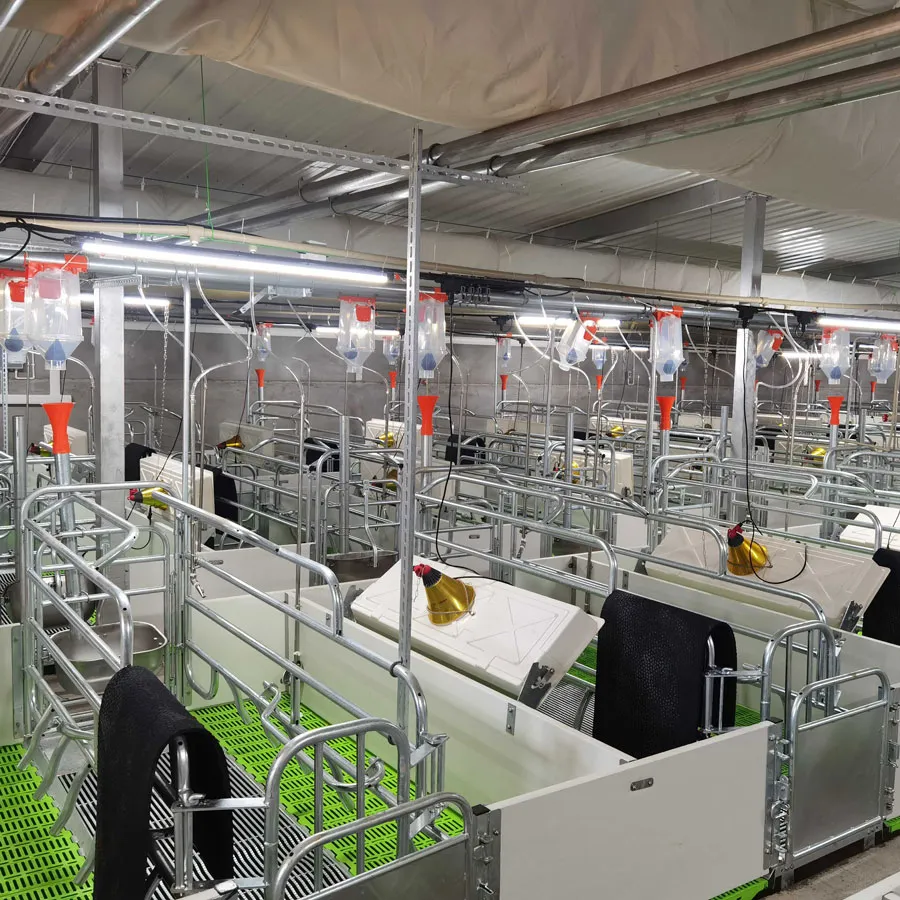
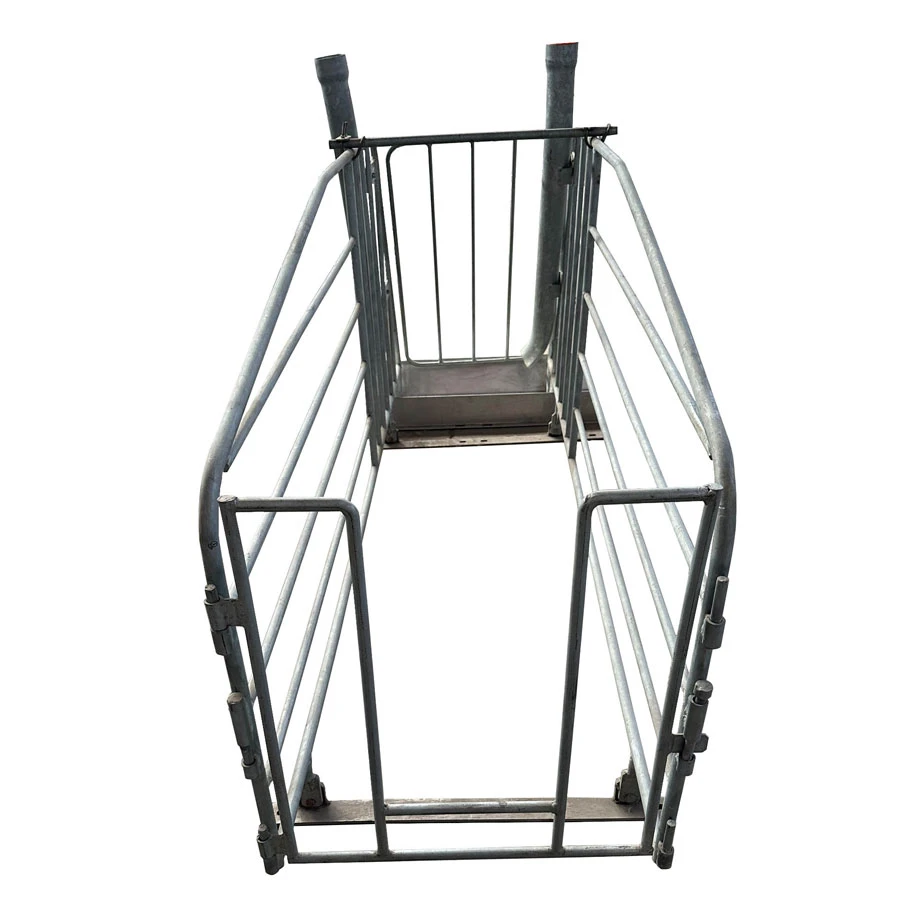
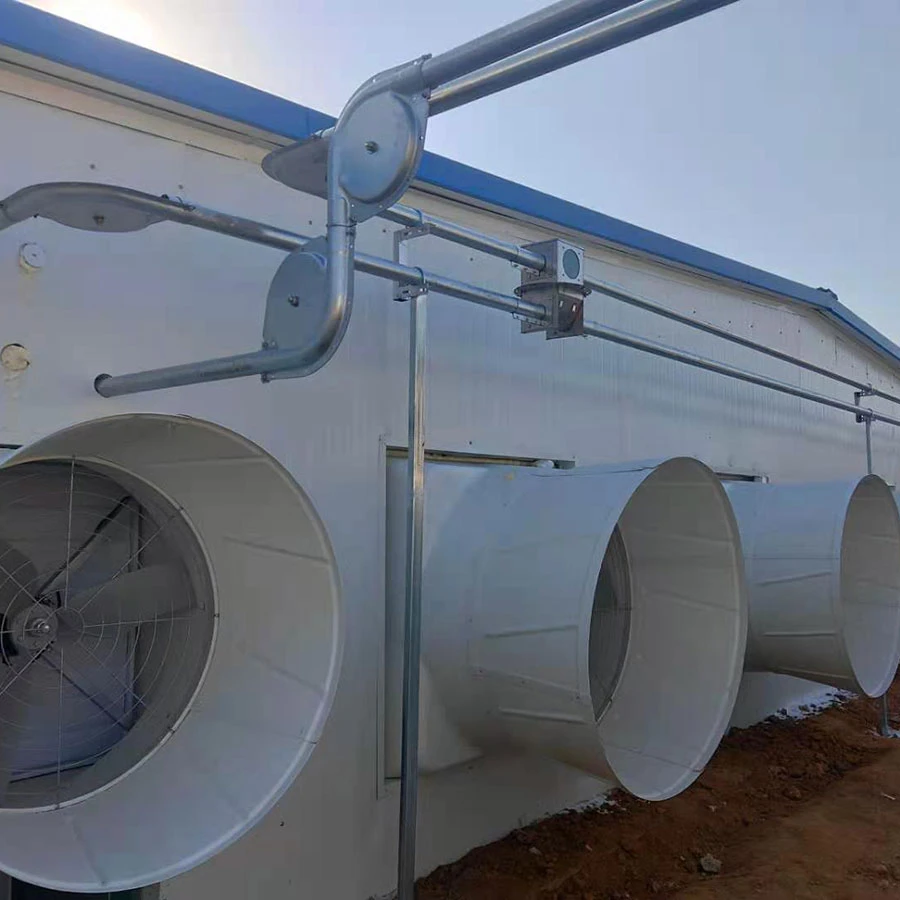
Figure 1: Illustration of essential components within an automatic animal feeding system, emphasizing modularity and robust construction.
Trustworthiness, Authoritativeness, and Support
Establishing trust and demonstrating authority are paramount in the B2B sector. Our commitment to quality, robust after-sales support, and transparent business practices form the bedrock of our client relationships, particularly for sophisticated equipment like an automatic animal feeding system.
Certifications and Industry Recognition:
- ISO 9001:2015 Certified: Demonstrates our adherence to rigorous quality management systems throughout design, manufacturing, and service delivery.
- CE Mark: All relevant products comply with European safety, health, and environmental protection requirements.
- Material Certifications: Use of food-grade materials (e.g., SUS304 stainless steel) conforming to international standards for hygiene and safety, crucial for feed contact surfaces.
Frequently Asked Questions (FAQ):
- Q: How flexible is the feeding schedule with your system?
- A: Our systems offer unparalleled flexibility, allowing for multiple feeding times per day, interval feeding, and even individual animal-based feeding programs. Schedules can be easily adjusted via the HMI or remote interface.
- Q: What is the typical lead time for a custom feeding system?
- A: Lead times vary based on system complexity and customization. Standard modular systems typically ship within 4-6 weeks, while highly customized projects may require 8-12 weeks for design, fabrication, and testing. Detailed timelines are provided upon project scope finalization.
- Q: What kind of warranty do you offer on your automatic animal feeding system?
- A: We provide a comprehensive 2-year warranty on all mechanical and electrical components, covering defects in materials and workmanship. Extended warranty options are available. Consumables and wear parts are covered for 6 months.
- Q: Can your system integrate with my existing farm management software?
- A: Yes, our advanced control systems are designed for high compatibility. We offer API documentation and support for integrating with most common farm management software platforms, enabling centralized data collection and analysis.
- Q: How do you handle after-sales support and spare parts?
- A: We offer 24/7 remote technical support via phone and online channels. On-site technical assistance can be dispatched for critical issues. A comprehensive spare parts inventory is maintained, ensuring quick availability and minimizing downtime for our clients globally.
Lead Time & Fulfillment:
Our streamlined manufacturing and logistics processes ensure efficient order fulfillment. We maintain strong partnerships with global shipping providers to ensure timely and secure delivery of systems and components worldwide. Project managers provide regular updates from order confirmation through installation and commissioning.
Warranty & Customer Support:
Our commitment extends beyond the sale. Each system comes with a robust warranty package tailored to provide peace of mind. Our dedicated customer support team comprises highly trained engineers and technicians available through multiple channels (phone, email, secure online portal) to provide prompt troubleshooting, maintenance advice, and technical assistance, ensuring continuous optimal operation of your automatic animal feeding system.
Conclusion
The deployment of an automatic animal feeding system is no longer a luxury but a strategic imperative for modern livestock operations aiming for peak efficiency, sustainability, and profitability. By integrating advanced technology, precision engineering, and comprehensive support, these systems offer a verifiable return on investment through optimized resource utilization, reduced labor costs, enhanced animal welfare, and invaluable data insights. As the agricultural landscape continues to evolve, embracing such intelligent solutions will be key to meeting the increasing global demand for high-quality, sustainably produced animal products.
References:
- The Pig Site. "Precision Pig Feeding Technology for Modern Farms." The Pig Site. Available at: https://www.thepigsite.com/
- Poultry World. "Automation in Poultry Farming: Key to Efficiency." Poultry World. Available at: https://www.poultryworld.net/
- FAO (Food and Agriculture Organization of the United Nations). "Innovations in Animal Production." FAO Corporate Document Repository. Available at: https://www.fao.org/
- Journal of Animal Science. "Impact of Automated Feeding on Swine Performance and Welfare." Journal of Animal Science. Available at: https://academic.oup.com/jas
Post time: Sep . 01, 2025