The efficiency of livestock management often hinges on the precision of the tools used to control and feed animals. In the context of modern husbandry, the implementation of a sheep head lock gate represents a critical shift toward streamlined animal handling and reduced labor intensity. By ensuring animals remain securely in place during feeding or medical examinations, farmers can maintain a higher standard of care while minimizing stress for both the handler and the livestock.
Across the global agricultural landscape, the demand for specialized containment systems has grown as farms scale up their operations. The transition from manual herding to integrated systems involving a sheep head lock gate allows for individual animal monitoring, which is essential for precision farming. This shift not only improves the safety of the farm workers but also ensures that each animal receives the necessary attention and nutrition required for optimal growth.
While many focus on general housing, the integration of a sheep head lock gate into a comprehensive feeding strategy is where the most significant gains in productivity are realized. By combining secure restraint with advanced feeding mechanisms, producers can maximize the health outcomes of their flocks and improve the overall economic viability of their livestock enterprise.
The Functional Importance of Sheep Head Lock Gate Systems
The primary function of a sheep head lock gate is to provide a secure yet comfortable means of immobilizing animals for short durations. This is particularly vital during vaccination cycles, ear tagging, or targeted feeding, where the animal must be kept still to prevent injury and ensure the accuracy of the procedure. By locking the head in a stable position, the farmer can operate with confidence and speed.
Beyond simple restraint, these systems are designed to reduce the psychological stress on the animal. When a sheep is held securely without the need for aggressive physical force, it remains calmer, which leads to better recovery rates after medical treatments and maintains the animal's appetite, preventing the weight loss typically associated with high-stress handling events.
Engineering Standards for Livestock Restraints
Durability is the cornerstone of any livestock equipment, especially for a sheep head lock gate which must withstand constant use and the corrosive effects of animal waste and weather. Most high-quality gates are constructed from galvanized steel or heavy-duty polymers to prevent rust and ensure a lifespan that covers multiple generations of livestock.
The ergonomics of the locking mechanism are equally important. A well-engineered gate allows the operator to lock and unlock the animal with a single motion, minimizing the time spent per animal. This scalability is what allows a small family farm to transition into a commercial operation without a proportional increase in labor costs.
Safety standards dictate that there should be no sharp edges or pinch points within the gate assembly. The goal is to create a seamless interface between the animal's anatomy and the metal structure, ensuring that the head lock gate provides maximum stability without causing abrasions or bruising to the animal's neck.
Integrating Containment with Feeding Efficiency
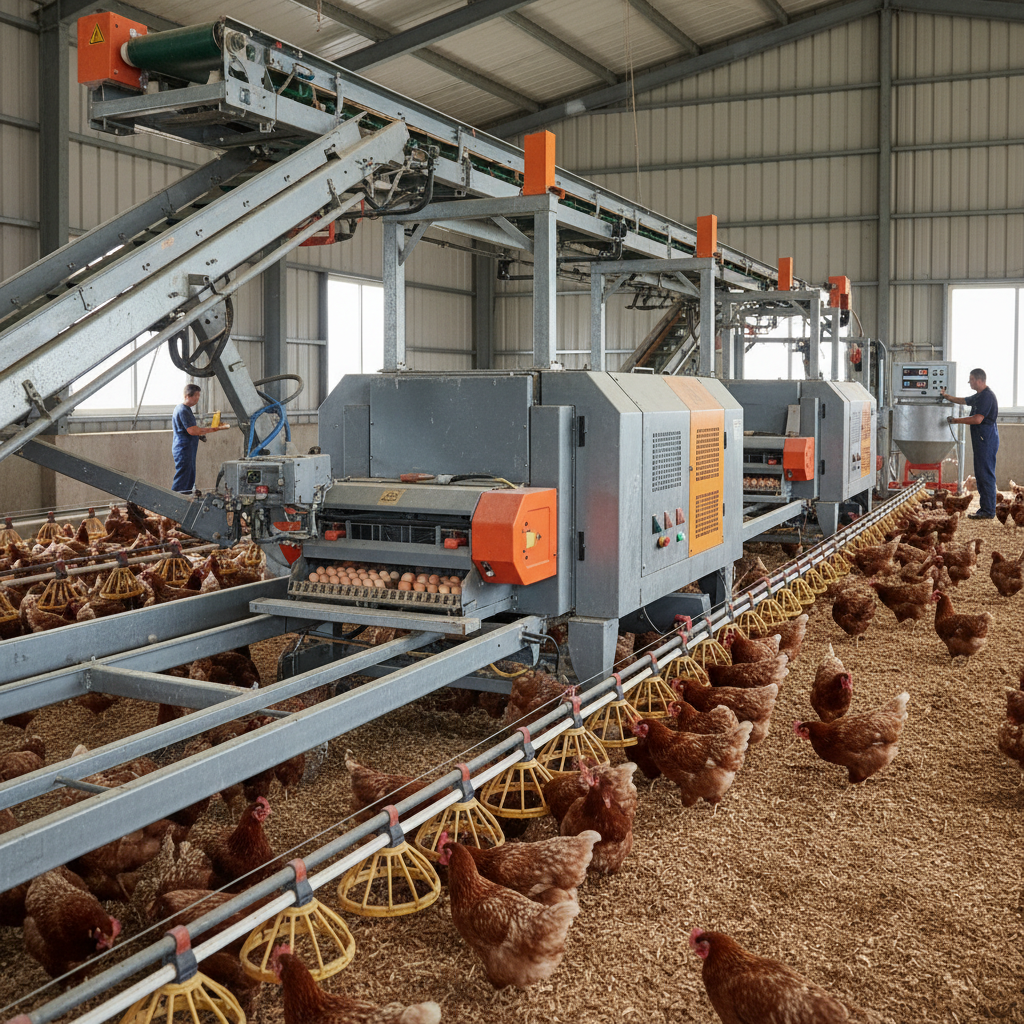
The synergy between restraint and nutrition is best seen when a sheep head lock gate is paired with automatic feeding systems. When animals are locked in place, it eliminates the competition for food, ensuring that timid animals are not pushed away from the trough by more dominant members of the flock.
Utilizing a sheep head lock gate allows for the precise administration of wet feed and additives. Because the animal is stabilized, the risk of feed wastage is significantly reduced, and the farmer can easily monitor the intake of each individual, ensuring that growth targets are being met.
This integrated approach transforms the feeding area into a diagnostic station. While the sheep head lock gate holds the animal, the producer can conduct quick visual health checks or weight estimations, merging the daily routine of feeding with essential health management protocols.
Performance Metrics of Modern Locking Mechanisms
When evaluating the efficacy of different restraint systems, producers typically look at the "stress-to-stability" ratio. A superior sheep head lock gate maximizes stability while keeping the animal's cortisol levels low, which is directly correlated to the overall quality of the wool and meat produced.
Comparing various materials and locking styles reveals a clear preference for systems that offer adjustable neck widths. This flexibility ensures that the gate can be used for various breeds and age groups, from lambs to mature rams, without requiring the installation of multiple different equipment sets.
Comparison of Sheep Head Lock Gate System Efficiency
Global Applications in Specialized Sheep Farming
In the vast pastoral lands of Australia and New Zealand, the sheep head lock gate is an indispensable tool for managing massive flocks. In these regions, the ability to rapidly process animals for shearing preparation or health screenings without moving them across great distances significantly lowers operational overhead.
Similarly, in European intensive farming systems, these gates are integrated into sophisticated housing units. Here, the focus is on hygiene and precision; the sheep head lock gate ensures that animals are kept clear of feeding troughs during cleaning cycles, maintaining a sanitary environment that prevents the spread of respiratory and hoof diseases.
Long-Term Economic Value of Automated Handling
The initial investment in a high-quality sheep head lock gate pays for itself through the reduction of labor hours. Instead of requiring three or four workers to hold an animal for treatment, a single operator can manage the process. This allows farm owners to reallocate human resources to more strategic areas of the business.
Furthermore, the reduction in animal injury and stress leads to tangible financial gains. Calmer sheep have better feed conversion ratios and higher immunity, meaning fewer expenditures on emergency veterinary care and a lower mortality rate within the flock.
Over a ten-year horizon, the reliability of galvanized steel components ensures that the cost of replacement is minimal. When viewed as a capital asset, the head lock system increases the overall valuation of the farming infrastructure by demonstrating a commitment to modern, animal-welfare-centric production.
Future Trends in Livestock Gate Automation
The next generation of sheep head lock gate technology is moving toward "smart" integration. We are seeing the emergence of gates equipped with RFID sensors that can automatically identify an animal as it enters the lock, instantly pulling up its medical history and nutritional requirements on a tablet for the farmer.
Sustainability is also driving material innovation. Research into high-strength, recycled composites is producing gates that are lighter than steel but equally durable, reducing the carbon footprint of manufacturing and transport while maintaining the rigorous standards required for animal restraint.
Automation is the final frontier, with pneumatic and electronic locking systems that can be controlled remotely. This allows for a "zero-touch" environment where animals are locked and released in sequence, further reducing human-animal conflict and maximizing the throughput of the handling facility.
Core Analysis of Sheep Head Lock Gate Technical Specifications
| Material Grade |
Locking Speed |
Stress Level |
Durability Score |
| Galvanized Steel |
Fast (1.2s) |
Low |
9/10 |
| Stainless Steel |
Fast (1.1s) |
Very Low |
10/10 |
| Reinforced PVC |
Medium (2.0s) |
Very Low |
7/10 |
| Cast Iron Mix |
Slow (3.0s) |
Medium |
8/10 |
| Alloy Composite |
Fast (1.3s) |
Low |
8/10 |
| Powder Coated Steel |
Fast (1.2s) |
Low |
7/10 |
FAQS
It minimizes the need for aggressive physical restraint. By securing the animal in a stable, predictable position, it reduces the stress and fear associated with handling, which prevents injuries and maintains the animal's overall health and growth rate.
Yes, most modern designs feature adjustable neck locks or multiple size options to accommodate everything from small lambs to large breeds. This versatility ensures a snug fit that prevents escape while remaining comfortable for the animal.
Hot-dipped galvanized steel or stainless steel are highly recommended for humid or coastal environments. These materials provide a protective barrier against oxidation and corrosion, ensuring the mechanical parts remain smooth and functional over many years.
Depending on the scale of the facility, installation can range from a few hours for a small row to several days for a full-scale commercial barn. Most systems are modular, allowing them to be bolted into existing floor structures quickly.
Significantly. By allowing one person to safely restrain an animal that would otherwise require several handlers, it reduces the man-hours needed for routine medical and nutritional tasks, allowing the farmer to focus on management.
Absolutely. These gates are often designed specifically to work alongside automated feeders, ensuring that animals are held in the correct position to access feed without competition or waste, facilitating precision nutrition.
Conclusion
The implementation of a sheep head lock gate is more than just a purchase of hardware; it is a strategic investment in animal welfare and operational efficiency. By combining durable engineering with a deep understanding of livestock behavior, these systems allow producers to maximize the health of their flock while drastically reducing the physical and financial burdens of manual handling.
Looking forward, the integration of smart sensors and sustainable materials will further refine the role of containment in modern farming. We encourage producers to evaluate their current handling bottlenecks and consider how a professional restraint system can elevate their productivity. For more information on high-quality livestock equipment, visit our website: www.cxlivestock.com